
These 10 Florida State Parks Rival Any National Park Without The Insane Crowds
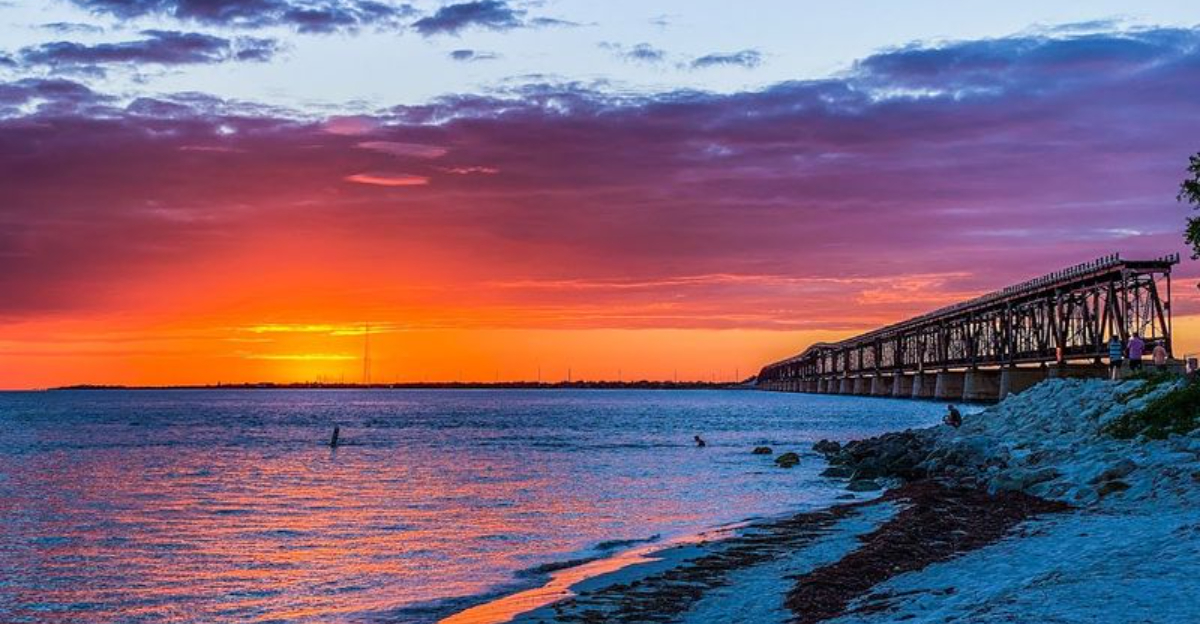
I did not expect Florida to surprise me like this.
For the longest time, I thought real, jaw-dropping nature meant going somewhere far, somewhere dramatic, somewhere that required planning months in advance. But then I started paying closer attention to what was already here, and everything shifted.
Florida has its own version of that kind of beauty. The kind that makes you pause without thinking, whether it is water so clear it does not look real, quiet trails that feel untouched, or wide open spaces where it is just you and the landscape.
No crowds pressing in, no stress about timing, just the freedom to experience it at your own pace.
This is not the Florida most people expect.
And once you see it for yourself, you will wonder why you ever thought you had to go anywhere else to find something this good.
1. Ichetucknee Springs State Park, Fort White
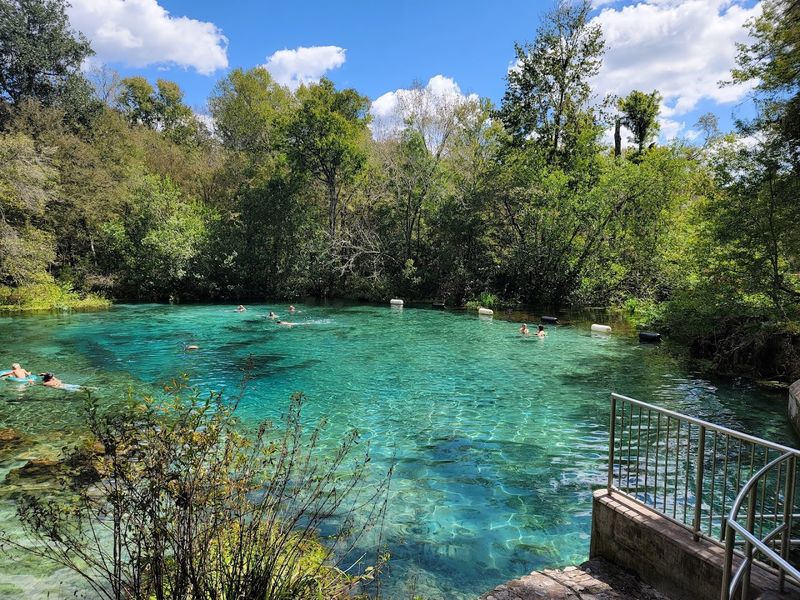
Floating down a spring-fed river in a tube while the current does all the work sounds like the kind of lazy afternoon that should require zero effort, and at Ichetucknee Springs, that’s exactly what you get.
Located at 12087 SW U.S. Hwy 27 in Fort White, this park protects eight major springs and a river so clear you can spot fish darting beneath your tube.
The three-hour float trip covers about three miles, winding through hardwood forests and past limestone outcrops that frame the water like a postcard.
I remember one summer day when I stopped mid-float to dunk my head underwater, and the silence combined with that 72-degree spring water felt like hitting a reset button on my brain.
Tubing season runs from late May through early September, but the park stays open year-round for hiking, snorkeling, and wildlife watching along trails that hug the riverbank.
Blue Spring Boardwalk offers a shorter walk if you just want to see the main spring boil without committing to the full float.
Every time I leave, I’m already mentally clearing my calendar for the next tube trip down this impossibly clear river.
2. Falling Waters State Park, Chipley
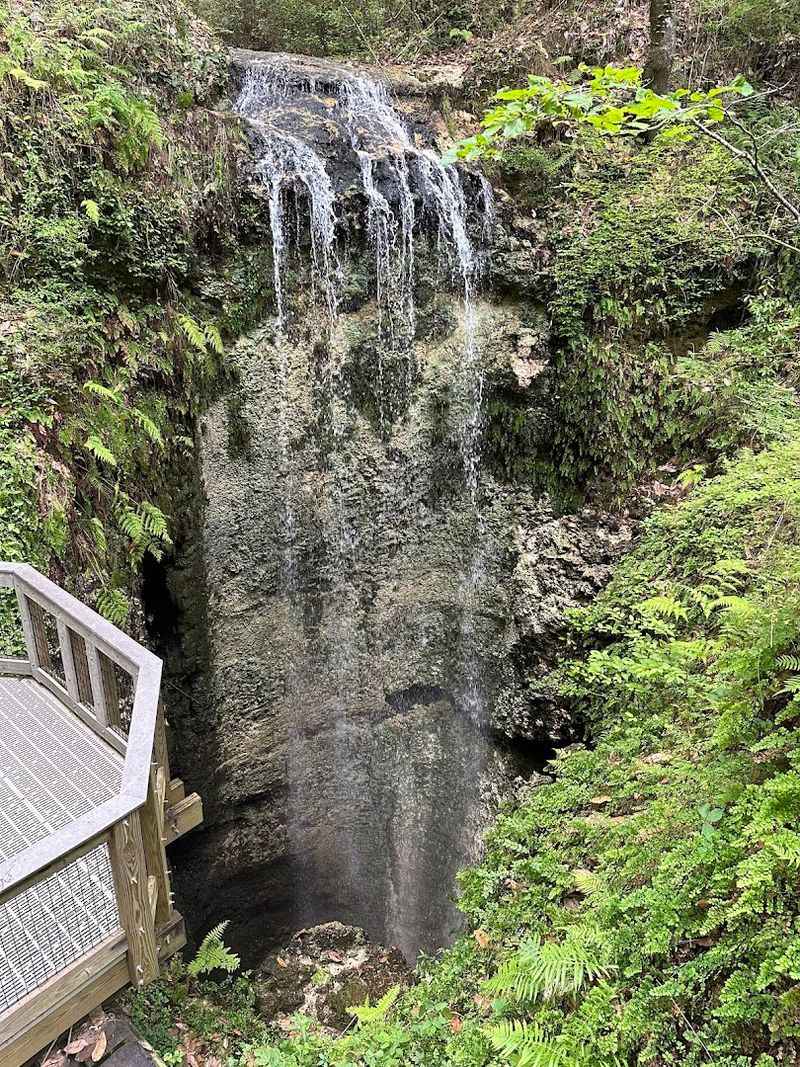
Watching water tumble 73 feet into a sinkhole that seems to have no bottom creates the kind of eerie fascination that keeps you staring longer than you planned.
Falling Waters State Park sits at 1130 State Park Rd in Chipley, home to Florida’s tallest waterfall and a geological oddity that feels more Appalachian than subtropical.
The waterfall plunges into a cylindrical pit, and during dry seasons, you can actually hear it echoing off the limestone walls as it disappears into the aquifer below.
I visited after a heavy rain once, and the roar of the water combined with the mist rising from the sinkhole made the whole scene feel almost prehistoric.
A short trail loops around the sinkhole, offering different viewpoints, and the surrounding forest blooms with wildflowers in spring that add unexpected color to the already dramatic landscape.
The park also features a small lake for swimming and several hiking trails that wind through longleaf pine and hardwood hammocks.
Camping here means falling asleep to the distant sound of rushing water, which beats any white noise machine I’ve ever tried.
3. Grayton Beach State Park, Santa Rosa Beach
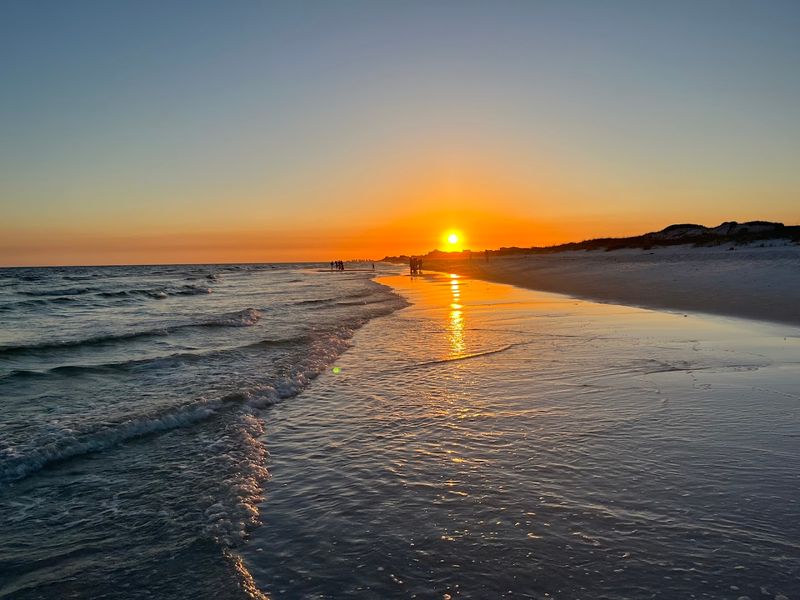
Sugar-white sand that squeaks under your feet and water in about seventeen shades of blue and green make Grayton Beach feel like someone photoshopped the ocean to look impossibly perfect.
The park sits at 357 Main Park Rd in Santa Rosa Beach, tucked along the Emerald Coast where the Gulf of Mexico shows off its best colors.
Consistently ranked among America’s best beaches, this spot somehow manages to stay relatively quiet even during peak season, probably because it’s sandwiched between a coastal dune lake and the Gulf with limited parking that keeps the crowds manageable.
I spent an entire afternoon here once just watching the water shift from emerald to sapphire as clouds moved overhead, and I still haven’t figured out which shade I liked best.
Western Lake, a rare coastal dune lake, sits just behind the beach and offers paddling through brackish water where freshwater and saltwater mix.
Nature trails wind through the dunes and scrub forest, where you might spot ghost crabs scuttling across the sand or shorebirds working the tideline.
Every sunset here reminds me why I keep coming back to this particular stretch of coastline.
4. Wekiwa Springs State Park, Apopka
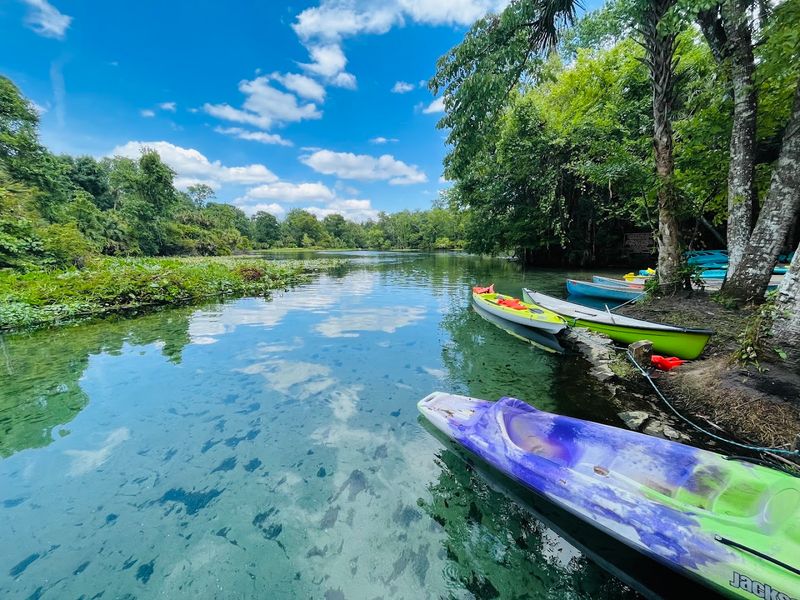
Paddling a canoe through a spring run where the water stays a constant 72 degrees year-round feels like cheating at outdoor recreation, especially on a sweltering Florida summer day.
Wekiwa Springs State Park occupies 7,800 acres at 1800 Wekiwa Cir in Apopka, just minutes from Orlando but feeling worlds away once you’re on the water.
The main spring pumps out 42 million gallons daily, creating a swimming hole so clear you can watch bass and bream cruising the bottom like they’re part of an aquarium display.
I remember my first paddle down the Wekiva River when I rounded a bend and found an alligator sunning on the bank, completely unbothered by my presence as I drifted past.
The park offers 13 miles of hiking trails through sand pine scrub and hardwood swamps, where you might spot white-tailed deer, wild turkeys, or even a black bear if you’re particularly lucky.
Camping options include full-facility sites and primitive backpacking spots for those wanting a deeper wilderness experience.
Every visit here reminds me that you don’t need to drive across the country to find pristine natural springs and genuine solitude.
5. Honeymoon Island State Park, Dunedin
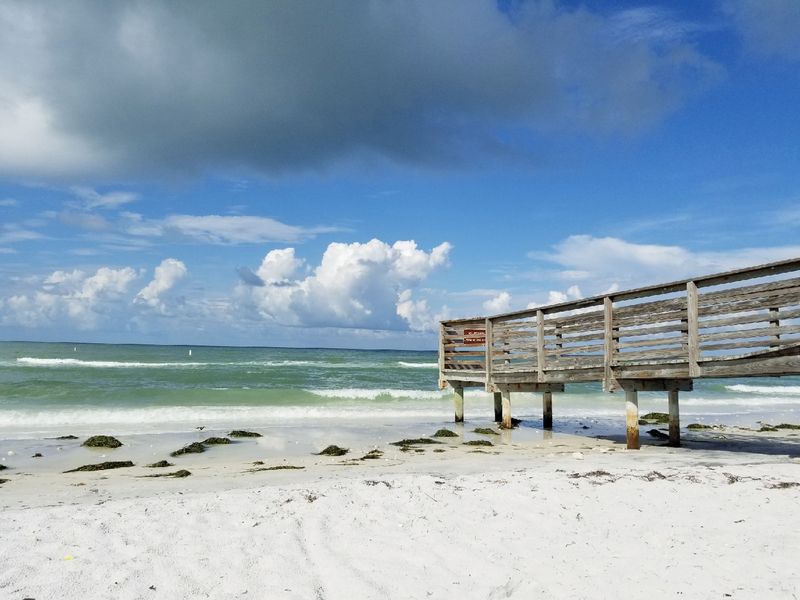
Finding undeveloped beachfront this close to Tampa Bay feels like discovering a secret that everyone somehow forgot to exploit with condos and beach bars.
Honeymoon Island sits at 1 Causeway Blvd in Dunedin, connected to the mainland by a causeway but maintaining a wild character that most barrier islands lost decades ago.
Four miles of beaches offer plenty of room to spread out, and the northern end features a pet beach where dogs can actually run off-leash in the water, which my golden retriever still considers the highlight of her entire life.
The Osprey Trail loops through a forest where these fish-hunting raptors nest in trees, and if you time it right during nesting season, you can watch parents shuttle fish back to demanding chicks.
I once counted fourteen different shorebird species during a single winter morning walk, including a roseate spoonbill that looked like it had gotten lost on its way to somewhere more exotic.
The park also serves as the ferry departure point for Caladesi Island, another pristine state park accessible only by boat.
Sunset from the north beach never gets old, no matter how many times I’ve watched the sun melt into the Gulf.
6. St. Andrews State Park, Panama City Beach
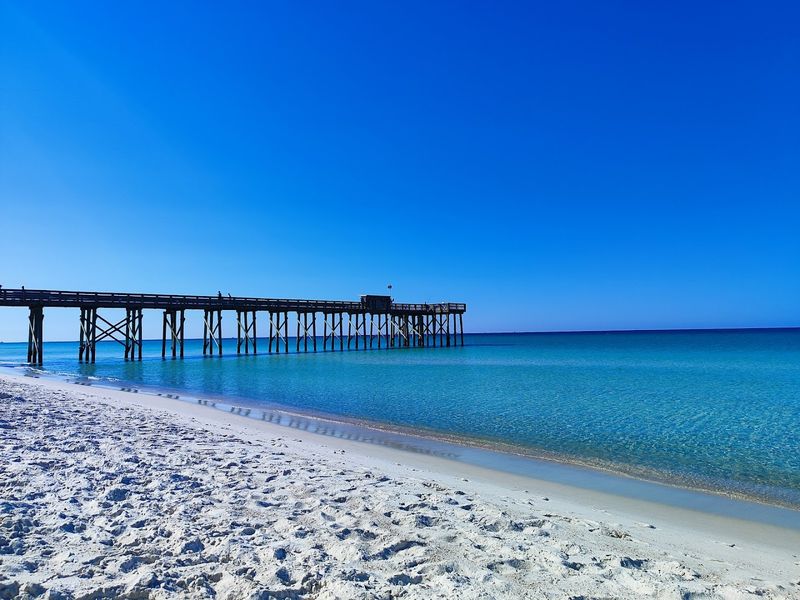
Snorkeling a jetty where the Gulf meets a pass and watching tropical fish swirl around the rocks makes you forget you’re in Florida and not somewhere in the Caribbean.
St. Andrews occupies 1,260 acres at 4607 State Park Ln in Panama City Beach, on a peninsula where you can hit both Gulf beaches and sheltered bay waters in the same afternoon.
The reconstructed jetties at the inlet create artificial reefs that attract everything from sergeant majors to the occasional sea turtle, and the water clarity on calm days rivals anything I’ve seen in the Keys.
I spent one memorable morning here watching a pod of dolphins work the pass, corralling fish against the current while pelicans dive-bombed the chaos from above.
Two fishing piers offer different experiences, with the Gulf pier stretching 1,500 feet into deeper water where anglers hook Spanish mackerel and king mackerel during their seasonal runs.
Nature trails wind through coastal scrub and dune systems, and if you’re quiet, you might spot gopher tortoises lumbering through the underbrush.
Camping here means falling asleep to waves and waking up to sunrise over the Gulf, which beats any hotel view I’ve ever paid for.
7. Bahia Honda State Park, Big Pine Key
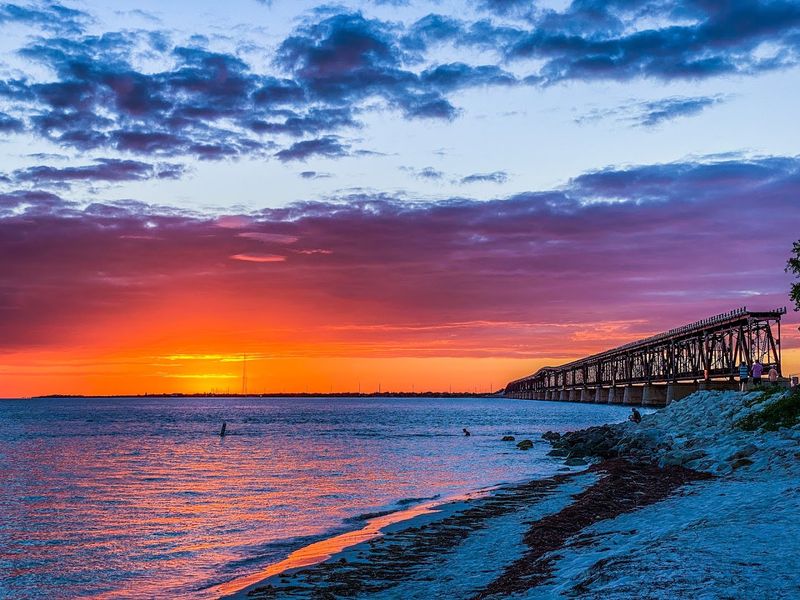
Standing on a beach where the sand is actually white instead of the usual coral-rock Florida Keys standard feels like stumbling onto something that shouldn’t exist this far south.
Bahia Honda sprawls across 524 acres at 36850 Overseas Hwy on Big Pine Key, featuring what many consider the best natural beach in the entire Keys chain.
The old Bahia Honda Rail Bridge looms over the park like a monument to Henry Flagler’s ambitious railroad, and climbing to its observation deck offers 360-degree views of water that shifts between emerald and sapphire depending on depth.
I remember snorkeling the offshore reef here and being genuinely surprised by the coral health and fish diversity, which exceeded what I’d found at more famous Keys snorkel spots.
The park offers boat tours to Looe Key National Marine Sanctuary, where the reef ecosystem explodes with color and marine life that makes every other snorkel trip feel like a warmup.
Camping options include waterfront cabins built on stilts and traditional sites, though booking either requires planning months ahead because this secret is definitely out.
Every time I cross the Seven Mile Bridge and see Bahia Honda approaching, I start planning my next excuse to extend my stay.
8. Silver Springs State Park, Silver Springs
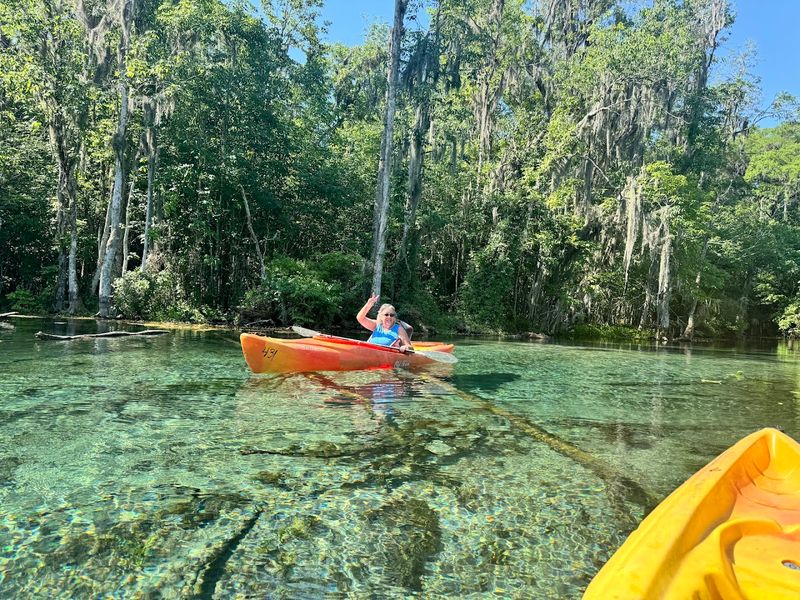
Riding a glass-bottom boat over water so clear you can count individual blades of aquatic grass 80 feet below sounds like a vintage Florida tourist trap, except the springs here are genuinely that transparent.
Silver Springs State Park protects the headwaters of the Silver River at 5656 E Silver Springs Blvd in Silver Springs, where the state’s largest artesian spring system pumps out 550 million gallons daily.
The springs have starred in dozens of movies and TV shows, including several Tarzan films and the 1950s Sea Hunt series, because Hollywood couldn’t find clearer water anywhere else in the continental United States.
I kayaked the river one winter morning and watched a manatee surface so close I could see the algae growing on its back and the scars from old boat strikes.
The park offers 15 miles of hiking trails through sand pine scrub and floodplain forests where wild rhesus monkeys, descendants of escapees from old movie sets, occasionally make surprise appearances.
Museum exhibits detail the springs’ history as a tourist attraction dating back to the 1870s, when visitors arrived by steamboat.
Watching sunlight filter through that impossibly clear water never stops feeling like witnessing something almost supernatural.
9. John Pennekamp Coral Reef State Park, Key Largo
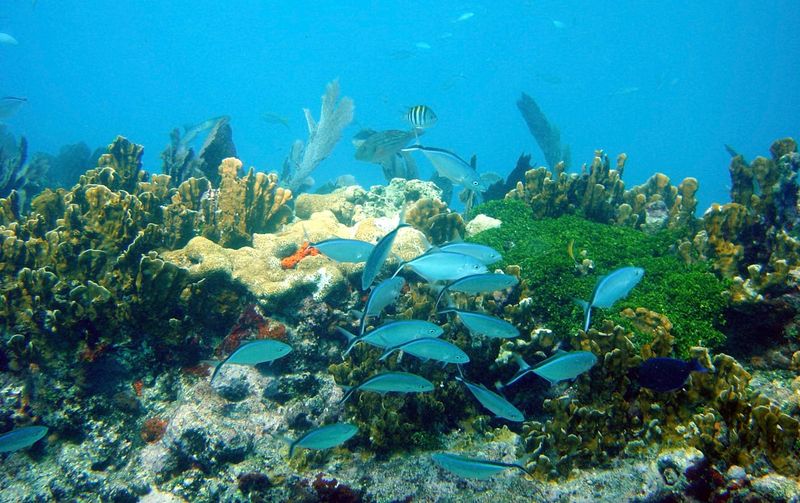
Snorkeling over a living coral reef where parrotfish crunch on coral and angelfish drift past like they own the place makes you realize that Florida’s best scenery sits underwater.
John Pennekamp protects 70 nautical square miles at 102601 Overseas Hwy in Key Largo, making it the first underwater park in the United States and still one of the most spectacular.
The park’s signature attraction, the Christ of the Abyss statue, sits 25 feet underwater and creates this surreal scene where a nine-foot bronze Jesus stands on the seafloor with arms raised toward the surface.
I’ve snorkeled the statue site three times, and each visit brought different marine life, from a curious nurse shark on one trip to a massive school of yellowtail snapper on another.
Glass-bottom boat tours offer reef views for non-swimmers, though honestly, getting in the water transforms the experience from watching to participating.
The park also features mangrove trails where you can kayak through tunnels of roots that serve as nurseries for juvenile fish and hiding spots for juvenile tarpon.
Every visit reminds me that coral reefs are worth protecting, and Pennekamp does that job while still letting visitors experience the magic firsthand.
10. Anastasia State Park, St. Augustine
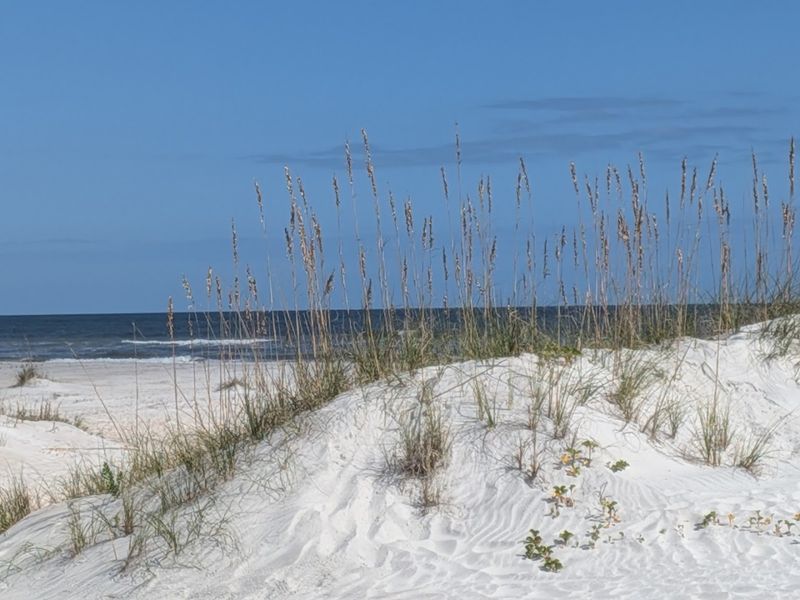
Walking a beach where coquina rock formations poke through the sand like ancient ruins adds a geological history lesson to your standard beach day.
Anastasia occupies 1,600 acres at 300 Anastasia Park Rd in St. Augustine, combining four miles of Atlantic coastline with a tidal salt marsh that attracts wading birds by the dozens.
The ancient dunes here tower up to 40 feet high, stabilized by sea oats and saw palmetto, creating a landscape that feels more like the Outer Banks than typical Florida flatness.
I spent one afternoon exploring the coquina outcrops at low tide and found tiny crabs, anemones, and fish trapped in tidal pools that reset twice daily with the tide cycle.
Salt Run, a tidal lagoon on the park’s west side, offers calm paddling water where you can explore mangrove islands and spot dolphins working the channels during incoming tides.
The campground sits tucked into maritime hammock, and sites near the dunes let you fall asleep to Atlantic waves, which beat traffic noise any day of the week.
Combining a park visit with historic St. Augustine exploration makes for the kind of day that satisfies both beach lovers and history buffs in one trip.