
These Foods Alaskans Miss The Second They Leave Alaska
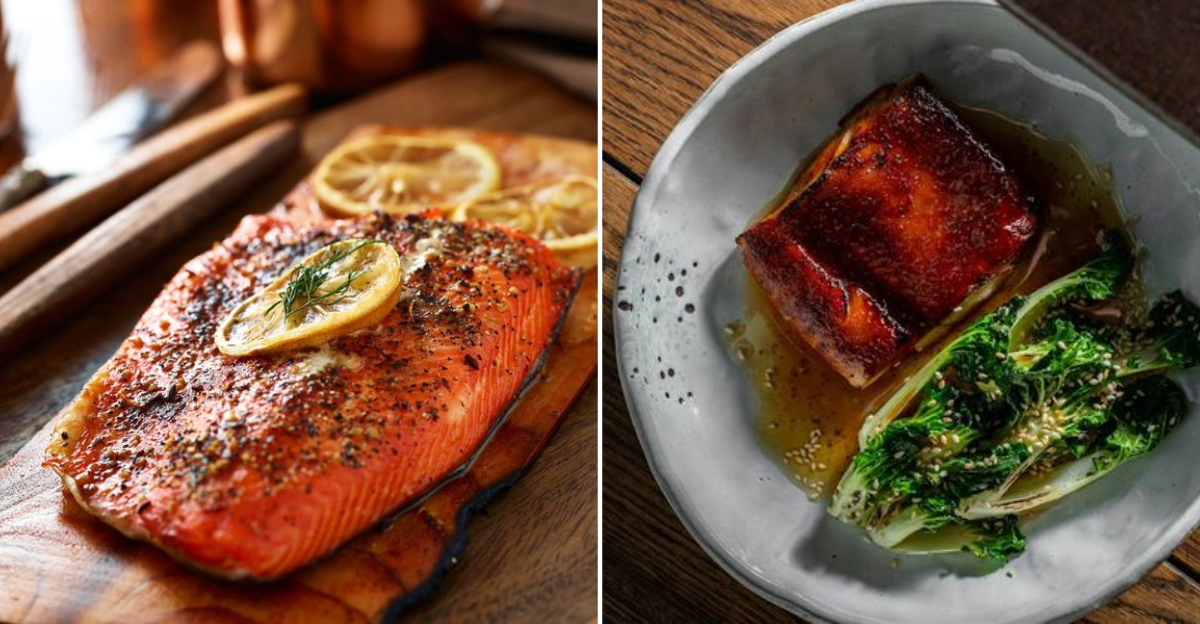
Leaving Alaska means saying goodbye to more than stunning mountains and endless daylight.
The food scene up north is unlike anywhere else, packed with wild-caught treasures and unique treats you simply can’t find in the Lower 48.
Once Alaskans relocate, they quickly realize how much they took those flavors for granted, and the cravings hit hard.
1. Wild-Caught Alaska Salmon
Nothing compares to biting into a piece of salmon that was swimming in icy Alaskan waters just days before. The rich, buttery flavor of wild-caught varieties like sockeye, king, and coho spoils you forever, making grocery store salmon taste like cardboard by comparison.
Alaskans grow up grilling, smoking, and canning this fish, turning it into family traditions that span generations. The vibrant color alone tells you it’s the real deal, packed with omega-3s and a taste that screams “I’m from the Last Frontier.”
Once you leave, you’ll find yourself eyeing every seafood counter with suspicion, knowing nothing will measure up to what you left behind.
2. Pilot Bread and Sailor Boy Crackers
These thick, unsalted crackers might look boring, but they hold a special place in every Alaskan’s pantry and heart. Originally designed for long sea voyages, pilot bread became a staple across Alaska because it lasts forever and pairs with literally everything from soup to smoked salmon.
Kids spread peanut butter on them, elders dip them in tea, and everyone agrees they’re weirdly addictive despite their plain appearance. The satisfying crunch and versatility make them irreplaceable.
Try explaining to someone outside Alaska why you’re obsessed with giant bland crackers, and you’ll get puzzled looks every single time.
3. Alaska King Crab
Few things match the thrill of cracking open massive king crab legs and pulling out sweet, tender meat by the mouthful. In Alaska, this delicacy shows up at family dinners and celebrations, making any meal feel like a special occasion, though prices have surged in recent years due to tight supplies and limited harvest seasons.
The legs are so huge they barely fit on your plate, and the flavor is impossibly sweet and fresh. Outside Alaska, you’ll pay tourist prices for a fraction of the quality.
Every Alaskan who moves away dreams about those butter-drenched crab feasts, knowing they’ll never be quite the same anywhere else.
4. Akutaq (Alaska Native Ice Cream)
Forget everything you know about ice cream because akutaq is in a league of its own. This traditional Alaska Native treat blends whipped fat (often from seals or caribou) with berries, fish, and sometimes sugar, creating a flavor profile that’s simultaneously sweet, savory, and utterly unique.
Different families have secret recipes passed down through generations, making each batch special. The texture is light and fluffy, almost mousse-like, with bursts of wild berry tartness throughout.
It’s a taste of Alaska’s indigenous heritage that simply doesn’t exist outside the state, leaving transplants longing for just one more spoonful.
5. Fresh Alaska Halibut
Halibut from Alaskan waters is so fresh and mild that even people who claim to hate fish become instant converts. The massive flatfish yields thick, meaty steaks that stay moist and flaky whether you grill, bake, or fry them, and the flavor is clean without any fishy aftertaste.
Locals know the best cuts, especially the prized cheeks, which are buttery and melt-in-your-mouth delicious. You can catch your own or buy directly from fishermen at the docks.
Once you’re stuck buying frozen halibut shipped thousands of miles, you’ll understand what true heartbreak tastes like.
6. Wild Harvested Berries
Alaskan summers mean berry-picking adventures that yield buckets of intensely flavored wild blueberries, salmonberries, crowberries, and more. These tiny powerhouses pack way more flavor than anything you’ll find at a supermarket, with a tartness and sweetness that varies by location and season.
Families guard their secret picking spots jealously, returning year after year to harvest nature’s candy. The berries end up in jams, pies, and freezers to enjoy all winter long.
Store-bought berries taste watery and bland in comparison, making former Alaskans miss those purple-stained fingers and marathon picking sessions desperately.
7. Wild Game Meat
Moose, caribou, and other wild game aren’t just novelty foods in Alaska, they’re dinner. Subsistence hunting provides lean, organic protein that tastes richer and more complex than farm-raised beef, connecting people to the land in a profound way.
A single moose can fill a freezer for months, and families share the harvest with neighbors, creating community bonds. The meat works beautifully in stews, burgers, and roasts.
Moving to places where hunting isn’t part of daily life means losing access to this incredible food source, and no grocery store meat section can fill that void.
8. Black Cod (Sablefish)
Black cod, also called sablefish, might be Alaska’s best-kept seafood secret, with flesh so buttery and rich it practically melts on your tongue. The high oil content makes it nearly impossible to overcook, and it takes on marinades beautifully, especially miso or teriyaki glazes.
In Alaska, it’s affordable and accessible, showing up at fish markets and dinner tables regularly. The silky texture and mild flavor win over even the pickiest eaters.
Outside Alaska, black cod becomes an expensive restaurant delicacy, making former residents weep into their overpriced entrees while remembering the good old days.
9. Spot Shrimp and Alaskan Wild Scallops
These prawns are large and sweet, with meat so tender it practically melts on your tongue. Locals know the brief spring season when these treats are available, and they stock up fast.
Wild Alaskan scallops (weathervane scallops) are equally treasured for their incredible sweetness and firm texture. Unlike farmed varieties found elsewhere, these scallops taste clean and ocean-fresh without any fishy aftertaste.
Many Alaskans remember family dinners featuring simply seared scallops with just butter and lemon. Once you leave Alaska, finding these specific varieties becomes nearly impossible, leaving transplants longing for that unmistakable taste of home waters.
10. Traditional Fermented Native Foods
For thousands of years, Alaska Native communities have preserved fish through fermentation, creating dishes with bold, unforgettable flavors. Fermented fish heads, sometimes called stink heads, might sound strange to outsiders, but they represent centuries of wisdom about surviving harsh winters.
The fermentation process creates complex flavors and makes nutrients more available. These traditional foods connect people to their ancestors and cultural identity in powerful ways. Families gather to prepare and share these dishes during special occasions, passing down techniques and stories.
The strong smell might take getting used to, but the taste tells stories of resilience and tradition. Outside Alaska, finding authentic fermented Native foods is virtually impossible, making former residents miss this deep connection to heritage and community.
11. Fresh Rockfish and Lingcod
While salmon and halibut steal the spotlight, rockfish and lingcod are the unsung heroes of Alaska’s waters. Rockfish comes in dozens of varieties, each with slightly different flavors ranging from mild to slightly sweet. Their flaky white meat works perfectly in tacos, chowders, or simple pan-frying.
Lingcod aren’t true cod (they’re greenlings), but they’re beloved for their firm, mild flesh and striking blue-green hue before cooking. The meat turns white when cooked and has a firm texture that holds up beautifully to grilling or baking.
Local anglers prize these fish for their fighting spirit and delicious flavor. Grocery stores in other states rarely carry these specific species, leaving Alaskans craving the variety and freshness they once enjoyed regularly back home.
12. Alaska Crab Chowders and Local Seafood Stews
Cold Alaskan days call for warm, hearty bowls of crab chowder made with locally caught seafood. Unlike generic seafood chowders found elsewhere, Alaska versions overflow with generous chunks of sweet crab meat, potatoes, and cream.
These chowders often combine multiple seafood types, crab, shrimp, scallops, and various fish, creating layers of ocean flavor in every spoonful. The broth tastes rich without being heavy, letting the quality seafood shine through.
Restaurant chowders outside Alaska just can’t match the freshness and abundance of seafood found in authentic Alaskan versions.