
These Forgotten Ghost Towns In Georgia Are Hauntingly Beautiful
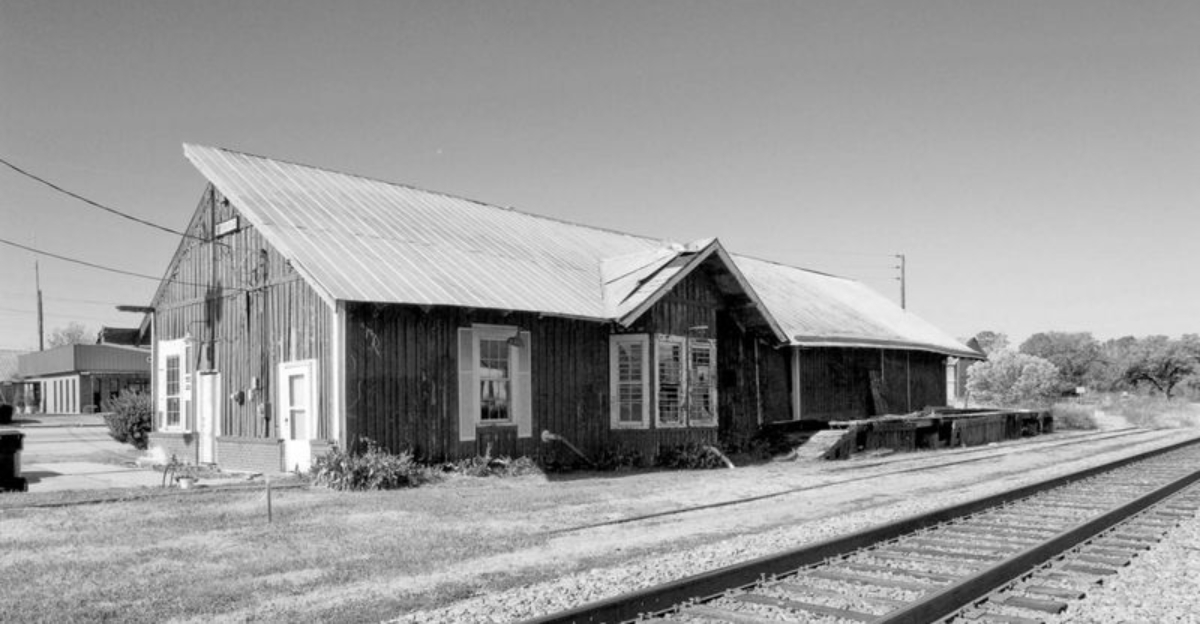
There’s a particular type of quiet you only find in places that have been truly forgotten. It’s the kind of silence that swallows sound and makes you feel like the last human on earth.
Following a faded, hand-drawn map and a persistent hunch, I recently drove deep into the backroads of rural Georgia, searching for the remnants of towns that time intentionally overlooked.
What I found wasn’t just spooky-it was profoundly moving. Walking through the stone foundations of these places, watching the dappled sunlight filter through the skeletal wood frames of what were once homes and banks, I discovered a haunting truth.
These ghost towns are stunningly beautiful, perfectly preserved monuments to the slow, inevitable artistry of decay. I invite you to join me on this quiet journey into the history that refused to be erased.
1. Auraria — The Golden Dream That Faded
Gold fever gripped this mountain town in 1829, making it America’s first major gold rush before California stole the spotlight. Thousands of prospectors flooded the hills, building hotels, saloons, and stores practically overnight.
Today, nature has reclaimed most of Auraria, leaving only scattered foundations and a lone chimney standing like a sentinel. The general store still stands, though barely, its weathered wood groaning under decades of neglect.
Walking through the site feels like stepping through a portal where fortunes were made and lost on the turn of a pan. The silence now is deafening compared to the chaos that once ruled these hills.
2. Ebenezer — Where Faith Outlasted The Town
Salzburger refugees fled religious persecution in Austria and established this settlement in 1734, building one of Georgia’s earliest communities. They constructed mills, farms, and the beautiful Jerusalem Lutheran Church that still welcomes visitors today.
Disease and poor soil eventually drove most residents away, leaving their carefully planned town to crumble. Only the church and scattered brick ruins remain as testament to their determination and devotion.
The cemetery beside the church holds generations of Salzburgers who never gave up on their new homeland. Their weathered gravestones bear German inscriptions that few modern visitors can read anymore.
3. Scull Shoals — The Mill Town Drowned By Nature
Deep within the national forest, skeletal brick walls rise from the undergrowth like bones from a grave. This once-prosperous mill town hummed with industry during the 1800s, processing cotton and grain for the surrounding region.
Repeated flooding from the Oconee River gradually undermined foundations and washed away profits until residents finally surrendered. Erosion continued its relentless work, toppling walls and burying roads beneath silt and vegetation.
Hikers who stumble upon the ruins often report an eerie feeling, as if the forest itself is slowly digesting the evidence of human ambition.
4. New Echota — Capital Of A Nation Destroyed
This wasn’t just another town that failed economically or succumbed to natural disaster. New Echota served as the capital of the Cherokee Nation until the U.S. government forcibly removed its entire population in 1838.
The Cherokee had built a thriving community here, complete with a newspaper, council house, and court system modeled after American democracy. That didn’t stop soldiers from rounding up families and marching them westward on the Trail of Tears.
Today’s reconstructed buildings can’t erase the tragedy, but they help visitors understand what was stolen. The print shop where the Cherokee Phoenix was published stands as a monument to a culture that refused to disappear.
5. Oscarville — Submerged Beneath Shame And Water
Few ghost towns carry such a dark legacy as this majority-Black community violently expelled in 1912 after false accusations sparked white mob violence. Residents fled for their lives, abandoning homes, businesses, and farmland they’d built over generations.
Decades later, the government flooded the area to create Lake Lanier, burying the evidence beneath millions of gallons of water. Divers occasionally spot foundations and debris on the lake bottom, physical reminders of racial terrorism.
The lake has earned a reputation for unusual accidents and drownings, leading some to speak of curses. Whether supernatural or not, Oscarville’s story haunts Georgia’s conscience like few others do.
6. Starkville — When The Courthouse Burned, Hope Did Too
Serving as a county seat gave towns prestige, economic stability, and a guaranteed future, or so residents of Starkville believed. When fire consumed the courthouse in the late 1800s, county officials decided to relocate rather than rebuild here.
That single decision drained Starkville’s lifeblood faster than any natural disaster could have. Businesses closed, families moved, and within a generation, the town existed only in fading memories and property records.
Now only the cemetery remains, its headstones marking families who never imagined their thriving community would vanish so completely.
7. Barnett Shoals — The Mill Town That Dissolved
I once tried finding Barnett Shoals with only a vague historical reference and a hand-drawn map from a local historian. After two hours of hiking, I found barely anything beyond a few suspicious-looking foundation stones and some rusted metal.
This mill town once processed grain and timber along the river, supporting dozens of families through hard physical labor. Economic shifts and better transportation elsewhere gradually pulled residents away until nobody remained to remember the place.
Unlike more dramatic ghost towns, Barnett Shoals simply faded like morning mist, leaving almost no trace of the lives lived here.
8. Jacksonboro — Historic Whispers In The Woods
Established in the early 1800s, Jacksonboro served travelers and traders moving through central Georgia with inns, stores, and blacksmith shops. The town enjoyed modest prosperity for decades before railroads bypassed it entirely, routing commerce through nearby communities instead.
Several old houses still stand in various states of decay, their sagging porches and broken windows creating perfect settings for atmospheric photography. Foundation outlines mark where other buildings once stood before collapsing into rubble.
Local historians occasionally lead tours through the remnants, sharing stories passed down through generations about the people who called Jacksonboro home.
9. Shackelton — Where The Mines Went Silent
Mining towns live and die by what lies beneath the earth, and Shackelton learned this lesson the hard way. Through the early 1900s, mines here produced steady yields of valuable minerals, supporting a small but stable community of workers and families.
When the mines played out in the 1920s, there was simply no reason to stay anymore. Miners packed their belongings and moved to operations elsewhere, leaving behind empty houses and silent machinery.
Nature has been slowly reclaiming the site ever since, wrapping abandoned buildings in kudzu and filling mine shafts with debris. The town that once echoed with pickaxes and dynamite now hosts only birdsong and wind.