
These Forgotten Michigan Ghost Towns That Still Feel Mysterious Today
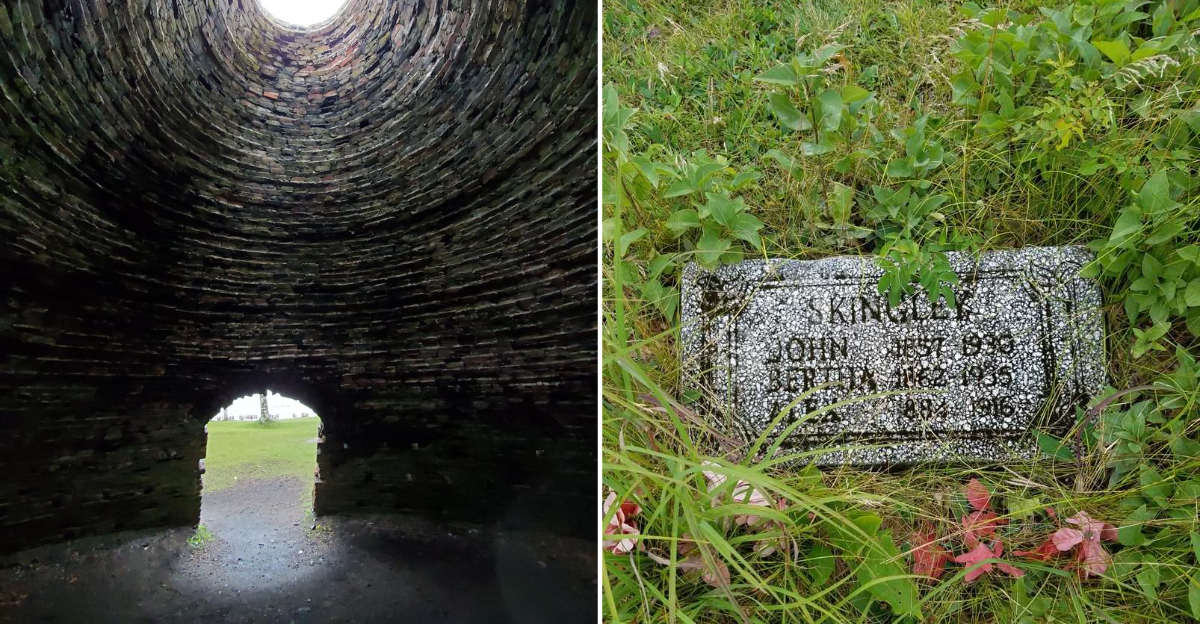
Scattered across the state, Michigan’s forgotten towns whisper stories of boom times gone bust, natural disasters, and dreams that vanished into the wilderness.
These ghost towns aren’t just empty dots on a map—they’re windows into a Michigan that once thrived with hope, hard work, and communities that disappeared almost overnight.
Here are the abandoned places that still hold an air of mystery today
1. Central Mine — Keweenaw Peninsula, Michigan
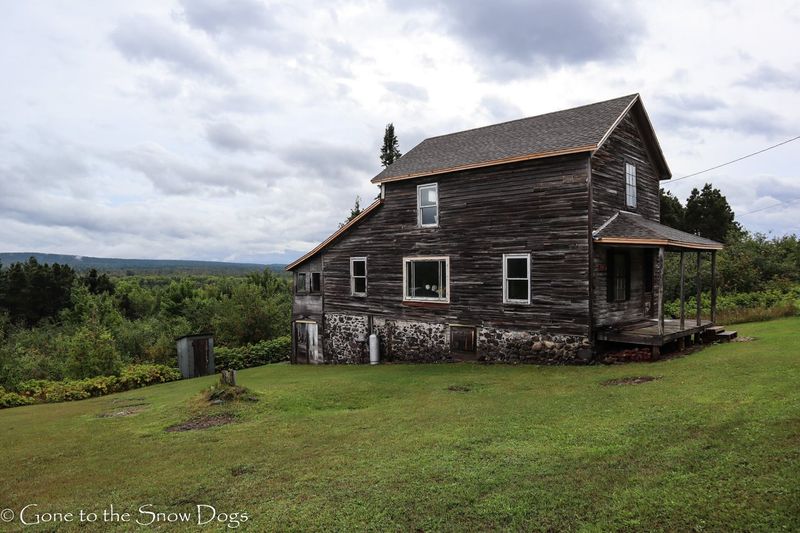
Copper fever gripped the Keweenaw Peninsula in the 1800s, and Central Mine rode that wave of fortune until the rich ore finally ran out.
Located near Mohawk in Keweenaw County, this former mining town once housed more than 1,200 workers and their families who relied on the Central Mining Company.
Stone ruins of the mine captain’s house still stand in the forest, along with foundations that hint at the bustling community that once lived here.
Walking through Central Mine today feels like stepping into a time capsule.
The well-preserved cemetery tells the stories of miners who passed away young, and the silence is broken only by the sound of wind moving through the pines.
The mine shafts are sealed for safety, but massive rock piles from copper sorting remain visible throughout the site.
Reaching Central Mine requires navigating rough forest roads off US-41, adding to the sense of remoteness that makes this place so atmospheric.
2. Clifton — Near Calumet, Keweenaw County, Michigan
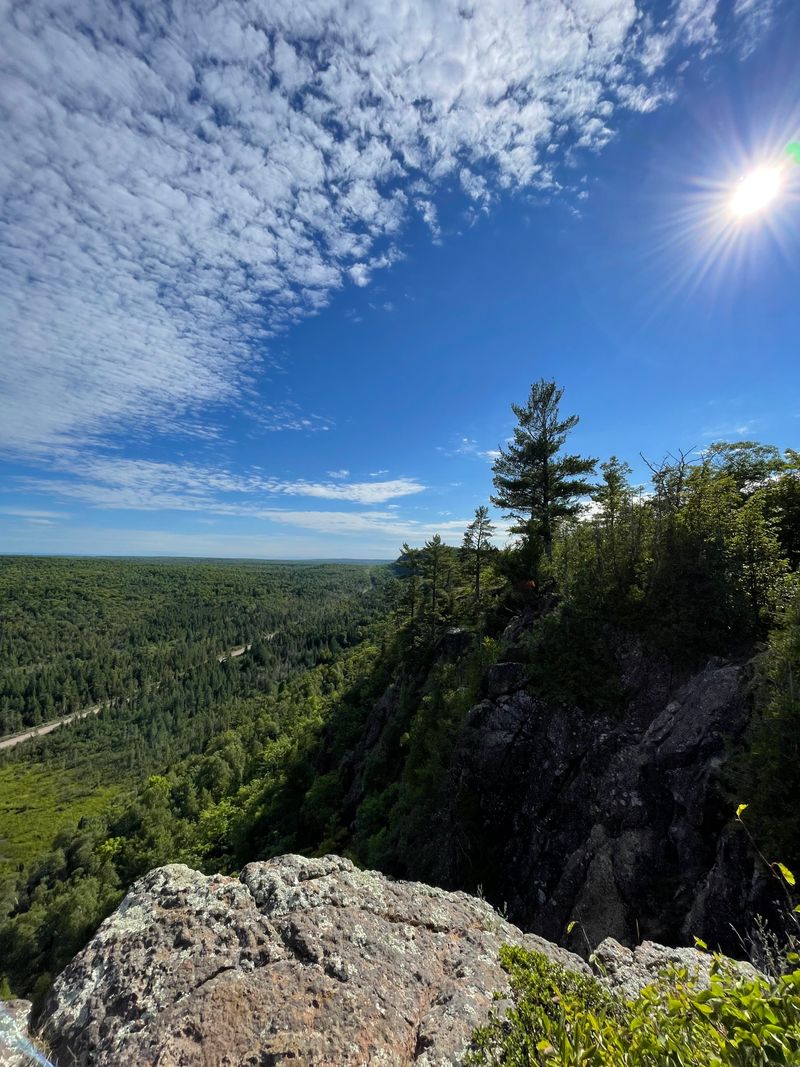
Clifton rose and fell with the success of the Cliff Mine, one of the most profitable copper mines in Michigan during the mid-1800s.
At its peak, hundreds of immigrant miners lived here, creating a diverse settlement complete with homes, schools, and churches.
When the mine closed in 1870 due to declining profitability, families dispersed and the town slowly faded.
Today, impressive stone foundations, mine shaft collars, and towering stamp mill ruins remain along Cliff Drive.
Autumn transforms Clifton into one of the most photogenic ghost towns in the state, with bright foliage surrounding gray stone structures.
Many of the ruins are accessible by car, making this one of the easiest ghost towns to explore.
3. Hard Luck — Gladwin County, Michigan (Au Sable State Forest)
Sometimes a town’s name tells the whole story. Hard Luck earned its reputation through a string of accidents and misfortunes that plagued the logging settlement from the start.
Workers believed the camp was cursed, and many refused to stay even when jobs were scarce.
Today, Hard Luck has vanished so completely that even historians struggle to determine its exact location.
Timber company records mention the settlement but offer vague descriptions, and explorers often leave without finding clear evidence.
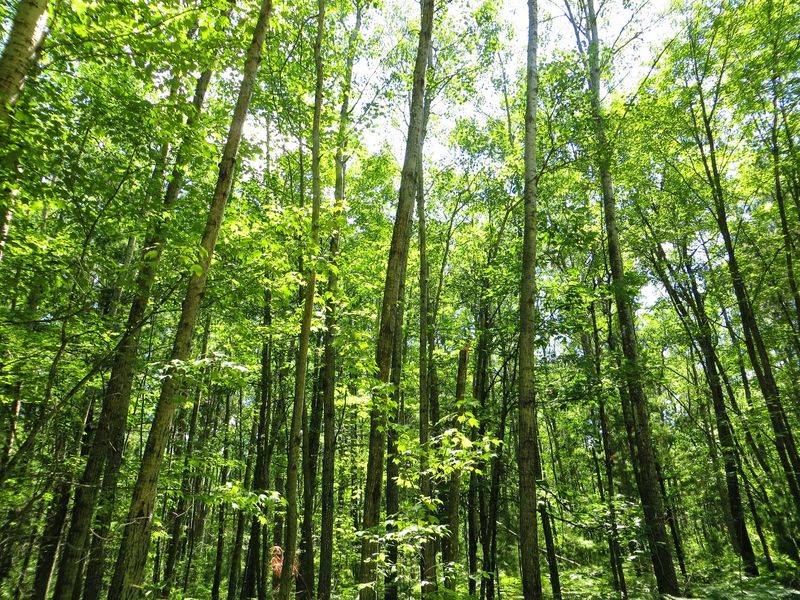
A few adventurers claim to have located fragments of rotted foundations, but without confirmed coordinates, Hard Luck remains one of Michigan’s most mysterious lost towns—hidden deep within the Au Sable State Forest and protected by thick wilderness.
4. Port Sheldon — Near Port Sheldon Township, Ottawa County, Michigan
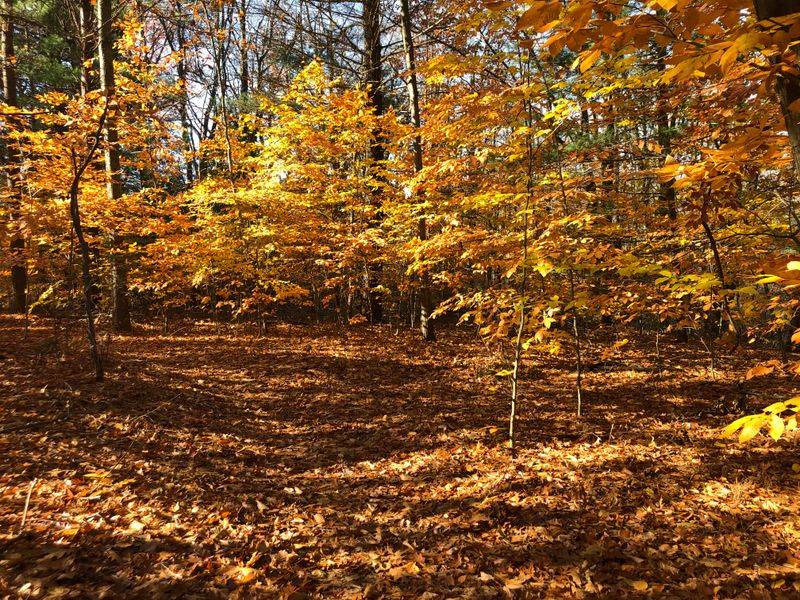
Port Sheldon began with sky-high ambitions in the 1830s, when speculators hoped to build a major Great Lakes shipping port that could rival Chicago.
A hotel, harbor, and streets were laid out, but shallow waters and an 1850s fire doomed the dream.
The town was gradually abandoned, leaving behind little more than foundations and the cemetery near modern-day Port Sheldon Township Park.
Erosion and shifting sands have erased most visible traces of the once-hopeful settlement.
Walkers along the shoreline occasionally find old bricks or pottery fragments, but the cemetery remains the clearest link to the past.
Standing on the quiet beach, it’s easy to imagine the bustling community that never fully took shape.
5. Baltic — Houghton County, Michigan (Upper Peninsula)
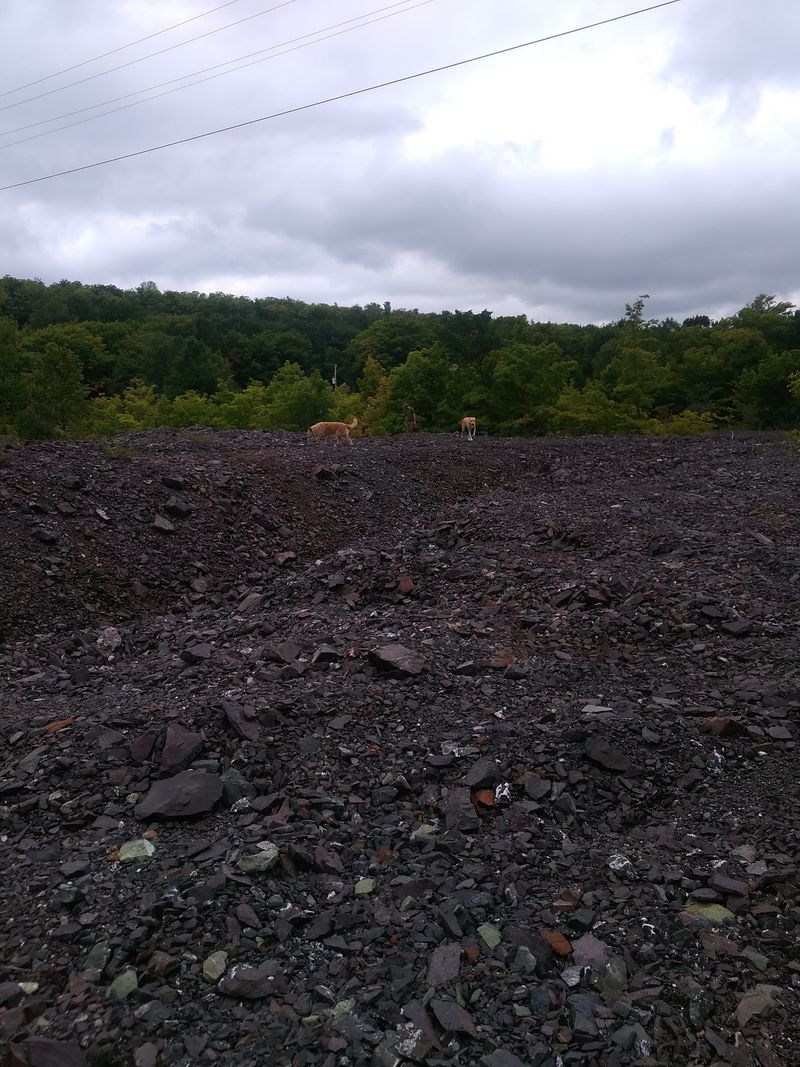
Baltic followed the familiar rise-and-fall rhythm of Michigan’s copper mining towns.
Established for workers of the Baltic Mining Company in the early 1900s, the town included company homes, a school, and several small businesses.
When copper prices dropped and ore deposits thinned, the mine closed and the town emptied.
Today, scattered foundations and vast rock piles mark where the community once stood.
A few occupied homes nearby create an unusual blend of past and present.
Winter brings striking photo opportunities as snow outlines the remaining structures, giving Baltic an eerie, frozen-in-time beauty.
Visitors should stay aware of private property boundaries in the area.
6. Pere Cheney — Crawford County, Michigan (Near Grayling)
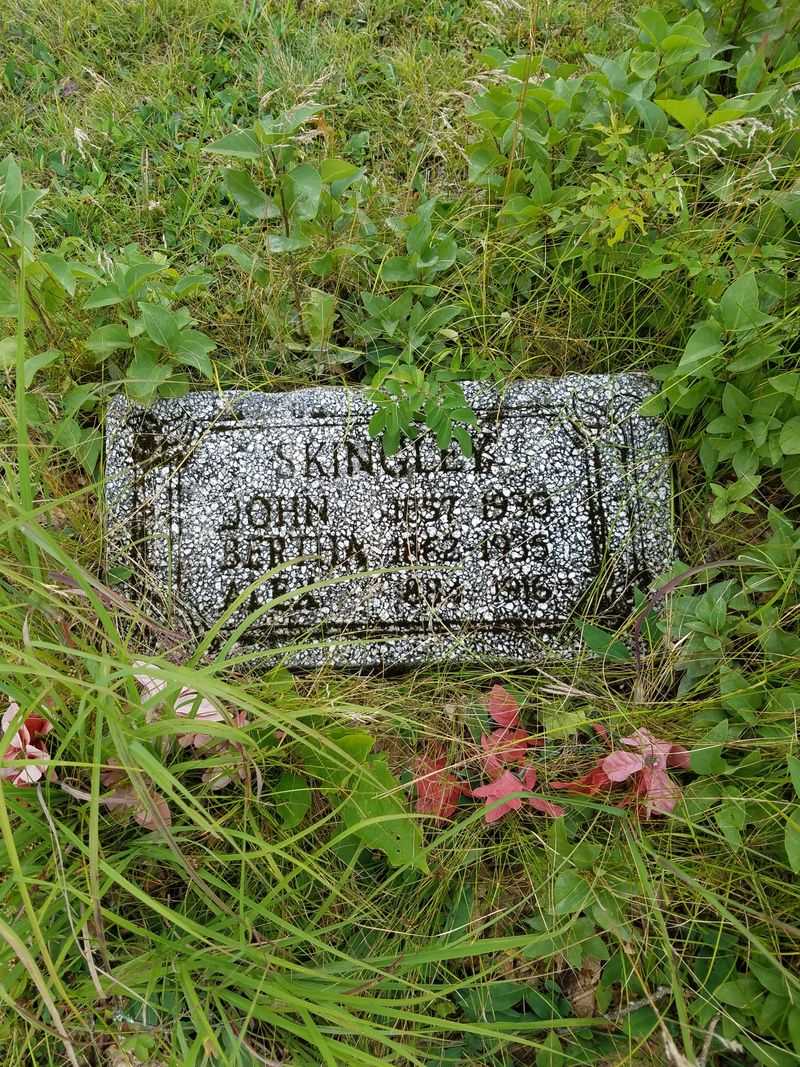
Few Michigan ghost towns carry as much folklore as Pere Cheney. Founded in the 1870s as a lumber town, it thrived briefly before disease outbreaks—likely diphtheria or tuberculosis—wiped out much of the population.
By 1917, the town was almost entirely abandoned.
The remaining cemetery, with around 90 graves, draws paranormal enthusiasts and curious travelers alike.
Twisted trees, quiet forest surroundings, and the long history of tragedy give the area a haunting atmosphere.
The site sits deep in the Huron National Forest, reachable only by dirt roads that become difficult after rain.
Vandalism over the years has damaged some graves, adding a somber note to an already heavy history.
7. Fayette — Fayette Historic State Park, Delta County, Michigan
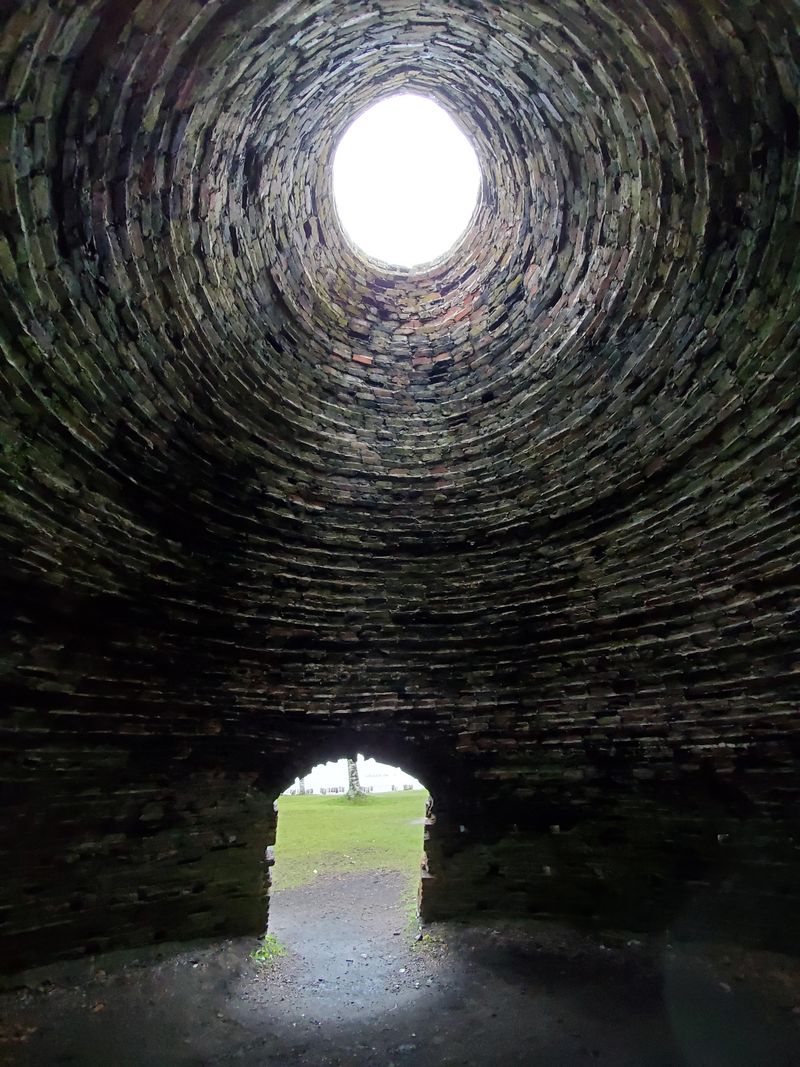
Fayette is one of the best-preserved ghost towns in the Midwest—a time capsule of Michigan’s industrial era.
Built by the Jackson Iron Company, the smelting town operated from 1867 to 1891, producing pig iron and supporting a full community with homes, a hotel, shops, and even an opera house.
When new smelting methods made the site obsolete, the town emptied but the structures remained.
Today, visitors can tour restored buildings, towering limestone furnace ruins, and scenic Snail Shell Harbor.
Fayette Historic State Park offers guided programs and historical displays, making this the most educational and immersive ghost town experience in Michigan.
Stunning summer sunsets add an almost dreamlike quality to the preserved ruins.