
These 11 Historic Colorado Restaurants Still Serve Recipes That Have Survived For Generations
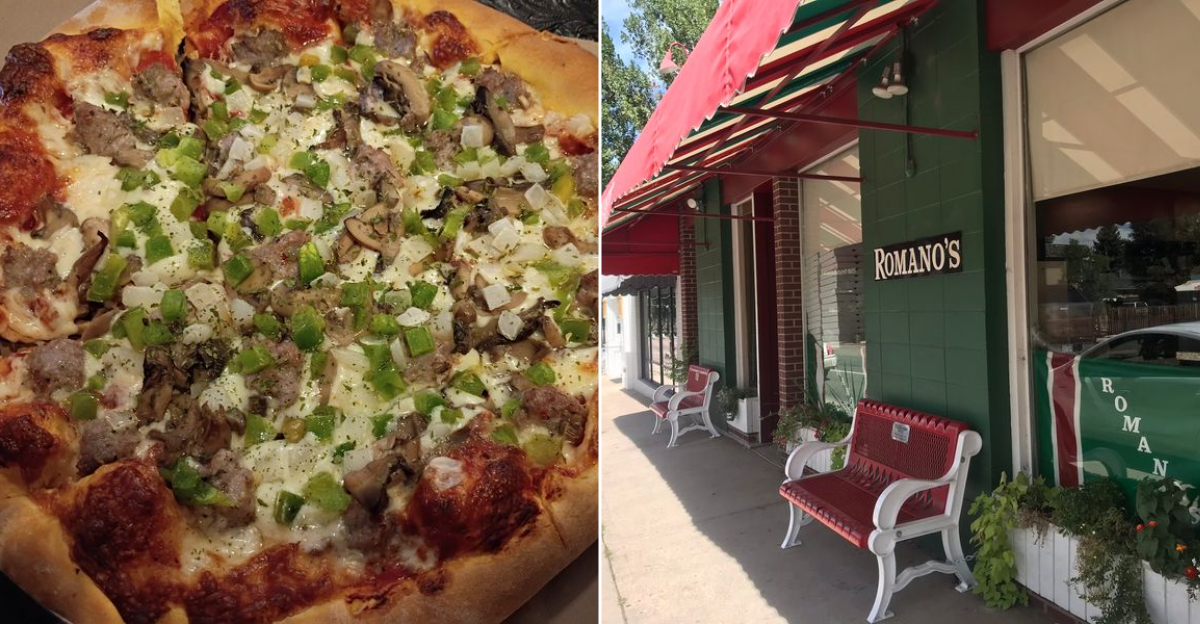
The best meals are not always the ones everyone is posting about. Sometimes, the real story is simmering quietly in kitchens that have spent decades getting the same recipes exactly right.
Across generations, family-run restaurants have kept sauces, doughs, seasonings, and techniques alive without turning them into nostalgia acts.
That kind of staying power says something, especially in Colorado, where new openings and changing tastes can easily steal the spotlight.
What makes these places compelling is not that they refuse to change. It is that they know which things are worth protecting.
A recipe handed down through a family can carry more than flavor. It can hold memory, habit, pride, and the comfort of knowing dinner still tastes the way someone remembers it.
For travelers exploring different corners of Colorado, these enduring kitchens offer something trends cannot manufacture: proof that a great meal can become part of a family story.
1. Ianne’s Pizzeria, Pueblo
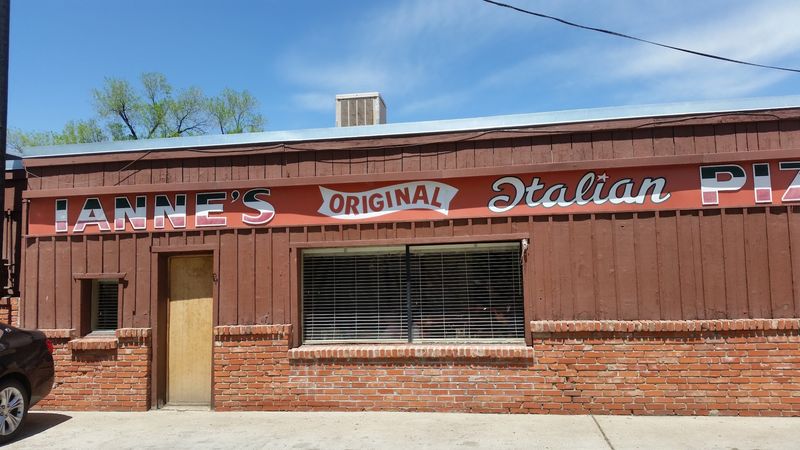
Five generations is not a typo. Ianne’s opened in 1954, and the same family bloodline has rolled dough, stirred sauce, and shaped meatballs in that Pueblo kitchen ever since.
The recipes haven’t budged. Homemade sausage, hand-tossed dough, meatballs, red sauce, lasagna, and salad dressing all follow the exact formulas the founders used when Eisenhower was president.
Walk in on a Tuesday afternoon, and you might find a great-grandchild of the original owners prepping for the dinner rush. That continuity shows up on the plate in ways a corporate kitchen can’t replicate.
Pueblo locals treat Ianne’s like an heirloom, the kind of place you bring out-of-town guests to prove your city has soul. The dining room fills with regulars who’ve been ordering the same dish for thirty years, and nobody apologizes for the lack of novelty.
It’s still open for dine-in, pickup, and delivery, which means you can experience seven decades of family cooking without leaving your car. That’s either convenience or a missed opportunity, depending on how much you value red vinyl booths and the hum of a room that’s seen countless family dinners unfold.
2. Pass Key Restaurant, Pueblo
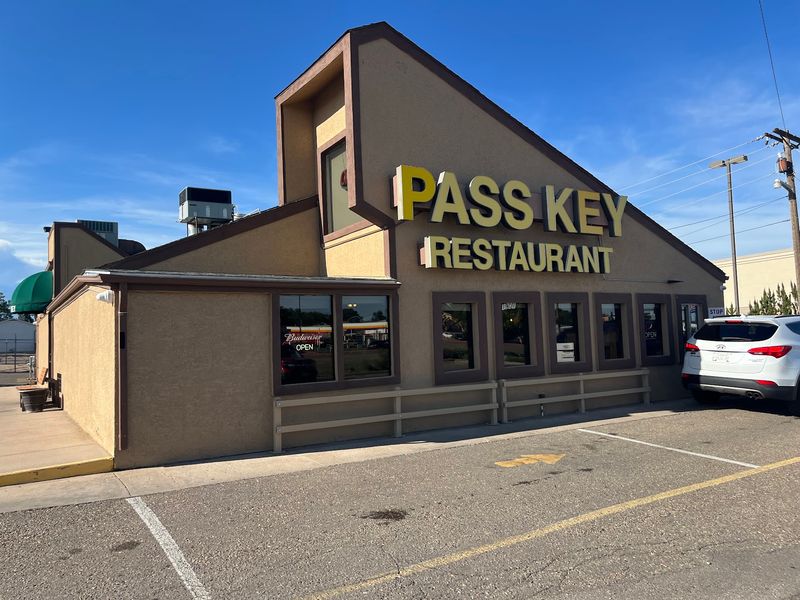
The Pagano family started feeding Pueblo in the early 1950s, back when a good Italian meal meant someone’s nonna was in the kitchen. That someone was Grandma Lil, and her cooking set the template for what Pass Key still serves today.
The Italian sausage and the Pass Key Special aren’t menu experiments. They’re direct descendants of dishes Grandma Lil made for her own family, scaled up but not altered.
When you order them now, you’re tasting a recipe that predates interstate highways and color television. The current generation of Paganos hasn’t tried to modernize or “elevate” what works, which is either stubbornness or wisdom, depending on your perspective.
Pueblo has two heavy-hitter Italian spots with multi-generational roots, and Pass Key is the one that leans hardest into its family story. The dining room doesn’t shout about it, but the food does.
If you’re driving through southeastern Colorado and need a meal that feels like someone’s kitchen rather than a corporate test kitchen, Pass Key delivers. Just don’t expect fusion or farm-to-table buzzwords.
You’re here for what Grandma Lil knew, and that’s enough.
3. Lee’s Bar-B-Q, Trinidad
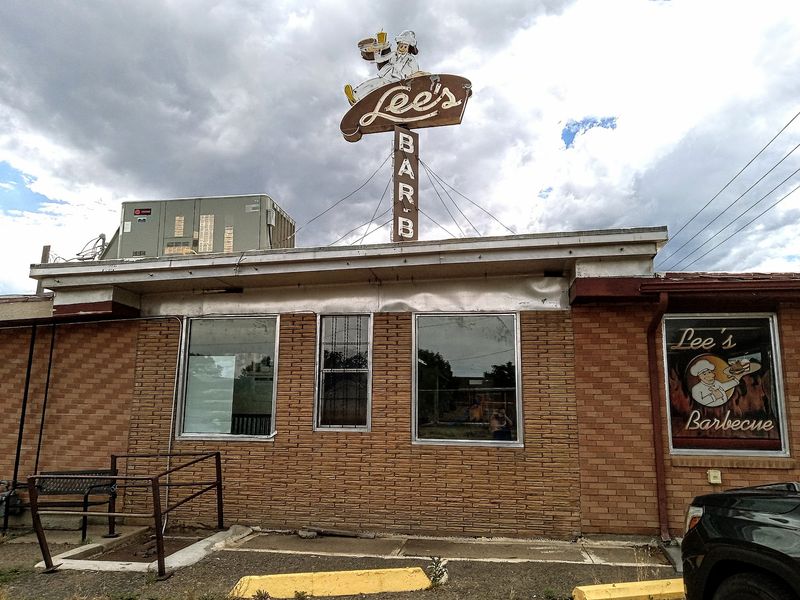
Lee’s has been smoking meat in Trinidad since 1938, which makes it older than most of Colorado’s ski resorts and nearly every chain restaurant in the state. The building still looks like a drive-in from the era when carhops were a novelty, not a nostalgia trip.
When the Mattorano brothers bought the place in 2012, the sale included something more valuable than real estate. They acquired the chili and barbecue recipes the Lee family had perfected over seven decades.
That means the smoky, tangy flavors that made Lee’s a Trinidad institution didn’t disappear when ownership changed hands. The new family honored the old family’s work, which is rarer than you’d think in the restaurant world.
San Pedro Avenue in Trinidad isn’t a bustling food corridor, but Lee’s keeps drawing people who remember what barbecue tasted like before every sauce got sweetened into candy. The drive-in format adds to the time-warp feeling, like you’ve stumbled into a decade where meals were simpler and portions were honest.
If you’re cutting through southern Colorado on I-25, Trinidad makes a logical pit stop. Lee’s gives you a reason to linger long enough to taste what 1938 got right.
4. Santeramo’s Pizza House & Italian Food, Greeley
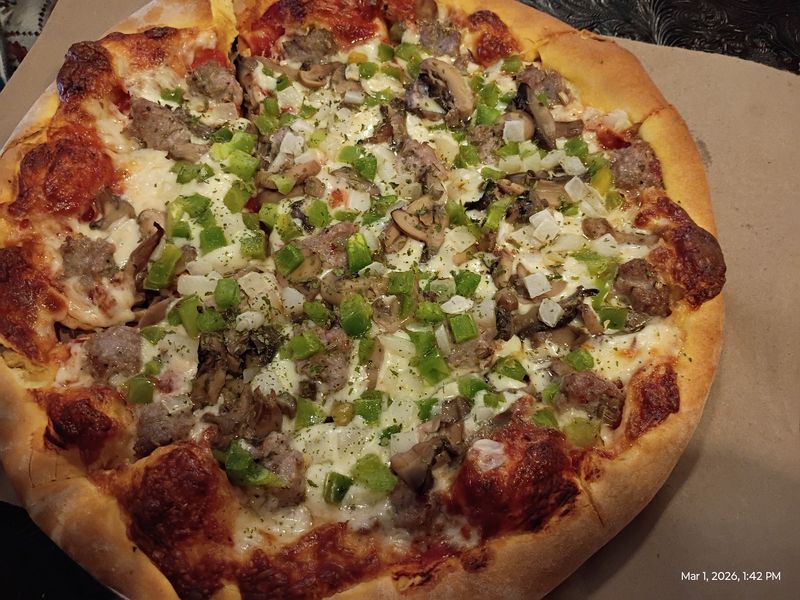
Lawrence and June Santeramo opened their Greeley restaurant in 1962, building a reputation on homemade Italian cooking that didn’t cut corners. When the original location closed, it looked like the Santeramo name would fade into local memory.
Instead, Mike Santeramo and his son Jorden brought it back in 2008, dusting off the family recipes and reopening the restaurant with the same commitment to scratch cooking. That kind of revival only works if the food is worth reviving, and Greeley clearly thought it was.
The menu leans heavily on the dishes Lawrence and June perfected, which means dough made in-house, sauces simmered the old way, and pizza that tastes like someone’s grandfather is still calling the shots. Jorden represents the third generation to work in the business, keeping the Santeramo lineage unbroken.
Greeley doesn’t always get credit for its food scene, but Santeramo’s proves the city has roots worth exploring. The restaurant operates without fanfare, trusting that good cooking speaks louder than marketing.
If you’re in northern Colorado and craving Italian food that predates the farm-to-table movement, Santeramo’s delivers. It’s not trying to be trendy.
It’s trying to be what it’s always been, which is exactly the point.
5. Romano’s Italian Restaurant, Littleton
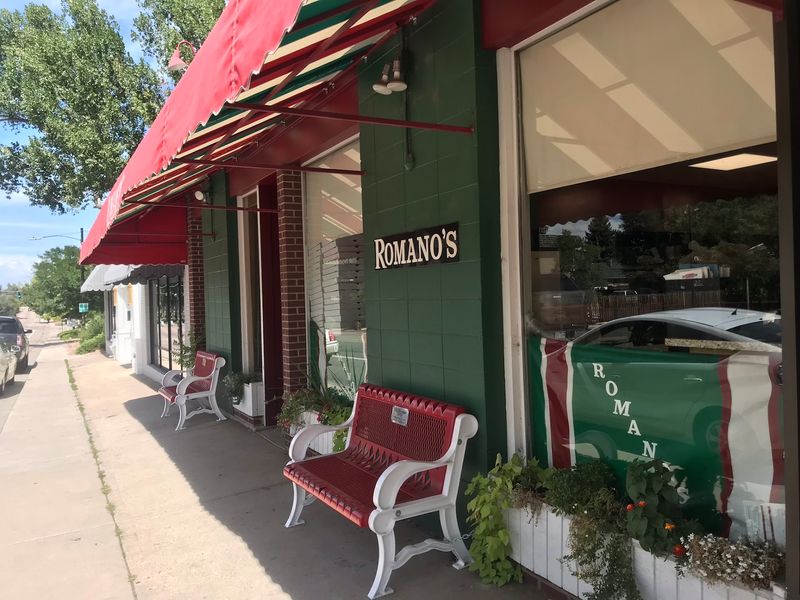
Neil and Ellie Romano opened their Littleton restaurant in 1967, and the building hasn’t moved since. Neither have Mama and Papa Romano’s recipes, which the family has explicitly stated remain unchanged from opening day.
That’s nearly sixty years of the same red sauce, the same pasta preparations, the same approach to Italian-American cooking that defined the genre before it became a punchline. Romano’s isn’t chasing authenticity or reinvention.
It’s serving what worked in 1967 because it still works now.
The dining room feels like a time capsule, the kind of place where booths have absorbed decades of family celebrations and first dates. Regulars know the menu by heart, and newcomers quickly understand why some things don’t need updating.
Littleton has changed dramatically since the late 1960s, sprawling into a Denver suburb with all the chain restaurants and modern conveniences that entails. Romano’s sits in the middle of that growth like a boulder in a stream, unmoved by trends.
If you want to taste what Italian food meant to a generation of Coloradans before celebrity chefs and molecular gastronomy, Romano’s is still serving it. The family hasn’t wavered, and the food hasn’t either.
6. Ristorante Pantuso, Grand Junction
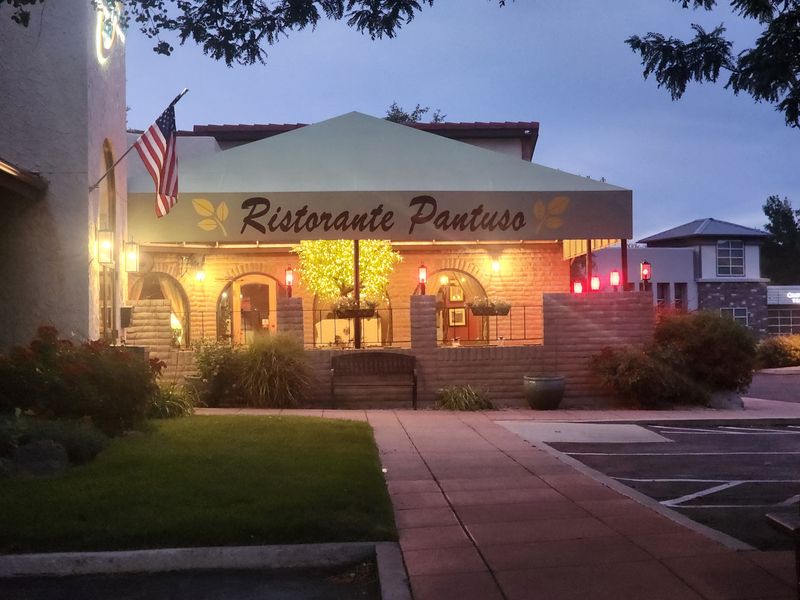
Grand Junction doesn’t always make the shortlist for Colorado food destinations, but Pantuso has been quietly feeding the Western Slope since 1958. The restaurant’s Southern Italian recipes trace back to family kitchens, not cookbooks, which gives the menu a coherence you can taste.
The Grand Valley location means Pantuso serves a community that values consistency over novelty. Regulars return for dishes that haven’t changed in decades, trusting that the kitchen knows what it’s doing.
Southern Italian cooking emphasizes slow-cooked sauces, fresh pasta, and flavors that build over hours rather than minutes. Pantuso’s approach honors that tradition without turning it into a museum exhibit.
The food is meant to be eaten, not admired.
The restaurant operates on a regular weekly schedule, which sounds mundane until you realize how many historic spots have irregular hours or surprise closures. Pantuso shows up, week after week, year after year, serving the same recipes that made it a Grand Junction fixture.
If you’re exploring Colorado’s Western Slope and need a meal that feels rooted in the region’s history, Pantuso delivers. It’s not flashy, but it’s real.
That’s increasingly rare in a state where food trends change faster than the weather.
7. Black Steer Steakhouse, Loveland
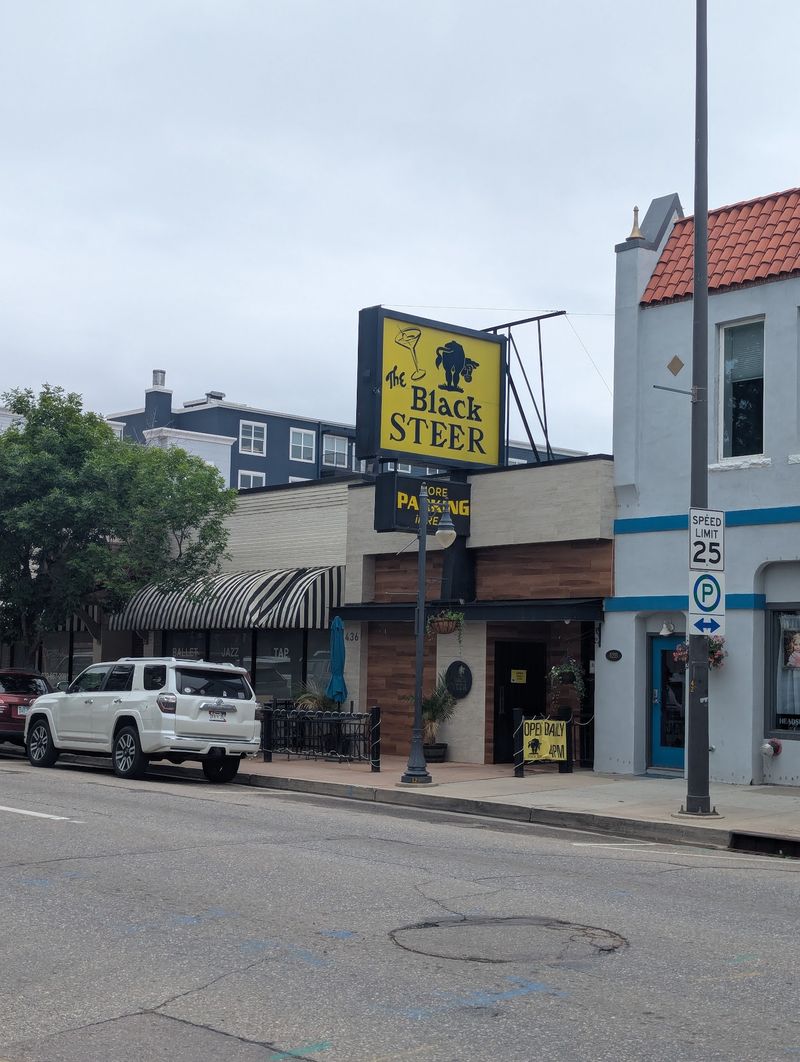
The Black Steer opened in Loveland in 1966, back when a steakhouse meant a dim dining room, a serious wine list, and cuts of beef that didn’t need explaining. It’s still operating under that philosophy, which makes it an outlier in an era of Instagram-ready dining experiences.
The current family ownership has maintained the restaurant’s classic recipes and quality standards, resisting the urge to rebrand or modernize. That commitment shows up in the consistency of the food and the loyalty of the customer base.
Loveland sits between Fort Collins and the Denver metro, which means the Black Steer could easily chase tourist dollars or hipster trends. Instead, it serves the kind of steak dinner your grandparents would recognize, prepared the way it’s been prepared for nearly sixty years.
The restaurant doesn’t advertise itself as a historic landmark or a nostalgic throwback. It’s just a steakhouse that’s been around long enough to know what works.
The dining room fills with locals who’ve been coming for decades, plus newcomers who’ve heard the food is worth the trip.
If you’re in northern Colorado and want a steak dinner that feels like a tradition rather than a trend, the Black Steer delivers. It’s not trying to impress you.
It’s trying to feed you well, which turns out to be impressive enough.
8. Roman Villa Pizza, Colorado Springs
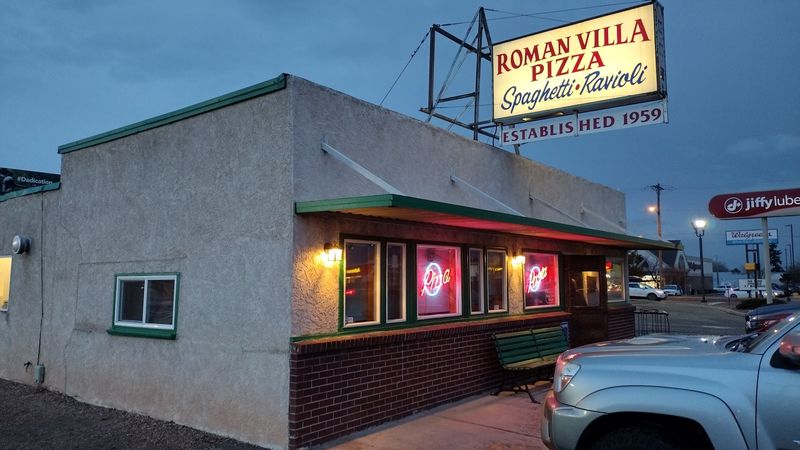
Roman Villa has been serving Colorado Springs since 1959, which gives it a longer tenure than the Air Force Academy and most of the city’s major landmarks. Four generations of the same family have worked in the restaurant, each one learning the recipes from the generation before.
That kind of continuity is rare in any business, but especially in restaurants, where trends and economics force constant reinvention. Roman Villa has stayed the course, trusting that the family recipes are worth preserving.
The current generation still operates under the oversight of the original family, which means quality control isn’t a corporate mandate. It’s a family responsibility.
That shows up in the consistency of the pizza, the sauces, and the overall dining experience.
Colorado Springs has grown into a sprawling city with every chain restaurant and food trend imaginable. Roman Villa sits in the middle of that noise like a quiet statement about what matters.
The dining room fills with families who’ve been coming for decades, introducing their kids to the same pizza they grew up eating.
If you’re in Colorado Springs and want to taste what four generations of one family have perfected, Roman Villa is still serving it. The food hasn’t chased trends.
It’s outlasted them.
9. Nino’s Del Sol, Alamosa
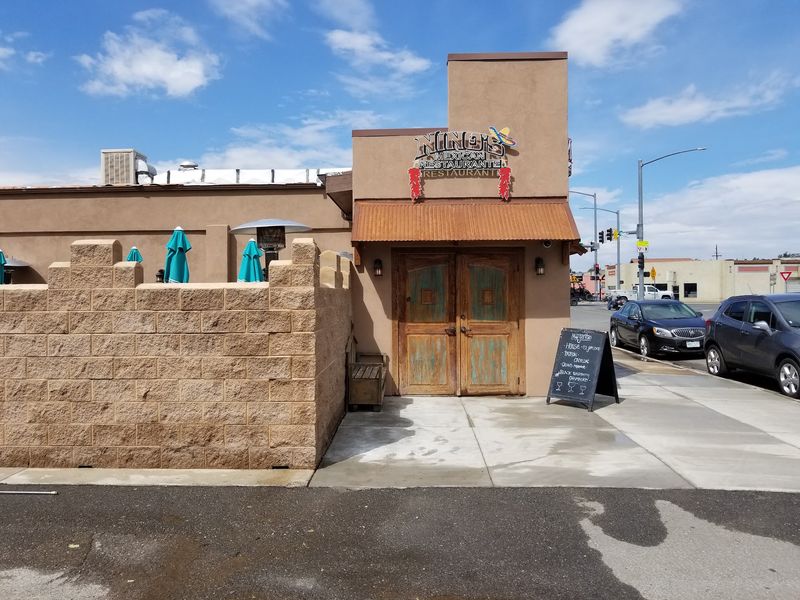
Nino’s opened in Alamosa in 1997, which makes it the youngest restaurant on this list by a wide margin. But the recipes it serves are considerably older, handed down through the Baca, Masias, Padilla, and Madrid family lines whose restaurant history reaches back to the 1940s.
That means the food at Nino’s carries seven decades of family knowledge, even though the current restaurant is only in its third decade. The preparation methods and flavor profiles were perfected long before Nino’s opened its doors, giving the menu a depth you can’t fake.
Alamosa sits in the San Luis Valley, a region with deep Hispanic roots and a distinct culinary tradition. Nino’s draws on that heritage, serving dishes that reflect the valley’s history rather than generic Southwestern food.
The difference is noticeable to anyone who’s eaten their way through Colorado’s New Mexican restaurants.
The restaurant operates without pretense, trusting that the food speaks for itself. Regulars know what to order, and newcomers quickly learn.
The dining room feels like a neighborhood gathering spot, the kind of place where the staff remembers your name and your usual order.
If you’re exploring southern Colorado and want to taste cooking that predates the modern restaurant era, Nino’s delivers. The recipes are old.
The commitment is real.
That’s all you need to know.
10. Mexico City Cafe, La Junta
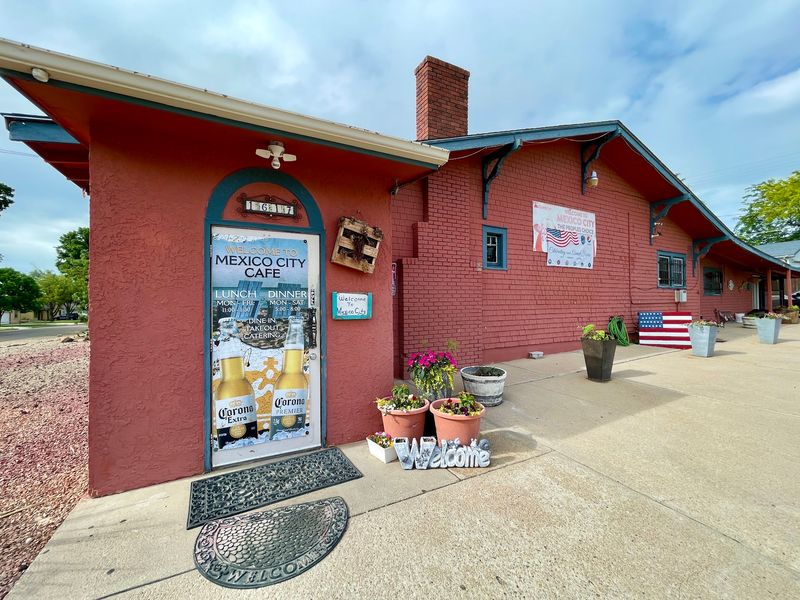
La Junta isn’t on most Colorado food tours, which makes the Mexico City Cafe an easy place to overlook. That would be a mistake.
The restaurant has operated for decades, serving recipes handed down through three generations of the same family.
Local reporting confirms the business has moved into its fourth generation of family ownership, which means the cooking knowledge has been passed from great-grandparents to great-grandchildren. That kind of continuity shapes not just the recipes, but the entire approach to running a restaurant.
The menu reflects traditional Mexican cooking, prepared the way families cook for themselves rather than the way restaurants cook for tourists. The difference is subtle but significant, showing up in the depth of flavors and the balance of spices.
La Junta sits in southeastern Colorado, a region often bypassed by travelers heading to the mountains or the Western Slope. The Mexico City Cafe gives you a reason to stop, offering a meal that feels rooted in the community’s history.
The dining room operates without fanfare, serving locals who’ve been coming for years and travelers who stumbled across it by accident. Both groups leave satisfied, which is the kind of reputation that takes generations to build.
If you’re driving through the Arkansas Valley, this is your reminder to slow down and eat well.
11. DiRito’s Italian Restaurant, Cañon City
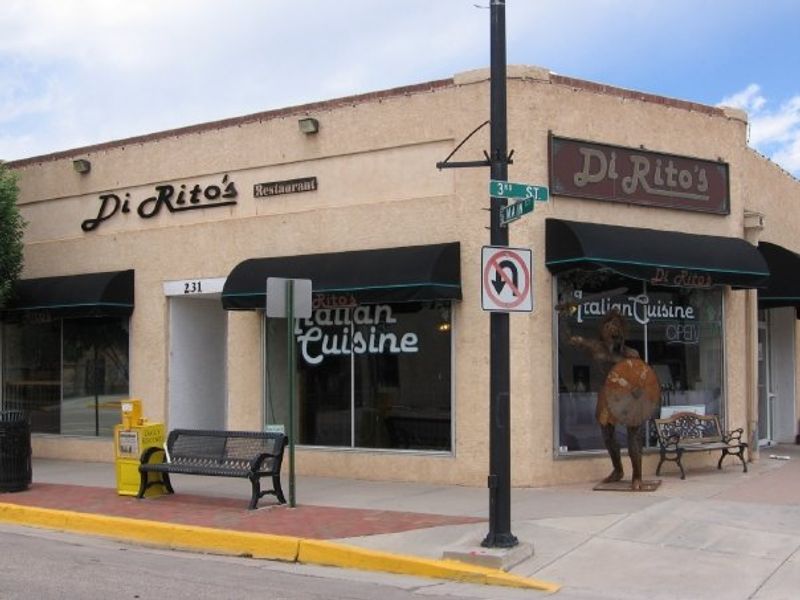
Bob DiRito opened Cañon City’s first pizza business in 1956, introducing the town to pies that didn’t come from a box. The current DiRito’s didn’t open until 2001, but it carries that heritage forward with homemade pasta, pizza, and calzones made from passed-down family recipes.
The gap between 1956 and 2001 matters because it shows the family chose to revive the business rather than let it fade. That decision only makes sense if the recipes are worth preserving, and Cañon City clearly agrees.
The restaurant operates with a commitment to scratch cooking that feels increasingly rare. Dough is made in-house, sauces are prepared the old way, and the menu reflects what Bob DiRito knew about Italian food seven decades ago.
That knowledge hasn’t been diluted or modernized.
Cañon City sits at the edge of the Arkansas River valley, a town with a rich history that doesn’t always get the attention it deserves. DiRito’s adds another layer to that story, connecting the present to a time when family-run restaurants were the norm rather than the exception.
If you’re exploring the Royal Gorge region and need a meal that feels like tradition rather than tourism, DiRito’s delivers. The family lineage is real.
The cooking is honest.
That’s a combination worth seeking out.