
These Historic Kilns In South Carolina Are A Must-Visit Hidden Gem
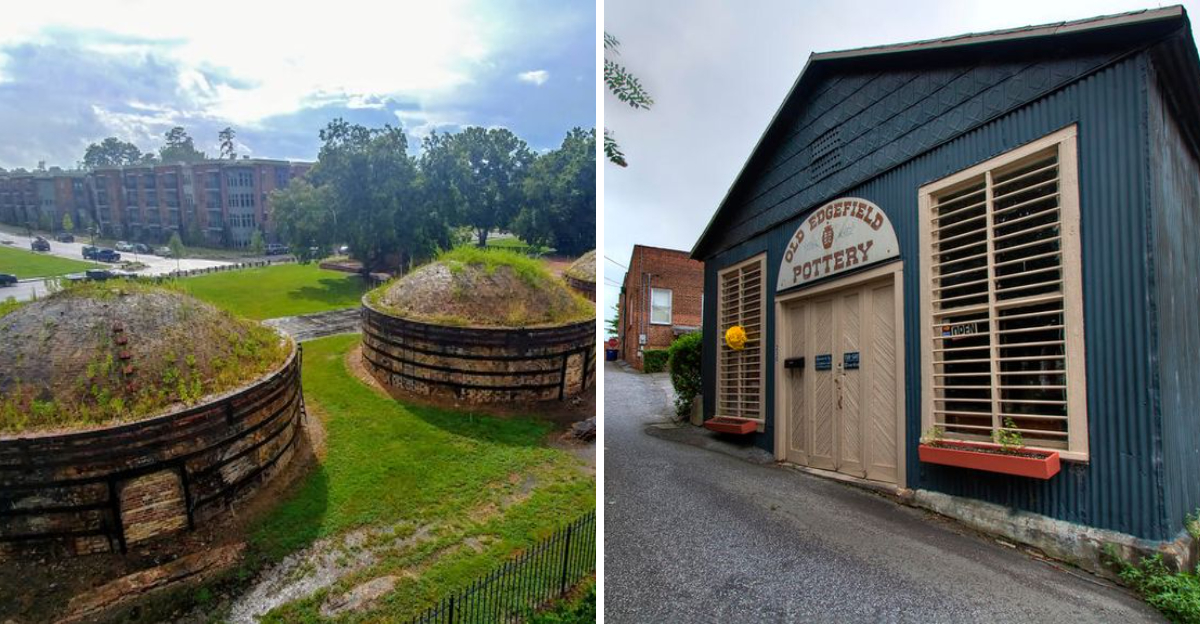
Most people drive through small towns in South Carolina without realizing entire pieces of the state’s history are still standing quietly beside the road.
Old brick kilns rise from the landscape like forgotten monuments, hidden among trees, backroads, and historic pottery towns where generations of craftsmen once worked beside roaring fire and red clay.
These forgotten South Carolina kilns look like something pulled straight out of another century.
The closer you get to these sites, the more the atmosphere changes. Weathered brick walls, dark fire tunnels, and structures that still carry the feeling of heat, labor, and artistry decades later.
Nothing about them feels polished or staged.
That is exactly what makes them so fascinating.
You start imagining the people who once stood there shaping clay by hand, feeding fires through the night, and building an industry that helped shape entire communities across the state.
Most travelers pass these places without a second glance.
The ones who stop usually leave completely fascinated.
1. Guignard Brick Works, Cayce
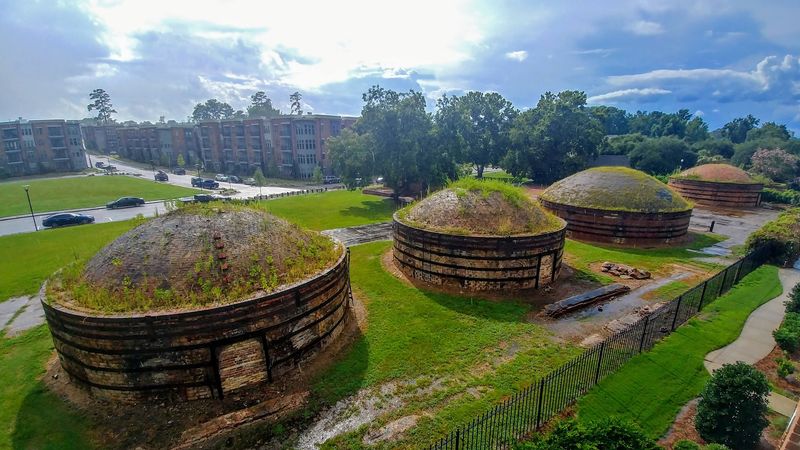
Pulling into the parking area off Granby Crossing, I felt the weight of history settle around me like a thick fog.
Guignard Brick Works sits at 100 Granby Crossing, Cayce, SC 29033, a site where brick production once thundered day and night, feeding construction projects across the region.
The kilns here are massive, their arched openings still visible despite years of weathering and the creeping embrace of kudzu and wild vines.
I remember running my hand along the rough brick surface, feeling the texture that thousands of bricks passed through on their way to becoming walls, chimneys, and foundations.
The site offers a rare chance to see industrial architecture up close, with enough remaining structure to imagine the intense heat and constant activity that defined this place.
Interpretive signs help visitors understand the brick-making process, though I found the silent ruins spoke louder than any placard.
Visiting during the golden hour rewards you with light that makes the old brick glow like embers.
This spot remains one of my favorite places to introduce friends to South Carolina’s industrial heritage.
2. Old Edgefield Pottery Kiln Site, Edgefield
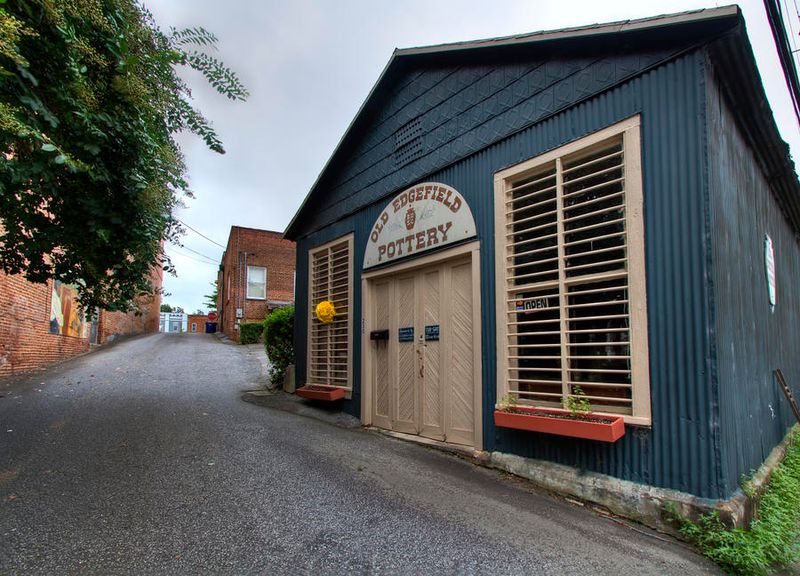
Walking around the courthouse square in Edgefield, I nearly missed the kiln site tucked away at 121 Courthouse Sq, Edgefield, SC 29824, proof that the best discoveries often hide in plain sight.
Edgefield pottery earned fame across the South during the 1800s, with enslaved potters creating works that now fill museum collections and fetch stunning prices at auction.
The kiln site here represents the heart of that tradition, where alkaline-glazed stoneware emerged from flames that reached temperatures most modern ovens cannot match.
I spent an hour photographing the remaining brick work, trying to capture the way afternoon shadows played across surfaces that once radiated enough heat to melt glass.
The location’s proximity to the courthouse makes it easy to combine with a walking tour of downtown Edgefield, where several shops sell reproductions of traditional pottery styles.
Local historians sometimes lead guided visits, sharing stories about the potters whose names we know and the many more whose contributions remain anonymous.
Spring visits offer the bonus of blooming dogwoods framing your photos.
Every time I return, I notice some new detail I missed before.
3. Pottersville Kiln Site, Edgefield
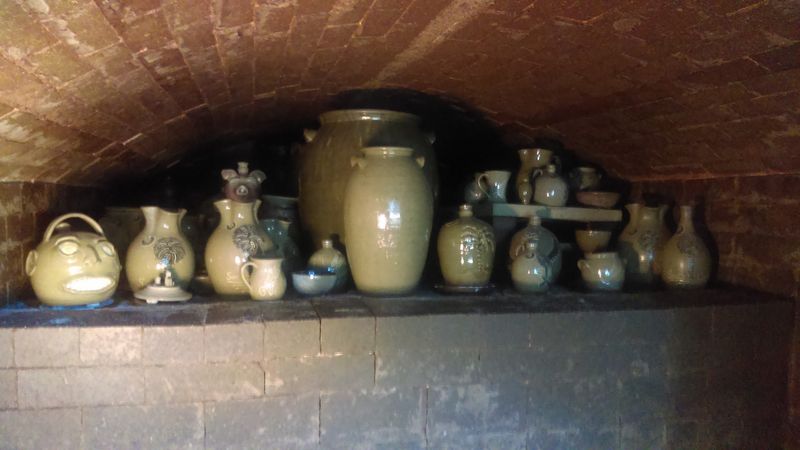
Driving down Augusta Road, the Pottersville Kiln Site at 223 Augusta Rd, Edgefield, SC 29824 appears suddenly, a reminder that industry once thrived in places we now consider purely residential.
This site takes its name from the concentration of pottery workshops that clustered here during the height of Edgefield’s ceramic production era.
The remaining kiln structure sits partially buried, with just enough exposed brick to reveal the scale of operations that once employed dozens of skilled craftspeople.
I have visited during different seasons, and autumn proves ideal, when falling leaves clear away summer’s dense undergrowth and expose more of the foundation.
Pottery shards still surface in the surrounding soil, though collecting them is prohibited and honestly unnecessary when photographs preserve the moment just as well.
The site lacks formal interpretation, making it feel more like a treasure hunt than a museum visit.
I recommend combining this stop with visits to other nearby kiln sites, creating your own pottery trail through Edgefield County.
Bring sturdy shoes, because the ground can be uneven and the grass often grows tall between maintenance visits.
4. Phoenix Factory Brick Kilns, Edgefield

Finding the Phoenix Factory Brick Kilns at 230 Simkins St, Edgefield, SC 29824 felt like stumbling onto a movie set, except everything here is authentically aged by time rather than artificially distressed by a prop department.
The Phoenix Factory rose from earlier industrial ventures, and its kilns represent some of the best-preserved examples of 19th-century brick-making technology in the state.
Multiple kiln structures remain standing, their arched openings creating dramatic frames for photographs that capture both architectural detail and the play of natural light.
I spent a memorable morning here watching how sunrise illuminated different sections of the ruins, revealing textures and colors that disappeared once the sun climbed higher.
The site’s location near other Edgefield attractions makes it easy to build a full day of exploration, though honestly, I could spend hours here alone.
Bird watchers appreciate this spot too, as the ruins provide nesting sites for several species that have adapted to these human-made caves.
The brick patterns visible in the remaining walls tell their own story about construction techniques and the evolution of kiln design.
Pack water and snacks, because you will want to linger longer than you planned.
5. Brick Factory Ruins, North Augusta
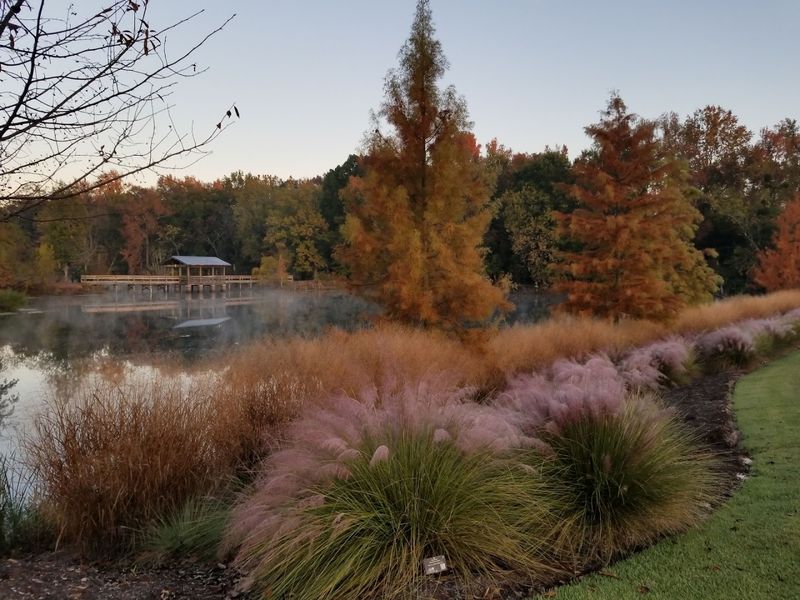
The journey to the Brick Factory Ruins at the end of Five Notch Rd, North Augusta, SC 29841 requires more determination than some other sites, but that remoteness preserves a sense of discovery that more accessible locations cannot match.
These ruins sit in a wooded area where nature has begun reclaiming what industry once dominated, creating a haunting landscape where brick meets bark.
I first visited on a foggy morning when the mist curled around the remaining structures, making the whole scene feel like something from a gothic novel.
The kilns here served brick production for construction projects throughout the region, their output helping build homes, schools, and commercial buildings that still stand today.
Exploring requires caution, as time and weather have made some sections unstable, but careful observation from safe distances reveals plenty of fascinating details.
The isolation means you often have the place to yourself, a rare gift in our crowded world.
I recommend visiting during weekdays when you are even less likely to encounter other explorers.
The dirt road leading to the site can be rough, so check your vehicle clearance before attempting the full approach.
6. Drake Pottery Kiln Site, Edgefield
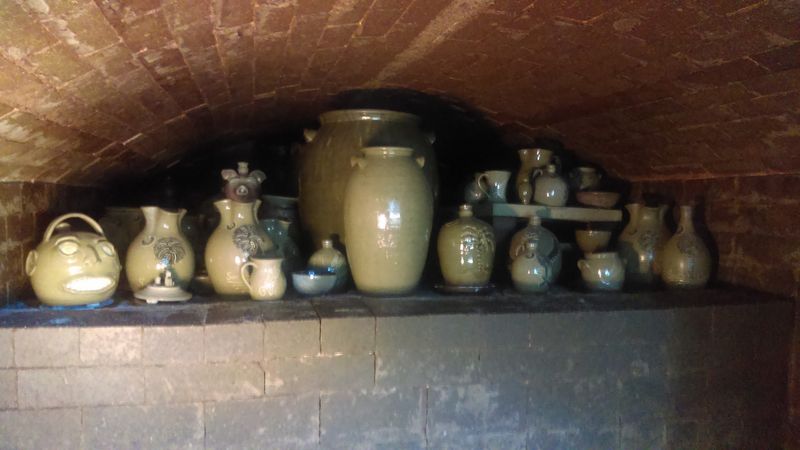
The Drake name carries weight in pottery circles, and visiting the Drake Pottery Kiln Site at 118 Parsonage St, Edgefield, SC 29824 offers a chance to connect with that legacy in a direct, physical way.
Drake pottery pieces command serious attention from collectors, known for distinctive glazes and forms that represent the pinnacle of Edgefield ceramic achievement.
The kiln site itself shows evidence of the intense fires that transformed raw clay into durable stoneware, with heat-altered brick and glazed surfaces testifying to temperatures that exceeded 2000 degrees.
I remember my first visit here, when a local potter happened by and shared stories about attempting to recreate Drake glazes using traditional methods and materials.
The conversation added layers of understanding that no sign or pamphlet could provide, highlighting the value of patience and openness during these explorations.
The site’s residential location means it blends into its surroundings more than some other kiln sites, requiring attention to find but rewarding that effort with a sense of intimate connection to the past.
Seasonal changes affect visibility, with winter offering the clearest views of structural details.
This site pairs well with museum visits that display actual Drake pottery, creating a complete picture of production and finished product.
7. Aiken Brick Kiln Ruins, North Augusta
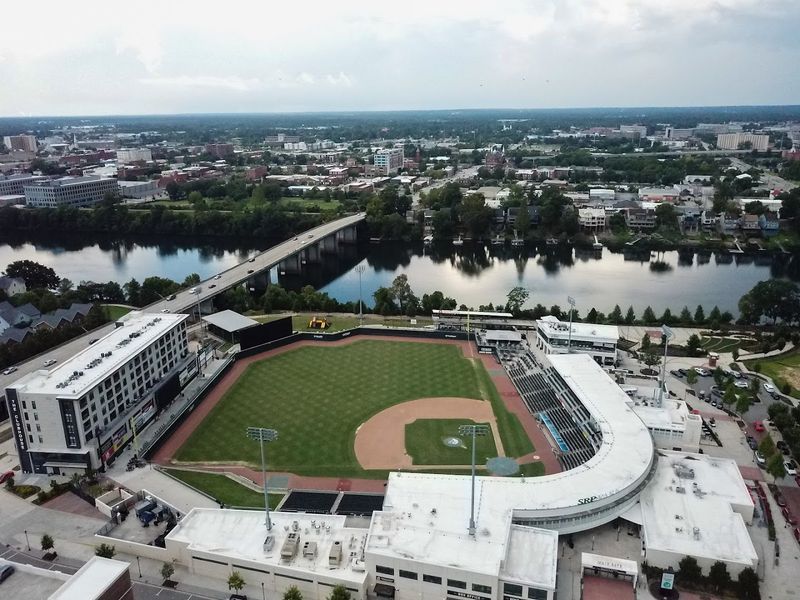
Near the Savannah River in North Augusta, SC 29841, the Aiken Brick Kiln Ruins occupy a landscape where water, industry, and natural beauty intersect in ways that create both visual drama and historical significance.
These kilns served the brick needs of a growing region, with river access providing crucial transportation links that made large-scale production economically viable.
The ruins sit in a partially wooded area where the sounds of the river provide a constant backdrop, creating an atmosphere quite different from inland kiln sites.
I have visited during different water levels and seasons, noting how spring floods sometimes approach the ruins while summer drought exposes riverbanks that usually hide underwater.
The brick structures show different weathering patterns than similar ruins located away from water, with moisture and occasional flooding creating unique textures and erosion effects.
Wildlife sightings are common here, as the river corridor attracts birds, deer, and other animals that occasionally wander through the ruins.
Photography opportunities abound, especially when morning mist rises from the river and drifts through the old brick arches.
Access requires attention to trail conditions and river levels, so checking local information before visiting proves worthwhile.
8. Edgefield District Pottery Museum Kiln, Edgefield
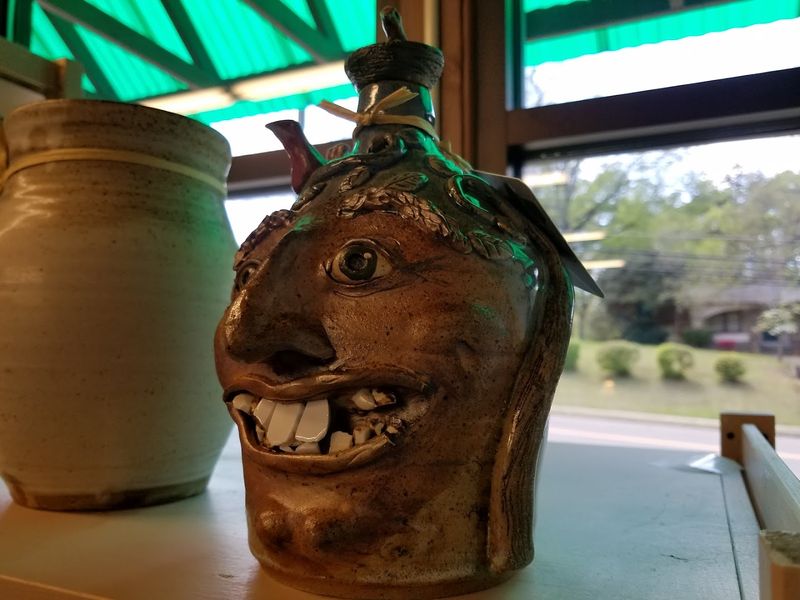
Returning to 230 Simkins St, Edgefield, SC 29824, the Edgefield District Pottery Museum Kiln offers something different from the other sites: active interpretation and context that helps visitors understand what they are seeing at the various ruins scattered across the county.
The museum preserves a kiln structure while providing exhibits that explain pottery techniques, historical context, and the stories of enslaved potters whose skills created an industry.
I always recommend starting or ending your kiln tour here, as the information gathered helps you see other sites with more informed eyes.
The museum staff includes knowledgeable volunteers who can answer questions, suggest additional sites to visit, and share recent research findings that might not yet appear in written materials.
The preserved kiln allows close examination of construction details that weather has obscured at outdoor sites, showing how brick placement and arch construction created the conditions necessary for successful firing.
Museum hours vary seasonally, so calling ahead prevents disappointing discoveries of locked doors.
The gift shop sells books about Edgefield pottery and reproductions that let you take home a tangible connection to the traditions these kilns represent.
Admission fees support ongoing preservation efforts that protect these irreplaceable historical resources.