
These Historic Ohio Towns Feel Particularly Timeless This March
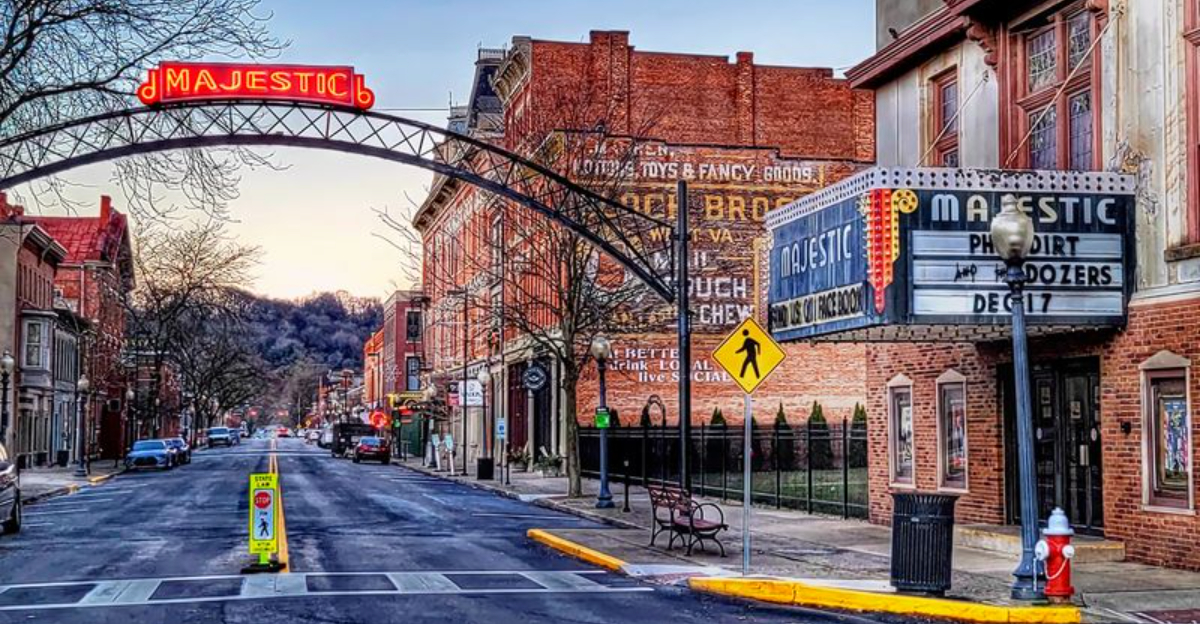
March in Ohio has a mood all its own. The air still feels brisk, the busiest travel crowds have not shown up yet, and historic towns across the state seem to settle into a quiet stretch between winter stillness and the first hints of spring.
That in-between season makes these places especially rewarding for anyone who wants to soak up history without the rush of peak travel months. I have spent time exploring each one, and every town on this list has its own character, its own stories, and its own way of making the past feel surprisingly close.
With brick streets, Victorian storefronts, and old public squares that still anchor daily life, these thirteen Ohio towns are especially worth visiting this March.
1. Marietta, Ohio
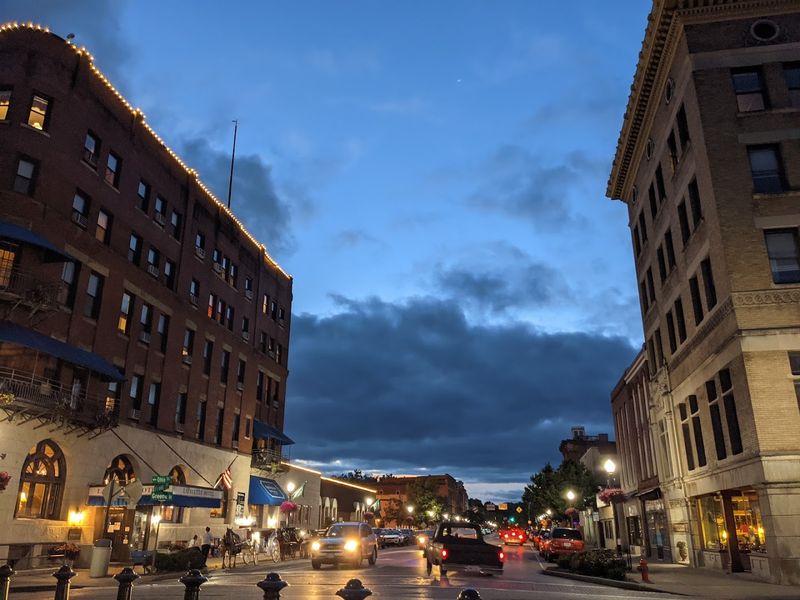
Founded in 1788, Marietta holds the remarkable distinction of being the first permanent settlement in the Northwest Territory, and walking its streets in March feels like flipping through a living history book.
The brick-paved roads and carefully preserved 19th-century buildings give the downtown a texture that newer towns simply cannot replicate.
Marietta sits at the confluence of the Ohio and Muskingum rivers, which adds a scenic, almost cinematic backdrop to every stroll.
The Campus Martius Museum is a great starting point for understanding just how deep the roots here go, with exhibits that connect you directly to the earliest days of American westward settlement.
In March, the foot traffic is light, which means you can actually pause and appreciate the architecture without bumping into tour groups.
The downtown area has a solid mix of locally owned shops, historic markers, and quiet cafes where you can warm up and reflect on everything you have just seen.
Marietta rewards the curious traveler who takes their time.
2. Chillicothe, Ohio
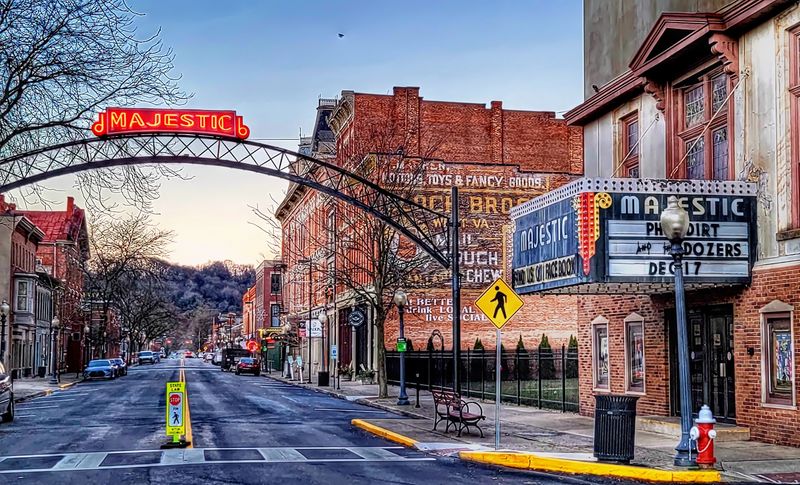
There is something quietly commanding about Chillicothe that you notice the moment you arrive on its main street.
As Ohio’s first and third state capital, this city carries a political and cultural legacy that most towns can only dream about, and its well-preserved downtown reflects that weight with grace.
The architecture here is bold and classical, with rows of handsome 19th-century buildings that line the central corridor in a way that feels deliberate and proud.
Chillicothe is also close to the Hopewell Culture National Historical Park, where ancient earthworks remind you that history in this region goes back far longer than European settlement.
March is an ideal time to visit because the famous outdoor drama season has not yet begun, giving you a more intimate connection with the town itself.
The revitalized downtown has a growing number of independent shops and restaurants that blend comfortably with the historic surroundings.
You leave Chillicothe feeling like you have genuinely learned something about Ohio’s story, not just passed through it.
3. Granville, Ohio
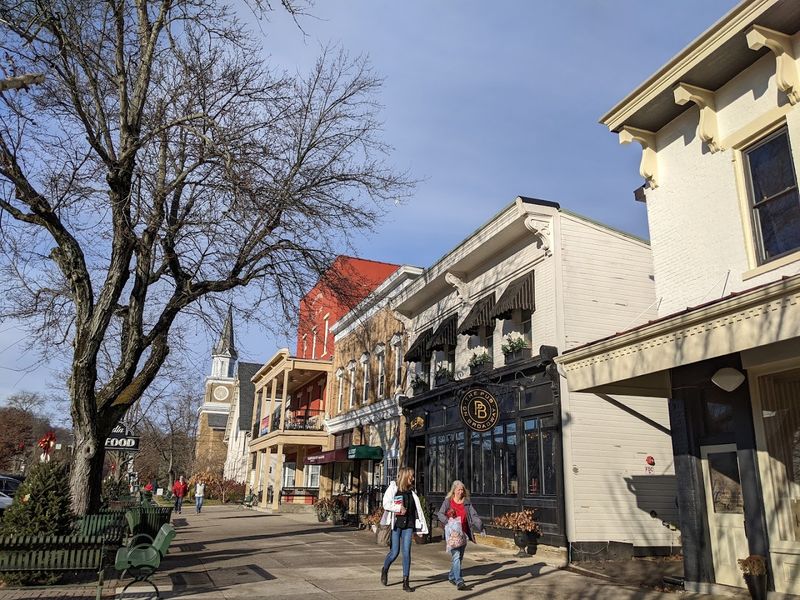
Walking into Granville for the first time genuinely surprises people, because nothing quite prepares you for how much it resembles a classic New England village transplanted into the Ohio countryside.
The white church steeples, the tree-lined main street, and the carefully maintained historic district all work together to create a visual harmony that is rare anywhere in the Midwest.
Denison University sits at the heart of the community, bringing a lively intellectual energy that balances the town’s old-fashioned charm without disrupting it.
The historic district here is consistently highlighted in Ohio tourism coverage as one of the state’s most photogenic and authentic preserved neighborhoods.
In March, the bare trees along Broadway actually enhance the architectural views, letting you see the building lines and rooftops more clearly than summer foliage would allow.
Local shops and the Granville Inn offer welcoming spots to pause and soak in the atmosphere.
Granville feels like a place that has always known exactly what it wants to be, and that confidence is part of its timeless appeal.
4. Worthington, Ohio

Founded in 1803, Worthington is one of Ohio’s earliest planned settlements, and that intentional design is still visible in the layout of its charming downtown core today.
The Old Worthington district feels remarkably intact, with brick structures and preserved historic buildings that give the area a cohesive, unhurried character.
What makes Worthington especially interesting in March is how the quieter season strips away distraction and lets the architecture speak for itself.
The Worthington Arts District brings creative energy to the historic framework, with galleries and studios tucked into buildings that have been standing for well over a century.
The Orange Johnson House, a Federal-style home dating to 1816, is one of the most striking individual landmarks in town and is well worth a stop.
Despite being located just north of Columbus, Worthington maintains a distinctly small-town rhythm that feels genuinely separate from the city bustle nearby.
It is the kind of place where history and everyday life share the same sidewalk without either one feeling out of place.
5. Lebanon, Ohio
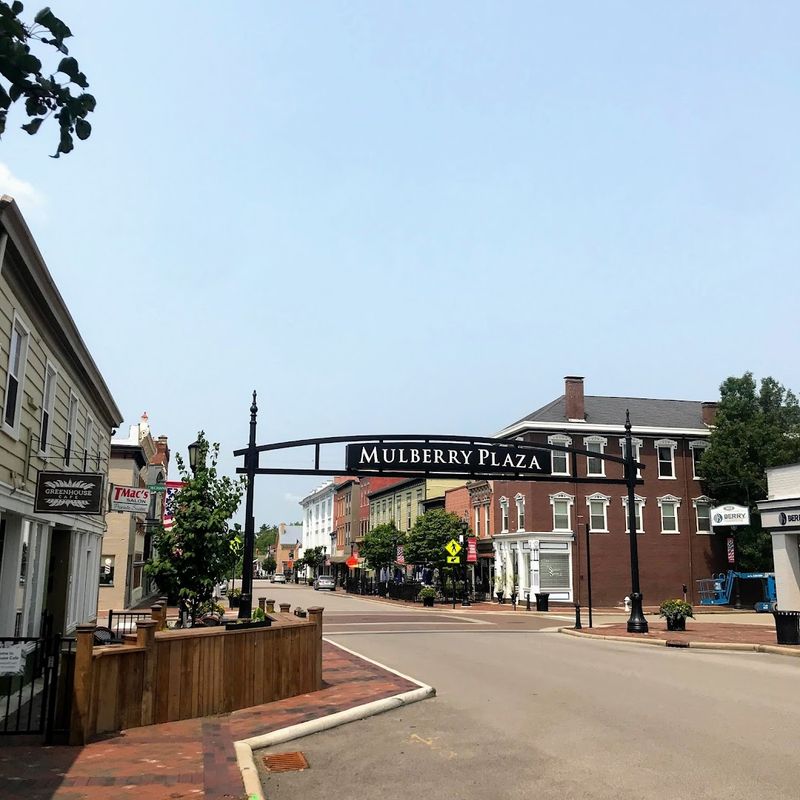
Lebanon has one of those courthouse squares that makes you stop mid-stride and just look around, because the proportions and the architecture feel genuinely old and genuinely right.
Blocks of handsome 19th-century buildings frame the central square in Warren County with a confidence that tells you this town was built to last, and it has.
The Golden Lamb, Ohio’s oldest continuously operating inn, has been welcoming travelers since 1803 and is a destination worth visiting on its own, whether you stay the night or simply tour its historic interior.
Lebanon’s downtown is packed with antique shops, boutiques, and small restaurants that give the historic setting a lively, functional energy rather than a museum-like stillness.
March brings a particular charm here, when the square is quiet enough that you can actually hear the details, the creak of old floors, the clatter of a nearby shop door, the sound of the town simply going about its day.
Lebanon is an easy day trip from Cincinnati, making it a smart addition to any Ohio road trip itinerary.
6. Waynesville, Ohio
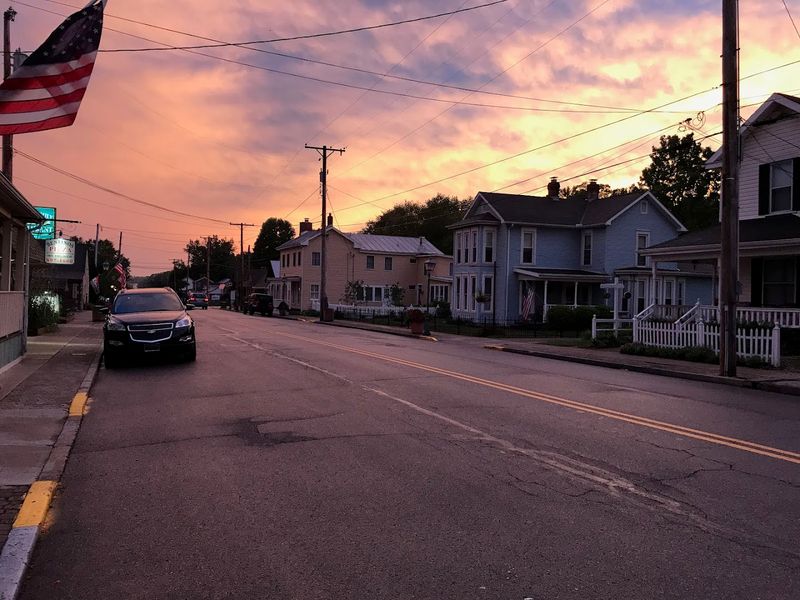
Older than the state of Ohio itself, Waynesville was founded in 1797 and has spent the centuries since then quietly building one of the most distinctive identities of any small town in the Midwest.
Its reputation as the “Antiques Capital of the Midwest” is well earned, with dozens of dealers and shops packed into a compact historic downtown that is easy to explore on foot.
The buildings along Main Street have that satisfying solidity of 19th-century construction, and many have been in continuous commercial use for generations, which gives the whole district a lived-in authenticity.
March is a surprisingly good time to visit Waynesville, because the antique shops are open and the serious collectors have not yet descended in full force for the warmer-season events.
You can take your time browsing without the shoulder-to-shoulder crowds that summer brings, and the shop owners tend to be more conversational when things are quieter.
Waynesville sits in Warren County, making it easy to pair with Lebanon for a full day of historic exploration across one of Ohio’s most historically rich corners.
7. Zoar, Ohio
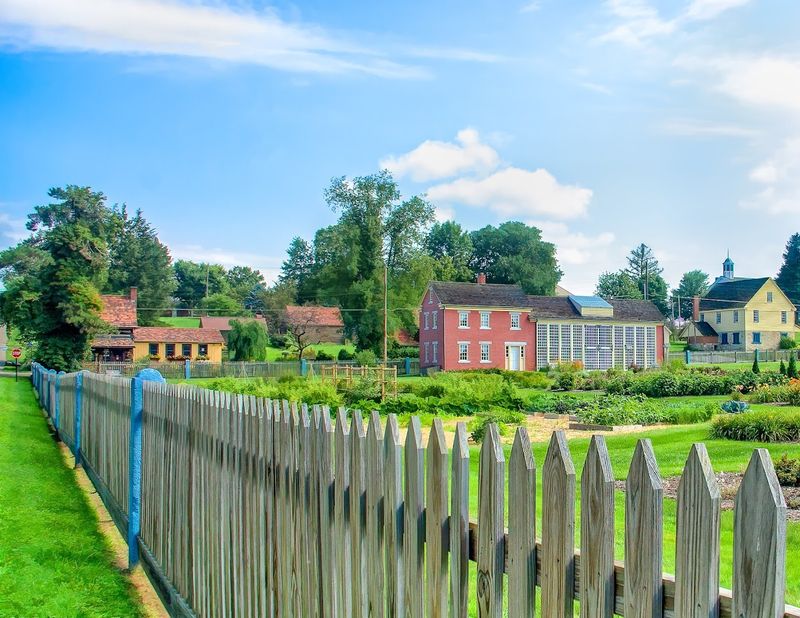
Zoar is unlike any other place on this list, and that is saying something given the quality of the competition.
Settled in 1817 by a group of German Separatists seeking religious freedom, this small village in Tuscarawas County developed as a self-sustaining communal society for more than seven decades, and the physical evidence of that experiment is still standing today.
The Ohio History Connection manages the Zoar Village State Memorial, which preserves a remarkable collection of restored buildings that tell the story of this unusual community in vivid, tangible detail.
Walking through Zoar in March, when the gardens are bare and the paths are quiet, gives you an almost unfiltered view of the village’s original layout and scale.
The Number One House, the garden, the store, and the tin shop are among the structures you can explore, each one layered with genuine historical significance.
Zoar feels less like a tourist attraction and more like a place that simply refused to let its past disappear.
That stubborn preservation is exactly what makes it so compelling to visit.
8. Millersburg, Ohio
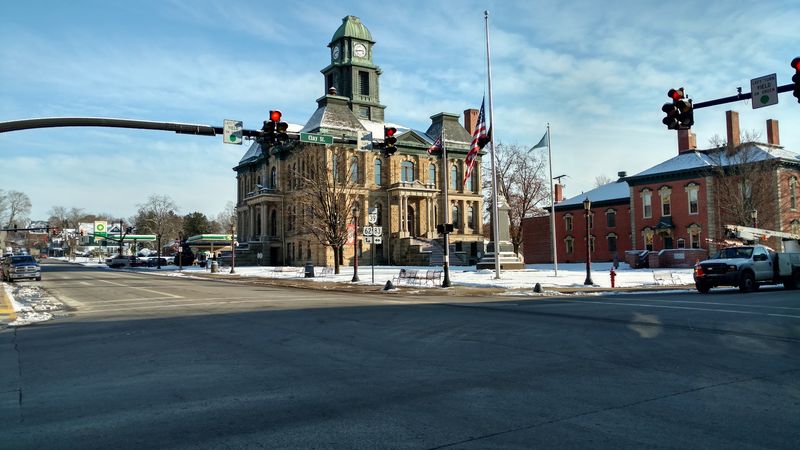
Tucked into the rolling hills of Holmes County, Millersburg carries its historic character with an easy, unpretentious confidence that is immediately appealing.
The Historic Downtown Millersburg district centers on a collection of old storefronts, artisan workshops, and antique dealers that give the area a texture you cannot find in newer commercial zones.
The Victorian House Museum is one of the town’s standout attractions, a magnificently preserved 28-room mansion that offers a window into late 19th-century life that is both lavish and surprisingly personal.
Being in the heart of Ohio’s Amish Country adds another dimension to a visit here, with the surrounding landscape dotted with farms and workshops that operate according to traditions that have changed very little over generations.
March visits benefit from the relative quiet before the busy spring and summer tourist season kicks into gear, giving you better access and more breathing room at the local shops.
Millersburg rewards slow travelers who want to linger, browse, and genuinely connect with a place rather than simply photograph it and move on.
9. Medina, Ohio
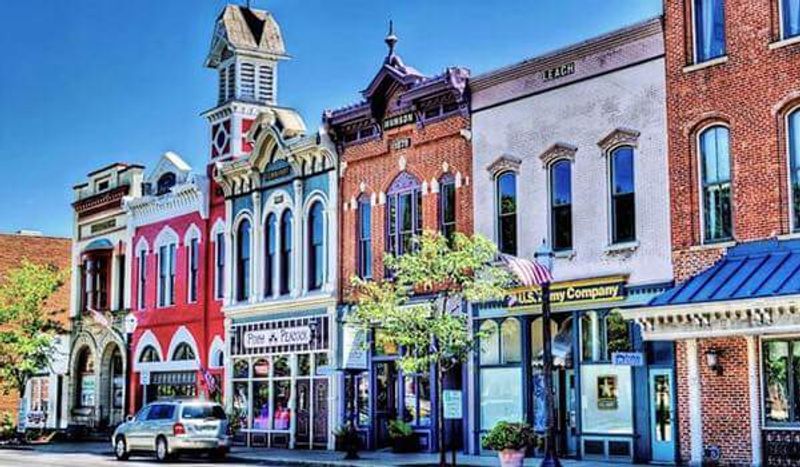
Medina’s town square is the kind of place that makes you want to slow your car down, find a parking spot, and just wander.
The picturesque central square is surrounded by restored Victorian architecture that has earned National Register of Historic Places recognition, and the overall effect is one of the most cohesive historic streetscapes in northeastern Ohio.
The Medina County Courthouse anchors one side of the square with its impressive presence, while locally owned shops and restaurants fill the surrounding blocks with everyday life and commerce.
What makes Medina particularly enjoyable in March is the way the early spring light hits the ornate Victorian facades, casting long shadows and highlighting the decorative details that get lost in the flat brightness of summer.
The town also has a strong local arts scene, with galleries and studios that add a contemporary layer to the historic foundation without clashing with it.
Medina is located about 25 miles south of Cleveland, making it a very accessible half-day or full-day excursion for anyone based in the northeast corner of Ohio.
10. Milan, Ohio
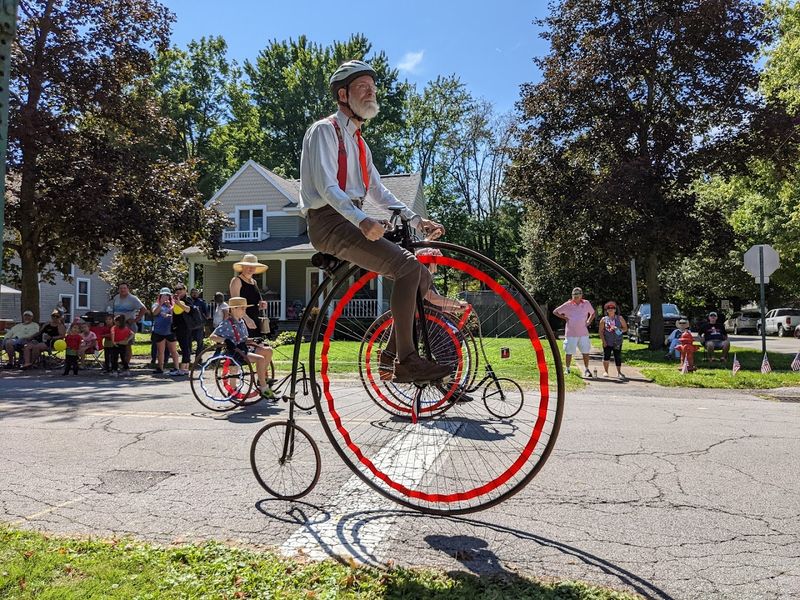
Milan punches well above its size when it comes to historic atmosphere, packing a picture-perfect public square and a ring of well-preserved Victorian buildings into a village that you can walk end to end in about fifteen minutes.
The compact scale is actually one of Milan’s greatest strengths, because everything worth seeing is within easy reach and the whole experience feels intimate rather than overwhelming.
Thomas Edison was born here in 1847, and the Edison Birthplace Museum is one of the most visited historic sites in northern Ohio, offering a surprisingly personal look at the early life of one of history’s most influential inventors.
The village square itself is surrounded by 19th-century commercial architecture that has been carefully maintained, giving Milan the kind of visual consistency that photographers and history lovers both appreciate.
March visits tend to be unhurried, with the museum and the surrounding shops accessible without the summer crowds that the Edison connection naturally attracts.
Milan sits in Erie County, just a short drive from Lake Erie, making it easy to combine with a scenic lakeside stop on the same trip.
11. Chagrin Falls, Ohio
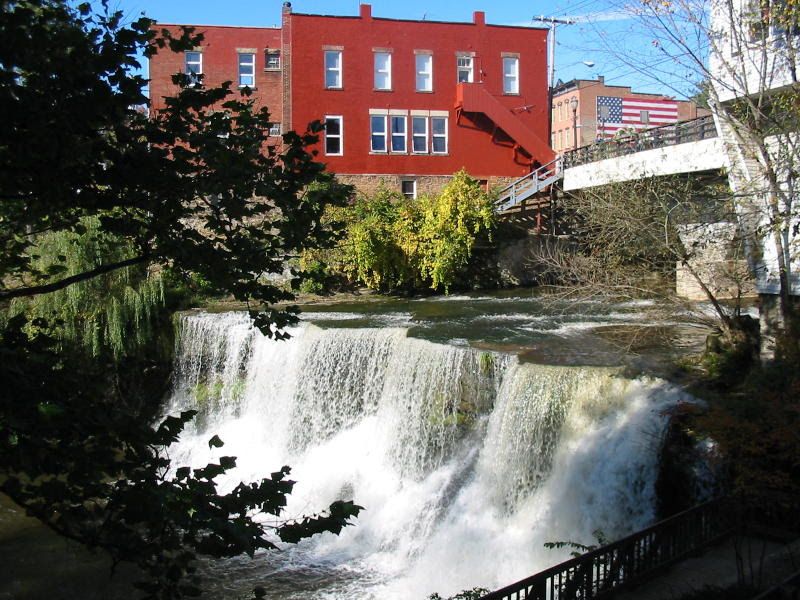
Few Ohio towns have a built-in centerpiece quite as dramatic as the Chagrin Falls waterfall, which tumbles right through the heart of the village and can be viewed from multiple points along the downtown corridor.
The falls themselves are genuinely impressive, especially in March when snowmelt and spring rain push the water volume up and the cascade becomes a roaring focal point for the whole village.
The surrounding downtown is a well-preserved collection of historic storefronts, independent shops, and restaurants that wrap around the falls with an organic, unhurried layout.
Chagrin Falls has a nostalgic quality that goes beyond architecture, something in the pace of the place, the way locals move through the streets, the feeling that time here operates on its own schedule.
The Popcorn Shop, a beloved local institution since 1949, is worth a stop simply because it represents exactly the kind of enduring neighborhood business that makes historic towns feel alive rather than preserved in amber.
Chagrin Falls sits in Cuyahoga County and makes a perfect pairing with a drive through the Chagrin River Valley on a quiet March afternoon.
12. Tallmadge, Ohio
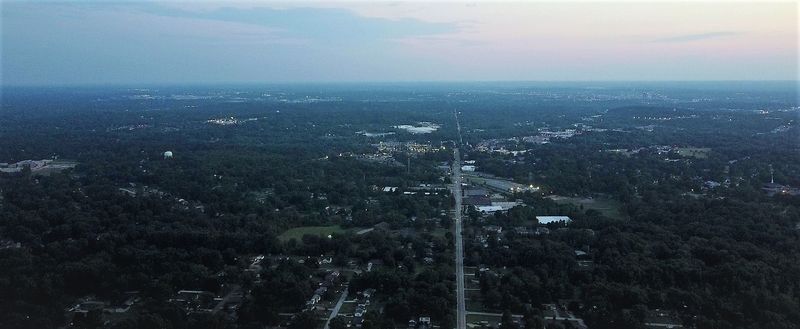
Tallmadge has a founding story and a physical layout that set it apart from virtually every other Ohio town on this list.
Established in 1807 by a group of Connecticut settlers, the town was designed around the Tallmadge Circle, a circular green modeled after the classic New England town common, and that original design is still the heart of the community more than two centuries later.
The Tallmadge Congregational Church, which faces the circle with its white steeple and Federal-style facade, is one of the most photographed historic structures in Summit County and a genuine architectural standout.
Ohio’s recent winter travel coverage has highlighted Tallmadge as a town worth discovering precisely because of how well this original framework has been maintained.
In March, the circle has a particularly striking quality, the bare trees and quiet streets emphasizing the geometric clarity of the layout in a way that summer greenery obscures.
Tallmadge is located just east of Akron, making it very easy to reach from a number of directions and a natural fit for a broader northeastern Ohio itinerary.
13. Gallipolis, Ohio
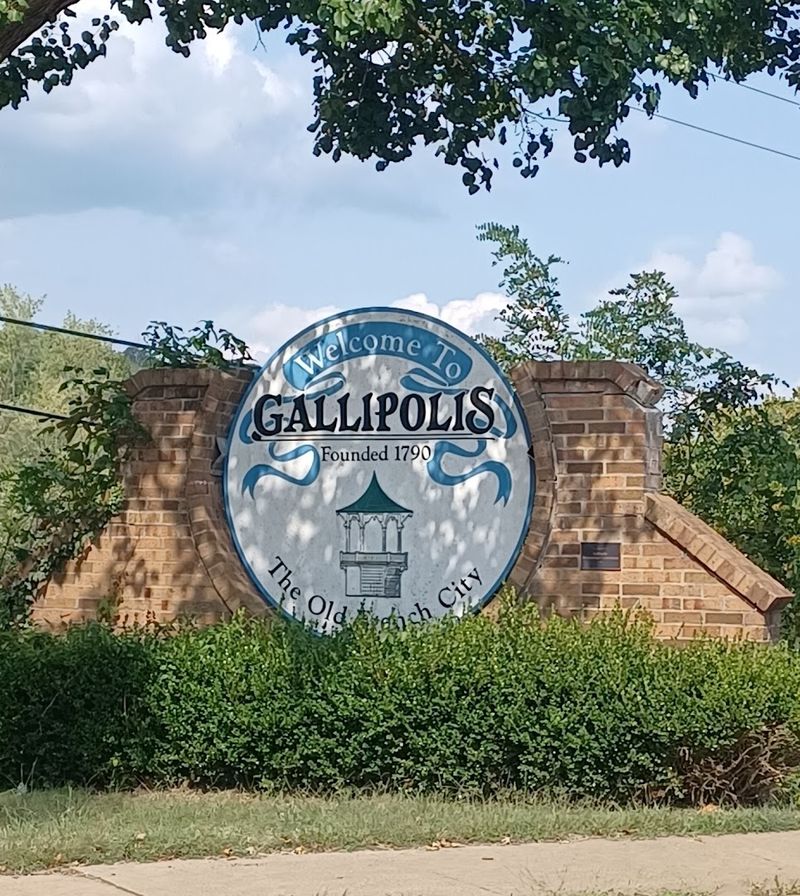
Gallipolis carries a story that most Ohio towns simply cannot match, having been settled in 1790 by a group of French immigrants who arrived expecting a prepared city and found instead a wilderness clearing on the banks of the Ohio River.
That dramatic founding narrative gives Gallipolis a character that feels genuinely different from the typical Ohio downtown stop, and the town has leaned into its French heritage in ways that make it historically distinctive.
Our House State Memorial, a Federal-style tavern built in 1819, is one of the most significant historic structures in southeastern Ohio and offers a fascinating look at life along the early American frontier.
The riverfront setting adds a scenic dimension that many inland historic towns lack, with the Ohio River providing a broad, unhurried backdrop to the town’s historic core.
Gallipolis City Park, which faces the river, is one of the oldest continuously used public parks in Ohio and a lovely spot to sit and take in the view on a mild March afternoon.
If you want an Ohio historic town that genuinely surprises you, Gallipolis is the one to choose.