
These Historic Steakhouses In New York Refuse To Modernize
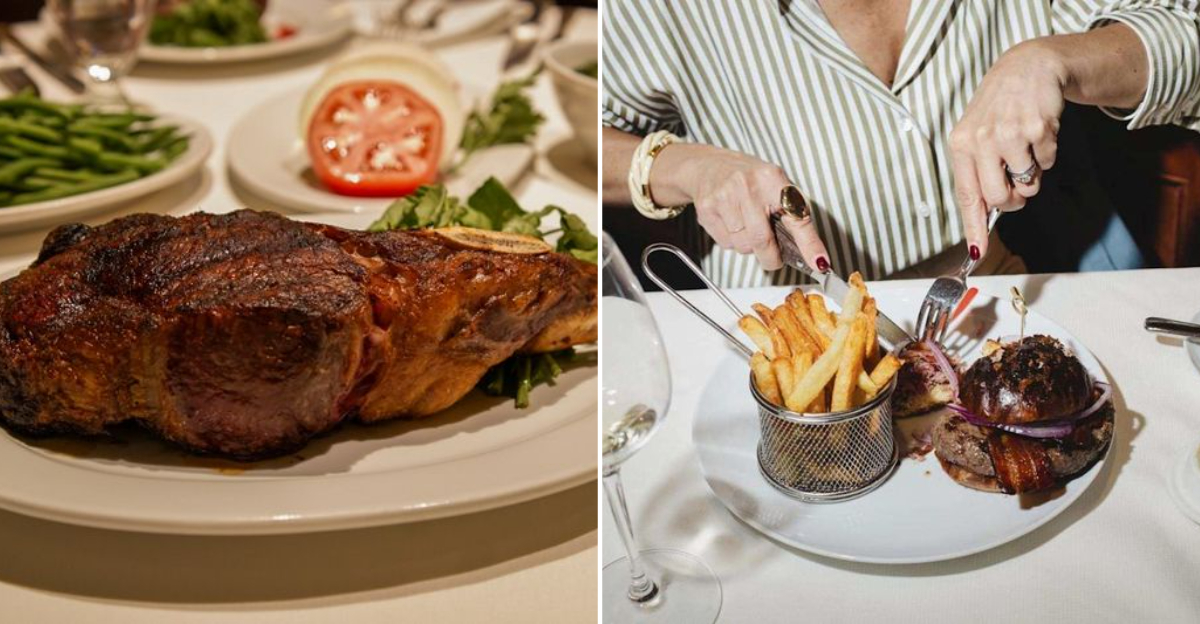
New York City buzzes with trendy restaurants that change faster than subway trains, but some steakhouses refuse to join the race.
These legendary meat palaces have been serving perfectly charred steaks for generations, keeping their vintage charm alive while others chase modern fads.
Walking into these old-school spots feels like time travel, with their classic decor, traditional menus, and no-nonsense attitudes that remind us why some things should never change.
1. Keens Steakhouse
Clay pipes hang from the ceiling like historic ornaments at this 1885 establishment that refuses to redecorate. Over 50,000 churchwarden pipes fill the dining rooms, creating a museum-like atmosphere that smartphone cameras cannot capture properly.
The waiters wear traditional uniforms and serve mutton chops that taste exactly like they did during Theodore Roosevelt’s presidency. No fancy foam or molecular gastronomy tricks exist here, just honest-to-goodness meat cooked to perfection.
The wooden floors creak with stories, and the gas lamps flicker with old-world charm. Reservations are now made through modern systems like Resy, but the restaurant still preserves its historic atmosphere and service traditions.
2. Old Homestead Steakhouse
Since 1868, this Meatpacking District icon has refused to follow neighborhood trends toward boutique hotels and rooftop bars. The neon sign outside glows like a beacon for carnivores who appreciate straightforward dining without Instagram-worthy presentations.
Generations of the same family have run this operation, keeping recipes locked in tradition rather than experimenting with fusion nonsense. Their porterhouse arrives sizzling on hot plates, not fancy wooden boards or slate tiles.
The red leather booths show wear from decades of satisfied customers sliding in and out. Waiters remember regular customers by name and order, creating personal connections that reservation apps cannot replicate in our increasingly automated dining landscape.
3. Peter Luger Steak House
Cash-only policies and grumpy waiters defined this Brooklyn institution that opened in 1887 and sees zero reason to soften up. While it was once famously cash-only, Peter Luger now accepts debit and major credit cards alongside cash.
Credit cards get rejected faster than poorly cooked steaks, forcing diners to visit ATMs before entering this temple of beef. The menu barely exists because everyone orders the same thing anyway: porterhouse for two, three, or four people depending on appetite levels.
Wooden tables get covered with paper, not fancy linens, and the decor screams “if it ain’t broke, don’t fix it.” Modern food critics complain about the attitude, but loyal fans would riot if anything changed.
4. Gallaghers Steakhouse
A meat locker display window on 52nd Street stops tourists in their tracks at this 1927 speakeasy-turned-steakhouse. Slabs of beef age behind glass like edible artwork, showing diners exactly what they’ll be eating before sitting down.
The bar area still whispers stories from Prohibition days when secret knocks granted entry to illegal booze and good times. Checkered tablecloths cover every surface, and signed celebrity photos blanket the walls in chaotic glory.
Nobody here cares about farm-to-table movements or sustainability buzzwords—just perfectly grilled meat and stiff drinks. The sawdust floors disappeared decades ago, but the old-school spirit remains stronger than their signature martinis served in proper glasses, not trendy coupes.
5. Delmonico’s
Claiming to be America’s first fine dining restaurant since 1837, this Financial District legend invented dishes like Baked Alaska and Lobster Newberg. The pillared entrance and chandeliers transport diners to an era when top hats were mandatory and women wore gloves to dinner.
Multiple locations existed throughout history, but the current spot maintains traditions that modern restaurants consider outdated and unnecessarily formal. White tablecloths get pressed to perfection, and servers know which fork belongs where without consulting training manuals.
The Delmonico steak—a boneless ribeye—remains their signature despite trendier cuts gaining popularity elsewhere. Wall portraits of founding brothers stare down at diners, silently judging anyone who orders their steak well-done or asks for ketchup.
6. Sparks Steak House
Infamous for reasons beyond ribeyes, this 1966 establishment became mob history when a certain crime boss met his fate outside in 1985. The restaurant keeps operating with business-as-usual attitudes, serving massive steaks to Wall Street types who appreciate no-frills dining.
Dark wood paneling and dim lighting create an atmosphere where deals get made and secrets stay buried in whispered conversations. The lobsters swimming in tanks weigh several pounds each, destined for plates rather than aquariums.
Sparks refuses to apologize for being expensive, old-fashioned, or associated with colorful history—they simply cook exceptional meat and let reputation speak louder than marketing campaigns.
7. Frankie & Johnnie’s Steakhouse
Originally a speakeasy in a former John Barrymore townhouse, this Theater District spot has fed Broadway stars since 1926. The cramped upstairs dining rooms feel like eating in someone’s fancy apartment, complete with fireplaces and mismatched furniture that somehow works perfectly.
Actors rush in between shows, knowing their steaks will arrive quickly without sacrificing quality or portion sizes. Autographed playbills cover every available wall space, creating a scrapbook of theatrical history that digital displays could never replicate.
The narrow staircases and tight quarters violate modern accessibility standards, but regulars wouldn’t trade the cozy chaos for spacious minimalism. Garlic bread arrives automatically, and complaining about carbs will earn puzzled looks from waiters who’ve seen every diet fad come and go.
8. Smith & Wollensky
Green and white awnings mark this Third Avenue powerhouse that opened in 1977, making it practically modern compared to century-old competitors. However, their refusal to chase food trends or redesign the classic steakhouse formula earns them old-school status.
The two-story space buzzes with expense account dinners and celebrations that require serious protein consumption rather than dainty tasting menus. Dry-aged beef gets treated with respect here, not buried under trendy sauces or deconstructed into unrecognizable forms.
The upstairs dining room offers slightly fancier vibes, while downstairs stays casual and loud with bar energy. Sides come family-style because individual portions seem ridiculous when feeding groups of hungry carnivores who appreciate quantity alongside quality in their dining adventures.