
These 12 Illinois Destinations Are Perfect For Fossils, Beach Glass, And More
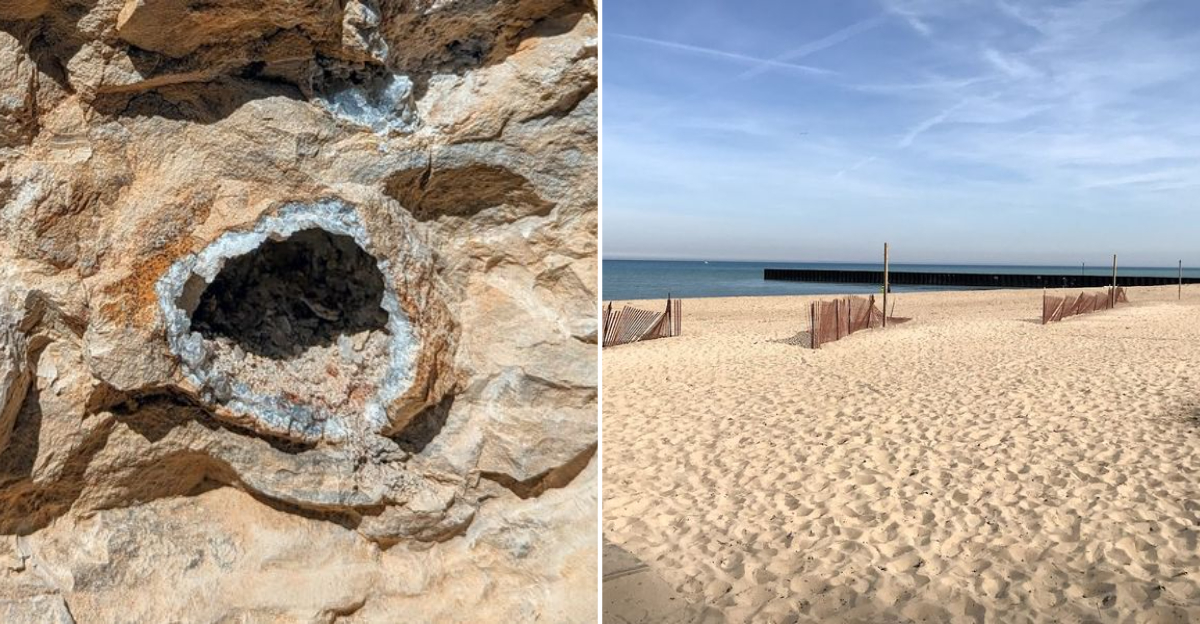
A 300-million-year-old fossil, a wave-polished shard of beach glass, and a sandstone bluff worthy of a movie scene can all turn up in Illinois. That surprise is exactly what makes the state such a fun place for curious travelers.
Beyond the familiar cities and farmland, Illinois hides quiet trails, fossil beds, geode country, and museums filled with prehistoric giants.
Each stop on this list offers a different kind of discovery, with plenty for families, roadtrippers, nature lovers, and anyone who likes looking closely at the ground beneath their feet.
Some places reward patience with tiny details, while others impress right away with towering rock, sweeping views, or glittering minerals cracked open by hand.
1. Mazonia-Braidwood State Fish And Wildlife Area, Near Braidwood
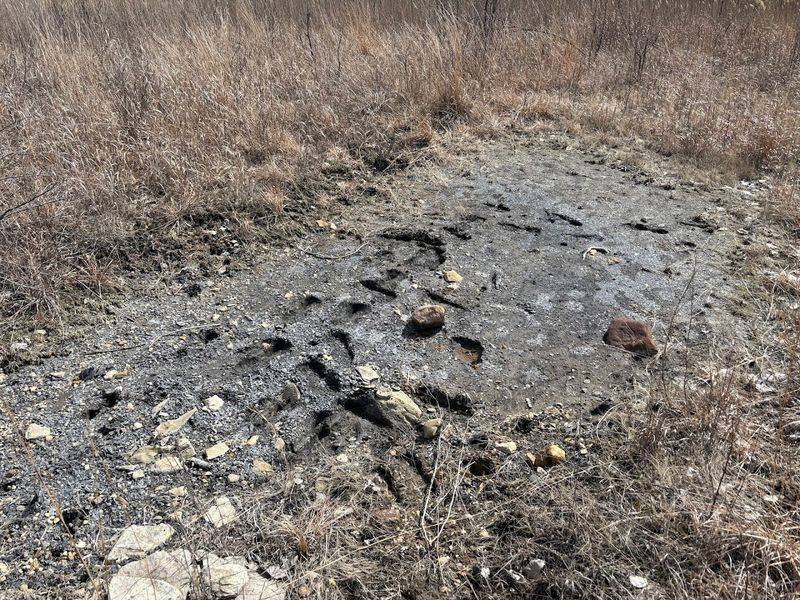
Some of the most remarkable fossil hunting in the entire Midwest happens at a place most people have never heard of.
Mazonia-Braidwood State Fish and Wildlife Area is located near Braidwood, with the Mazonia fossil-collecting area in Grundy County, and preserves fossils from a tropical coastal and nearshore environment.
The fossils found here date back roughly 300 million years to the Pennsylvanian Period, and they include soft-bodied creatures that are rarely preserved anywhere else in the world.
Collectors have pulled out ancient shrimp, jellyfish, worms, and even early sharks from the shale beds here. The site is particularly famous among paleontologists because soft-tissue preservation at Mazonia is considered exceptional by scientific standards.
You do not need to be an expert to enjoy a visit, though. Many families come out on weekends with simple tools and spend hours carefully splitting shale slabs in search of hidden treasures.
The area also offers fishing, wildlife watching, and open prairie landscapes that make the trip worthwhile even if the fossils stay hidden.
Always check current regulations before collecting, since rules can change seasonally. Bring old clothes, sturdy shoes, and a sense of patience, because the best finds usually reward those who slow down and look carefully.
2. Adeline Jay Geo-Karis Illinois Beach State Park, Zion
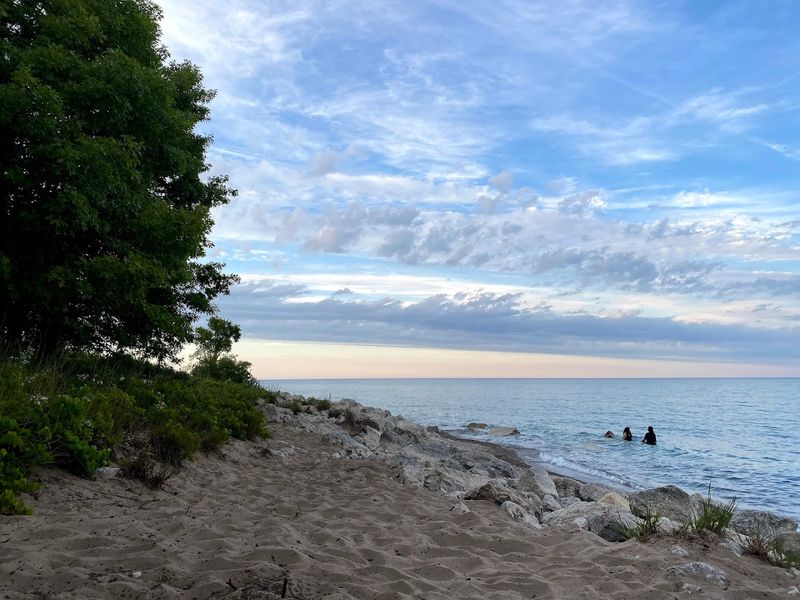
Right along the western shore of Lake Michigan in Zion, Illinois, this state park stretches across more than 4,000 acres and protects Illinois’ only remaining natural beach-ridge shoreline, along with dunes, wetlands, and rare habitat.
The beach here is stunning in a raw, unpolished way, with wind-swept dunes, wetlands, and a shoreline that shifts with the seasons. It is the kind of place that surprises you with how wild it feels for being so close to Chicago.
Beach glass collectors have a soft spot for this stretch of shore. The long, undeveloped coastline means fewer people picking through the sand, and pieces of frosted glass in greens, browns, and occasional blues turn up regularly after storms.
The dune areas also support rare plant species and migrating birds, making this a favorite stop for nature lovers of all kinds.
Summer weekends fill up quickly, so arriving early gives you the best access to quiet stretches of beach. The park has camping facilities, hiking trails, and a nature preserve that rewards slower exploration.
Adeline Jay Geo-Karis Illinois Beach State Park, 1 Lake Front Drive, Zion, IL 60099, is a genuinely underrated destination that deserves far more attention than it typically gets.
3. Waukegan Municipal Beach, Waukegan
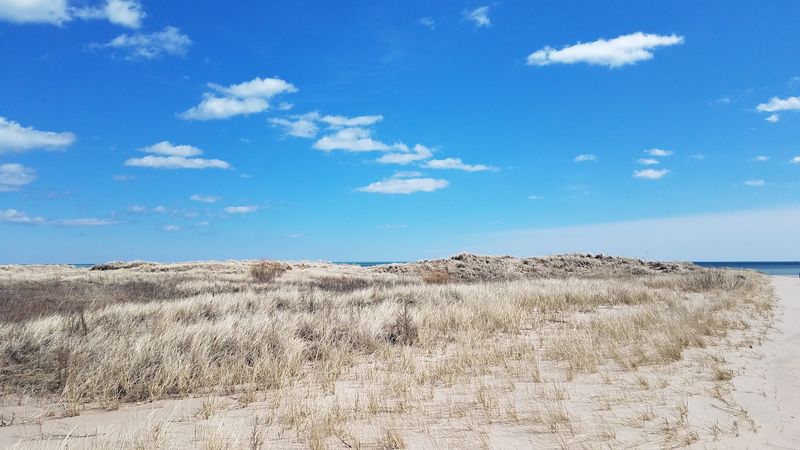
Waukegan has a long industrial history along Lake Michigan, and that history is part of what makes its municipal beach an unexpectedly rewarding spot for beach glass hunters.
Old harbors and former manufacturing sites along the Great Lakes have contributed decades worth of glass to the water, and the lake’s wave action has done the polishing work for free. The result is a beach where dedicated collectors often find impressive hauls of frosted, tumbled glass in a wide range of colors.
The beach itself sits at the southern end of Waukegan Harbor, and the rocky sections near the water’s edge tend to hold the best finds. Green and brown pieces are most common, but white, blue, and even rare red or orange shards appear for those patient enough to search.
Sunrise visits are especially productive because low light catches the frosted surfaces beautifully before other beachgoers arrive.
Beyond the glass, Waukegan Municipal Beach offers a pleasant waterfront experience with views of the lake horizon and access to the wider Waukegan Harbor area.
The beach is located at 201 Sea Horse Drive, Waukegan, IL 60085. It is a straightforward, no-frills destination that delivers real rewards for anyone willing to look closely at what the water brings in.
4. Montrose Beach, Chicago

Montrose Beach is one of Chicago’s most beloved lakefront spots, and it earns that reputation for good reason. Stretching along Lake Michigan at the end of West Montrose Avenue on the North Side of Chicago, this beach combines easy city access with a surprisingly natural feel.
The sand dune area at the north end is protected habitat associated with the federally endangered Great Lakes piping plover, which has nested at Montrose Beach in recent years.
For beach glass collectors, the rocky areas flanking the main sandy stretch are worth a careful look, especially after heavy storms push new material onto shore.
The variety of glass here reflects the beach’s long history as a busy urban shoreline. Pieces range from common greens and browns to occasional cobalt blue fragments that feel like small victories when you spot them.
Montrose Beach also has a strong community vibe. On any given weekend you will find kite surfers, volleyball players, dog walkers, and families grilling near the pavilion.
The Montrose Point Bird Sanctuary sits right next to the beach and is a nationally recognized birding hotspot during spring and fall migrations. Located at 4400 North Lake Shore Drive, Chicago, IL 60640, this beach layers enough activities and natural interest to fill an entire day without ever feeling repetitive.
5. 63rd Street Beach, Chicago
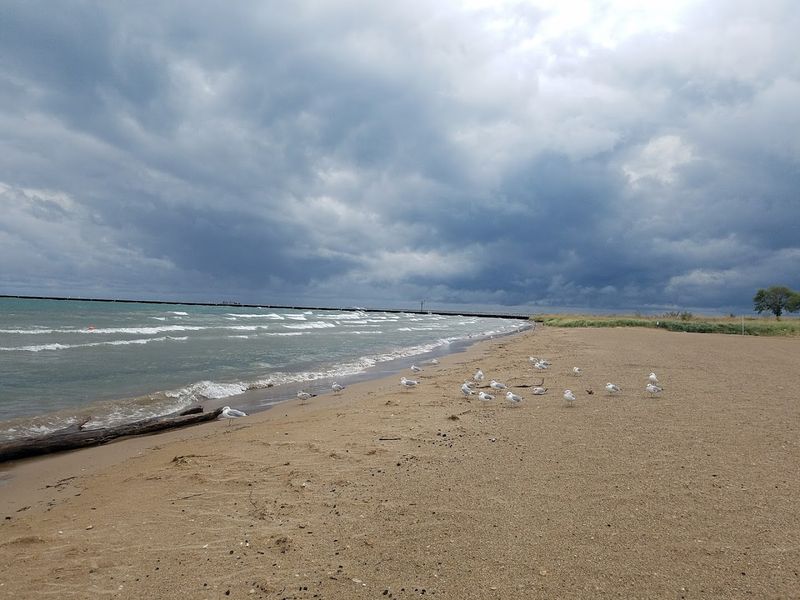
On Chicago’s South Side, 63rd Street Beach carries a weight of history that most lakefront visitors never fully appreciate. The beach and its iconic bathhouse, a designated Chicago landmark built in 1919, sit at 6300 South Lake Shore Drive, Chicago, IL 60637.
The building’s ornate facade has watched over this stretch of Lake Michigan for over a century, and the beach itself has been a gathering place for South Side communities through decades of change.
The shoreline here offers solid beach glass hunting, particularly in the rockier sections north and south of the main sandy area.
Storm events regularly refresh the pickings, and the mix of older glass from the neighborhood’s long urban history adds variety to what collectors find. Smooth pebbles in interesting colors also appear regularly along the water’s edge.
What makes 63rd Street Beach stand out beyond the collecting is its cultural significance and neighborhood energy. The restored bathhouse hosts community events and art programming throughout the warmer months.
The beach draws a loyal local crowd that gives it a character distinct from the more tourist-heavy beaches further north. If you want a Chicago lakefront experience that feels rooted in real neighborhood life, this is the spot that will leave the strongest impression.
6. Lighthouse Beach, Evanston
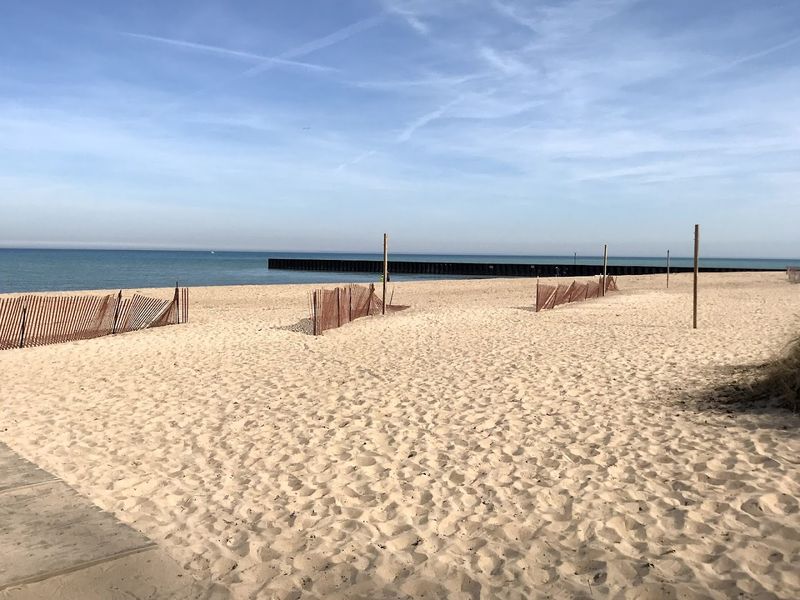
Evanston’s Lighthouse Beach sits right next to the historic Grosse Point Lighthouse, a 113-foot structure built in 1873 that still stands as one of the most photographed landmarks on the Illinois lakeshore.
The beach is located near Grosse Point Lighthouse, with beach access generally listed around 2611 Sheridan Road, Evanston, IL 60201, and the combination of architectural history and natural shoreline makes it a genuinely rewarding place to spend an afternoon.
The rocky stretches along this beach are well known among serious beach glass enthusiasts in the Chicago area. The Evanston shoreline has a long history of human activity, and the lake has had plenty of time to smooth and frost the glass that has accumulated over the decades.
Collectors report finding pieces in a wider color range here than at some other North Shore beaches, with purple and aqua fragments appearing occasionally among the more common shades.
The lighthouse grounds themselves are worth exploring. Guided tours run during the summer months and cover the lighthouse’s role in Great Lakes navigation history.
The surrounding nature center and adjacent Twiggs Park add green space and birding opportunities to the visit.
Arrive before noon on weekends to beat the crowds and claim the best rocky sections before other collectors work through them. The views back toward Chicago’s skyline from this beach are quietly spectacular on clear days.
7. Vickers Geodes, Hamilton
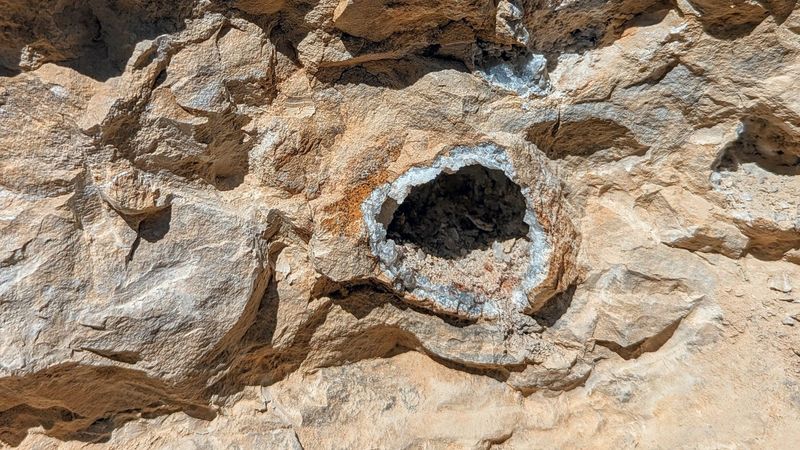
Hamilton, Illinois is quietly famous in the rockhounding world for one very specific reason: the geodes. The area around Hamilton, located along the Mississippi River in Hancock County in western Illinois, sits within one of the most productive geode-bearing regions in North America.
The Keokuk geode beds stretch across parts of Illinois, Iowa, and Missouri, and the specimens found near Hamilton rank among the finest anywhere.
Vickers Geodes is a well-known local operation that gives collectors access to geode-bearing ground in the area. Cracking open a geode for the first time is one of those experiences that genuinely never gets old.
The rough gray exterior gives nothing away, but split one open and you might find a hollow interior lined with sparkling quartz crystals, calcite, dolomite, or even rare minerals like pyrite or sphalerite.
The season for digging typically runs from spring through fall, and the experience is suitable for all ages, which makes it a popular destination for families looking for something hands-on and memorable.
Hamilton itself is a small river town with a relaxed pace that complements the unhurried nature of rockhounding. If you have never cracked open a geode before, this corner of western Illinois is one of the best places on earth to start that habit.
8. Shawnee National Forest, Southern Illinois
Southern Illinois holds a landscape that surprises nearly everyone who visits for the first time.
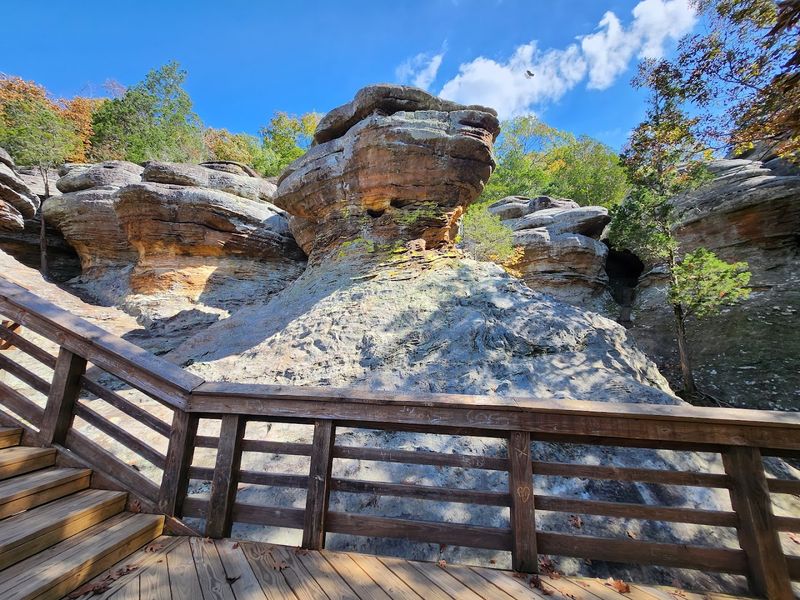
Shawnee National Forest covers roughly 280,000 acres across the southern tip of the state, stretching between the Mississippi and Ohio Rivers, and it contains geological features that feel more like the American Southwest than the Midwest.
The Garden of the Gods, one of the forest’s most iconic areas, features massive sandstone formations shaped by hundreds of millions of years of erosion.
For geology enthusiasts, the rock layers exposed throughout Shawnee tell a detailed story of ancient seas, river deltas, and shifting climates.
Fossils of marine creatures, plants, and amphibians have been documented throughout the forest, and the variety of exposed rock types creates a kind of open-air geology textbook. Hiking trails wind through bluffs, ravines, and creek beds where attentive visitors can examine the stone record up close.
The forest also supports incredible biodiversity, with spring wildflower blooms, fall foliage, and resident wildlife including eagles, owls, deer, reptiles, amphibians, and many migratory birds.
The Garden of the Gods Recreation Area is located in southeastern Illinois near Herod and Karbers Ridge, with access from Illinois Route 34 via local and forest roads.
Visiting in spring or fall gives you the most comfortable temperatures and the most dramatic scenery. Shawnee rewards slow, attentive exploration far more than a quick drive-through ever could.
9. Cave-In-Rock State Park, Cave-In-Rock
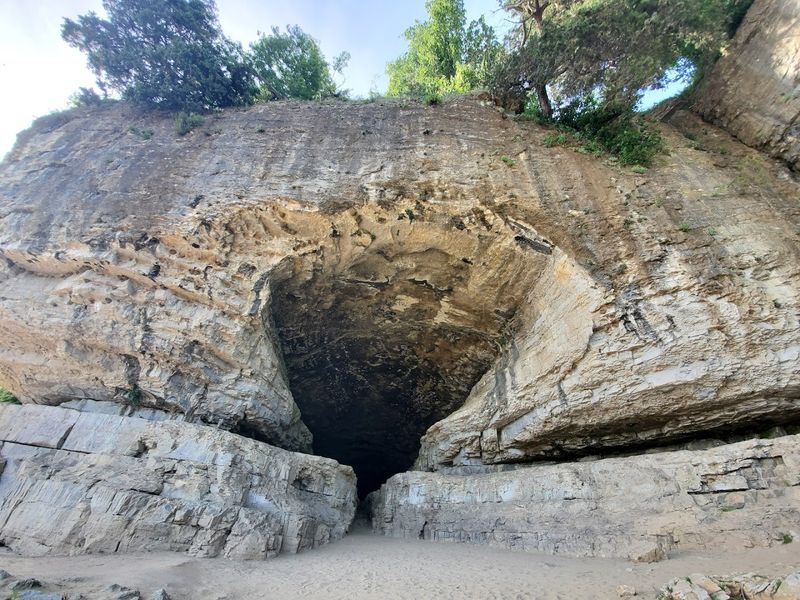
There are not many places in Illinois where you can walk into a natural cave that opens directly onto a major river, but Cave-in-Rock State Park delivers exactly that.
Located in Hardin County in far southern Illinois, the park takes its name from a 55-foot-wide limestone cave that opens onto the Ohio River at river level. The cave itself was carved by water over millions of years, and the geology of the surrounding bluffs tells a rich story of ancient reef environments.
The limestone cliffs and river bluffs around the park contain fossils of marine organisms from the Mississippian Period, roughly 325 million years ago.
Crinoids, brachiopods, and coral fragments can be observed in limestone exposures in the region, making careful viewing along designated trails a rewarding geological exercise without removing material from protected park land.
The cave itself is free to enter and provides a dramatic sense of scale that photographs never quite capture.
The park sits at 1 New State Park Road, Cave-in-Rock, IL 62919, and also offers camping, river access, and picnic areas with views across the Ohio River into Kentucky.
The ferry crossing nearby adds a charming, old-fashioned dimension to the experience. History, geology, and river scenery combine here in a way that makes Cave-in-Rock one of the most distinctive state parks in the entire Midwest, full stop.
10. Mississippi Palisades State Park, Savanna
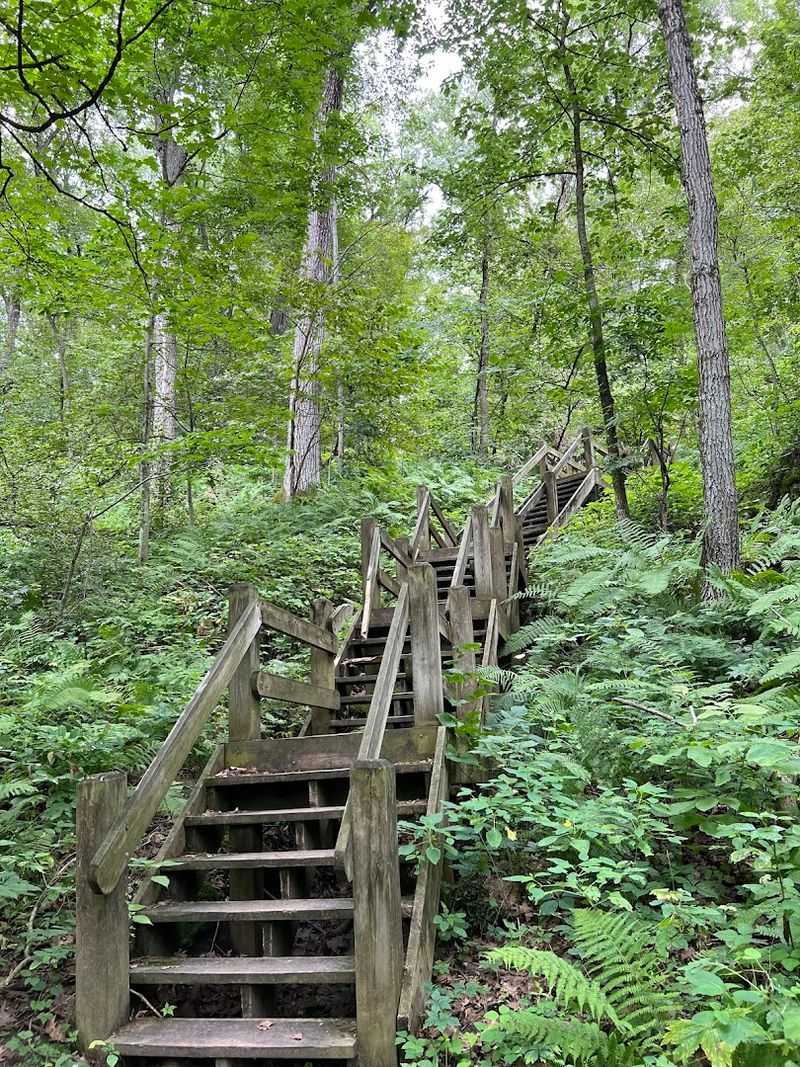
The limestone bluffs at Mississippi Palisades State Park rise dramatically above the Mississippi River near Savanna in Carroll County, northwestern Illinois, and they create one of the most scenic landscapes in the entire state.
The park covers about 2,500 acres and features towering rock formations, deep ravines, and river valley overlooks that draw hikers, photographers, and geology enthusiasts throughout the year.
The limestone exposed throughout the park dates to the Ordovician and Silurian periods, and fossil hunters have found brachiopods, corals, crinoids, and trilobite fragments in the rock layers here.
The trails wind through areas where erosion has exposed fresh rock faces, giving attentive walkers regular opportunities to examine ancient marine fossils up close. The Twin Sisters and Sentinel rock formations are among the most dramatic geological features in the park.
Fall is arguably the best season to visit, when the hardwood forest covering the bluffs turns spectacular shades of orange and red above the silver river below. Spring brings wildflowers and active bird migration along the Mississippi Flyway.
The park is located at 16327A IL-84, Savanna, IL 61074. Camping is available, and the network of trails ranges from easy riverside walks to more challenging climbs that reward you with sweeping views across three states on clear days.
11. Burpee Museum Of Natural History, Rockford
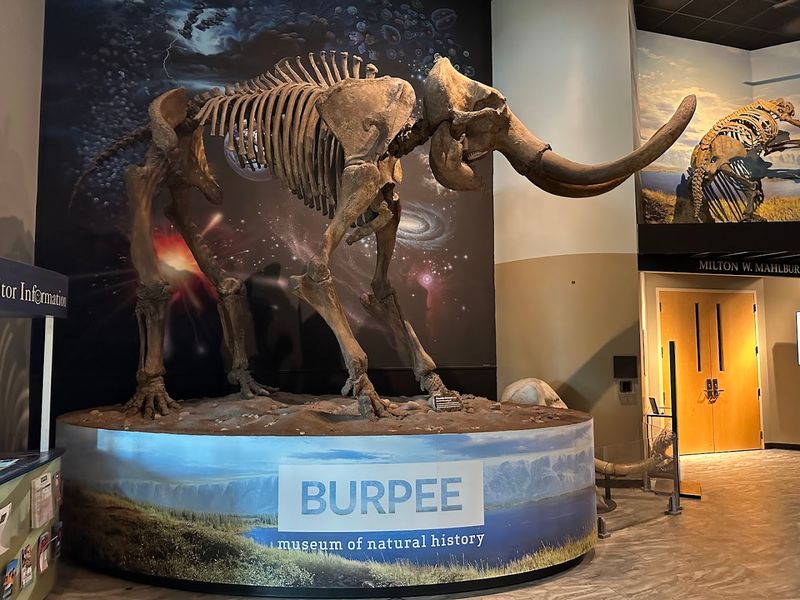
Not every fossil encounter requires getting your hands dirty. Rockford’s Burpee Museum of Natural History makes the case that a world-class fossil collection, presented thoughtfully indoors, can be just as thrilling as anything you find in the field.
The museum is located at 737 North Main Street, Rockford, IL 61103, and it holds one of the most significant dinosaur fossil collections in the Midwest.
The star of the show is Jane, a remarkably complete juvenile Tyrannosaurus rex skeleton discovered in Montana in 2001 and studied extensively by Burpee paleontologists.
Jane has been central to the long-running scientific debate over juvenile Tyrannosaurus rex and Nanotyrannus, a discussion that remains active as new research appears. That level of scientific relevance in a regional museum is genuinely rare and worth appreciating.
Beyond Jane, the museum features extensive exhibits on Illinois geology, prehistoric sea life, and the fossil record of North America.
Interactive stations make the content accessible for younger visitors, and the museum’s outreach programs connect school groups with hands-on fossil preparation experiences.
The museum shop carries quality fossil specimens, geology books, and rockhounding supplies that make excellent souvenirs. If you are visiting Rockford with curious kids or a personal passion for paleontology, the Burpee Museum belongs at the top of your itinerary without question.
12. Field Museum, Chicago

When it comes to fossils on a jaw-dropping scale, nothing in Illinois compares to what the Field Museum has assembled over more than 125 years of scientific collecting.
Located at 1400 South DuSable Lake Shore Drive, Chicago, IL 60605, the museum sits in Grant Park along the lakefront and houses one of the largest and most scientifically important natural history collections in the world.
Sue, the most complete and best-preserved Tyrannosaurus rex skeleton ever discovered, stood in the museum’s main hall for over two decades before moving to a dedicated gallery that gives visitors an even better look at the details of this extraordinary specimen.
A newer addition, Máximo the titanosaur, is now the centerpiece of Stanley Field Hall, and the 122-foot cast makes Sue look almost modest in comparison.
The museum’s fossil galleries cover everything from ancient marine life to early mammals, and the geological collections include minerals, meteorites, and gem specimens that appeal to rockhounds and casual visitors equally.
The Evolving Planet exhibit walks visitors through four billion years of life on Earth in a way that is genuinely engaging rather than overwhelming.
Plan for a full day because the Field Museum consistently delivers more than any single visit can fully absorb, and repeat trips always reveal something new.