
These Louisiana BBQ Terms Outsiders Always Get Twisted (But Locals Know By Taste)
Stop right there, partner. Put down that bottle of syrupy, high-fructose corn syrup-based molasses sauce. If you think you know barbecue because you spent a weekend in Lockhart, Texas, prepare for a culinary baptism by fire-or rather, by hot, fragrant pecan smoke.
Louisiana BBQ doesn’t play by the rules; it wrote its own glossary in the humid, swampy deep dark of a smokehouse. If you slip up and call Tasso ‘jerky,’ you risk instant deportation. Here are 10 terms that prove your high-falutin’ BBQ knowledge is about to get twisted like a gator roll.
1. Boudin
Many folks from outside Louisiana bite into boudin expecting pure sausage meat, only to discover a surprise party of rice mixed right in with the pork. This iconic Cajun creation combines ground pork, cooked rice, onions, peppers, and a symphony of spices all stuffed into a natural casing.
Some versions throw liver into the mix for extra richness, creating a flavor profile that is earthy and deeply satisfying. You will find boudin served steamed at gas stations, smoked at barbecue joints, or even fried into crispy balls at festivals.
Locals know that boudin is not just breakfast food or a snack. It is a cultural treasure that tells the story of resourceful Cajun cooks who refused to waste a single scrap of the pig.
2. Tasso
Tasso is not your everyday breakfast ham, and calling it bacon will earn you some serious side-eye from Louisiana natives. This intensely seasoned, heavily smoked pork shoulder or ham serves as a flavor bomb rather than the main event on your plate.
Cooks use small amounts of tasso to add depth to gumbo, jambalaya, and red beans because its smoky, spicy punch can transform an entire pot. The meat gets cured with a thick coating of cayenne, garlic, and other spices before spending hours in the smokehouse.
Think of tasso as the secret weapon in Cajun cooking, the ingredient that makes visitors wonder why their home-cooked versions never taste quite right. One little chunk can make all the difference between bland and brilliant.
3. Andouille
Grabbing a link of andouille expecting a mild Polish kielbasa will leave you coughing and reaching for your drink. This spicy smoked sausage packs serious heat alongside bold garlic flavor, making it a cornerstone of Louisiana cooking rather than just another tube of meat.
Andouille gets double-smoked in many recipes, giving it a firm texture and deep, complex taste that stands up to long cooking times in dishes like gumbo and etouffee. The coarse grind and heavy seasoning make it unmistakable once you know what to look for.
My cousin from Chicago once tried to substitute regular smoked sausage in his jambalaya, and the family still teases him about his bland disaster. Real andouille brings an irreplaceable kick that defines authentic Cajun cuisine.
4. Smothered
When a Louisiana cook says something is smothered, they are not just throwing a blanket over it or giving it a quick pan-fry. Smothering means slow-cooking meat or vegetables in a thick, rich gravy made from a roux base, onions, peppers, and sometimes tomatoes.
The technique transforms tough cuts of meat into tender, fall-apart deliciousness while creating a sauce so good you will want to lick the plate. Smothered pork chops, chicken, or even cabbage become comfort food masterpieces through this patient cooking method.
Outsiders often confuse smothered with fried or simply topped with sauce, missing the entire point of the low-and-slow braising process. True smothering requires time, attention, and a willingness to let flavors marry into something magical.
5. Cajun Spice Rub
Calling any spicy seasoning Cajun just because it makes your tongue tingle shows a complete misunderstanding of this complex flavor blend. A proper Cajun spice rub balances paprika, cayenne, garlic powder, onion powder, oregano, thyme, and black pepper into layers of taste that go way beyond simple heat.
The paprika provides color and mild sweetness, while cayenne brings controlled fire that builds rather than attacks. Garlic and onion powders add savory depth, and the herbs contribute earthy notes that round out the whole experience.
Locals can taste when someone just dumped hot sauce on meat and called it Cajun cooking. The real deal requires understanding how each spice plays its part in creating that signature Louisiana flavor profile everyone tries to copy.
6. Pit-Smoked
Plenty of people toss around the word barbecue without understanding that pit-smoking represents a specific low-and-slow technique using wood smoke over many hours. In Louisiana, pit-smoked meat gets cooked at temperatures between 225 and 275 degrees, allowing smoke to penetrate deep into every fiber.
Pitmasters choose their wood carefully, with hickory, pecan, and oak being popular choices that impart distinct flavors to the finished product. The process cannot be rushed, as true tenderness and that coveted smoke ring only develop with patient attention over half a day or more.
When I helped my uncle smoke a whole hog last summer, I learned that checking the temperature every twenty minutes and resisting the urge to peek separates amateurs from masters. Real pit-smoking is both art and science rolled into one delicious tradition.
7. Barbecue Sauce Vs. Meat Sauce
Visitors to Louisiana often expect every piece of smoked meat to arrive swimming in sticky sauce, but locals know that good barbecue stands proudly on its own merits. The meat itself, properly seasoned and perfectly smoked, takes center stage rather than getting drowned in condiments.
Sauces appear on the side as optional companions, allowing diners to taste the smoke, the rub, and the quality of the meat before deciding if they even want extra flavor. Some regions within Louisiana favor tangy vinegar-based sauces, while others prefer tomato or mustard bases, but none hide mediocre meat behind sugar and spice.
This philosophy separates Louisiana barbecue from styles that rely heavily on sauce to carry the dish. Great pitmasters take pride in meat so good it needs nothing more than maybe a light brush at the very end.
8. Praline Glaze
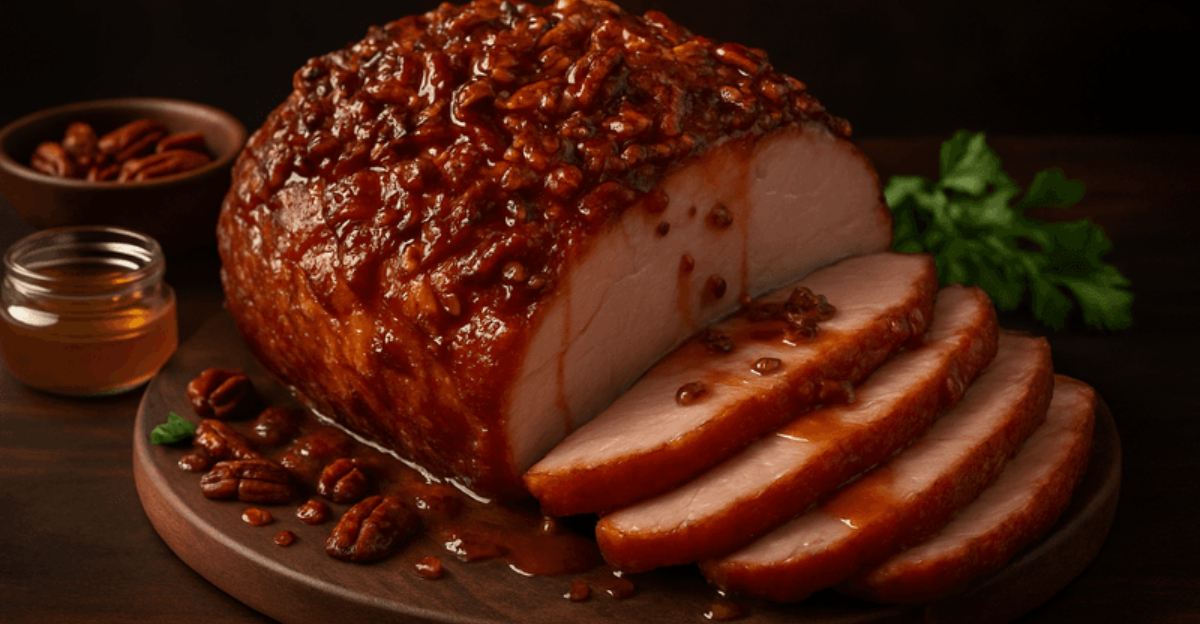
Most people know pralines as those sweet, creamy candies sold in New Orleans gift shops, so seeing the term on a barbecue menu throws them for a loop. Praline glaze takes that same combination of brown sugar, butter, and pecans and transforms it into a caramelized coating for ribs or pork shoulder.
The glaze gets applied during the final stages of smoking, creating a sweet-savory crust that crackles slightly when you bite through it. The sugar caramelizes under heat while the butter adds richness and the pecans contribute texture and nutty flavor.
This technique shows how Louisiana cooks refuse to keep sweet and savory in separate boxes, instead creating unexpected combinations that make perfect sense once you taste them. Praline glaze turns good ribs into unforgettable ones with just one extra step.
9. Hot Link
Hot links in Louisiana mean serious business, not the mild Italian sausages you might find at a backyard cookout up north. These spicy smoked sausages get grilled or smoked until the casings snap when you bite them, releasing a flood of peppery, garlicky juices.
The heat level ranges from noticeable to face-melting depending on who made them, but locals always expect a kick that wakes up their taste buds. Hot links often appear at barbecue joints alongside ribs and brisket, or get stuffed into po-boys with all the fixings.
Confusing hot links with sweet Italian sausage or even regular smoked sausage marks you as an outsider faster than your accent ever could. The name tells you exactly what to expect, so come prepared for some fire or step aside for those who can handle it.
10. Lechon Or Cajun Hog Roast
Watching an entire hog slowly rotate over an open pit represents Louisiana barbecue at its most impressive and communal. Lechon or Cajun hog roast involves cooking a whole pig over direct or indirect heat for many hours until the skin crackles like glass and the meat falls off the bone.
This is not the same as pulled pork made from just a shoulder, though visitors constantly make that mistake when they see the finished product. The whole hog method creates different textures and flavors from different parts, with crispy skin, tender shoulder, and succulent belly all contributing to the feast.
Hog roasts usually happen for big celebrations, family reunions, or festivals where feeding a crowd matters as much as the spectacle of the cooking process itself. Nothing brings people together quite like gathering around a whole roasted pig and sharing stories while the meat gets carved.