
These Michigan Nature Trails And Wildflower Walks Are Just Right For An April Escape
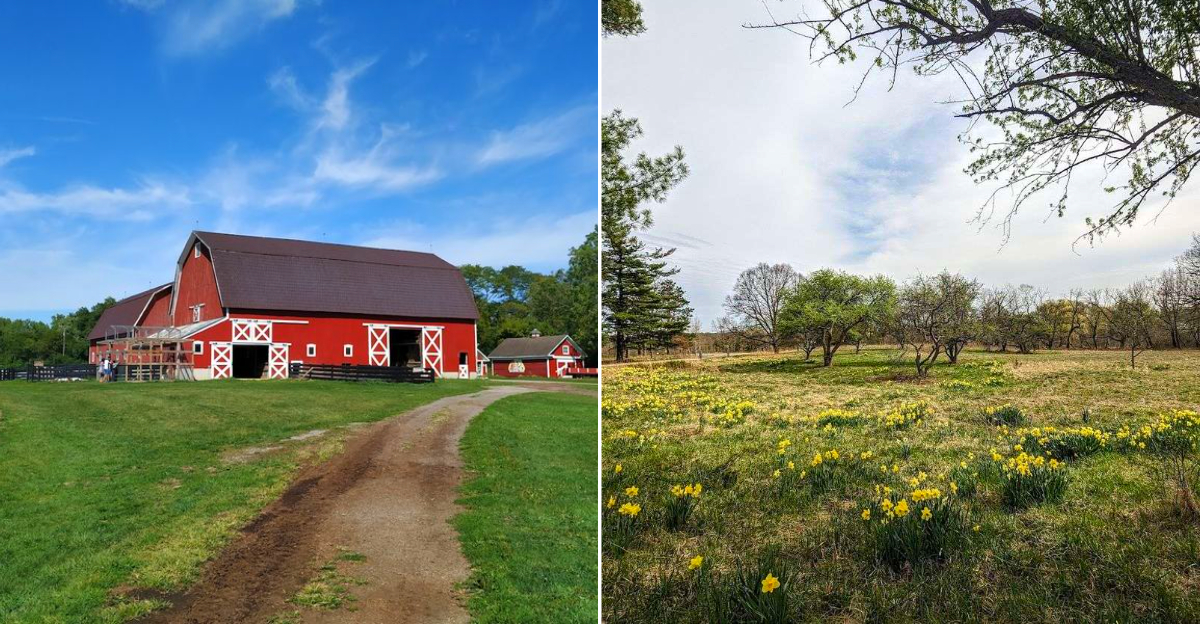
April in Michigan usually hits me with that intoxicating scent of thawing earth and raw possibility that I’ve spent all winter dreaming about. I honestly live for the moment those first wildflowers start poking through the leaf litter like shy, colorful notes in a forest that’s finally waking up from a long nap.
Scenic spring hiking trails and vibrant wildflower displays make these Michigan nature preserves a premier destination for seasonal birdwatching and peaceful outdoor escapes.
I’m telling you, you need a free day and a bit of unhurried curiosity to really catch the subtle “shoulder season” magic that most people miss by staying indoors until June.
These paths offer me that “just-right” mileage where the rewards, like a hidden trillium or a sudden lake view, feel far more generous than the effort I put in. You really need my personal field-tested guide to which specific trailheads are currently blooming.
1. Loda Lake National Wildflower Sanctuary, White Cloud
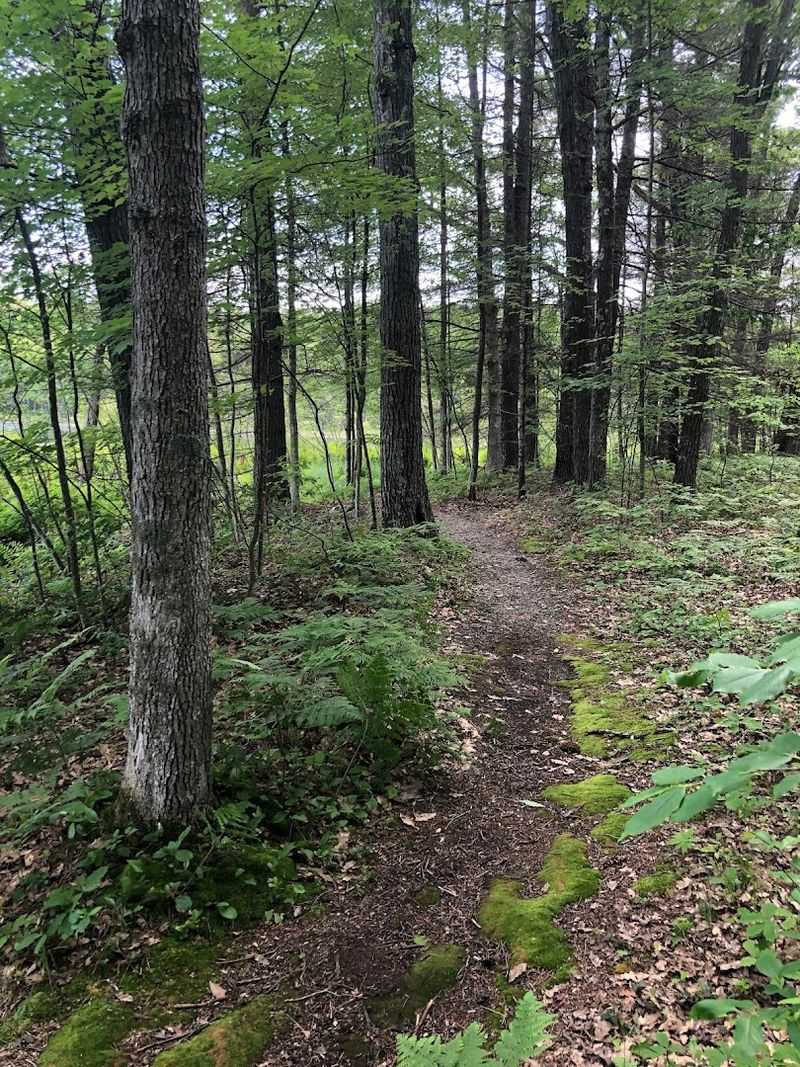
Early April at Loda Lake National Wildflower Sanctuary feels like a soft, collective exhale from a long winter. This is a place where the landscape does not just grow, it speaks.
A beech-maple canopy filters pale, watery light onto a dedicated loop featuring 39 interpretive posts that act as a living library. You will find Bloodroot, Spring Beauty, and Hepatica appearing in tidy, delicate constellations near mossy logs and decaying stumps.
I like pausing at each marker to match the names on the signs with the physical petals. It is an easy way to memorize the shapes of spring as I go.
It becomes a slow-motion treasure hunt that makes every yard of the trail feel significant. Even the smallest bloom feels worth stopping for.
While your eyes are glued to the forest floor, do not forget to let your ears do some of the work. Listen for the cheerful fee-bee of chickadees and the rhythmic stitch-stitch of red-bellied woodpeckers working the high branches.
2. Empire Bluff Trail, Empire
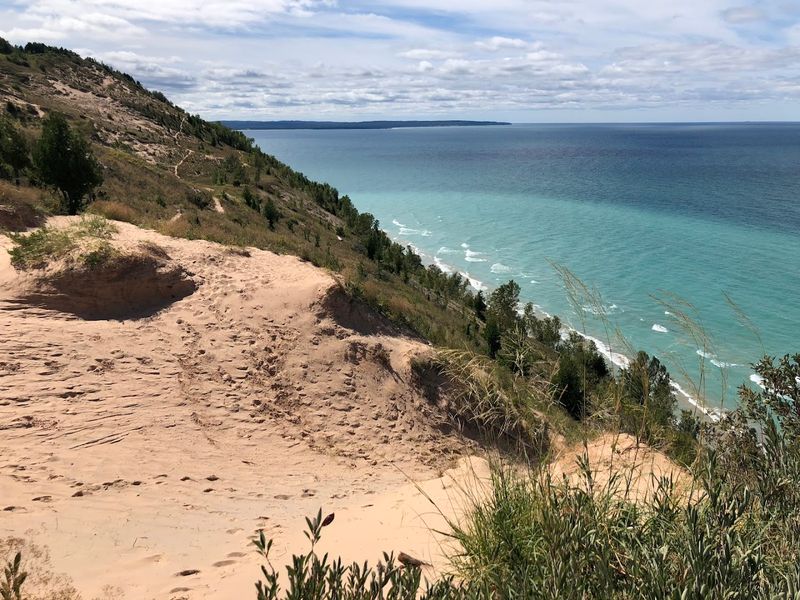
The wind blowing off Lake Michigan this time of year carries a faint, persistent chill. But the forest edge at Empire Bluff Trail usually warms up first, creating a cozy microclimate for early hikers.
Sturdy beech and maple trunks act as silent guides along the hilly, rolling path that leads toward one of the most famous overlooks in the Lower Peninsula. As you climb, look closely at the trail margins.
Bloodroot sometimes dots the dirt like tiny, discarded porcelain saucers. The sight of emerging Trillium hints at the floral abundance that will take over by Mother’s Day.
They also frame the staggering aquamarine water of Lake Michigan beautifully. On a clear April day, you can see all the way to North Manitou Island.
At moments, the water looks more like the Caribbean than the Midwest. There is also a deep sense of history in the glacial shapes of the bluffs and in the plants clinging to the shifting sands.
To get the most out of this hike, bring layers. Even if the trailhead feels balmy, the wind at the overlook can be biting.
3. Warren Dunes Nature Study Area, Sawyer
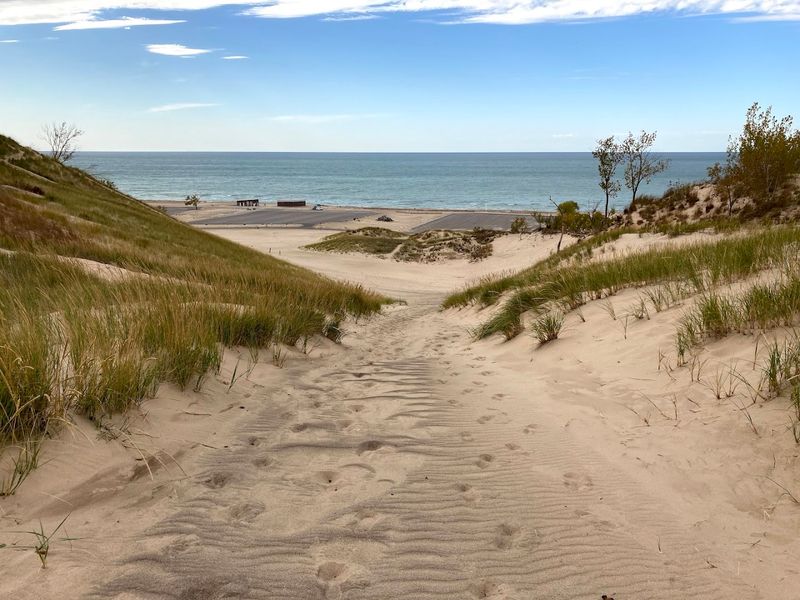
There is a unique silence at Warren Dunes Nature Study Area where the deep sand seems to muffle the sound of the world. It leaves you alone with your thoughts.
This park does a magnificent job of protecting towering dunes and rare remnant interdunal wetlands. Those wetlands serve as a living record of how the shoreline has shifted over thousands of years.
As you hike, you can actually see the biological communities shift from resilient beach grass near the shore to sturdy oak forests as you gain elevation. It is a vertical lesson in ecology.
The best way to access this quiet corner is from the signed trailhead off Floral Lane, provided seasonal road conditions are favorable. Keep an eye out for ticks during sudden warm spells.
Keeping dogs on a leash is mandatory to protect nesting birds. For a memorable finish, climb one of the higher ridges just before sunset.
Watch the orange light hit the water, then descend by the gentler wooded spur path. It is a spectacular way to see shoulder season in its golden light.
4. Nichols Arboretum, Ann Arbor
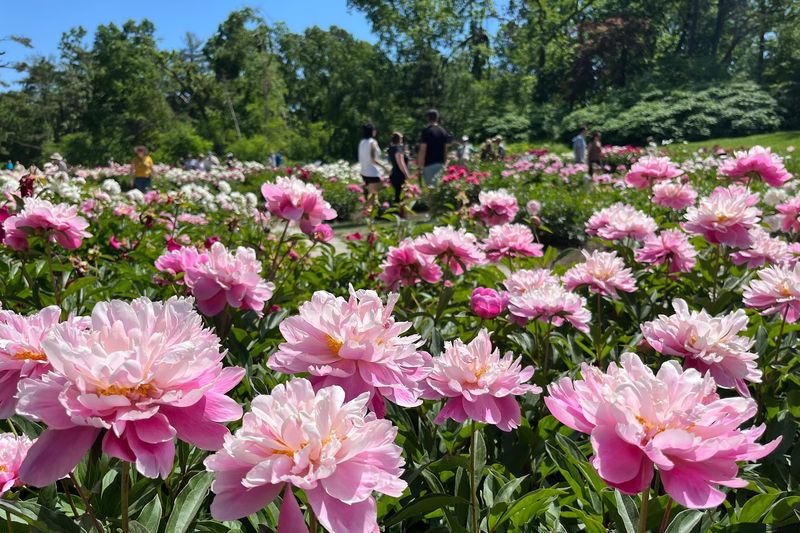
Commonly known as The Arb by locals, the slopes of Nichols Arboretum tilt toward the Huron River like a vast open-air theater. In April, the woodland paths thread between massive oaks and maples.
Trillium begin to build quiet, white-petaled crowds under the emerging leaf-out. Along the muddy banks of the river, Bloodroot and Trout Lily sketch brief yellow and white alphabets in the soil.
Founded in 1907 and shaped by the naturalistic design of O. C. Simonds, this space beautifully stitches the University of Michigan campus to the wilder river corridor. It feels both cultivated and free.
The restoration work here is impressive, with teams working year-round to keep invasive species in check. That gives the spring ephemerals a fighting chance.
While the prairie and the peony garden wait for their own seasons later in the year, the woodlands are the stars of the April show. There is a specific energy here.
It is a mix of academic curiosity and plain natural wonder. You do not get that combination everywhere.
When I visit, I always follow the river trail first. There is something meditative about hearing the water move over the stones before climbing toward the ridges.
5. Matthaei Botanical Gardens Trails, Ann Arbor
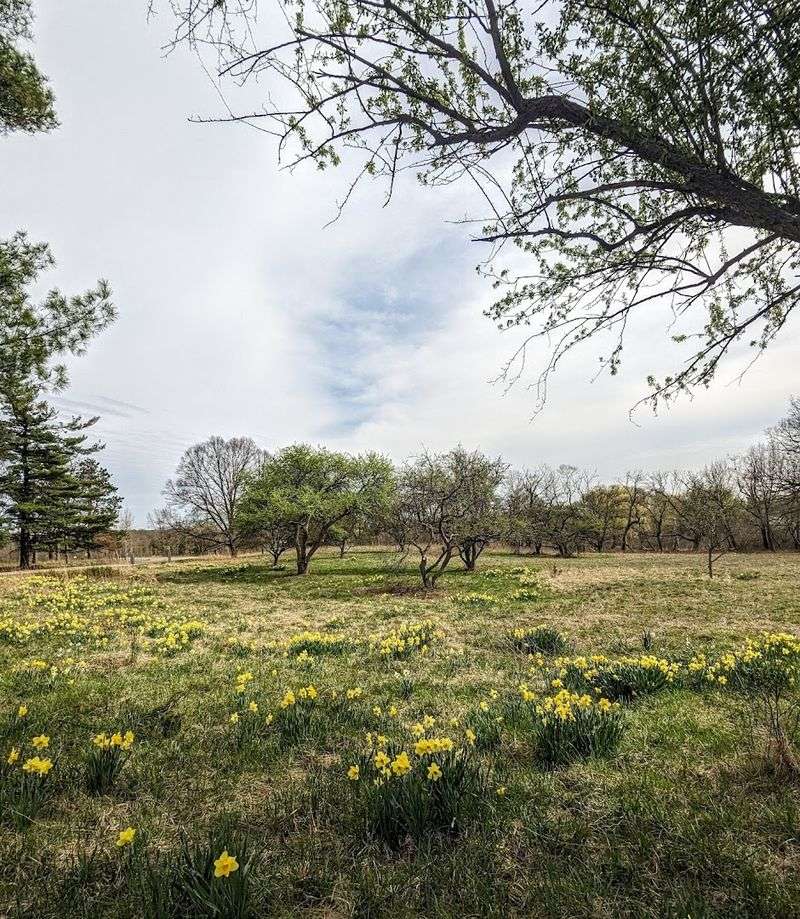
If you prefer a more structured but equally wild experience, the Matthaei Botanical Gardens Trails are a masterclass in habitat diversity. A good place to begin is the hush of the wetland boardwalks.
That is where red-winged blackbirds practice their iconic metallic trills. The wooded margins are prime territory for Hepatica and Spring Beauty.
The south-facing edges of the trails tend to warm up fastest, which brings some of the earliest blooms of the season. Even the prairie restoration area has its own April beauty.
It glows straw-gold and is punctuated by sharp stabs of new green at ground level. The whole place feels carefully observed without feeling overmanaged.
What makes Matthaei special is the way it pairs high-level research with easy public access. The signage is precise and informative without feeling stiff.
As you loop between habitats, you can see how soil and light choreograph the timing of the blooms. You can also spot traces of older land use in the hedgerows and field contours.
Before you set out, check the garden map at the main center for seasonal closures or suggested route lengths. If an April shower rolls in, the indoor Conservatory is an excellent backup plan.
6. Hartwick Pines State Park Trails, Grayling
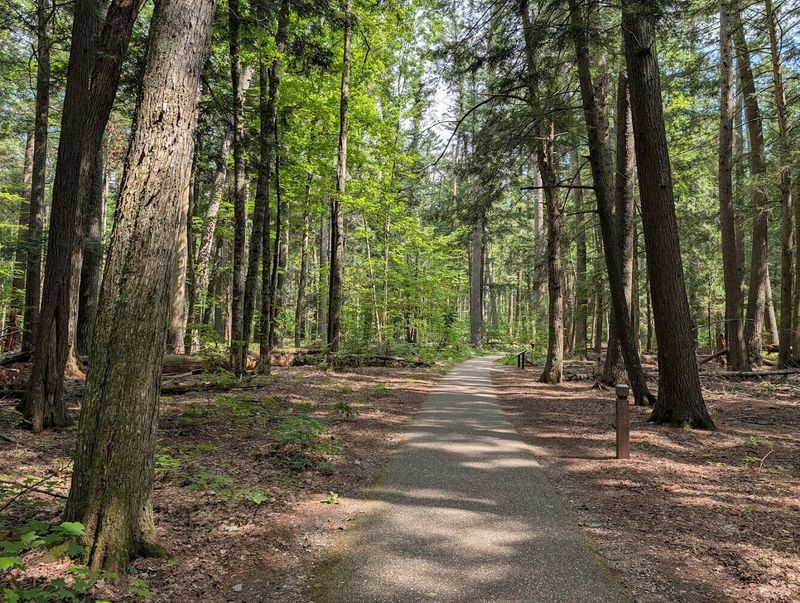
There is a weight to the air at Hartwick Pines State Park that you do not feel in younger forests. Light sifts down through the needles of ancient white pines, and the air smells of resin and cool dampness.
In April, patches of snow may still linger in the deep shaded hollows. At the same time, Spring Beauties begin testing the edges of the thaw in sunnier clearings.
The Old Growth Forest Trail is a paved, accessible path that moves quietly through the giants. It lets the massive trunks do most of the talking.
This park protects one of the last remaining remnants of the vast pine forests that once covered Michigan. That alone gives the place unusual emotional weight.
Between the trees, you can find a logging museum that interprets the industry that built, and nearly destroyed, the region. The CCC-built structures and the tiny Chapel in the Woods add a human scale.
Standing among these pines, you can almost feel time stacking up in rings. The place holds history without having to announce it loudly.
Because this is farther north, expect significantly cooler temperatures than in southern Michigan. Extra layers are a necessity.
7. Maybury State Park, Northville

For those in the Metro Detroit area, Maybury State Park offers a slice of rolling countryside that feels far removed from the suburbs. Birdsong sets the rhythm while broad paths run through second-growth woods and open meadows.
In shady spots, Trout Lily forms bright yellow currents along the trail edges. Trillium gathers wherever a fallen tree has opened a light gap in the canopy.
On a warm April weekend, the air often carries a nostalgic mix of fresh leaf mold and the first hints of distant grill smoke from the picnic areas. The whole park feels gently social without losing its calm.
The land has an interesting history, having once served as a state sanatorium before becoming a park. That past helps explain the wide trail corridors and the range of plant communities here.
The restoration fields are a highlight in April. They buzz with early pollinators hunting nectar among fuzzy willow catkins.
When I head to Maybury, I like to circle one of the big meadows first. Then I slip onto the narrower singletrack paths for more quiet.
8. Sleeping Bear Dunes Old Indian Trail, Empire
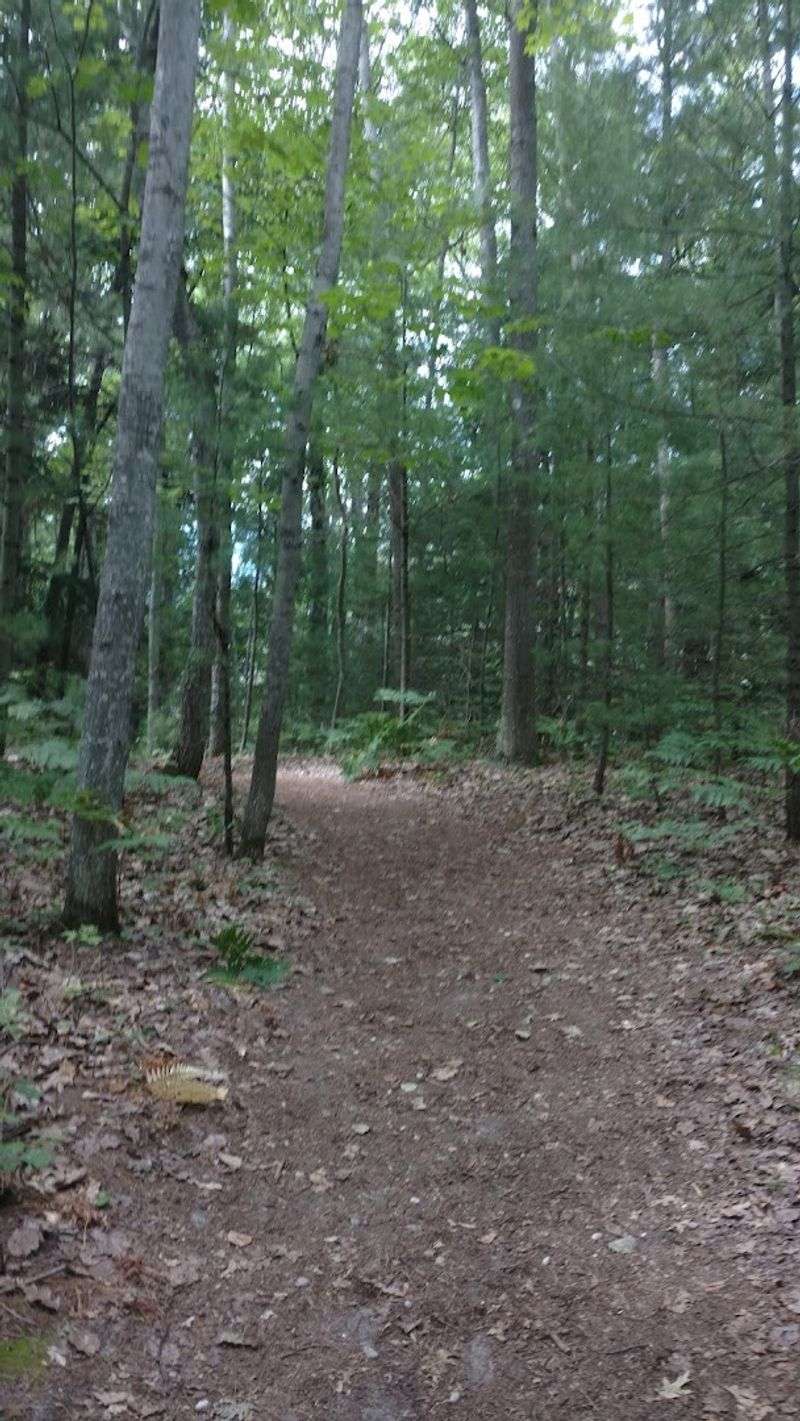
There is a specific kind of magic in the way your footsteps hush when you move from dirt to sand. The Old Indian Trail winds through a beech-maple forest toward sudden openings of sky.
Spring ephemerals appear where the leaf litter has thinned, and the understory brightens with the smallest shades of green. Then, just when you feel fully enclosed by woods, a dune rise opens the view.
The effect is dramatic without feeling forced. It really can stop you in your tracks.
This section of the Sleeping Bear Dunes National Lakeshore consists of two signed loops that trace both cultural and natural history. The trail follows paths that were part of the Anishinaabe homelands long before the park existed.
Modern stewardship focuses on protecting fragile foredunes and the rare plants that live there. Interpretive panels help connect ancient place names with living traditions in the region today.
If you want to see the lake earlier in the hike, choose the counterclockwise direction. Wear shoes with good ankle support for the sandy climbs and descents.
9. P.J. Hoffmaster State Park Trails, Muskegon
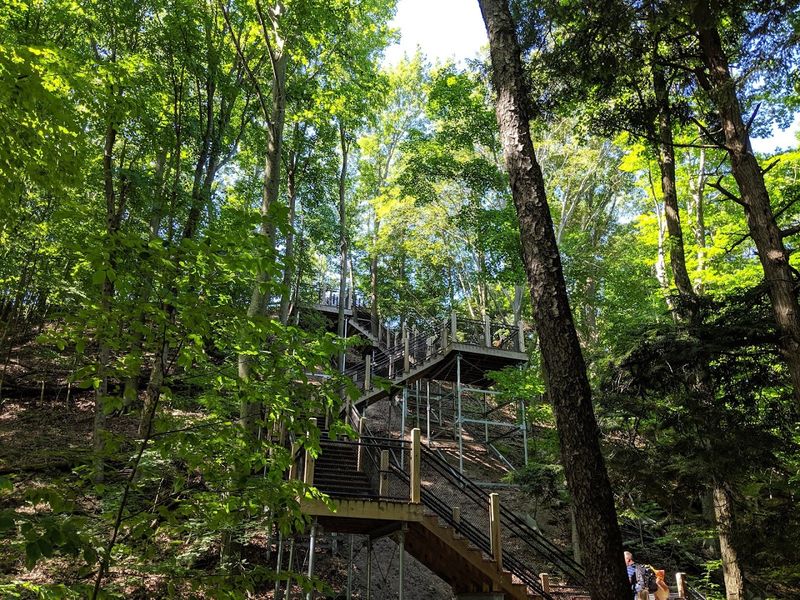
At P.J. Hoffmaster State Park, the wooden treads of the sand stairways rise like measured music. They lift you above the forest floor and into the canopy.
The wind here often tastes faintly of salt and pine, which feels quintessentially Great Lakes. Along the high forested ridges, Hepatica peeks out from between fallen needles.
Below, beach grass combs the windward slopes. The Dune Climb Stairway is the signature feature, rewarding the effort with a long panoramic horizon over Lake Michigan.
The park protects a significant parabolic dune system, and the Gillette Visitor Center explains how these landscapes form and shift over time. The exhibits make the plants underfoot feel part of a larger ecological story.
The trails mix boardwalks and overlooks in a thoughtful way. That design helps protect delicate dune roots from being crushed by hikers.
It is wise to plan your route carefully if your knees do not love steep descents. After spring rain, sandy paths are usually better than clay-based ones.
10. Algonac Prairie And Savanna, Clay Township
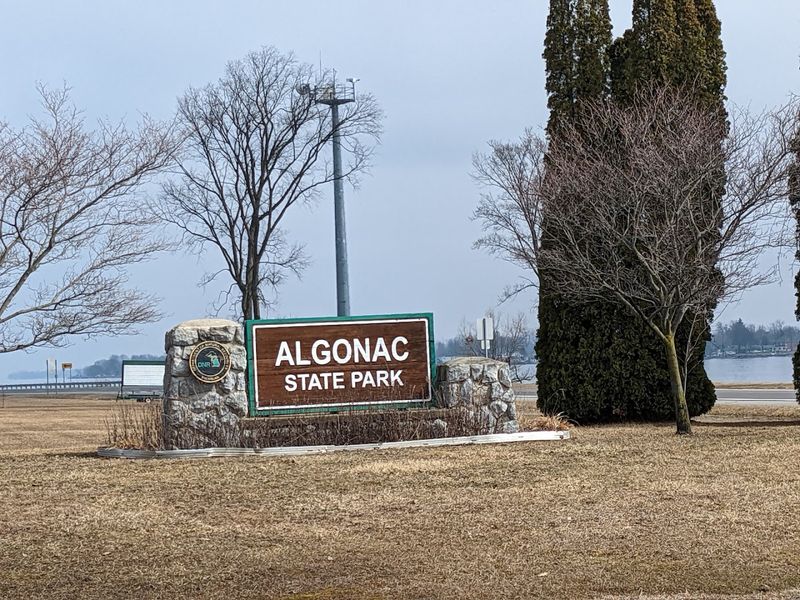
If you want a landscape that feels more like the Great Plains than a typical Michigan trail, Algonac Prairie and Savanna is the place. The sky stretches wide over sandy ground and last year’s grasses.
Wind writes quick patterns through the dried stems. Because there is little tree cover, the early April blooms stay close to the warm ground.
Bluebird boxes stand across the fields like small bits of punctuation in an enormous sentence. The openness is a major part of the appeal.
Located within Algonac State Park, this area is a rare remnant of Great Lakes prairie and savanna ecosystems that have mostly disappeared. The park uses controlled fire and careful mowing to preserve that structure.
That active management allows sun-loving wildflowers to thrive. Nearby St. Clair River flats also shape the microclimate, and bird movement overhead adds constant motion.
When you head out here, wear shoes that can handle sand. Bring a field guide too, because some species stay so low that they are easy to overlook.
It is vital to stay on the established paths. Many precious plants are still in a rosette stage and can be trampled before you even realize they are there.
11. Erie Marsh Preserve, Rockwood
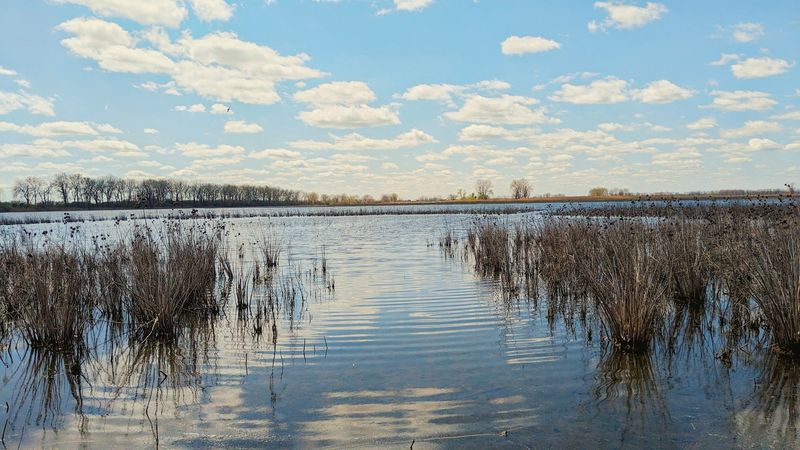
At Erie Marsh Preserve, reedbeds whisper in the wind and red-winged blackbirds flash bright shoulder patches like tiny flags. The trails follow sturdy dikes between open water and thick cattail marshes.
Even though it is mainly a wetland, the slightly higher ground on the dikes offers a chance to see spring ephemerals in a coastal setting. The air feels clean, sharp, and distinctly Great Lakes.
Managed by The Nature Conservancy, this preserve is one of the largest remaining coastal wetlands on the Michigan shore of Lake Erie. Restoration work here has been a real success.
It has improved hydrology, controlled invasive species, and helped bring back remarkable numbers of waterfowl and muskrats. The result is a place that feels full of motion and return.
There is also a sense of history on the horizon, from old shipping lanes to present-day conservation wins. The landscape feels both old and active at once.
Bring binoculars and a solid windproof layer. The dikes can be uneven, so keep an eye on your footing.
12. Grass Bay Preserve, Drummond Island

For anyone willing to head far north, Grass Bay Preserve offers a shoreline that often looks like blue glass in a silver frame. The meadows slip into cedar edges where early spring blooms find pockets of warmth.
Because of Drummond Island’s limestone underpinnings, the flora has a noticeably different character from mainland trails. That difference is one of the preserve’s biggest draws.
Protected by The Nature Conservancy, Grass Bay shelters rare plants and sensitive shoreline communities found nowhere else on earth. The preserve keeps a very light human footprint.
Markers and pathways are unobtrusive, and the design always gives priority to the habitat. You can feel how the clarity of the bay shapes the atmosphere.
It is a place of real stillness and transparency. Nothing about it feels crowded or overexplained.
Since getting to Drummond Island requires a ferry, the ferry schedule will shape your entire day. Double-check times before you leave.
Waterproof boots are a necessity because shoreline seepage can make the ground soggy even in a dry spring. Keep voices low to avoid disturbing nesting birds.