
These New Mexico Dishes Outsiders Always Get Wrong (But Locals Learned Young)
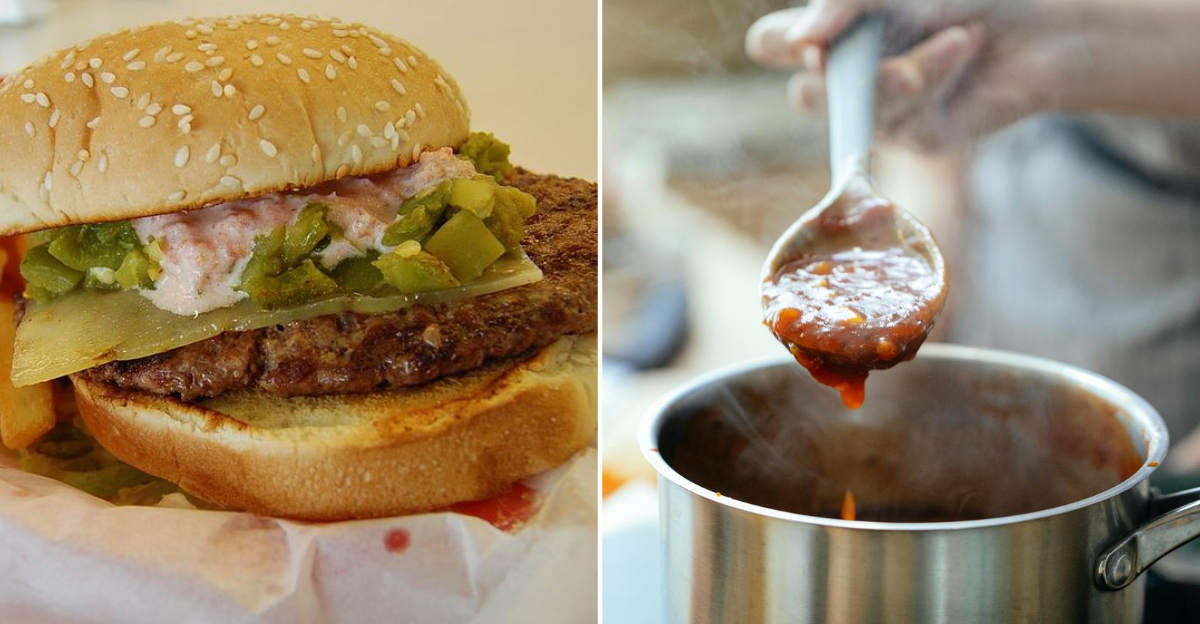
Think you know New Mexico food?
Think again.
If your idea of “spicy” is a jalapeño, or if you’ve ever confused green chile with guacamole, prepare for a delicious awakening.
New Mexico’s kitchen holds secrets and a fiery heart that outsiders often fumble, much to the quiet amusement of locals.
“Red or green?” isn’t just a question, it’s a way of life here!
Get ready to shed misconceptions and embrace the true flavors of the Land of Enchantment.
We’ve compiled 13 essential dishes that tourists consistently get wrong, but which every local masters by the time they can say “chile relleno.”
Let the schooling begin!
1. Stacked Red Or Green Enchiladas
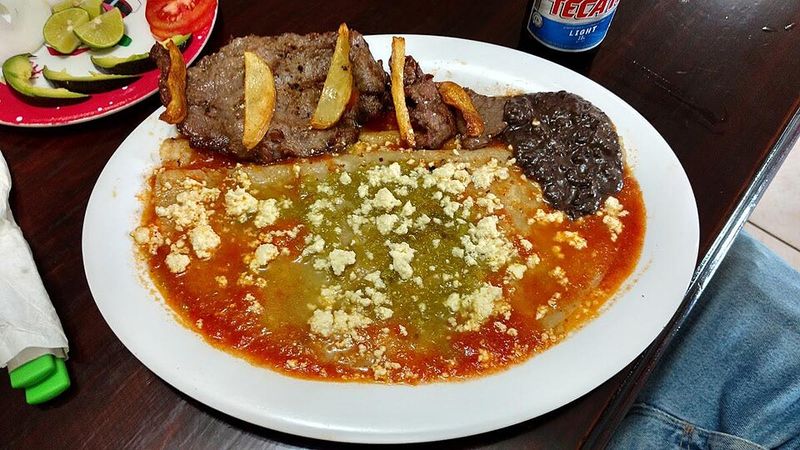
Outsiders expect rolled enchiladas like you’d find in a standard Mexican restaurant, but New Mexico does things differently.
The enchiladas here come stacked flat like pancakes, layered with cheese and smothered in either red or green chile sauce.
Each layer gets its own coating of sauce and cheese, creating a tower of flavor that’s cut into wedges like a pie.
Visitors often try to roll them or get confused by the presentation, not realizing this flat-stack method is the authentic New Mexican way.
Locals know to ask for Christmas style if they want both red and green chile on the same plate.
The fried egg on top is optional but highly recommended for breakfast.
That runny yolk mixing with the chile sauce creates pure magic.
Many restaurants will ask if you want your enchiladas flat or rolled, and natives always know the right answer is flat.
2. Green Chile Stew
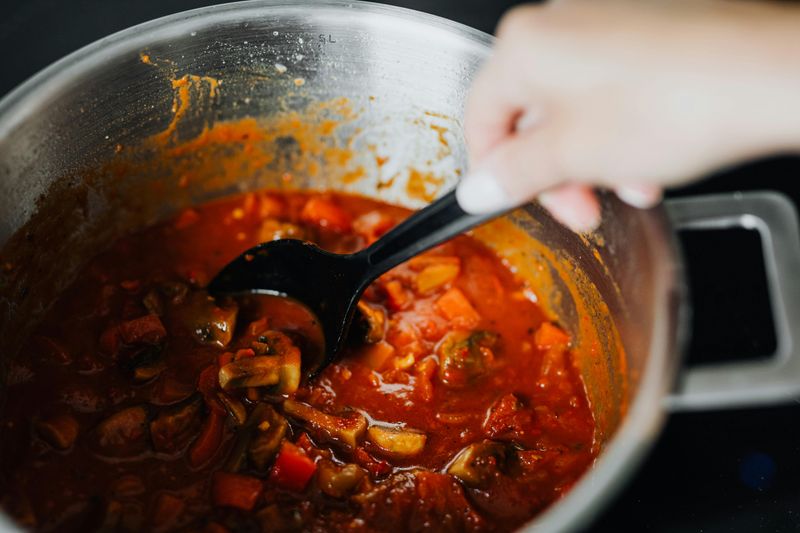
This isn’t some watery soup you slurp from a spoon without thinking twice.
Green chile stew is a hearty, thick concoction loaded with chunks of pork, potatoes, and plenty of roasted green chiles.
The broth should be rich and flavorful, almost like a gravy, not thin and bland like some tourists expect.
Outsiders often add too much liquid or skip roasting the chiles properly, which ruins the entire dish.
New Mexicans know that the chiles must be fire-roasted until the skins blister and blacken, then peeled before adding to the pot.
The pork should be tender enough to fall apart with a fork.
Some families add tomatoes while others consider that sacrilege.
Every household has their own recipe passed down through generations.
Serve it with a warm flour tortilla for sopping up every last drop, because leaving any behind is practically criminal in these parts.
3. Carne Adovada
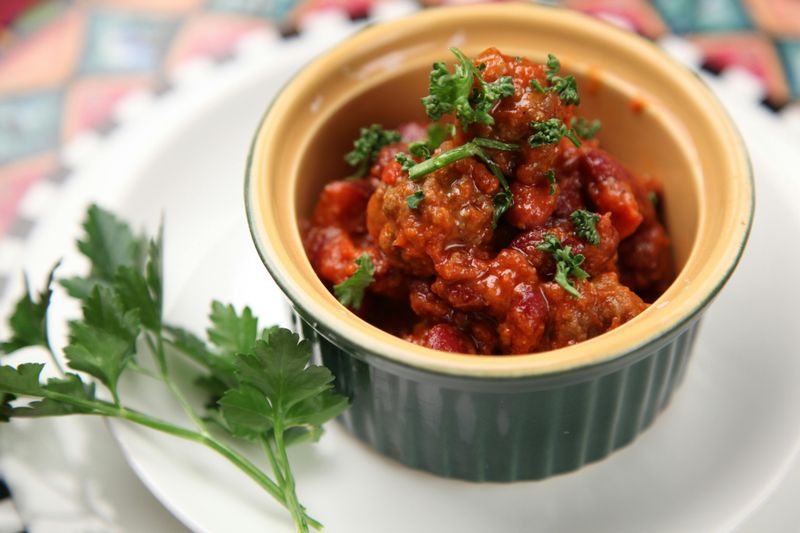
Visitors see red sauce and assume it’s going to taste like enchilada sauce or salsa, but they’re in for a surprise.
Carne adovada is pork marinated and slow-cooked in a thick, deeply flavored red chile sauce until it practically melts in your mouth.
The chile should be the star, not tomatoes or other fillers that outsiders mistakenly add.
My grandmother used to make this every Sunday, and the smell would fill the entire house by noon.
The pork marinates overnight in pure red chile, garlic, and spices before cooking low and slow for hours.
Tourists often undercook it or use the wrong type of chiles, ending up with tough meat and bland sauce.
Real carne adovada has a dark, brick-red color and a complex flavor that’s earthy, slightly sweet, and perfectly spicy.
Locals wrap it in a warm flour tortilla for breakfast or serve it alongside beans and rice for dinner, savoring every tender, chile-coated bite.
4. Posole
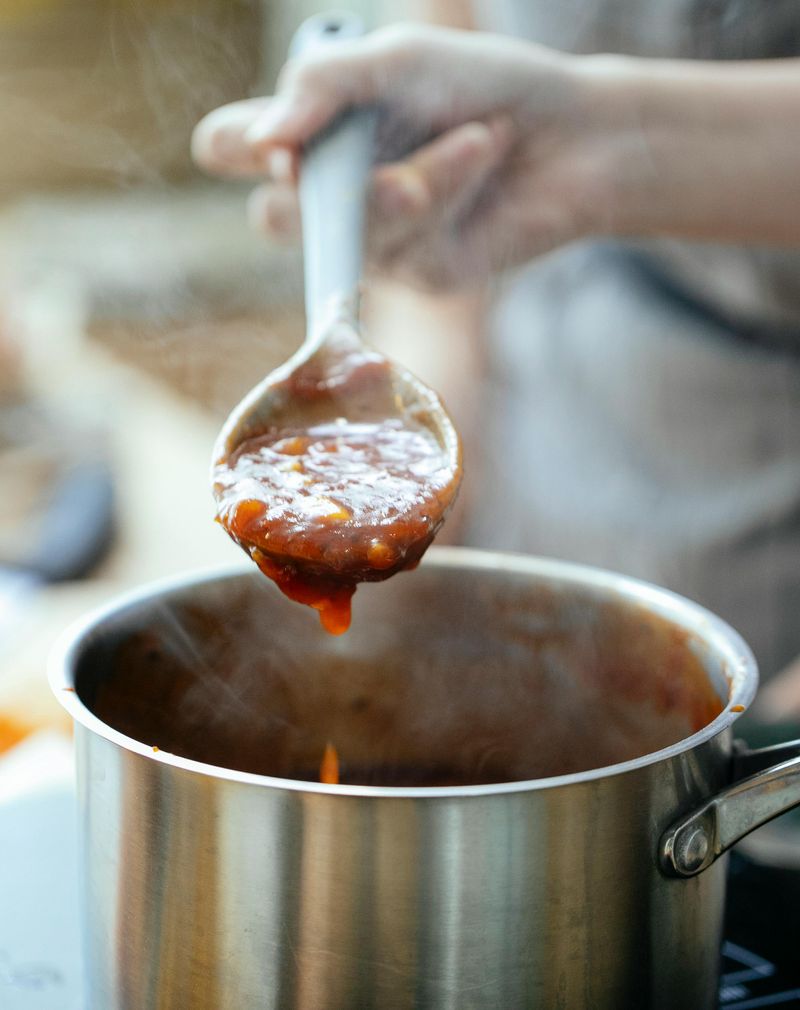
Hominy throws people off because they’ve never seen those big, puffy corn kernels before.
Posole is a traditional stew made with hominy, pork, and red chile that’s especially popular during holidays and celebrations.
The hominy must be cooked until tender but still has a slight chewiness that provides texture.
Outsiders often confuse it with regular corn or try to substitute canned hominy without proper preparation, missing the authentic flavor entirely.
New Mexicans know that dried posole corn needs to be soaked and cooked for hours until it blooms into those characteristic puffy kernels.
The broth should be rich and red from the chile, with tender chunks of pork throughout.
Fresh toppings matter too, including shredded cabbage, sliced radishes, dried oregano, and lime wedges on the side.
Each person customizes their bowl with these garnishes.
Christmas and New Year’s celebrations feel incomplete without a steaming pot of posole on the stove, ready to warm everyone from the inside out.
5. Chile Rellenos
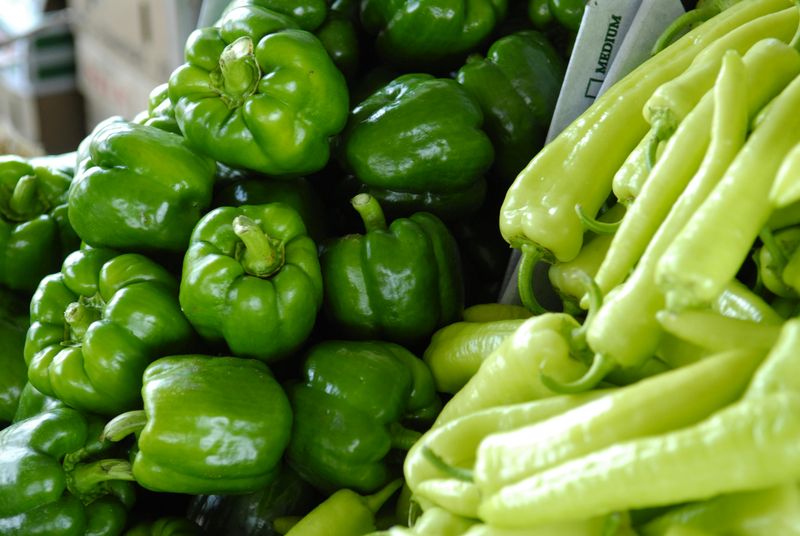
The batter confuses everyone who didn’t grow up eating these properly.
Chile rellenos in New Mexico feature whole roasted green chiles stuffed with cheese, dipped in a fluffy egg batter, then fried until golden.
The egg coating should be light and airy, almost like a cloud surrounding the chile.
Visitors expect a heavy, bread-crumb coating or try to use poblano peppers instead of New Mexican green chiles, completely missing the point.
Locals know that Hatch chiles or other New Mexican varieties are essential for the right flavor and heat level.
The cheese inside melts into gooey perfection while the chile maintains some bite and character.
Smothered in red or green chile sauce, these beauties are pure comfort food.
Some restaurants serve them with the stem still attached, which acts as a natural handle.
The combination of crispy egg exterior, melted cheese, roasted chile, and sauce creates a flavor explosion that keeps people coming back for more.
6. Green Chile Cheeseburger
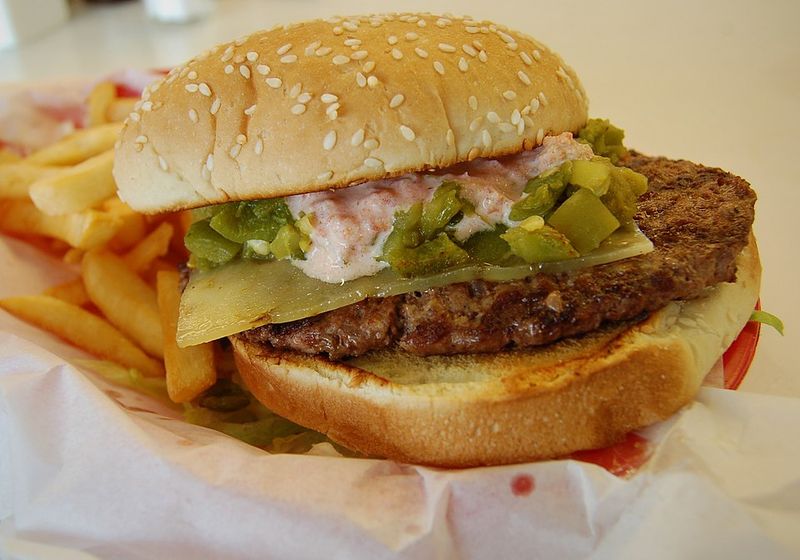
Tourists think slapping some jarred jalapenos on a burger counts as a green chile cheeseburger, but they’re sadly mistaken.
A true New Mexican green chile cheeseburger features freshly roasted, peeled green chiles piled high on a juicy beef patty with melted cheese.
The chiles should be warm, slightly charred, and bursting with flavor, not cold and pickled.
I remember my first real green chile cheeseburger at a roadside diner in Hatch, and nothing has compared since.
The burger itself should be cooked to perfection, but the star is definitely the chile.
Outsiders often use the wrong variety of chile or don’t roast them properly, ending up with a soggy, flavorless mess.
Local spots take pride in their chile selection and preparation methods.
Some places offer mild, medium, or hot options depending on your heat tolerance.
The combination of savory beef, melted cheese, and smoky green chile creates a burger experience that ruins you for all other burgers forever.
7. Sopapillas
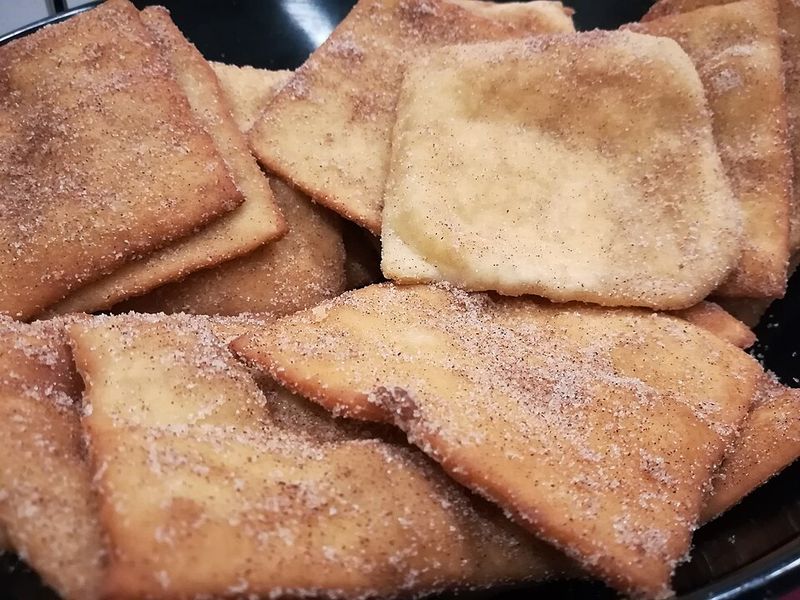
People expect these to be like beignets or regular fried dough, but sopapillas are their own special creation.
These pillowy, hollow pockets of fried dough puff up like little golden clouds when cooked correctly.
The exterior should be crispy while the inside remains soft and airy with a hollow center perfect for filling.
Outsiders often make them too thick or don’t get the oil temperature right, resulting in dense, greasy lumps instead of light, puffy pillows.
New Mexicans know the dough must be rolled thin and the oil must be hot enough to make them puff immediately.
Traditionally served with honey for drizzling or stuffing inside, sopapillas can be dessert or a side with your meal.
Some people tear off a corner and squeeze honey into the hollow center.
Others prefer to drizzle it on top and take bites.
Savory versions stuffed with meat, beans, and chile also exist, turning them into a full meal rather than just a sweet treat.
8. Tamales (New Mexican Style)
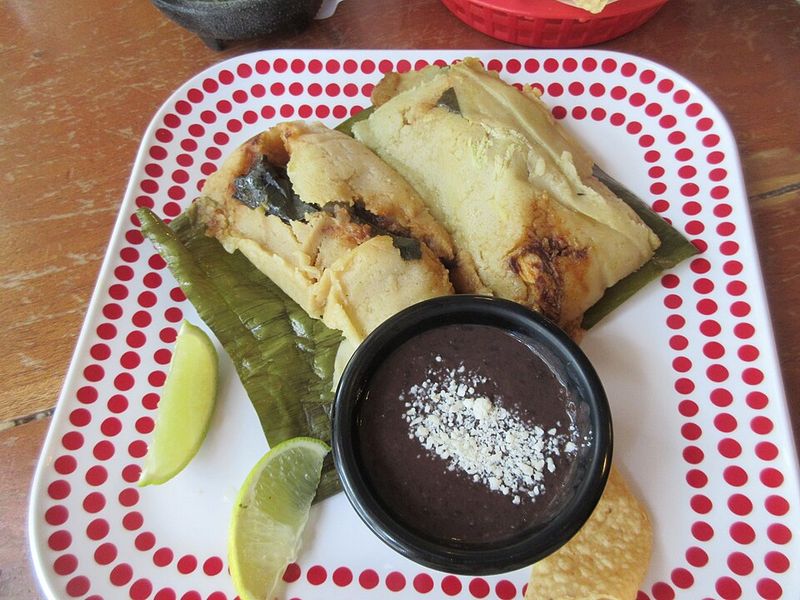
New Mexican tamales differ from their Mexican counterparts in several key ways that outsiders consistently miss.
The masa tends to be slightly coarser and less fluffy, and the filling is typically red chile pork or green chile with cheese.
The chile flavor dominates rather than being just an accent.
Visitors expect the ultra-smooth masa and complex mole sauces found in other regional styles, then feel confused by the simpler but intensely flavorful New Mexican version.
Local families often make hundreds of tamales during the holidays, with everyone gathering for tamal-making parties that last all day.
The corn husks must be soaked properly and the masa spread just right, not too thick or too thin.
Red chile tamales reign supreme in most households, though green chile versions have their devoted fans too.
Steaming them takes patience, and rushing the process results in dense, gummy tamales that no self-respecting New Mexican would serve.
Properly made tamales are tender, flavorful, and utterly satisfying.
9. Blue Corn Tortillas And Blue Corn Dishes
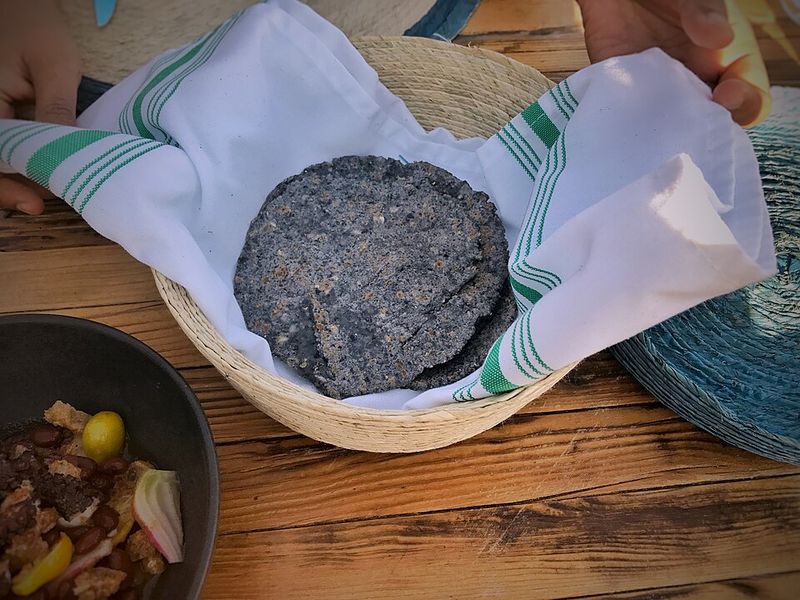
The color freaks out first-time visitors who think something went terribly wrong in the kitchen.
Blue corn is a traditional Native American crop that’s been used in New Mexico for centuries, and it has a slightly nuttier, earthier flavor than yellow or white corn.
Blue corn tortillas, chips, pancakes, and even mush appear on menus throughout the state.
Tourists often avoid them thinking they’ll taste weird or artificial, not realizing they’re missing out on an authentic regional ingredient.
New Mexicans grow up eating blue corn products and appreciate the deeper, more complex corn flavor they provide.
Blue corn enchiladas offer a heartier taste that pairs beautifully with chile sauces.
The tortillas can be slightly more fragile than regular corn tortillas, so they require gentle handling.
Many Native pueblos still grow and process blue corn using traditional methods passed down through countless generations.
The distinctive color comes from natural anthocyanins, the same compounds found in blueberries, making them not just tasty but nutritious too.
10. Navajo Taco On Frybread
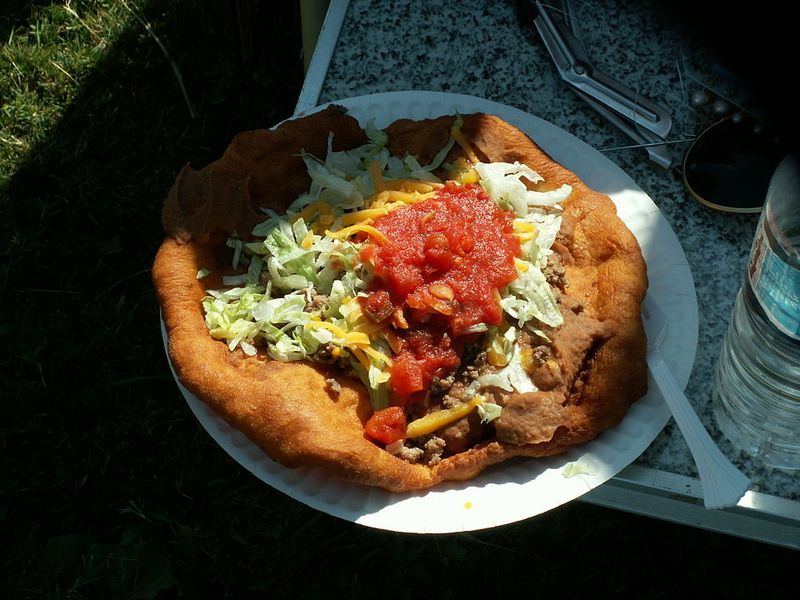
Frybread serves as the base instead of a tortilla or taco shell, and that changes everything.
This puffy, crispy-yet-chewy fried dough gets piled high with beans, seasoned meat, lettuce, tomatoes, cheese, and of course, green chile.
The frybread should be freshly made, still warm, and large enough to hold all the toppings without falling apart.
Visitors often expect a crunchy taco shell and get confused by the bread base, not understanding the cultural significance behind frybread.
Navajo tacos originated from Native American communities and represent a fusion of traditional and introduced ingredients.
The frybread itself requires skill to make properly, with the right thickness and oil temperature to achieve that perfect texture.
Each bite combines crispy edges, soft centers, and all those savory toppings in one glorious mouthful.
You’ll find Navajo tacos at powwows, fairs, and restaurants throughout New Mexico.
Eating one is messy business, but totally worth the napkin count.
11. Huevos Rancheros (New Mexican Style)
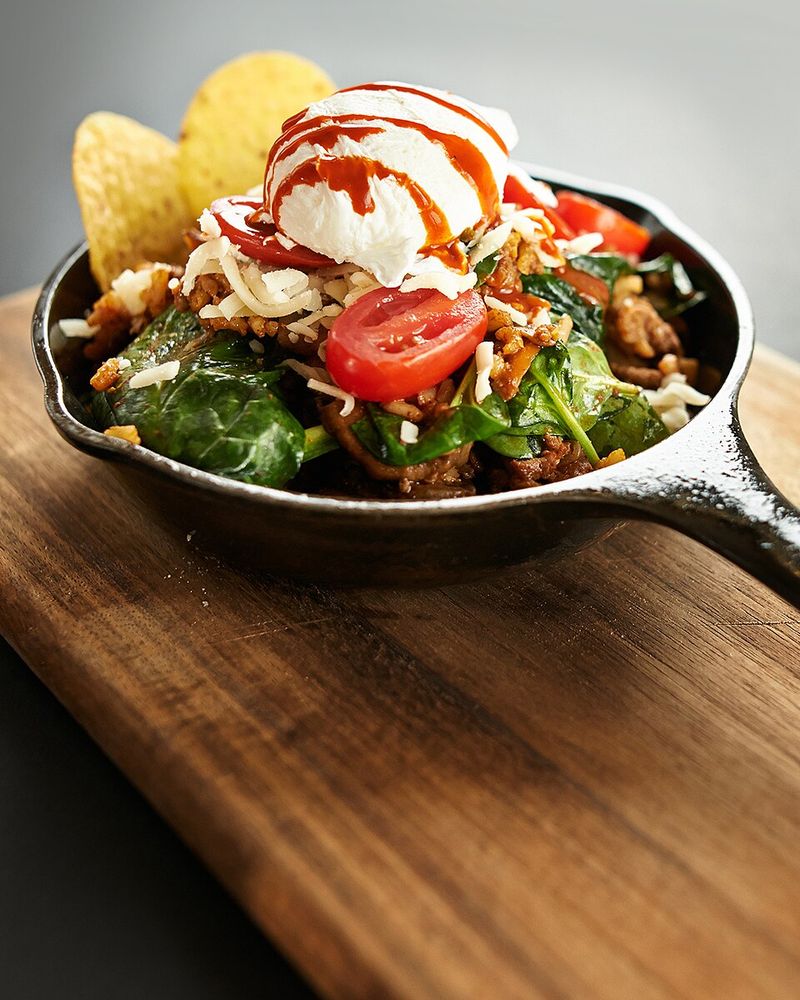
New Mexican huevos rancheros get drowned in chile sauce, unlike the lighter versions found elsewhere.
Fried eggs sit atop corn tortillas, then everything gets absolutely smothered in red chile, green chile, or both if you order Christmas style.
The eggs should have runny yolks that mix with the chile sauce to create a rich, spicy breakfast heaven.
My dad used to take me to this tiny diner every Saturday morning where they made the best huevos rancheros in town.
Outsiders expect a few spoonfuls of salsa and some beans on the side, but New Mexicans know the chile sauce should be the dominant element, covering the entire plate.
Pinto beans, hash browns or breakfast potatoes, and sometimes cheese complete the dish.
The tortillas soften slightly under all that sauce and egg, soaking up flavors like edible sponges.
Some places add meat like bacon or chorizo, but the classic version focuses on eggs, tortillas, and plenty of chile.
This breakfast will fuel you through any morning adventure.
12. Green Chile Cheese Fries
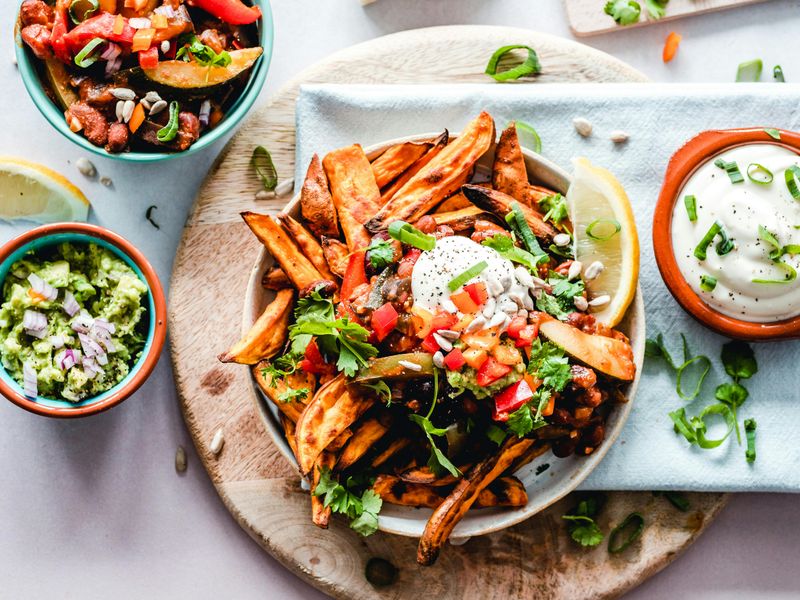
Simple concept, but execution matters more than outsiders realize.
Crispy french fries get loaded with melted cheese and generous amounts of chopped roasted green chiles.
The fries must stay crispy under all those toppings, not turn into a soggy mess.
Tourists think any cheese and jarred jalapenos will do, completely missing the point of using fresh roasted New Mexican green chiles and proper melting cheese.
Locals know that the chile-to-fry ratio matters, and the chiles should be freshly roasted and chopped, not from a can or jar.
Some places add bacon, ranch dressing, or other extras, but purists prefer just fries, cheese, and chile.
The combination hits all the right notes with salty, creamy, spicy, and crispy elements in every bite.
Perfect as an appetizer, side dish, or late-night snack after a long day.
Many restaurants serve these as a massive portion meant for sharing, though finishing them solo is entirely possible and frankly quite common among dedicated fans.
13. Calabacitas
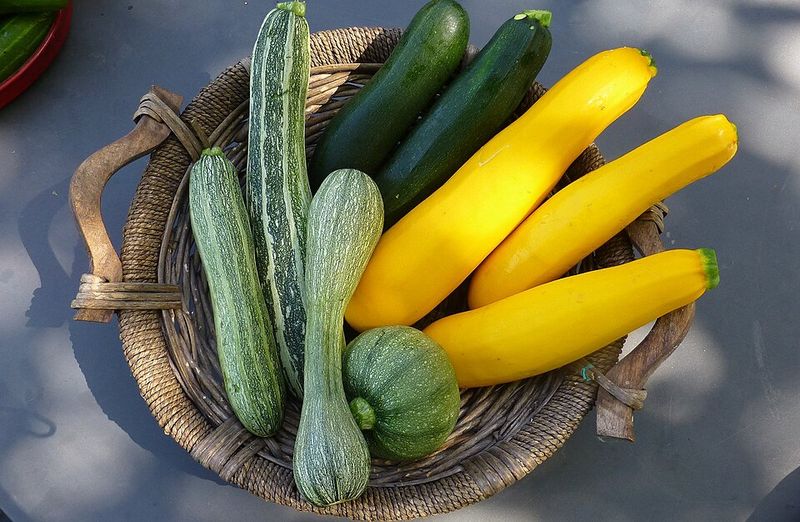
This humble side dish gets overlooked by visitors who don’t understand its importance in New Mexican cuisine.
Calabacitas combines sautéed squash, corn, green chiles, and onions into a simple but flavorful vegetable medley.
The squash should be tender but not mushy, and the corn adds sweetness that balances the chile heat.
Outsiders often overcook the vegetables into mush or skip the green chile entirely, turning it into plain squash and corn without any character.
New Mexicans know that fresh summer squash works best, and the green chile is absolutely essential for authentic flavor.
Some versions include tomatoes or cheese, while others keep it simple with just the core vegetables.
The dish showcases how New Mexican cooking transforms simple, fresh ingredients into something special with just the addition of green chile.
Served alongside enchiladas, tamales, or carne adovada, calabacitas rounds out the meal perfectly.
Many home cooks make big batches during summer when squash and corn are at their peak freshness and flavor.