
These Off-The-Beaten-Path Towns In Wyoming Should Be On Your Radar
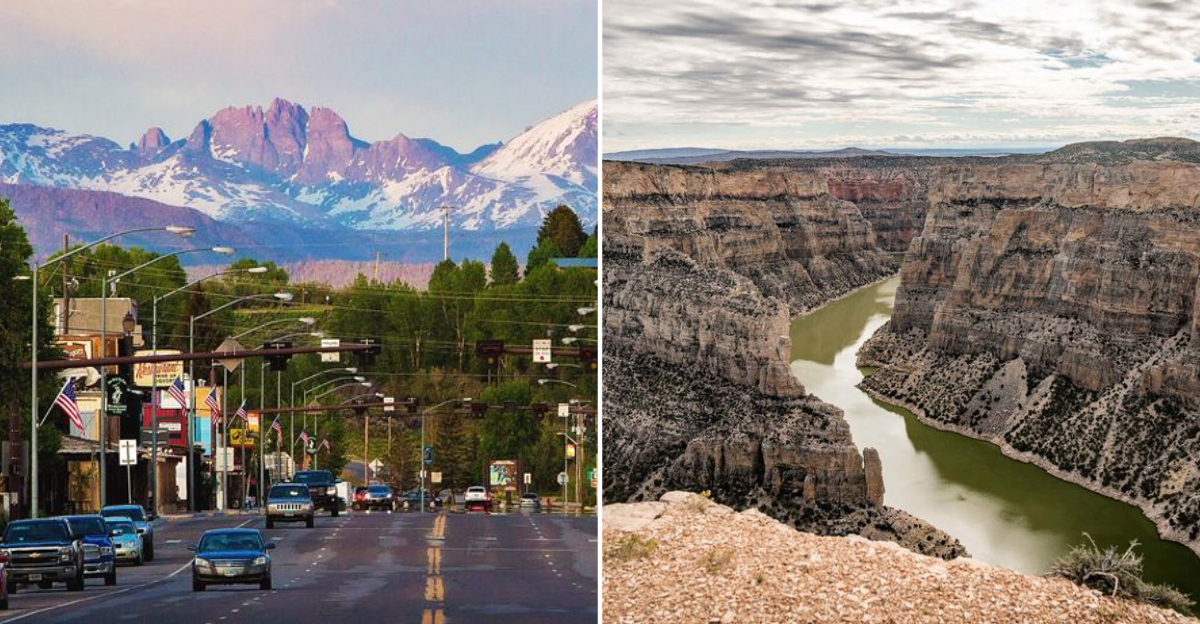
Wyoming has a way of surprising you once you step off the main highways. I’ve ended up in little towns I hadn’t planned on visiting, places with one café, a few shops, and the kind of quiet that makes you slow down without realizing it.
There’s something really grounding about grabbing coffee where everyone knows each other’s name or watching the sunset without any traffic in sight.
These towns might not make the travel brochures, but they capture what Wyoming feels like beyond the famous parks. If you’re up for exploring, these are the places to keep on your radar.
1. Centennial
Nestled at 8,076 feet, this tiny mountain town sits between Laramie and Saratoga in the Snowy Range. The scenery alone makes it worth the drive, with towering peaks and thick forests surrounding the area.
Summer brings wildflowers and hiking trails, while winter transforms the landscape into a snowy playground for snowmobiling and cross-country skiing. The town itself has just a handful of buildings, including a historic lodge and a small museum.
Visitors appreciate the quiet atmosphere and easy access to Medicine Bow National Forest. It’s a place where you can truly disconnect and enjoy nature without crowds.
2. Encampment
Copper mining once made this town boom in the early 1900s, and remnants of that history still stand today. The Grand Encampment Museum showcases over a dozen historic buildings that tell the story of frontier life.
Encampment sits near the Continental Divide, offering excellent fishing in the Encampment River and access to wilderness areas. The town holds a Woodchoppers Jamboree each June, celebrating logging traditions with competitions and demonstrations.
Main Street has a few local shops and cafes where you can chat with friendly residents. The surrounding area provides plenty of opportunities for camping, hiking, and exploring old mining sites.
3. Saratoga
Hot springs bubble up naturally in this riverside town, and the best part is that they’re free to the public. Hobo Hot Springs sits right along the North Platte River, where locals and visitors soak year-round.
The river itself is famous for fly fishing, attracting anglers who appreciate the uncrowded waters. Downtown has a charming collection of shops, restaurants, and a historic hotel that dates back to 1893.
Golf enthusiasts enjoy the local course with stunning mountain views. The town maintains a relaxed vibe that makes it easy to spend a few days just unwinding and enjoying simple pleasures.
4. Ten Sleep
The name comes from Native American travelers who measured distances by the number of sleeps between landmarks. This small ranching community sits at the base of the Bighorn Mountains, offering stunning canyon views.
Ten Sleep Canyon is a rock climbing destination with hundreds of routes that draw climbers from across the country. The town itself has a population of around 300, with a few local businesses and a welcoming community feel.
Each July, the town hosts a celebration with rodeo events and a parade. The surrounding area provides excellent opportunities for hiking, camping, and wildlife watching in the Bighorn National Forest.
5. Dubois
Pronounced doo-BOYS, this town sits where the Wind River emerges from the mountains into a broad valley. The landscape here is dramatic, with red and gray badlands contrasting against green forests and snowy peaks.
Dubois serves as a basecamp for exploring the Absaroka and Wind River mountain ranges. The National Bighorn Sheep Interpretive Center educates visitors about these magnificent animals that roam the nearby cliffs.
Local outfitters offer horseback rides, fishing trips, and pack trips into the wilderness. The town has a genuine western feel, with wooden boardwalks and locally owned shops that reflect the area’s ranching heritage.
6. Pinedale
Situated near the Wind River Range, this town attracts outdoor enthusiasts who want access to some of Wyoming’s best wilderness areas. The nearby lakes and rivers provide exceptional fishing, with cutthroat and brook trout in abundance.
The Museum of the Mountain Man tells the story of fur trappers and the annual Green River Rendezvous that took place nearby. Pinedale maintains a balance between serving visitors and preserving its small-town character.
Winter brings snowmobilers who use the town as a staging area for trips into the mountains. The community has good restaurants and lodging options without feeling commercialized or touristy.
7. Afton
Known as the home of the world’s largest elkhorn arch, this town sits in Star Valley near the Idaho border. The arch spans Main Street and contains over 3,000 elkhorn antlers that were naturally shed.
Star Valley is a beautiful agricultural area surrounded by mountains, with the Salt River running through it. Periodic Springs, located nearby, is one of only three known intermittent springs in the world.
The valley has a strong sense of community, with local festivals and events throughout the year. Visitors enjoy the scenic drives, fishing opportunities, and the chance to experience rural Wyoming life at a comfortable pace.
8. Alpine
Where the Snake, Grey, and Salt rivers converge, this small town serves as a hub for river activities. The Palisades Reservoir just upstream offers boating, fishing, and camping with stunning canyon views.
Alpine sits at the junction of three states, with Idaho and Montana just a short drive away. The Snake River Canyon provides dramatic scenery and excellent opportunities for floating and fishing.
Several marinas and outfitters operate in the area, making it easy to get out on the water. The town has a few restaurants and lodges that cater to visitors exploring this beautiful corner of Wyoming.
9. Lovell
This agricultural community sits between the Bighorn Mountains and the Pryor Mountains, with Bighorn Canyon National Recreation Area just minutes away. The canyon itself is a hidden gem, with towering cliffs and a long reservoir perfect for boating.
Lovell serves as a gateway to the recreation area, where visitors can explore by boat or on foot. The town has a strong farming heritage, with sugar beets and dry beans as major crops.
Wild mustangs roam the Pryor Mountains, and tours are available to see these beautiful horses in their natural habitat. The area remains relatively undiscovered, offering solitude and stunning landscapes.
10. Shell
Tiny Shell sits at the mouth of Shell Canyon, where the highway climbs dramatically into the Bighorn Mountains. Shell Falls is a major attraction, with a powerful waterfall dropping 120 feet into a narrow gorge.
The interpretive center at the falls explains the geology and natural history of the area. Shell Creek runs through the canyon, offering excellent trout fishing in a beautiful mountain setting.
The town itself is very small, with just a few buildings and a population under 100. It serves as a stopping point for travelers heading up the scenic byway or exploring the surrounding national forest.
11. Hyattville
With a population around 75, this might be one of the smallest towns on this list. Hyattville sits in the Bighorn Basin, serving ranchers and visitors exploring the nearby mountains.
The Medicine Lodge Archaeological Site is located just outside town, featuring ancient petroglyphs and a small museum. The site preserves evidence of human habitation spanning thousands of years.
Paintrock Canyon offers hiking and exploration opportunities, with colorful rock formations and creek access. The town has minimal services, so come prepared, but the surrounding area rewards those who make the effort to visit with solitude and natural beauty.
12. Hulett
Located at the base of Devils Tower, this small town sees visitors heading to the famous monument but offers its own charm. The Belle Fourche River flows nearby, providing fishing and scenic beauty.
Each year in early August, thousands of motorcyclists pass through during the Sturgis Rally, temporarily transforming the quiet town. The rest of the year, Hulett maintains a peaceful atmosphere with friendly locals and a few shops and cafes.
The surrounding Black Hills provide excellent opportunities for hiking, wildlife watching, and exploring the unique landscape. The town serves as a comfortable basecamp for those wanting to spend time in this beautiful area.
13. Sundance
The Sundance Kid took his name from this town after allegedly stealing a horse here in the 1880s. Today, it serves as the county seat of Crook County, with a historic courthouse and charming downtown.
The town sits in the Black Hills, surrounded by pine forests and interesting rock formations. Sundance Mountain offers hiking trails with views of Devils Tower in the distance.
Local museums preserve the history of the area, including Native American heritage and frontier settlement stories. The community hosts events throughout the year, and visitors appreciate the genuine western atmosphere without the commercialization found in larger tourist towns.
14. South Pass City
This restored gold mining town is now a state historic site, preserving over two dozen original buildings from the 1860s boom. Walking the dusty streets feels like stepping back in time, with furnished interiors showing how miners and merchants lived.
The town sits along the Oregon Trail, where pioneers crossed the Continental Divide at a relatively gentle elevation. South Pass City boomed briefly when gold was discovered, then faded when the ore ran out.
Interpreters in period clothing share stories during summer months, bringing history to life. The surrounding area offers hiking and exploring in the Wind River Range foothills, with wildflowers covering the hillsides in summer.
15. Atlantic City
Not to be confused with the New Jersey resort, this Atlantic City is a tiny mining town at 7,500 feet elevation. Gold brought settlers here in the 1860s, and a few dozen hardy souls still call it home.
The town has maintained much of its historic character, with old wooden buildings lining the dirt streets. The Atlantic City Mercantile, built in 1893, still operates as a general store and gathering place.
Nearby trails lead into the Wind River Range, offering access to alpine lakes and peaks. The isolation and elevation mean winters are harsh, but summer brings comfortable temperatures and visitors seeking authentic western history.
16. Meeteetse
This ranching community sits along the Greybull River, with the Absaroka Mountains rising dramatically to the west. The town name comes from a Native American word meaning meeting place or resting place.
Meeteetse gained fame as the location where black-footed ferrets were rediscovered in 1981, leading to conservation efforts that saved the species. The Meeteetse Museums complex includes exhibits on local history, the ferret recovery program, and area ranching.
The town maintains an authentic western character, with wooden sidewalks and buildings that reflect its frontier heritage. Visitors use it as a basecamp for exploring the Shoshone National Forest and the scenic Chief Joseph Highway.