
These Ohio Aviation Stops Prove That The State’s Flight History Still Soars
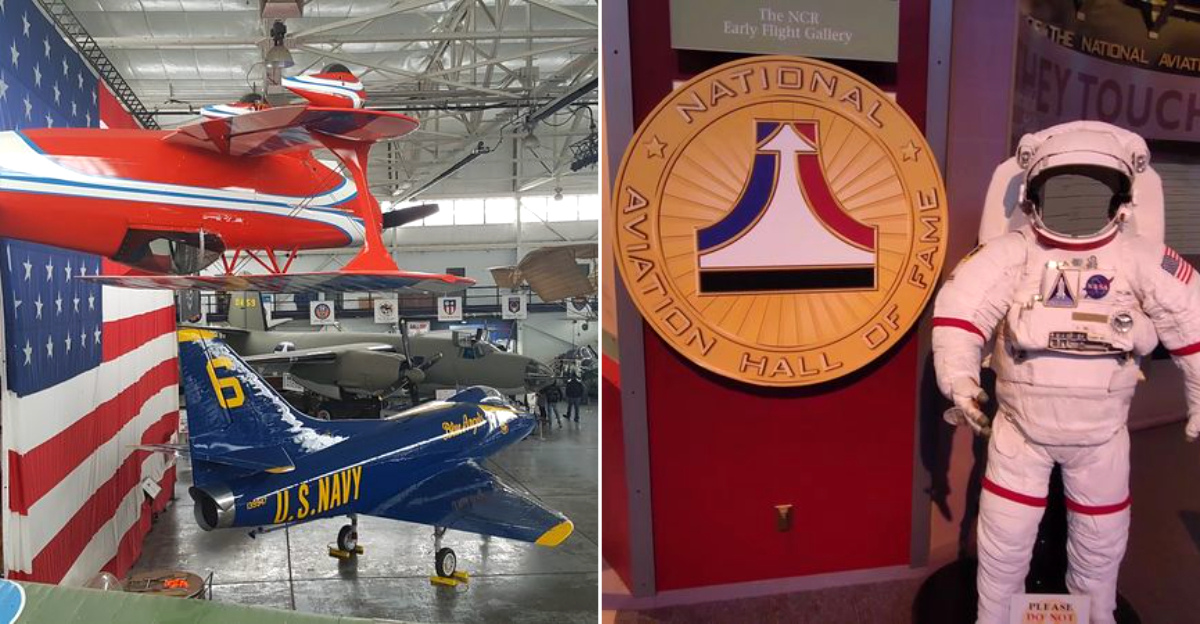
Ohio does not just have aviation history, it has the kind that makes you look at a plain old sky and feel like the state is quietly showing off.
This is where bicycle-shop curiosity turned into world-changing flight, where hangars now hold everything from early aircraft to space-age machines, and where a quick museum stop can somehow become a full afternoon of pointing upward and saying, “Wait, that flew?”
The best part is how different these stops feel from one another. Some are massive and jaw-dropping, some are small and volunteer-run, and some feel like you have stumbled into a working hangar where history still has grease on its hands.
Together, they make Ohio’s flight story feel alive, not boxed up behind glass. Pack a little curiosity, because these twelve aviation stops prove the state’s place in the sky is anything but a dusty old claim.
1. National Museum of the U.S. Air Force, Dayton
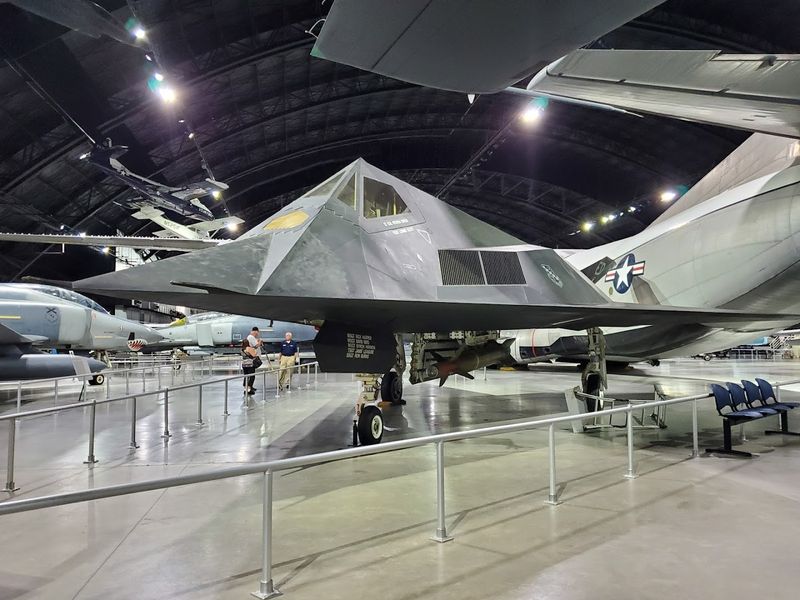
Few places on Earth pack this much aviation firepower into one roof.
The National Museum of the U.S. Air Force, located at 1100 Spaatz Street on Wright-Patterson Air Force Base in Dayton, Ohio, is the world’s largest military aviation museum, and it earns that title without breaking a sweat.
The collection spans four enormous hangars filled with over 350 aircraft and missiles, ranging from early biplanes to stealth bombers and presidential jets.
You can walk through Air Force One aircraft that carried actual U.S. presidents, stand beneath a massive B-52 Stratofortress, and explore spacecraft that traveled beyond Earth’s atmosphere.
Admission is completely free, which makes this stop an easy yes for any travel budget.
Plan to spend at least four to five hours here because there is simply too much to absorb in a quick visit.
The museum also hosts rotating special exhibitions, simulator rides, and a well-stocked gift shop.
For anyone seriously interested in military history or aviation technology, this place is genuinely unmatched anywhere in the country, and it will reset your expectations for what a museum can be.
2. Wright Brothers National Museum, Dayton
There is something almost electric about standing in the same city where two bicycle mechanics quietly changed the trajectory of human civilization.
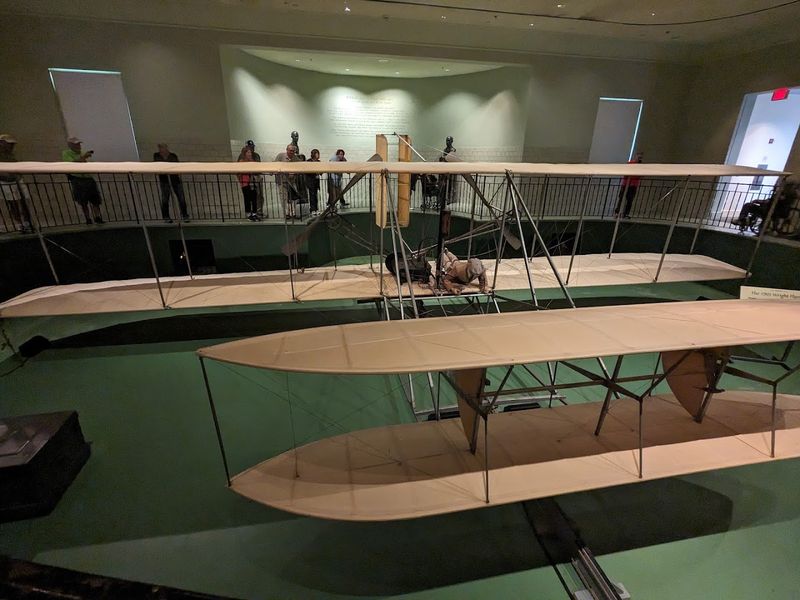
The Wright Brothers National Museum, located at 1000 Carillon Boulevard inside Carillon Historical Park in Dayton, Ohio, houses the actual 1905 Wright Flyer III, which is widely considered the world’s first practical airplane.
This is not a replica. This is the real machine, and it sits just a few feet away from you behind protective barriers.
The museum does a beautiful job of telling the full Wright Brothers story, from their childhood curiosity through their methodical experiments and eventual triumph.
Interactive displays let younger visitors understand the engineering concepts the brothers used, making this a fantastic stop for families traveling with kids.
The surrounding Carillon Historical Park adds extra charm with historic buildings, a working carousel, and gorgeous green spaces perfect for a picnic.
Admission to the park includes the museum, so you get excellent value for your entry fee.
If you only visit one Wright Brothers site on your Ohio trip, make it this one for the authentic artifact alone.
3. Dayton Aviation Heritage National Historical Park, Dayton
History has a way of hiding in plain sight, and the Wright-Dunbar neighborhood in Dayton is a perfect example of that.
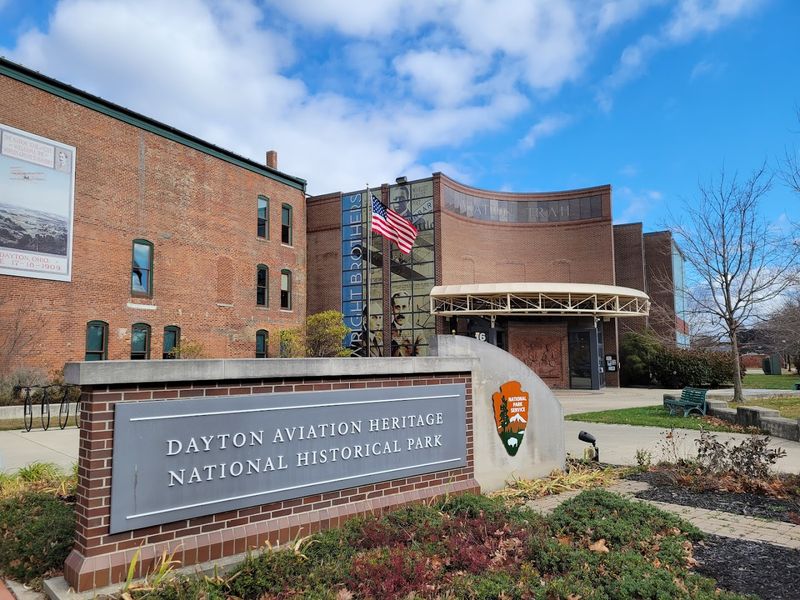
The Dayton Aviation Heritage National Historical Park, with its Wright-Dunbar Interpretive Center at 16 S Williams Street in Dayton, Ohio, sits in the very neighborhood where Orville and Wilbur Wright ran their bicycle shop and developed the ideas that led to powered flight.
The park is managed by the National Park Service, and admission is free, which is always a welcome surprise.
Inside the interpretive center, you can explore exhibits about the Wright Brothers alongside the remarkable story of Paul Laurence Dunbar, the celebrated African American poet who grew up as a close friend of Orville Wright in the same neighborhood.
The combination of aviation history and literary history in one compact location makes this stop feel genuinely layered and rich.
Rangers are on hand to answer questions and often lead short guided tours that add meaningful context to the exhibits.
The restored streetscape outside the center gives you a real sense of what this working-class neighborhood looked and felt like at the turn of the twentieth century.
4. Huffman Prairie Flying Field Interpretive Center, Wright-Patterson AFB

Most people know the Wright Brothers flew at Kitty Hawk, but far fewer know where they actually mastered flying, and that place is right here in Ohio.
The Huffman Prairie Flying Field Interpretive Center, located at 2380 Memorial Road on Wright-Patterson AFB, helps explain the field where Orville and Wilbur Wright spent years after 1903 perfecting their aircraft and teaching themselves to truly fly.
This is where they made their first banked turns, their first circles, and eventually flights lasting more than thirty minutes.
The interpretive center uses maps, photographs, and detailed exhibits to explain why this muddy, cow-grazed pasture became the world’s first real flight training ground.
The actual Huffman Prairie Flying Field is a separate site at Gate 16A, so visitors should check current access information before heading there, as it sits within an active Air Force installation and closures can affect entry.
Admission to the interpretive center is free.
Visiting here alongside the nearby National Museum of the U.S. Air Force creates a full and deeply satisfying day of aviation exploration in the Dayton area.
5. National Aviation Hall of Fame, Dayton
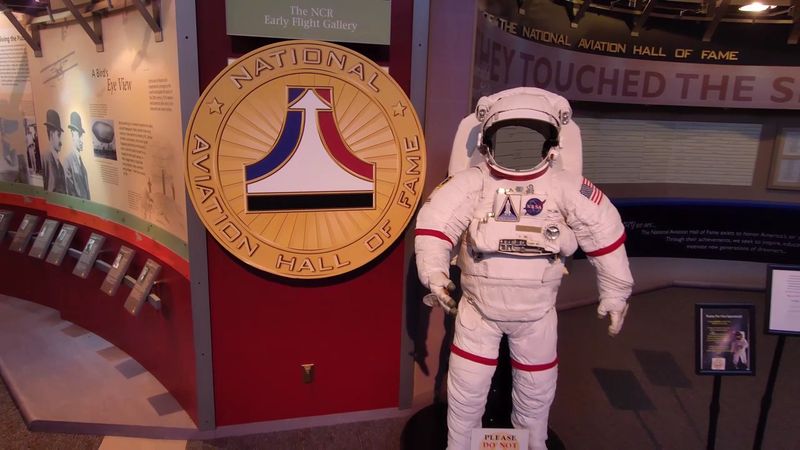
Every great sport has a hall of fame, and aviation deserves one just as much as baseball or football.
The National Aviation Hall of Fame, located at 1100 Spaatz Street in Dayton, Ohio, shares space with the National Museum of the U.S. Air Force and honors the men and women who have made extraordinary contributions to aviation and aerospace history.
Inductees range from the Wright Brothers themselves to Chuck Yeager, Amelia Earhart, Neil Armstrong, and dozens of other legends whose names belong on any aviation enthusiast’s radar.
The exhibits feature stories, images, artifacts, and biographical displays that bring each inductee’s achievements to vivid life.
What makes this hall of fame stand out is how it celebrates the full spectrum of aviation achievement, covering military pilots, civilian aviators, engineers, and astronauts with equal reverence.
Because it shares a building with one of the world’s great aviation museums, visiting both in a single day is completely practical and highly recommended.
The Hall of Fame also hosts an annual enshrinement ceremony, though the location and timing can vary by year, so checking current event details is the safest move.
It is a genuinely inspiring tribute to human ambition in the sky.
6. Wright “B” Flyer Hangar/Museum, Miamisburg
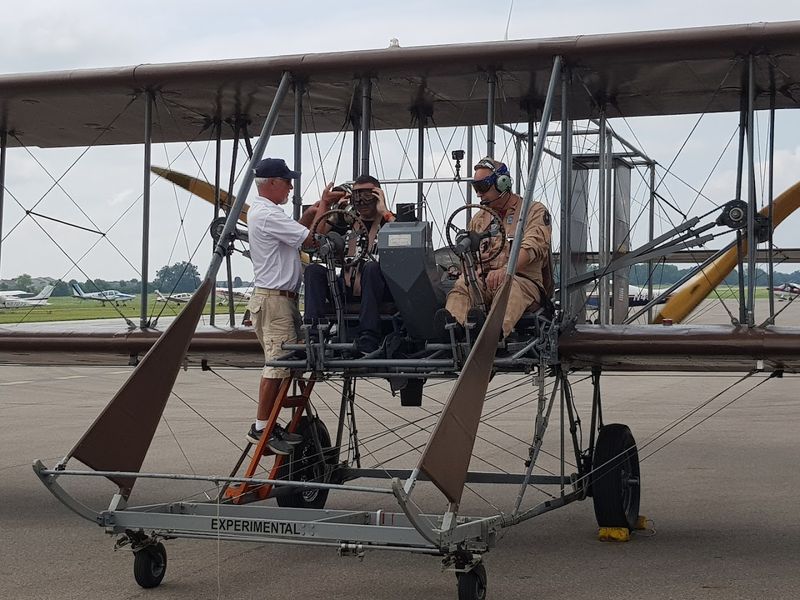
Not every aviation museum keeps its star attraction in flying condition, but the Wright B Flyer Museum in Miamisburg, Ohio, absolutely keeps Wright history feeling alive.
Located at 10550 Springboro Pike, this small but mighty museum is home to Wright Model B look-alike aircraft inspired by the Wright brothers’ first production airplane.
Volunteer engineers and pilots help preserve and operate the aircraft, and one of the museum’s great thrills is that the Wright B Flyer story is not just frozen behind glass.
The museum also displays aircraft, photographs, and educational material that trace the evolution from the 1903 Flyer to the more refined Model B.
What gives this stop its special personality is the passionate volunteer community that runs it. These are aviation lovers who show up because they genuinely care, and that enthusiasm is contagious.
Admission is free, and the staff are usually happy to talk at length about the aircraft and the Wright Brothers’ legacy.
Check the museum’s schedule online before visiting, as regular public hours are limited and other visits may require an appointment.
7. WACO Air Museum, Troy
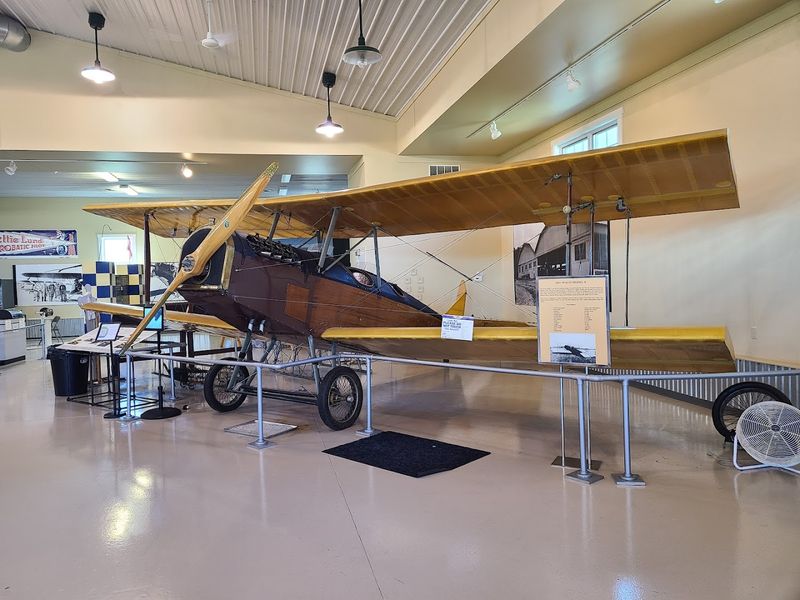
Biplanes have a romance to them that modern jets simply cannot replicate, and the WACO Air Museum in Troy, Ohio, captures that golden age of aviation with real style.
Situated at 1865 S County Road 25A, the museum celebrates the legacy of the WACO Aircraft Company, which produced some of the most beloved open-cockpit biplanes of the 1920s and 1930s right here in Troy.
At its peak, WACO was one of the largest aircraft manufacturers in the United States, and the museum tells that story through a collection of beautifully restored aircraft, vintage photographs, and original company records.
The sight of those polished biplanes lined up in the hangar feels like stepping into a sepia photograph, except everything is wonderfully real and three-dimensional.
The museum also offers biplane rides for visitors who want to experience the open-air thrill that 1930s passengers once paid good money for, and those rides are an absolute highlight.
Admission is affordable, and the knowledgeable volunteers on hand are eager to share stories about specific aircraft and their histories.
Troy itself is a charming small city worth exploring before or after your museum visit, with a lovely downtown that rewards a short walk.
8. Armstrong Air & Space Museum, Wapakoneta
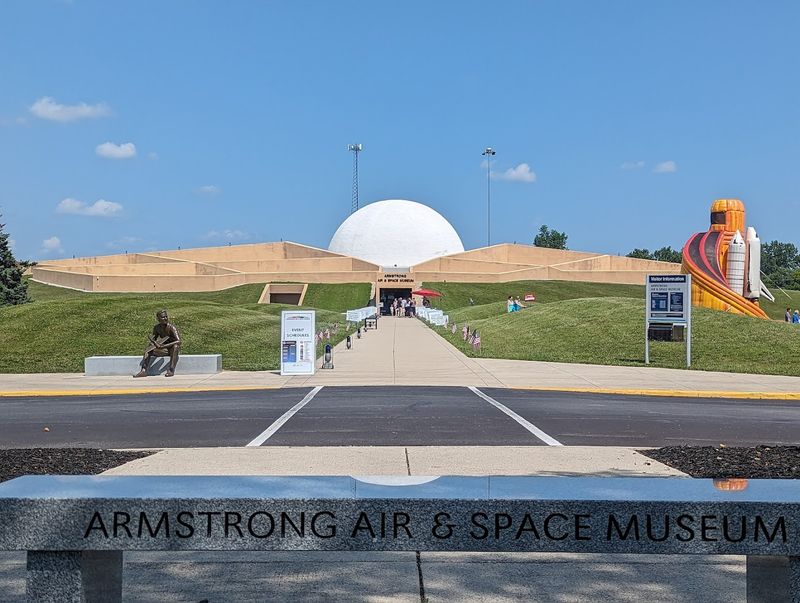
Wapakoneta, Ohio, is a small town with an enormous claim to fame: it is the hometown of Neil Armstrong, the first human being to walk on the Moon.
The Armstrong Air and Space Museum, located at 500 Apollo Drive in Wapakoneta, honors that legacy with an impressive collection of spacecraft, flight suits, and personal artifacts from Armstrong’s career and the broader history of space exploration.
The centerpiece of the museum is Armstrong’s actual Gemini VIII spacecraft, which he piloted in 1966 during the first successful docking of two spacecraft in orbit.
There is also a Moon rock on display, a full-scale model of the lunar module, and a spacesuit worn by Armstrong himself, all of which create moments of genuine awe.
The museum’s distinctive dome-shaped exterior is an architectural statement visible from the nearby highway and worth photographing on its own.
Interactive exhibits make the space program accessible and exciting for visitors of all ages, and the theater shows a short film that sets the historical context perfectly.
Admission is very reasonable, and the museum is well maintained by the Ohio History Connection.
Visiting Wapakoneta and this museum together makes for a memorable and meaningful day trip.
9. Champaign Aviation Museum, Urbana
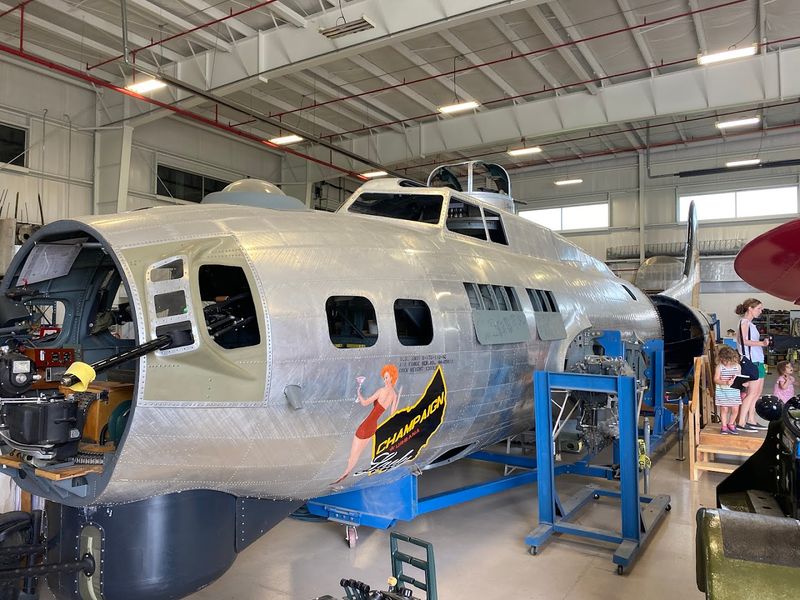
Watching a World War II bomber being brought back to life with your own eyes is an experience that very few museums in the country can offer.
The Champaign Aviation Museum, located at 1652 N Main Street in Urbana, Ohio, is built around exactly that kind of living, working restoration project.
The museum’s flagship project is the ongoing restoration of a B-17 Flying Fortress, one of the most iconic heavy bombers of the Second World War, and volunteers work on it during open hours so visitors can watch the process in real time.
Beyond the B-17, the museum houses other aircraft tied to World War II and aviation history, including the B-25J Mitchell known as Champaign Gal, along with additional restored and in-progress aircraft.
The access level here is remarkable. You can get closer to these aircraft than you typically would anywhere else, and the volunteers are genuinely happy to explain what they are working on.
Admission is free, with donations appreciated, and the museum’s B-25 also appears at airshows, events, flyovers, and living-history flight experiences.
Urbana itself is a pleasant small city, and the museum sits near the Grimes Field airport, adding an extra layer of aviation atmosphere to the whole experience.
10. MAPS Air Museum, North Canton
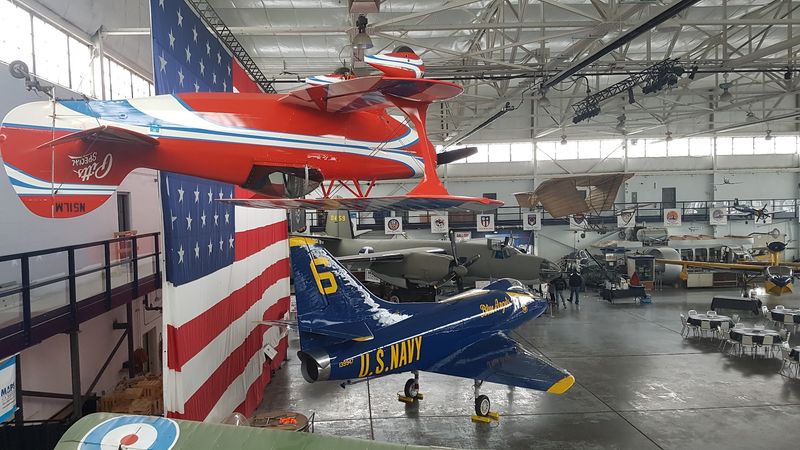
Northeast Ohio has its own world-class aviation treasure, and it sits just outside Akron at the Akron-Canton Airport.
The MAPS Air Museum, located at 2260 International Parkway in North Canton, Ohio, stands for Military Aviation Preservation Society, and the name tells you exactly what this organization is passionate about.
The collection includes a broad range of aircraft spanning multiple eras of aviation history, from early aviation displays to World War II aircraft, Cold War jets, helicopters, and modern military aviation pieces, all maintained by a dedicated team of volunteers.
What sets MAPS apart from larger institutions is the hands-on, grassroots energy of the place. Every aircraft here was saved, restored, or preserved through the genuine effort of people who refused to let history disappear into a scrapyard.
The museum hosts special events and public programs throughout the year, so checking the current calendar before visiting is the best way to catch any extra experiences.
Admission is very reasonable, and the museum also offers a research library for serious aviation historians looking to dig into specific aircraft histories and records.
The proximity to the active airport means you might also catch some interesting commercial or cargo traffic overhead while you explore.
11. Tri-State Warbird Museum, Batavia
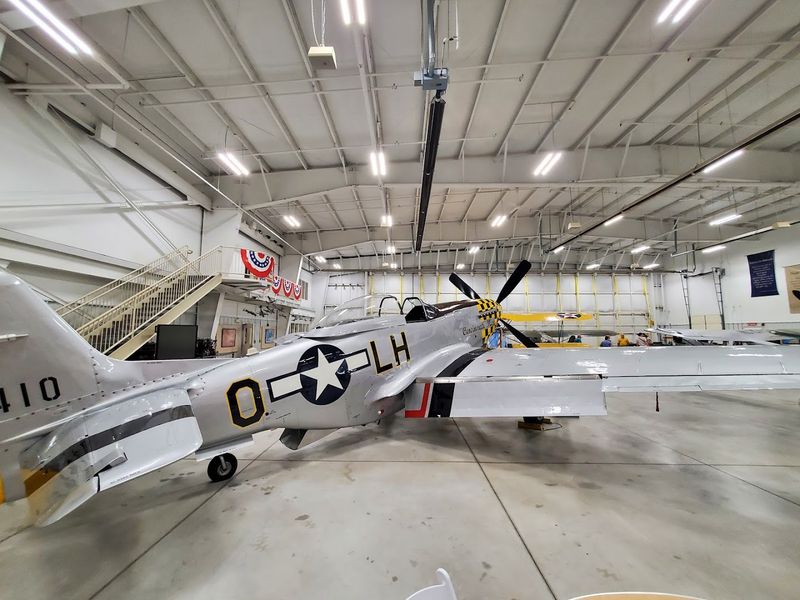
Cincinnati might get most of the travel attention in southwest Ohio, but just a short drive east in Batavia, a museum full of flying warbirds is quietly doing extraordinary work.
The Tri-State Warbird Museum, located at 4021 Borman Drive in Batavia, Ohio, focuses specifically on keeping World War II-era aircraft preserved, restored, and, in many cases, airworthy.
The collection includes a P-51D Mustang, AT-6D Texan, B-25 Mitchell, P-40M Kittyhawk, and other iconic aircraft, many connected to the 1940s and World War II aviation history.
The museum sits at the Clermont County Airport, and on special event days, visitors may be able to see historic aircraft in motion rather than only sitting still inside the hangar.
Admission is affordable, and the staff and volunteers are among the most approachable and knowledgeable aviation enthusiasts you will encounter anywhere on this list.
The museum also hosts special programs, open-cockpit experiences, and flying showcase events at selected times during the year, so it is worth checking the current calendar before planning a visit.
It is a small museum with a big heart and an even bigger passion for keeping aviation history alive and loud.
12. Liberty Aviation Museum, Port Clinton
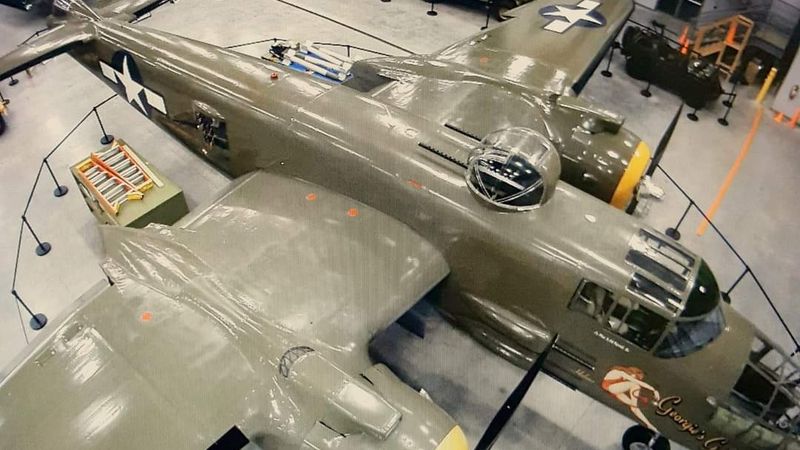
Port Clinton sits close to Lake Erie, and the Liberty Aviation Museum combines that northern Ohio travel appeal with some of the most interesting aircraft and military-history displays you will find in the region.
Located at 3515 East State Road in Port Clinton, Ohio, the museum is home to a wide-ranging collection that includes World War II aircraft, vehicles, artifacts, restoration projects, and aviation-related displays.
One of the major highlights is the museum’s PBY Catalina, a rare World War II flying boat now on display in the museum’s second hangar.
The Catalina alone is worth noticing. Its enormous hull and distinctive shape give it a presence that stops visitors in their tracks when they see it up close.
Beyond the Catalina, the museum displays aircraft, military vehicles, restoration work, and related historical pieces, all kept and interpreted by a committed team.
The Port Clinton location adds a relaxed travel feel that makes the visit especially enjoyable, particularly in summer when the Lake Erie region is already full of day-trip energy.
Port Clinton is also a great base for exploring the Lake Erie islands, so combining this museum visit with a ferry trip to Put-in-Bay makes for a perfect full day in northwest Ohio.