
These Ohio Nature Escapes Feel Miles Away From The Data Center Boom
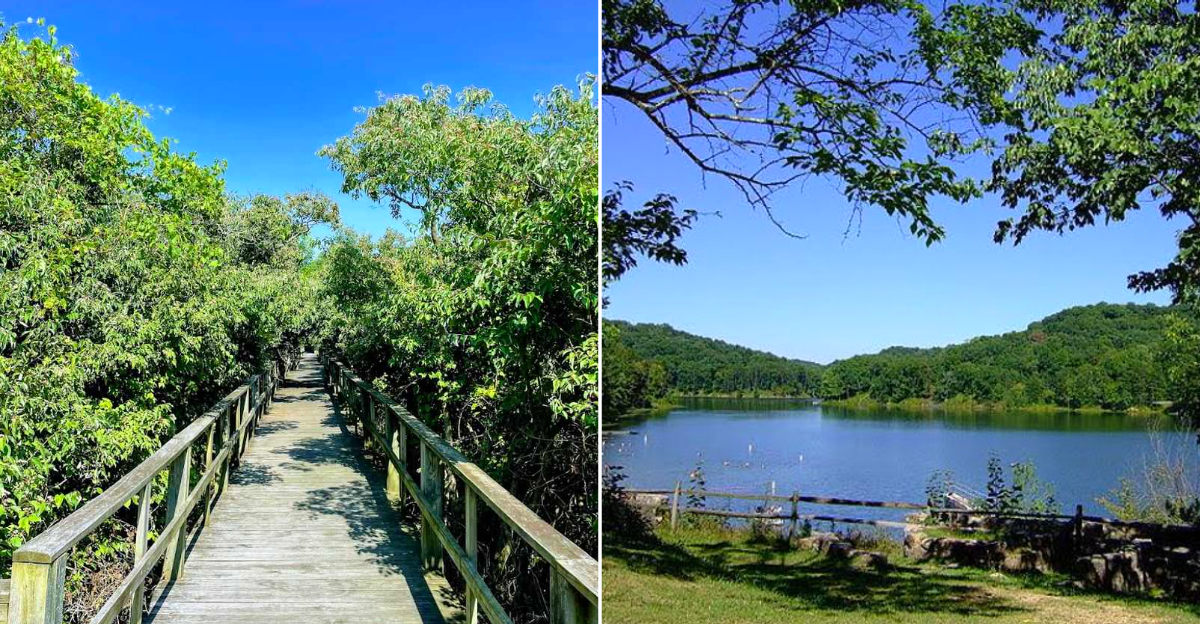
The word “boom” sounds exciting until everything starts humming.
New buildings. Bigger plans.
More screens. More noise.
At some point, even the most patient brain starts looking for a trailhead like it owes money.
Ohio still has places where the volume drops fast.
A boardwalk cuts through marsh grass. A gorge gets cool and quiet.
A lake sits still enough to make the phone in your pocket feel slightly embarrassed.
That is the real surprise here. The state may be changing quickly, but the wild parts have not packed up and left.
These 12 nature escapes make room for trees, water, cliffs, birds, and the rare luxury of not checking anything for a while. In 2026, that might be the fanciest getaway Ohio has left.
Oak Openings Preserve Metropark, Whitehouse
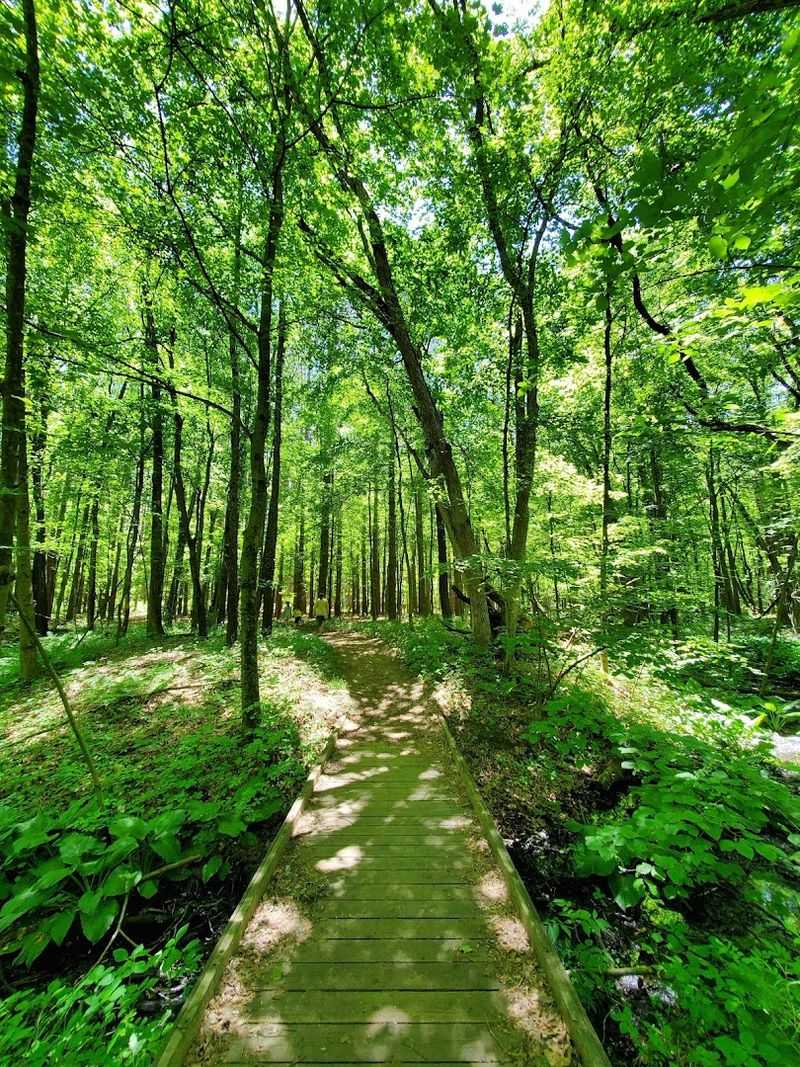
Sand dunes in Ohio? Yes, that is actually a thing, and Oak Openings Preserve Metropark near Whitehouse is living proof.
This 5,000-acre park sits in the Toledo metro area and protects one of the rarest ecosystems in the entire Midwest: an oak savanna growing on ancient lake bed sand.
The landscape here feels almost surreal, with open sandy flats, towering bur oaks, and a wildflower diversity that rivals anything you would find in a dedicated botanical garden.
More than 70 miles of trails wind through the preserve, making it a fantastic spot for hiking, mountain biking, horseback riding, cross-country skiing, and birdwatching.
Spring is especially magical when lupines and trilliums carpet the forest floor in waves of purple and white.
The preserve is also home to several rare and protected species, including the spotted turtle and the Karner blue butterfly.
If you visit in early morning, the light filtering through the oaks creates a golden, almost cathedral-like atmosphere that no tech campus could ever replicate.
This place genuinely feels like stepping into a different century.
Magee Marsh Wildlife Area, Oak Harbor
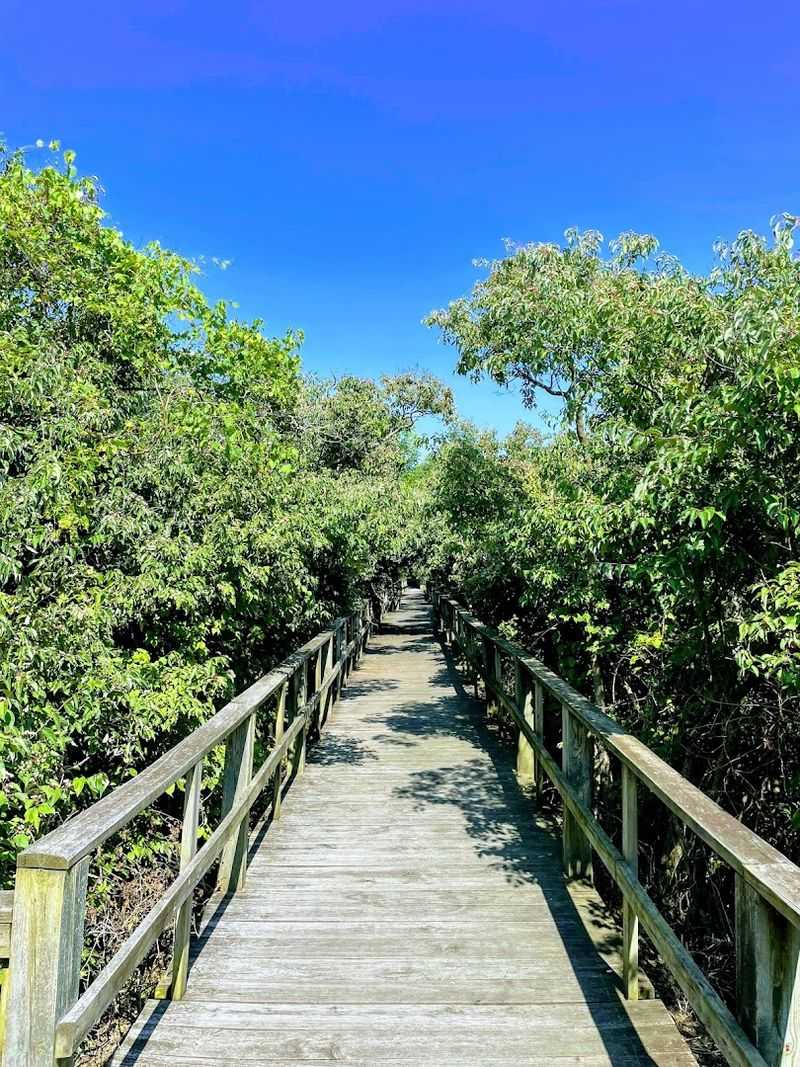
Every May, something extraordinary happens along the southern shore of Lake Erie that birders travel from across the country to witness.
Magee Marsh Wildlife Area near Oak Harbor becomes one of the best warbler-watching spots in North America during spring migration, earning it the nickname “The Warbler Capital of the World.”
Tiny songbirds funnel along Lake Erie and pause in the marsh’s edge trees, which means visitors can often see colorful warblers at unusually close range compared with normal woodland birding.
The famous Magee Marsh Boardwalk is a flat, accessible trail through prime birding habitat, and ODNR’s trail map lists it at 0.7 mile.
Outside of migration season, the marsh is still a thriving wetland full of herons, egrets, and bald eagles.
The adjacent beach provides a bonus view of Lake Erie stretching endlessly to the horizon.
Admission is free, and the parking lot fills early during peak migration, so arriving before sunrise is genuinely worth the alarm.
Few places in Ohio reward early risers quite this well.
Headlands Beach State Park, Mentor
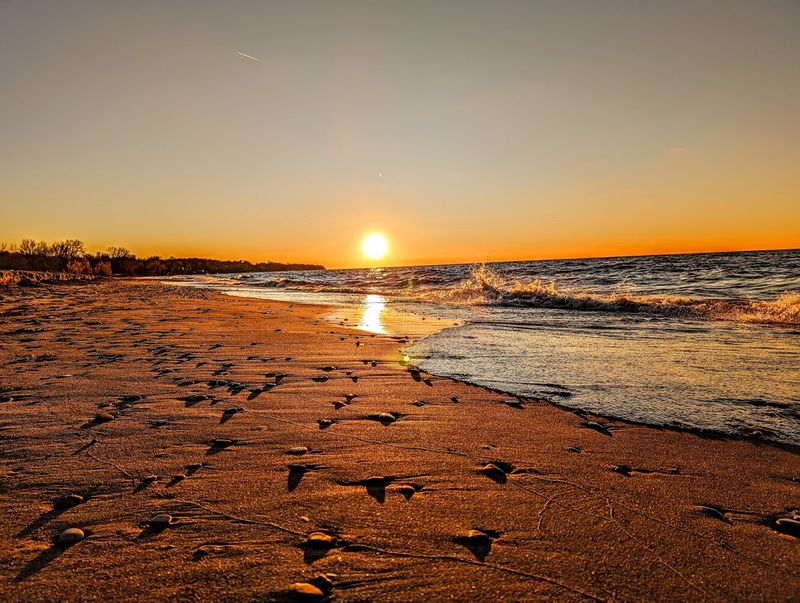
Ohio has a beach, and it is a genuinely impressive one.
Headlands Beach State Park near Mentor protects the largest natural sand beach in the state along the Lake Erie shoreline.
Unlike the manicured resort beaches you see in travel magazines, this one has a wild, windswept quality that feels honest and refreshing.
Waves roll in off the lake with surprising force, especially in autumn when storm systems push through, and the dune grasses bend dramatically in the breeze.
Adjacent to the beach, Headlands Dunes State Nature Preserve protects a fragile dune ecosystem that is rare in the Great Lakes region.
The preserve has its own short trail where you can spot native dune plants and the occasional migrating hawk overhead.
Summer brings swimmers and sunbathers, but the shoulder seasons are when the park really shines.
A late October visit offers crashing waves, empty sands, and flocks of migrating raptors riding the lake thermals overhead.
It is the kind of scene that genuinely resets your brain after weeks of screen time.
Cuyahoga Valley National Park, Peninsula
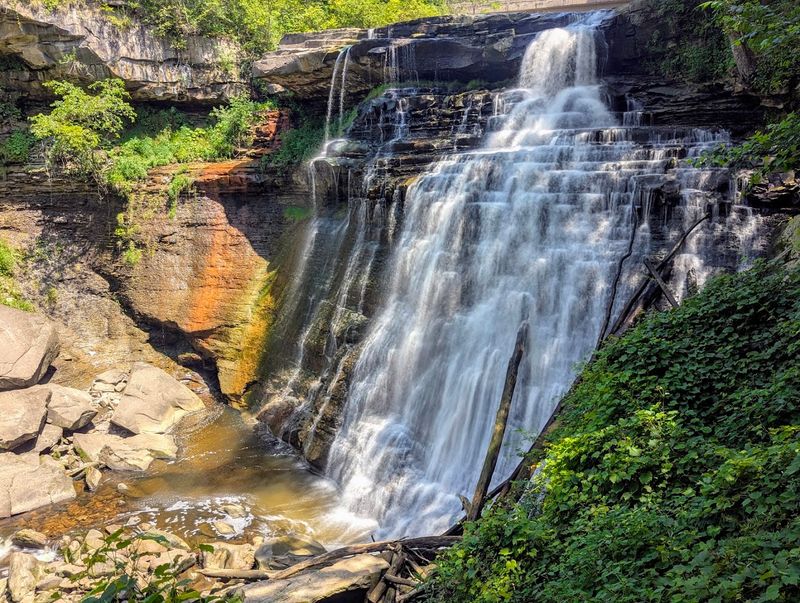
Cuyahoga Valley National Park is one of the most visited national parks in the country. However, somehow still feels like a secret most people keep to themselves.
The park follows the winding Cuyahoga River through a forested valley that was shaped by glaciers thousands of years ago, leaving behind waterfalls, wetlands, and dramatic rock formations.
The Boston Mill Visitor Center near Peninsula is a great starting point, with staff who can help you plan a route based on your energy level and interests.
Brandywine Falls is the park’s showstopper, a 65-foot cascade that looks best after a good rain when the flow is full and powerful.
The Ohio and Erie Canal Towpath Trail runs 20 miles through the park and offers flat, easy walking or cycling alongside historic canal locks.
Fall foliage here is absolutely spectacular, with the valley walls turning vivid shades of orange and red from mid-October onward.
The Cuyahoga Valley Scenic Railroad also runs through the park, offering a relaxed way to see the landscape without hiking a single step.
Mohican State Park, Loudonville
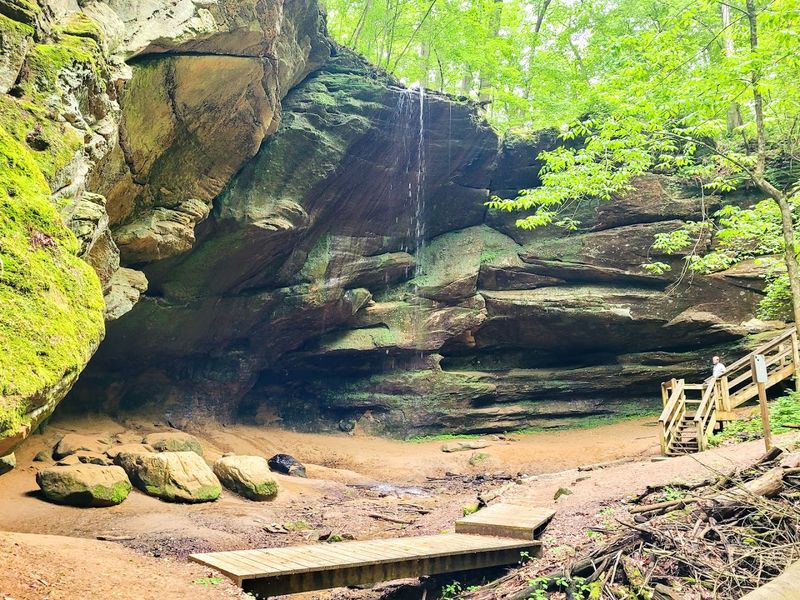
There is a particular kind of peace that only comes from standing in a deep hemlock gorge with cold water rushing past your boots. Mohican State Park near Loudonville delivers that feeling in full.
The park centers on the Clear Fork Gorge, one of the most scenic river gorges in the entire state, carved by glacial meltwater and now lined with towering hemlocks that keep the canyon cool even on the hottest summer days.
The Lyons Falls Trail is a favorite route that passes two beautiful waterfalls and offers dramatic views down into the gorge from above.
Covered bridges dot the surrounding countryside, and the nearby town of Loudonville has earned a reputation as the canoe capital of Ohio, with outfitters offering trips down the Mohican River from spring through fall.
Camping options range from primitive tent sites along the river to cozy cabins in the forest.
Wildlife sightings are common here, with white-tailed deer, wild turkeys, and great horned owls all making regular appearances.
Plan at least a full weekend because one day never feels like enough.
Clifton Gorge State Nature Preserve, Yellow Springs
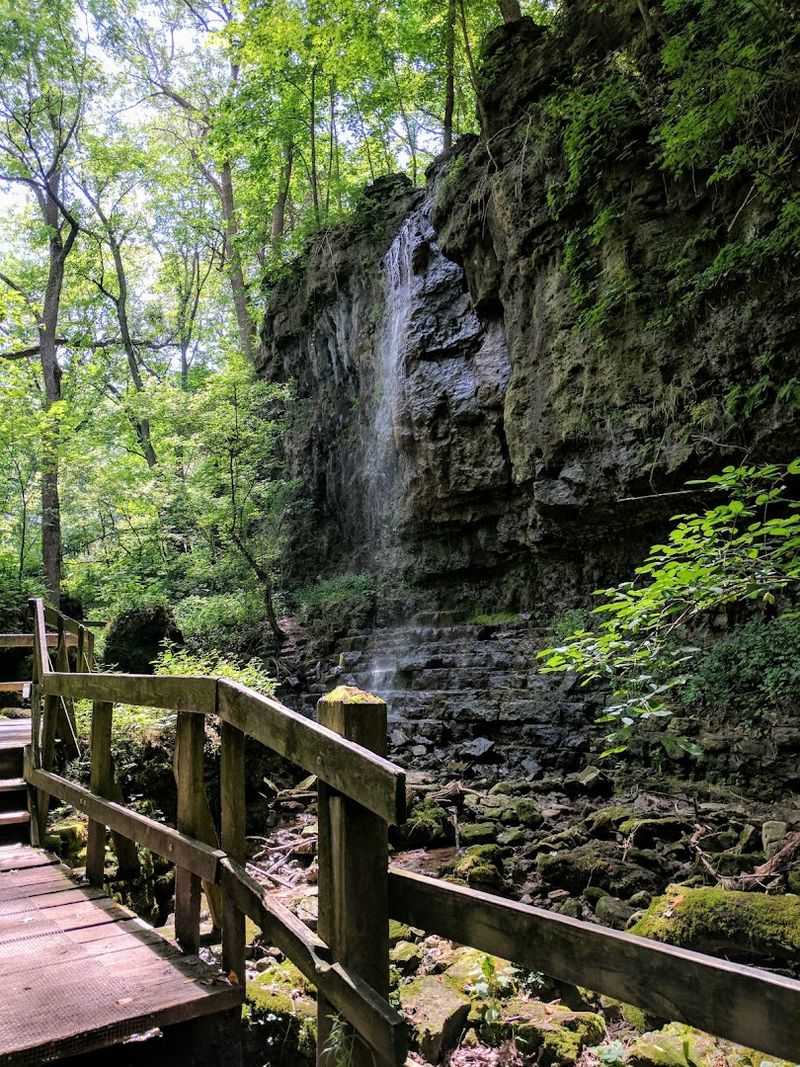
Just a short walk from the artsy village of Yellow Springs, Clifton Gorge punches well above its weight in terms of sheer natural drama.
The preserve protects a two-mile section of the Little Miami River as it cuts through a narrow dolomite gorge, producing rapids, waterfalls, and vertical rock walls that rise up to 100 feet on either side.
The trail hugs the rim of the gorge, giving hikers a series of breathtaking overlooks that are genuinely difficult to capture on a phone camera, though everyone tries anyway.
Geological history is on full display here, with rock layers dating back over 400 million years exposed in the gorge walls.
Rare plant species that typically grow much further north have found a refuge in the cool, shaded microclimate of the canyon floor.
Yellow Springs itself is worth exploring before or after your hike, with independent shops, a famous local creamery, and a laid-back creative energy that makes the whole area feel like a small-town cultural hub.
The combination of gorge and village makes this one of the most satisfying half-day trips in the state.
Great Seal State Park, Chillicothe
The rolling ridges of Great Seal State Park rise dramatically above the city of Chillicothe. It offers some of the best panoramic views of the Scioto Valley that you can find without a drone.
The park takes its name from the Great Seal of Ohio, which was designed to reflect these very hills, making it one of the few state parks in the country that is literally embedded in official state symbolism.
Trails here range from moderate to genuinely challenging, with the Sugarloaf Mountain Trail being one of the most rewarding for those willing to earn their views.
From the ridges, the valley spreads out below you in a patchwork of farms, forests, and the winding Scioto River, a scene that feels far removed from any urban context.
Chillicothe itself is a historically rich city, home to the outdoor drama “Tecumseh” and several important Hopewell culture earthworks that are now part of a national historical park.
Combining a morning hike at Great Seal with an afternoon at the Hopewell Culture National Historical Park makes for an exceptionally full and rewarding day.
History and scenery, all in one stop.
Hocking Hills State Park, Logan
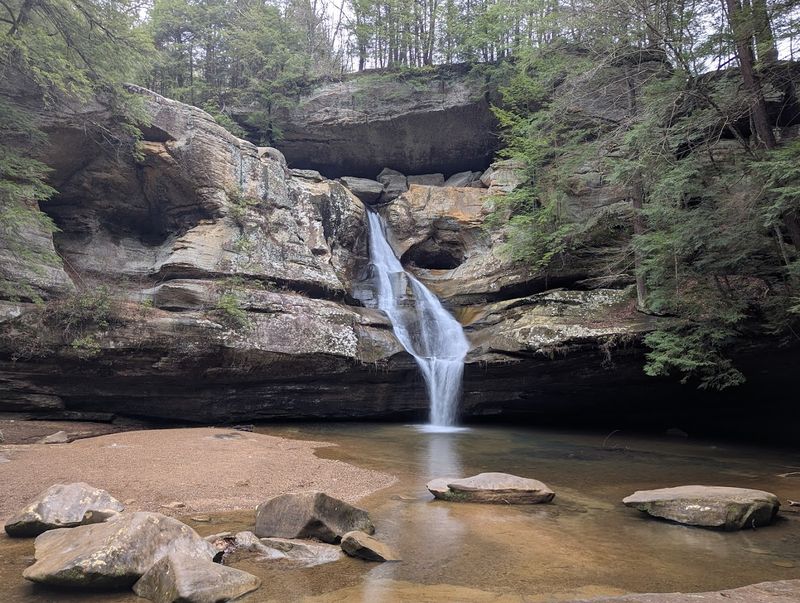
Ask almost any Ohioan to name their favorite state park and there is a very good chance Hocking Hills comes up first.
Located near Logan in the Hocking Hills region, this park is built around a series of ancient sandstone formations carved into dramatic caves, arches, and gorges over millions of years of erosion.
Old Man’s Cave is the crown jewel, a massive recess cave set deep in a hemlock-shaded gorge with a waterfall, natural bridges, and a winding trail that feels more like an adventure than a walk.
Ash Cave is the largest recess cave in Ohio, with a 700-foot curved sandstone wall and a seasonal waterfall that drops 90 feet into the bowl below.
Cedar Falls, despite its misleading name, is actually surrounded by hemlocks, and the short trail to reach it passes through some of the most atmospheric forest in the entire park system.
Weekends in summer and fall get genuinely crowded, so a midweek visit or an early morning start will reward you with a much quieter experience.
Hocking Hills earns every bit of its reputation.
Lake Hope State Park, McArthur
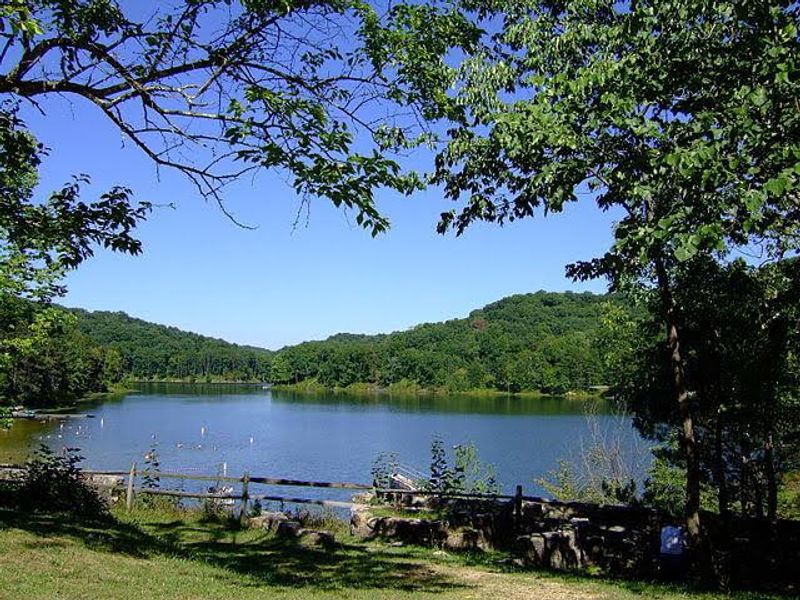
Lake Hope State Park is the kind of place that feels genuinely off the map even though it is only a few hours from Columbus.
The park surrounds a 120-acre lake created by a historic dam on Sandy Run, and the surrounding forest is a living record of the region’s iron-furnace industrial past, with old stone furnace ruins still visible along some of the trails.
Hiking here means moving through a landscape that has been slowly reclaiming itself from 19th-century industry, and the result is a richly layered forest full of character.
The Zaleski Backpacking Trail is one of Ohio’s premier multi-day hiking routes, covering 29 miles through the surrounding state forest with primitive backcountry camping along the way.
For a shorter visit, the trails around the lake itself offer quiet walking, great birding, and beautiful water reflections in the early morning.
Cabins and campsites are available for overnight stays, and the lack of cell service in much of the park is honestly a feature rather than a flaw.
Disconnecting has never felt so productive.
Shawnee State Park, West Portsmouth
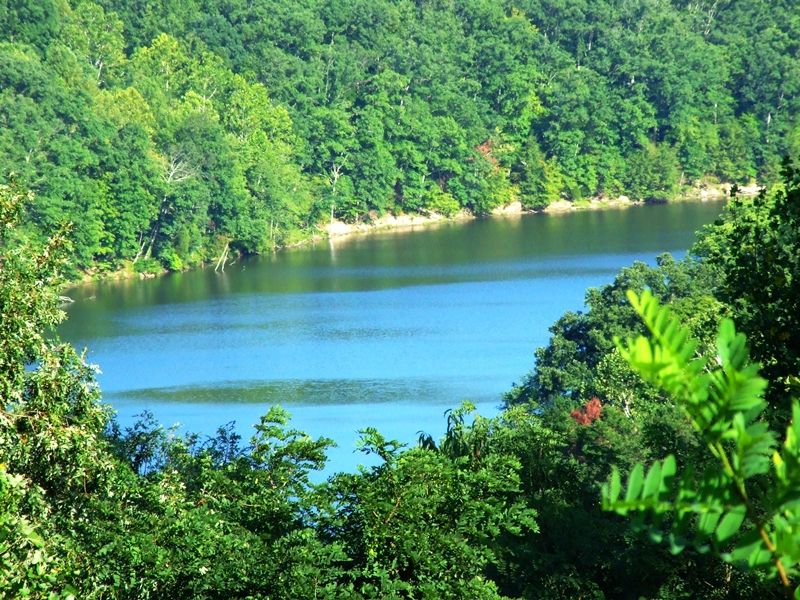
People who have hiked the Appalachian Trail often say that Shawnee State Forest near West Portsmouth reminds them of sections of the Smokies, and that comparison is not an exaggeration.
Known locally as “the Little Smokies of Ohio,” the park and surrounding state forest cover over 63,000 acres of rugged, forested ridges and hollows in the southernmost part of the state.
The terrain here is genuinely wild, with trail conditions that can challenge even experienced hikers, especially on the more remote backpacking routes.
Shawnee State Park itself offers a full-service resort lodge perched on a ridge with sweeping forest views, making it possible to enjoy the landscape in comfort without hauling a tent.
The backpacking trail through the state forest includes a roughly 40-mile main loop, one of the most rewarding multi-day routes in the Midwest, passing through rugged forest country and crossing clear-running streams.
Wildlife is abundant here, with wild turkey, white-tailed deer, and timber rattlesnakes all calling the forest home.
The remoteness of this corner of Ohio is exactly what makes it feel so special and so worth the drive.
Edge of Appalachia Preserve, West Union
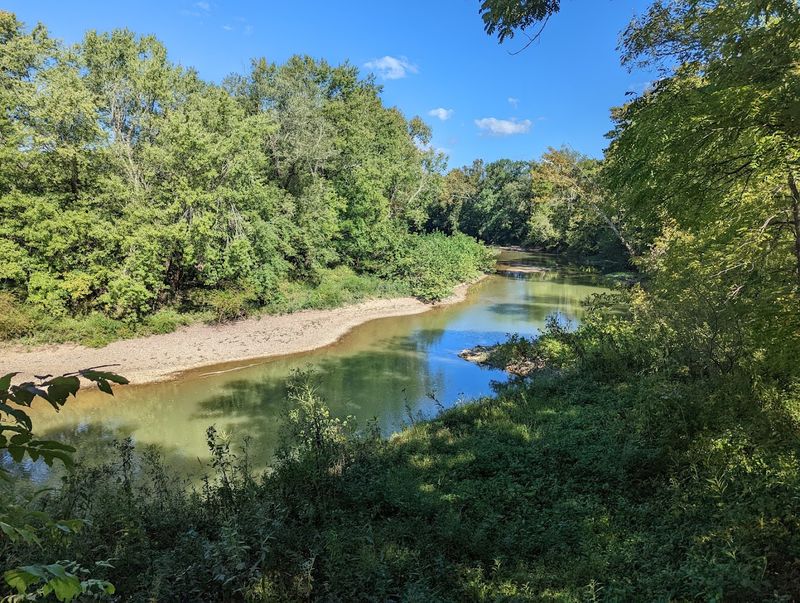
Very few places in the entire eastern United States pack as much ecological variety into one landscape as the Edge of Appalachia Preserve near West Union.
Managed by The Nature Conservancy and the Cincinnati Museum Center, this collection of preserves covers over 21,000 acres where prairie openings, forested ridges, streams, cliffs, and Appalachian foothill habitats come together in one remarkable southern Ohio landscape.
The result is a staggering diversity of plant life, including rare prairie species, ancient cedar trees clinging to limestone cliffs, and wildflower displays in spring that are simply jaw-dropping.
The Lynx Prairie is one of the preserve’s most famous features, a series of small prairie openings that explode with blazing star, goldenrod, and wild blue indigo from late summer into fall.
Hiking trails can be rugged and remote-feeling, so visitors should come prepared with the official trail map, sturdy shoes, water, and enough time to explore without rushing.
This is not a manicured park experience but rather a genuine encounter with a landscape that has been shaped by millions of years of geology and ecology working together.
Rare is the only word that truly fits.
Beaver Creek State Park, East Liverpool
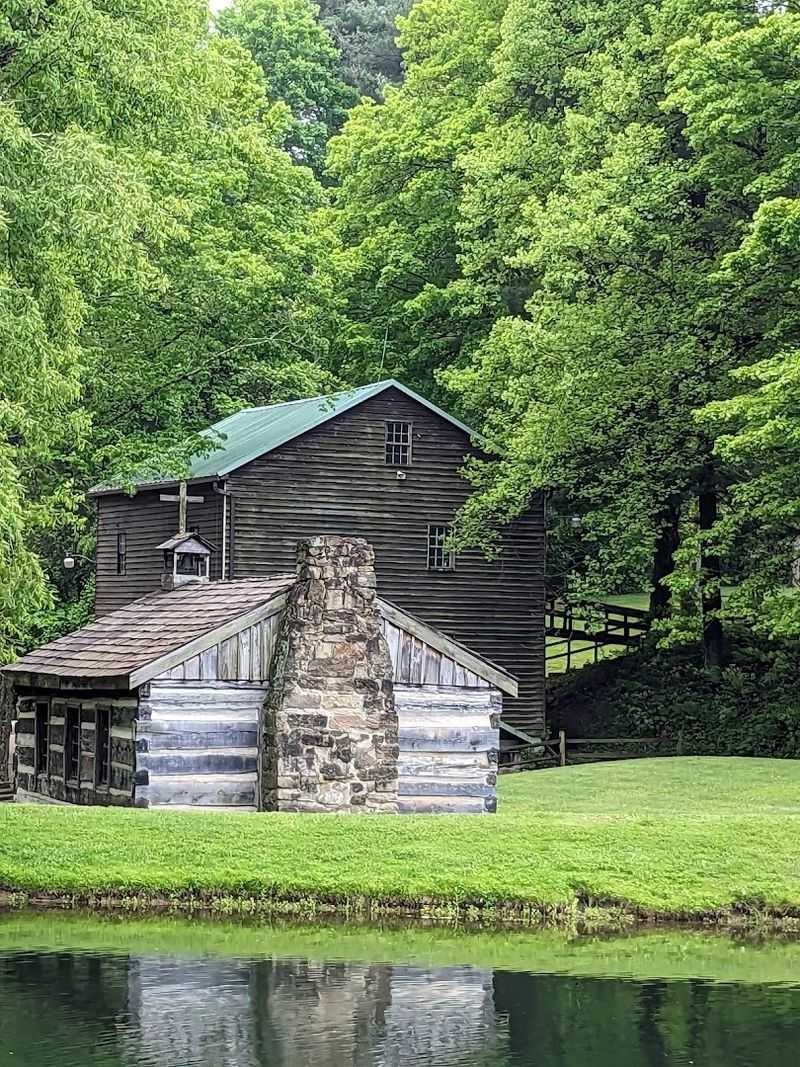
Tucked into far eastern Ohio near East Liverpool, Beaver Creek State Park is one of the most historically layered natural areas in the state.
Little Beaver Creek, a State and National Wild and Scenic River, runs through a narrow forested valley where hemlock and mountain laurel help create a lush, cool corridor that feels more like Appalachia than flatland Ohio.
The park preserves remnants of the Sandy and Beaver Canal, an ambitious 19th-century engineering project that included stone locks, towpaths, and aqueducts, many of which are still visible along the trails today.
The restored Gaston’s Mill, a historic grist mill on the creek, adds a tangible sense of living history that most state parks simply cannot match.
Hiking trails follow the creek through the gorge and climb the surrounding ridges, offering a mix of easy streamside walks and more demanding ridge-top routes.
Wildflowers in spring are outstanding here, with trilliums, bloodroot, and wild ginger blanketing the forest floor beneath the hemlocks.
For a park that rarely appears on top-ten lists, Beaver Creek consistently over-delivers on every visit.