
These Ohio Nature Preserves Are Perfect For A Peaceful March Escape
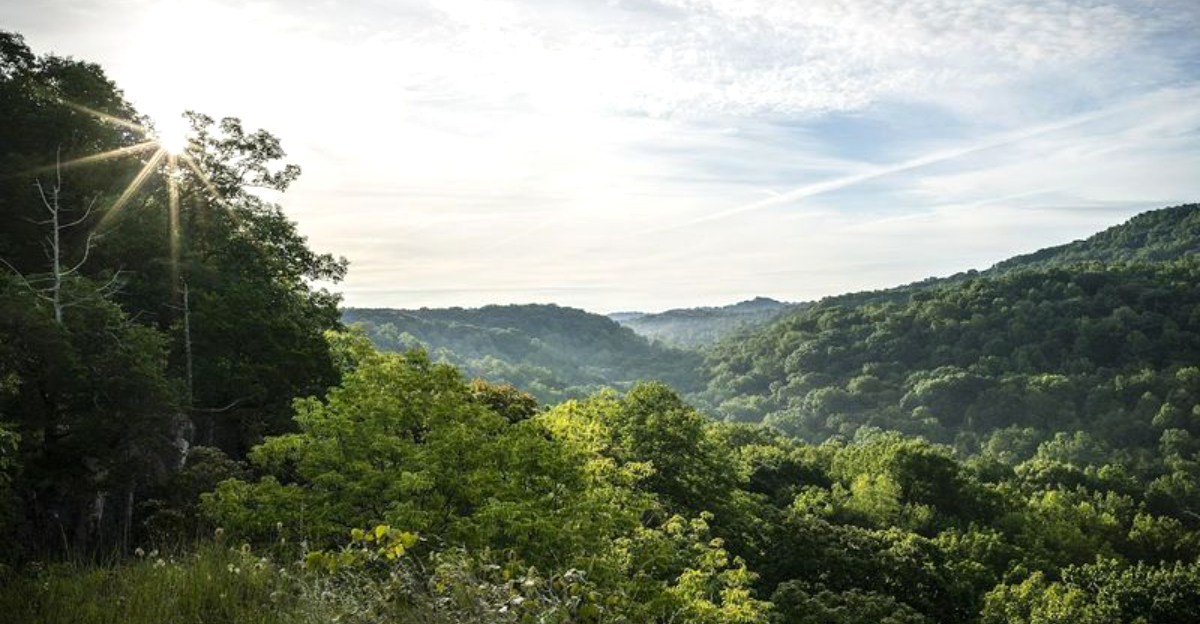
March in Ohio carries a kind of quiet beauty that is easy to miss if you are not paying attention. The crowds thin out, the ground starts to soften, and the trails feel calm enough to make the whole day slow down in the best way.
Early wildflowers begin pushing through the leaf litter, migrating birds return to wetlands, and waterfalls pick up fresh energy after winter snowmelt. A solo reset feels right here, and a calm family outing does too, because Ohio’s nature preserves offer the kind of scenery and stillness that are hard to top this time of year.
This list brings together 12 standout spots across the state, including deep gorges, towering old forests, lakeside marshes, and prairie remnants, so planning a March escape feels a whole lot easier.
Grab a few layers, pull on your boots, and get ready to appreciate Ohio all over again.
1. Glen Helen Nature Preserve, Yellow Springs, OH
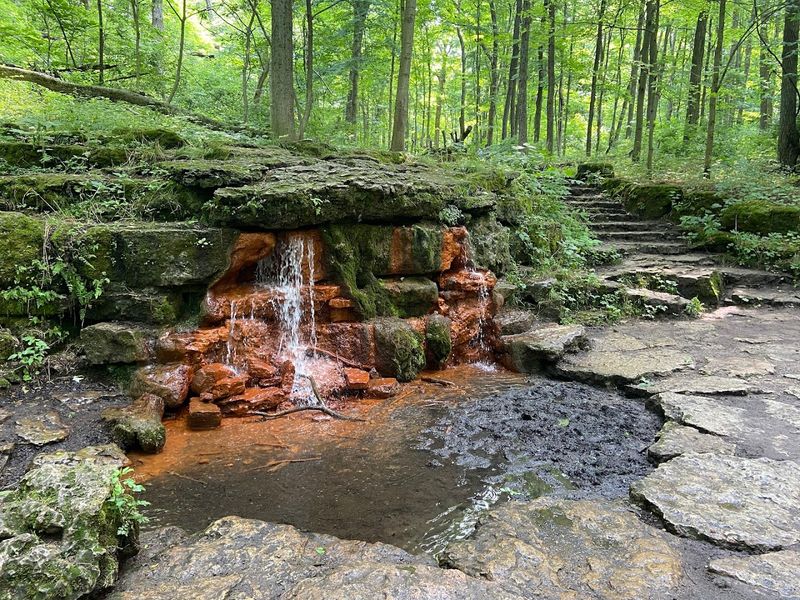
Few places in Ohio stop you in your tracks quite like the moment you first hear Birch Creek rushing through the ravine at Glen Helen Nature Preserve in Yellow Springs.
This 1,000-acre sanctuary sits right on the edge of Antioch College and has been welcoming visitors since 1929, which means the trails are well-worn in the best possible way.
March is genuinely one of the finest times to visit, because the yellow spring that gave the town its name flows freely, and the forest floor begins to glow with early hepatica and spring beauty blooms.
The towering yellow springs waterfall, though modest in size, feels dramatic against the quiet gray of late-winter trees.
Trails range from easy creek-side strolls to slightly more rugged ridge walks, so the preserve works well for all fitness levels.
Parking is free, dogs are welcome on leash, and the nearby village of Yellow Springs offers great food stops for after your hike. Consider this your warm-up for the season ahead.
2. Cedar Bog Nature Preserve, Urbana, OH
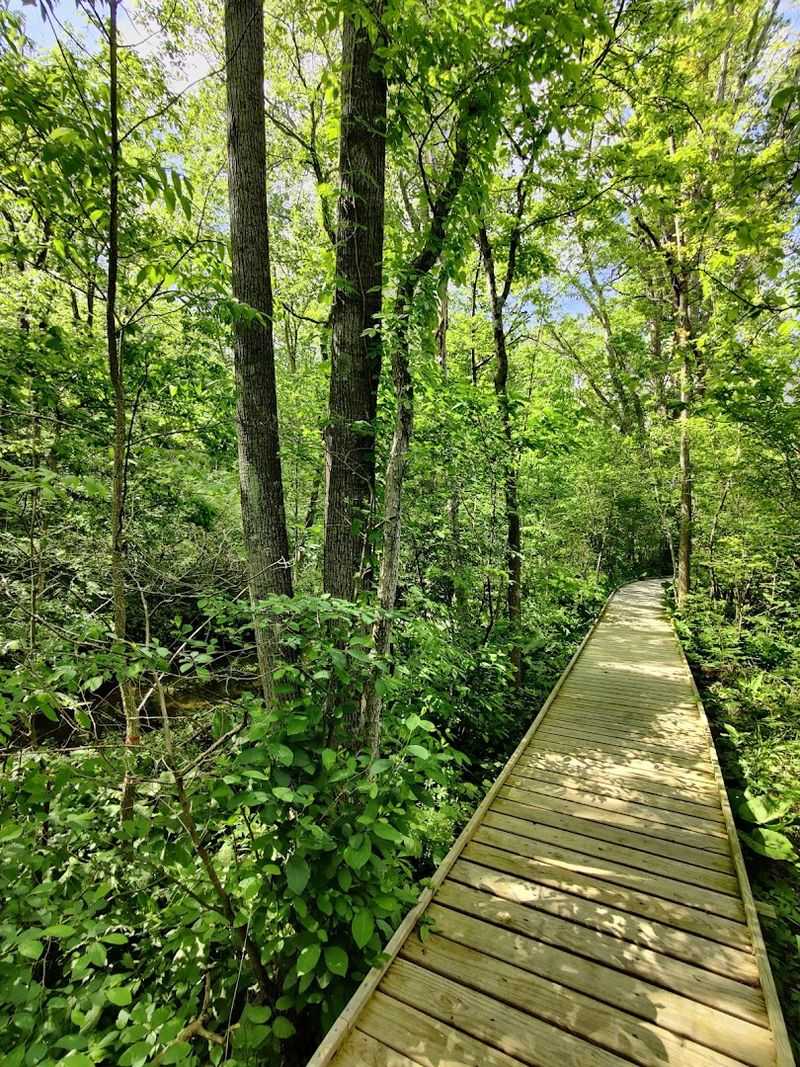
Calling it a bog is technically a misnomer, and the staff at Cedar Bog Nature Preserve in Urbana will cheerfully tell you so. It is actually a fen, fed by cold, mineral-rich groundwater rather than rainwater alone.
That geological quirk makes it one of the most ecologically unusual places in all of Ohio, supporting plant communities that have survived here since the last ice age.
A raised boardwalk carries you through the preserve without disturbing the fragile ecosystem beneath your feet, which means the experience feels almost like floating through a living museum.
In March, the sedge meadows begin to shift from their winter brown to the faintest hints of green, and the silence is remarkable.
Guided tours are available on weekends and are absolutely worth booking in advance, since the naturalists bring the whole landscape to life with stories and science.
Admission is minimal, and the preserve is small enough to explore thoroughly in a couple of hours. It is one of those places that leaves a lasting impression long after you have driven home.
3. Stage’s Pond State Nature Preserve, Ashville, OH
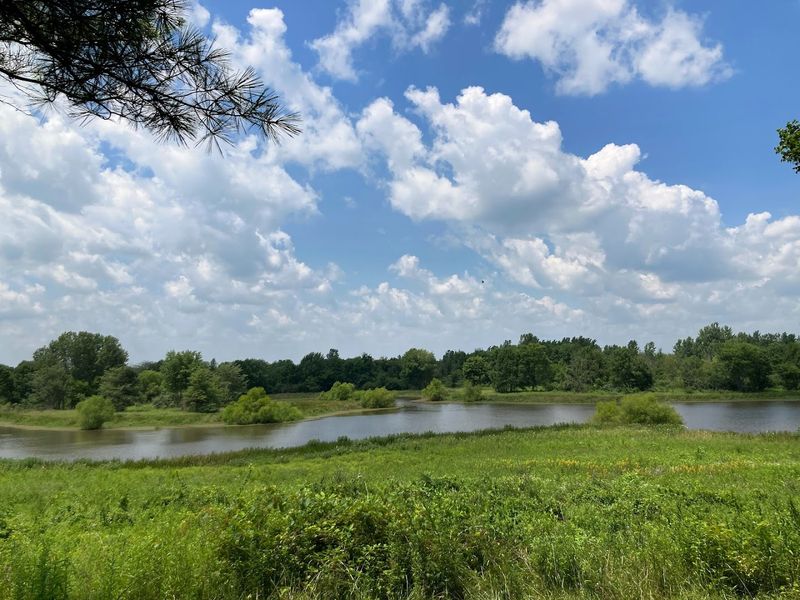
Placed quietly into Pickaway County near the small town of Ashville, Stage’s Pond is the kind of place that rewards patience and a good pair of binoculars.
The pond itself is a glacial kettle lake, formed thousands of years ago when a massive chunk of buried ice melted and the land above it collapsed, creating a perfectly round, bowl-shaped body of water.
March transforms this preserve into a busy stopover for migrating waterfowl, and on a good morning you might spot ring-necked ducks, buffleheads, and common mergansers resting on the glassy surface before continuing north.
The surrounding upland forest and wet meadow areas add habitat diversity that keeps the birding interesting even on slower days.
Trails are relatively flat and easy, making this a comfortable outing for families with younger kids or anyone who prefers a more relaxed pace.
There are no facilities on site, so bring water and snacks. Arriving at dawn gives you the best chance of catching the waterfowl before they lift off and the stillness of the pond is something you will genuinely want to photograph.
4. Blackhand Gorge State Nature Preserve, Newark, OH
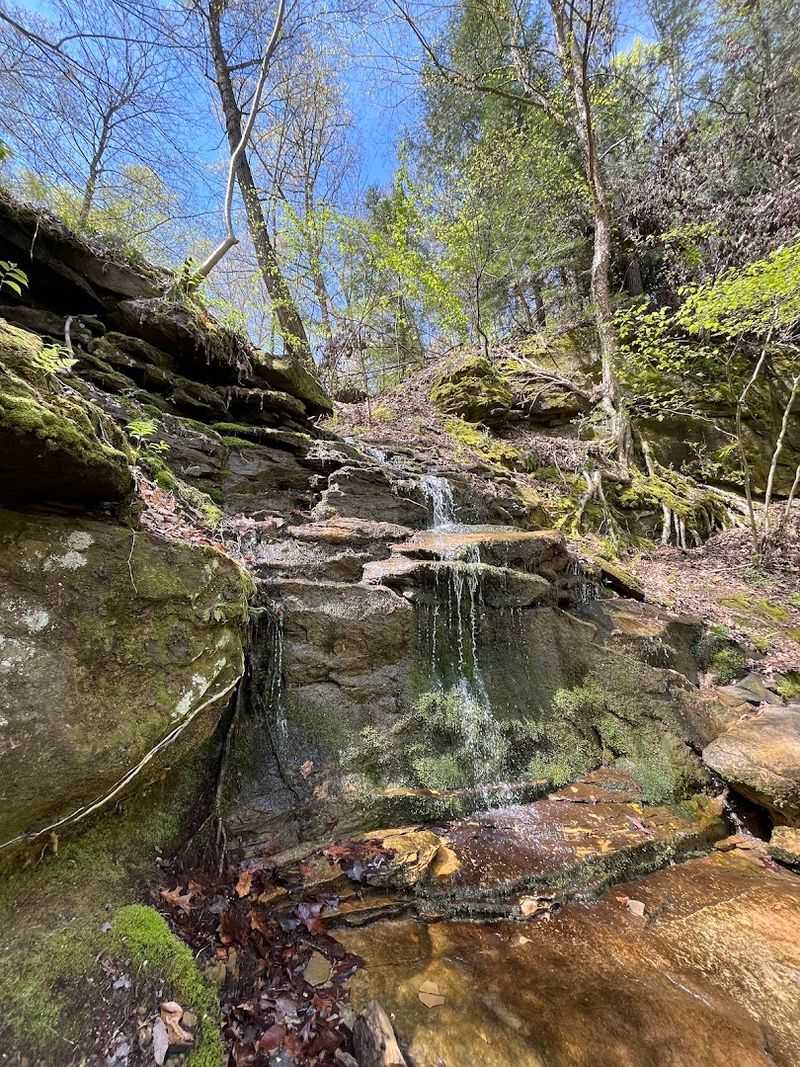
Named after a large hand-shaped petroglyph that once marked the gorge walls before a canal was carved through in the 1800s, Blackhand Gorge near Newark carries layers of human history alongside its natural drama.
The Licking River cuts through the Black Hand Sandstone here, creating sheer walls and deeply shaded alcoves that feel genuinely ancient.
March is a spectacular month to visit because the river runs high and fast with snowmelt, and the gorge amplifies every sound of rushing water into something almost theatrical.
The main trail follows an old towpath along the river, making it wide, flat, and accessible for most visitors, including those pushing strollers.
Several spur trails climb toward the gorge rim and offer elevated views that are worth the extra effort.
Mosses and lichens cling vividly to the canyon walls in early spring, providing rich color even before the trees leaf out.
Keep an eye on the cliff faces for turkey vultures beginning to reclaim their nesting ledges. It is a living reminder that the gorge has been home to wild things for far longer than any map can show.
5. Conkles Hollow State Nature Preserve, Rockbridge, OH
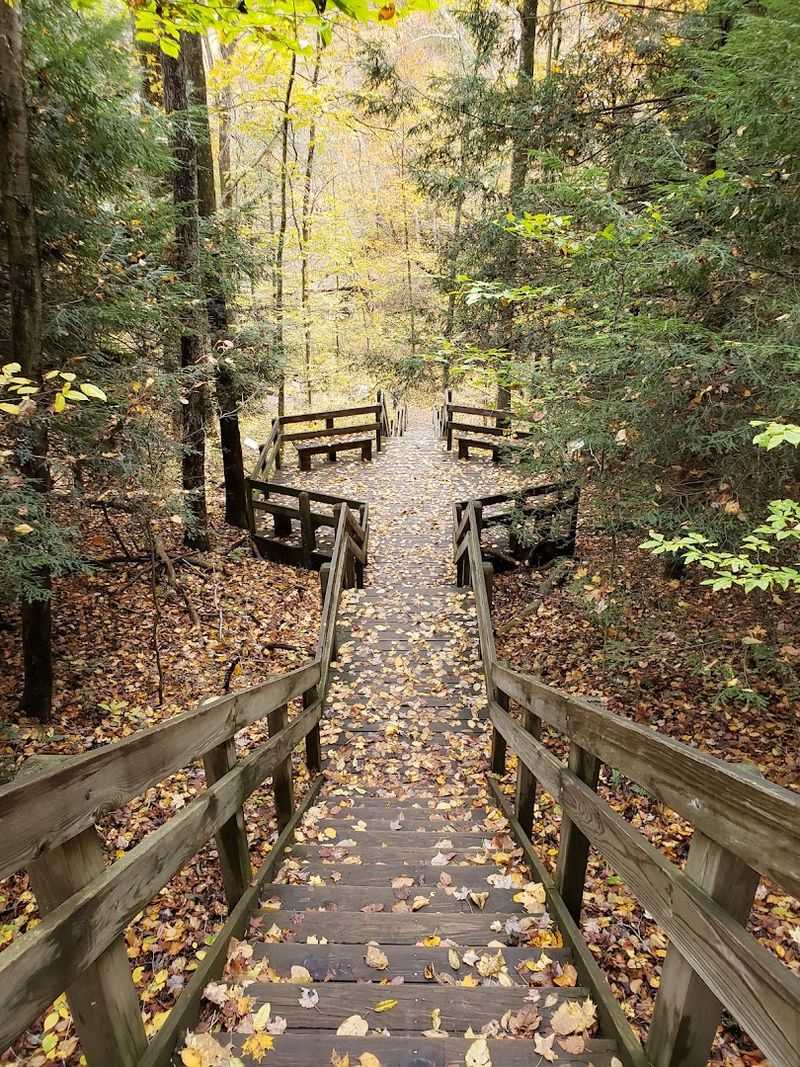
Standing at the base of Conkles Hollow and looking straight up at sandstone walls that rise nearly 200 feet on either side of you is one of those experiences that makes Ohio feel genuinely wild.
Located near Rockbridge in Hocking Hills, this preserve offers two very different trail experiences in one visit.
The gorge trail at the bottom is flat and follows a stream through the narrow canyon, where waterfalls trickle and drip from the cliff faces all through March as snowmelt keeps them flowing.
The rim trail above is more challenging and rewards hikers with sweeping views across the Hocking Hills forest canopy.
March crowds here are thin compared to summer, which means you can actually hear the water and the birds without competing with a crowd of selfie-takers.
Parking fills up on warm weekends, so arriving before 9 a.m. is a smart move.
The preserve is small but packs an enormous amount of geological drama into a short hike, and the canyon acoustics alone are worth the drive from Columbus or beyond.
6. Boch Hollow State Nature Preserve, Logan, OH
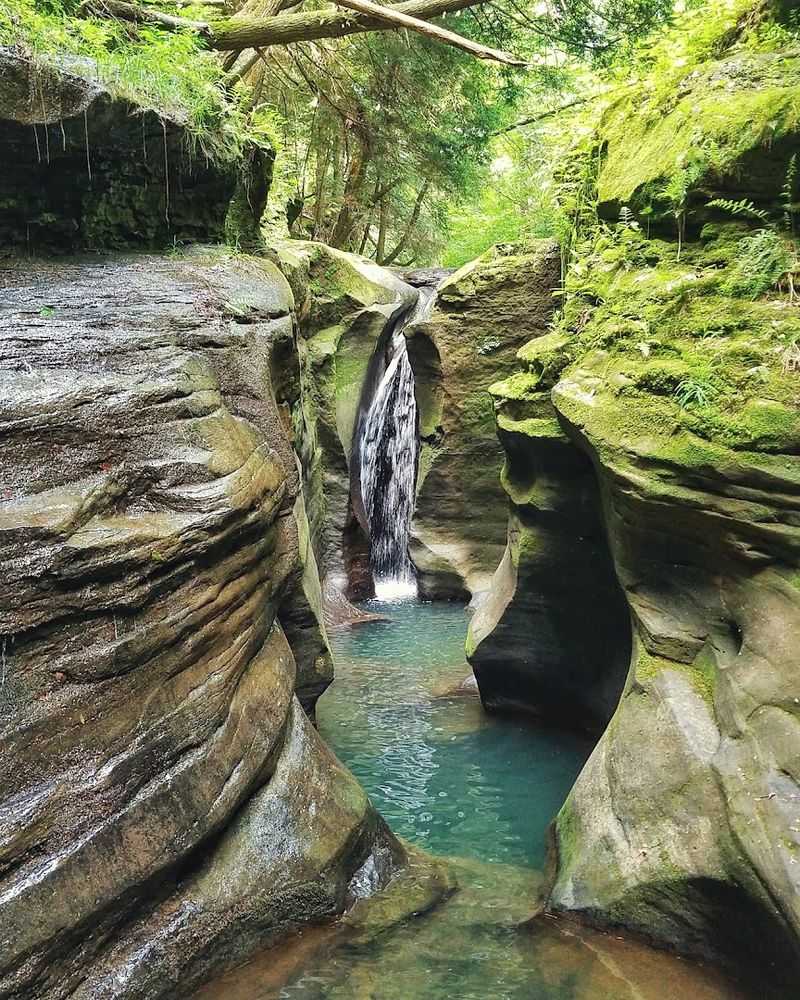
Boch Hollow is one of those Hocking Hills preserves that feels like a well-kept local secret, sitting just outside Logan without the name recognition of its more famous neighbors.
That relative obscurity is actually its greatest appeal, especially in March when you can walk its sandstone-lined hollows in near-total solitude.
The preserve protects a classic Hocking Hills landscape of hemlock-shaded ravines, small sandstone overhangs, and clear-running streams that make the whole place feel like a miniature wilderness.
Early spring wildflowers, including trout lilies and bloodroot, begin appearing in the hollow’s protected lower areas by mid-March, creating small bursts of color against the gray leaf litter.
The trail system is modest in length but varied enough to keep things interesting, with the hollow bottom offering easy walking and the ridge offering broader views.
There are no visitor facilities here, so pack everything you need before you arrive.
Boch Hollow rewards those who make the effort to seek it out, offering the kind of quiet forest experience that reminds you why Ohio’s natural areas are genuinely worth protecting.
7. Lake Katharine State Nature Preserve, Jackson, OH
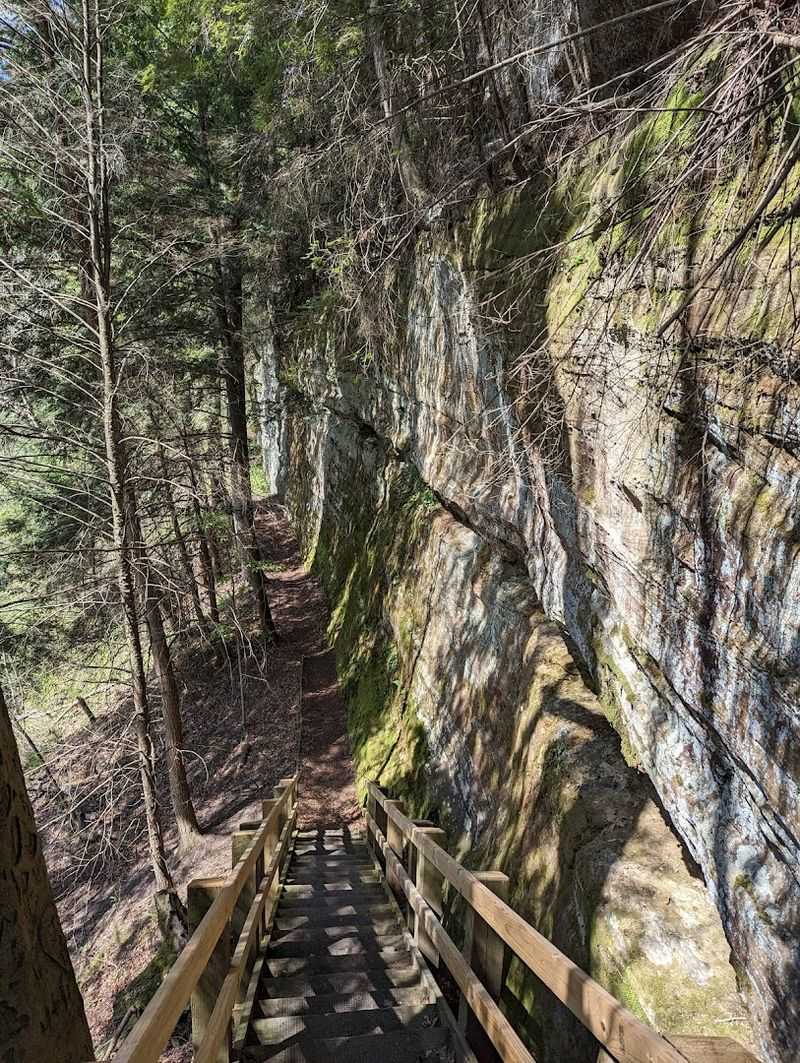
This is the kind of place that makes you stop mid-trail and wonder how you had never heard of it before.
Tucked into Jackson County in southern Ohio, this preserve wraps a quiet, man-made lake created by a historic dam in a landscape of sandstone cliffs, hemlock ravines, and some of the most impressive rhododendron thickets in the entire state.
March is early for the rhododendrons to bloom, but the structural beauty of their twisted trunks and evergreen leaves against bare hardwoods is striking in its own right.
The trail system here is more rugged than many Ohio preserves, with some steep sections that require careful footing on wet rock, so waterproof boots are a genuine recommendation rather than a casual suggestion.
The lake itself reflects the surrounding forest in early spring with a stillness that feels almost painted.
Birding is excellent along the water’s edge, and the hemlock-lined ravines provide habitat for winter wrens that are often still present in March.
Plan for a two-to-three-hour visit to do the preserve real justice and bring a camera with a good zoom for the birds.
8. Fort Hill Earthworks and Nature Preserve, Hillsboro, OH
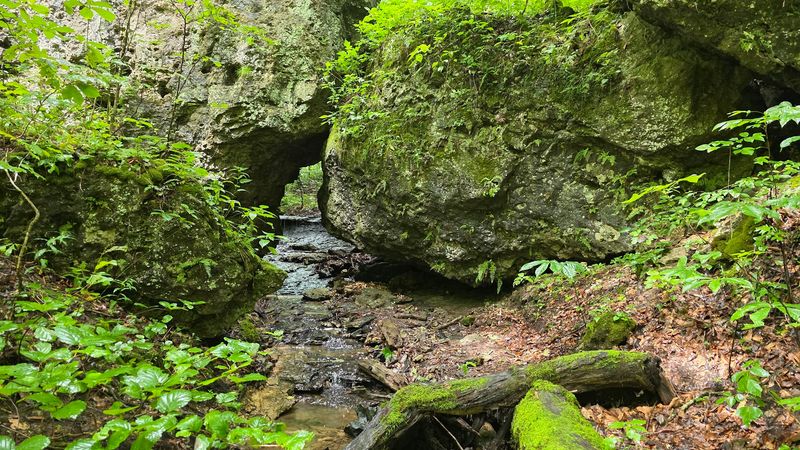
There are not many places in the country where you can hike through a 2,000-year-old Native American monument while simultaneously walking through one of Ohio’s finest old-growth forests, but Fort Hill does exactly that.
Located near Hillsboro in Highland County, this preserve protects the remains of a Hopewell culture hilltop enclosure, with earthen walls that still stand up to 15 feet high in places.
The forest surrounding and growing over the earthworks is genuinely old, with massive beech, oak, and tulip trees that create a cathedral-like atmosphere especially striking in the bare-limbed clarity of March.
The trail system is well-developed and includes a loop that follows the earthwork walls around the hilltop, offering both historical context and excellent forest scenery.
Spring wildflowers begin emerging on the sheltered hillsides by mid-March, adding soft color to the forest floor.
A small museum at the trailhead provides background on the Hopewell culture and is worth a quick visit before you head up the hill.
This preserve effortlessly combines archaeology and ecology in a way that feels meaningful rather than gimmicky.
9. Edge of Appalachia Preserve, West Union, OH
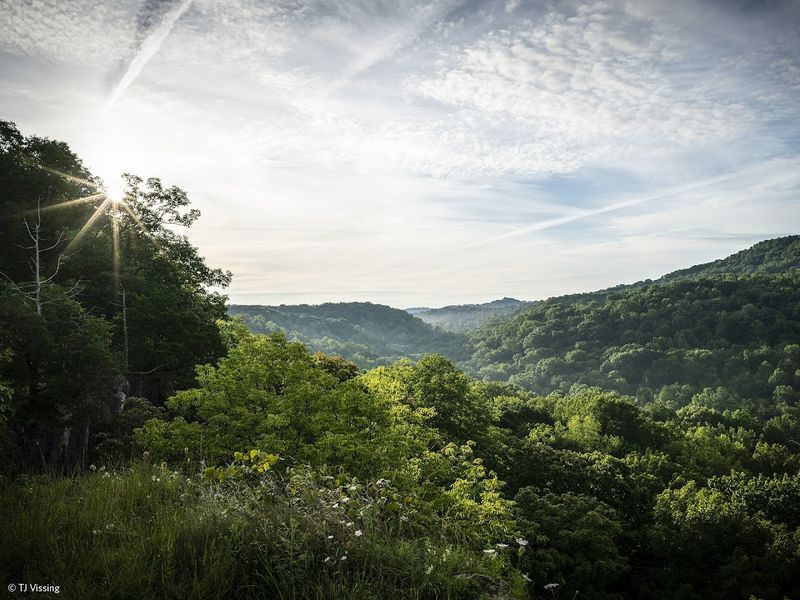
The name alone should be enough to get you excited, and Edge of Appalachia Preserve near West Union in Adams County absolutely lives up to its dramatic billing.
Managed by The Nature Conservancy and Cincinnati Museum Center, this system of preserves protects one of Ohio’s most botanically diverse landscapes, sitting right at the geological boundary where the flat Midwest transitions into Appalachian hill country.
Cedar glades, limestone prairies, and mixed hardwood forests all exist within a short drive of each other here, creating a patchwork of habitats that supports an extraordinary number of plant species.
March is particularly exciting because the early prairie wildflowers, including harbinger-of-spring and early saxifrage, begin blooming on the sun-warmed limestone outcroppings before almost anywhere else in Ohio.
The Buzzardroost Rock trail is a standout, climbing to a dramatic overlook above the Ohio River valley that delivers views well worth the moderate effort.
Spring migration also brings warblers and raptors through the area in good numbers by late March.
This is a preserve that rewards multiple visits across the seasons, but March has a particular freshness that feels like a reward for showing up early.
10. Old Woman Creek State Nature Preserve, Huron, OH
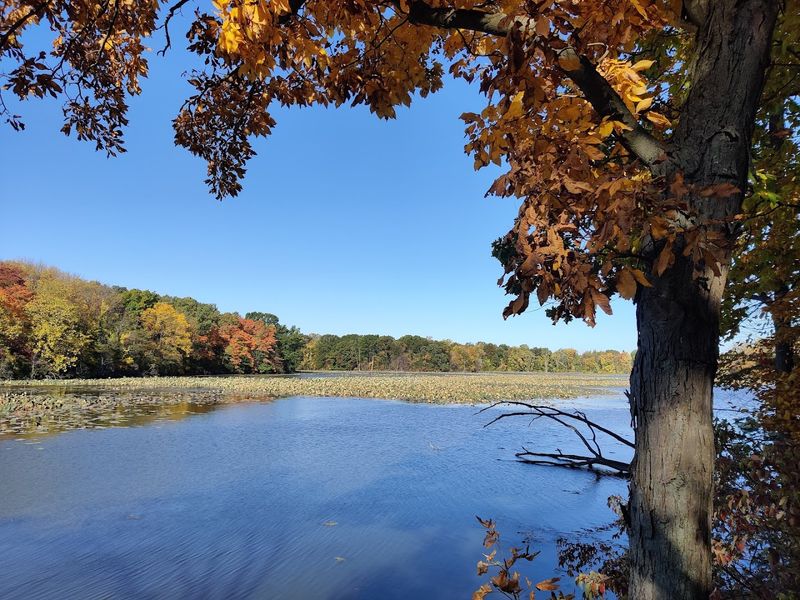
Old Woman Creek along Lake Erie’s southern shore near Huron is one of the last remaining natural estuaries on the entire Great Lakes coastline, and that distinction is worth pausing on for a moment.
The preserve and its associated National Estuarine Research Reserve protect a dynamic meeting point of freshwater, wetland, and upland habitats that becomes extraordinarily active in March as migration season ramps up.
Thousands of waterfowl use the estuary as a staging area during spring migration, and the observation deck overlooking the open water is one of the best birding vantage points in northern Ohio.
Tundra swans sometimes linger here into March, and their calls carry across the water in a way that sounds genuinely prehistoric.
The trails are flat and accessible, winding through forest, wetland edge, and open meadow habitats in a compact area that takes about 90 minutes to explore thoroughly.
A visitor center on site provides excellent interpretive displays about the estuary ecosystem.
For anyone interested in birds, water, and the raw energy of spring arriving on Lake Erie’s shore, this preserve is a must-visit stop on any northern Ohio itinerary.
11. Headlands Dunes State Nature Preserve, Mentor, OH
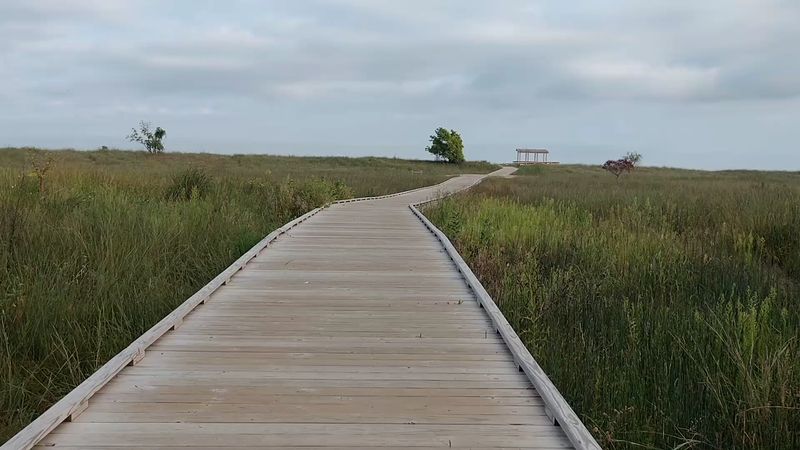
Most people associate Ohio with forests and fields, so arriving at Headlands Dunes near Mentor and finding yourself standing on a genuine sand dune beach along Lake Erie tends to produce a satisfying double-take.
This small but significant preserve protects one of the last remaining natural beach and dune systems on Ohio’s Lake Erie shoreline, a habitat type that has been almost entirely lost to development elsewhere along the coast.
March brings a moody, windswept energy to the beach that feels nothing like the crowded summer version of this place, and the lack of crowds means you can actually focus on the landscape and the birds.
Horned larks and snow buntings sometimes linger on the dunes into early March, and early migrant shorebirds begin appearing along the waterline by month’s end.
The preserve sits adjacent to Headlands Beach State Park, so you can extend your visit with a longer walk along the public beach if conditions allow.
Dress warmly because the lake wind in March is not subtle.
The combination of open water, dune grasses, and big sky views makes this one of the most visually distinctive nature preserves in the entire state.
12. Goll Woods State Nature Preserve, Archbold, OH
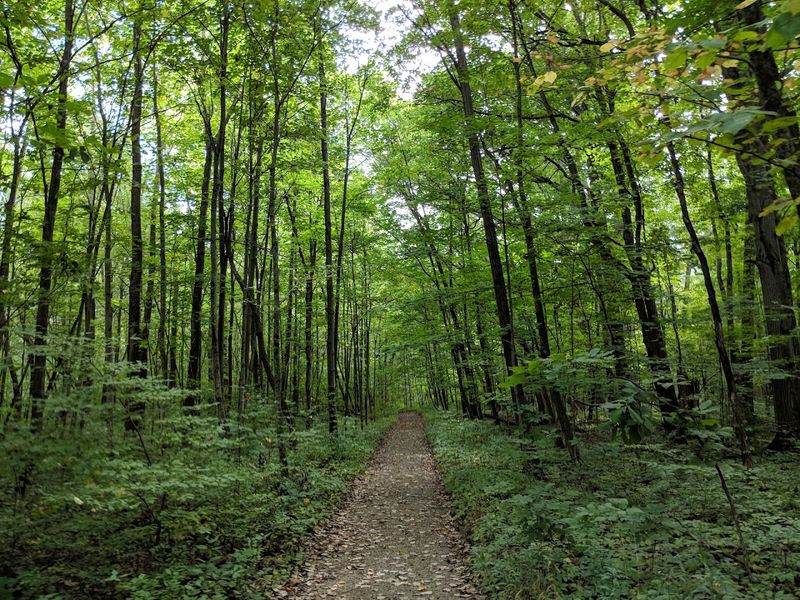
Goll Woods near Archbold in Fulton County is as close as Ohio gets to a true old-growth forest, and walking among its massive beech, oak, and cottonwood trees in March feels like stepping into a different century entirely.
Some of the trees here are over 400 years old, and their scale is humbling in the most wonderful way possible, especially with no leaf cover yet to obscure the full height of the canopy above you.
The preserve sits in what was once the Great Black Swamp, a vast wetland forest that covered much of northwestern Ohio before 19th-century drainage transformed the region into farmland.
Goll Woods survived because the Goll family chose to protect it, and that decision now gives us one of the rarest ecological experiences available in the state.
Seasonal pools form throughout the forest in March, attracting wood frogs and spotted salamanders for their early spring breeding gatherings, which are genuinely thrilling to witness if you time your visit right.
Trails are flat and easy, making this accessible for all ages.
Northwestern Ohio rarely makes the nature travel highlight reel, but Goll Woods is a compelling argument that it absolutely should.