
These Ohio Spring Destinations Feel Extra Special In 2026
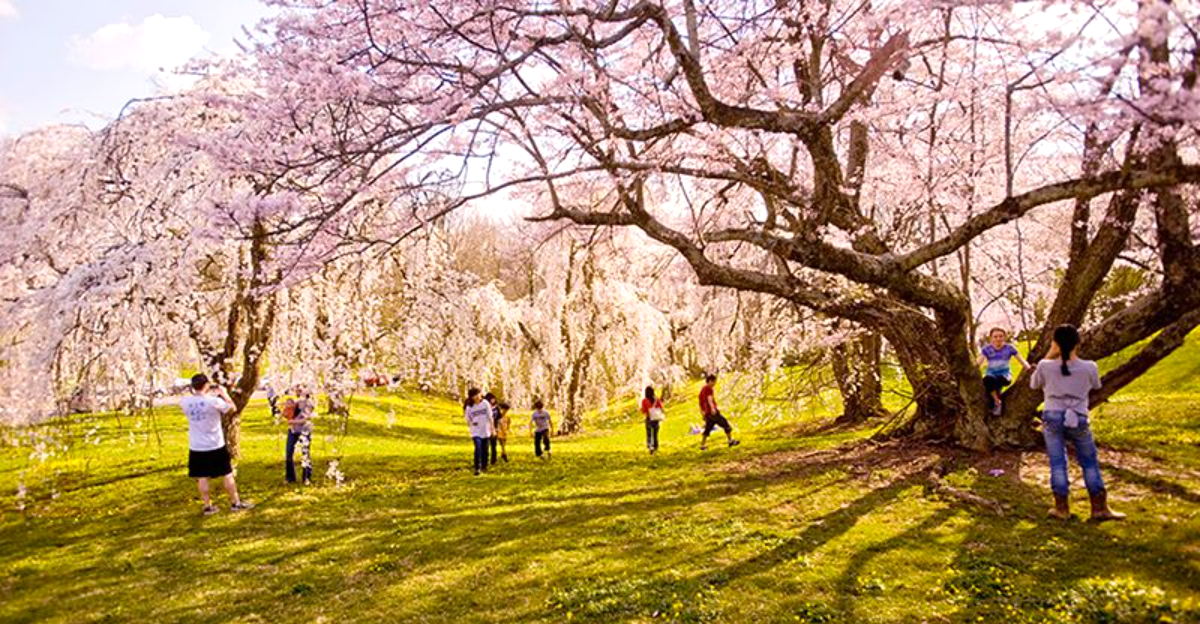
Spring in Ohio has a way of making the whole state feel newly alive. Wildflowers spread across forest floors, waterfalls rush with fresh force, and botanical gardens burst into color in a way that makes staying inside feel like a terrible idea.
Ohio looks especially good this time of year, and 2026 is a great excuse to get out and see these standout places for yourself. Some of these spots call for sturdy shoes and a little trail dust, while others are better suited to an easy walk, a pretty garden path, and a slower afternoon outdoors.
Hocking Hills brings dramatic cliffs and roaring waterfalls, while Maumee Bay offers a quieter kind of spring beauty right by the water.
Each of these fourteen destinations has its own charm, and together they make a road trip that feels fresh, memorable, and far more exciting than another weekend spent indoors.
1. Franklin Park Conservatory and Botanical Gardens, Columbus, Ohio
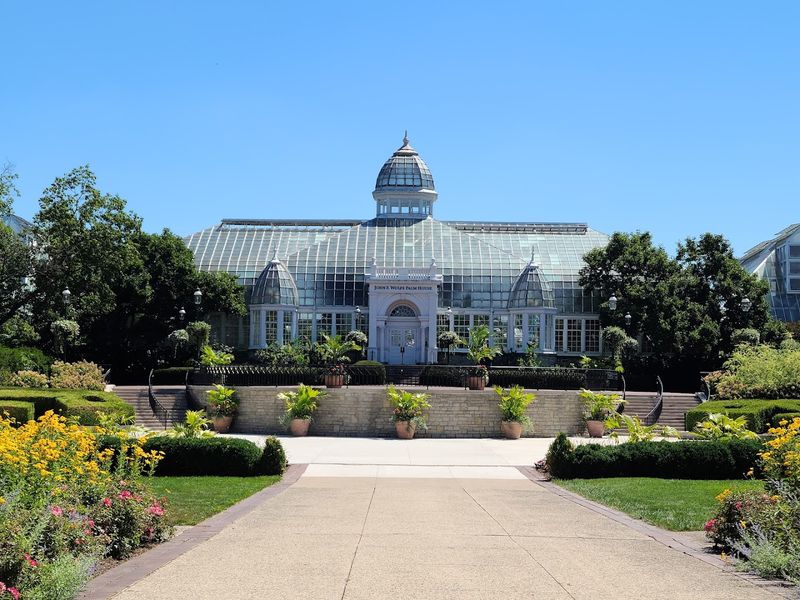
Walking into Franklin Park Conservatory feels like stepping into a completely different climate zone, which is honestly one of the most satisfying things you can do on a chilly Ohio spring morning.
Located at 1777 E. Broad Street in Columbus, this stunning glasshouse complex covers over 400 varieties of plants spread across distinct biomes, from the cool Pacific Island water garden to the lush tropical rainforest section.
Spring is when the outdoor gardens truly steal the spotlight, with thousands of tulips, daffodils, and ornamental cherry trees bursting into color around the grounds.
The annual Blooms and Butterflies exhibition typically runs through spring, filling the conservatory with hundreds of live butterflies fluttering among fresh flowers.
Kids absolutely love trying to spot the butterflies landing on visitors, and adults appreciate the peaceful, unhurried atmosphere inside.
Columbus is easy to reach from most parts of Ohio, making this a smart first stop on any spring itinerary. Plan at least two hours here to do it justice.
2. The Dawes Arboretum, Newark, Ohio
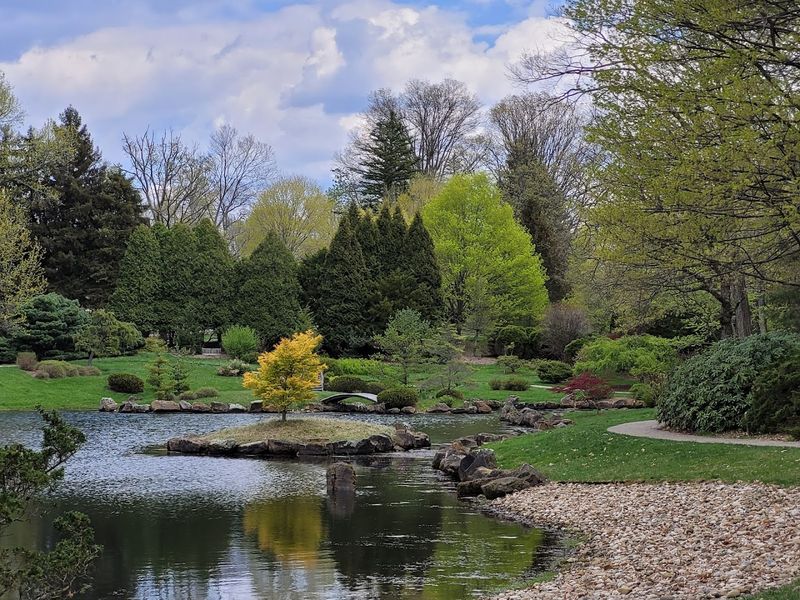
Few places in Ohio make you feel as quietly awestruck as The Dawes Arboretum, where nearly 2,000 acres of curated natural landscape unfold in every direction.
Found at 7770 Jacksontown Road in Newark, this arboretum has been welcoming visitors since 1929, and spring is hands-down the season when it earns every bit of its reputation.
The Japanese Garden, with its carefully shaped trees and reflective pond, looks especially serene when framed by spring greenery and early-blooming shrubs.
One of the most charming features here is the hedge maze planted in the shape of “DAWES ARBORETUM” when viewed from the sky, a fun little detail that surprises first-time visitors every time.
More than 12 miles of hiking trails wind through native woodland areas where wildflowers like trillium and Virginia bluebells create soft carpets of color in April and May.
Admission is charged for most visitors, but it remains a very good value for the amount of landscape you can explore in a single visit.
Bring a picnic and make an afternoon of it.
3. Inniswood Metro Gardens, Westerville, Ohio
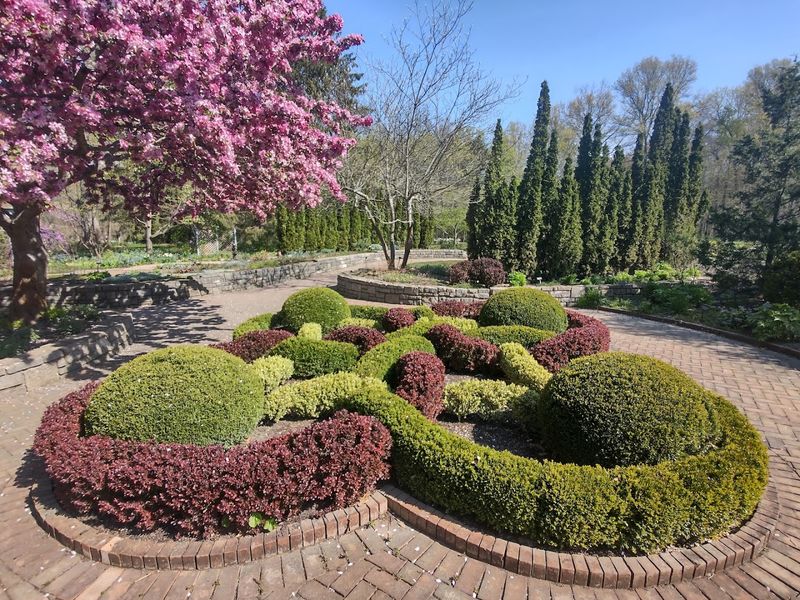
There is something deeply satisfying about a garden that manages to feel both meticulously designed and completely relaxed at the same time, and Inniswood Metro Gardens pulls that off beautifully.
Tucked into Westerville at 940 S. Hempstead Road, this 123-acre public garden is a Franklin County treasure that locals have been quietly enjoying for decades.
Spring is the prime time to visit, when the rock garden erupts with color, the herb garden fills the air with fresh scents, and the woodland paths offer shaded walks through patches of native wildflowers.
The children’s garden section makes this a genuinely fun outing for families, with interactive features that keep younger visitors engaged while adults admire the perennial borders.
Photographers especially love the early morning light here, when dew still clings to the petals and the crowds have not yet arrived.
Admission is free, parking is easy, and the whole experience feels like a well-kept neighborhood secret that you’ll want to share with everyone you know after your first visit.
4. Ault Park, Cincinnati, Ohio
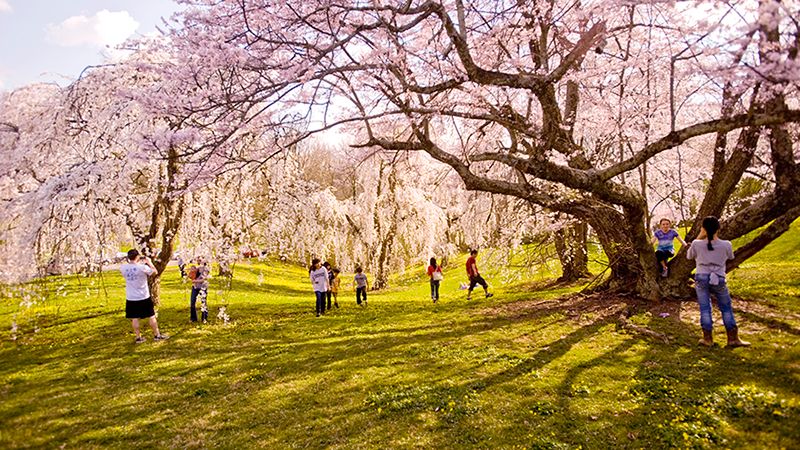
Perched high above the Little Miami River valley on Cincinnati’s east side, Ault Park delivers panoramic views that pair perfectly with the explosion of spring color happening across its 224 acres.
At 5090 Observatory Circle in Cincinnati, this beloved park has been a gathering spot for families and nature lovers since the early 1900s, and it has only gotten better with time.
Spring brings an especially dramatic transformation here, with flowering cherry trees, magnolias, and dogwoods framing the elegant stone pavilion in soft pinks and whites.
The park’s azalea collection is one of the finest in southwestern Ohio, typically peaking in late April and drawing visitors from across the region to photograph the vivid blooms.
Miles of trails wind down into the wooded ravines below the main lawn, where you can follow Ault Park Creek and spot native spring ephemerals emerging from the leaf litter.
Sunsets from the pavilion overlook are quietly spectacular in spring, making an early evening visit one of the smartest moves you can plan on this trip.
5. Spring Grove Cemetery and Arboretum, Cincinnati, Ohio
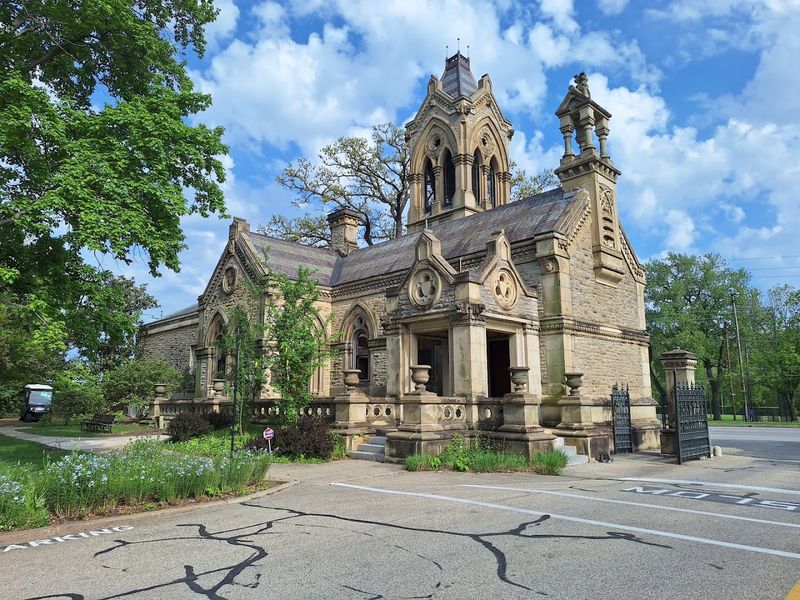
It might sound unconventional to recommend a cemetery for a spring outing, but Spring Grove is not your average resting place, and once you see it, you’ll completely understand the enthusiasm.
Located at 4521 Spring Grove Avenue in Cincinnati, this National Historic Landmark covers 733 acres and functions as one of the most spectacular arboretums in the entire country.
Spring here is genuinely breathtaking, with over 1,000 labeled tree species leafing out alongside flowering cherries, magnolias, and redbuds that create vivid reflections in the park’s serene lakes.
The landscape design, inspired by the rural cemetery movement of the 19th century, means the grounds flow naturally and feel more like a botanical park than anything somber.
Birdwatchers flock here during spring migration because the mature trees and quiet setting attract an impressive variety of warblers, thrushes, and other songbirds passing through Cincinnati.
A self-guided tree tour map is available at the entrance, turning your walk into a genuinely educational adventure that keeps you discovering new things around every bend.
6. Cleveland Botanical Garden, Cleveland, Ohio
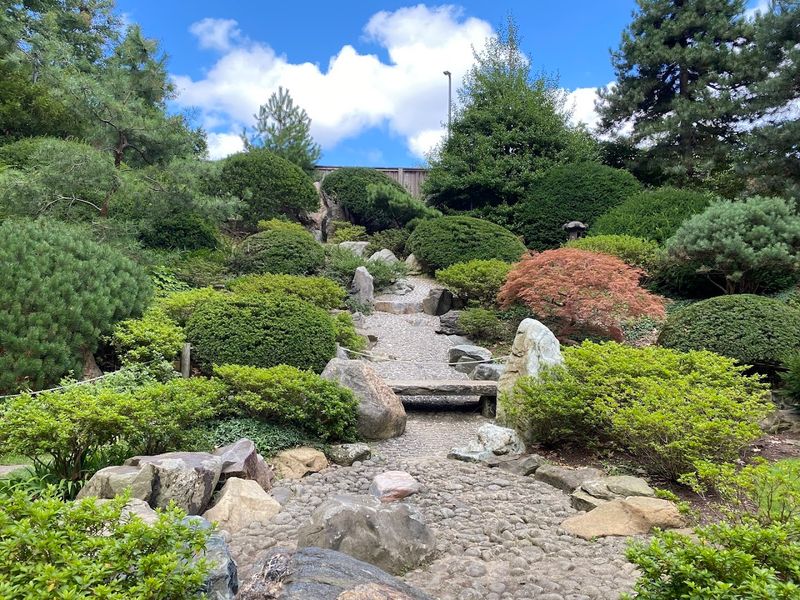
Right in the heart of University Circle, Cleveland Botanical Garden brings serious horticultural energy to one of Ohio’s most culturally rich neighborhoods, and spring is when it truly shines.
At 11030 East Boulevard in Cleveland, the garden covers 10 acres of outdoor display gardens alongside its famous glass conservatory, which houses ecosystems from Costa Rica and Madagascar year-round.
Outside in spring, the rose garden begins to bud, the woodland garden carpets itself in native ephemeral flowers, and the herb garden fills with the clean, green scent of new growth.
The Eleanor Squire Library inside the garden is a wonderful resource for plant lovers, offering books and records that deepen your appreciation of what you’re seeing outside.
Cleveland’s University Circle location means you can pair a garden visit with stops at the Cleveland Museum of Art or the Museum of Natural History, all within easy walking distance.
Spring weekends here often include family programs and guided walks, so checking the events calendar before you go is always a smart move that pays off with a richer experience.
7. Holden Arboretum, Kirtland, Ohio
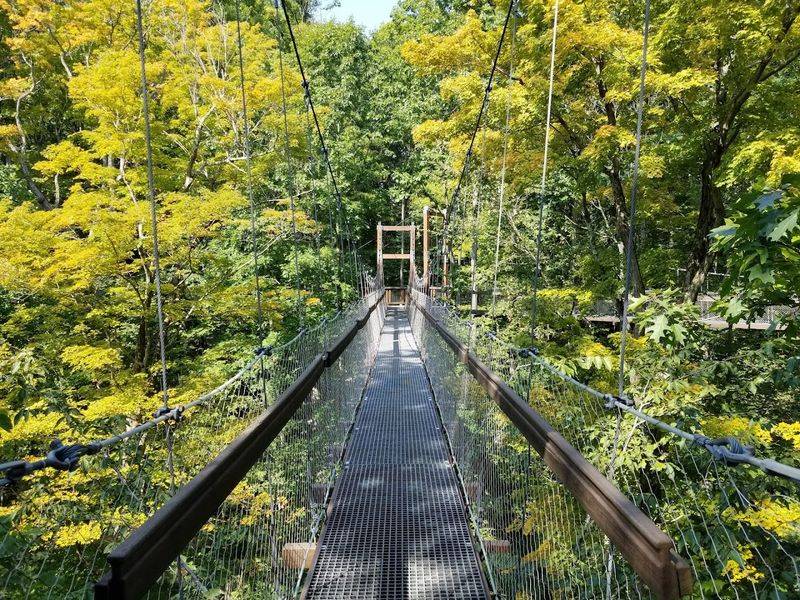
At nearly 3,600 acres, Holden Arboretum in Kirtland is one of the largest arboreta in the entire country, and in spring, that sheer scale becomes one of its most exciting features.
Located at 9550 Sperry Road in Kirtland, northeast Ohio, this remarkable place offers more than 20 miles of trails winding through collections of conifers, flowering trees, native woodland, and open meadows.
The lilac collection peaks in May and draws visitors from across the region, filling the air with a fragrance that somehow makes every photograph look better than it deserves to.
Holden also features a canopy walk that rises about 65 feet above the forest floor and an observation tower that climbs to roughly 120 feet, both of which offer jaw-dropping views over the treetops during the fresh green flush of early spring.
The rhododendron garden, one of the finest in Ohio, begins blooming in late spring with a riot of purples, pinks, and whites that stops visitors in their tracks.
Plan for a full day here because Holden rewards slow exploration, and rushing through it would be like flipping too fast through the best book you’ve ever picked up.
8. Stan Hywet Hall and Gardens, Akron, Ohio
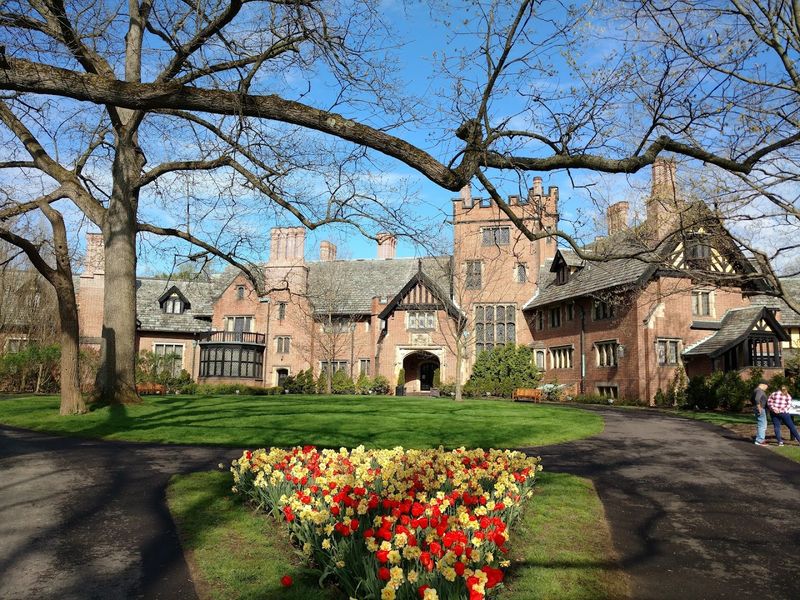
Stan Hywet Hall and Gardens in Akron is the kind of place that makes you feel like you’ve accidentally wandered into an English countryside estate, which is exactly what the Seiberling family intended when they built it in 1915.
At 714 North Portage Path in Akron, this 70-acre National Historic Landmark combines a stunning Tudor Revival mansion with meticulously restored gardens that reach their peak beauty in spring.
The English Garden, designed by landscape architect Ellen Shipman, bursts into color with thousands of tulips, alliums, and spring perennials that are carefully maintained to reflect the original early 20th-century planting scheme.
The Japanese Garden offers a quieter counterpoint, with cherry blossoms and early-blooming shrubs creating a more contemplative mood along its winding stone paths.
Guided tours of the manor house run throughout spring and pair perfectly with a garden walk, giving you both architectural history and natural beauty in one visit.
Akron is easily accessible from Cleveland and Canton, making Stan Hywet a natural anchor for a northeast Ohio spring day trip that punches well above its weight.
9. Kingwood Center Gardens, Mansfield, Ohio
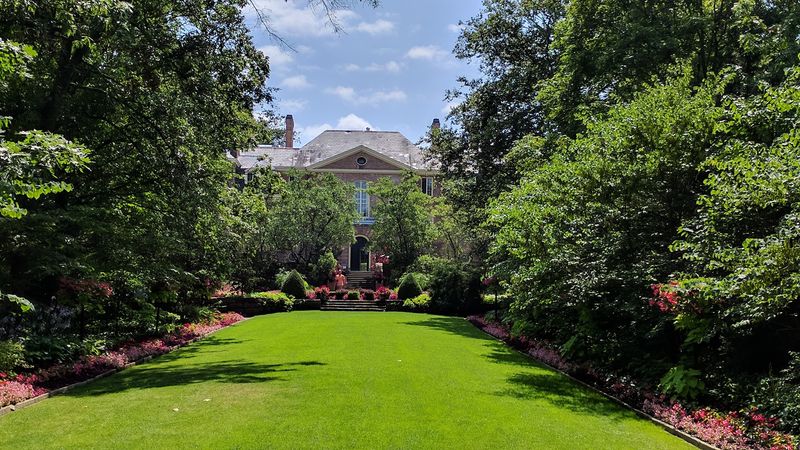
Tucked into Mansfield in north-central Ohio, Kingwood Center Gardens is the kind of spring destination that earns its reputation loudly, with over 100,000 spring-blooming bulbs putting on a show that visitors genuinely plan their calendars around.
At 50 N. Trimble Road, this 47-acre estate surrounds a beautiful French Provincial mansion and features formal garden rooms, a greenhouse complex, and sweeping naturalistic plantings that shift in color as the weeks progress.
The tulip display alone is worth the trip, with formal beds arranged in bold geometric patterns that photograph brilliantly in the soft morning light of April and May.
Beyond the flowers, the grounds include a working greenhouse where you can see plants being propagated, adding a behind-the-scenes educational angle that not many public gardens offer.
A small cafe on site means you can refuel without leaving the property, which is handy when you realize you’ve spent three hours wandering and still haven’t seen everything.
Admission is budget-friendly, the parking is free, and the whole vibe is relaxed and unhurried in the best possible way.
10. Hocking Hills State Park, Logan, Ohio
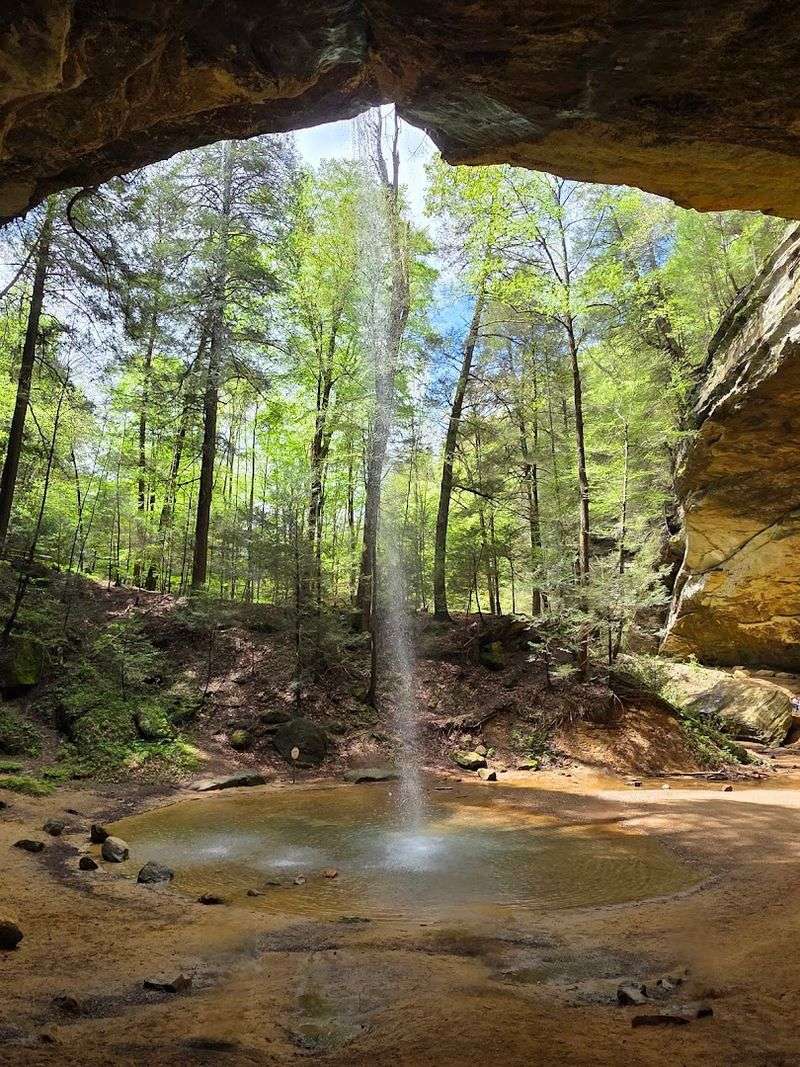
Spring transforms Hocking Hills into something that looks almost too dramatic to be real, with waterfalls running at full power, ferns unfurling bright green from every rock ledge, and the ancient sandstone cliffs dripping with fresh moisture.
Located at 19852 State Route 664 South near Logan in southeastern Ohio, this park is one of the most visited natural areas in the state, and for very good reason.
The Old Man’s Cave trail is the classic starting point, winding through a spectacular recess cave and gorge where the spring runoff creates rushing cascades that echo off the sandstone walls.
Ash Cave, the largest recess cave in Ohio, is especially magical in spring when a slender waterfall pours over its curved rim into the shallow pool below.
Wildflowers including wild ginger, trout lily, and Dutchman’s breeches emerge along the trails in April, adding delicate color to the rugged landscape.
Arrive early on weekends because Hocking Hills gets busy fast, and the first person on the trail always gets the best light, the quietest gorge, and the most memorable morning.
11. Mohican State Park, Loudonville, Ohio
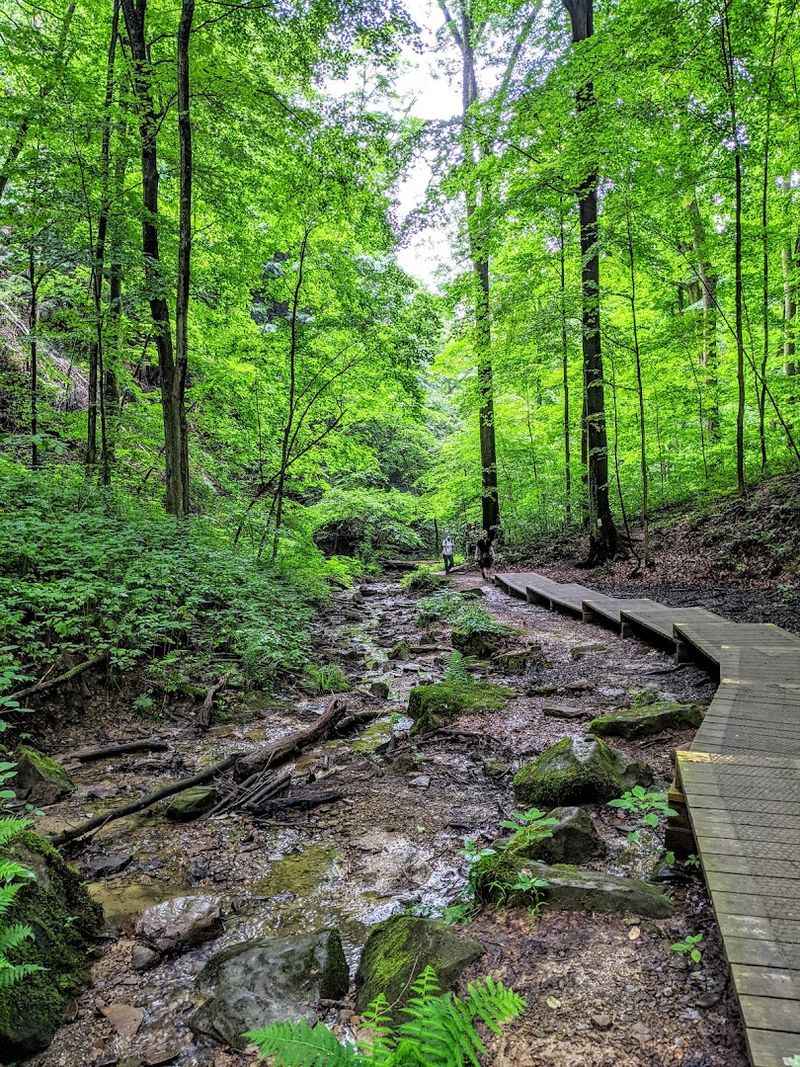
If there is a more peaceful river valley in Ohio than the one carved by the Clear Fork of the Mohican River, I have not found it yet, and spring is the absolute best time to prove that claim correct.
At 3116 State Route 3 near Loudonville in north-central Ohio, Mohican State Park covers over 1,100 acres of rugged forested terrain that feels genuinely wild even on a busy spring weekend.
The Lyons Falls Trail is a spring highlight, leading hikers through a hemlock-shaded gorge to a pair of cascading waterfalls that run with impressive energy after the winter snowmelt.
Canoeing and kayaking on the Clear Fork become popular as the water warms in May, offering a completely different perspective on the same beautiful landscape you’d see from the trails.
Covered bridges dot the surrounding Mohican country, making the drive to and from the park a scenic adventure in its own right, especially when the countryside is fresh and green.
The campground here books up quickly in spring, so reserving your spot early is less of a suggestion and more of an absolute necessity if you want to stay overnight.
12. Cuyahoga Valley National Park, Peninsula, Ohio
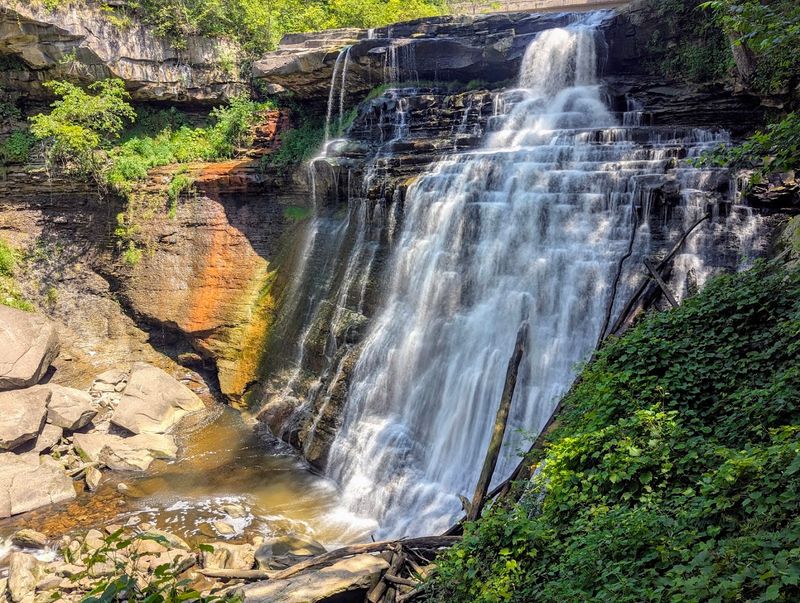
Cuyahoga Valley National Park is proof that you do not need to travel to the American West to find a national park experience that genuinely takes your breath away.
With its main visitor access point at the Boston Mill Visitor Center at 6947 Riverview Road in Peninsula, this park stretches 33,000 acres through the Cuyahoga River valley between Cleveland and Akron in northeastern Ohio.
Spring is spectacular here, with the towpath trail along the old Ohio and Erie Canal corridor bursting into color as wildflowers emerge and migratory birds return to the riparian woodland.
Brandywine Falls, one of the most photographed waterfalls in Ohio, thunders with spring runoff and is easily accessible via a short boardwalk trail that works for most fitness levels.
The Cuyahoga Valley Scenic Railroad operates spring excursions that let you enjoy the landscape from a vintage train car, which is a genuinely fun way to see parts of the park you might otherwise miss on foot.
Pack layers because valley temperatures in April can swing dramatically between morning and afternoon, and being comfortable means staying out longer to enjoy every bit of it.
13. Maumee Bay State Park, Oregon, Ohio
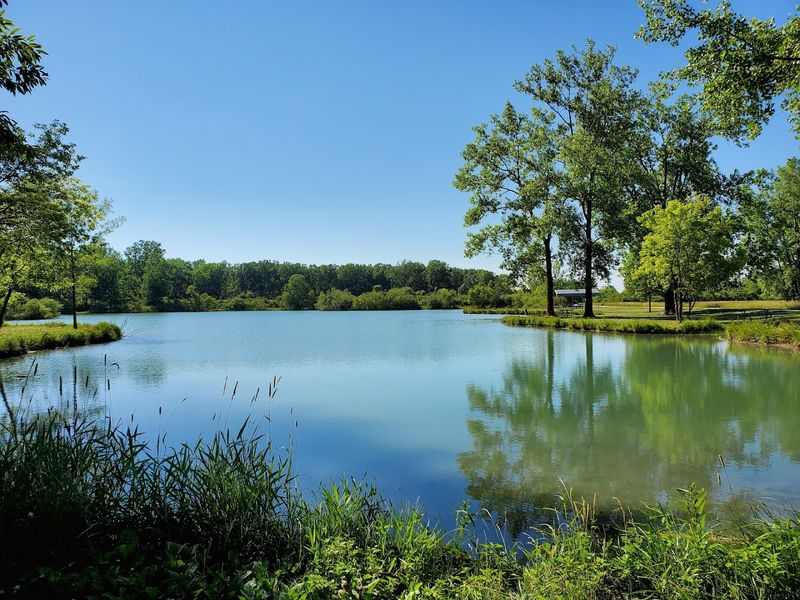
Northwestern Ohio does not always get the spring spotlight it deserves, but Maumee Bay State Park along the Lake Erie shore is quietly one of the most rewarding seasonal destinations in the entire state.
At 1400 State Park Road in Oregon, just east of Toledo, this park sits on the southwestern shore of Lake Erie and offers a landscape that feels surprisingly expansive and open after a long winter indoors.
Spring migration turns the park’s wetland boardwalk into one of the best birdwatching spots in Ohio, with warblers, shorebirds, and waterfowl moving through in impressive numbers during April and May.
The Maumee Bay area is actually part of the Lake Erie Birding Trail, and serious birders from across the Midwest make the trip specifically for the spring migration spectacle that unfolds here each year.
Beyond birding, the beach and picnic areas come alive in spring, offering a relaxed lakeside atmosphere before the summer crowds arrive and change the whole energy of the place.
The lodge and cabins on site make an overnight stay easy to organize, and waking up to a Lake Erie sunrise in May is the kind of thing that sticks with you for a long time.
14. Glen Helen Nature Preserve, Yellow Springs, Ohio
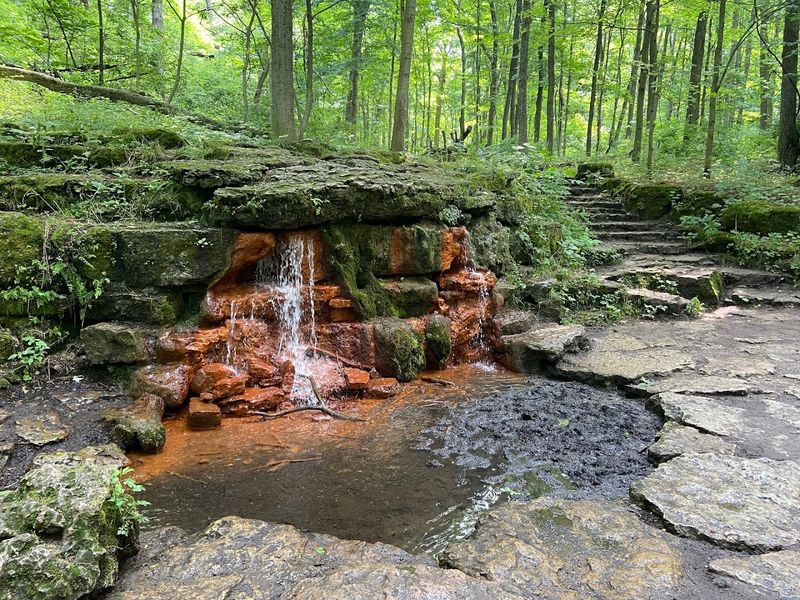
Yellow Springs is already one of the most charming small towns in Ohio, and the fact that it comes with Glen Helen Nature Preserve attached to it feels almost unfairly generous.
At 405 Corry Street in Yellow Springs in southwestern Ohio, this 1,000-acre preserve is owned and managed by the Glen Helen Association and has been a protected natural area since 1929, which shows in the remarkable maturity of its forest.
The spring wildflower display here is legendary among Ohio naturalists, with Virginia bluebells, trout lilies, trillium, and wild phlox creating dense sweeps of color along the Yellow Springs Creek corridor in April.
The Yellow Spring itself, a natural mineral spring that gives the town its name, flows year-round and takes on an especially atmospheric quality when surrounded by fresh spring greenery and birdsong.
The preserve’s trail network covers about 25 miles of paths ranging from easy creek-side strolls to more challenging ridge climbs, giving visitors of every ability level a satisfying route to explore.
Combine your visit with a walk through the village of Yellow Springs afterward, where local shops and cafes make the perfect low-key ending to a day spent among some of Ohio’s finest natural scenery.