
These Quiet Illinois Towns Make Affordable Retirement Possible On Around $1,200 A Month
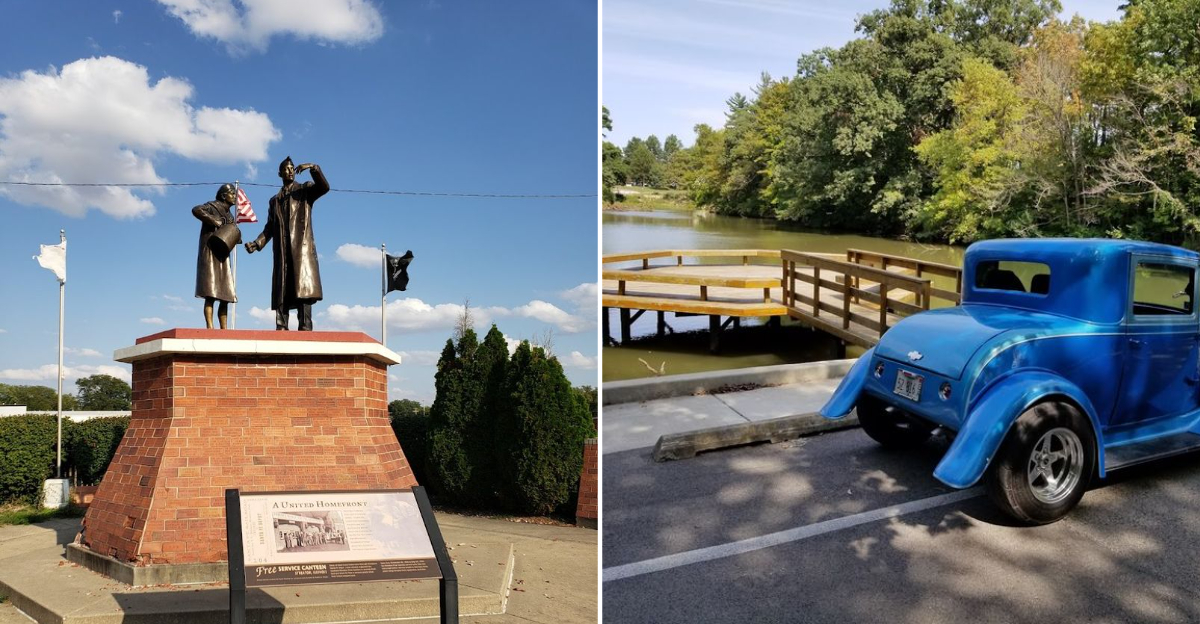
Retirement on a tight budget does not have to mean giving up comfort, community, or a good quality of life. Illinois, often overlooked in favor of warmer Sun Belt states, hides some genuinely affordable small towns where your money stretches surprisingly far.
After diving deep into research, I found ten places that stand out for their affordability without compromising on the quality of life. What I found was encouraging: relatively lower home prices in many areas, reasonable rents in some neighborhoods, friendly neighbors, and plenty of peaceful surroundings.
If you’ve been wondering if it’s possible to retire comfortably on just $1,200 a month, these spots in Illinois might just change your perspective and inspire a new chapter of your retirement plans.
1. Mendota
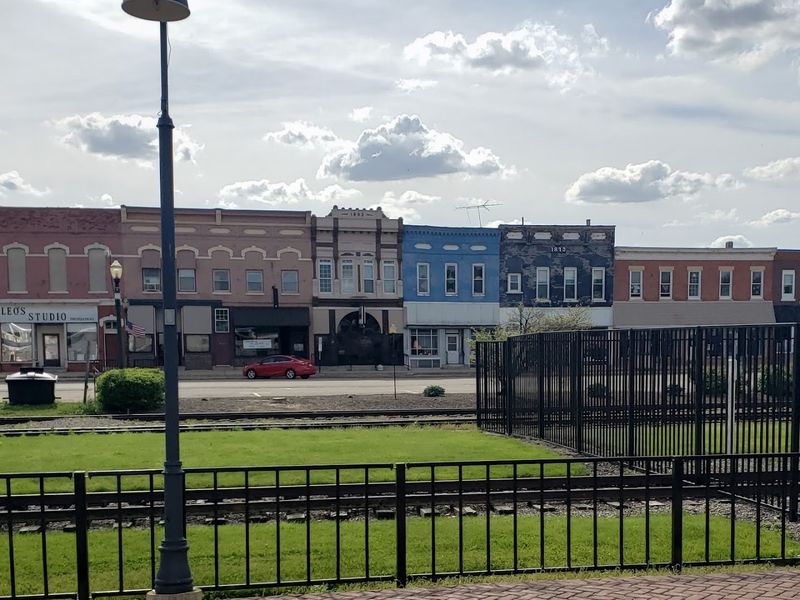
Right in the heart of north-central Illinois, Mendota sits in LaSalle County and carries the kind of old-school Midwestern charm that feels increasingly rare.
The town is home to around 7,000 people, which means you get genuine community without the noise and congestion of a larger city. Grocery stores, medical clinics, and local diners are all within easy reach, making daily life refreshingly uncomplicated.
Housing costs here are one of the biggest draws for retirees watching their budget. One-bedroom rentals can sometimes be found under $700 a month depending on availability, and modest homes may still be priced below six figures in some neighborhoods.
That kind of affordability leaves room in a $1,200 monthly budget for utilities, food, and even a few small luxuries.
Mendota hosts the annual Sweet Corn Festival, a beloved local tradition that draws visitors from across the region and gives residents a real sense of place and pride. The surrounding countryside offers quiet roads and open views, and the town’s parks provide accessible places to walk.
If quiet mornings, low costs, and a town that still waves hello sound appealing, Mendota deserves a serious look on your retirement shortlist.
2. La Salle
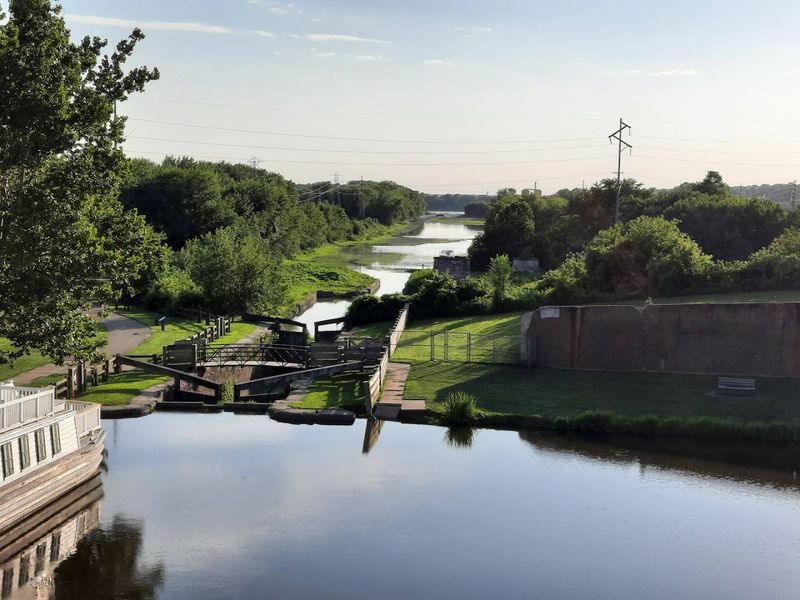
Perched along the Illinois River in LaSalle County, La Salle has a rich industrial and cultural history that gives it more personality than many towns its size.
With a population of roughly 9,000, it offers the kind of walkable downtown that retirees tend to appreciate, complete with local shops, a public library, and easy access to healthcare services nearby.
The cost of living in La Salle is genuinely low. One-bedroom rents vary widely and are often higher than older estimates, and buyers should plan carefully for Illinois’s generally higher property taxes.
A retiree working with $1,200 a month may be able to cover essentials here more easily than in many Illinois cities, especially with low housing costs or a paid-off home.
The Illinois River Corridor adds real recreational value to life here. Fishing, birdwatching, and riverside walks are all free activities that fill a retirement schedule with purpose and fresh air.
The nearby Starved Rock State Park, just a short drive away, is one of Illinois’s most visited natural landmarks and gives La Salle residents access to stunning canyons and waterfalls year-round. La Salle rewards those who choose it with history, nature, and a budget that actually breathes.
3. Streator
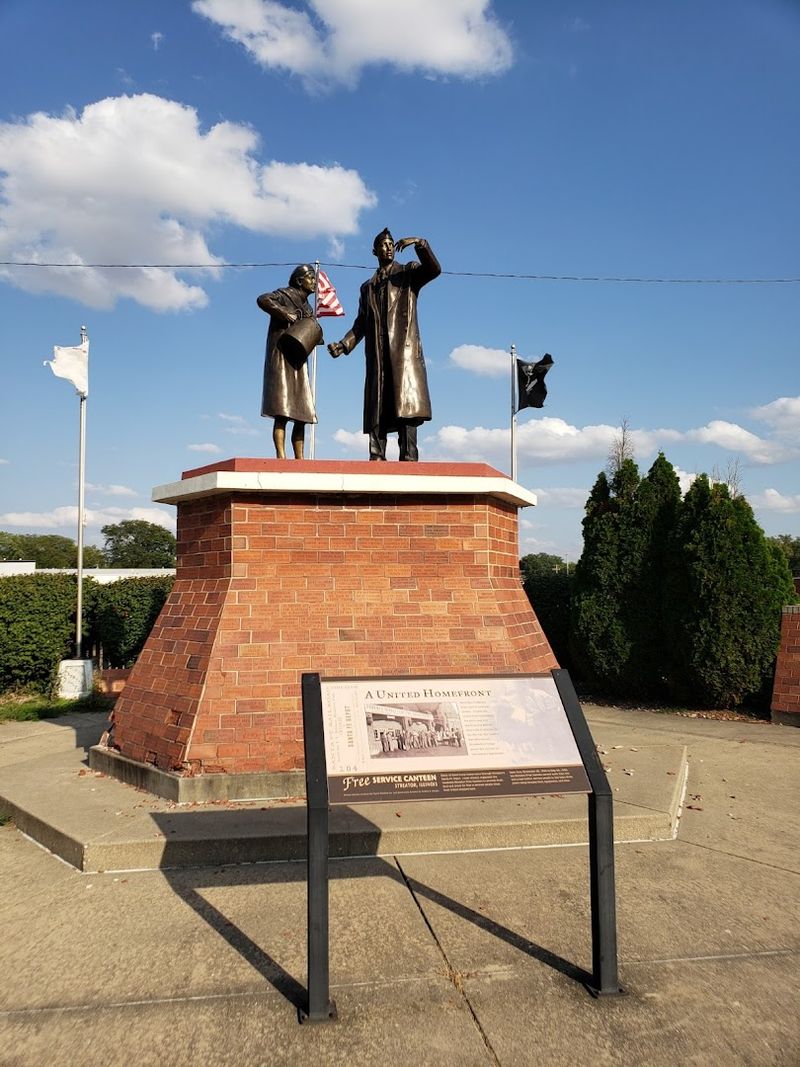
Streator sits in LaSalle County about 90 miles southwest of Chicago, and it punches well above its weight when it comes to affordable retirement living.
The town has a population of around 12,500, giving it enough infrastructure to feel convenient without the busyness that wears retirees down. You will find grocery chains, pharmacies, and a local hospital system within the community.
Housing is where Streator really shines for budget-conscious retirees. Home prices have risen in recent years, but Streator can still be more affordable than many parts of Illinois.
Lower-cost rentals can sometimes be found, but one-bedroom rents depend heavily on current availability, so it is best to check recent listings before budgeting.
The town has a proud glassmaking history, and local museums keep that heritage alive for curious residents. Streator also has parks, a public pool, and community events that bring neighbors together throughout the year.
The Vermilion River runs nearby, offering peaceful spots for fishing and quiet reflection. For retirees who want low costs, a real sense of history, and a community that feels lived-in rather than polished, Streator offers something genuinely satisfying and sustainable.
4. Tuscola
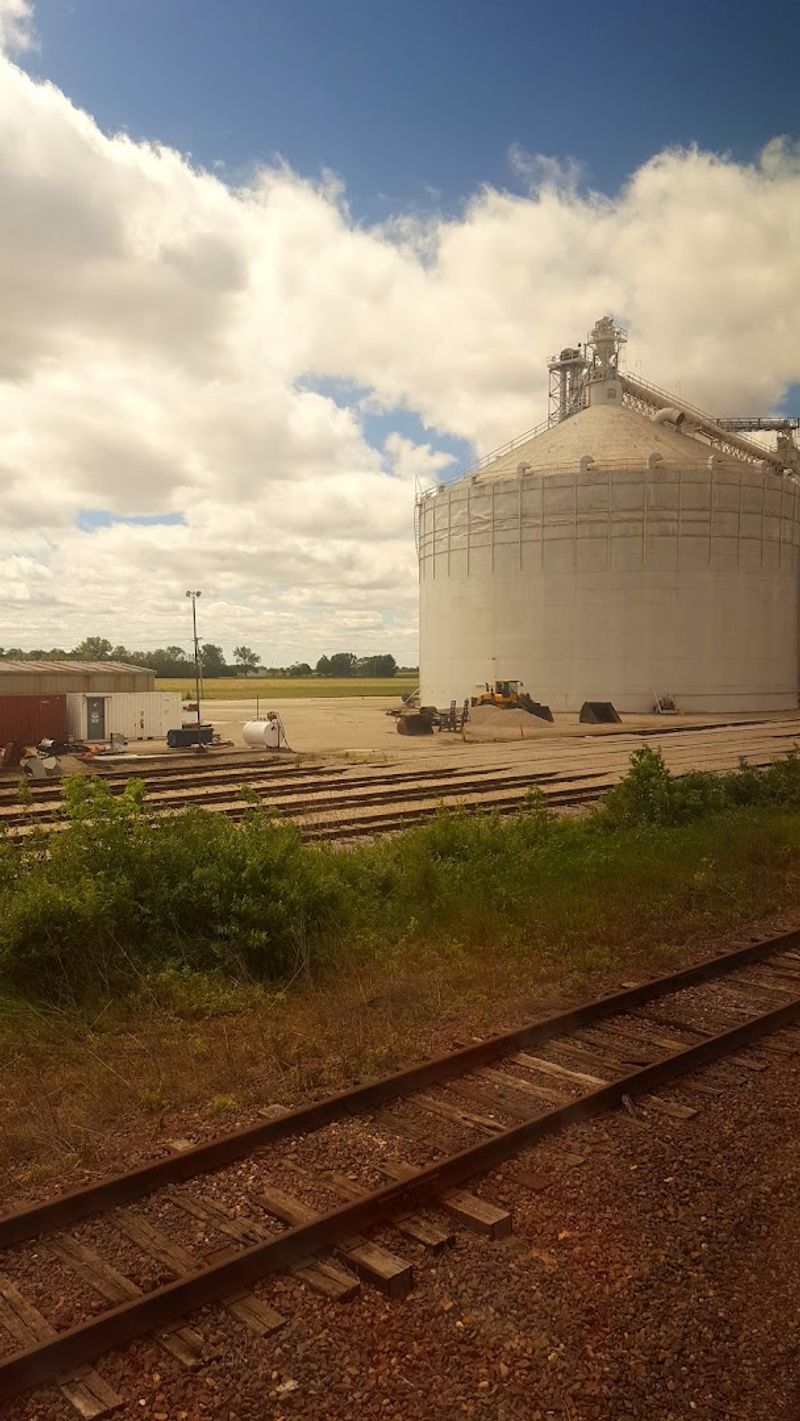
About 20 miles south of Champaign-Urbana, Tuscola is a Douglas County town of about 4,600 people that offers a small-town lifestyle at a lower cost than nearby metro areas.
The town square is genuinely picturesque, anchored by a classic courthouse and surrounded by local businesses that have served the community for generations.
One of Tuscola’s practical advantages is its proximity to Champaign, which means access to a major university hospital, larger retail options, and cultural events, all without paying Champaign prices for housing.
In Tuscola itself, rentals and home prices remain very affordable, with modest homes often listed under $90,000 and monthly rents well within a tight budget.
Amish country is nearby in east-central Illinois, particularly around Arthur, adding a unique cultural texture to the wider region. Farmers markets, roadside produce stands, and handcrafted goods are part of everyday life here.
Retirees who enjoy a slower pace, fresh local food, and a community where people genuinely know each other will find Tuscola unexpectedly rewarding. The combination of small-town calm and nearby urban access makes it one of the more strategically smart retirement choices on this list.
5. Taylorville
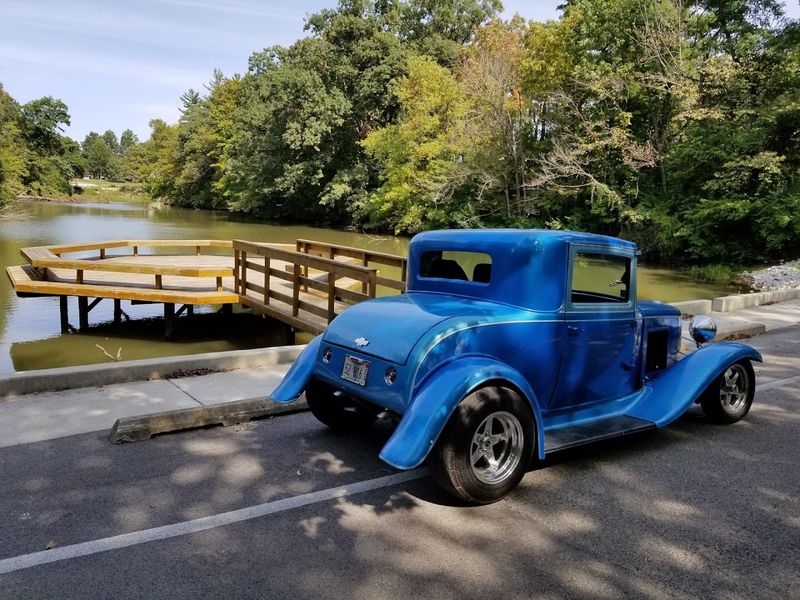
Christian County’s seat, Taylorville, sits in central Illinois with a population around 10,500 and a cost of living that is often lower than larger Illinois metros. The town has a full-service hospital, multiple grocery options, and a library system, covering the practica
l needs that retirees prioritize most. Getting around is easy because the town is compact and largely flat, which matters more than people expect as they age.
Housing costs in Taylorville are some of the most manageable you will find anywhere in Illinois. Housing can still be affordable, but current home prices and rents vary, so budgeting should be based on up-to-date local listings and recent sales.
For a retiree living on $1,200 a month, that kind of housing expense leaves real breathing room for everything else.
Lake Taylorville, a roughly 1,200-acre reservoir just outside of town, is a quiet treasure that residents enjoy for fishing, boating, and shoreline walks. The town also hosts seasonal festivals and community gatherings that keep social calendars from going completely empty.
Taylorville has that unhurried rhythm that makes retirement feel like it is supposed to feel: calm, purposeful, and genuinely affordable without constant compromise.
6. Watseka
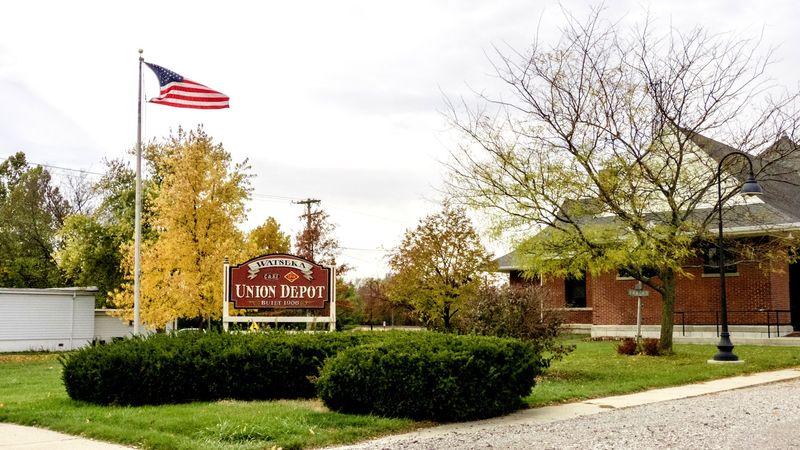
Iroquois County’s seat, Watseka, carries a quiet dignity that suits retirement perfectly. Located about 90 miles south of Chicago near the Indiana border, this town of roughly 4,700 people moves at a pace that feels restorative rather than stagnant.
The courthouse square anchors a modest but functional downtown where local businesses have held on with real community support.
The cost of living in Watseka is notably low even by Illinois small-town standards. Home prices can be lower than many parts of Illinois, but both purchase prices and rents vary by listing and have generally trended upward in recent years.
For retirees managing a fixed income around $1,200 monthly, those housing numbers create a genuinely workable financial picture without requiring dramatic lifestyle sacrifices.
The Iroquois River winds through the area, offering fishing spots, wildlife viewing, and peaceful walking paths that cost nothing to enjoy. Watseka also has a strong sense of civic pride, with local events, a county fair, and community organizations that welcome newcomers warmly.
Healthcare access is available locally, with additional options in nearby Kankakee County. Watseka may not appear on many retirement radar screens, but that oversight works in your favor when you are looking for value, quiet, and genuine community connection.
7. Westville
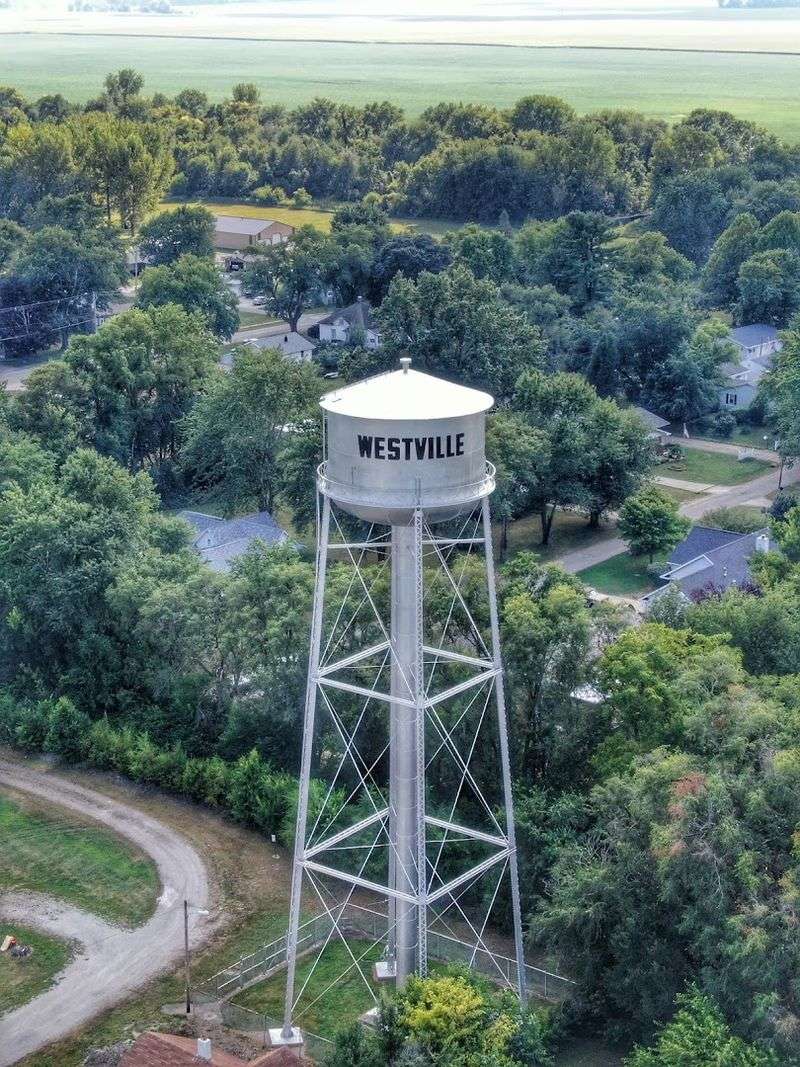
Vermilion County’s Westville is a compact town of about 3,200 people located just west of Danville near the Indiana border.
What it lacks in size it more than makes up for in affordability and community spirit. The town has a friendly, close-knit feel where neighbors know each other’s names, which is something that can be genuinely hard to find in larger retirement destinations.
Housing costs in Westville are among the lowest in the entire state. Small homes can be purchased for under $60,000, and monthly rent for basic accommodations can be relatively low, but it varies by availability and is not consistently below $500.
That leaves a retiree on $1,200 a month with substantial funds available for food, transportation, and personal healthcare expenses without constant financial anxiety.
The nearby Middle Fork State Fish and Wildlife Area offers excellent birdwatching, hiking, and fishing for nature-loving retirees who want outdoor activity without driving far. Danville, just a few miles east, provides access to a hospital, larger grocery stores, and additional services when needed.
Westville rewards retirees who do not need flash or fanfare with something more durable: low costs, genuine neighbors, and a pace of life that actually allows you to rest, breathe, and enjoy the years ahead.
8. Hoopeston
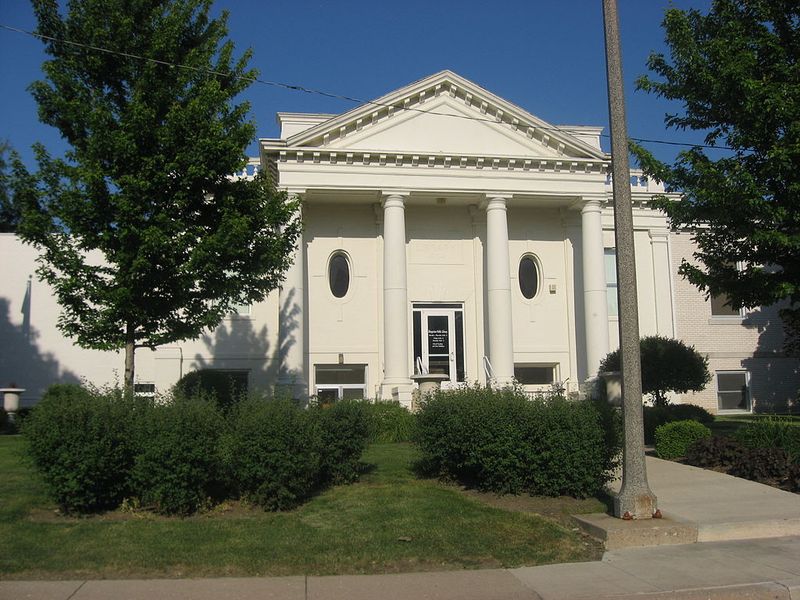
Hoopeston is a Vermilion County town of around 4,900 people with a deeply rooted agricultural identity and a community that takes pride in its self-sufficiency.
Known historically as a sweet corn canning hub, the town still celebrates that heritage each year with the National Sweetcorn Festival, one of the oldest festivals of its kind in the country. That kind of local tradition gives retirees a real cultural anchor.
Financially, Hoopeston is one of the most compelling options on this list. Some homes are priced very affordably, but typical prices vary, so it is best to compare current listings and recent sales before assuming sub-$50,000 options will be available.
Monthly rentals can be found for $400 to $600, which is extraordinary value even by rural Illinois standards.
The town has parks, a local library, and community organizations that keep social life active without requiring much spending. Vermilion County has healthcare facilities, and the larger city of Danville is close enough for specialist appointments or major shopping trips.
Retirees who grew up in small agricultural communities or who simply crave that unhurried, grounded lifestyle will feel immediately at home in Hoopeston. The low costs are the headline, but the community warmth is what actually keeps people there long-term.
9. Pontiac
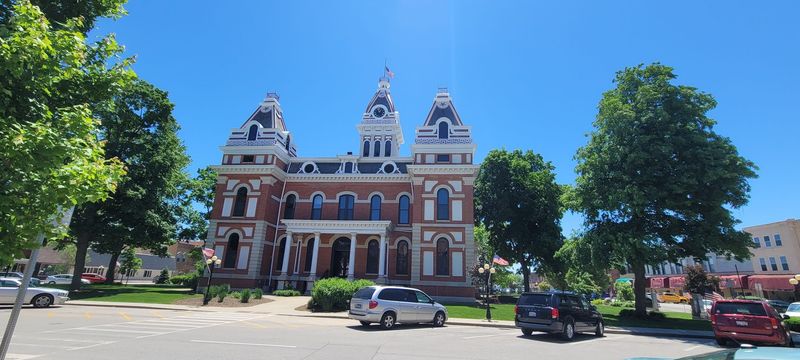
Livingston County’s seat, Pontiac, has something most small Illinois towns cannot claim: it sits directly on historic Route 66. That heritage gives the town a tourism economy, a string of well-preserved murals and museums, and a Main Street that actually has foot traffic.
For retirees who enjoy a bit of activity and cultural interest without urban chaos, Pontiac lands in a genuinely sweet spot.
Despite its Route 66 appeal, Pontiac remains very affordable. Home prices and rents have increased in recent years, but Pontiac can still be more affordable than many Illinois communities, with many rentals potentially fitting within a $1,200 monthly budget.
The town has a hospital, retail options, restaurants, and a public library, covering most daily needs without requiring long drives.
The Vermilion River runs through Pontiac, and the town has invested in riverside parks and walking trails that give retirees pleasant outdoor options year-round. The Route 66 Museum is often free or donation-based and provides entertainment for history enthusiasts and visiting family.
Pontiac also has an active senior center that organizes regular programs and social events. For retirees who want affordability paired with a genuine sense of history and community energy, Pontiac stands out as one of the most well-rounded choices in Illinois.
10. Gilman
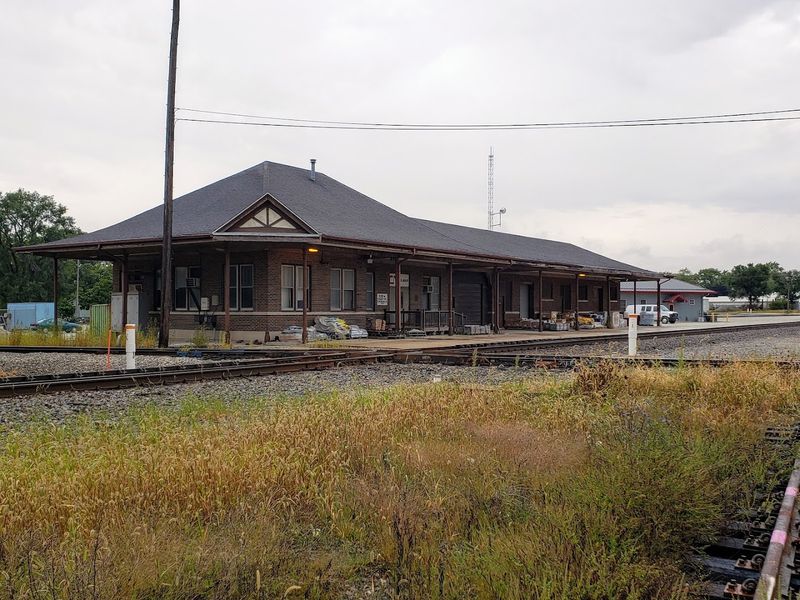
Gilman sits in Iroquois County with a population of around 1,700, making it the smallest and perhaps the most genuinely quiet entry on this list. If the idea of knowing your mail carrier by name and hearing crickets at night sounds like retirement done right, then Gilman deserves your full attention.
The town is small, yes, but it covers many basics with local shopping and medical options nearby, along with a tight-knit community that looks out for its own.
The financial case for Gilman is hard to argue with. Home prices in town regularly fall below $50,000, and some properties are available for even less.
Rental costs can be lower than in many areas, but they depend on limited local inventory, so renters should confirm current prices before building a $1,200 monthly budget around very low rent assumptions.
The surrounding Iroquois County farmland provides a peaceful, wide-open landscape that many retirees find genuinely restorative after decades of busier living. Watseka, the county seat, is just a short drive away for additional services and healthcare access.
Gilman is not trying to impress anyone with big attractions, and that honesty is precisely its appeal. Sometimes the best retirement spot is the one that simply gets out of your way and lets you live.