
These Scenic Illinois Train Journeys Offer Breathtaking Winter Views
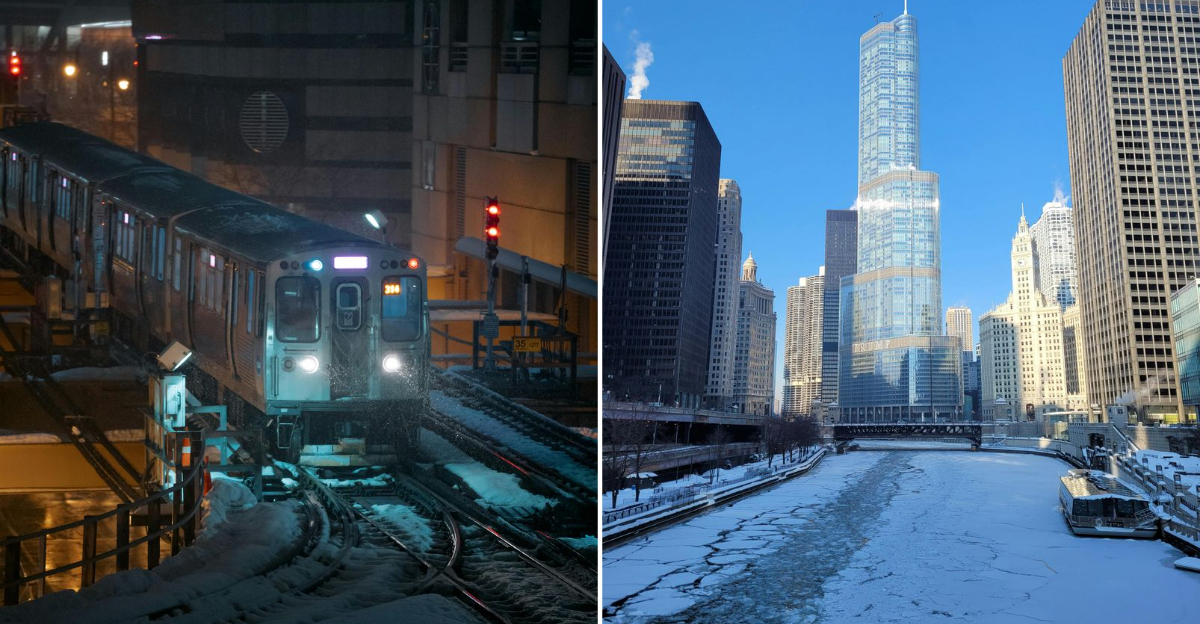
Winter in Illinois has a way of sneaking up on you. One day it’s gray and quiet, the next everything is frozen solid and strangely beautiful.
I’ve learned the best way to notice it isn’t from behind a steering wheel with cold fingers and road salt on the windshield, it’s from a train seat, coffee in hand, watching the world slide by. There’s something disarming about seeing Illinois slow down in winter.
Fields turn soft and pale. Rivers stiffen at the edges.
Small towns look like they’re holding their breath. On a train, there’s nothing to do but look, and that’s kind of the point. No traffic. No scraping ice.
Just long stretches of landscape that feel calmer, sharper, and more memorable once the temperature drops. These train journeys aren’t flashy, and that’s exactly why they work.
They’re steady, familiar routes that turn quietly impressive in winter, the kind of trips that stick with you long after you’ve stepped off the platform.
1. Amtrak Illinois Zephyr (Chicago to Quincy)
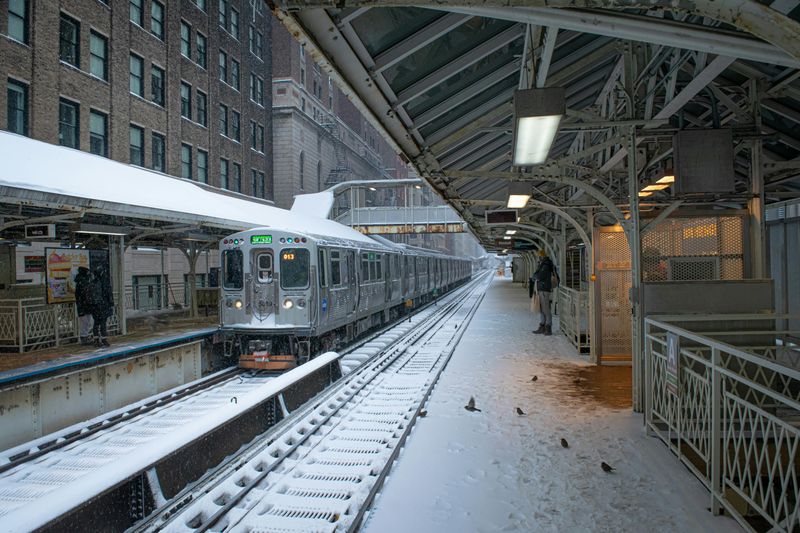
Picture this: you’re cradled in a comfortable seat while the Illinois countryside rolls past your window like a Bob Ross painting come to life. The Illinois Zephyr departs from Chicago Union Station at 225 South Canal Street, Chicago, IL 60606, and winds its way westward to Quincy, covering nearly 260 miles of pure Midwestern magic.
This route has been connecting the Windy City to the Mississippi River town of Quincy since the early 1970s, and winter only amplifies its charm.
The journey takes just over four hours, giving you plenty of time to watch farmhouses emerge from snowy fields like gingerbread houses on a frosted cake. You’ll pass through historic towns like Galesburg, birthplace of poet Carl Sandburg, where Victorian homes wear snow like fancy white hats.
Winter creeks and waterways along the route can appear frozen and reflective, creating mirror-like scenes that’ll have you reaching for your camera faster than you can say “cheese.”
What makes this route particularly special in winter is the way the low-angle sunlight illuminates the prairie landscape, creating long shadows and golden highlights across the snow.
Bare trees stand like intricate sculptures against pale skies, and if you’re lucky, you might spot deer foraging near the tracks or hawks perched on fence posts surveying their frozen kingdoms.
The train itself offers café service where you can grab hot coffee and snacks, because nothing pairs better with winter scenery than a warm beverage.
Many passengers bring books or journals, but honestly, the views are so captivating you might find yourself staring out the window the entire trip like a kid on Christmas morning.
2. Amtrak Carl Sandburg (Chicago to Quincy)
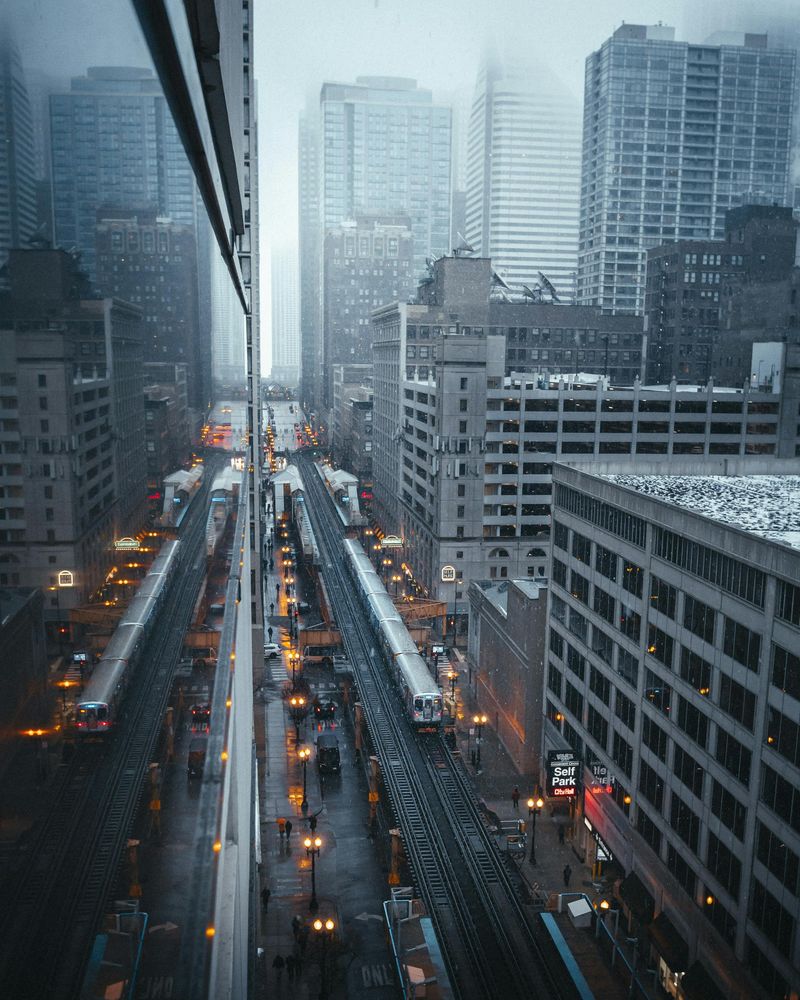
Named after the legendary Illinois poet who penned “Chicago” and won three Pulitzer Prizes, the Carl Sandburg follows the same spectacular route as the Illinois Zephyr but operates as a separate daily service on the same corridor.
Starting from Chicago Union Station at 225 South Canal Street, Chicago, IL 60606, this morning departure offers a different pace and atmosphere compared to the Zephyr.
It’s like watching the same movie with a different color filter, still amazing, just with a whole new vibe.
Morning light creates a softer mood across the winter landscape, casting pale tones across snow-covered fields as shadows stretch gently across the prairie. While sunset views aren’t typical on this run, the changing light still brings subtle shifts in color and texture as the day unfolds.
One of the hidden gems of this route is watching small-town Illinois come alive as the day gets underway. You’ll see early morning activity around town centers, smoke curling from chimneys, and Main Streets slowly waking up under a layer of snow.
It’s a slice of Americana that feels both timeless and intimate, like you’re peeking into a snow globe world.
The Carl Sandburg also tends to be less crowded than some peak commuter trains, giving you better chances of snagging a window seat.
Regulars recommend watching for scenic stretches as you approach Quincy, where winter ice often lines the Mississippi River, creating dramatic and ever-changing river views.
3. Amtrak Illini (Chicago to Carbondale)
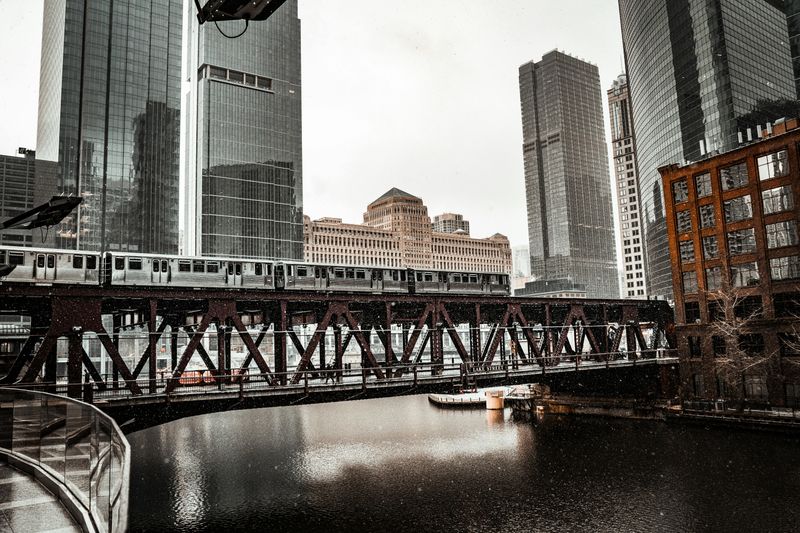
Buckle up for a journey through the entire length of Illinois, from the urban sprawl of Chicago to the rolling hills of Southern Illinois. The Illini departs from Chicago Union Station at 225 South Canal Street, Chicago, IL 60606, and travels over 300 miles southward to Carbondale, home of Southern Illinois University.
This route is basically a greatest-hits tour of Illinois geography, and winter adds a layer of sparkle that makes everything Instagram-worthy.
As you leave Chicago, the landscape gradually transitions from suburbs to farmland, then to more wooded and rolling terrain as you approach southern Illinois. In winter, this transformation is even more dramatic because snow cover varies significantly from north to south.
You might start your journey in a full-blown snowstorm and end up in Carbondale where there’s barely a dusting, or vice versa, Mother Nature keeps you guessing.
The stretch between Champaign and Carbondale showcases some seriously underrated scenery. Frozen creeks wind through woodlands, and the gently rolling terrain creates a rhythm that’s almost hypnotic.
Historic train depots in towns like Effingham and Centralia look particularly charming dusted with snow, their vintage architecture standing as monuments to the golden age of rail travel.
What rail enthusiasts particularly love about this route is passing through Champaign-Urbana, a college town with beautiful architecture and a vibrant downtown that looks magical under winter’s white blanket. The journey takes about five and a half hours, making it perfect for a day trip or the start of a Southern Illinois adventure, which also serves as a gateway to nearby natural attractions like Shawnee National Forest.
4. Amtrak Saluki (Chicago to Carbondale)
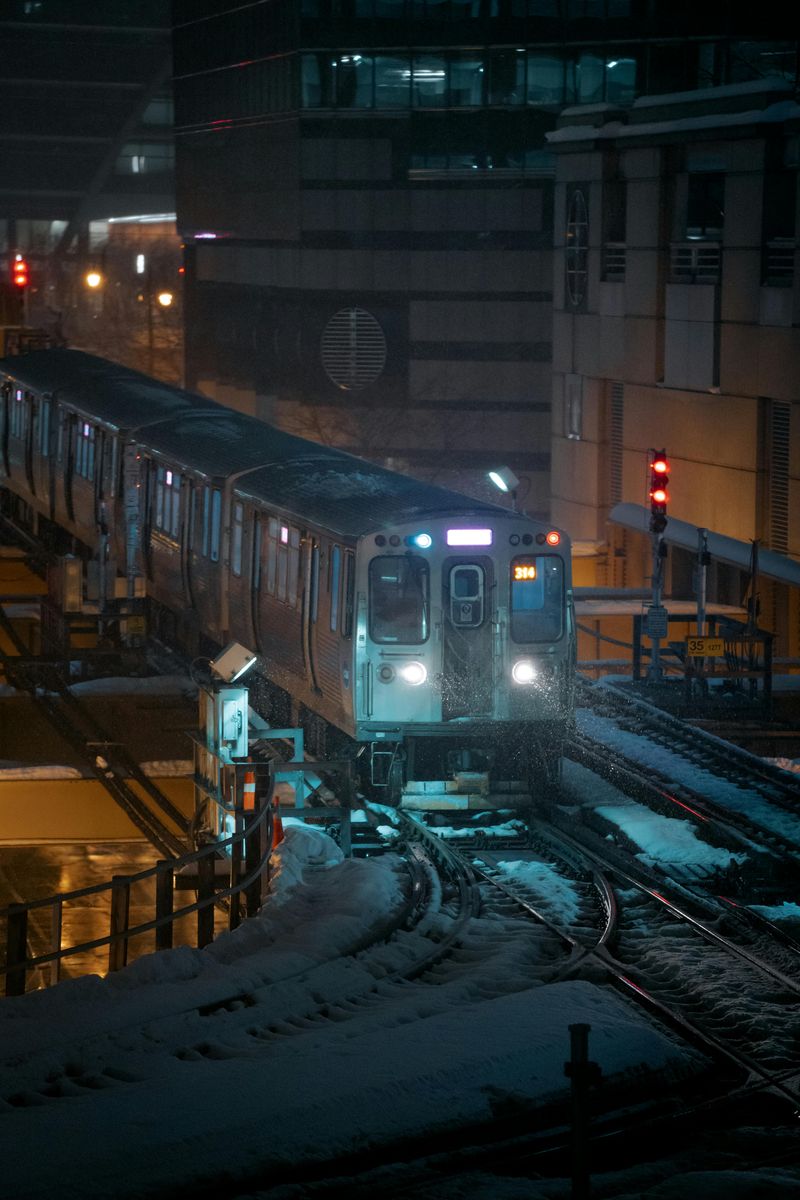
The Saluki, named after Southern Illinois University’s mascot, covers the same route as the Illini but runs on a different schedule, giving you alternative timing options for your downstate adventure. Departing from Chicago Union Station at 225 South Canal Street, Chicago, IL 60606, this service typically operates as a morning departure, offering daylight views throughout much of the journey.
There’s something wonderfully cozy about winter train travel. As daylight filters across the landscape, the warm glow from farmhouse windows becomes more visible against the snow-covered countryside.
Small-town details stand out in winter, and the train’s interior becomes a warm, social space where passengers often strike up conversations about their destinations and travel stories.
The route passes through Mattoon and Effingham, where historic downtown areas look particularly enchanting when dusted with snow.
Train buffs appreciate the Saluki’s connection to Illinois history, the route follows paths that have been used for rail transportation since the 19th century, and some of the stations you’ll see have been welcoming passengers for over a century.
While schedules and freight traffic can vary, many travelers find the ride smooth and comfortable. The café car becomes especially popular on this run, with passengers gathering for hot coffee and snacks while swapping stories about Southern Illinois destinations.
By the time you reach Carbondale, you’ll feel like you’ve been part of a traveling community, not just a passenger on a train.
5. South Shore Line (Chicago to Michigan City / South Bend)
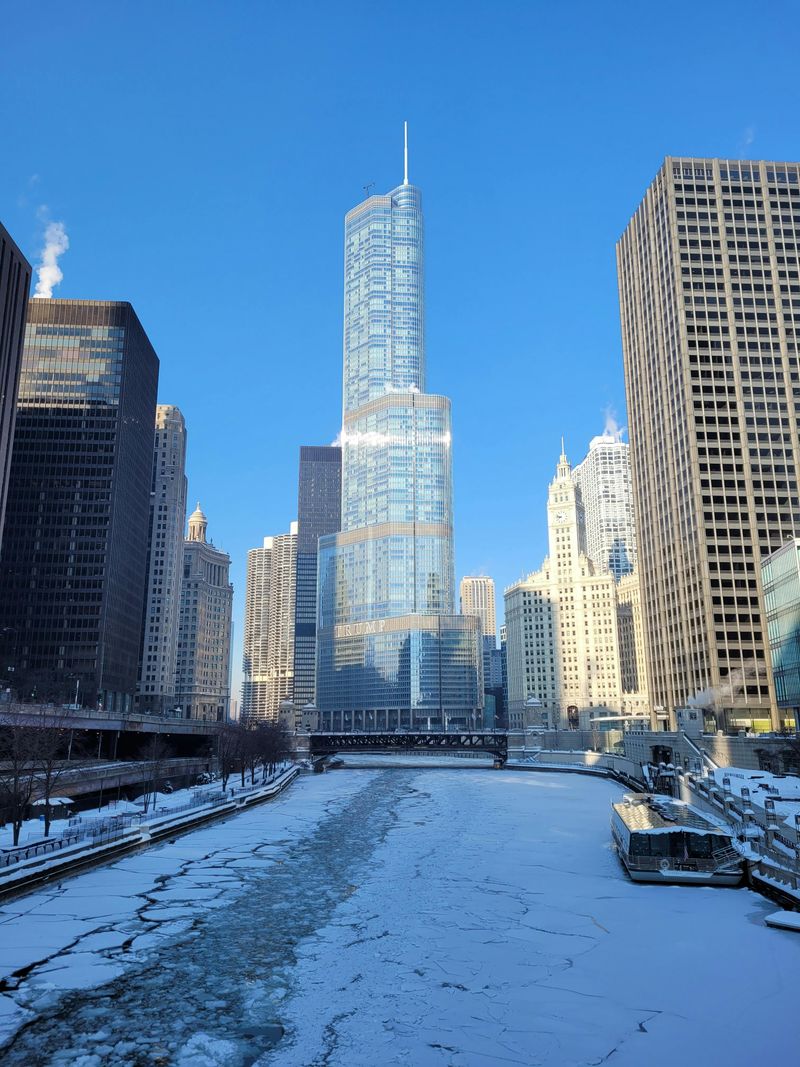
Technically this line sneaks across the Indiana border, but it starts in Chicago and the views are too spectacular to leave off this list. The South Shore Line departs from Millennium Station at Randolph Street and Michigan Avenue in downtown Chicago, and hugs the southern edge of Lake Michigan, offering winter views that rival anything you’d see on a coastal railway in New England.
During colder winters, ice formations often line the lakefront, creating surreal shapes—pressure ridges, frozen spray, and ice-coated waves captured mid-crash.
This is one of America’s last interurban electric railways, a living museum of early 20th-century transportation technology that still serves modern commuters and travelers.
The route takes you through the Indiana Dunes region, where snow-covered sand dunes meet icy lake waters in a collision of ecosystems that’s both bizarre and beautiful.
In winter, the beaches become abstract art installations of ice, snow, and wind-sculpted formations.
The train passes through industrial areas around Gary and Hammond, which might not sound scenic, but winter fog rolling off the lake creates atmospheric, almost cinematic views of steel mills and grain elevators. It’s a reminder that beauty exists in unexpected places, especially when nature throws a blanket of snow over everything and softens the hard edges of human industry.
Window seats on the north side offer the best lake views, and if you’re heading to Michigan City or South Bend, you’ll want to have your camera ready as you approach the dunes.
The combination of icy shoreline, snow-covered beaches, and bare trees creates a monochromatic landscape that photographers dream about. Plus, the train’s vintage feel adds nostalgic charm to the entire experience.
6. Metra UP-North Line (Chicago to Kenosha)
For a shorter winter escape that still delivers on scenery, the Metra UP-North Line runs from Chicago’s Ogilvie Transportation Center at 500 West Madison Street, Chicago, IL 60661, all the way to Kenosha, Wisconsin.
This commuter rail line transforms into a scenic winter wonderland route on weekends when it’s less crowded and you can actually enjoy the views without being squished between briefcase-wielding suburbanites.
The train passes through North Shore communities near Lake Michigan, offering occasional glimpses of frozen beaches, historic mansions, and charming lake-adjacent neighborhoods.
The route passes through some of Chicago’s wealthiest suburbs—Wilmette, Winnetka, Lake Forest—where historic estates wear snow like elegant fur coats. These North Shore communities go all-out with holiday decorations that remain up through January, turning the route into a mobile tour of architectural eye candy.
Train stations along this line are particularly beautiful, with vintage designs and careful landscaping that looks especially photogenic under snow.
As you approach the Wisconsin border, the landscape opens up and becomes more natural, with forest preserves and wetlands that attract winter birds and wildlife. Birdwatchers bring binoculars to spot owls, hawks, and winter waterfowl that congregate along the partially frozen lakefront.
The Illinois Beach State Park area near Zion offers particularly stunning views where frozen lake meets protected natural areas.
The entire journey takes about two hours, making it perfect for a day trip to Kenosha, where you can explore museums, grab lunch, and catch a return train.
7. Metra BNSF Line (Chicago to Aurora)
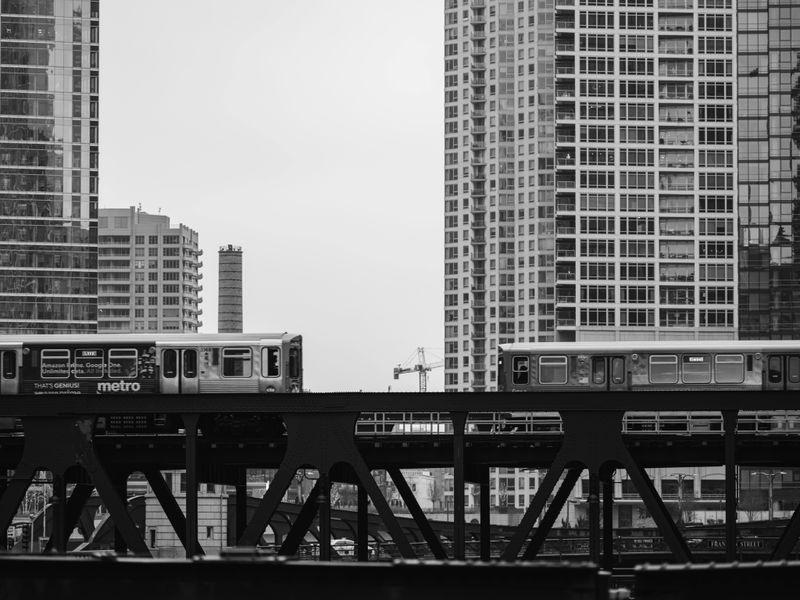
Don’t let the commuter rail designation fool you—the BNSF Line from Chicago Union Station at 225 South Canal Street, Chicago, IL 60606, to Aurora offers surprisingly delightful winter scenery, especially once you escape the dense urban core.
This route follows the historic Burlington Northern corridor westward through suburbs and into Aurora, Illinois’s second-largest city, passing through forest preserves, along the Fox River, and through communities that showcase classic Midwestern winter charm.
What makes this route special is the mix of natural and human landscapes. You’ll pass the sprawling Brookfield Zoo area (the zoo itself is worth a winter visit after your train ride), cruise through historic suburbs like Riverside—a Frederick Law Olmsted-designed community that’s absolutely gorgeous under snow—and wind along preserved prairie areas that look like frozen seas of tan and white.
The contrast between urban density and natural preservation areas happens quickly and repeatedly, creating visual interest throughout the journey.
As you approach Aurora, the Fox River becomes visible, and in winter, this waterway creates some truly special views. Ice formations along the river’s edge, snow-covered riverbanks, and historic bridges create picturesque scenes that could grace any calendar.
Aurora itself has a revitalized downtown historic district that looks particularly charming in winter, with Victorian-era buildings and the famous Paramount Theatre providing architectural interest.
The trip takes about an hour and fifteen minutes, making it an easy day trip destination. Many passengers use this line to access the Fox River Trail, a multi-use path that’s popular for winter hiking and cross-country skiing.
Weekend trains are less crowded, and you’ll often find families heading out for winter adventures or couples making romantic day trips to Aurora’s restaurants and entertainment venues.