
These Secret Michigan Hiking Spots Still Hide Snake Species That Have Survived For Generations
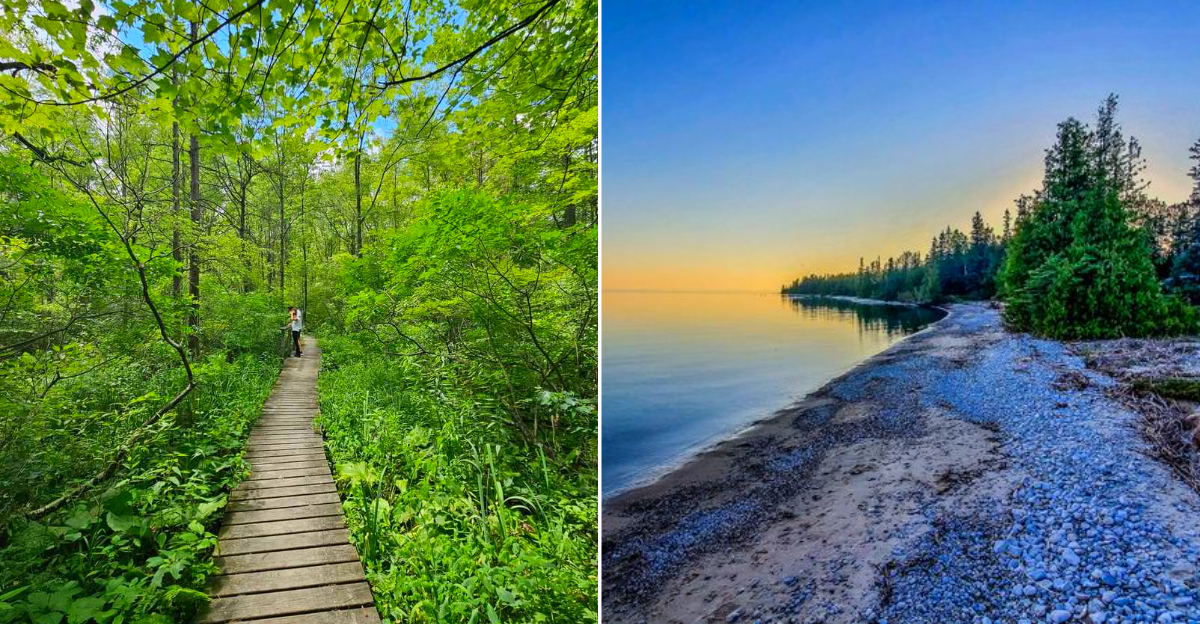
I used to hike with my eyes on the canopy. Then someone pointed out a northern water snake sunning on a rock at Seven Lakes, plus I realized I had been missing half the story.
Michigan’s trails hold eighteen native snake species, most of them shy enough that you will never spot one unless you slow down and watch the rocks.
The eastern massasauga, the state’s only venomous rattlesnake, is federally threatened and so reclusive that most residents live their whole lives without a single encounter.
These eleven trails cut through the habitats where these animals still hunt, breed, plus survive: wetland corridors at Proud Lake, oak savannas at Indian Springs, shoreline dunes at Thompson’s Harbor.
Walking these paths feels different when you know what is living under the next log. Snake species that have survived for generations still thrive along these hiking trails in Michigan.
11. Seven Lakes State Park – Holly
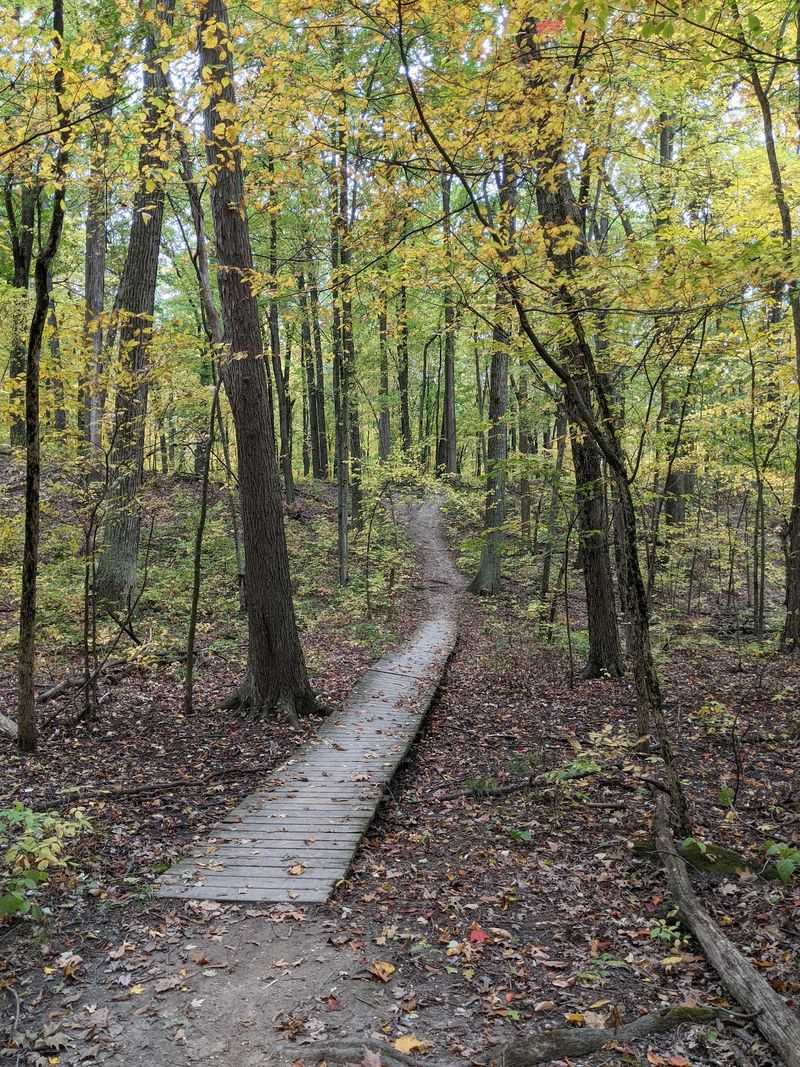
Morning mist changes the scale of this park, making the linked lakes and rolling ground feel farther from suburban Michigan than they really are. Wetlands, wooded ridges, quiet coves, and more than 230 acres of water create the mixed habitat that helps the federally threatened eastern massasauga survive here.
I would start on one of the shorter hiking loops and let the landscape reveal itself slowly. Marsh edges deserve attention, but not because an encounter is likely.
Massasaugas are shy, well camouflaged, and usually move away before hikers notice them. Northern water snakes may be easier to spot near sunny rocks or shallow water, although they should still be watched from a respectful distance.
Stay on marked paths, keep dogs leashed, and never reach beneath logs or into thick vegetation where you cannot see your hand. A normal hiking pace is safer than nervous tiptoeing, and sturdy shoes help on damp ground.
The best part is how much else appears once you start watching carefully. Frogs call from the reeds, red-winged blackbirds flash above the marsh, and turtles slip from logs.
Snake habitat becomes one detail in a much larger, beautifully connected wetland world. Especially after rain or cool mornings.
10. Proud Lake Recreation Area – Commerce Township
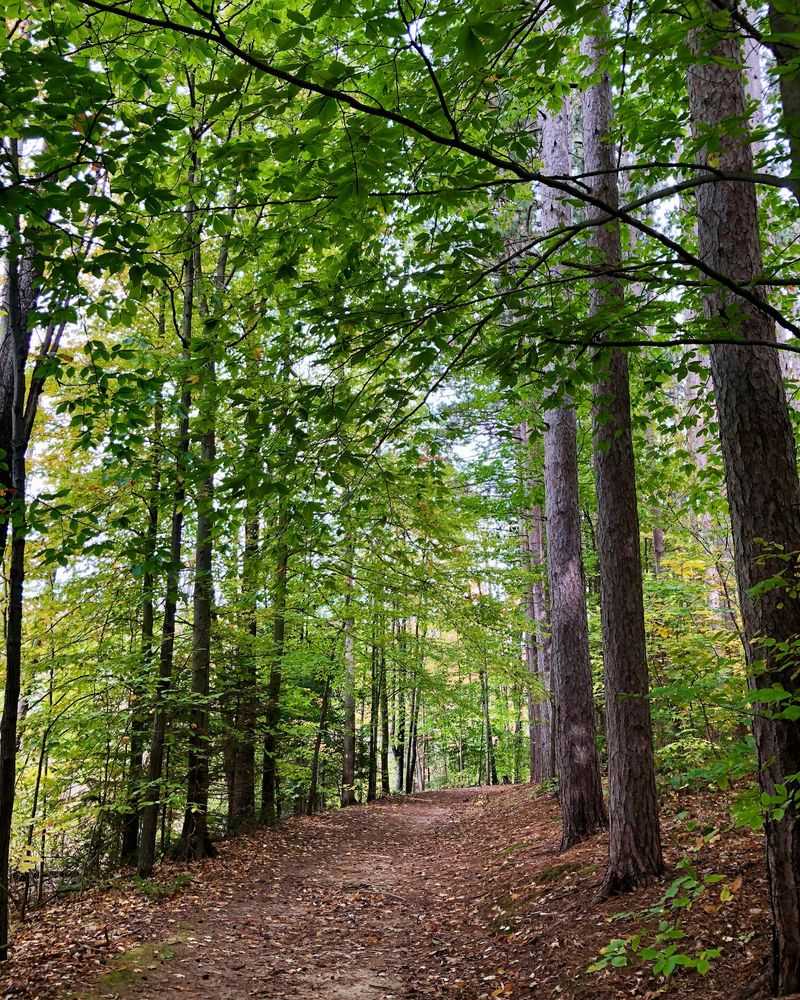
A bend in the Huron River can make this recreation area feel unexpectedly remote. Forest, wet meadow, marsh, lake edge, and glacial rises overlap across 3,000 acres, creating the kind of connected landscape native snakes need for shelter, feeding, and seasonal movement.
I like the trails that stay close to water without remaining flat for the entire walk. One moment feels enclosed by oak and maple, while the next opens toward reeds, muddy banks, or river current.
Those transitions are worth noticing because snakes often depend on both wetlands and nearby uplands rather than one isolated patch.
The eastern massasauga is associated with southeastern Michigan wetland systems, but sightings remain uncommon. If one appears, stop, give it space, and allow it to leave. Never attempt to move, touch, or photograph a snake from close range.
Warm days bring other rewards that are much easier to observe. Sandhill cranes pass overhead, frogs call from low areas, and sunlight moves across the river beneath the trees.
Bring insect repellent after rain and expect occasional mud.
Proud Lake works best when I stop treating the trail as exercise. A slower walk reveals the connected habitats that keep wildlife surviving beside busy communities.
Today.
9. Thompson’s Harbor State Park – Presque Isle
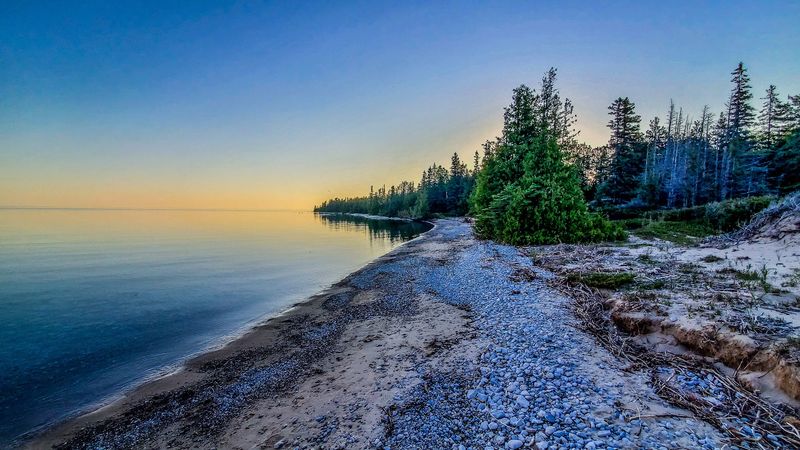
Wind off Lake Huron shapes nearly every part of this undeveloped park. Over 5,000 acres of forest, marsh, dune, and rocky shoreline stretch around 7.5 miles of coast, giving sensitive wildlife more room than visitors might expect from a place reached so easily from US-23.
The eastern massasauga is one of the protected species associated with this landscape. Northern Michigan populations can use open wetlands and lowland conifer areas, including cedar swamps, then move toward drier ground during warmer months.
That does not mean hikers should expect a sighting. The snake is secretive, patterned to disappear, and generally avoids people.
Six miles of trails feel quiet and lightly developed. I carry water, download the map, and prepare for fewer facilities than at a beach park.
Staying on the route protects the threatened dwarf lake iris as well as hidden reptile habitat.
The shoreline usually steals my attention first, especially where pale stone meets dark cedar and restless water. By evening, the designated dark sky preserve adds another reason to remain.
Knowing rare snakes still survive here changes the walk without turning it frightening. The park feels like a landscape functioning on its own terms, with visitors passing carefully through it.
8. Brighton Recreation Area – Howell
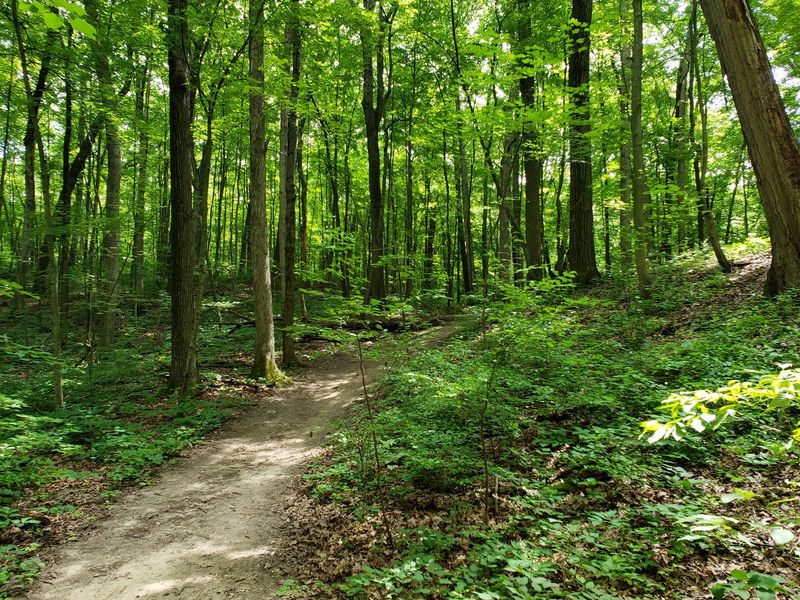
Glacial hills rise and dip toward lakes, making one trail feel like several parks. Nearly 5,000 acres hold mature oak forest, fields, undeveloped shorelines, prairie fens, and one of southeastern Michigan’s larger connected wetland complexes.
Those fens are important for rare wildlife, including the eastern massasauga. The species needs wet places for winter survival and nearby uplands for summer movement, which helps explain why connected habitat matters more than one protected marsh.
Most hikers will never see one, even after repeated visits.
The Penosha Trail gives a useful introduction without requiring an all-day commitment. I prefer walking it after a dry spell, when the rolling terrain is easier underfoot and the wetland views remain clear.
Bug spray helps near low areas, while a paper map is useful where several routes meet.
If a snake appears, pause and back away rather than trying to identify it from arm’s length. Never step off the trail to follow wildlife or disturb cover.
What I remember most is the quick disappearance of traffic noise. Birds replace engines, dry grass moves across open sections, and lakes appear between ridges.
Brighton rewards patience, especially when the smallest movement near a fen turns out to be wildlife.
7. Yankee Springs Recreation Area – Middleville
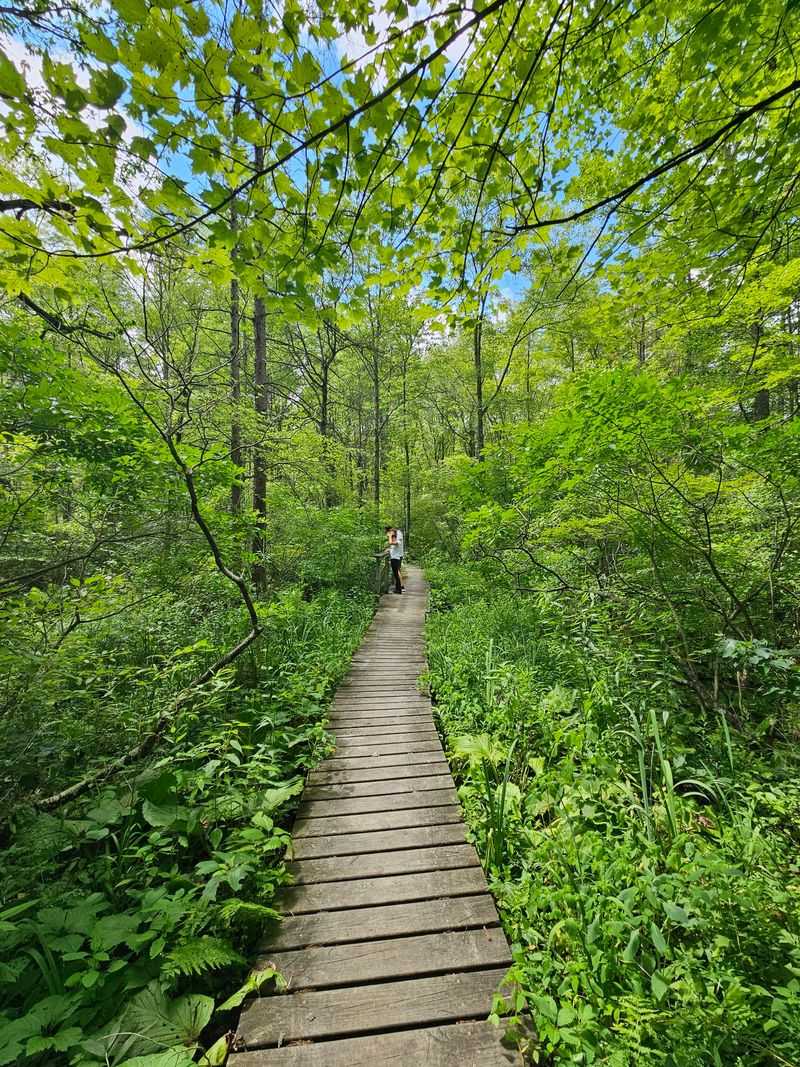
Bogs, marshes, sandy ground, lakes, and steep glacial formations give this recreation area a dramatic personality. Devil’s Soupbowl gets attention, but the quieter trail edges reveal why such varied terrain supports several of Michigan’s native snake species.
The eastern hognose is the one I would most hope to glimpse from a respectful distance. It favors sandy habitat and is famous for defensive theater, sometimes flattening its neck, hissing, striking without biting, or eventually playing dead.
The performance looks alarming, but the snake is not dangerous to people and would rather escape than interact.
More than 30 miles of trails allow easy rambles and longer outings. I watch sunny openings, sandy shoulders, and forest edges without stepping away from the path or lifting logs.
Cover objects are homes, not props for wildlife searching.
A Michigan Recreation Passport is required for vehicle entry, and a downloaded trail map helps when routes intersect. Bring water because exposed sections can feel hotter than expected.
Yankee Springs feels most rewarding when I stop rushing toward landmarks. A snake track in sand, movement beneath dry leaves, or frogs calling from a bog can make the ordinary stretches just as memorable as the famous geological features.
Too.
6. Fort Custer Recreation Area – Augusta
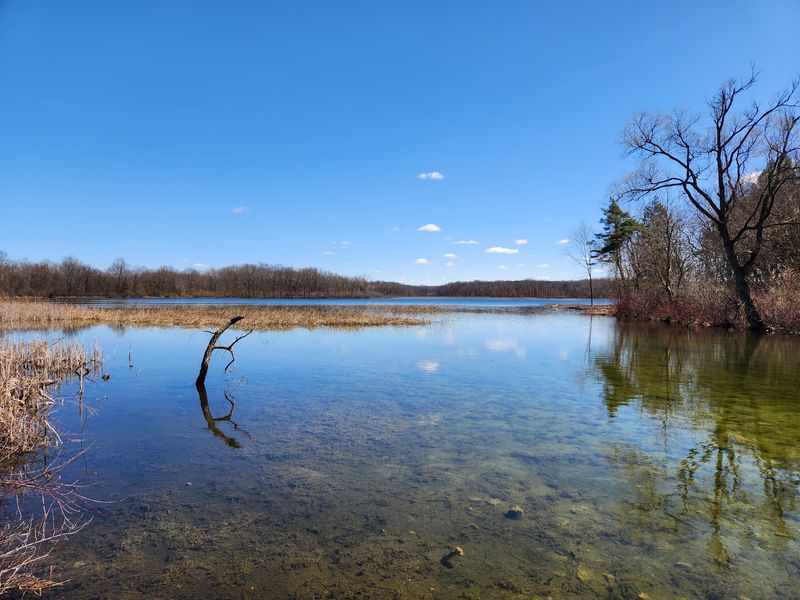
Old military land has become a varied southern Michigan landscape. Across more than 3,000 acres, second-growth forest, restored prairie, oak barrens, lakes, wetlands, and the Kalamazoo River create connected habitat for a range of reptiles and amphibians.
The eastern massasauga is among the rare species documented here, alongside spotted turtles and eastern box turtles. That combination says something important about the park.
Reptiles disappear quickly when wetlands are drained, open habitat closes, or movement corridors are broken, so their continued presence reflects years of protection and restoration.
More than 40 miles of trails can make route planning confusing. I use a map and choose one section rather than trying to cover everything.
Sunny prairie margins and wetland edges deserve careful footing, but hikers should remain on marked routes and give any snake room to move away.
Dogs belong on a leash, both for their safety and for wildlife protection. During warmer months, carry water and check for ticks afterward.
The park never feels like one simple ecosystem. A dry oak opening can lead toward water, then into shaded forest within minutes.
That constant change keeps the walk interesting and helps explain why rare species still find what they need here.
5. Indian Springs Metropark – White Lake
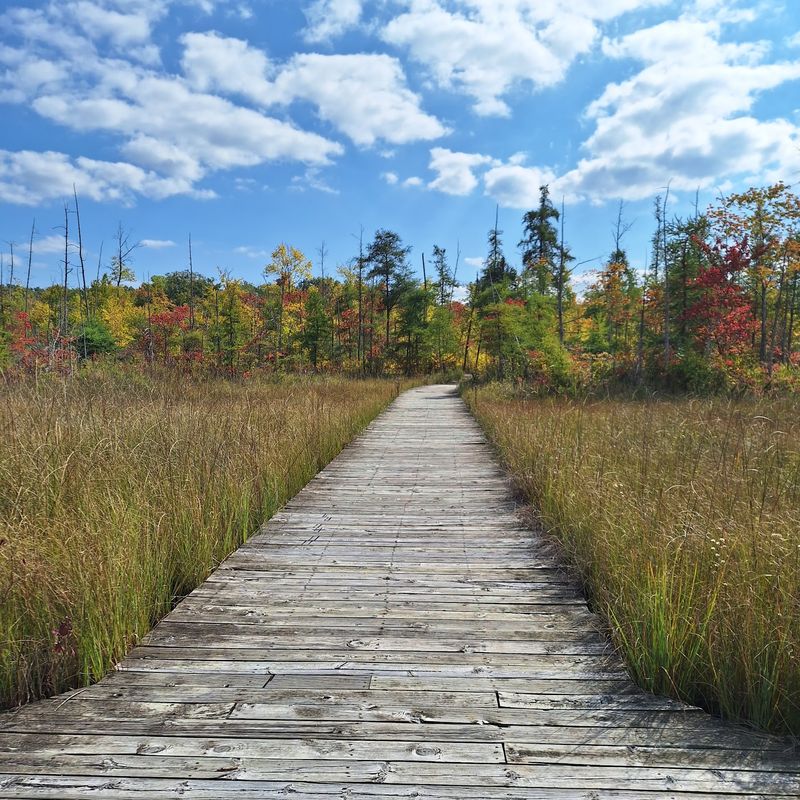
Rattlesnake habitat signs are not placed here for atmosphere. Indian Springs protects part of the Huron Swamp headwaters, where wetlands, prairie openings, forest, and uplands support a healthy population of the rare eastern massasauga.
The park handles that fact well. Instead of using fear as entertainment, the Environmental Discovery Center explains how the snake lives, why intact wetlands matter, and how rarely people encounter one.
Learning first makes the trails feel more interesting rather than more threatening.
I like beginning near the center, then moving onto quieter nature routes and boardwalk sections. Keep eyes on the trail, avoid stepping into vegetation, and never follow a snake for a photograph.
If one is resting ahead, stop and allow it time to leave. Staff should be notified when an animal remains near a busy area.
Paved paths make portions of the park accessible, while natural trails can become muddy after rain. Binoculars are useful for cranes, ducks, turtles, and other wildlife that appears more often than any rattlesnake.
This place feels like a science lesson that never loses its wildness. As I understand the wetland system, the more impressive it becomes that a secretive species still survives within reach of metropolitan Detroit.
4. Stony Creek Metropark – Shelby Township
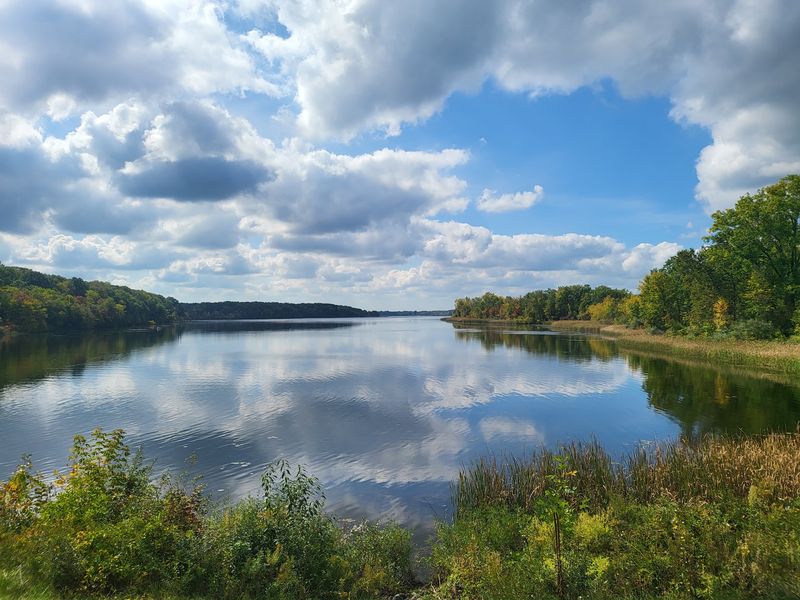
Near busy suburbs, this park creates an almost northern feeling. More than 4,400 acres surround Stony Creek Lake, with hardwood forest, wetland, restored prairie, rolling glacial terrain, and quieter nature study areas beyond busy recreation zones.
The eastern massasauga is one of the uncommon species documented around the Nature Study Area. Its presence does not mean hikers should expect encounters.
Camouflage, shy behavior, and a preference for avoiding people allow the snake to remain unseen even where suitable habitat is close to popular trails.
I prefer weekday mornings, when bicycle traffic and group activity are lighter. The Shelden Trails provide hills and quick scenery changes, while routes near the Nature Center encourage a slower pace.
Carry a map because intersections can tempt you into a longer walk than planned.
Stay on designated paths, respect temporary closures, and watch where you place hands or feet near sunny edges. A snake should always receive space and an unobstructed escape route.
Birdsong usually provides the soundtrack, with osprey or bald eagles adding drama overhead. Knowing a threatened rattlesnake shares the landscape makes the park feel richer, not dangerous.
It is another reminder that important wildlife habitat can survive surprisingly close to dense development.
3. Holly Recreation Area – Holly
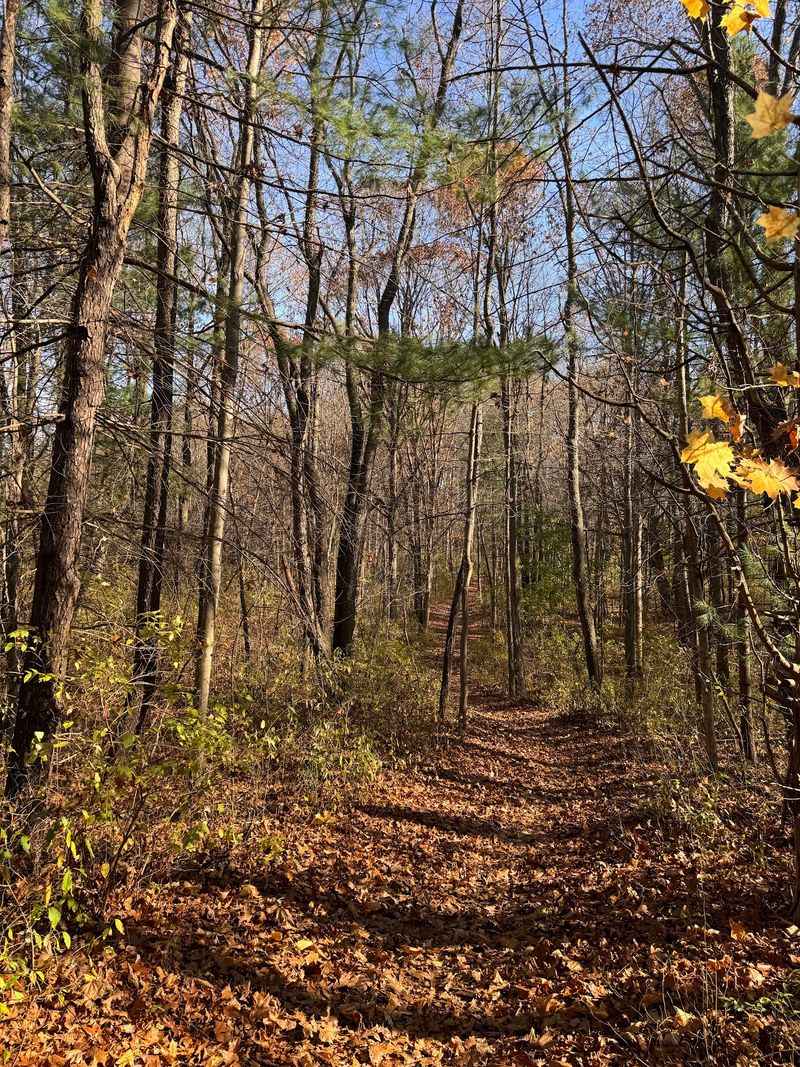
Seventeen lakes and 8,000 acres give this recreation area a rambling character that never settles into one mood. Woodlands, open fields, hardwood swamps, oak barrens, bogs, and five notable prairie fens create unusually varied habitat within a short drive of Detroit and Flint.
Managed lands for the eastern massasauga occupy protected portions of the park. Prairie fens are valuable because they combine groundwater-fed wetlands with open vegetation and nearby drier ground.
The snake can use different parts of that system throughout the year while remaining invisible to visitors.
The Wilderness Trail near McGinnis Lake is a good place to experience the park’s changing terrain. I wear sturdy shoes, carry water, and keep a map available because the broader trail network includes hiking, mountain biking, and cross-country ski routes.
Careful footing matters around damp edges and sunny openings. Keep dogs leashed, stay on marked paths, and allow any snake to move away without interference.
Most rustling comes from frogs, birds, or small mammals anyway.
Holly’s best quality is its feeling of discovery. One section is shaded and enclosed, while the next opens toward bright water or wet meadow.
That variety supports wildlife and keeps even a familiar trail from feeling predictable.
2. Pinckney Recreation Area – Pinckney
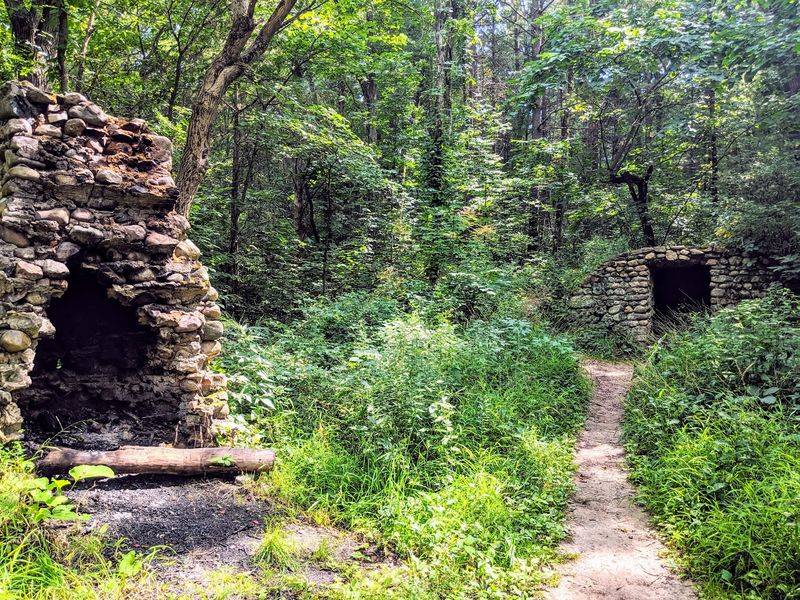
Kettle lakes, swampy lowlands, sandy uplands, and long forest trails make this a large connected southeastern Michigan landscape. More than 10,000 acres link with nearby Waterloo Recreation Area, giving wildlife corridors far more room than a typical suburban park can offer.
The eastern massasauga has been documented among the recreation area’s rare species. Wetlands and adjacent uplands provide the combination it needs, while the park’s size allows movement between seasonal habitats.
Encounters remain uncommon because the snake is secretive and usually stays hidden beneath vegetation or patterned shadows.
I choose a manageable loop around one lake instead of committing to the Waterloo-Pinckney Trail. The larger network can turn a casual walk into a serious outing, so a downloaded map, water, and realistic timing matter.
Do not flip logs, move rocks, or disturb ground cover while searching for wildlife. Those objects shelter snakes, salamanders, insects, and small mammals.
If something crosses the trail, stop and let it continue.
Pinckney rewards curiosity paired with restraint. Sandhill cranes, turtles, frogs, and woodland birds are more likely sightings, but knowing rare reptiles persist here adds depth to every marsh edge.
The landscape feels busy with hidden life even when the trail appears completely still.
1. Kensington Metropark – Milford
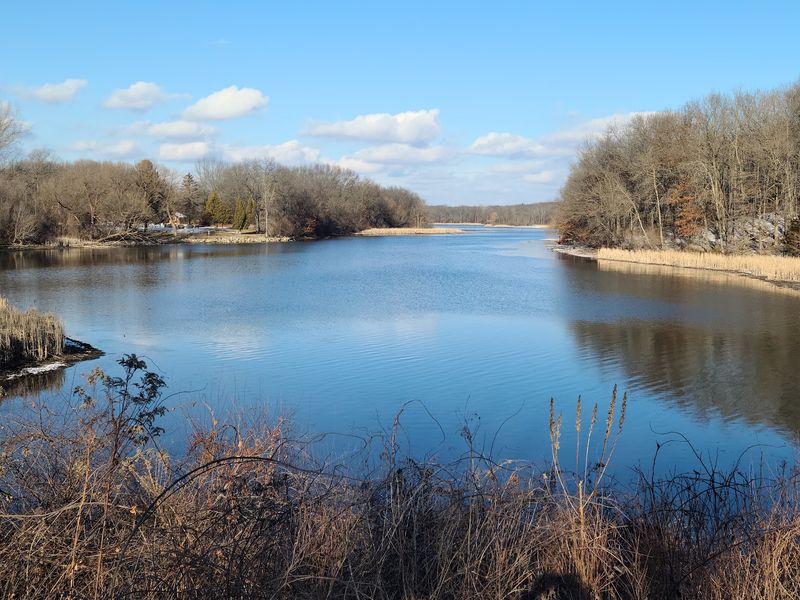
At first glance, this metropark can seem too polished for secret wildlife. Paved routes, picnic areas, beaches, golf, and busy loops surround Kent Lake, yet wooded hills, marshes, and quieter natural sections preserve a complicated landscape.
Michigan has eighteen native snake species, and the Kensington Nature Center keeps several for educational programs. Seeing them up close in a controlled setting helps replace vague fear with useful recognition before visitors head onto the trails.
Staff can explain which markings matter, how snakes use local habitats, and why most encounters end with the animal disappearing.
I like starting early, before crowds build, then choosing a quieter path away from the main lake activity. Watch sunny trail edges without searching aggressively, and never lift cover objects or reach into brush.
Any wild snake deserves distance, regardless of species.
Open sections can become hot, so bring water even for a short walk. The Nature Center also adds context for wetlands, birds, turtles, and other animals sharing the park.
Kensington works because comfort and ecological interest exist side by side. Families can learn indoors, walk outdoors, and leave understanding that snakes are not hidden threats.
They are shy pieces of a larger Michigan ecosystem. Today.