
These 10 South Carolina Museums Let You Walk In For Free Any Day Of The Week
The best museums are not always the ones with the highest admission prices.
Some of South Carolina’s most fascinating collections cost nothing at all.
That is the first surprise.
Many people assume the best cultural experiences come with expensive tickets and long lines. In reality, South Carolina is home to museums where you can explore remarkable art, local history, military exhibits, railroad treasures, and scientific discoveries without spending a single dollar.
That is what makes them worth seeking out.
Every visit offers something different. One museum tells the story of the state’s earliest communities.
Another showcases incredible works of art. Others preserve historic trains, celebrate military service, or bring the natural world to life through engaging exhibits.
The variety is impressive.
The price never changes.
Some South Carolina attractions ask you to budget for the day before you even walk through the door.
These museums simply invite you to step inside, take your time, and discover something new. They prove that some of the state’s richest experiences have nothing to do with how much you spend and everything to do with what you choose to explore.
1. Greenville County Museum of Art, Greenville
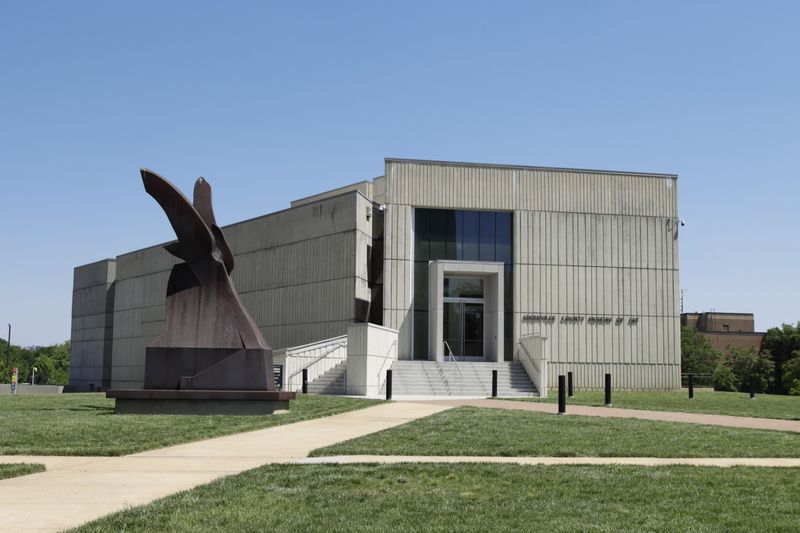
Walking up College Street in downtown Greenville, I always feel a quiet thrill when the museum’s clean lines come into view.
Greenville County Museum of Art sits at 420 College St, Greenville, SC 29601, a bright space where American art takes center stage without charging a cent.
The Andrew Wyeth collection became my favorite corner here, holding one of the largest public assemblies of his work anywhere in the country.
I remember standing in front of a Wyeth watercolor one rainy Tuesday, realizing I had the gallery almost entirely to myself, no ticket required.
Southern artists fill other rooms, their paintings and sculptures reflecting landscapes and stories I recognize instantly.
Rotating exhibitions keep the experience fresh, so even repeat visits reveal something new tucked into a gallery I thought I knew well.
The staff greets visitors warmly, and the gift shop offers prints and books if you want to take a piece of the collection home.
Every time I leave, I marvel at how a museum this polished and thoughtfully curated remains completely free, making art accessible to anyone who walks through the door.
2. Franklin G. Burroughs-Simeon B. Chapin Art Museum, Myrtle Beach
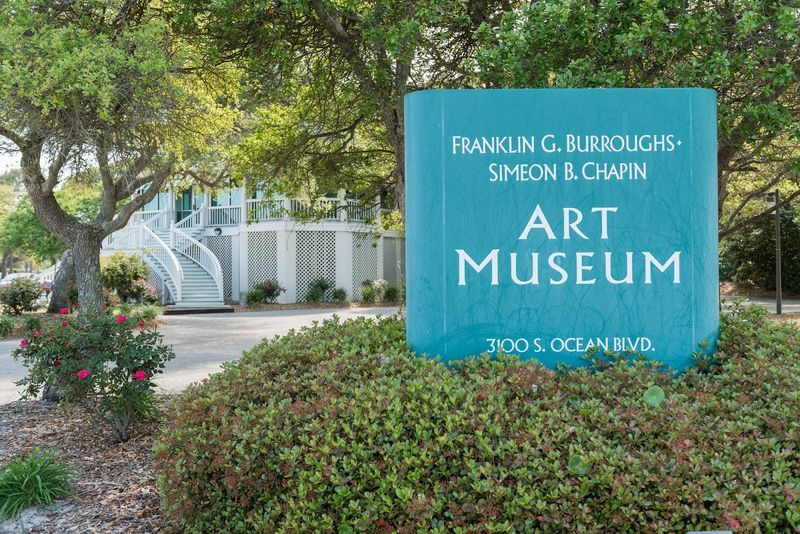
Cruising down South Ocean Boulevard, I always spot the museum’s stately presence just steps from the Atlantic shoreline.
Franklin G. Burroughs-Simeon B.
Chapin Art Museum occupies 3100 S Ocean Blvd, Myrtle Beach, SC 29577, a graceful building where regional and international art meet without an admission fee.
The permanent collection leans heavily on Southern artists, but traveling exhibitions bring works from across the globe into these coastal galleries.
I once caught a photography show here that featured images of marshlands and dunes so vivid I could almost smell the salt air through the glass.
The museum also hosts lectures, workshops, and concerts, turning the space into a cultural hub rather than just a quiet viewing room.
Kids wander through with parents, pointing at sculptures and asking questions, proof that free access invites families who might skip a ticketed venue.
The gift shop stocks local crafts and art books, and the staff always seems eager to chat about upcoming exhibitions.
Each visit reminds me that Myrtle Beach offers more than amusement parks and seafood buffets, and this museum delivers that reminder without asking for a dime.
3. The Charleston Museum, Charleston
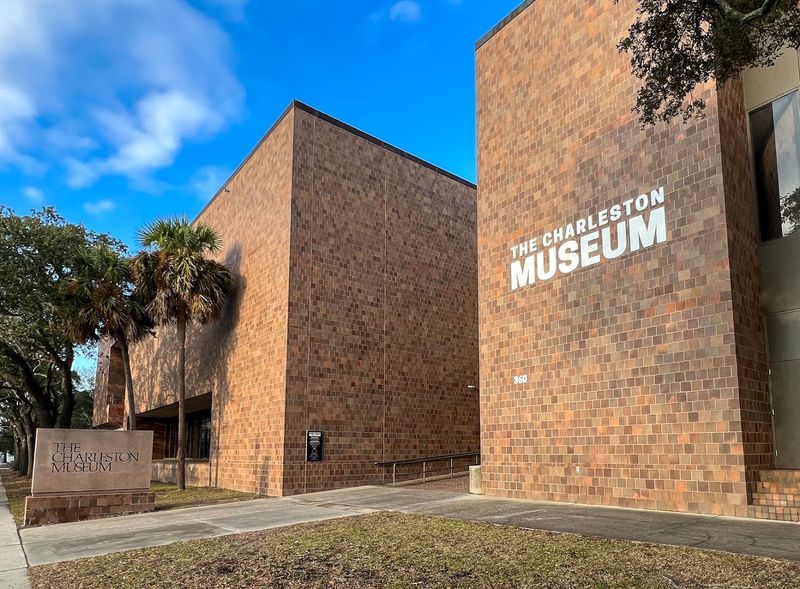
Founded in 1773, this institution claims the title of America’s first museum, and I always feel that weight of history when I approach the entrance.
The Charleston Museum stands at 360 Meeting St, Charleston, SC 29403, a sprawling collection that covers natural history, decorative arts, and regional culture without charging admission.
The natural history hall fascinated me immediately, with skeletons, taxidermy, and fossils that tell the story of South Carolina’s ancient ecosystems.
I remember my first visit, when I stumbled upon a display of antebellum clothing and realized how much craftsmanship went into every seam and button.
The museum also manages two historic house sites, the Heyward-Washington House and the Joseph Manigault House, though those properties do charge separate fees.
Inside the main building, exhibits rotate regularly, so one season might focus on maritime history while another explores textile traditions.
Children press their faces against display cases, and older visitors linger over Civil War artifacts, each generation finding something that speaks to them.
Every time I leave, I think about how Charleston’s oldest cultural institution remains committed to free access, ensuring that history belongs to everyone who walks through that door on Meeting Street.
4. McKissick Museum, Columbia
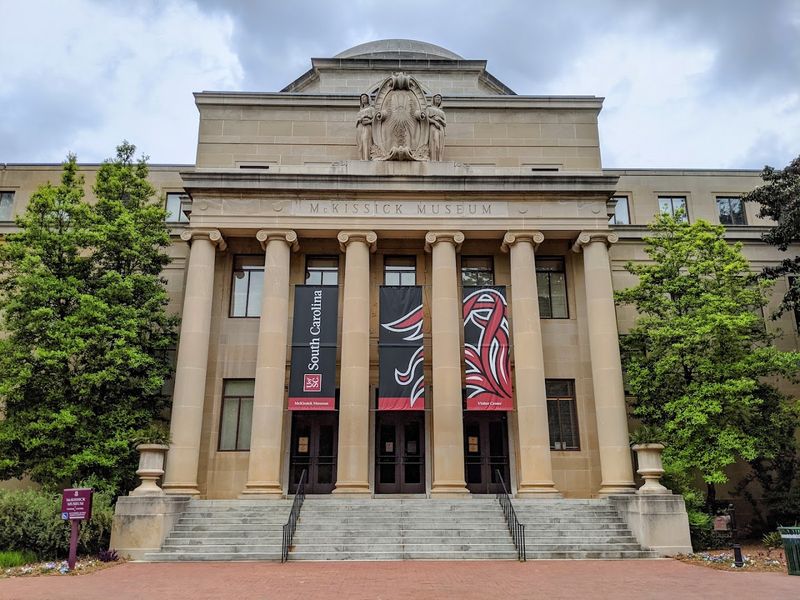
Tucked onto the University of South Carolina campus, this museum feels like a secret even though it sits right on Bull Street.
McKissick Museum resides at 816 Bull St, Columbia, SC 29208, a compact space where natural history, fine arts, and Southern folklife blend into rotating exhibitions that never cost a penny.
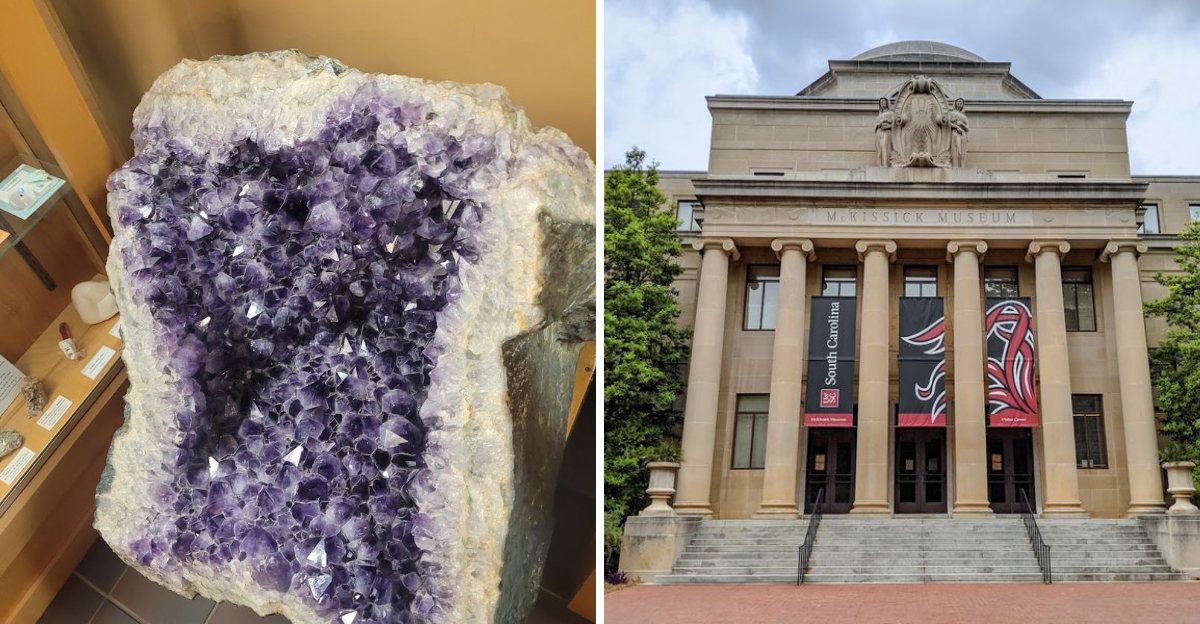
The gemstone and mineral collection caught my eye on my first visit, with cases full of quartz crystals, amethyst geodes, and fossils that glow under ultraviolet light.
I once attended a lecture series here that paired historical research with contemporary art, and the small auditorium filled with students and community members alike.
The museum also hosts traveling shows, so one month might feature quilts and the next could showcase photography or regional pottery.
Because it operates as part of the university, the museum maintains an academic focus, yet the exhibits remain accessible and engaging for visitors of all ages.
The gift shop carries books and handmade crafts, and the staff often includes student interns who bring fresh enthusiasm to every conversation.
Each time I leave McKissick, I appreciate how a university museum can serve both scholars and curious locals, all while keeping the door open and the admission free for anyone who wanders in off Bull Street.
5. Mace Brown Museum Of Natural History, Charleston
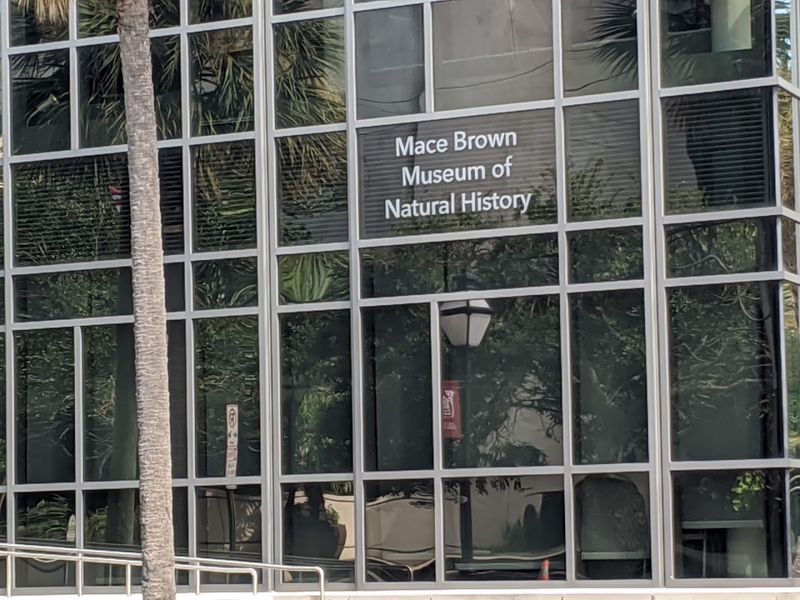
Located on the College of Charleston campus, this museum packs an impressive collection into a surprisingly small footprint.
Mace Brown Museum of Natural History sits at 202 Calhoun St, Charleston, SC 29425, a single-room space where fossils, minerals, and taxidermy specimens tell the story of Earth’s deep past without charging admission.
The mosasaur jaw fossil stopped me in my tracks the first time I visited, a massive relic from a creature that swam these waters millions of years ago.
I remember bringing a friend who teaches geology, and she spent nearly an hour examining the mineral cases, pointing out formations and explaining crystalline structures.
The museum also displays a giant ground sloth skeleton, a reminder that South Carolina once hosted megafauna now extinct.
Because the space is compact, you can tour the entire collection in under an hour, making it perfect for a quick stop between other Charleston attractions.
Students often use the museum for research and coursework, but the public is always welcome to wander through and ask questions.
Every time I leave, I feel a renewed sense of wonder at the ancient life that once thrived in this region, and I appreciate that the College of Charleston shares these treasures freely with anyone curious enough to step inside.
6. Bob Campbell Geology Museum, Clemson
Driving along Discovery Lane toward Clemson University’s research facilities, I always anticipate the gleaming cases full of gemstones that wait inside this museum.
Bob Campbell Geology Museum occupies 140 Discovery Ln, Clemson, SC 29634, a dedicated space where minerals, fossils, and meteorites shine under carefully positioned lights, all available to the public without any admission charge.
The fluorescent mineral room became my obsession here, a darkened chamber where rocks glow in neon pinks, greens, and oranges under ultraviolet lamps.
I once brought my nephew, who spent twenty minutes pressing the button that cycled the lights on and off, his face lit up with pure amazement.
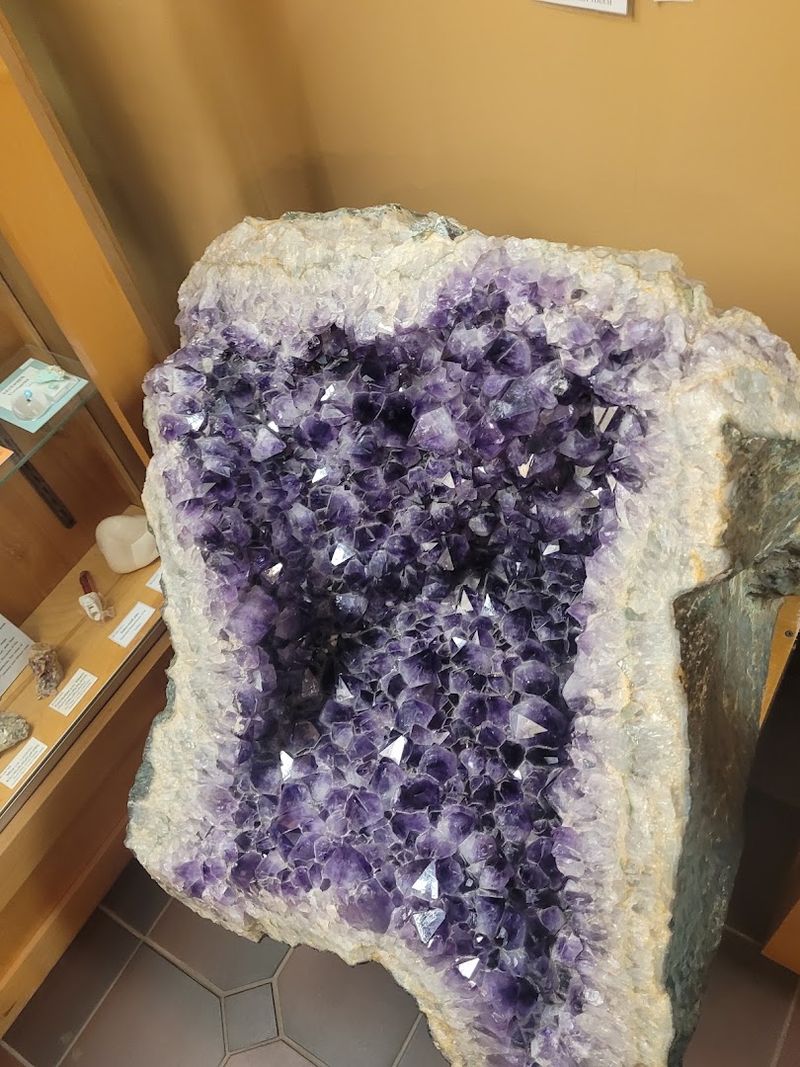
The museum also houses a massive amethyst geode from Brazil, its purple crystals catching every angle of light, and a collection of South Carolina gemstones that reveal the state’s hidden geological wealth.
Interactive displays explain plate tectonics, mineral formation, and fossil preservation, making complex science approachable for visitors of all ages.
The gift shop sells polished stones and educational kits, and the staff includes geology students who love sharing their knowledge.
Every time I leave, I carry a deeper appreciation for the forces that shaped this landscape, and I never stop marveling that such a polished, educational experience costs absolutely nothing.
7. South Carolina Railroad Museum, Winnsboro
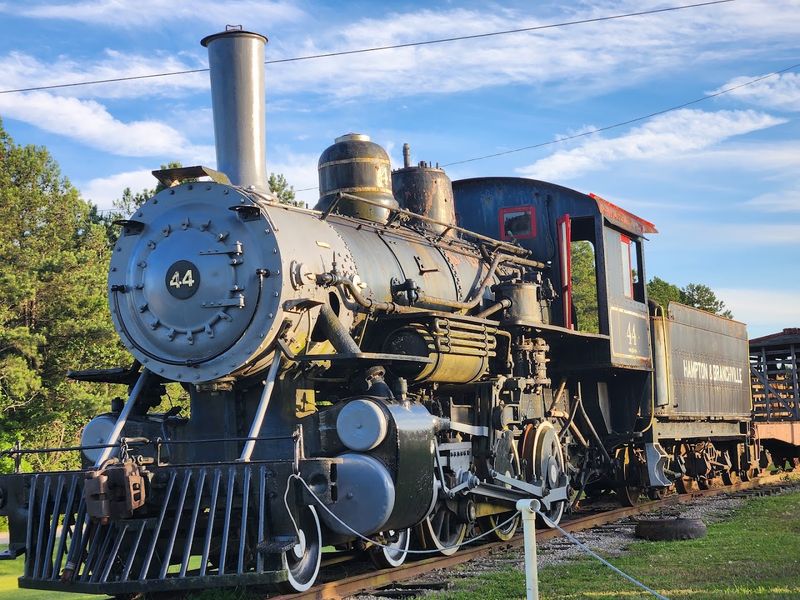
Rolling into Winnsboro on a Saturday morning, I follow the signs down Industrial Park Road until the old rail cars come into view.
South Carolina Railroad Museum sits at 110 Industrial Park Rd, Winnsboro, SC 29180, a working railroad museum where vintage locomotives, passenger cars, and freight equipment rest on active tracks, all open for exploration without an admission fee on most days.
The museum offers train rides on select Saturdays, and those do carry a small charge, but wandering the grounds and examining the rolling stock costs nothing.
I remember climbing into a caboose one afternoon, running my hand along the worn wooden seats, and imagining the conductors who once rode these rails.
Volunteers maintain the equipment, and their passion for railroad history shows in every restored detail, from polished brass fixtures to freshly painted livery.
The museum also hosts special events like Day Out with Thomas and holiday-themed rides, which do require tickets, but the core exhibits remain free year-round.
Kids scramble onto the platforms, peering into engine cabs, while adults photograph the vintage signage and mechanical details.
Every time I leave, I feel a connection to South Carolina’s industrial past, and I appreciate that this museum preserves that history while keeping the gates open to anyone who wants to explore.
8. The South Carolina Military Museum, Columbia
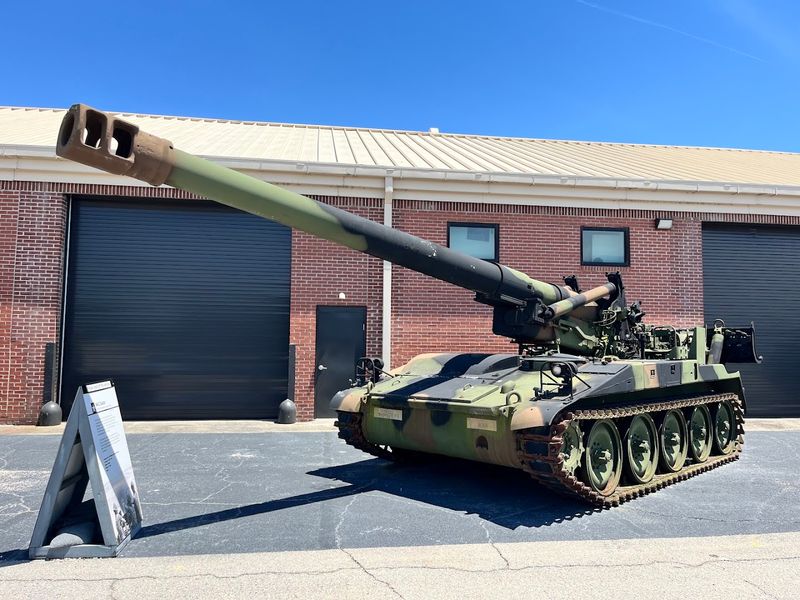
Turning onto National Guard Road in Columbia, I always notice the armored vehicles parked outside, a preview of the collection waiting indoors.
The South Carolina Military Museum resides at 1 National Guard Rd, Columbia, SC 29201, a facility operated by the South Carolina National Guard that chronicles the state’s military history from colonial militia days through modern deployments, all without charging visitors a cent.
The exhibit halls hold uniforms, weapons, medals, and personal artifacts donated by veterans and their families, each item carrying a story of service and sacrifice.
I once stood in front of a display case holding letters written by a Civil War soldier, his handwriting still legible after more than a century, and felt the weight of history pressing close.
The museum also features outdoor exhibits, including tanks, artillery pieces, and helicopters that visitors can walk around and photograph.
Because the museum operates on a National Guard installation, visitors must check in at the gate, but the process is straightforward and the staff welcoming.
Guided tours are available by appointment, and the volunteers often include veterans who add personal context to the exhibits.
Every time I leave, I carry a deeper respect for the men and women who served, and I appreciate that their stories remain accessible to anyone willing to drive out to National Guard Road.
9. The Clemson Area African American Museum, Clemson
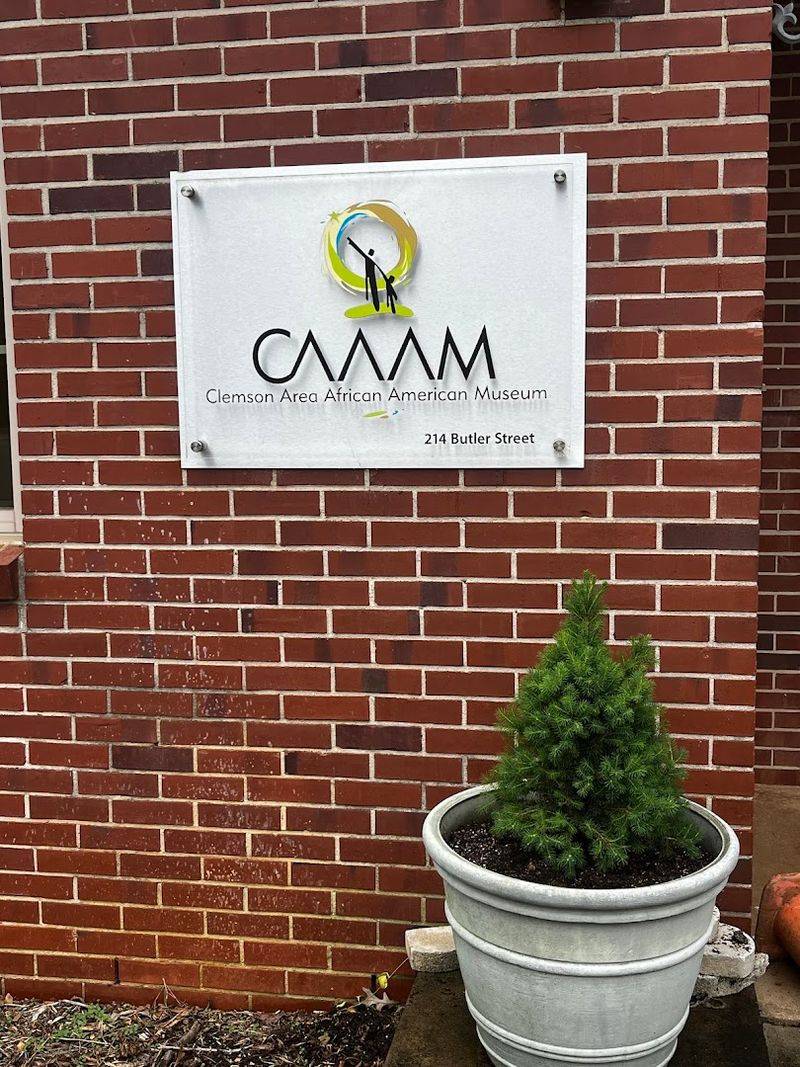
Walking down Butler Street in Clemson, I always pause when I reach the modest building that houses this important collection.
The Clemson Area African American Museum sits at 214 Butler St, Clemson, SC 29631, a community-focused space that preserves and shares the history and culture of African Americans in the Clemson area, offering free admission to all visitors.
The exhibits cover everything from the Reconstruction era through the Civil Rights Movement, with photographs, documents, and personal items that tell stories often overlooked in mainstream narratives.
I remember one visit when a local historian gave an impromptu talk about the families who built this community, and her passion brought the photographs on the walls to life.
The museum also hosts educational programs, guest speakers, and special events that connect past struggles to present-day conversations about equity and justice.
Because the space is small, the experience feels intimate, and visitors often engage in conversations with staff and volunteers who share deep knowledge of local history.
The museum relies on community support and donations, but the door remains open and admission stays free, ensuring that these stories reach everyone.
Every time I leave, I carry a fuller understanding of Clemson’s past, and I appreciate that this museum refuses to let important voices fade into silence, all while welcoming anyone who walks through the door on Butler Street.
10. The Citadel Museum, Charleston
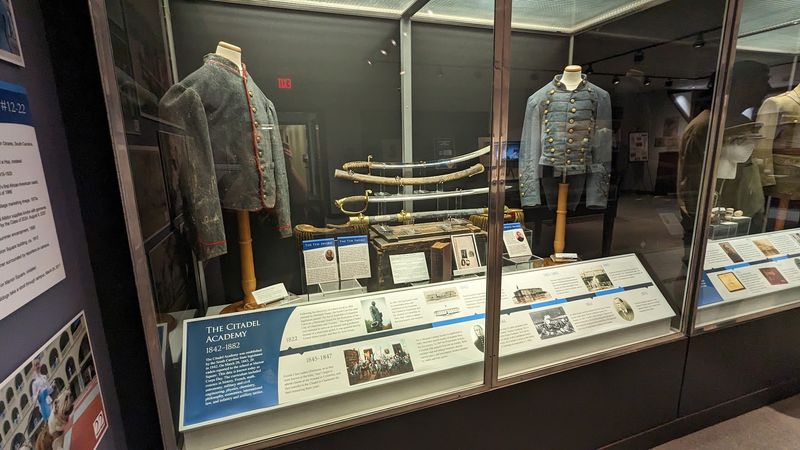
Entering The Citadel campus on Moultrie Street, I always feel the crisp military atmosphere that defines this Charleston institution.
The Citadel Museum occupies 171 Moultrie St, Charleston, SC 29409, a dedicated space inside Daniel Library that preserves the history of this storied military college and its cadets, offering free admission to all who visit.
The collection includes uniforms, weapons, medals, photographs, and personal items that trace the college’s evolution from its founding in 1842 through modern times.
I once examined a display of Civil War-era cadet equipment, marveling at how young men marched off to battle in uniforms that now rest behind glass.
The museum also highlights notable alumni, including military leaders, politicians, and business figures who shaped South Carolina and the nation.
Because the museum sits on an active military college campus, visitors can watch cadets drill on the parade ground, adding a living dimension to the historical exhibits.
The staff includes archivists and historians who maintain a research library available for scholarly work, though casual visitors are equally welcome to browse the galleries.
Every time I leave, I carry a deeper appreciation for the discipline and tradition that define The Citadel, and I value that the museum shares this heritage freely, inviting anyone to step inside and explore the legacy preserved on Moultrie Street.