
These Timeless Florida General Stores Worth Visiting This April
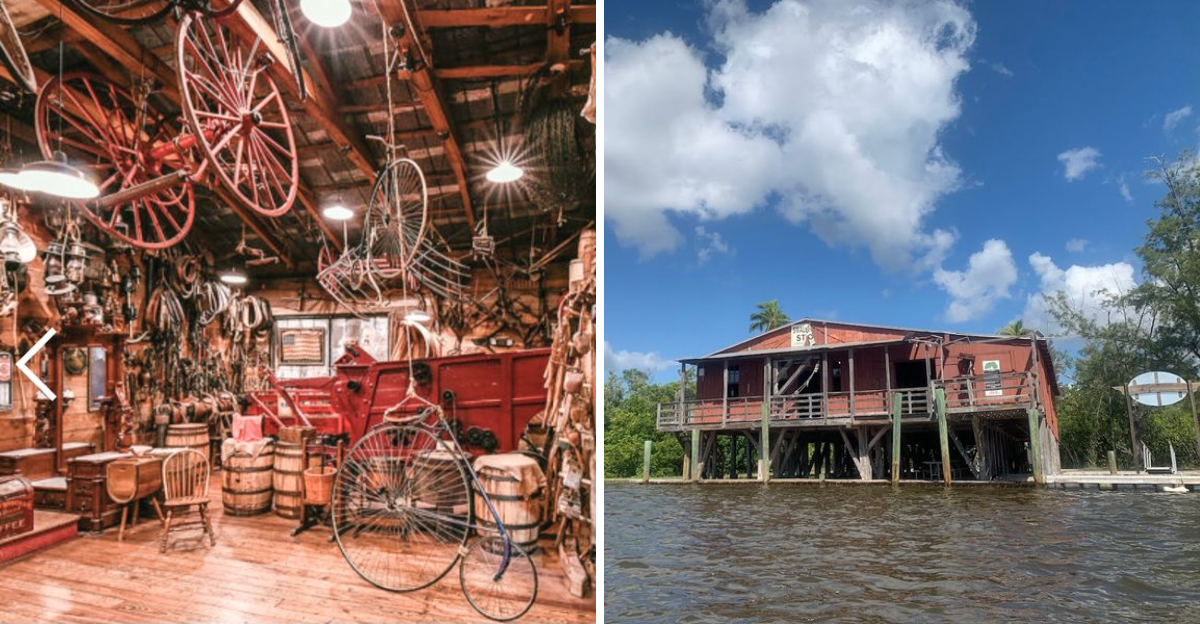
Time travel might not be real, but Florida comes surprisingly close. What if there were places where nothing feels rushed, conversations still matter, and history is part of everyday life?
Scattered across the Sunshine State, historic general stores quietly preserve that feeling. Wooden floors creak with every step, shelves are stocked with old-fashioned goods, and every corner seems to hold a story waiting to be noticed.
These are not just shops. They are gathering places where locals once swapped stories, shared news, and turned simple errands into social rituals.
Somewhere between the charm, the history, and the slower pace, it starts to feel like more than a stop along the road.
It feels like stepping into Florida’s past.
With April bringing warm breezes and perfect exploring weather, these hidden gems offer a rare chance to experience a side of Florida that never really disappeared.
1. Richloam General Store
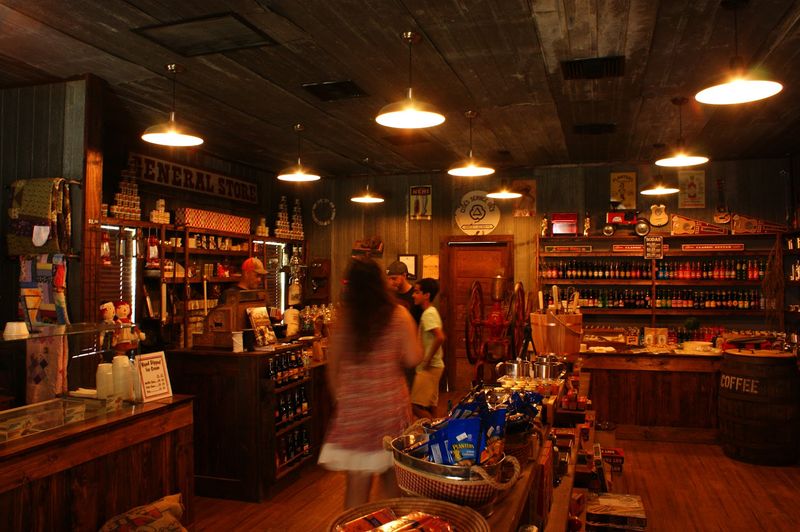
Tucked away in the piney woods where civilization takes a coffee break, Richloam General Store at 38219 Richloam Clay Sink Rd, Webster, FL 33597 stands as a beacon for adventurers who’ve wandered gloriously off the beaten path. This weathered wooden sanctuary has been serving hunters, fishermen, and the gloriously lost since the early 1900s, making it older than sliced bread (literally, that wasn’t invented until 1928).
The building itself looks like it was constructed by pioneers who believed in function over fancy, with creaky floorboards that sing the songs of a thousand boot-clad visitors.
Walking through the door feels like entering your great-grandpa’s workshop if he happened to sell snacks and fishing lures. The shelves stock everything from ammunition to moon pies, because nothing says “preparedness” like combining hunting supplies with marshmallow-filled treats.
Local characters gather here swapping tales taller than the surrounding pines, debating everything from bass fishing techniques to the best bait for catching Bigfoot.
The store serves as the unofficial town square for this unincorporated community, where population signs would read “not many” if they bothered installing one. April brings perfect weather for exploring the nearby Green Swamp and Withlacoochee State Forest, making Richloam your ideal base camp for wilderness adventures that’ll earn you serious bragging rights back home.
2. Bradley’s Country Store
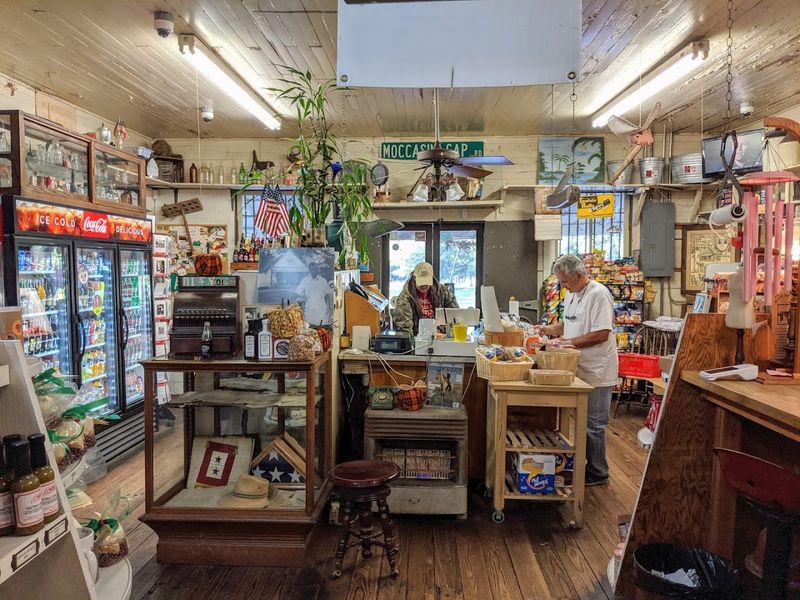
Since 1927, Bradley’s Country Store at 10655 Centerville Rd, Tallahassee, FL 32309 has been grinding out homemade sausage with a recipe so secret it makes the Colonel’s eleven herbs and spices look like public information. This family-operated treasure represents four generations of Bradleys who’ve mastered the art of making carnivores weep with joy.
The building wears its nearly century-old bones proudly, with wooden floors worn smooth by customers who’ve been making pilgrimages here longer than some countries have existed.
The smokehouse out back works overtime producing sausage, bacon, and other pork products that’ll convert vegetarians faster than you can say “pass the grits.” Inside, the original meat grinder from 1927 still churns away, proving that sometimes the old ways really are the best ways. Shelves overflow with Southern staples like cane syrup, stone-ground grits, and pickled everything, creating a grocery experience your smartphone’s shopping app could never replicate.
The store’s listed on the National Register of Historic Places, which is basically the Oscars for buildings that refuse to modernize. April visitors can enjoy the porch rockers without melting into puddles, watching the world slow down to a pace that makes sloths look hyperactive.
Grab some sausage, settle into the nostalgia, and remember when shopping meant community connection rather than clicking “add to cart.”
3. Evinston Community Store & Post Office
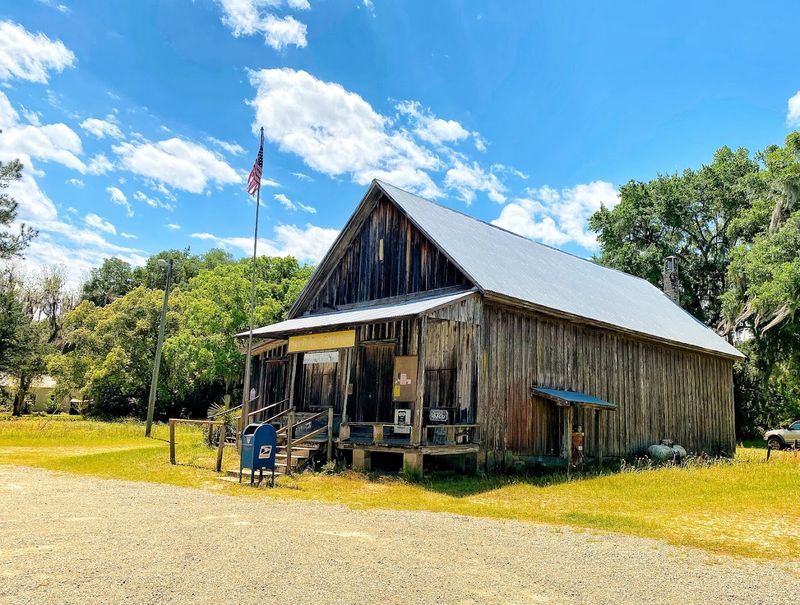
Where else can you mail a postcard, grab a sandwich, and hear the entire town’s news in under fifteen minutes? Evinston Community Store & Post Office at 18320 SE County Road 225, Evinston, FL 32633 multitasks like a champion, serving as the social hub for this tiny community since the 1880s.
The building’s modest white exterior hides the outsized role it plays in keeping this unincorporated hamlet connected to both the outside world and each other, proving that size definitely doesn’t matter when it comes to community importance.
The post office section occupies one corner, where mail gets sorted with a personal touch that automated distribution centers couldn’t replicate if they tried. The general store side stocks essentials alongside locally-made crafts and goodies, creating a shopping experience that feels more like visiting a well-stocked neighbor than patronizing a business.
Regulars gather at the small seating area, solving world problems over coffee and sandwiches while newcomers get the full download on local happenings faster than any social media algorithm could deliver.
Evinston itself barely registers on most maps, making the store a destination for those who collect quirky small-town experiences like some folks collect refrigerator magnets. April brings wildflowers to the surrounding countryside, transforming the drive to Evinston into a scenic journey through Old Florida landscapes that developers haven’t yet discovered and hopefully never will.
4. Ted Smallwood Store (Trading Post Museum)
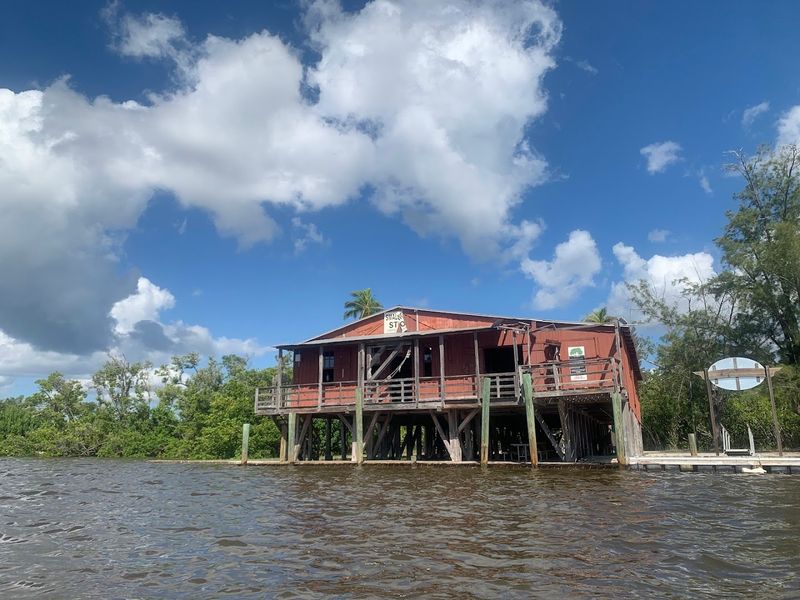
Perched on stilts above Chokoloskee Bay like a pelican surveying its domain, Ted Smallwood Store at 360 Mamie St, Chokoloskee, FL 34138 has witnessed more Everglades drama than a reality TV show could script in ten seasons. Built in 1906 by Ted Smallwood, this trading post served Seminole Indians, commercial fishermen, and pioneers tough enough to call this mosquito-infested paradise home.
The store’s now a museum preserving the wild frontier days when Florida’s Ten Thousand Islands region made the Wild West look downright civilized by comparison.
Walking inside transports you to an era when alligator hides served as currency and survival skills weren’t optional hobbies but daily requirements. The wooden floors creak with stories of deals made, friendships forged, and the occasional disagreement settled with frontier justice that wouldn’t pass modern HR standards.
The museum’s collection includes photographs, artifacts, and memorabilia documenting life in this remote outpost where civilization’s reach grew thin and questionable. April offers tolerable temperatures and reduced bug populations, making it ideal for exploring this National Register landmark without melting or donating excessive blood to mosquitoes who consider tourists an all-you-can-eat buffet.
5. Island Hotel (Former General Store)
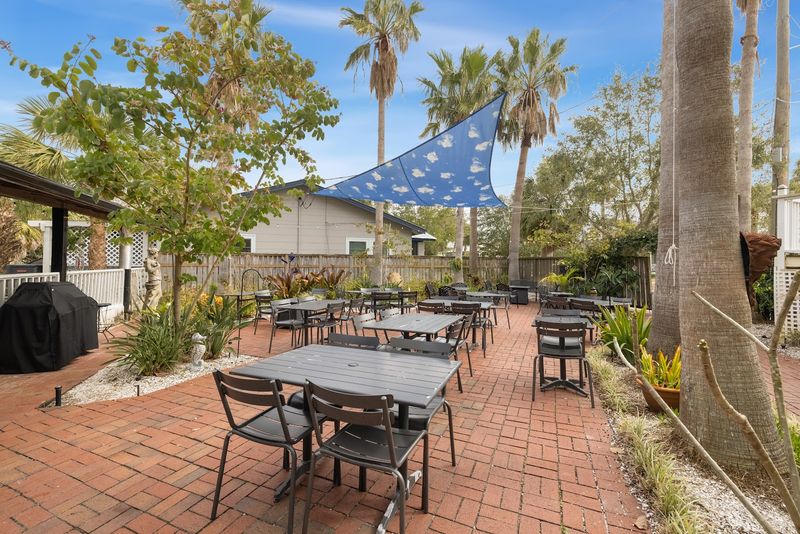
Before it became a charming hotel, the Island Hotel at 224 2nd St, Cedar Key, FL 32625 started life in 1859 as a general store serving this quirky island community when Florida was still figuring out statehood. The building’s survived Civil War blockades, multiple hurricanes, and Cedar Key’s transformation from booming lumber and pencil-manufacturing center to laid-back artist colony where clocks run on “island time” and stress goes to die.
Its tabby construction—a concrete made from oyster shells—represents Old Florida building techniques that modern contractors have mostly forgotten or deliberately avoid because mixing shells into concrete sounds suspiciously like extra work.
The structure’s witnessed Cedar Key’s entire rollercoaster history, from prosperous port to near-ghost town to quirky tourist destination where fishing boats outnumber luxury yachts and nobody owns an iron. While it no longer operates as a general store, the building’s bones remember when locals gathered here for supplies, gossip, and the kind of community connection that Amazon Prime definitely cannot deliver.
The hotel maintains much of the original character, with creaky floors that protest every footstep and walls that could tell stories making modern reality TV look boring.
Cedar Key itself remains refreshingly resistant to over-development, making April visits feel like discovering Florida before Mickey Mouse moved in. The island’s restaurants serve clams harvested locally, artists sell their work from tiny galleries, and the pace moves slower than continental drift, exactly as nature intended.
6. The Oldest Store Museum
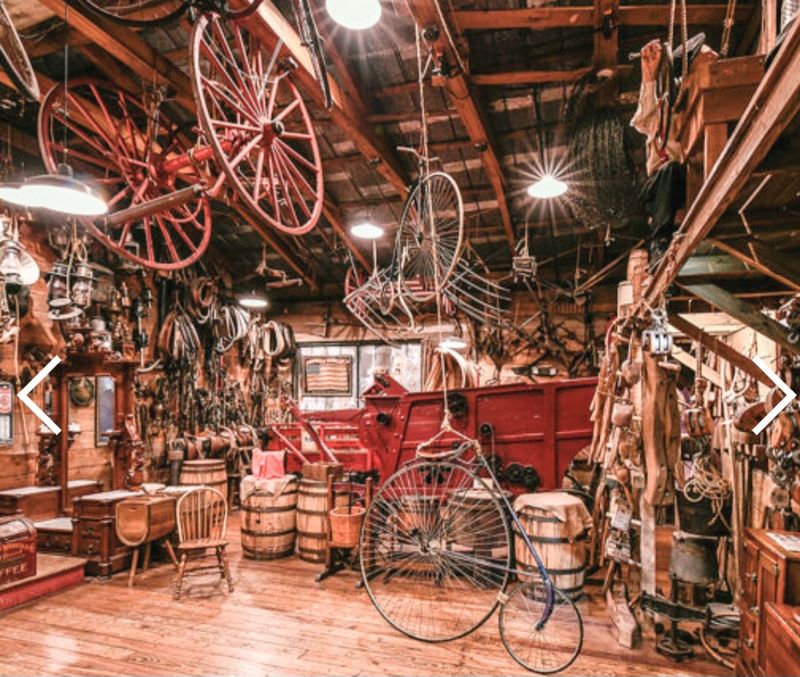
The Oldest Store Museum at 167 San Marco Ave, St. Augustine, FL 32084 recreates a turn-of-the-century general store so authentically you’ll expect Teddy Roosevelt to walk in demanding supplies for his next safari. Housed in a building dating to the 1740s—because St. Augustine doesn’t do “new”—this museum showcases over 100,000 items representing merchandise sold between 1890 and 1910, when America was transitioning from frontier outpost to modern nation and catalogs from Sears Roebuck represented the height of shopping technology.
The collection includes everything from patent medicines promising miracle cures to household goods that would baffle today’s consumers who can’t imagine life without electricity or smartphones.
Wandering the aisles feels like time-traveling without the paradox risks, surrounded by authentic products that Americans once considered cutting-edge consumer goods. Glass display cases overflow with items both familiar and bizarre, from recognizable brands that survived to obscure products that disappeared when customers realized they didn’t actually need a mechanical butter churner shaped like a cow.
The museum doesn’t just display merchandise; it tells stories about how Americans shopped, what they valued, and the clever (sometimes ridiculous) marketing that convinced them they absolutely needed these products.
Located in America’s oldest city, the museum fits perfectly into St. Augustine’s historic district where buildings casually mention construction dates from the 1600s. April visitors enjoy exploring without St. Augustine’s summer heat turning sightseeing into an endurance sport requiring strategic hydration planning.
7. Dudley Farm General Store (Historic State Park)
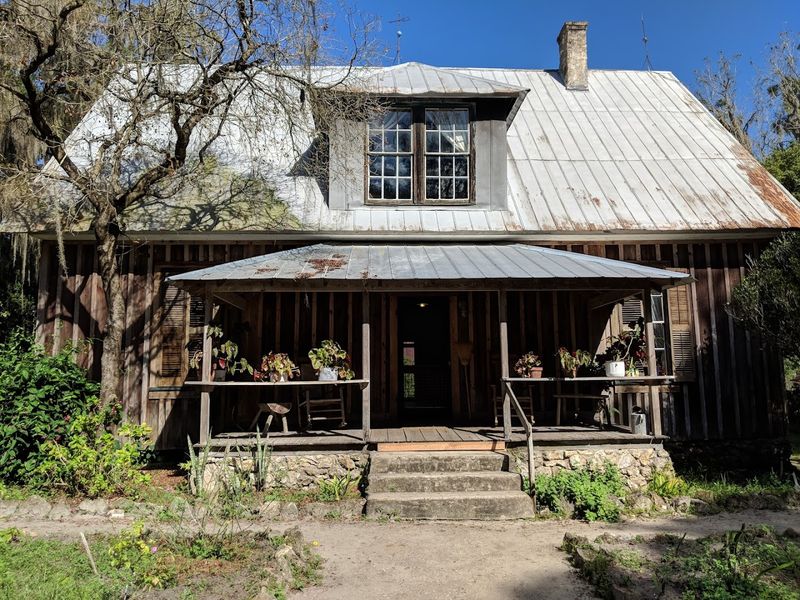
Dudley Farm Historic State Park at 18730 W Newberry Rd, Newberry, FL 32669 preserves an entire working farm from the late 1800s, and its general store represents the commercial heart of this self-sufficient operation. The Dudley family farmed this land for three generations, from 1850s pioneers through 1940s descendants, creating a time capsule showing how rural Floridians lived when “going to town” meant a day-long expedition requiring serious planning.
The general store served not just the Dudley family but neighboring farms, functioning as the area’s social and economic hub when Amazon deliveries meant something entirely different (probably involving the river, not the company).
The store building maintains its authentic appearance, stocked with period-appropriate merchandise that demonstrates what “essentials” meant before modern convenience redefined the term completely. Costumed interpreters explain how the store operated, what items sold best, and the credit system that kept rural communities functioning when cash money was scarcer than honest politicians.
Visitors can explore the entire 325-acre farm, including the farmhouse, outbuildings, and livestock that make this living history experience more educational than any textbook could manage without inducing narcolepsy.
The park offers hands-on activities where kids can experience chores that would make modern children file complaints with child protective services, like hand-pumping water or feeding chickens. April brings comfortable temperatures for exploring the grounds without melting into puddles or requiring emergency cooling interventions that pioneers definitely didn’t have available.
8. William Anderson General Merchandise Store (Historic Site)
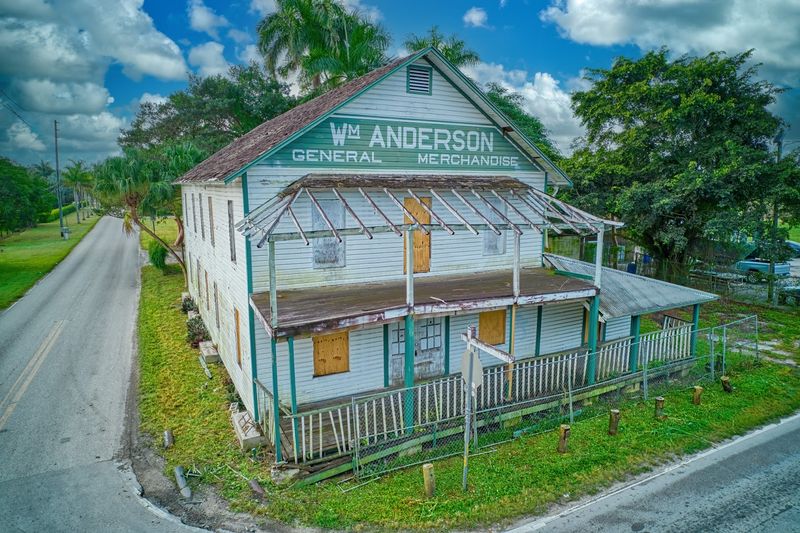
Down in Miami-Dade County where most historic buildings got bulldozed to make room for condos and shopping centers, William Anderson General Merchandise Store at 15700 SW 232nd St, Miami, FL 33170 survived as a precious reminder of South Florida’s pioneer past. Built in the early 1900s when this area was frontier territory populated by hardy souls who considered alligators and hurricanes minor inconveniences, the store served the farming community that established roots in this challenging environment.
Anderson’s store provided everything settlers needed to survive and occasionally thrive in a landscape that combined brutal heat, aggressive insects, and weather patterns seemingly designed by vengeful meteorological deities.
The wooden structure represents typical South Florida commercial architecture from the pioneer era, built with wide porches providing shade and breezeways promoting air circulation before air conditioning became humanity’s greatest invention. Inside, the store operated as combination general merchandise outlet, post office, and community gathering spot where farmers discussed crops, weather, and local news with passion usually reserved for sports debates.
The building now serves as a historic site preserving this vanished era when Miami meant farms and hammocks rather than beaches and nightclubs.
Located within the Richmond Perrine Historic District, the store helps tell the story of South Florida’s agricultural heritage that modern development has nearly erased from collective memory. April offers perfect weather for exploring this area before summer arrives with humidity levels that make breathing feel like drinking air through a wet towel.