
These Timeless Ohio Comfort Foods Have Been Loved by Locals for Generations
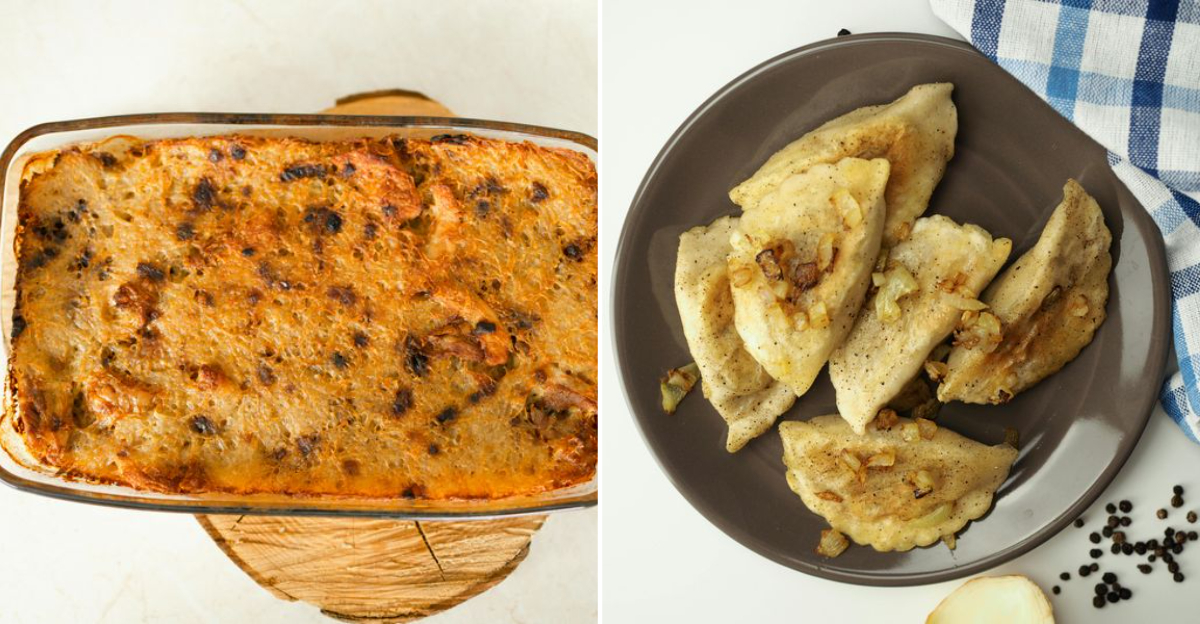
Ohio has a food scene that’s as rich and diverse as the people who call the Buckeye State home.
From sausage creations to candy treats shaped like nuts, the state’s culinary traditions tell stories of immigrant heritage, local innovation, and recipes passed down through countless family kitchens.
These comfort foods aren’t just meals—they’re edible memories that connect generations of Ohioans to their roots and remind everyone why there’s no place quite like home.
1. Cincinnati Chili
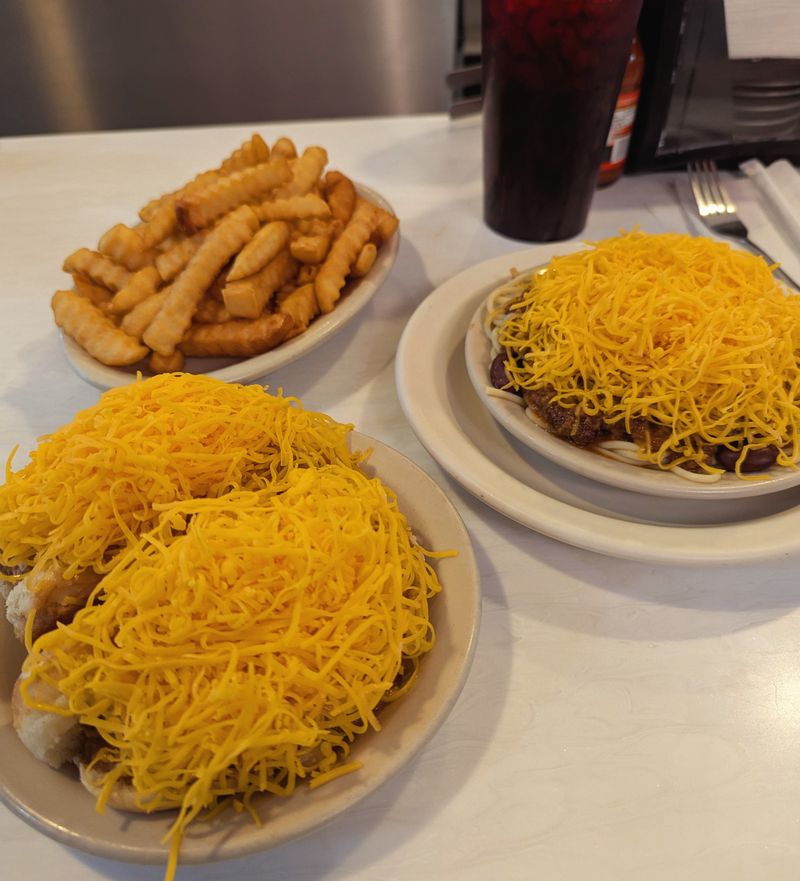
Nothing quite compares to the first time you experience chili ladled over spaghetti with a mountain of shredded cheese on top.
Cincinnati chili breaks all the traditional chili rules with its Mediterranean-inspired spices like cinnamon, cocoa, and allspice that create a flavor profile unlike anything else in America. Greek and Macedonian immigrants brought this recipe to Ohio in the 1920s, and locals have been ordering it “three-way,” “four-way,” or “five-way” ever since.
The numbers refer to how many toppings you pile on—spaghetti and chili make it a two-way, add cheese for three-way, onions or beans for four-way, and everything for the glorious five-way. Parlors across Cincinnati serve this beloved dish daily, with Skyline and Gold Star being household names.
Families gather for weekend chili runs, and newcomers quickly learn that questioning the spaghetti base is fighting words. This quirky comfort food proves that sometimes the strangest combinations create the most unforgettable traditions.
2. Goetta
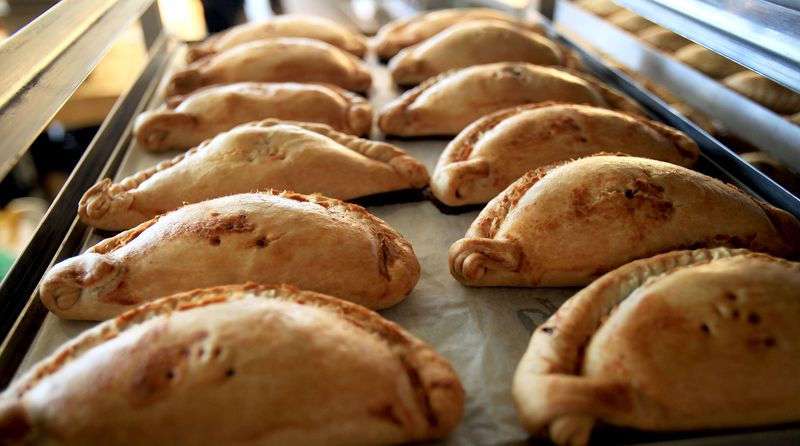
German immigrants arrived in Cincinnati with empty pockets but full recipe boxes, and goetta was their delicious solution to stretching meat supplies.
This breakfast sausage combines ground pork with pin-head oats and a blend of spices that creates a uniquely textured patty with crispy edges when fried just right. Families would make large batches to feed everyone affordably, and the tradition stuck around long after necessity faded.
You’ll find it sliced thick and sizzling on griddles at diners throughout Greater Cincinnati, often served alongside eggs and toast for a hearty morning meal. The oats give it a texture that’s simultaneously meaty and grain-forward, which sounds odd but tastes absolutely wonderful.
Some folks eat it as a sandwich filling, while others crumble it into recipes or enjoy it straight from the pan. Glier’s has been producing goetta commercially since 1946, making it easy for transplanted Ohioans to get their fix.
Annual goetta festivals celebrate this humble food with cooking competitions and creative recipes that honor immigrant ingenuity.
3. Buckeyes (Candy)
Ohioans take their state tree so seriously that they turned its nut into one of the most addictive confections ever created.
Buckeye candies feature creamy peanut butter balls partially dipped in chocolate, leaving a circle of peanut butter exposed to mimic the appearance of actual buckeye nuts from Ohio’s official state tree.
Grandmothers across the state guard their buckeye recipes like state secrets, each claiming theirs produces the perfect ratio of peanut butter to chocolate.
Holiday cookie trays feel incomplete without a generous pile of these sweet treats, and many families have designated buckeye-makers who produce hundreds during the festive season. The candy requires no baking—just mixing, rolling, chilling, and dipping—making it a perfect project for involving kids in kitchen traditions.
Ohio State football game days see buckeyes appear at tailgates and watch parties as edible good luck charms. The combination of sweet peanut butter and rich chocolate creates an irresistible flavor that keeps people reaching for just one more.
Simple ingredients transform into something special that represents Ohio pride in every bite.
4. Barberton Chicken
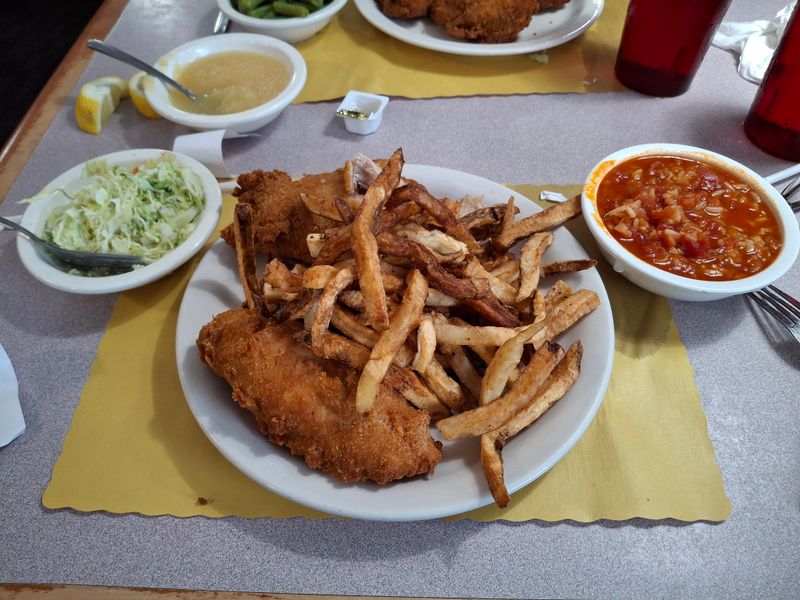
Serbian immigrants settled in Barberton and brought a chicken recipe that would put this small city on Ohio’s culinary map forever.
Barberton chicken features a distinctive breaded-and-fried preparation that delivers ultra-crispy skin, and it’s traditionally served with “hot rice” (often called hot sauce locally), coleslaw, and fries.
Belgrade Gardens, White House Chicken, and Hopocan Gardens have been serving this specialty for generations (Belgrade Gardens dating back to the 1930s, with the others opening later) creating friendly rivalries over who does it best.
The chicken arrives at your table crackling with crispiness, and the accompanying hot sauce adds a vinegary kick that cuts through the richness perfectly. Locals debate proper eating techniques—some dunk every bite in hot sauce while others use it sparingly to let the chicken flavor shine.
Families drive from across the state specifically for authentic Barberton chicken experiences at these legendary establishments. The coleslaw provides cool contrast, and the fries soak up extra sauce for maximum flavor.
This regional specialty proves that sometimes the simplest preparations create the most memorable meals worth traveling for.
5. Polish Boy
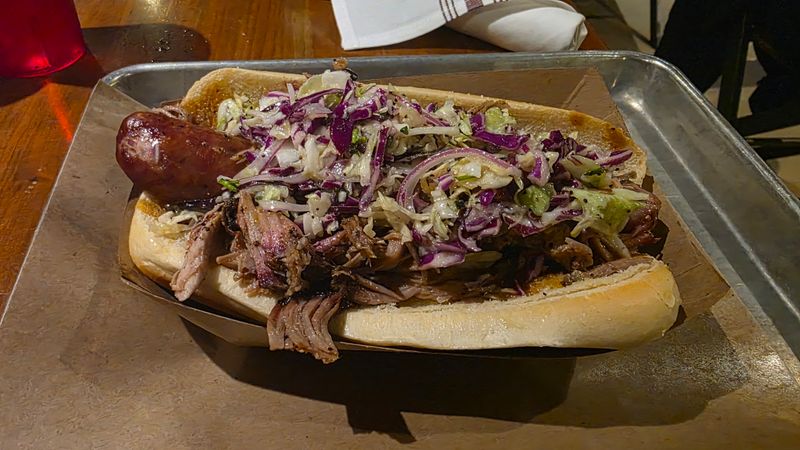
Cleveland created a sandwich so gloriously excessive that it basically contains an entire meal stuffed between two pieces of bread.
The Polish Boy starts with a grilled kielbasa sausage nestled in a bun, then gets topped with french fries, coleslaw, and barbecue sauce in a combination that sounds chaotic but tastes like genius.
This street food is closely associated with Cleveland’s East Side and the city’s hot-sauce and barbecue-stand culture, though its exact origin story is debated.
The hot sausage contrasts with cool slaw, while crispy fries add texture and the barbecue sauce ties everything together with tangy sweetness. You’ll need plenty of napkins because eating a Polish Boy neatly is physically impossible—embrace the mess.
Hot sauce stands and local joints across Cleveland serve their own versions, each claiming secret ingredient advantages. Some variations include hot sauce or different sausage types, but purists insist on the classic combination.
This sandwich represents Cleveland’s working-class roots and the city’s talent for creating unpretentious food that satisfies completely. One Polish Boy fills you up for hours of whatever adventures await.
6. Johnny Marzetti
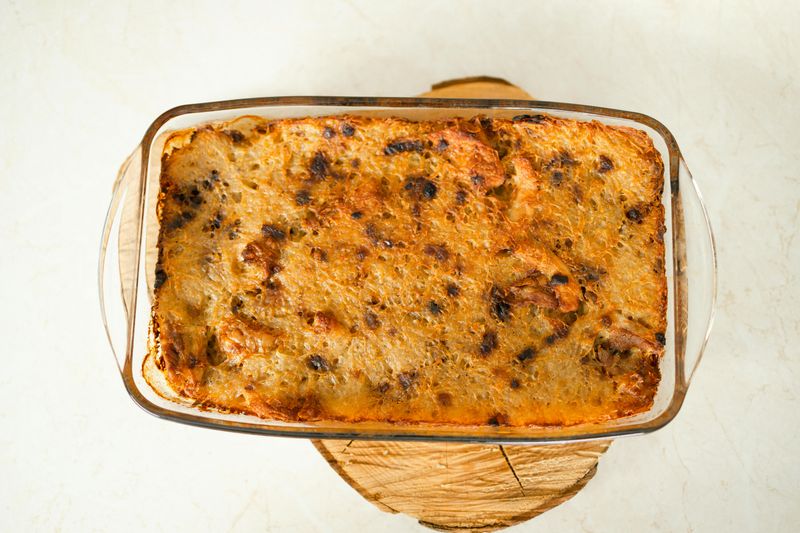
School cafeterias across Ohio have been serving this baked pasta casserole for decades, creating comfort food memories for countless students.
Johnny Marzetti combines ground beef, tomato sauce, cheese, and pasta—usually elbow macaroni—with vegetables like peppers and onions baked together until bubbly and golden.
The dish is commonly linked to Marzetti’s Restaurant in Columbus in the 1920s, though specific details of the “who it was named after” story are sometimes disputed.
Teresa Marzetti is often credited with popularizing the casserole as an affordable way to feed large groups, and Ohio schools adopted versions of it enthusiastically for the same reason.
Every family has their own version with secret additions like mushrooms, different cheeses, or special seasonings that make theirs the definitive recipe.
The beauty lies in its simplicity and the way flavors meld together during baking into something deeply satisfying. Leftovers taste even better the next day after the flavors have had more time to marry.
Church potlucks and family gatherings feature Johnny Marzetti regularly because it feeds crowds easily and pleases even picky eaters. This humble casserole represents Ohio home cooking at its most welcoming and delicious.
7. Shaker Lemon Pie
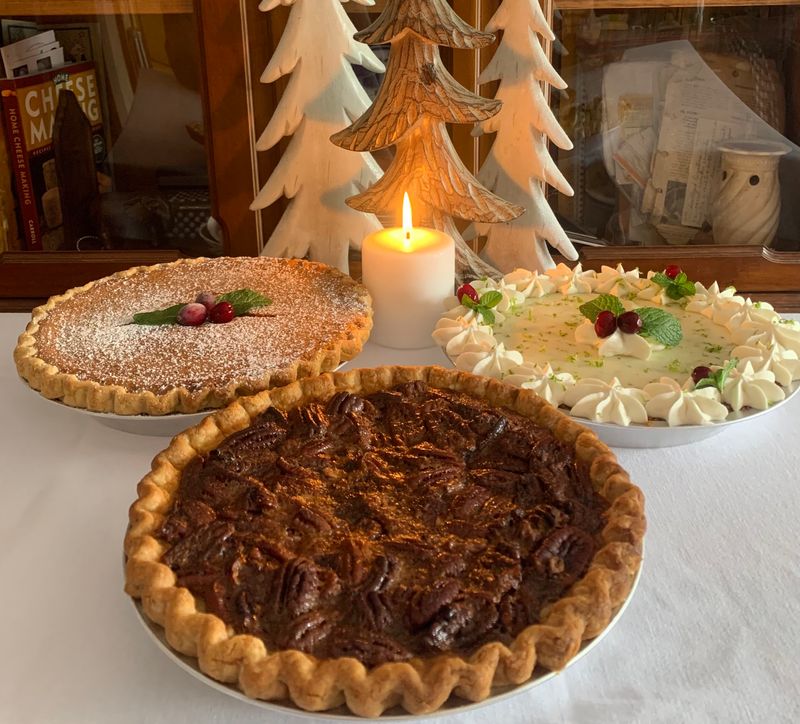
The Shaker communities of Ohio created a pie so intensely lemony that it makes ordinary lemon desserts seem like they’re barely trying.
Shaker lemon pie uses entire lemons—rind and all—sliced paper-thin and macerated with sugar before being baked into a custard filling that delivers powerful citrus flavor. This recipe emerged from the Shaker philosophy of using ingredients completely without waste, turning necessity into a dessert masterpiece.
The lemon slices soften during baking but retain slight texture, creating an interesting contrast with the smooth custard surrounding them. Every bite packs a punch of sweet-tart lemon flavor that’s both refreshing and rich simultaneously.
Making this pie requires patience as the lemon slices need to macerate overnight for the sugar to work its magic and mellow the bitterness. The result is worth the wait—a pie that tastes like sunshine captured in pastry form.
Ohio bakeries and home cooks keep this Shaker tradition alive, especially in areas near historical Shaker settlements. One slice proves that the Shakers knew exactly what they were doing when it came to creating unforgettable flavors from simple ingredients.
8. Coney Hot Dogs / Cincy Coneys
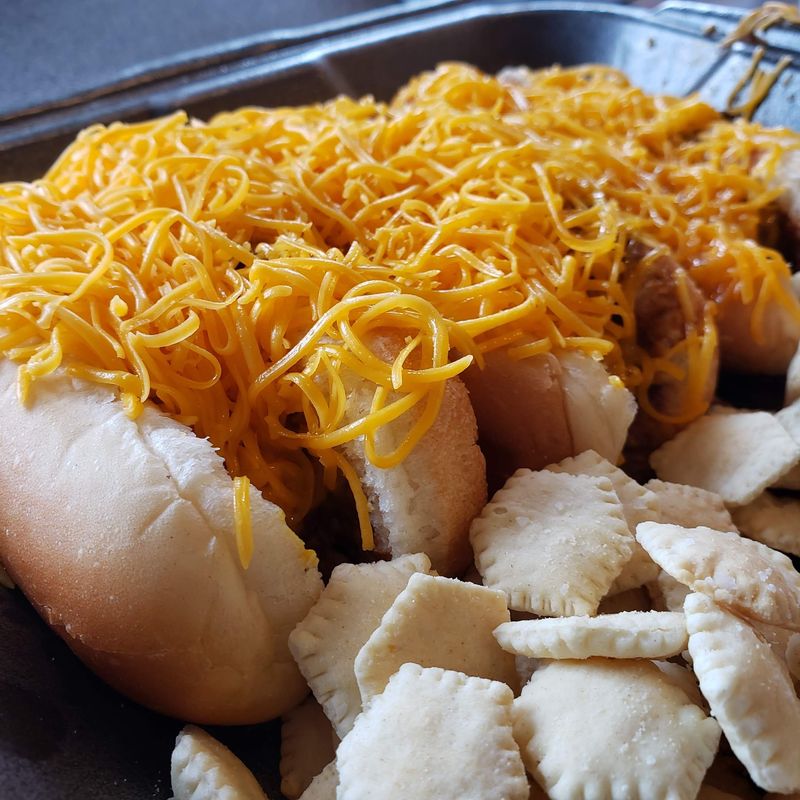
Hot dogs reached their ultimate form when Cincinnatians decided to smother them in their signature chili and pile on the toppings.
Cincy coneys feature all-beef hot dogs in steamed buns topped with Cincinnati chili, mustard, diced onions, and a mountain of shredded cheddar cheese that melts into everything. The same Greek and Macedonian immigrants who created Cincinnati chili adapted their recipe to work as a hot dog topping, creating another local obsession.
Chili parlors and small shops across the Cincinnati area serve these hot dogs daily, with Skyline Chili being the most recognized chain serving them. The chili’s unique spice blend transforms an ordinary hot dog into something special that locals crave regularly.
Proper technique involves eating them quickly before the steamed bun gets too soggy from the chili, though some folks prefer the softened texture. Many Ohioans order multiple coneys at once because one is never quite enough.
The combination of savory hot dog, spiced chili, sharp cheese, and pungent onions creates a flavor explosion that defines Cincinnati street food. Generations have grown up considering coneys essential eating.
9. Fried Bologna Sandwich
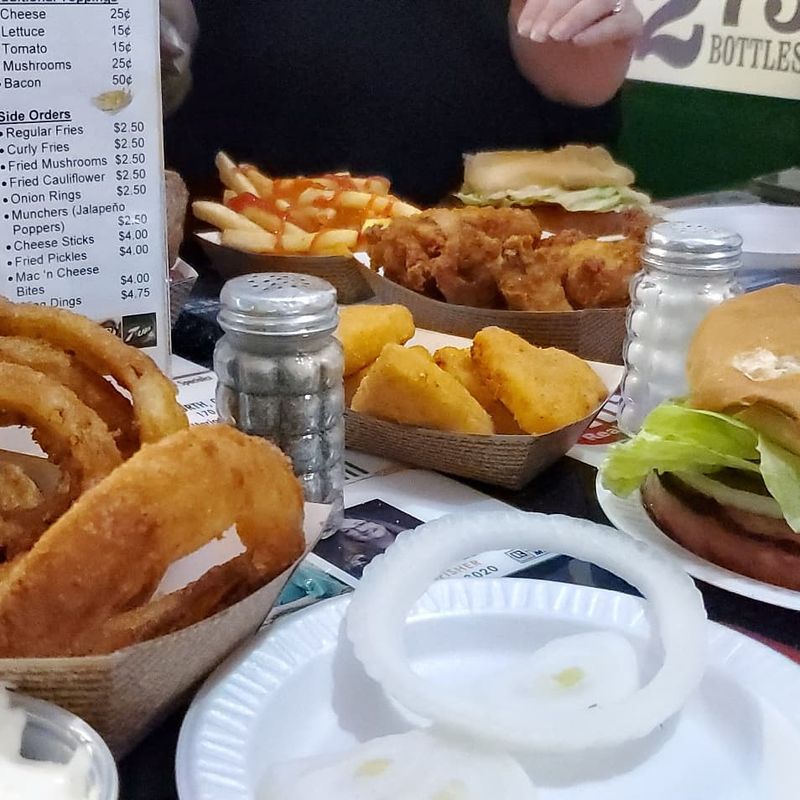
Fancy charcuterie boards have nothing on a properly fried bologna sandwich that’s been feeding Ohioans since forever.
This sandwich features thick-cut bologna fried in a skillet until the edges curl up and crisp while the center stays tender, then slapped on white bread with mustard and pickles. What sounds almost too simple to mention becomes something magical when the bologna gets that perfect sear and the fat renders out slightly.
Diners and home kitchens across Ohio have been making these sandwiches for generations as affordable comfort food that satisfies deeply. The key is cutting the bologna thick enough—about half an inch—so it doesn’t dry out during cooking.
Some people score the edges to prevent excessive curling, while others embrace the bowl shape that forms and fill it with toppings. Yellow mustard is traditional, though some rebels use mayonnaise or add cheese for extra richness.
Kids who grew up eating fried bologna sandwiches feel nostalgic every time that distinctive aroma fills the kitchen. This humble sandwich represents Ohio working-class cuisine that never pretends to be anything other than delicious simplicity done right.
10. Pierogies
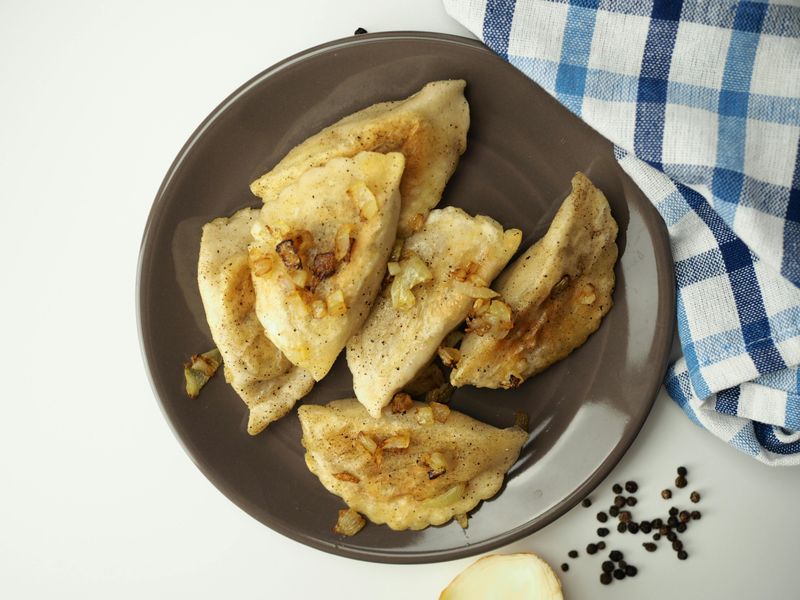
Polish, Ukrainian, and other Eastern European communities brought pierogi recipes to Ohio that have become beloved far beyond their immigrant origins.
Pierogies are dough pockets stuffed with fillings like mashed potatoes and cheese, sauerkraut, or even fruit, then boiled and often pan-fried until golden and crispy. Cleveland’s large Polish population made pierogies a local staple, with church festivals and family kitchens producing thousands during holidays.
The combination of tender dough, creamy filling, and crispy exterior creates textural perfection that’s hard to resist. Topping them with caramelized onions and sour cream adds richness that makes each bite even more satisfying.
Many Ohio families still gather for pierogi-making parties where multiple generations work assembly-line style to produce huge batches for freezing. Restaurants throughout the state serve pierogies as comfort food that appeals to everyone regardless of heritage.
Sweet cheese pierogies dusted with sugar make an unexpected dessert that converts skeptics immediately. These little dumplings represent the immigrant experience of bringing beloved traditions to new homes and sharing them generously with neighbors who become fans.
11. City Chicken
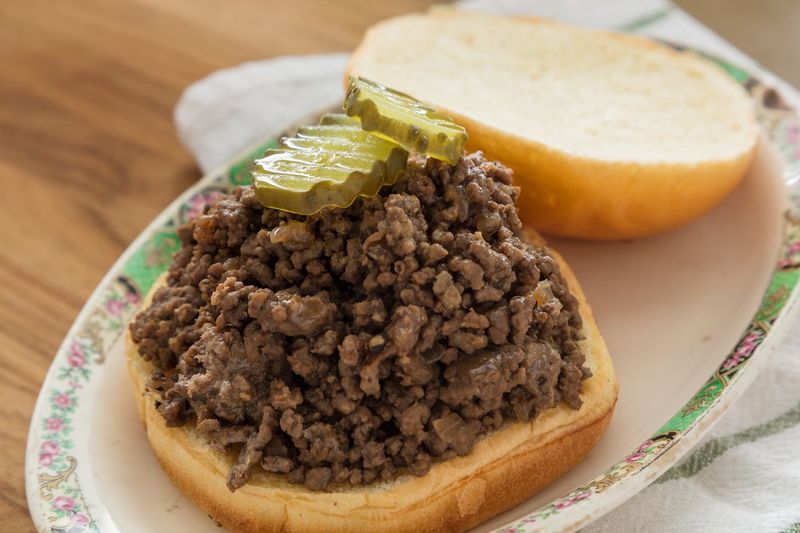
Despite its name, city chicken contains absolutely no chicken whatsoever—it’s actually cubed pork or veal on skewers masquerading as poultry.
This dish originated during the Great Depression when chicken was expensive but pork was affordable, so clever cooks threaded pork cubes onto skewers to resemble chicken drumsticks. The meat gets breaded and either fried or baked until golden and crispy, creating a dish that became a tradition long after chicken prices dropped.
Polish and Ukrainian communities in Cleveland and Youngstown adopted city chicken enthusiastically, making it a staple at family dinners and celebrations. The breading becomes wonderfully crunchy while the pork inside stays tender and juicy.
Many Ohioans grew up eating city chicken regularly without questioning why it wasn’t actual chicken—that’s just what it was called. Grandmothers still make it for Sunday dinners, and butcher shops in Ohio cities continue selling pre-skewered meat specifically for this purpose.
The name confusion delights newcomers who expect poultry and get pork instead. This quirky dish represents Ohio’s immigrant heritage and Depression-era resourcefulness that created something delicious from economic necessity.
12. Cleveland-Style Clambake
Cleveland sits hundreds of miles from the ocean, but that didn’t stop locals from creating their own version of a clambake with some creative substitutions.
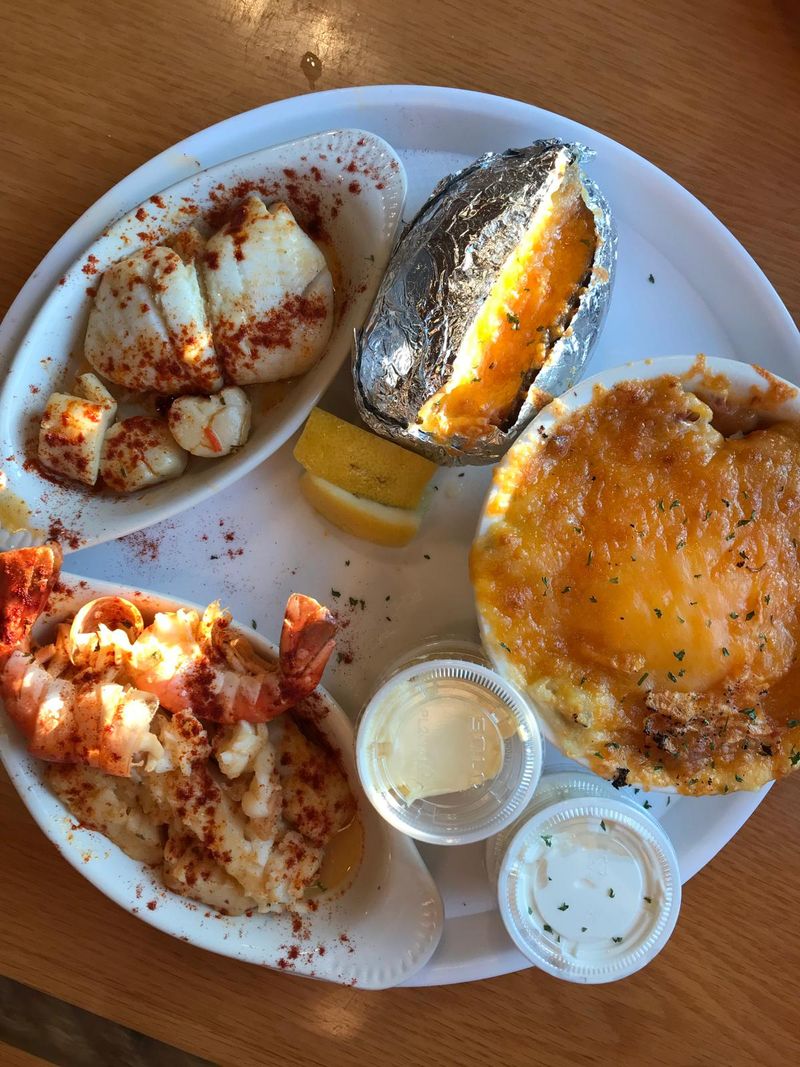
A Cleveland-style clambake keeps clams at the center of the feast, typically paired with half a chicken, corn on the cob, potatoes or sweet potatoes, and other vegetables cooked together in one big communal spread.
This landlocked adaptation emerged from Cleveland’s large Italian-American community who wanted the communal feast experience without expensive shipped seafood.
The sausage provides savory richness while the vegetables soak up all those wonderful flavors during cooking, creating a complete meal that feeds crowds easily. Families and organizations host clambakes for summer gatherings, fundraisers, and celebrations where everyone eats together picnic-style.
The cooking method often involves steaming everything together in large pots or even garbage cans lined with cheesecloth for authentic outdoor events. Coastal visitors might raise eyebrows at calling it a clambake, but Clevelanders know their version is just as delicious and way more practical.
This adaptation shows Ohio’s talent for taking traditions and making them work with local ingredients and preferences.
13. Brier Hill Pizza
Youngstown’s Italian immigrants created a pizza style so unique that it confuses people expecting typical cheese-covered pies.
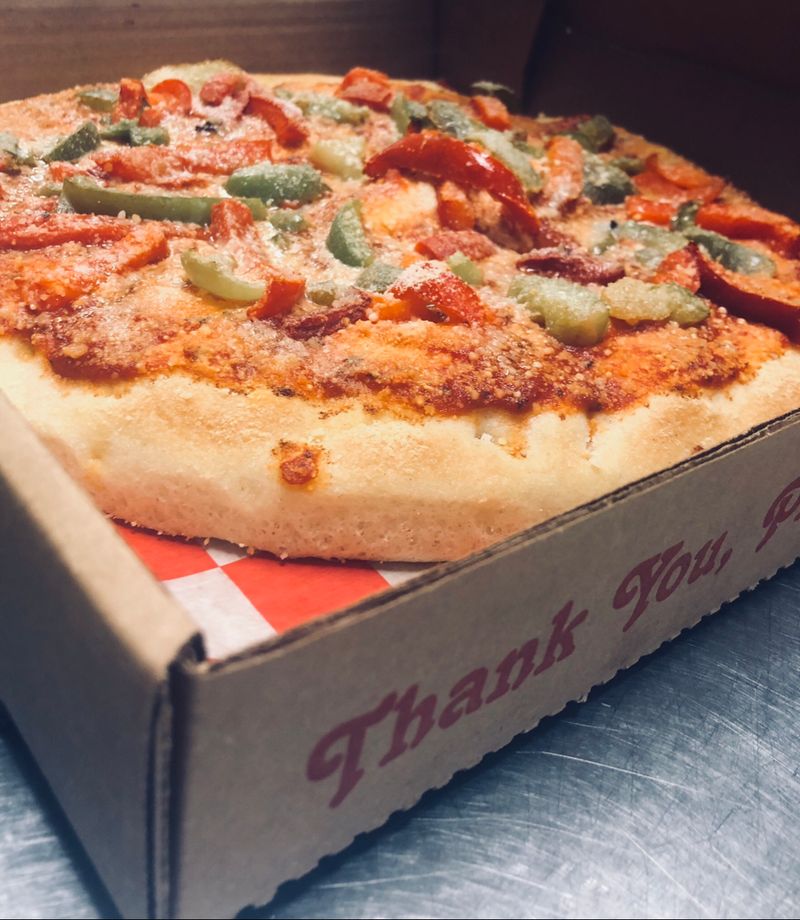
Brier Hill pizza features a thick crust topped with tomato sauce, romano cheese instead of mozzarella, and green bell peppers as the signature topping. The neighborhood of Brier Hill in Youngstown was home to Italian families who made this pizza in their homes and eventually in small bakeries.
The absence of mozzarella lets the tangy romano cheese and sweet peppers shine while the thick crust provides substantial base for toppings. This style represents old-world Italian baking traditions adapted to available ingredients in early twentieth-century Ohio.
Many pizzerias in the Youngstown area still offer Brier Hill pizza alongside more conventional styles, keeping the tradition alive for nostalgic locals. The simplicity of ingredients creates a cleaner flavor profile than heavily-topped pizzas that can overwhelm your taste buds.
Trying Brier Hill pizza means experiencing a slice of Ohio’s Italian-American history that tastes as good now as it did generations ago. Regional pizza styles like this remind us that American pizza is far more diverse than chain restaurants suggest.
14. Cookie Table (Wedding Tradition)
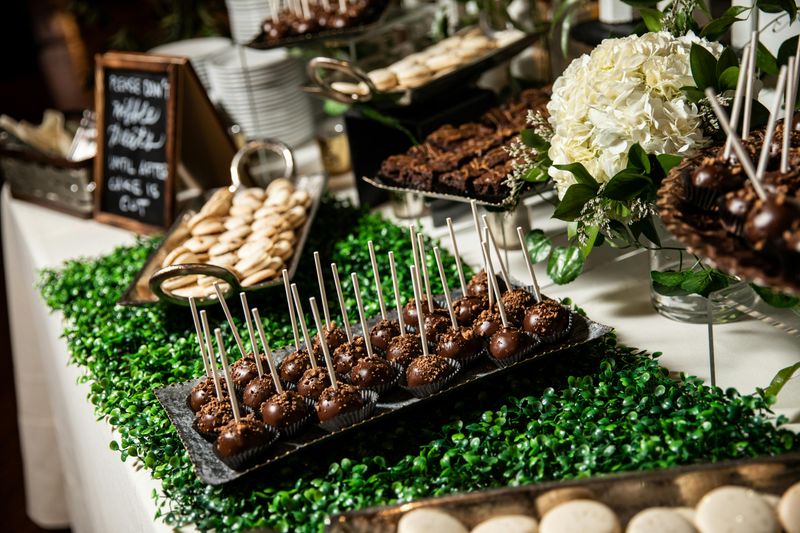
Ohio weddings, particularly in the Mahoning Valley and other pockets of northeast Ohio with strong Italian and Eastern European heritage, feature cookie tables that make regular dessert tables look pathetically inadequate.
The cookie table tradition involves families and friends baking dozens of different cookie varieties, sometimes hundreds of pounds total, displayed elaborately for wedding guests to sample and take home.
Brides’ families start baking weeks in advance, with grandmothers, aunts, and friends contributing their specialty recipes to create impressive spreads.
Guests receive boxes or bags to fill with cookies, essentially getting homemade favors that taste infinitely better than typical wedding almonds. The variety is staggering: pizzelles, biscotti, kolaczki, nut rolls, buckeyes, wedding cookies, and countless others crowd the tables in beautiful arrangements.
This tradition represents community, with the cookie table literally built from contributions of people who love the couple enough to spend hours baking. Some competitive bakers guard their cookie recipes fiercely while others happily share, creating informal recipe exchanges.
Cookie tables have become so expected at Ohio weddings that their absence feels strange to locals. This sweet tradition turns wedding receptions into celebrations of family heritage and baking skills passed down through generations.