
These Underrated Arizona Parks Are Shockingly Beautiful And Still Under The Radar
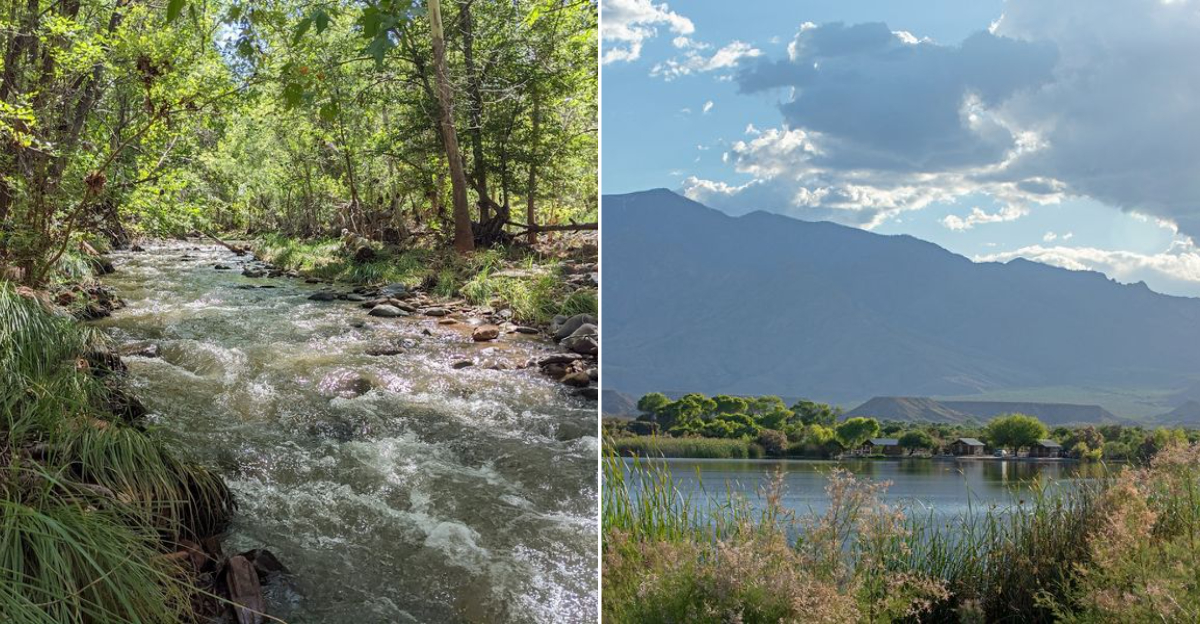
Not every unforgettable park comes with a famous name and a line of people waiting for the same photo.
Some of my favorite outdoor days start with a place I almost overlook, then suddenly I am standing in front of glowing cliffs, quiet water, wide desert, or a trail that makes the whole afternoon feel more interesting than planned.
Arizona is basically a masterclass in natural drama, but the under-the-radar corners are where the scenery feels personal, like the desert saved a few secrets for people willing to wander a little farther.
That is the magic behind this list. These parks are shockingly beautiful, surprisingly peaceful, and very capable of making me wonder why everyone is not talking about them already.
I have spent years road-tripping across this incredible state, and I keep stumbling onto parks that leave me completely speechless.
1. Tucson Mountain Park, Tucson, Arizona
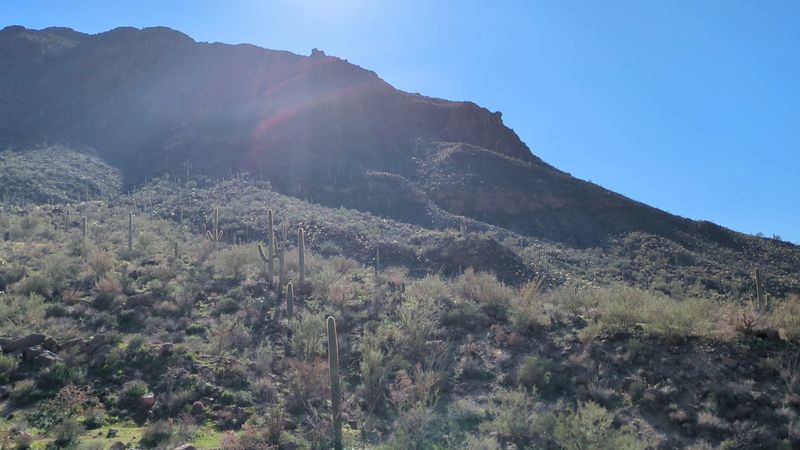
Sprawling across more than 20,000 acres just west of Tucson, Tucson Mountain Park is one of the largest municipal parks in the entire United States, and somehow it still flies under most travelers’ radars.
The park sits at 8451 W McCain Loop and is managed by Pima County, offering free access to everyone who shows up.
Saguaro cacti tower overhead like silent giants, and the trail network winds through classic Sonoran Desert scenery that feels both dramatic and peaceful at the same time. Hikers, mountain bikers, and horseback riders all share the trails here without the park ever feeling crowded.
The Gates Pass viewpoint inside the park is one of the most breathtaking sunset spots in all of southern Arizona. Pack a picnic, arrive about an hour before sundown, and watch the sky turn every shade of fire imaginable over the jagged ridgeline.
2. Oracle State Park, Oracle, Arizona
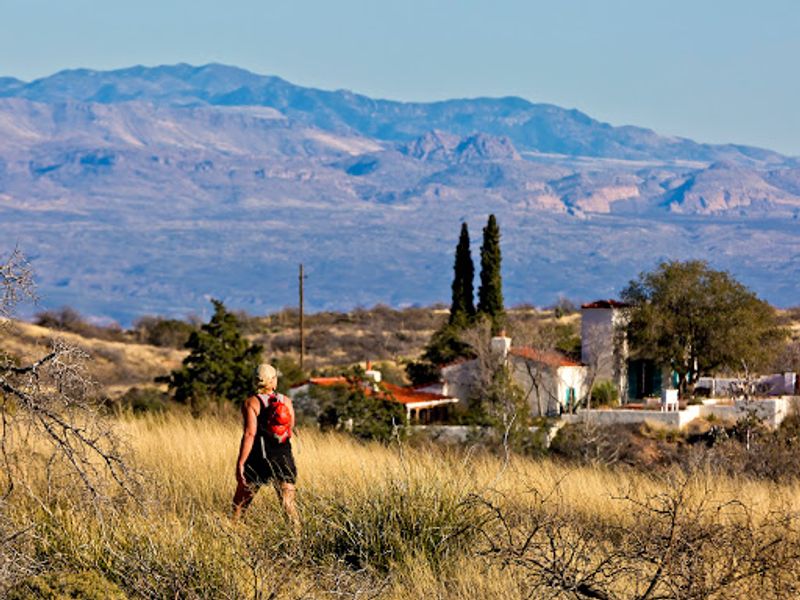
In the transition zone between the Sonoran Desert and the cooler mountain forests near the town of Oracle, this state park surprises almost every visitor who makes the drive up. Oracle State Park sits at 3820 E Wildlife Dr and offers a completely different side of Arizona than most people expect to find.
The park was once part of a working cattle ranch, and the historic Kannally Ranch House still stands on the property, giving the whole place a wonderfully layered sense of history. Birdwatchers absolutely love this spot because the varied habitat attracts an impressive mix of species throughout the year.
Trails here wind through oak woodlands, open grasslands, and rocky ridges with sweeping views toward the San Pedro Valley below. Cooler temperatures make it a smart choice during Arizona summers when the lower desert feels like the inside of an oven.
3. Dankworth Pond State Park, Safford, Arizona
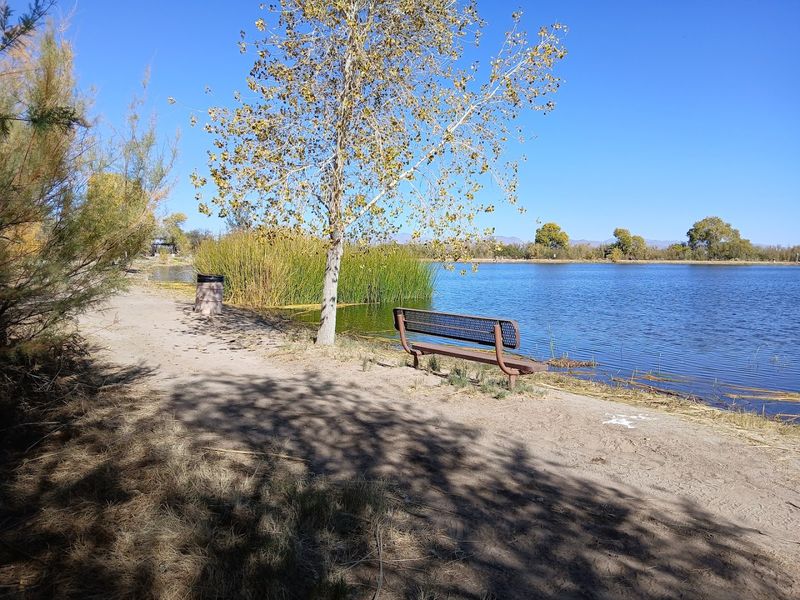
Along US-191 near the agricultural town of Safford in southeastern Arizona, Dankworth Pond State Park is the kind of quiet little place that feels like a well-kept neighborhood secret.
The pond itself is stocked with catfish and bass, making it a favorite among local anglers who appreciate a relaxed afternoon on the water without any fuss.
Cottonwood trees shade the banks, and the surrounding desert landscape creates a surprisingly lush and inviting atmosphere. It is a simple park in the best possible way, without elaborate facilities or crowds, just nature doing its thing.
Families with young children find this spot particularly appealing because the fishing is accessible right from the grassy shoreline.
Pairing a visit here with nearby Roper Lake State Park makes for a full and satisfying day in the Gila Valley, and the drive through the surrounding farmland adds its own rustic charm to the trip.
4. Roper Lake State Park, Safford, Arizona
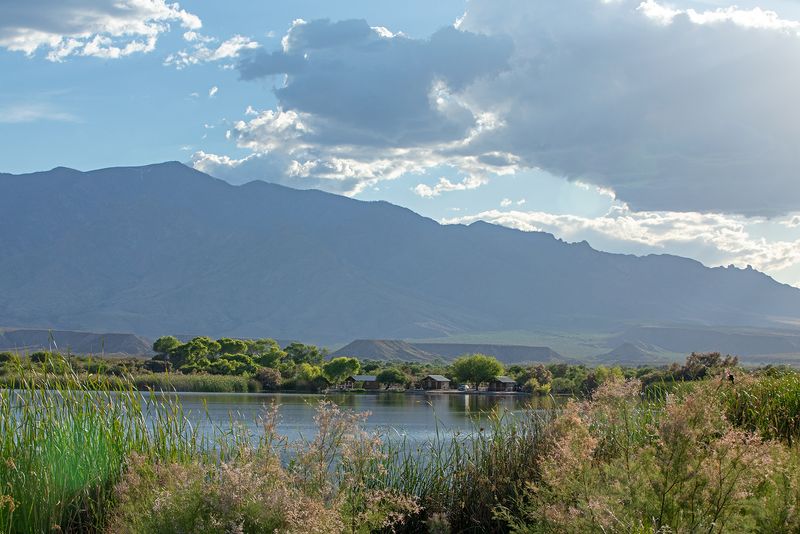
Mount Graham rises dramatically in the background while you stand at the edge of Roper Lake, and that view alone is worth the drive to Safford.
Located at 101 E Roper Lake Rd, this underappreciated state park sits in the Gila Valley of southeastern Arizona and packs in an impressive variety of outdoor experiences for a relatively small park.
Swimming, kayaking, fishing, and birdwatching are all on the menu here, and the park even features a natural hot spring tub where visitors can soak tired muscles after a day on the trails. That hot spring detail alone sets Roper Lake apart from nearly every other state park in Arizona.
Camping is available right on the lakeshore, and waking up to the sound of birds over the water with Mount Graham glowing in the morning light is the kind of experience that stays with you long after you have packed up your tent and headed home.
5. Sonoita Creek State Natural Area, Patagonia, Arizona
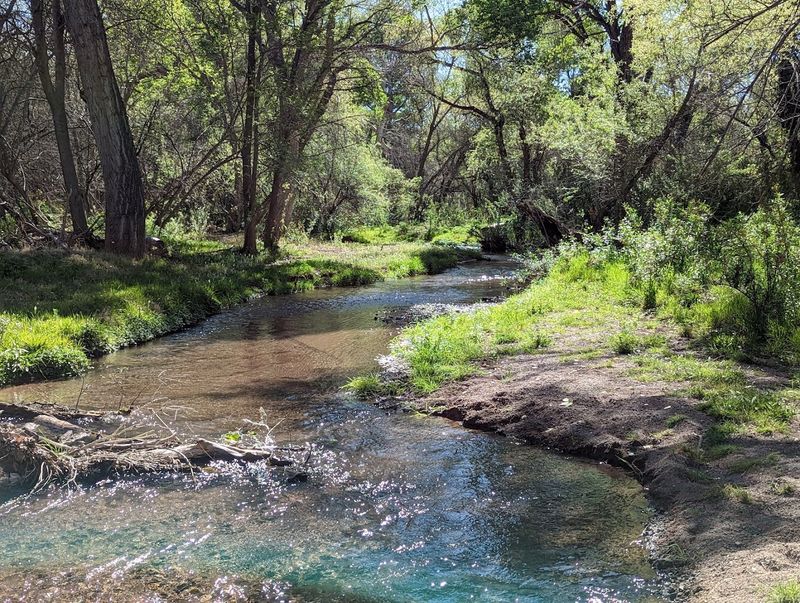
Some places earn their reputation not through dramatic cliffs or sweeping panoramas, but through a quieter, almost secretive kind of beauty, and Sonoita Creek State Natural Area near Patagonia is exactly that kind of place. Found at 400 Patagonia Lake Rd, this riparian corridor is one of the most ecologically important habitats in all of Arizona.
Massive cottonwood and willow trees create a shaded canopy above the creek, and the birding here is genuinely world-class. Rare species including the thick-billed kingbird and rose-throated becard have been spotted here, drawing birders from across the country who know exactly what they are looking for.
Walking the trail alongside the creek on a warm Arizona morning, with the sound of flowing water and birdsong filling the air, feels like stepping into a completely different world from the surrounding desert.
Access is managed through the adjacent Patagonia Lake State Park, so plan accordingly before your visit.
6. Patagonia Lake State Park, Patagonia, Arizona
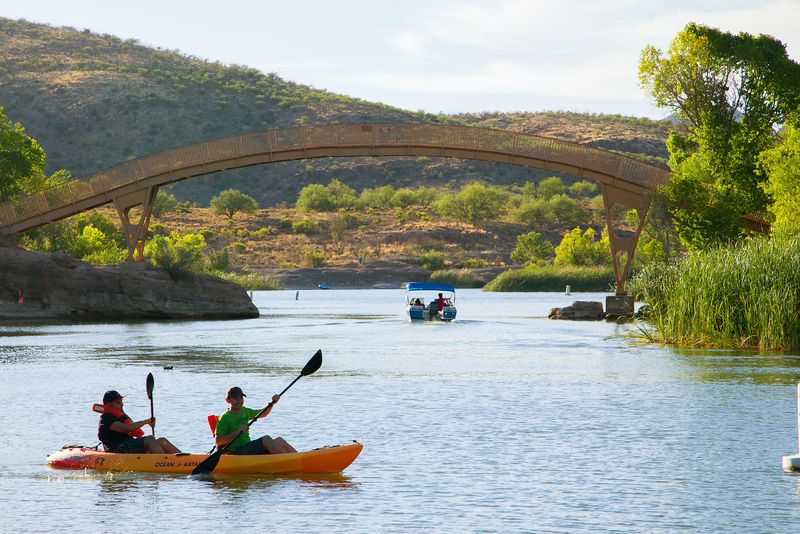
About 12 miles south of the charming little town of Patagonia, this lake park sits in a valley so lush and green that first-time visitors often do a double-take, wondering if they somehow crossed the border into a different landscape entirely.
Patagonia Lake State Park at 400 Patagonia Lake Rd is one of southern Arizona’s best-kept recreational secrets.
The 265-acre lake is open to boating, swimming, and fishing, with largemouth bass, crappie, and catfish all calling the water home. A sandy beach area makes it a genuinely fun destination for families looking for something beyond the typical desert park experience.
Camping spots right on the water fill up fast on weekends, so booking ahead is a smart move if you want a lakeside site. The combination of water recreation, excellent birding in the surrounding hills, and a relaxed small-town vibe nearby makes this park a total package worth the southern Arizona road trip.
7. Hassayampa River Preserve, Wickenburg, Arizona
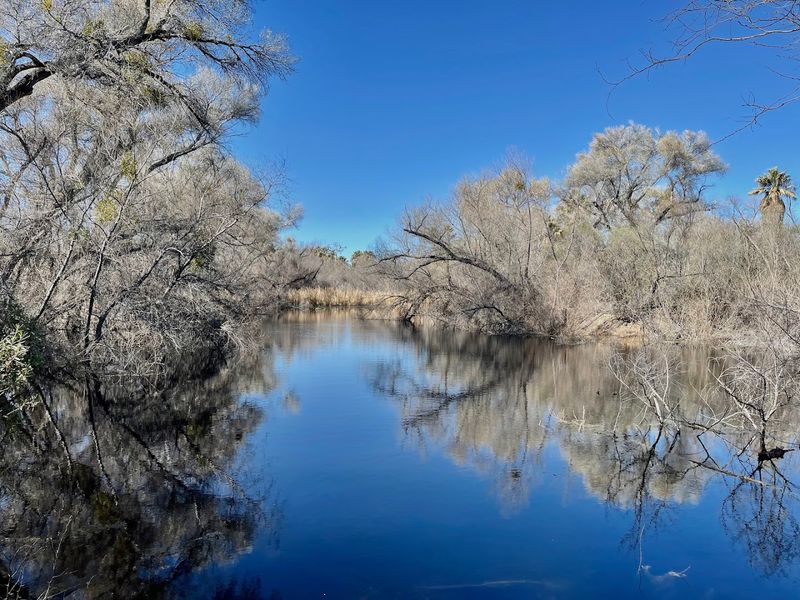
The Hassayampa River does something genuinely unusual in Arizona: it flows above ground. Most desert rivers here vanish underground for long stretches, but the Hassayampa stays visible through the preserve near Wickenburg, creating one of the most unexpected oases in the entire state.
The preserve at 49614 U.S. Hwy 60/89 is managed by The Nature Conservancy. Palm Lake, a small spring-fed pond inside the preserve, reflects the towering cottonwood trees overhead and draws an extraordinary number of bird species year-round.
Over 280 bird species have been recorded here, which makes it a legitimate bucket-list destination for serious birders and casual nature lovers alike.
The trails are easy and well-maintained, winding through dense riverside vegetation that feels almost tropical compared to the surrounding Sonoran Desert.
Visiting in the early morning hours during spring migration is the single best way to experience the full magic of what this remarkable little preserve has to offer.
8. Spur Cross Ranch Conservation Area, Cave Creek, Arizona
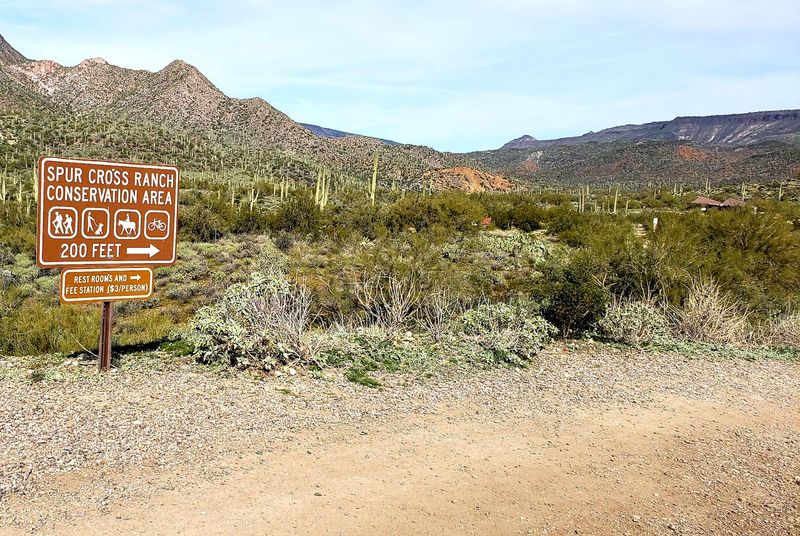
North of the quirky and lovable town of Cave Creek, Spur Cross Ranch Conservation Area protects one of the most spectacular riparian corridors in the entire Sonoran Desert.
The address is 44000 N Spur Cross Rd, and the drive through the Tonto National Forest foothills to reach it is already an adventure in itself.
Cave Creek, the actual waterway, flows through the heart of the conservation area and supports a remarkable concentration of wildlife, including javelinas, mule deer, raptors, and a healthy population of native fish.
The creek itself is a rarity in the Phoenix region, and seeing flowing desert water surrounded by towering saguaros is genuinely striking.
Trails here range from easy walks along the creek to longer loops that climb into rocky hills with wide desert views. Weekday mornings are the sweet spot for visiting, when the trails are nearly empty and the desert feels completely and wonderfully yours to explore.
9. White Tank Mountain Regional Park, Waddell, Arizona
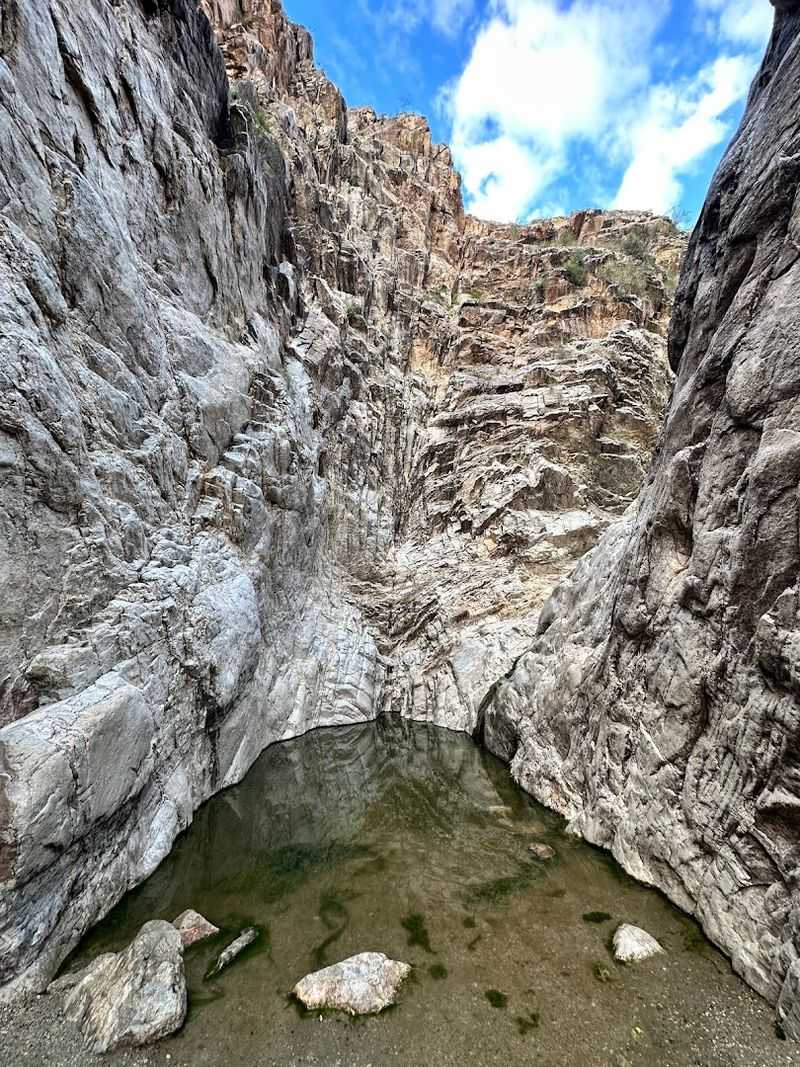
Just west of the Phoenix metro sprawl, a rugged granite mountain range rises sharply from the desert floor, and most people driving by on the freeway have no idea what is hiding inside.
White Tank Mountain Regional Park at 20304 W White Tank Mountain Rd in Waddell is Maricopa County’s largest regional park, covering over 30,000 acres.
The park gets its name from the natural basins, called tanks, that form in the granite rock and collect rainwater. These natural pools have drawn people to this spot for thousands of years, and ancient petroglyphs carved into the rock walls are still visible along several of the park’s trails today.
Waterfall Canyon Trail is a crowd favorite, leading hikers to a seasonal waterfall tucked into the mountains after good winter rains.
The night sky here is also impressively dark for a park so close to a major city, making it a solid choice for casual stargazing on clear evenings.
10. Estrella Mountain Regional Park, Goodyear, Arizona
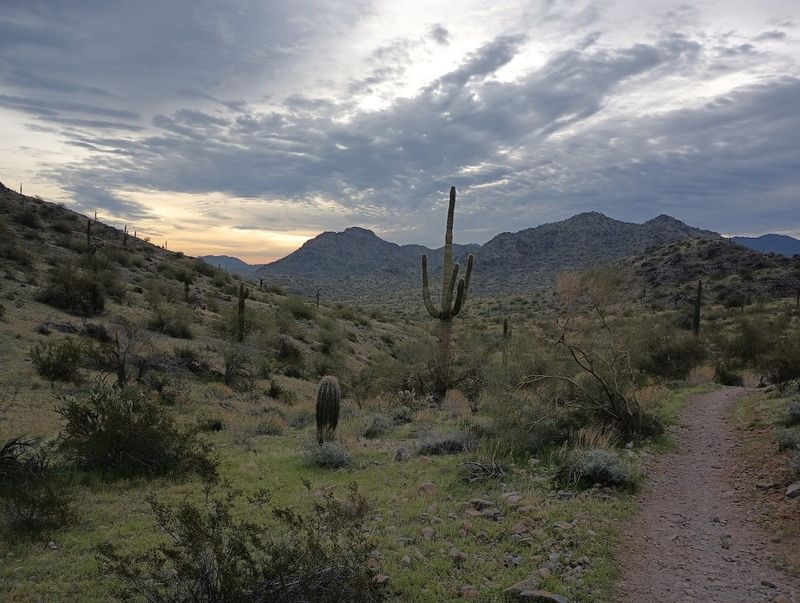
Named after the Sierra Estrella range that forms its dramatic southern boundary, Estrella Mountain Regional Park in Goodyear sits at 14805 W Vineyard Ave and offers a surprisingly wild outdoor experience just minutes from suburban Phoenix.
The Sierra Estrella mountains are considered sacred by the Tohono O’odham Nation, giving this landscape a deep cultural significance that adds real weight to any visit.
The park has over 33 miles of trails winding through classic Sonoran Desert terrain, and equestrian use is common here, so you might find yourself sharing the trail with horses. A rodeo arena and picnic areas make it a popular spot for local events and family gatherings on weekends.
For hikers willing to push into the higher elevations, the views back across the Phoenix valley and toward the distant mountain ranges are genuinely reward-worthy.
Cooler months between October and March are far and away the best time to experience this park at its most comfortable and most beautiful.
11. Horse Ranch State Park, Cottonwood, Arizona
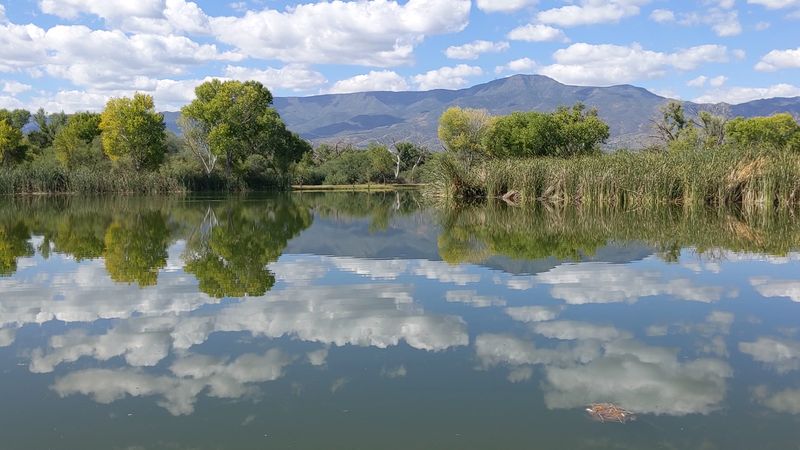
The name might raise an eyebrow, but the story behind it is actually pretty charming: the family that purchased the original ranch in the 1940s named it after the dead horse they found on the property, and the name just stuck.
Horse Ranch State Park at 675 Horse Ranch Rd in Cottonwood, Arizona, is one of the Verde Valley’s most rewarding and underappreciated outdoor destinations.
The park sits right along the Verde River, and the lush riparian habitat here supports an outstanding variety of bird life throughout the year. Cottonwood groves, willows, and native shrubs line the riverbanks and create a cool, shaded environment that feels like a genuine escape from the surrounding heat.
Fishing, kayaking, and leisurely riverside walks are all popular activities, and the campground is consistently rated among the best in northern Arizona.
The proximity to Cottonwood and nearby Jerome adds convenient options for dining and local exploration after a day in the park.
12. Red Rock State Park, Sedona, Arizona
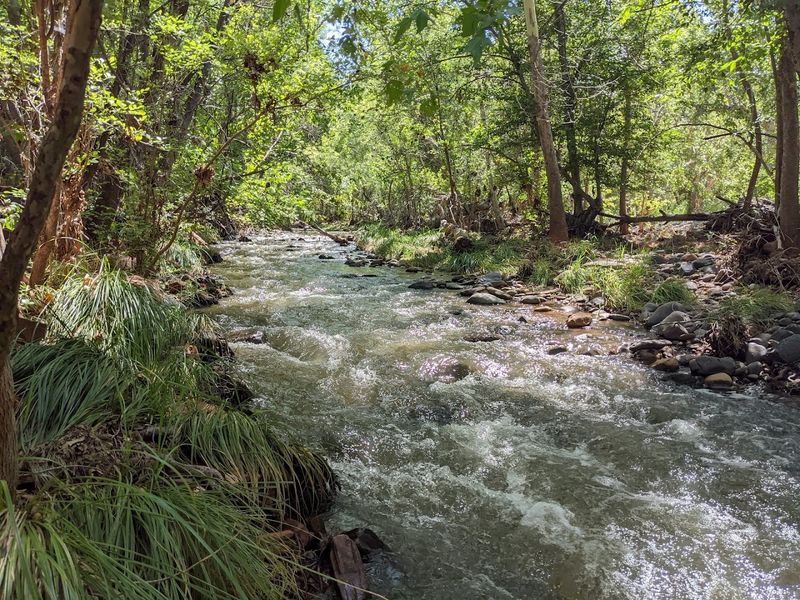
Sedona gets millions of visitors every year, but most of them crowd into Slide Rock or Cathedral Rock without ever discovering the quieter, more intimate magic of Red Rock State Park.
Located at 4050 Red Rock Loop Rd, this 286-acre park sits along Oak Creek and frames some of the most postcard-perfect scenery in all of Arizona.
Unlike some of Sedona’s busier attractions, Red Rock State Park has a genuine nature center and ranger-led programs that give visitors real context for the geology, ecology, and history of the red rock country.
The park is also a bird sanctuary, and the riparian habitat along the creek draws an impressive variety of species year-round.
Trails here are moderate and accessible, looping through the creek corridor with stunning views of the surrounding formations at nearly every turn.
Visiting on a weekday morning in spring, when the creek is running clear and the cottonwoods are leafing out in bright green, is about as good as Arizona gets.