
15 Things That Make Wegmans A Whole Different Supermarket World For New Yorkers
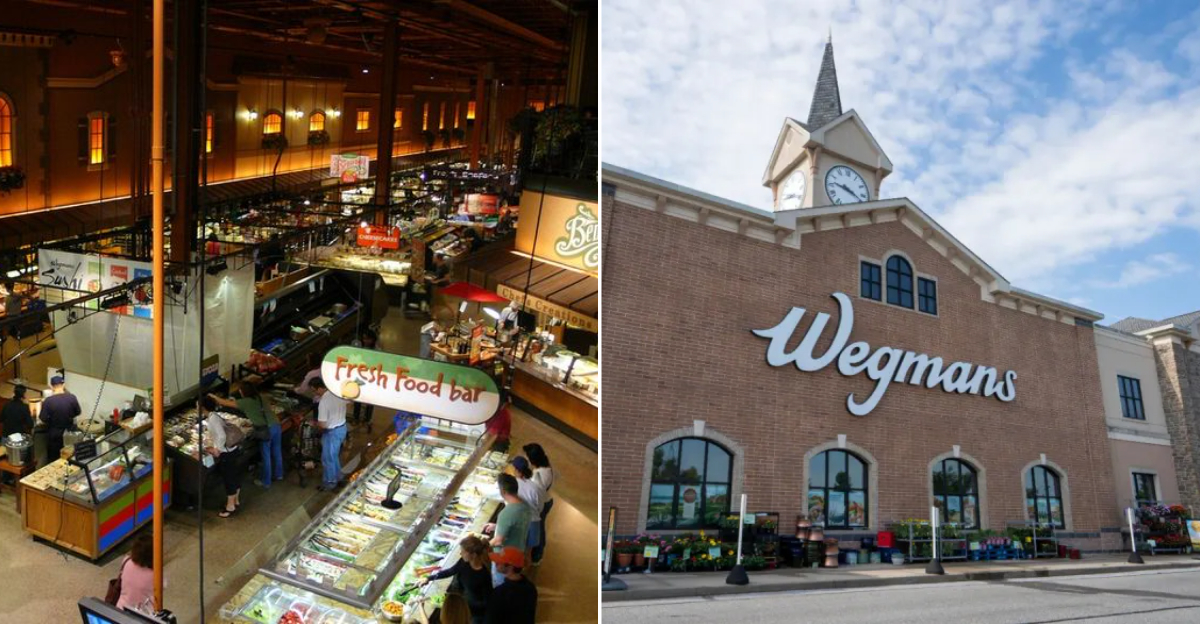
When I first stepped into a Wegmans supermarket after years of shopping at typical New York City grocery stores, my jaw literally dropped.
The spacious aisles, abundant selection, and overall shopping experience felt like I’d been teleported to grocery paradise.
For New Yorkers accustomed to cramped bodega aisles and limited selections, Wegmans isn’t just another supermarket – it’s a retail revelation that changes how we think about food shopping entirely.
1. A Layout That Makes Sense For Once
Remember my first time navigating a Wegmans? I actually didn’t need a treasure map to find the pasta sauce! The store’s intuitive layout groups similar items together in ways that mimic how people actually cook and eat.
Each department flows naturally into the next, creating a shopping journey that feels purposeful rather than punishing. Gone are the days of backtracking six aisles because someone decided peanut butter belongs nowhere near jelly.
The wide aisles – and I mean wide enough for two carts to pass without passive-aggressive cart bumping – make the whole experience feel civilized. For New Yorkers used to narrow pathways and obstacle-course shopping, this spatial generosity feels downright revolutionary.
2. The Prepared Food Section That Rivals Restaurants
Last Tuesday, exhausted after work, I grabbed Wegmans’ made-from-scratch sushi instead of my usual takeout. The quality floored me! Their prepared foods section isn’t the sad, dried-out affair you’ll find at typical supermarkets.
Staffed by actual chefs (not just food handlers), Wegmans offers restaurant-quality meals spanning global cuisines. From made-to-order stir-fry stations to wood-fired pizzas, the options make meal planning effortless.
For New Yorkers accustomed to choosing between expensive restaurants or mediocre deli counters, this middle ground is game-changing. The prices, while not cheap, still undercut Manhattan restaurants while maintaining quality that would make many city establishments nervous about the competition.
3. A Cheese Selection That Would Make France Proud
Holy brie, Batman! My cheese board game leveled up dramatically after discovering Wegmans’ cheese department. Their selection puts most New York specialty shops to shame, with hundreds of varieties from around the world.
The cheese counter staff actually know their stuff too. When I mentioned liking manchego but wanting something new, the cheesemonger offered three perfect alternatives with detailed tasting notes. Try getting that level of expertise at your corner bodega!
What really sets Wegmans apart is how they make gourmet cheese accessible. Each variety includes helpful description cards with pairing suggestions and origin stories. For cheese-curious New Yorkers intimidated by fancy fromageries, this approachable education transforms occasional cheese buyers into enthusiastic aficionados.
4. The Wine Shop That Doesn’t Judge Your Budget
Wine shopping at Wegmans cured my liquor store anxiety forever. Unlike those intimidating Manhattan wine shops where I felt judged for my modest budget, Wegmans’ wine section welcomes all price points without snobbery.
Their genius rating system uses clear symbols to indicate flavor profiles, making selection intuitive even for wine novices. Bottles at every price point feature detailed tasting notes and food pairing suggestions. When I admitted to a staff member I knew nothing about Rieslings, she enthusiastically offered samples and simplified explanations.
The integration with the grocery experience means I can coordinate dinner and wine pairings in one trip. For New Yorkers accustomed to carrying heavy bottles home separately from groceries, this convenience alone justifies the subway ride to Wegmans.
5. Store Brands That People Actually Prefer
Confession time: I now specifically request Wegmans-brand pasta sauce when friends cook dinner. Their store brands aren’t the sad, cost-cutting alternatives we’ve been conditioned to avoid at typical supermarkets.
Wegmans invests in developing products people genuinely prefer over national brands. Their organic pasta sauce costs less than Rao’s but delivers comparable quality. The Italian-style cookies in their bakery department outshine many imported options I’ve tried.
My pantry transformation happened gradually – first the olive oil, then the coffee, eventually the frozen appetizers. Before I knew it, I was a Wegmans brand loyalist. For value-conscious New Yorkers accustomed to compromising quality for affordability, discovering store brands that excel in both categories feels like unlocking a grocery cheat code.
6. Produce Section That Remembers Vegetables Have Seasons
Strawberries in February always tasted like disappointment until Wegmans showed me what seasonal shopping really means. Their produce department actually changes with the seasons, highlighting what’s truly at peak flavor rather than forcing year-round availability.
Local farm partnerships mean many fruits and vegetables travel minimal distances. The difference in taste is remarkable – I’ve rediscovered what tomatoes are supposed to taste like! Each section features information about growing regions and harvesting practices, connecting shoppers with their food’s origins.
The organization by freshness and ripeness levels helps prevent food waste too. For New Yorkers used to the Russian roulette of bodega produce (is this avocado ready now or never?), Wegmans’ thoughtful approach to freshness feels like having a personal garden without the fire escape constraints.
7. An International Aisle That Actually Respects Other Cultures
My Korean friend nearly cried finding authentic gochujang at Wegmans – not the watered-down “Asian-inspired” version most stores carry. Their international aisles demonstrate actual research into authentic ingredients rather than stereotypical approximations.
Products are organized by country and region with bilingual labeling where appropriate. You’ll find specific regional variations too – not just “curry powder” but distinct blends from different South Asian traditions. Wegmans regularly consults cultural experts when expanding these sections, and it shows.
Beyond ingredients, they offer preparation guidance and recipe suggestions that honor traditional uses. For multicultural New York, where finding authentic ingredients often requires special trips to borough-specific neighborhoods, having respectful international selections in one location transforms how immigrant communities and food enthusiasts shop.
8. Staff Who Actually Know Where Things Are
“Aisle seven, halfway down on the right, next to the pine nuts” – those magical words from a Wegmans employee when I asked about tahini still bring tears of joy to my eyes. Their staff training apparently includes actual store knowledge, not just register operations.
Employees roam the floor specifically to help confused shoppers, often anticipating questions before you ask. When I looked perplexed in the baking section, someone appeared like a grocery guardian angel to guide me. They don’t just point vaguely toward a distant aisle either – they’ll walk you directly to the product.
The genuine enthusiasm for food among staff creates conversations beyond mere locations. For New Yorkers accustomed to the blank stares or annoyed shrugs at typical markets, this engaged expertise makes Wegmans feel like shopping with knowledgeable friends.
9. A Bakery That Remembers Bread Is Supposed To Have Flavor
The aroma hit me before I even saw Wegmans’ bakery section – that intoxicating scent of actual fermentation and caramelization that’s absent from most supermarket bread aisles. Their artisanal breads aren’t just for show; they’re legitimately delicious.
Many varieties are baked throughout the day rather than shipped in once morning. The sourdough has actual tang, the baguettes possess that perfect contrast between crust and interior. Beyond bread, their pastries avoid the artificial sweetness plaguing most grocery bakeries.
The transparent ingredient lists reveal another surprise – recognizable components you’d find in home baking. For New Yorkers who’ve resigned themselves to making special trips to neighborhood bakeries for quality bread, finding comparable options during regular grocery shopping eliminates one more errand from our perpetually packed schedules.
10. Checkout That Doesn’t Feel Like Punishment
My first Wegmans checkout experience nearly made me drop my reusable bags in shock. No marathon waiting, no cashier sighing at my pile of produce, just efficient, pleasant service that didn’t feel rushed despite its speed.
Their checkout system seems designed by people who actually shop for groceries. Baggers who understand that bread shouldn’t support canned goods, multiple payment options that work on the first try, and registers that open proactively when lines form. Even self-checkout has staff nearby who help rather than just monitor for theft.
The receipt clarity deserves special mention – organized by department with easy-to-read pricing. For New Yorkers conditioned to view checkout as the inevitable suffering that concludes shopping, Wegmans’ painless process feels almost suspiciously pleasant, like we’re getting away with something forbidden.
11. A Bulk Section That Doesn’t Require A Second Mortgage
The day I discovered Wegmans’ bulk section, my wallet and pantry organization both improved dramatically. Unlike those precious health food stores charging artisanal prices for basic grains, Wegmans offers bulk goods at prices that make sense.
Their selection ranges from everyday staples to specialty ingredients you’d normally buy in wasteful small quantities. The clearly marked scoops and bags make the process intuitive, while regular cleaning and stock rotation ensure freshness. The scale system prints labels with cooking instructions – a thoughtful touch for experimental cooks.
Environmental impact information displayed throughout the section helps shoppers understand the waste reduction benefits. For apartment-dwelling New Yorkers with limited storage, buying exactly the amount needed prevents both food waste and cabinet overcrowding – a dual victory for sustainable urban living.
12. Organic Options That Don’t Require A Trust Fund
“Organic” and “affordable” appeared in the same sentence at Wegmans, shattering my long-held belief that healthy eating required financial sacrifice. Their organic selection spans virtually every department without the astronomical markup found elsewhere.
Strategic store brand development in the organic space contributes to this accessibility. Wegmans organic milk costs notably less than equivalent brands at conventional markets while maintaining quality standards. Clear labeling helps shoppers understand certification differences without overwhelming with jargon.
The integration of organic products throughout the store rather than segregation in a special section normalizes these choices. For health-conscious New Yorkers who’ve long calculated the organic premium into grocery budgets, Wegmans’ reasonable pricing approach makes sustainable eating less about privilege and more about preference – a subtle but meaningful shift in food democracy.
13. A Coffee Bar That Understands The Meaning Of ‘Good Coffee’
My caffeine standards skyrocketed after experiencing Wegmans’ in-store coffee bar. This isn’t the sad, burnt-tasting afterthought most supermarkets offer – it’s legitimate competition for dedicated coffee shops.
They roast beans in-house, offer multiple brewing methods, and employ baristas who understand extraction times matter. The seasonal offerings showcase coffee’s diversity beyond basic dark/medium/light distinctions. Even their self-serve station features freshly ground beans rather than pre-ground staleness.
The seating area transforms the experience from mere refueling to actual enjoyment. For New Yorkers accustomed to either expensive specialty coffee or disappointing chain alternatives, finding quality coffee integrated into grocery shopping creates unexpected efficiency in our daily routines – one less separate stop in a city where every minute of commuting matters.
14. A Seafood Counter With Fish That Doesn’t Smell Like Fish
The absence of that distinctive “fish market smell” was my first clue Wegmans’ seafood department operated differently. Their commitment to freshness means seafood arrives multiple times weekly, often going from boat to counter within 24 hours.
Transparency about sourcing appears on every label – not just country of origin but specific fishing methods and sustainability ratings. The fishmongers offer preparation advice beyond the standard “cook until flaky” and will clean, fillet, or season purchases upon request. Ice displays are continuously refreshed, preventing the temperature fluctuations that accelerate spoilage.
Sampling programs encourage exploration beyond familiar options. For coastal-deprived New Yorkers who’ve settled for frozen alternatives due to quality concerns with typical supermarket offerings, Wegmans’ approach to seafood reopens culinary possibilities previously reserved for special restaurant occasions.
15. A Store Layout That Acknowledges Humans Need To Rest
Midway through my first epic Wegmans expedition, I discovered something revolutionary – actual seating areas scattered throughout the store! This acknowledgment that shopping is physically taxing transformed my relationship with grocery trips.
Strategic seating near departments encouraging browsing (like books and wine) creates natural pause points. The café area welcomes shoppers regardless of purchase status, providing respite without obligation. Even the checkout area includes consideration for those waiting for companions or transportation.
The spacious restrooms – clean enough to actually use without hazmat gear – complete this human-centered approach. For New Yorkers accustomed to treating grocery shopping as an endurance sport with no breaks permitted, these thoughtful accommodations recognize shopping as a social activity rather than merely a transactional necessity. The result feels almost European in its civilized approach to commerce.