
10 Things To Know Before Taking A Road Trip Through New Mexico
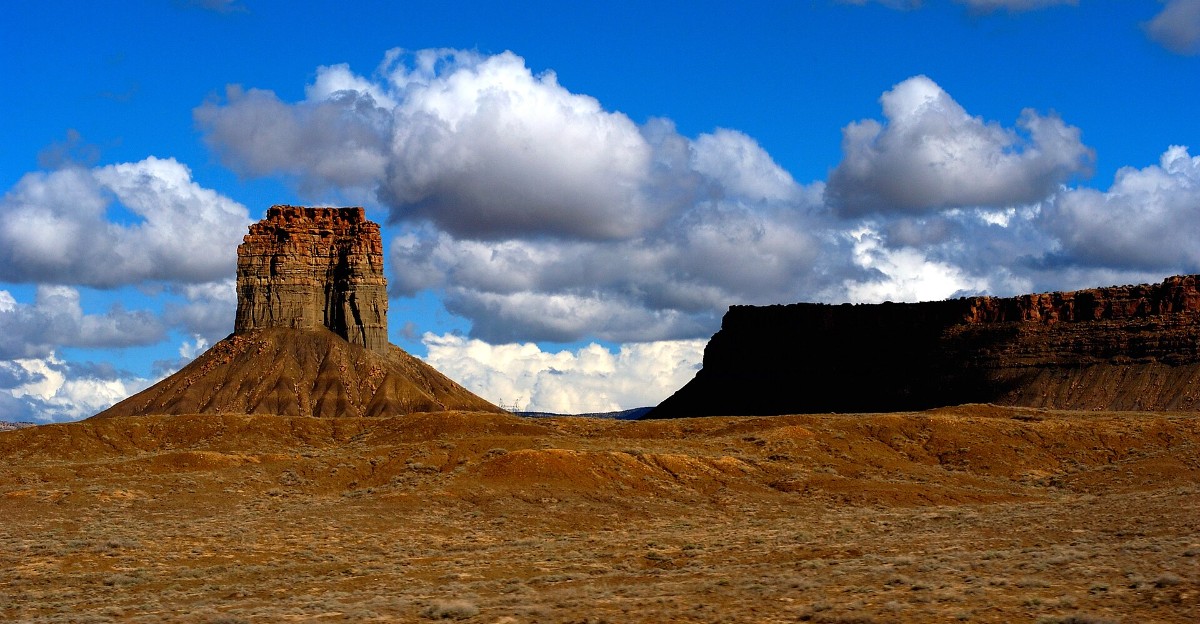
If a road trip is your idea of a perfect getaway, New Mexico deserves a serious spot on your bucket list.
And no, it’s not just endless desert and tumbleweeds rolling across the highway. We’re talking snow-white sand dunes, colorful mountain landscapes, artsy little towns, ancient history, and stretches of open road that practically beg you to pull over for a photo.
There’s a reason this place is called the Land of Enchantment, and trust us, the scenery alone makes a pretty convincing case.
But before you toss your bags in the trunk and cue up your favorite road-trip playlist, there are a few things worth knowing.
Distances can be bigger than they look on the map, the weather likes to keep you guessing, and some of the best stops take a little planning.
Ready to explore? Here are 10 things to know before hitting the road through New Mexico.
The Miles Stretch Out Like Taffy
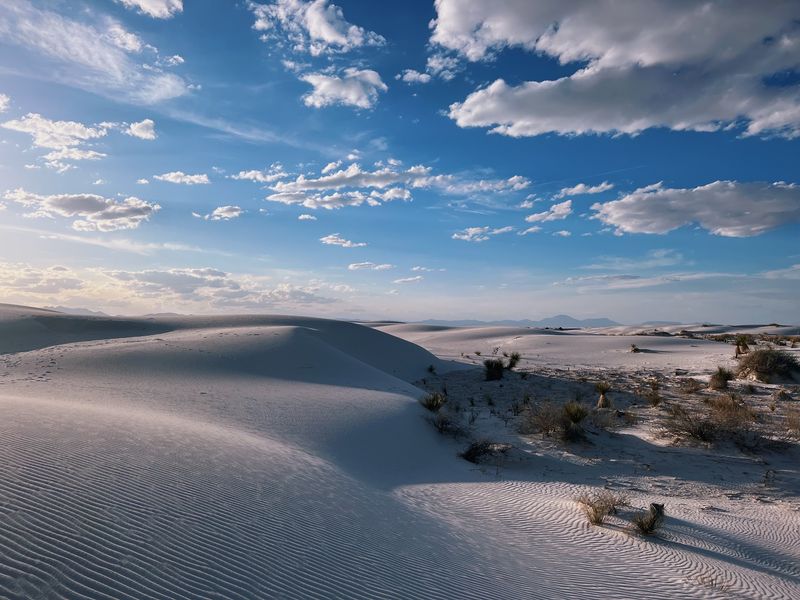
Bring snacks, because New Mexico does not do short drives. The state covers about 121,312 square miles, making it the fifth largest in the country.
That is a lot of road between you and your next stop.
Consider Interstate 25, the main north-to-south highway. It runs about 462 miles and links big cities like Albuquerque, Santa Fe, and Las Cruces.
Driving from Albuquerque to Carlsbad Caverns takes around 280 miles, or close to five hours behind the wheel.
Those numbers matter when you build your plan. A map can make two towns look like neighbors, yet the trip might eat half your day.
Many travelers squeeze in too many stops and end up rushing past the best views.
A smarter approach is to pick a few key areas and give each one room to breathe. Plan for breaks every couple of hours to stretch your legs and swap drivers if you can.
Roadside pullouts often come with jaw-dropping scenery, so a rest stop can double as a photo shoot.
Download podcasts, playlists, and audiobooks before you leave town. Long stretches feel shorter with a good story playing.
In New Mexico, the journey is not filler; it is the main event.
Half A Tank Is Your New Empty
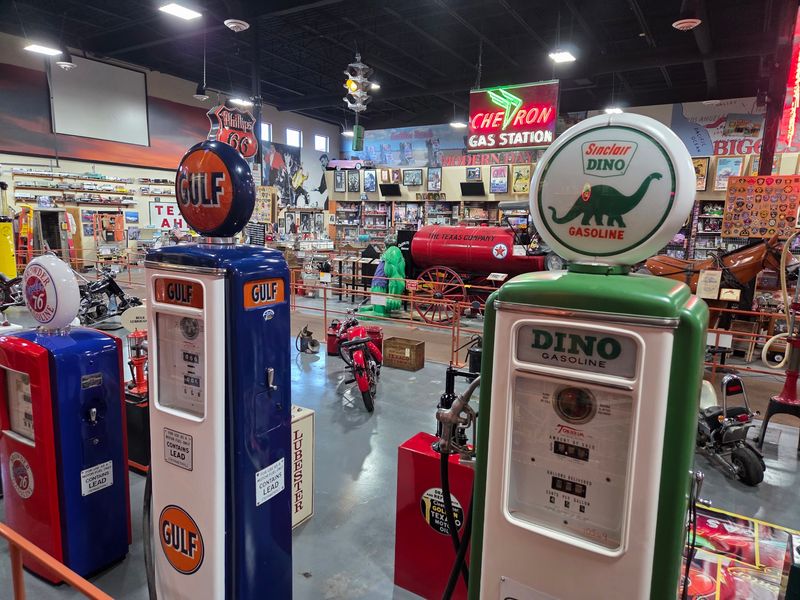
Picture this: the fuel light blinks on, and the next town is a tiny dot far away. In parts of New Mexico, gas stations can sit 50 miles apart or more.
That gap feels enormous when your needle is dropping.
The easy fix is a simple habit. Treat half a tank as your signal to refuel, every single time.
Even if the price looks a bit higher, filling up early buys you peace of mind.
Rural stations sometimes keep shorter hours than city ones. A pump that looks open on a map might close in the early evening.
Planning fuel stops around daylight hours keeps surprises off your itinerary.
Before each driving day, scan your route and mark the towns with reliable stations. Paper notes work great since apps may not load in remote areas.
Larger towns like Gallup, Roswell, and Socorro make dependable refueling points.
Carry a little cash as well, because some small shops run older card readers. Keeping a few bills tucked in the glove box can save the day.
Snag water and snacks while you are there too.
A full tank turns long empty roads into pure freedom. Running low turns them into a nail-biter nobody signed up for.
Your Phone Might Take A Vacation Too
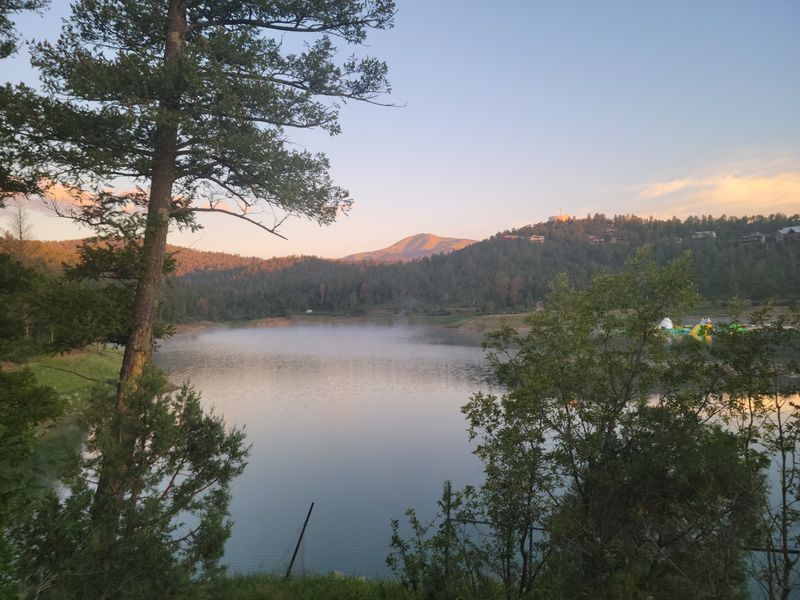
Say hello to the surprise digital detox nobody mentions in travel brochures. Cell service across rural New Mexico can get spotty fast, and some areas have no signal at all.
Mountains, canyons, and wide open land all play a part.
Coverage varies by carrier. Verizon tends to reach the most rural spots, while AT&T performs well in the south and along I-10.
T-Mobile works nicely in cities like Santa Fe and Taos, yet back roads can be a coin toss.
So how do you stay on track? Download offline maps before you leave a strong signal zone.
Google Maps and other apps let you save whole regions for later use.
A printed road map is also a wonderful backup. It never needs charging and always knows where it is.
Old school can be very cool.
Heading somewhere truly remote? A satellite communicator can send messages when phones go quiet.
Sharing your route and expected arrival time with someone back home adds another layer of safety.
Some tribal communities also limit phone use during sacred ceremonies, so be ready to tuck yours away. Honestly, unplugging under those huge skies might become your favorite part of the trip.
The Weather Has Main Character Energy
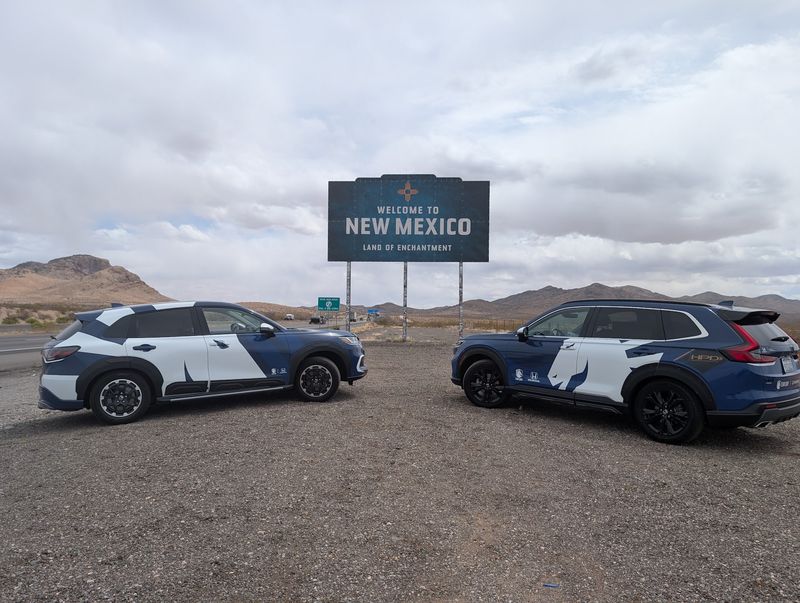
Morning frost, afternoon sunshine, evening thunder, all in one day. New Mexico weather loves a plot twist.
Temperatures can swing 30 degrees or more between sunrise and sunset.
Spring, from March to May, brings mild days and colorful wildflowers. March and April can also kick up strong winds and dusty skies, so keep that in mind.
Fall, from September to November, offers warm afternoons, crisp nights, and golden aspens in the mountains.
Summer heats up the lower deserts quite a bit. July and August also bring monsoon season, with dramatic afternoon storms rolling in quickly.
Those storms can cause flash floods, especially in narrow canyons.
Winter paints Taos and Santa Fe in fresh snow and cozy charm. Mountain roads may close or get slick during storms, though.
Snow chains or a vehicle with good traction can help a lot.
Before heading out each day, check the NMDOT 511 Travel Info system or the NMRoads website. Both share real-time updates on closures, construction, and road conditions.
Some even offer live camera feeds.
Many travelers agree that spring and fall hit the sweet spot. Pick your season wisely, and the sky will put on its best show.
Altitude Will Sneak Up On You
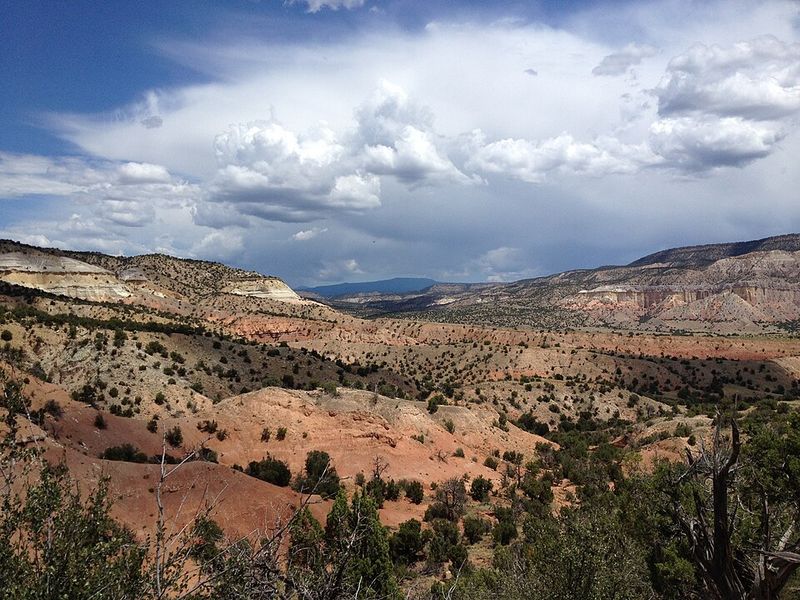
Ever opened a bag of chips in the mountains and watched it puff up like a pillow? Welcome to New Mexico, where elevation is a big deal.
Santa Fe sits around 7,000 feet above sea level.
Raton Pass, near the Colorado border, climbs to about 7,834 feet. Taos and many mountain villages sit high up too.
Thinner air can catch visitors off guard, especially those coming from the coast.
Altitude sickness may show up as headaches, dizziness, or an upset stomach. Water is your best friend here.
Sip steadily all day, even before you feel thirsty.
Easing into high places also helps. Spend your first day doing lighter activities before tackling big hikes.
Your body will thank you with more energy later.
The upside of all this height is pretty sweet. Higher towns stay cooler during summer, making them comfy escapes from the desert heat.
Starry nights look brighter too, thanks to the clear mountain air.
Winter is a different story at these heights. Snow can pile up quickly, so watch forecasts and drive slowly on curvy roads.
Respect the altitude, and every scenic overlook will leave you breathless in the best way.
Desert Smarts Keep The Fun Going
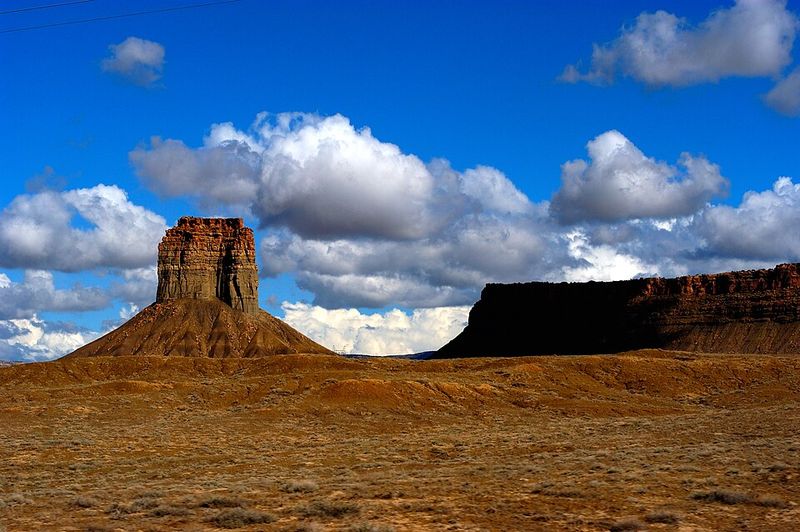
The desert is gorgeous, but it plays by strict rules. Dry air and strong sun can drain your energy before you notice.
Smart preparation turns that challenge into an easy win.
Water comes first. Pack at least one gallon per person each day, plus extra for backup.
A big jug in the trunk is a small price for total comfort.
Sun protection is next on the list. Bring high-SPF sunscreen, lip balm, a wide-brimmed hat, and good sunglasses.
The sunshine here feels stronger thanks to the high elevation.
Flash floods deserve your full attention. Rain miles upstream can send water rushing through canyons even under clear skies.
Skip narrow canyons when storms are in the forecast, and never drive through moving water.
Driving at night calls for sharp eyes, especially in the northwest. Elk, deer, and livestock often wander onto the roads after dark.
Slower speeds give you time to react.
For dirt roads, a high-clearance vehicle works best, and four-wheel drive is even better. Check tire pressure before you go.
If your car ever gets stuck, staying with it is the safer choice. Desert wisdom is the best souvenir you can bring home.
Tribal Lands Are Homes, Not Theme Parks
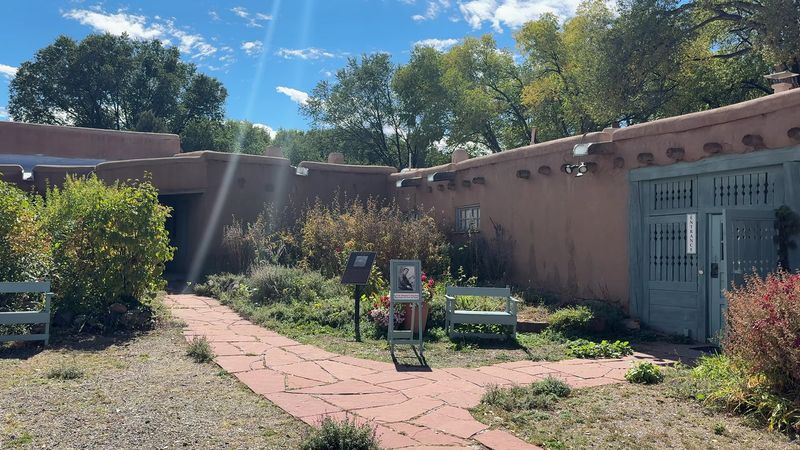
Visiting a Pueblo is a privilege, and good manners matter here. New Mexico is home to many Native American communities with deep traditions.
These places are living homes, rich with culture and history.
Calling ahead is always a smart move. Tribal leaders sometimes close access for private ceremonies.
Checking first saves you a wasted drive and shows respect.
Many Pueblos welcome visitors during daylight hours. Private homes, however, stay off-limits unless you receive a direct invitation.
Kivas, ceremonial rooms, and cemeteries are sacred spaces reserved for community members.
Photography rules vary from place to place. Some Pueblos charge a camera fee, and others do not allow photos at all.
Stop by the Tribal Office to learn the rules, and always ask before photographing anyone.
Dances and ceremonies call for quiet observation. Applause is not appropriate, and walking across the dance plaza is a big no. Holding questions until later keeps the moment peaceful.
Leave everything as you found it, including pottery pieces, stones, and plants. Follow posted signs and drive slowly through village roads.
Taos Pueblo, one of the oldest continuously lived-in communities in the country, shows how much these places truly mean.
White Sands Looks Like Another Planet
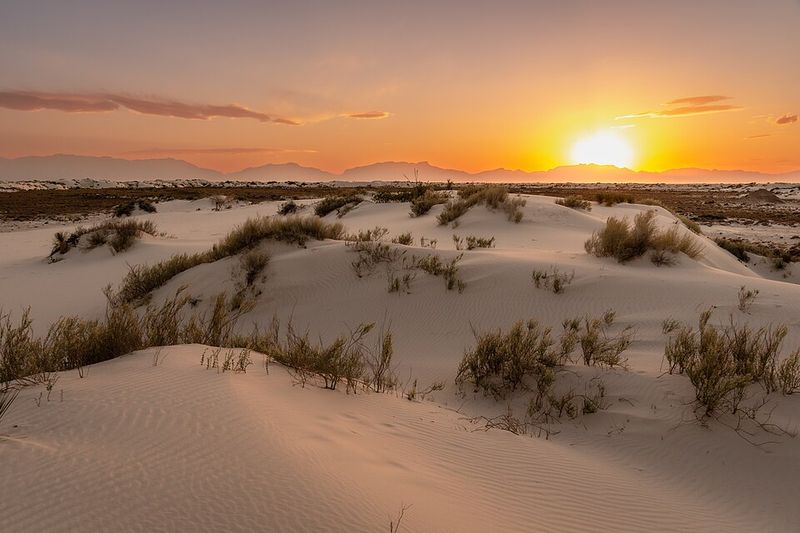
Snow in the desert? Not quite, but your eyes will be fooled.
White Sands National Park holds the largest gypsum dunefield on Earth. Those glittering dunes cover about 275 square miles of southern New Mexico.
Unlike regular sand, gypsum stays cool under your feet. That makes barefoot strolls surprisingly comfy, even on sunny days.
Many visitors bring plastic sleds to zoom down the slopes.
The eight-mile Dunes Drive is a great way to start. It winds deep into the white landscape, with picnic areas and trailheads along the way.
Short trails like the Interdune Boardwalk offer easy access for all ages.
Sunset is the star attraction here. The dunes shift from bright white to soft pink, lavender, and gold.
It feels like standing inside a painting.
Adventurers can grab a backcountry campsite on a first-come, first-served basis. Sleeping under those stars is something people talk about for years.
Check park hours, since nearby missile range testing can cause brief closures.
Spring offers the most pleasant temperatures for exploring. Summer gets hot, so pack plenty of water and plan hikes for cooler hours.
Few places on the planet glow quite like this one.
Santa Fe Deserves More Than A Quick Stop
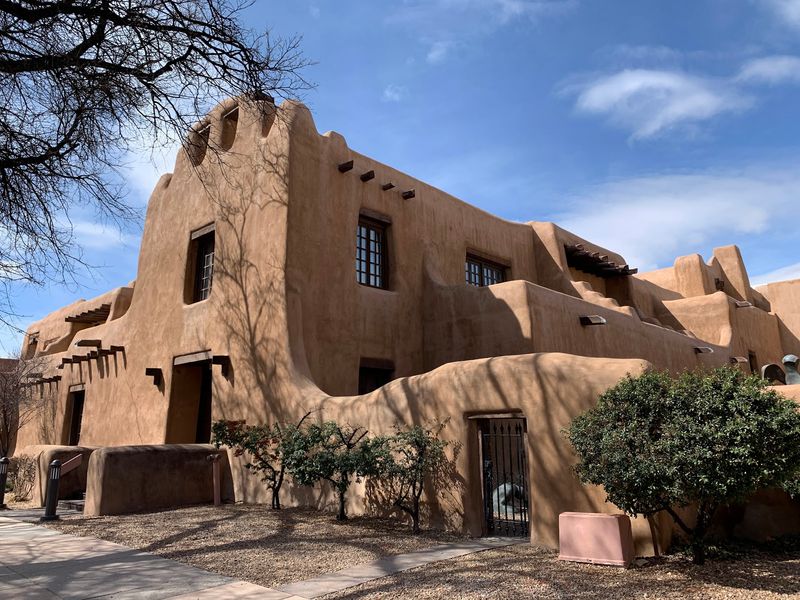
America’s oldest state capital has serious charm, and it knows it. Founded in 1610, Santa Fe blends art, history, and mountain views into one walkable package.
Even as the capital, it keeps a relaxed, friendly pace.
Start at the historic Santa Fe Plaza. Adobe buildings, cute shops, museums, and cafes surround this lively square.
The Palace of the Governors sits right there, rich with stories from centuries past.
Art lovers should head straight to Canyon Road. This half-mile lane holds more than 100 galleries, studios, and sculpture gardens.
You will see everything from traditional crafts to bold modern pieces.
The Georgia O’Keeffe Museum celebrates the painter who made the New Mexico landscape famous. Meow Wolf’s House of Eternal Return offers a wildly creative, walk-through art adventure.
Both are total crowd pleasers.
Food here is a highlight too. Order anything with chile, and you will hear the famous question: red or green?
Say “Christmas” to try both.
Santa Fe also makes a handy base for day trips to Taos, Abiquiu, and Los Alamos. Winter wraps the city in snow and glowing farolitos.
Give it a few days, and it will steal your heart.
Scenic Byways Turn Driving Into The Destination
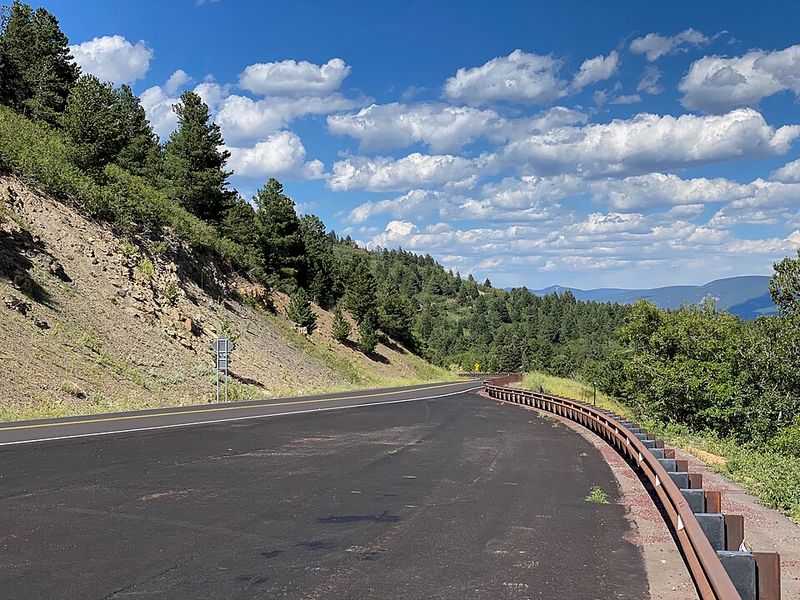
Here is a number worth bragging about: New Mexico has more than 25 scenic byways. Together they cover over 2,900 miles of beautiful roads.
Choosing one is like picking a favorite flavor at a giant ice cream shop.
The Turquoise Trail is a crowd favorite. This 62-mile route links Albuquerque and Santa Fe through hills dotted with piñon and juniper trees.
The quirky town of Madrid, once a coal-mining spot, now buzzes with art studios.
The High Road to Taos often lands on lists of America’s prettiest drives. It weaves through high desert and old Spanish colonial villages.
Stops include the famous Santuario de Chimayó and the ancient Taos Pueblo.
Craving volcanic scenery? The Jemez Mountain Trail stretches about 132 miles past red rock cliffs and the vast Valles Caldera.
Natural hot springs and forest views keep things interesting.
History fans can cruise sections of Route 66, complete with neon signs and retro diners. The Billy the Kid Byway brings Old West tales to life.
The Sunspot Scenic Byway climbs to dazzling mountain views near Cloudcroft.
So, which road will you claim first? Any choice leads somewhere unforgettable.