
Things You Should Never Do On A Summer Trip To Colorado’s Mountain Towns
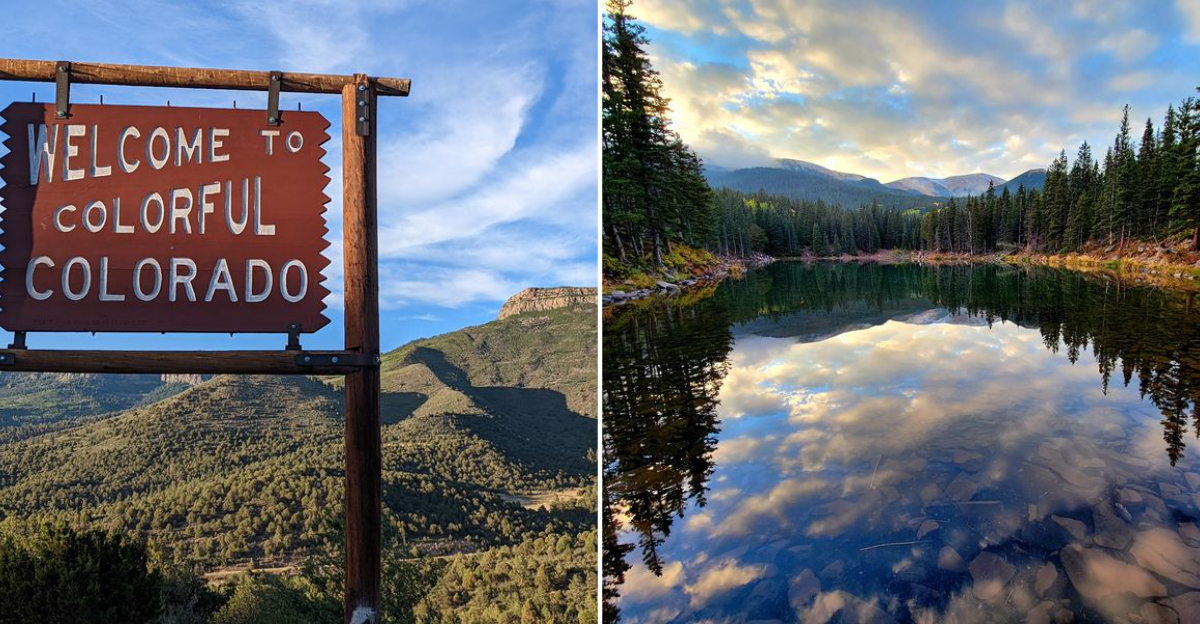
Mountain air can make you feel invincible right up until your lungs remind you who is in charge.
High-elevation trips come with cooler temperatures, wildflower-filled trails, and scenery that makes every switchback worthwhile, but they also demand more respect than many first-time visitors expect.
At 10,000 feet, even a simple walk can feel surprisingly different, especially across Colorado’s mountain country.
Hydration matters, pacing matters, and pretending altitude will not affect you is a fast way to ruin a good day.
Weather deserves equal attention because sunshine can turn into wind, rain, or cold with very little warning. Pack layers in July.
Give wildlife real distance. And do not assume a phone camera makes a close encounter safe.
The smartest mountain travelers are not the fearless ones. They are the prepared ones.
Up high, the best way to enjoy Colorado is knowing when adventure needs a little common sense and patience.
1. Never Head Straight To High Elevation Without Giving Yourself Time To Adjust
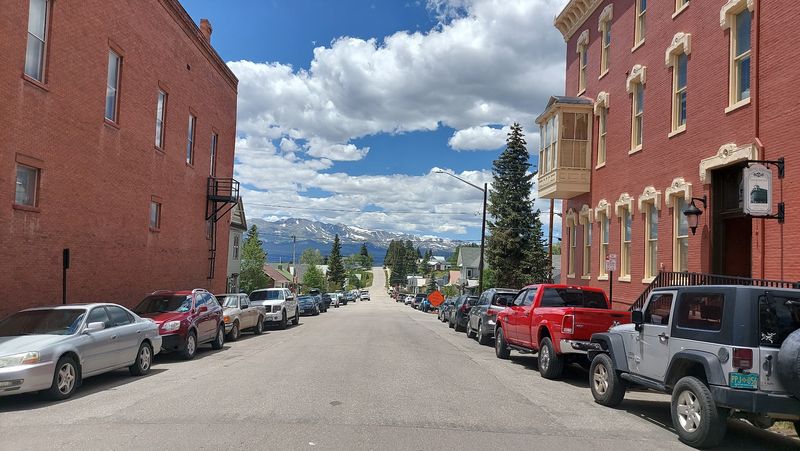
Leadville sits at 10,152 feet. Alma checks in even higher.
Lake City and Silverton are not far behind, and all of them can leave flatlanders feeling winded, dizzy, or headachy within hours of arrival. Your body needs time to adjust to thinner air, and rushing straight from Denver to a high-elevation trailhead is a recipe for a miserable first day.
Colorado tourism guidance is clear: take it easy at first. Drink more water than you think you need, skip the heavy lunch, and save the big hike for day two.
Sleep lower if you can, or at least spend your first afternoon doing something gentle like strolling Main Street or sitting by a creek.
Altitude affects everyone differently, but nobody is immune. Even fit hikers can feel off when they ignore acclimation.
Pack ibuprofen, keep a water bottle in hand, and give your lungs a fighting chance. The mountains will still be there tomorrow, and you will enjoy them a lot more once your body catches up to the elevation.
2. Never Assume A Sunny Morning Means The Weather Will Stay That Way
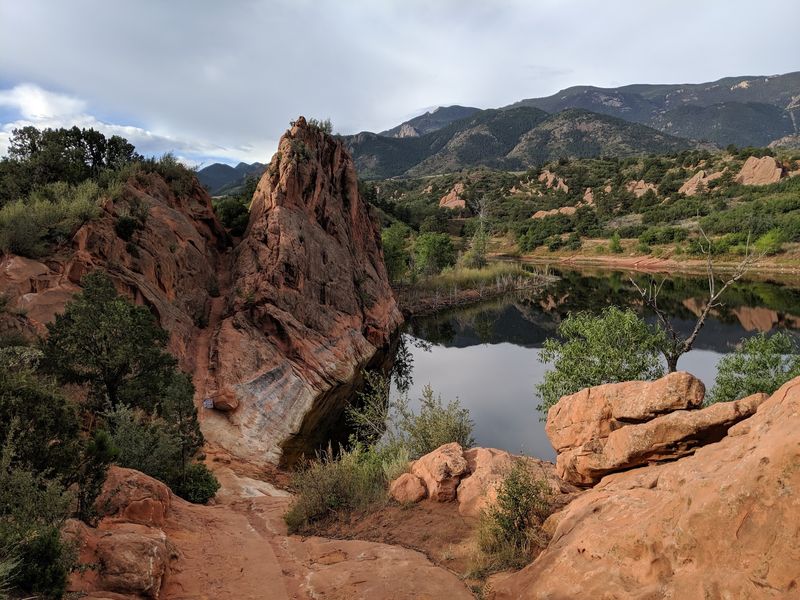
Summer mornings in places like Creede, Lake City, Ouray, and Crested Butte often start with blue skies so perfect they look photoshopped. By 2 p.m., towering thunderheads roll in, lightning cracks across ridgelines, and anyone caught above treeline is having a very bad day.
This is not a surprise. This is just how mountain weather works.
Forest Service guidance for the Creede area specifically warns about intense afternoon lightning storms. The pattern is predictable enough that smart hikers set alarms, start early, and plan to be off exposed peaks by noon.
If you sleep in and hit the trail at 10 a.m., you are betting against the weather, and the weather usually wins.
Carry a rain jacket even when the morning feels warm and clear. Watch the sky, not your watch.
If clouds start building, turn around before the first rumble. High-country storms move fast, and there is no shelter on a ridgeline.
Respecting the forecast is not paranoia. It is just mountain common sense.
3. Never Approach A Moose For A Better Photo
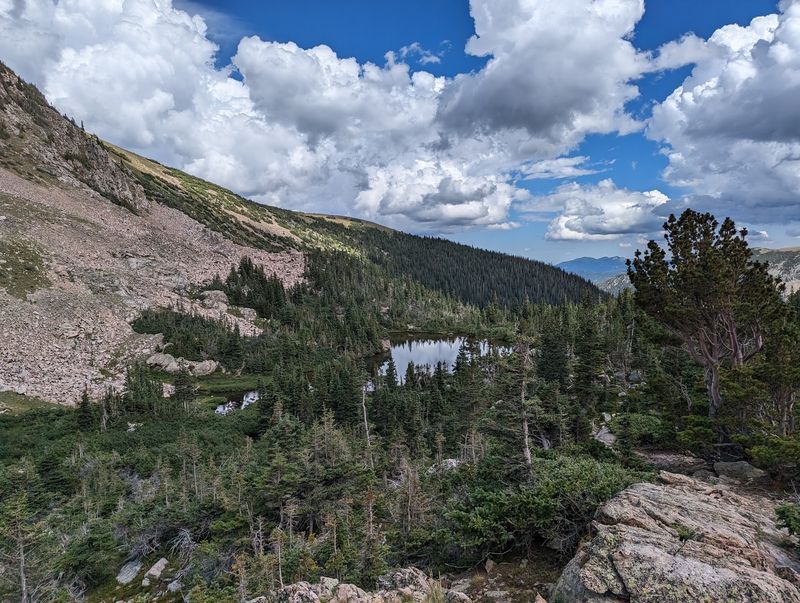
Moose look slow and dopey until they decide you are too close. Then they are fast, aggressive, and capable of trampling anything in their path.
Around Walden, Grand Lake, Fraser, and Creede, moose show up near roads, trails, and even parking lots, and every summer someone gets too curious.
Colorado Parks and Wildlife says to give wildlife space and change course if a moose is blocking your way. That means at least 25 yards, preferably more.
If the moose looks at you, stops eating, or pins its ears back, you are already too close. Back away slowly and find another route.
Your phone has a zoom function. Use it.
A great photo is not worth a hospital visit, and moose are unpredictable enough that even experienced wildlife watchers treat them with respect. They are especially dangerous when calves are nearby, and you will not always see the calf before the mother decides you are a threat.
Keep your distance, enjoy the sighting, and live to tell the story.
4. Never Let Your Dog Run Toward Wildlife
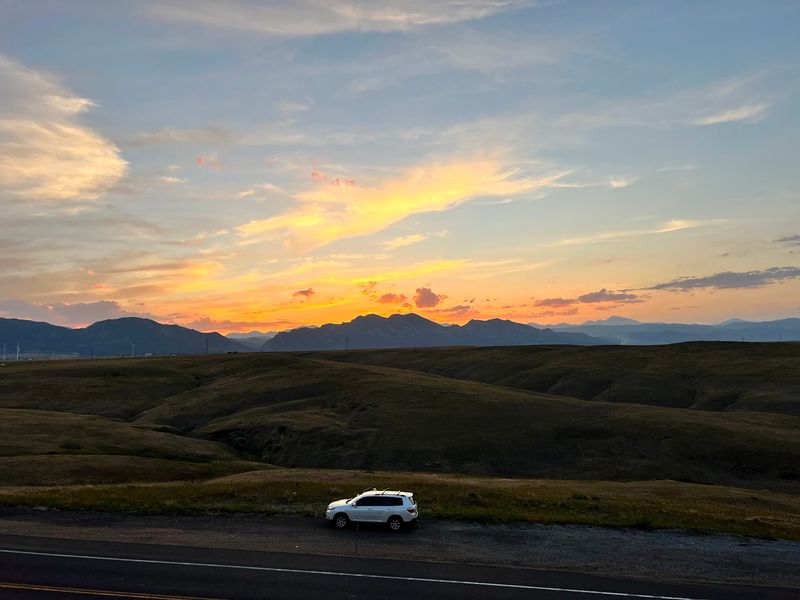
Dogs see a moose or elk and think “new friend” or “fun chase.” The moose or elk sees a predator and reacts accordingly, which can mean charging, stomping, or chasing the dog straight back to you. This happens often enough around North Park, Grand County, and the San Juans that it is practically a summer tradition nobody wants.
Even friendly dogs can trigger defensive behavior, especially when young animals are nearby. A loose dog running toward a cow elk with a calf is asking for trouble, and the trouble does not stop with the dog.
Wildlife that feels threatened can injure people, too, and once the situation escalates, everyone loses.
Keep your dog leashed on trails, especially in wildlife-rich mountain areas. If you spot an animal, shorten the leash and move away calmly.
Teach a solid recall before you visit, and use it the moment you see ears or antlers in the distance. Your dog may be the sweetest creature on earth, but wild animals do not know that, and they will not wait to find out.
5. Never Feed The Wildlife, Even If It Looks Harmless
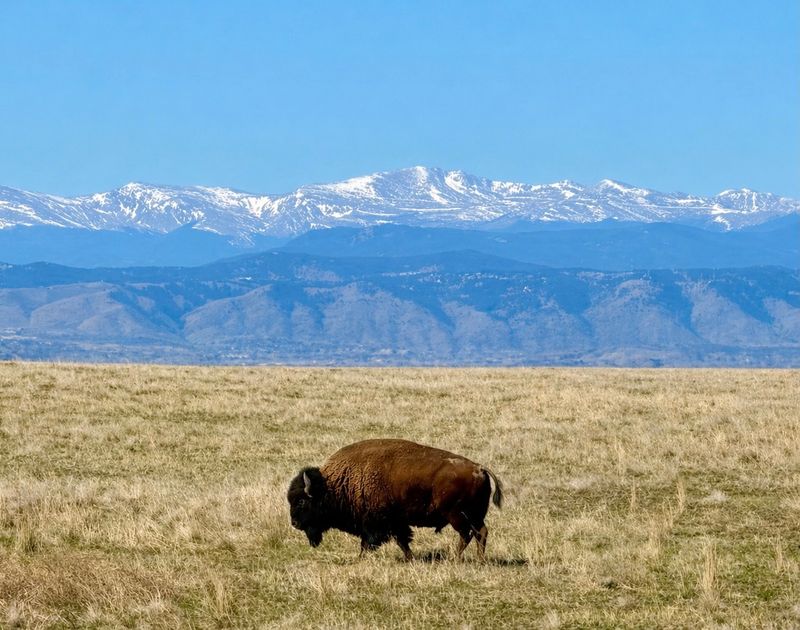
That deer looking cute by the trailhead is not starving. That chipmunk begging at your picnic table does not need your sandwich.
Colorado law prohibits intentionally feeding large wildlife, including deer, elk, mountain goats, bighorn sheep, bears, and pronghorn, and the rule exists for good reasons that go well beyond your vacation.
Fed animals lose their fear of people, which makes them bolder, more aggressive, and more likely to end up hit by a car or euthanized. They also congregate in unnatural numbers, which spreads disease and damages habitat.
Tossing food toward an animal for a photograph might feel harmless, but it creates problems that last long after you drive home.
Keep snacks in your pack, not in your hand. Do not leave crumbs or scraps behind, and never approach an animal with food.
If wildlife shows up while you are eating, pack up and move. The mountains are full of animals that know how to find their own meals.
They do not need yours.
6. Never Leave Food Or Scented Items Sitting Around Your Campsite
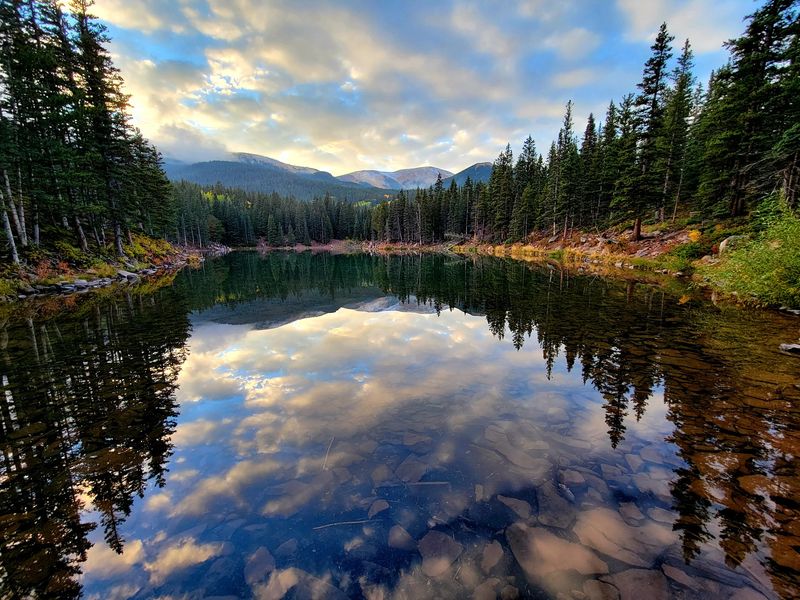
Bear country begins surprisingly close to many Colorado mountain towns, and bears do not distinguish between your cooler, your toiletries, and your leftover dinner. CPW advises campers to secure food and scented products rather than leaving them inside tents, and bears are active through much of the summer, especially in years when natural food sources run low.
Store food in a hard-sided vehicle, a bear-proof locker, or a properly hung bear bag. That includes anything with a smell: sunscreen, bug spray, toothpaste, trash, and even the clothes you cooked in.
Bears have incredible noses and long memories. If one finds food at your site, it will come back, and it will teach other bears to do the same.
A bear visit is not just inconvenient. It is dangerous for you and often fatal for the bear, which may be relocated or euthanized if it becomes habituated to human food.
Securing your campsite takes five extra minutes and protects everyone involved. Do it every time, even if you have never seen a bear in the area.
7. Never Build A Campfire Without Checking Current Restrictions
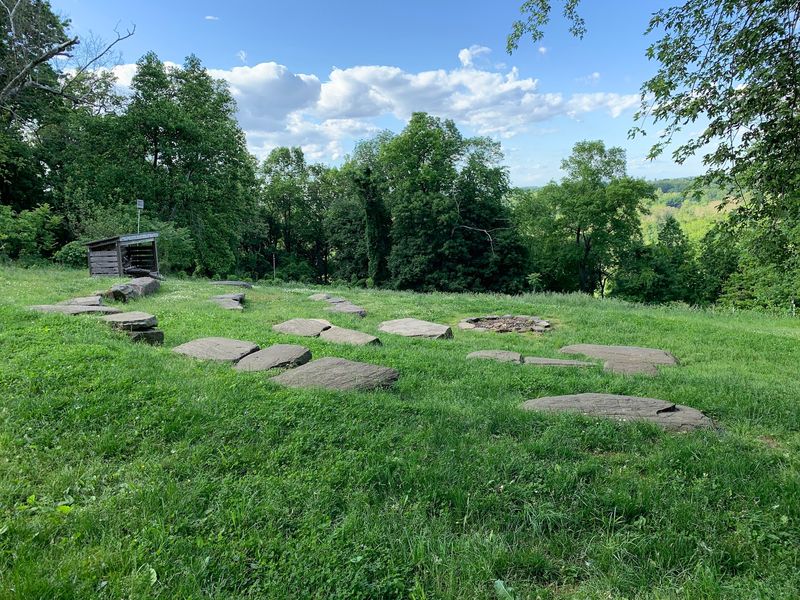
Fire rules can change during the summer as conditions dry out, and what was allowed last week may be banned today. National forests surrounding communities like Ouray, Lake City, Creede, South Fork, Buena Vista, and Redstone regularly post updated restrictions that travelers should check before lighting anything, including camp stoves in some cases.
Stage 1 restrictions might limit campfires to developed rings only. Stage 2 often bans all open flames, including charcoal grills.
Stage 3 can close entire forests. The rules exist because wildfires start fast in dry, windy conditions, and one careless campfire can burn thousands of acres and destroy homes.
Check the local ranger district website or stop by a visitor center before your trip. Bring a propane stove as a backup, and never assume a fire ring means fires are allowed.
If restrictions are in place, follow them. The view is just as good without a campfire, and the forest will still be standing when you come back next year.
8. Never Assume Every Forest Road Is Suitable For Your Car
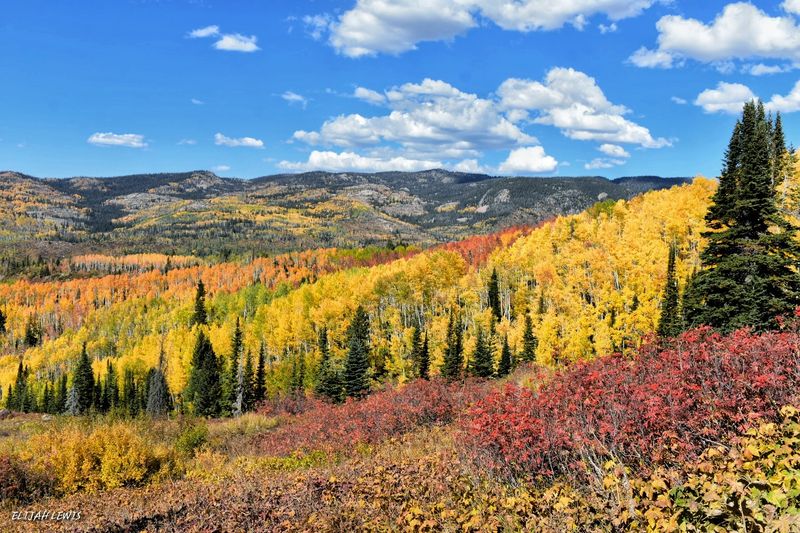
A road shown on a map may be narrow, rutted, steep, muddy, or intended for high-clearance vehicles, and your rental sedan is not going to make it. Roads around Creede and the San Juan Mountains are prime examples, and the Forest Service specifically describes the road to Wheeler Geologic Area as extremely rough, meaning four-wheel drive and serious clearance are not optional.
Just because a road appears on Google Maps does not mean it is paved, maintained, or even passable. Some forest roads are more like hiking trails with tire ruts, complete with boulders, washouts, and creek crossings that would make a Jeep owner nervous.
Locals know which roads are which, but visitors often find out the hard way.
Ask at a ranger station or visitor center before heading out. Check recent trip reports online.
If the road description uses words like “rugged,” “primitive,” or “high-clearance recommended,” take it seriously. Getting stuck on a remote forest road is expensive, embarrassing, and sometimes dangerous.
Know your vehicle’s limits and choose routes that match them.
9. Never Trust Cell Service To Handle All Your Navigation

Service disappears quickly outside many Colorado mountain towns, and once it is gone, your navigation app is useless unless you planned ahead. CDOT recommends downloading maps for offline use before setting out, especially if the day’s plans include back roads or remote trailheads.
Entire valleys have zero coverage. Mountain passes block signals.
Forests swallow GPS like they swallow light. Relying on your phone to guide you home is a gamble, and if you lose the bet, you are stuck guessing at unmarked intersections with no way to call for help.
Download offline maps through Google Maps, Gaia GPS, or another app that works without service. Carry a paper map as backup, especially for national forest roads.
Tell someone your route and expected return time. Cell service is a convenience, not a guarantee, and mountain navigation requires planning that goes beyond hoping for bars.
Your phone will work great for photos. Just do not count on it to get you home.
10. Never Drive A Mountain Pass Without Checking Conditions First
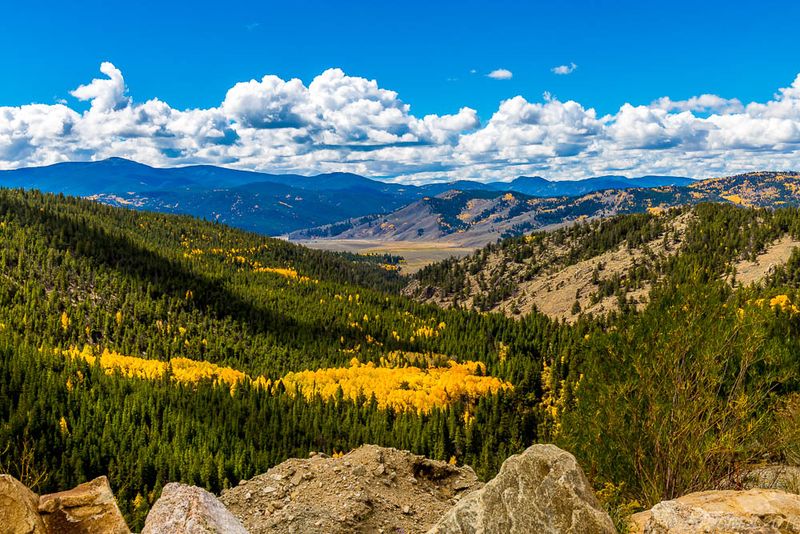
Summer does not guarantee an interruption-free drive over Colorado’s high passes. Construction, crashes, rockfall, flooding, and weather can affect mountain routes, and CDOT recommends checking COtrip before leaving.
That advice is especially useful around places like Ouray, Silverton, Lake City, Walden, and Granby, where alternate routes are long or nonexistent.
Red Mountain Pass between Ouray and Silverton has ongoing construction in 2026, which means delays, lane closures, and occasional full stops. Independence Pass can close suddenly for weather or accidents.
Trail Ridge Road has a short summer season and closes at the first sign of serious snow. Assuming the road is open because it is July is wishful thinking.
COtrip updates conditions in real time and includes cameras, closure alerts, and construction schedules. Check it before you leave, and check again if your plans change.
A closed pass can add hours to your drive, and knowing about it in advance beats finding out at the barricade. Mountain highways are spectacular, but they are also unpredictable.
Plan accordingly.
11. Never Treat An Unpaved Shortcut As A Good Detour
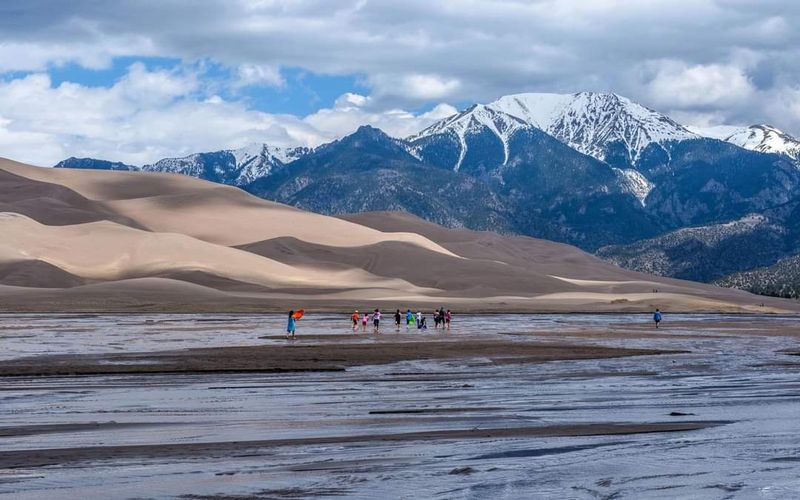
When a major highway closes, navigation apps sometimes suggest county or forest roads that look like shortcuts but are actually nightmares. CDOT specifically discourages several rough backcountry alternatives when I-70 through Glenwood Canyon closes, and the reasons become obvious the moment you turn onto gravel.
These “detours” can be steep, narrow, unpaved, poorly marked, and completely unsuitable for ordinary vehicles. What looks like a 20-minute time-saver on your phone can turn into two hours of white-knuckle driving on a road barely wide enough for one car.
Add mud, rocks, or oncoming traffic, and the shortcut becomes an ordeal.
Stick to paved highways, even if the official detour adds time. If your app suggests an unfamiliar road, look it up before committing.
Check recent reviews or ask a local. Mountain shortcuts are rarely as good as they sound, and the official detour exists for a reason.
Patience saves axles, nerves, and tow truck bills.
12. Never Stop In The Road Just Because The View Is Good
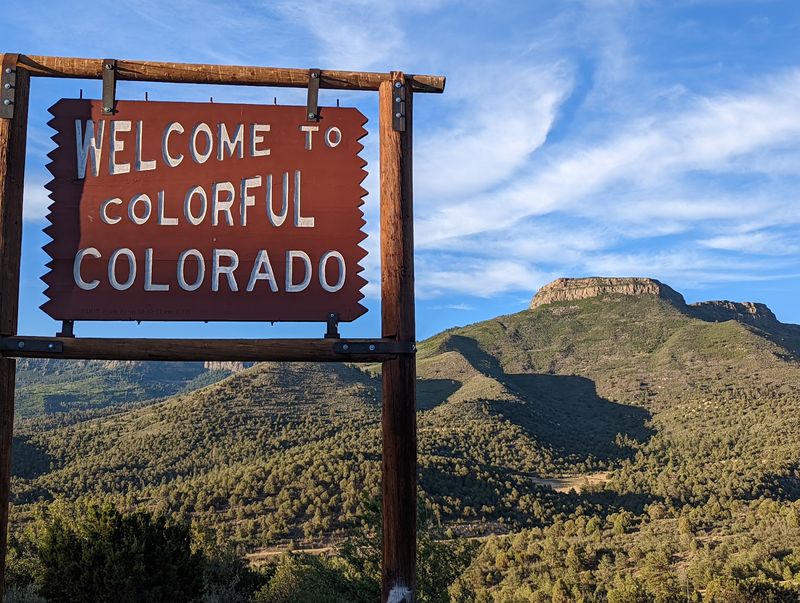
Mountain highways have blind corners, narrow shoulders, construction zones, and heavy seasonal traffic, and stopping in the middle of the road to gawk at a view is a great way to cause a crash. Pull completely into a designated overlook or parking area instead of turning a scenic moment into a traffic problem.
Red Mountain Pass between Ouray and Silverton has ongoing construction work in 2026, which makes roadside awareness especially important. Drivers behind you cannot see what you see, and they cannot stop as fast as you think.
Even a few seconds of hesitation can create a dangerous situation, especially on narrow two-lane roads with no shoulder.
If there is no pullout, keep driving until you find one. The view will still be there a quarter-mile down the road.
If you absolutely must stop, make sure you are fully off the pavement, visible to oncoming traffic, and not blocking anyone else. Mountain driving requires constant attention, and the scenery is better enjoyed from a safe, legal parking spot.
13. Never Assume A Trailhead Will Have Water, Food, Or Reliable Facilities
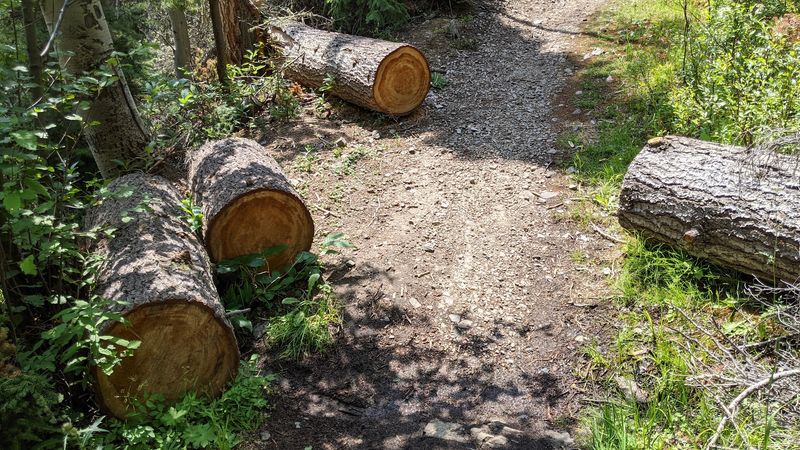
Many trailheads and recreation sites outside small towns are basic, meaning a parking area, a trail sign, and nothing else. Carry enough water before leaving places like Lake City, Creede, South Fork, or Walden rather than expecting supplies once you reach the trail.
Colorado’s trail guidance specifically recommends carrying extra water at elevation, where dehydration happens faster.
Vault toilets are not guaranteed. Trash cans are rare.
Water fountains are practically nonexistent. If you show up expecting a visitor center with snacks and restrooms, you will be disappointed.
Remote trailheads are designed for access, not amenities, and the Forest Service assumes you came prepared.
Fill water bottles in town, pack snacks, and use the bathroom before you leave. Bring hand sanitizer, toilet paper, and a small trash bag for anything you generate.
Trailhead parking lots are not rest stops, and the mountains do not come with convenience stores. Self-sufficiency is not optional.
It is the price of admission to the backcountry.
14. Never Start A Big Hike Late In The Afternoon
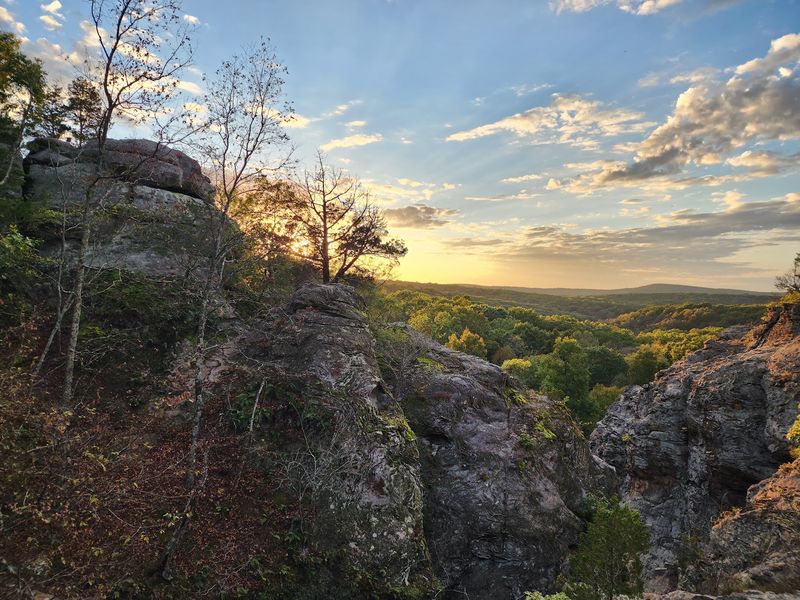
High-country weather is one reason to start early, but daylight, temperature changes, and distance also matter. An early start is especially sensible when tackling exposed terrain above small mountain communities where shelter can be limited once you leave town.
Summer mountain forecasts regularly show afternoon thunderstorm chances, and being caught above treeline when lightning arrives is not a fun gamble.
Late starts also mean finishing in the dark, which turns navigation into guesswork and increases the risk of twisted ankles, wrong turns, and exhausted hikers. Temperatures drop fast once the sun sets, and what felt warm at 4 p.m. can feel downright cold by 8 p.m.
Add fatigue and fading light, and a routine hike becomes an adventure nobody wanted.
Set an alarm, eat breakfast, and hit the trail by 7 or 8 a.m. You will have the trail to yourself, avoid the worst of the weather, and finish with time to enjoy a burger in town.
Morning hiking is cooler, quieter, and safer. Late afternoon hikes are for people who enjoy unnecessary drama.
15. Never Expect Mountain Temperatures To Match Denver
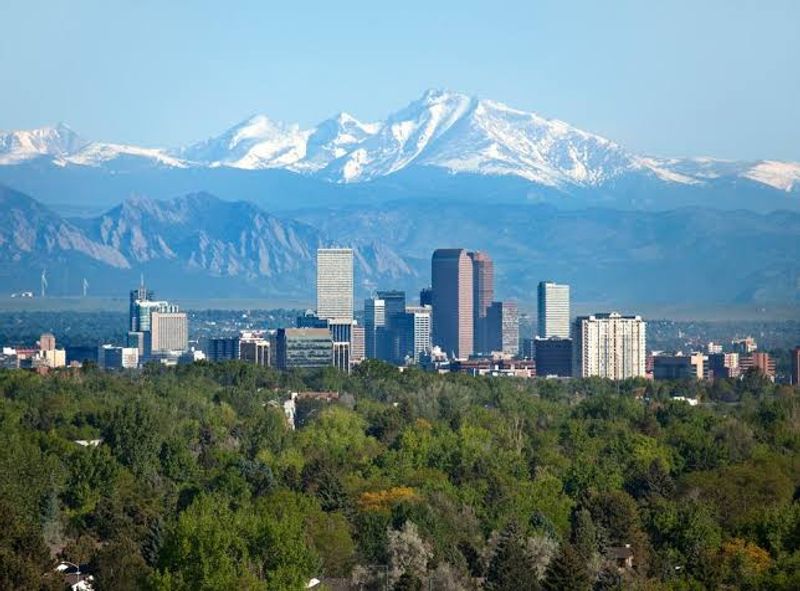
A warm day on the Front Range can turn into a chilly afternoon or evening thousands of feet higher. Pack layers even when visiting in July or August, particularly in high communities like Leadville, Silverton, Lake City, Alma, and Crested Butte, where elevation keeps things cool even when the calendar says summer.
Mornings can start in the 40s. Afternoons might hit the 70s.
Evenings drop back down fast, especially if clouds roll in. Shade feels cold, wind cuts through cotton, and anyone who packed only shorts and T-shirts will spend the evening shivering in a restaurant.
Elevation matters more than season, and 10,000 feet is a different climate than 5,000 feet.
Bring a fleece or light jacket, long pants, and a hat. Layers let you adjust as temperatures shift, and you will use them more than you think.
Mountain weather is not predictable, and being comfortable beats being fashionable. Locals wear puffy jackets in July for a reason.
Follow their lead.
16. Never Assume Snow Is Gone Everywhere Because It Is Summer
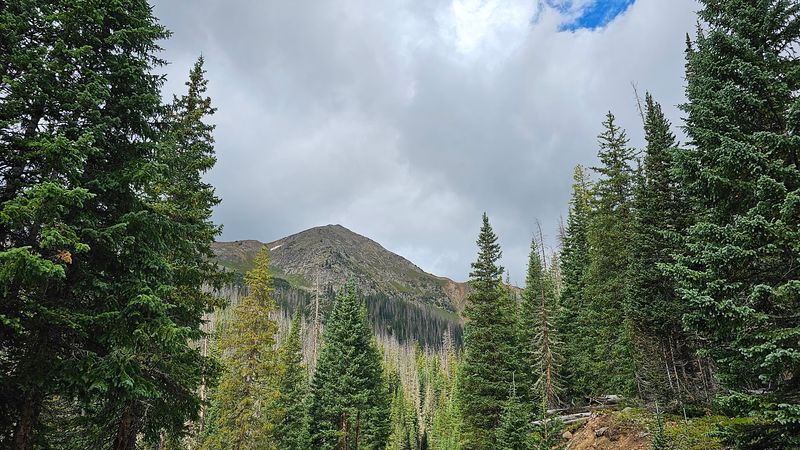
High passes and shaded trails can hold snow well beyond the point when lower elevations look completely summery. Seasonal routes like Independence Pass and Trail Ridge Road have variable opening dates, showing how long winter conditions can linger at elevation.
Some years, snowdrifts block trails into July, and shaded north-facing slopes can stay icy even longer.
Snow changes everything. It hides trail markers, creates slippery footing, and makes navigation harder.
Creek crossings that are easy in August can be dangerous in June when snowmelt is raging. What looks like a straightforward hike on a map can turn into a slog through knee-deep drifts if you arrive too early in the season.
Check trail reports before heading out, especially for high-elevation routes. Ask rangers about current conditions.
If snow is mentioned, bring trekking poles, microspikes, and extra caution. Summer does not mean snow-free at altitude, and underestimating lingering winter conditions is a rookie mistake that experienced hikers avoid.
17. Never Ignore Signs Closing A Trail Or Road
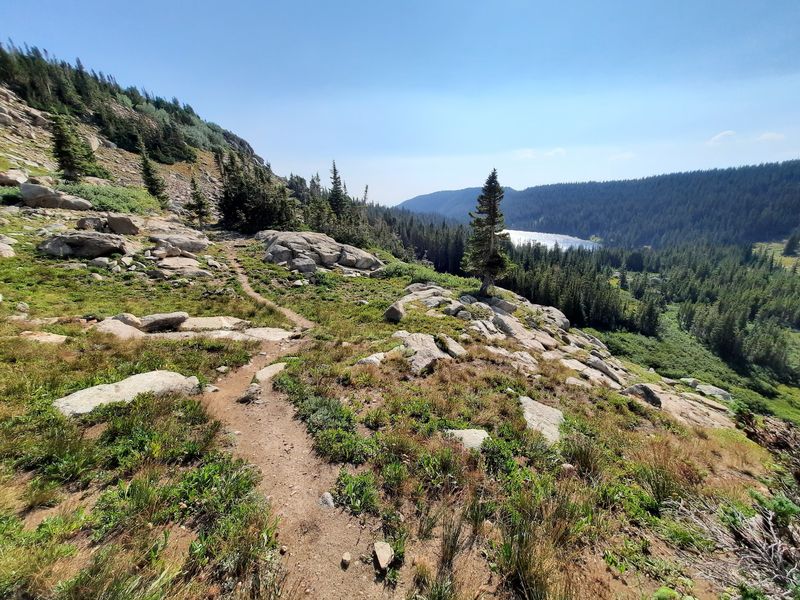
Wildfire activity, flooding, maintenance, prescribed fire, washouts, and habitat protection can temporarily close routes, and ignoring the signs is illegal, dangerous, and disrespectful. Forest Service districts around Gunnison, Crested Butte, Ouray, and other western Colorado communities maintain current alerts rather than guaranteeing that every summer route is open.
Closures exist for real reasons, not bureaucratic whims. A washed-out bridge can collapse.
A wildfire can explode. A nesting area can be disturbed by hikers who think the rules do not apply to them.
Ducking around a closure gate because you drove two hours to get there is not brave. It is foolish.
Check for closures before you leave home, and respect them when you arrive. If a trail is closed, choose a different one.
There are hundreds of alternatives, and none of them require ignoring safety warnings. Rangers close routes to protect people, wildlife, and resources.
Trust their judgment and find another adventure.
18. Never Assume A Creek Crossing Will Be Easy Because It Looks Small On A Map
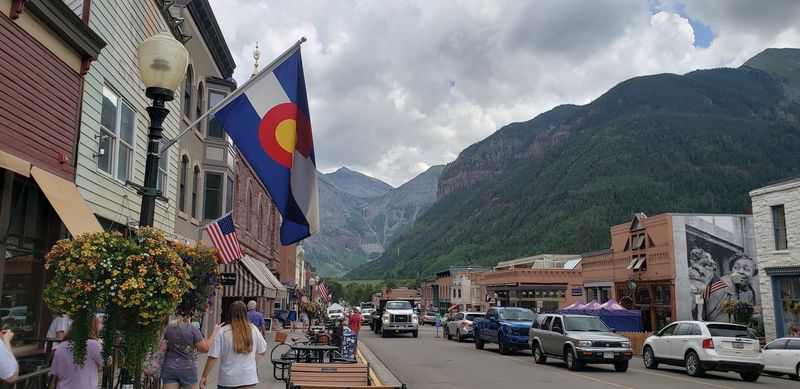
Snowmelt and heavy summer rain can turn mountain streams into much stronger crossings than maps suggest. The Rio Grande National Forest warns that some crossings near Creede should not even be attempted during parts of early summer and can remain difficult after heavy rain.
What looks like a gentle trickle in late August can be a roaring torrent in June.
Fast-moving water is deceptively powerful. Knee-deep current can knock you over, and once you lose your footing, the creek decides where you go.
Rocks are slippery, logs are unstable, and cold water saps strength fast. Creek crossings cause more hiking accidents than most people realize.
Scout the crossing before committing. Look for wider, shallower spots where the current spreads out.
Unbuckle your pack’s waist belt so you can ditch it if you fall. Use trekking poles for balance.
If the water looks too high, turn around. The trail will still be there in a few weeks when the creek calms down.
Forcing a sketchy crossing is how rescues start.
19. Never Park Wherever You Find An Empty Patch Of Dirt
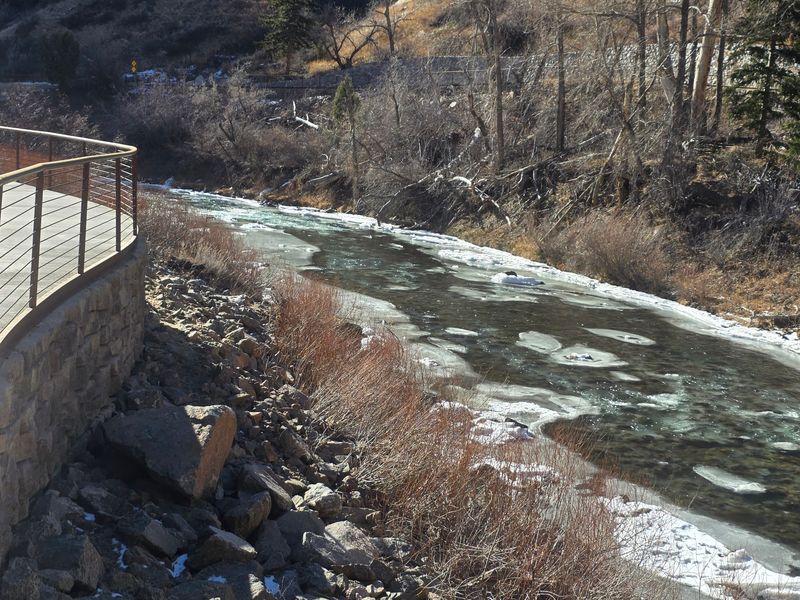
Small mountain towns and popular trail corridors can have surprisingly specific parking rules, and ignoring them can earn you a ticket, a tow, or an angry note from a local whose driveway you just blocked. Use established pullouts and trailhead lots rather than blocking private property, emergency access, trail entrances, or narrow mountain roads.
That empty patch of dirt might be someone’s driveway, a fire access point, or a spot where parking is explicitly prohibited. Just because other cars are there does not mean it is legal.
Just because there is no sign does not mean it is okay. Mountain communities deal with parking chaos all summer, and enforcement is real.
Arrive early to snag a legal spot, or choose a less-crowded trail. If the lot is full, do not improvise.
Find another trailhead or come back later. Blocking roads, driveways, or emergency access is not just rude.
It is dangerous. Respect the parking rules, even when they are inconvenient.
The locals will thank you.
20. Never Spend The Entire Trip Chasing Colorado’s Most Famous Mountain Towns
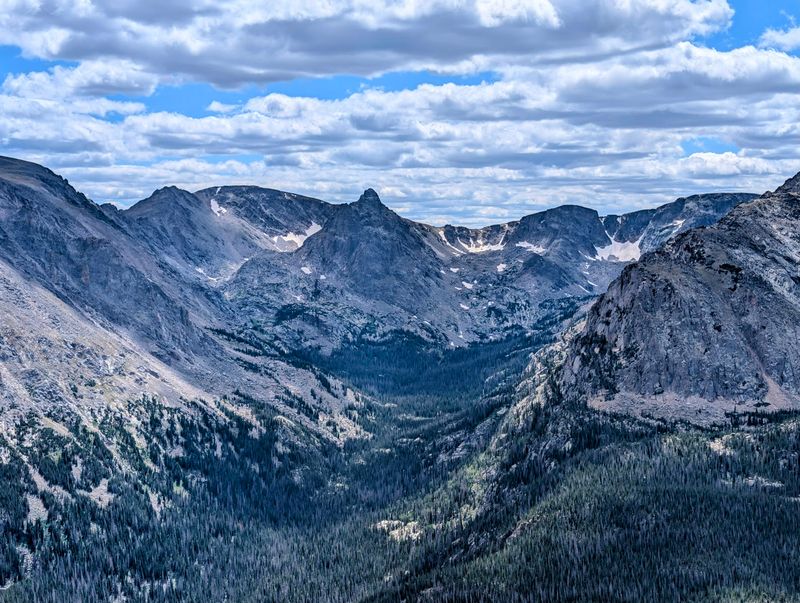
Aspen, Breckenridge, and Vail are only part of the story, and a summer trip can become much more interesting when it also includes quieter communities like Creede, Lake City, Westcliffe, Paonia, Redstone, Walden, Ridgway, or South Fork, where mountain scenery comes with considerably less big-name tourism. These towns offer the same wildflowers, peaks, and trails without the traffic, crowds, or inflated prices.
Famous towns have their appeal, but they also have parking nightmares, expensive lodging, and restaurants packed with people who all had the same idea you did. Smaller towns offer a slower pace, friendlier locals, and the kind of quiet main streets where you can actually hear the creek running through town.
The hiking is just as good, the views just as stunning, and the experience far more relaxed.
Split your trip between the well-known spots and the hidden gems. Spend a day in a big resort town if you want, but also carve out time for a place like Lake City or Creede, where the mountains feel bigger and the summer crowds feel smaller.
Colorado has dozens of mountain towns worth visiting. Do not spend your whole trip fighting for parking in the same three.