
This 12,000-Acre Florida State Park Is A Hidden Spot Most People Don’t Know About
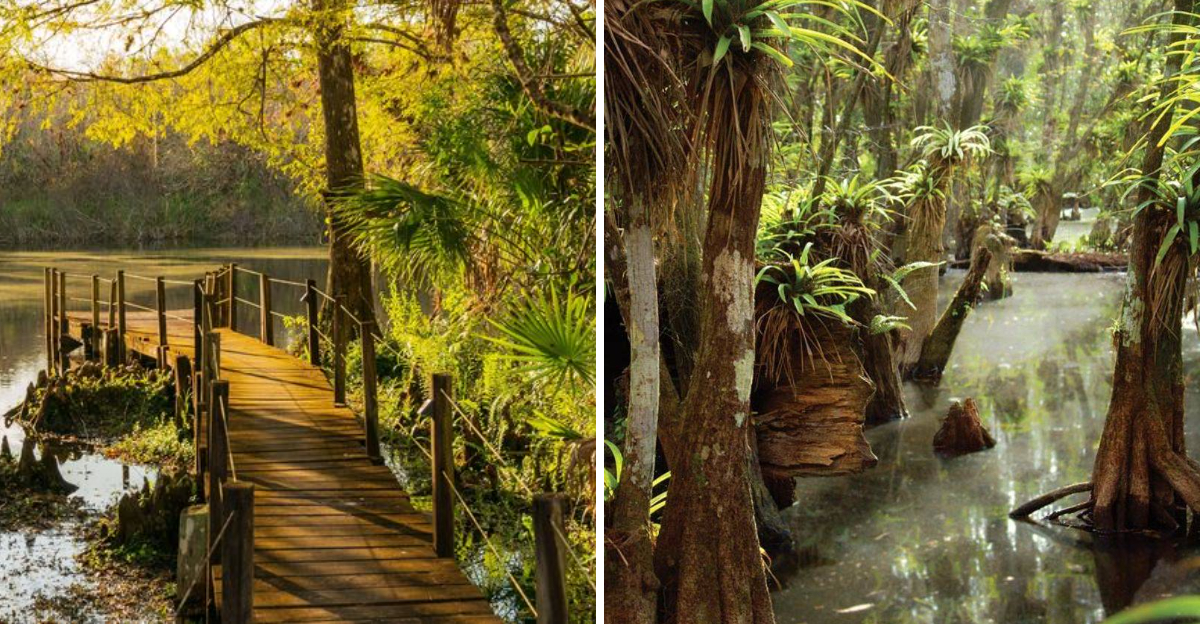
Florida is famous for beaches and theme parks, but here is a question worth asking. What if one of the most extraordinary wilderness areas in Florida is hiding quietly near the small town of Copeland?
Drive deep into southwest Florida and the landscape begins to change. The roads grow quieter, the trees grow taller, and suddenly the world feels wilder.
Towering cypress trees rise like natural cathedrals while orchids and bromeliads cling to their trunks, creating a scene that looks almost prehistoric.
This vast preserve stretches across thousands of acres, protecting one of the most unusual ecosystems in the entire state. Rare wildlife moves through the swamp, birds echo through the forest canopy, and hidden trails reveal a side of Florida most travelers never see.
In Florida, places like this remind you that the state’s true magic is not always found on the coast.
Sometimes it waits deep in the wilderness, quietly thriving near Copeland for anyone curious enough to explore.
The World’s Only Bald Cypress And Royal Palm Swamp Forest
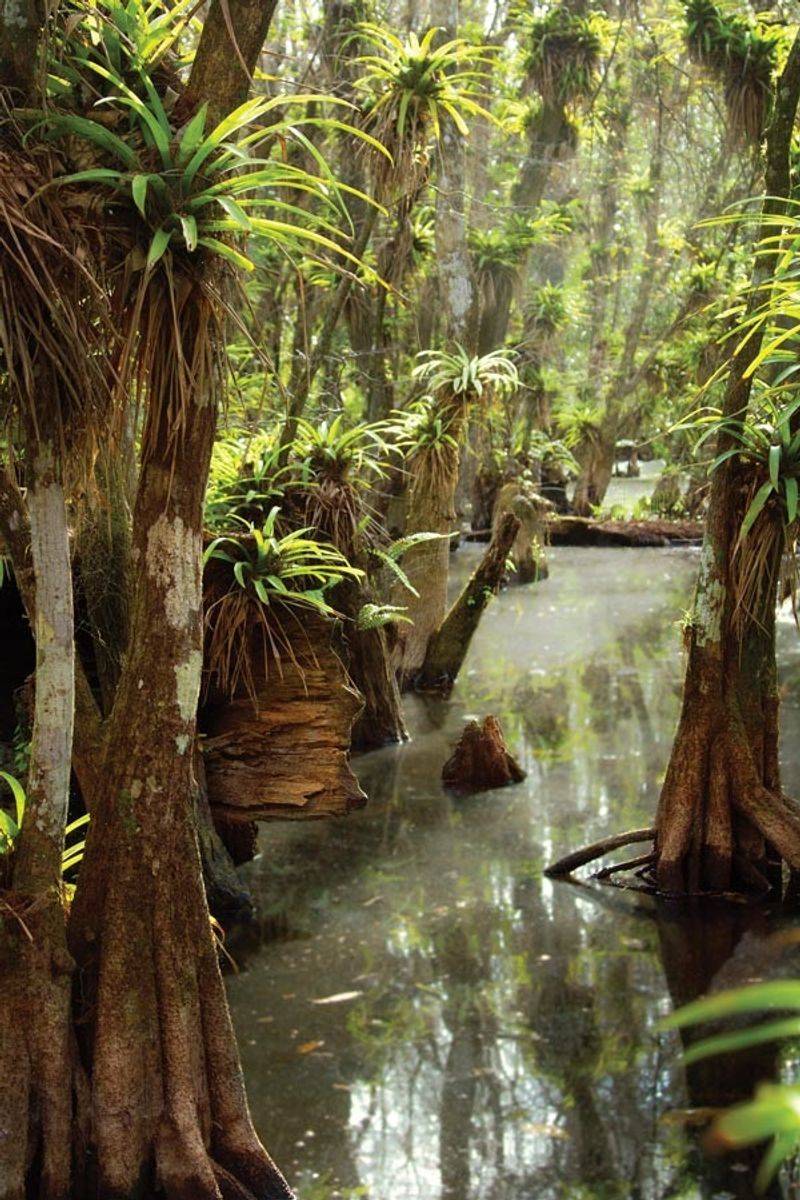
Walking into Fakahatchee feels like entering a botanical impossibility that somehow exists. This preserve holds the only place on Earth where temperate bald cypress trees and tropical royal palms grow together in the same canopy, creating what scientists call a subtropical ecotone forest.
The sight of massive cypress knees rising from dark water while royal palms stretch skyward creates a scene you won’t find anywhere else on the planet. I spent my first hour just staring upward, trying to wrap my head around this collision of ecosystems that shouldn’t work but does.
The mix happens because Fakahatchee sits right at the boundary where temperate North America meets tropical influences from the Caribbean. Cold fronts rarely reach far enough south to harm the palms, while the cypresses thrive in the freshwater sloughs that drain through the strand.
Rangers told me that researchers from around the world visit just to study this unique forest composition. Every time I return, I notice new details in how these different species coexist, sharing space in ways that challenge basic assumptions about plant communities and climate zones.
North America’s Highest Concentration Of Native Orchids
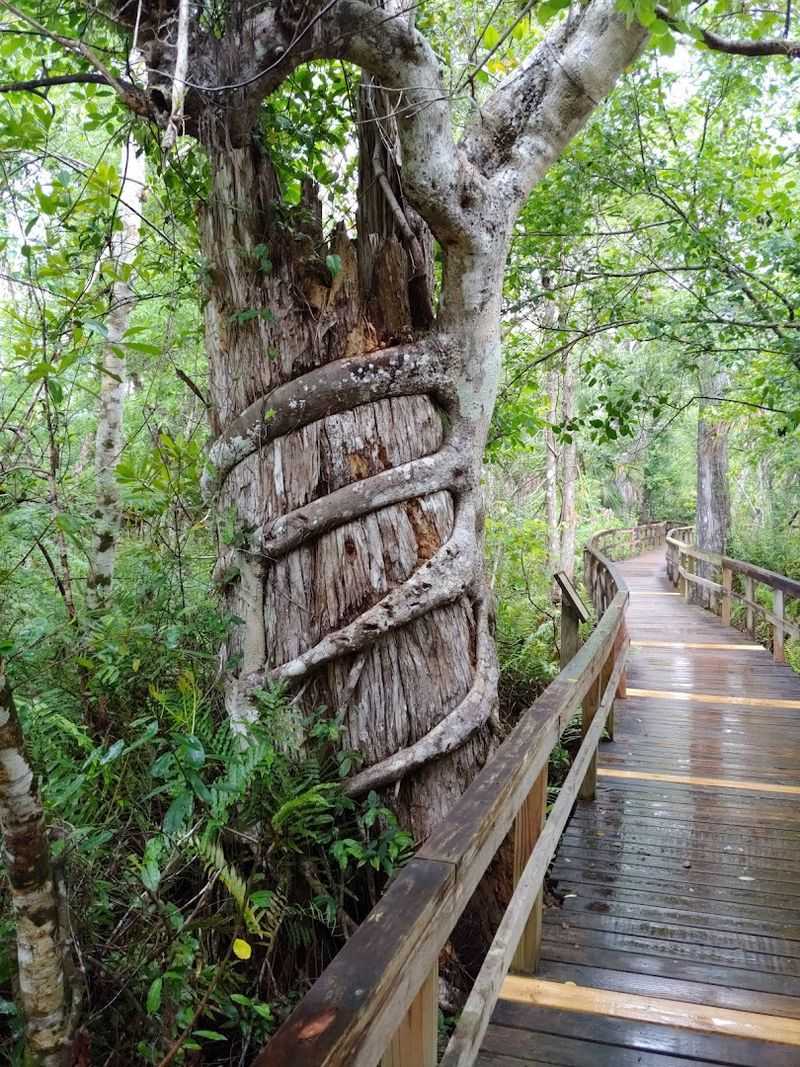
Forty-seven species of native orchids call Fakahatchee home, making this the richest orchid habitat in all of North America. I’d always associated orchids with fancy florist shops, never imagining I’d find them clinging to tree bark in a Florida swamp.
The preserve’s most famous resident is the ghost orchid, that rare white bloom that inspired books and obsessive collectors. I joined a ranger-led walk specifically hoping to spot one, though I learned quickly that these elusive beauties bloom unpredictably and hide deep in the wettest areas.
What surprised me most was discovering orchids everywhere once I knew where to look. Tiny clamshell orchids no bigger than my thumbnail, butterfly orchids with delicate petals, and cigar orchids that actually do resemble tiny cigars all grow here naturally.
Many of these species barely reach United States soil, with their main populations in the Caribbean. The warm, humid conditions and old-growth cypress provide perfect anchors for these epiphytes.
I’ve returned during different seasons, and each visit reveals different species in bloom, turning the swamp into an ever-changing gallery.
The Bumpy Jane’s Scenic Drive Adventure
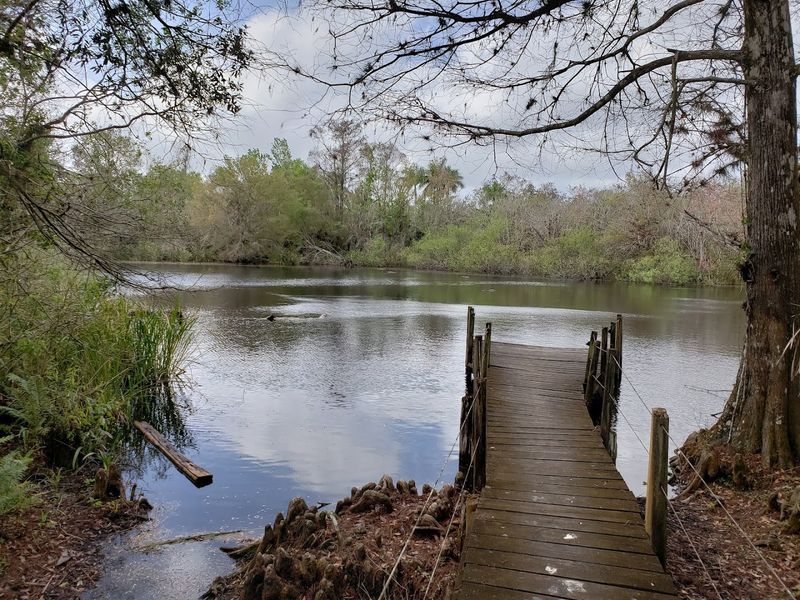
Jane’s Scenic Drive might be the most accurately named road in Florida because the six-mile journey to the trailhead truly is scenic, just not in the smooth, comfortable way most people expect. The dirt track is rutted, potholed, and washboarded in sections that rattle your teeth if you go faster than ten miles per hour.
I made the mistake on my first visit of thinking I could zip down quickly, and my car’s suspension immediately disagreed with that plan. The drive takes nearly an hour at crawling speed, but complaining about it misses the entire point.
This rough road filters out casual visitors and creates a wildlife corridor that animals treat as their own. I’ve spotted deer crossing without concern, watched a red-shouldered hawk perch on a branch just feet from my window, and counted more than a dozen alligators sunning along the edges.
The slow pace forces you to actually look around instead of rushing to a destination. By the time I reach the parking area at the end, I’ve already seen more wildlife than most parks offer in a full day, all from my driver’s seat.
Wildlife Encounters That Feel Like Old Florida
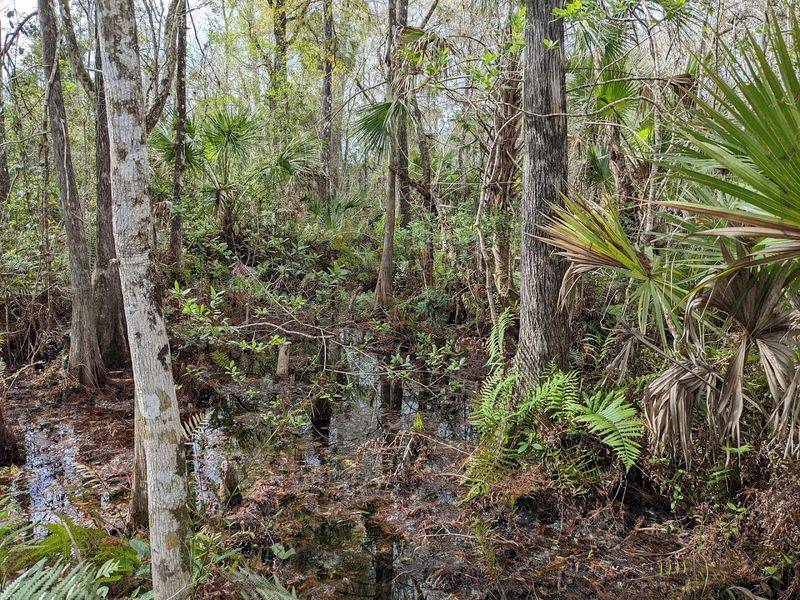
Few places in Florida still harbor the full cast of native wildlife that existed before development carved up the peninsula. Fakahatchee protects habitat for Florida panthers, black bears, white-tailed deer, and more than 250 bird species in numbers that reflect what the entire state once supported.
On my third visit, I spotted three deer within the first mile of Jane’s Scenic Drive, their white tails flashing as they bounded gracefully across the road. One actually stopped and stared at me for a full minute, completely unafraid, before wandering back into the palmettos.
I haven’t been lucky enough to see a panther yet, though rangers confirmed fresh tracks near the trailhead just days before my last visit. Even without that sighting, knowing these critically endangered cats roam these woods adds weight to every shadow I glimpse moving between trees.
The bird diversity alone justifies multiple trips, especially during migration seasons when tropical species mix with northern visitors. I’ve photographed roseate spoonbills, wood storks, and a barred owl that watched me from a cypress branch with eyes that seemed far too wise and slightly judgmental.
The Famous Fakahatchee Hilton And Its Gator Neighbors
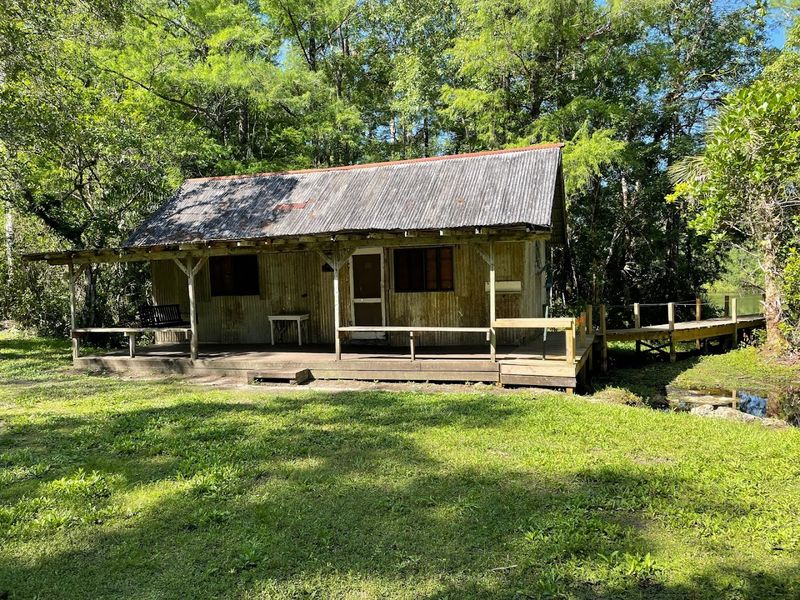
About two miles down the East Main Tram Trail sits a small wooden cabin locals affectionately dubbed the Fakahatchee Hilton, though calling it rustic would be generous. The structure perches near a small lake that serves as prime real estate for the park’s most visible alligator population.
I hiked out on a perfectly mild February morning, and the scene behind the cabin looked like a reptile convention. At least fifteen gators ranging from four to twelve feet long sprawled across the grassy area and muddy banks, soaking up sunshine like tourists on a beach.
The dock extending over the water provides a safe viewing platform, though safe feels relative when you’re surrounded by that many prehistoric predators. I watched two large males posture at each other, their low rumbles vibrating through the wooden planks beneath my feet.
Rangers explained that this lake offers ideal conditions with deep water, abundant fish, and sunny basking spots. The cabin itself is private property, but the trail splits there, with the left path leading to the gator viewing area that’s become one of the park’s most popular features for those willing to make the hike.
Over Thirty Bromeliad Species Thriving In The Canopy
Looking up in Fakahatchee means discovering an entire garden growing in midair. More than thirty bromeliad species festoon the branches, creating splashes of color and texture that transform ordinary trees into living sculpture.
Bromeliads are those spiky, often colorful plants you see in tropical settings, and most Americans only know them from garden centers. Here they grow wild the way nature intended, clinging to bark and collecting rainwater in their leaf cups.
I joined a botanist-led walk that opened my eyes to the diversity hiding in plain sight overhead. Cardinal airplants with their bright red blooms, giant wild pines that can weigh fifty pounds when full of water, and delicate Tillandsia species that look like green fireworks all compete for space on the same branches.
These bromeliads create entire ecosystems within ecosystems, their water-filled centers providing homes for tree frogs, insects, and even tiny fish during floods.
Primitive Trails That Demand Proper Preparation
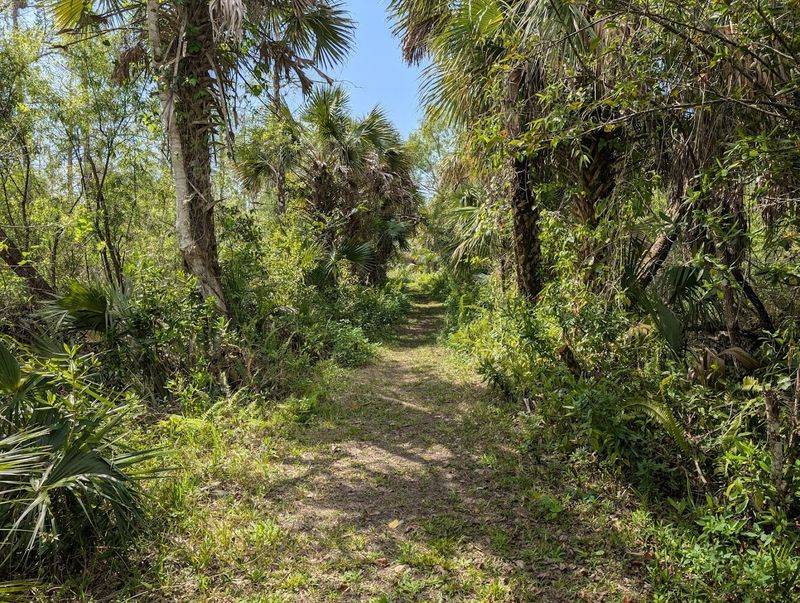
Fakahatchee doesn’t pamper visitors with paved paths and convenient facilities scattered every quarter mile. The trails here remain genuinely primitive, which means you’d better show up prepared or you’ll have a miserable time.
Mosquitoes reign as the undisputed rulers of this swamp, especially during warmer months. I learned this lesson the hard way on my first summer visit when I foolishly thought a quick spray would suffice.
Within minutes, I was covered in bites despite my best swatting efforts, and I retreated to my car in defeat.
Now I come prepared with industrial-strength repellent, long sleeves despite the heat, and a head net like the rangers wear. I also pack more water than seems necessary because the humidity saps energy faster than you’d expect on these flat trails.
The park provides minimal amenities beyond basic restrooms near the entrance. No water fountains, no snack bars, no air-conditioned visitor centers with gift shops.
This stripped-down approach keeps the focus on nature rather than convenience, but it also means taking responsibility for your own comfort and safety in ways most modern parks don’t require.
Best Visited During The Dry Season Window
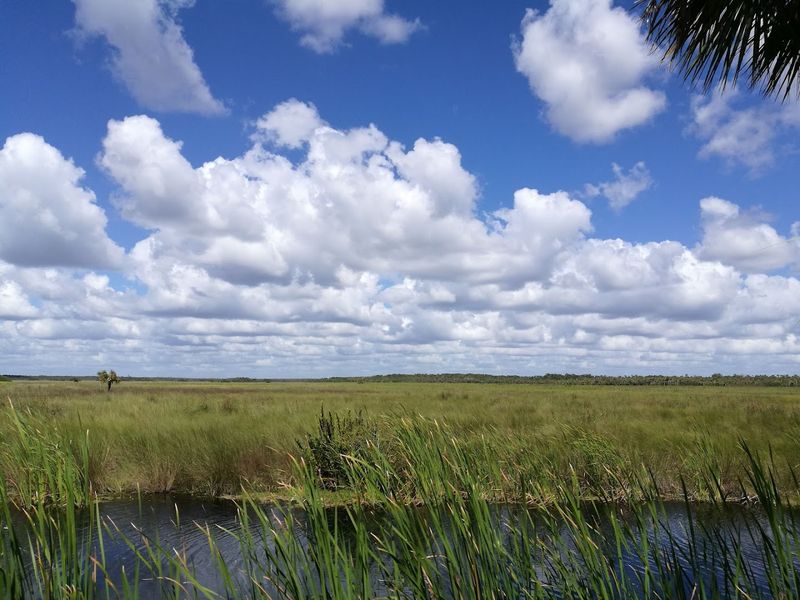
Timing matters enormously when visiting Fakahatchee, and the sweet spot runs from November through April when South Florida’s dry season makes the swamp accessible and almost pleasant. I’ve visited during both wet and dry seasons, and the difference is dramatic.
Winter months bring comfortable temperatures in the seventies, lower water levels that expose more trail, and reduced mosquito populations that make hiking actually enjoyable. One reviewer mentioned specifically waiting for days when the forecast shows a high of 74 degrees, and I completely understand that precision now.
During wet season from May through October, water levels rise significantly, trails can flood, and the combination of heat and humidity creates conditions that test even dedicated nature lovers. The mosquitoes also reach biblical plague proportions that no amount of spray fully conquers.
That said, wet season does offer advantages for serious naturalists. The orchids bloom more prolifically, birds nest and raise young, and the swamp pulses with life in ways the drier months can’t match.
I’ve had incredible wildlife sightings during summer visits, though I paid for them in sweat and bug bites that lasted for days afterward.
The Boardwalk Trail For Quick Nature Immersion
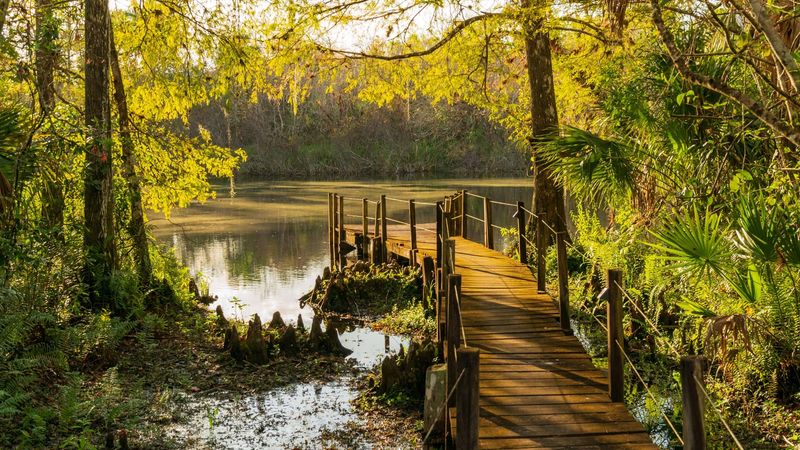
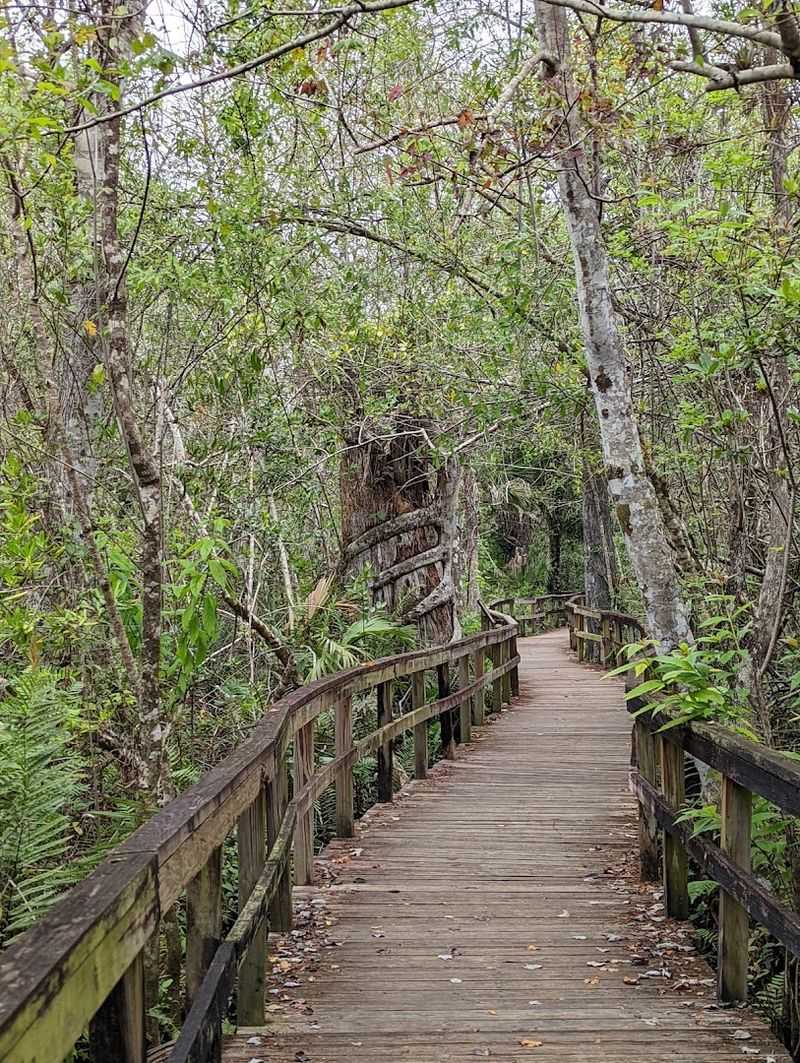
Not every Fakahatchee experience requires driving six miles down a crater-pocked dirt road and hiking for hours through mosquito clouds. The boardwalk trail near the main entrance offers an easier introduction to the preserve’s ecosystem that works perfectly for families or anyone with limited time.
This elevated wooden walkway stretches about half a mile into the swamp, keeping your feet dry while providing excellent views of the surrounding wetlands. Educational signs posted along the route identify common trees, explain the swamp’s hydrology, and highlight wildlife you might spot.
I’ve used this trail as a quick nature fix when passing through the area, and it delivers surprising rewards for minimal effort. The boardwalk’s elevation puts you at eye level with mid-story vegetation where many birds forage, and the still water below often reflects the canopy in mirror-perfect detail.
Well-maintained restrooms sit near the trailhead, making this the most visitor-friendly section of the park. I’ve seen elderly couples enjoying the boardwalk alongside young families with strollers, all experiencing the swamp’s beauty without the physical demands or preparation the backcountry trails require.
It’s an excellent first taste that often inspires return visits to explore deeper.
A Bargain Park That Operates On Donations
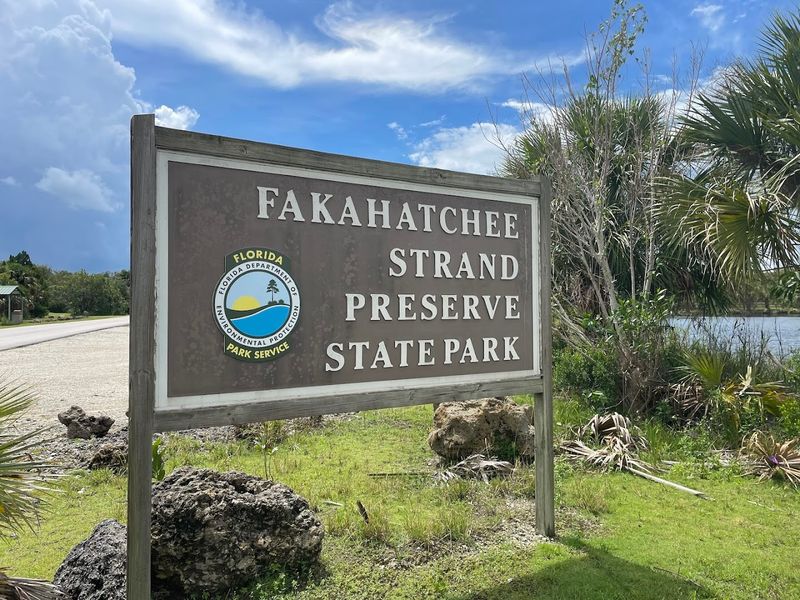
In an era when theme parks charge triple digits and even beaches implement parking fees that sting, Fakahatchee operates on a donation basis that feels almost quaint. The suggested contribution is just three dollars, and even that amount isn’t enforced, though I always drop more because this place deserves support.
A simple drop box near the entrance collects donations on the honor system, with no gates, attendants, or electronic payment systems. This low-key approach matches the park’s overall philosophy of keeping things simple and focused on conservation rather than revenue generation.
I appreciate that Fakahatchee remains accessible to everyone regardless of financial situation. A family can spend an entire day exploring without worrying about admission costs eating into their budget, making this genuine wilderness available to people who might otherwise never experience it.
The minimal fees also mean minimal development, which suits this preserve perfectly. The money collected goes toward basic maintenance, ranger salaries, and habitat protection rather than building unnecessary facilities.
Every time I visit, I donate more than the suggested amount because I want this place to stay exactly as wild and uncommercial as it is right now.