
This 1650-Acre Florida Bird Sanctuary Lures Photographers From Around The World During Nesting Season
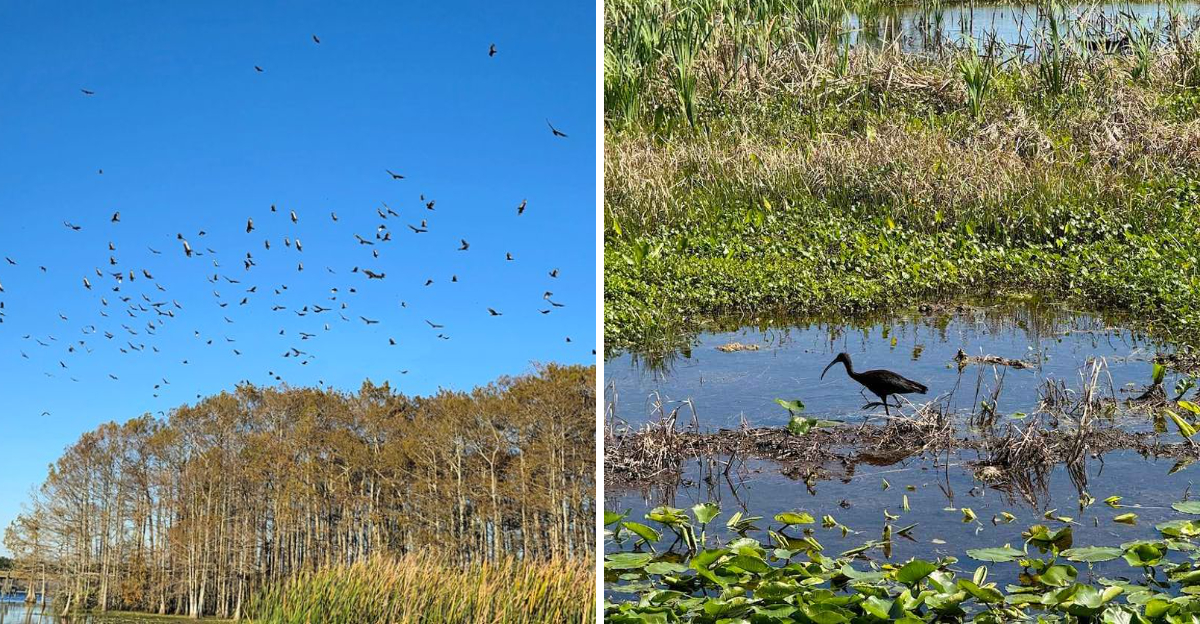
Some places in Florida make you slow down the moment you arrive.
You step out of the car, hear birds calling across the water, and realize your camera might not leave your hands for the next few hours. The air feels still.
The marsh stretches endlessly in every direction. And everywhere you look, something is moving.
A heron lifts slowly from the reeds. Spoonbills sweep their bright pink wings across the sky.
Dozens of birds circle overhead while photographers quietly wait along the trails, hoping for that perfect moment when light, wildlife, and timing align.
This sprawling wetland has quietly become one of the most remarkable wildlife photography spots in Central Florida. During nesting season, the landscape transforms into a living stage filled with color, motion, and life.
For anyone who loves nature or photography, it feels less like a park and more like stepping directly into the middle of a nature documentary.
Free Access Creates Photography Paradise
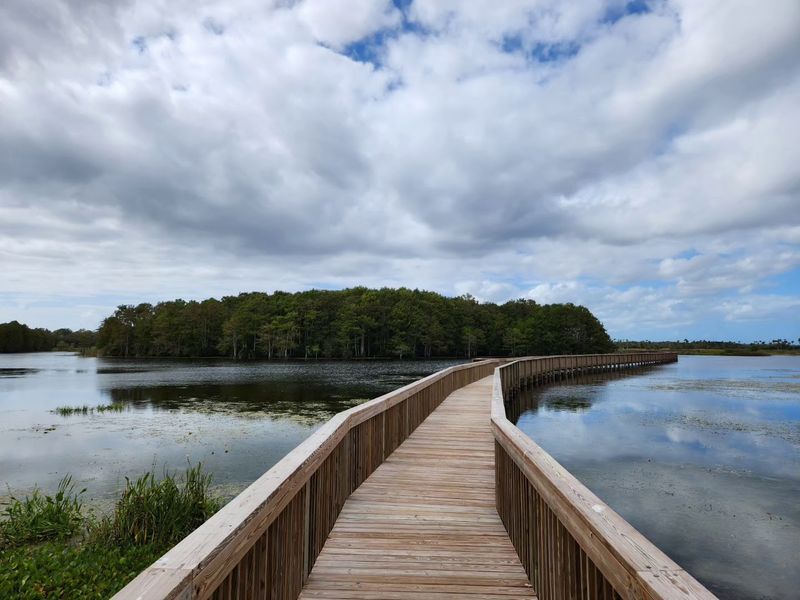
Walking through the gates without reaching for my wallet still surprises me every single visit. Orlando Wetlands offers completely free admission, free parking, and even free guided tram tours, which means photographers can invest their budget in better lenses instead of entry fees.
I’ve met photographers who drive down from Georgia and up from Miami specifically because they can spend multiple days here without worrying about daily admission costs adding up. The free tram tours run from around 10 AM to 2 PM with knowledgeable volunteers who share insider tips about where certain birds are currently nesting.
This accessibility means photographers of all skill levels and budgets can practice their craft in a world-class setting. I’ve watched beginners with smartphone cameras learn alongside professionals carrying equipment worth thousands, all benefiting from the same incredible opportunities.
The park opens at 7 AM Tuesday through Sunday and closes at 6 PM, giving photographers those crucial early morning and late afternoon golden hours when lighting conditions make ordinary shots extraordinary at Orlando Wetlands Park, 25155 Wheeler Rd, Christmas, FL 32709. Closing on Mondays gives wildlife a break from human activity, which actually improves photographic opportunities the rest of the week since animals behave more naturally.
Nesting Season Brings Rare Species
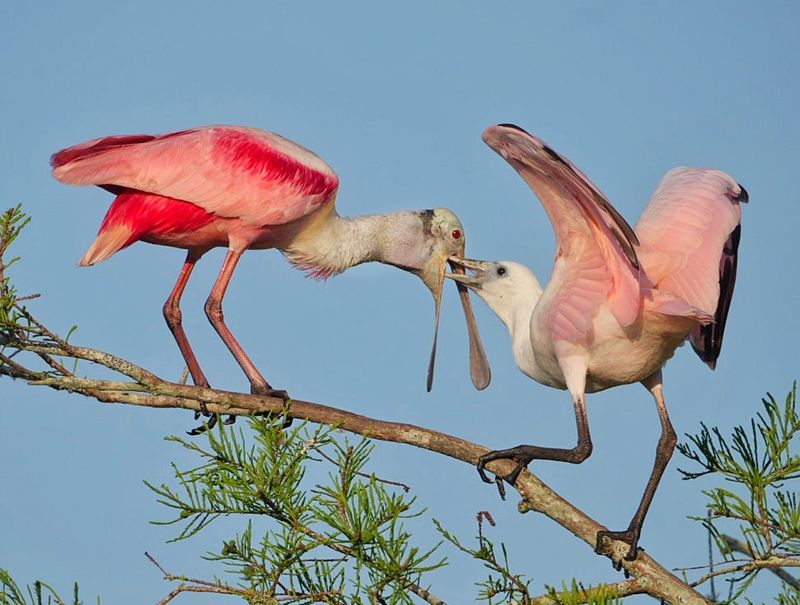
Spotting my first roseate spoonbill nest made me understand why photographers circle this date on their calendars months in advance. Nesting season typically runs from late winter through early summer, bringing species that otherwise rarely appear in such accessible locations.
The wetlands host breeding colonies of wood storks, tricolored herons, great egrets, and those stunning pink spoonbills that look like they wandered in from a tropical postcard. I’ve counted over twenty different species actively nesting during peak season, each offering unique photographic challenges and rewards.
Parent birds feeding chicks create action shots that simply don’t exist outside nesting periods. I’ve captured images of adult herons performing elaborate courtship displays, spoonbills arranging nesting materials, and recently hatched chicks taking their first wobbly steps along branches.
Several reviewers mentioned seeing wildlife variety that changes by season, and nesting time delivers the most dramatic transformations. Birds that normally keep their distance become more tolerant of observers when focused on raising young, though I always maintain respectful distances and never disturb nesting sites.
The concentration of active nests in certain areas means photographers can set up in one spot and capture multiple species without constantly relocating.
Boardwalk Offers Unobstructed Angles
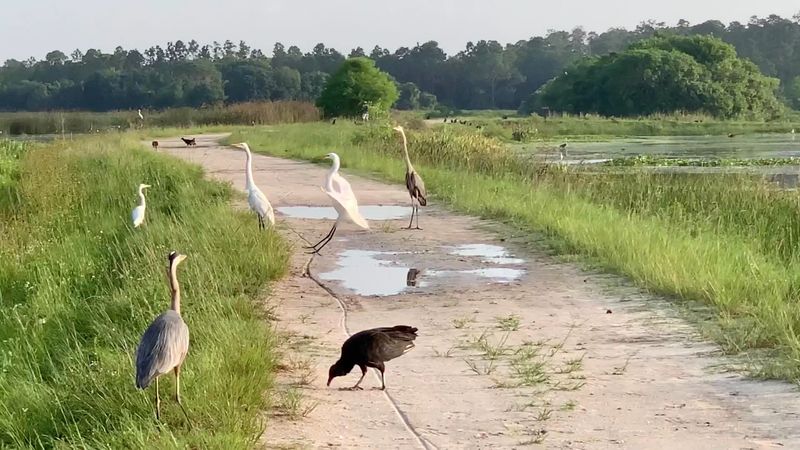
Stepping onto the boardwalk changed my entire approach to wetland photography in ways I never anticipated. This elevated wooden pathway extends much farther than I expected on my first visit, providing stable platforms at perfect heights for eye-level bird shots.
Unlike muddy trails where you’re constantly adjusting footing, the boardwalk gives me rock-solid stability for those long telephoto lenses that magnify every tiny movement. I’ve set up my tripod here countless times, knowing the structure won’t shift or sink like softer ground.
The elevation also creates clean backgrounds by positioning photographers above distracting foreground vegetation. I can frame birds against water or sky rather than tangled marsh grass, producing professional-looking images that would require much more expensive locations elsewhere.
Multiple reviewers specifically mentioned the boardwalk as a highlight, and I completely agree after experiencing how it opens up composition possibilities. Early morning often finds a line of photographers spaced along the railing, each respecting others’ shooting space while we all wait for that perfect moment.
The boardwalk reaches areas inaccessible by foot trails, extending over deeper water where certain species prefer to feed and nest, giving photographers access to subjects they simply couldn’t approach any other way.
Abundant Alligators Add Drama
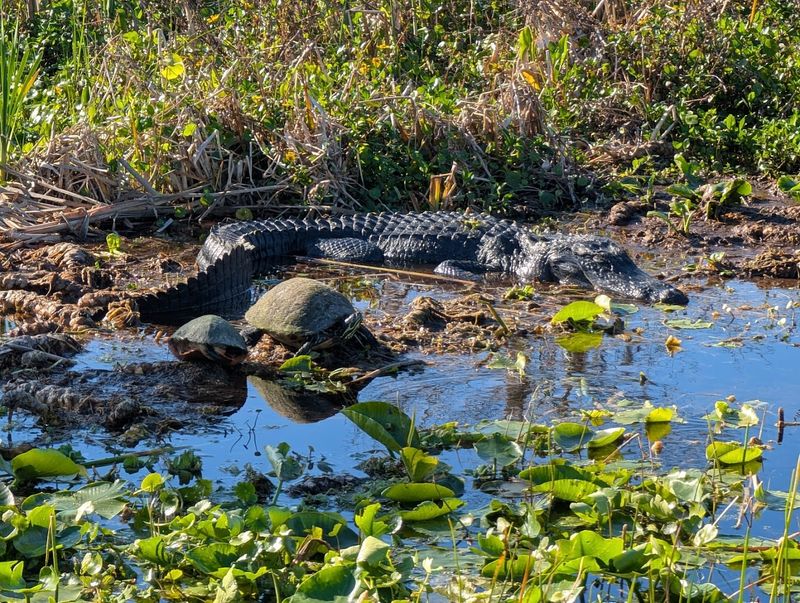
Counting twenty gators along a single loop trail sounds alarming until you experience how these prehistoric subjects elevate your wildlife portfolio. Orlando Wetlands hosts a healthy alligator population that becomes especially photogenic during cooler months when they emerge to sunbathe along trail edges.
I’ve photographed gators ranging from tiny juveniles to massive adults stretching over ten feet long, each offering different photographic opportunities. The smaller ones often perch on logs or float among water lilies, while the giants create impressive silhouettes against dawn skies.
Winter brings the best gator photography because cold-blooded reptiles seek sunny spots to regulate body temperature, making them predictable and relatively stationary subjects. I’ve spent entire mornings photographing a single large male who claimed the same basking spot for weeks.
Several visitors mentioned walking past numerous gators, and while this requires caution and respect, it also means photographers rarely leave without compelling reptile images. The key is maintaining safe distances, never approaching or harassing wildlife, and using telephoto lenses to bring subjects closer optically.
Gators add an element of wildness to bird photographs too, sometimes appearing in the same frame as wading birds, creating images that capture the complete wetland ecosystem rather than isolated subjects.
Multiple Trail Options Suit Different Approaches
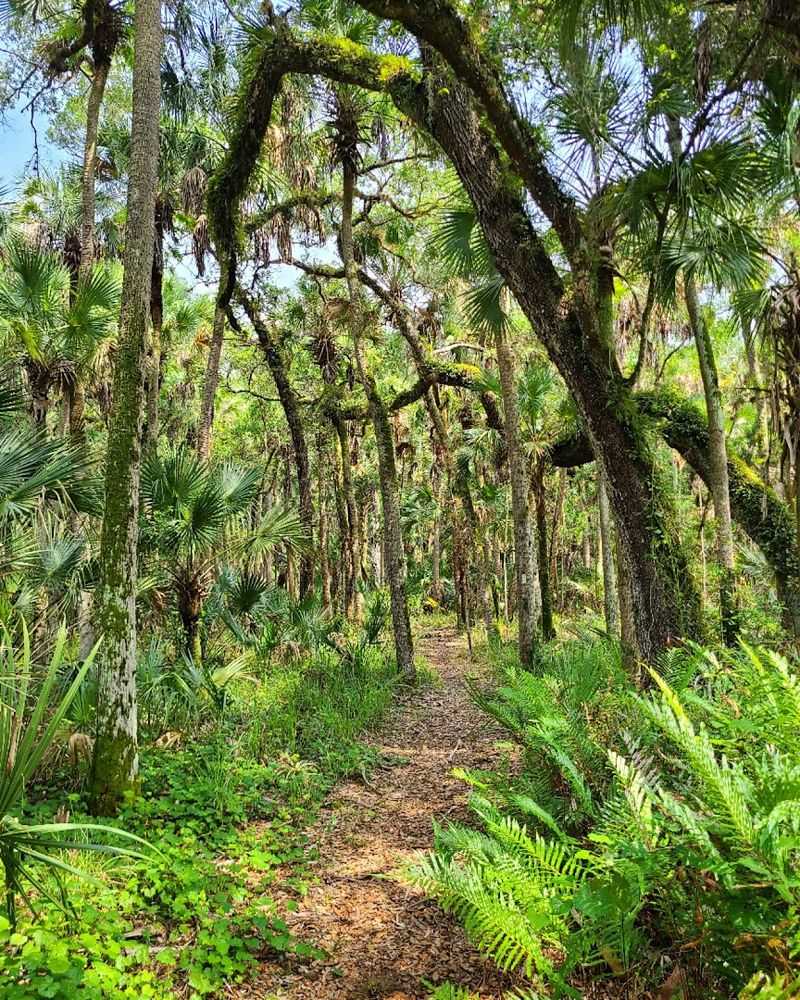
Choosing between Lake Searcy Loop and Alligator Alley on my first visit taught me how trail variety transforms photographic possibilities throughout a single day. The perimeter trail stretches six miles around the wetland’s edge, offering sweeping landscape opportunities and distant bird colonies.
Shorter connector trails cut through different habitat types, letting photographers target specific species or lighting conditions without committing to the full loop. I’ve walked wooded sections where dappled shade creates beautiful natural lighting for songbirds, then emerged onto open marsh where harsh midday sun actually works for silhouettes.
Some trails run close to water edges perfect for reflection shots, while others climb slightly higher for overview perspectives of the entire wetland system. This elevation change might only be a few feet, but it dramatically alters composition options.
Reviewers mentioned trails ranging from easy walks to more challenging terrain, and I’ve found this variety lets me adjust my route based on how much equipment I’m carrying that day. Heavy telephoto gear works better on shorter, flatter paths, while lightweight setups let me explore more remote areas.
The wooded trail occasionally closes due to wet conditions, but when open, it provides completely different photographic subjects including forest birds and different lighting quality than the open marsh areas.
Visitor Center Provides Essential Resources
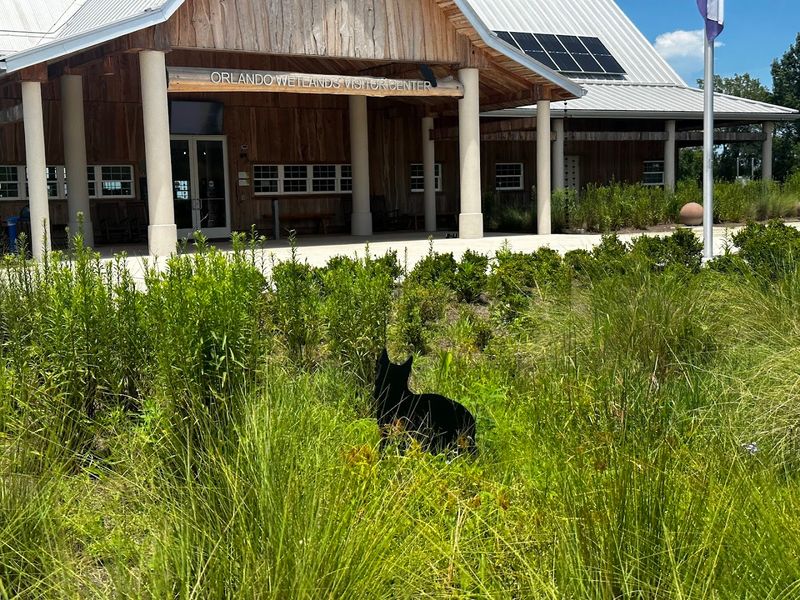
Discovering the newly opened visitor center felt like finding a secret weapon for improving my wetland photography success rate. The exhibits explain water filtration systems and seasonal wildlife patterns in ways that help photographers predict where and when certain species will appear.
I’ve studied the displays showing which birds nest in which months, then used that information to plan return visits targeting specific species. The center also houses live alligator exhibits that let photographers practice reptile photography techniques in controlled conditions before heading onto trails.
Volunteers staffing the center possess incredible knowledge about current wildlife activity, often directing photographers toward recent nesting sites or unusual species sightings. I’ve received tips here that led directly to some of my best images, like learning that a pair of bald eagles was actively feeding chicks in a nest visible from the north trail.
The small gift shop sells cold drinks and snacks, which matters more than it sounds when you’ve been standing in Florida sun for three hours waiting for perfect light. Several reviewers mentioned friendly, informative staff, and I’ve found their passion for the wetlands genuinely enhances the experience.
Educational films screening in the center explain wetland ecology in ways that make photographers better environmental storytellers, not just picture-takers.
Tram Tours Reveal Hidden Hotspots
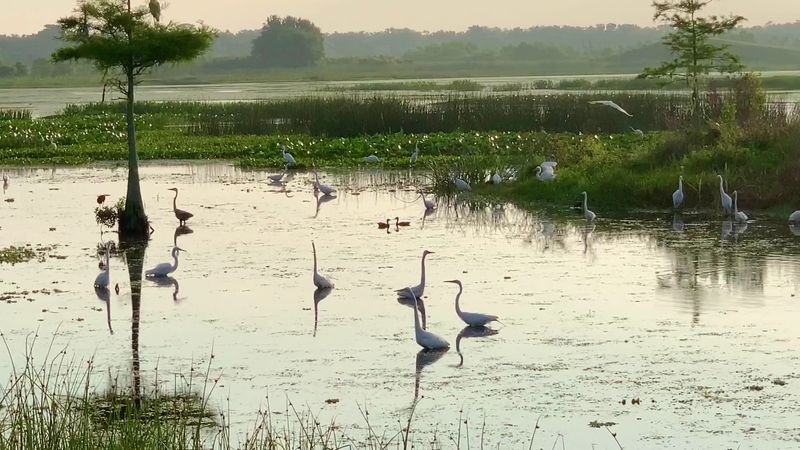
Riding the free tram tour on my third visit revealed photography locations I’d completely missed during two previous self-guided explorations. The volunteer guides know this wetland system intimately, pointing out distant nesting colonies and explaining animal behavior patterns that help photographers anticipate great moments.
I’ve learned which areas host the most spoonbills, where wood storks prefer to feed, and why certain spots attract more diverse species. This knowledge transformed my independent walks afterward because I understood the landscape’s rhythm rather than just wandering randomly.
The one-hour narrated tours run regularly during peak visiting hours, and I always recommend photographers take at least one tram ride even if they prefer shooting independently. Guides share seasonal changes and recent sightings that would take months of solo visits to discover.
Several reviewers specifically praised the tram experience, and I’ve found the guides remarkably patient with photographers who ask detailed questions about wildlife habits. The carts can access certain areas not open to foot traffic, providing unique perspectives.
Taking the tram early in your visit creates a mental map of the entire wetland system, helping you plan efficient photography routes that maximize time in productive areas rather than less active zones.
Year-Round Photographic Opportunities
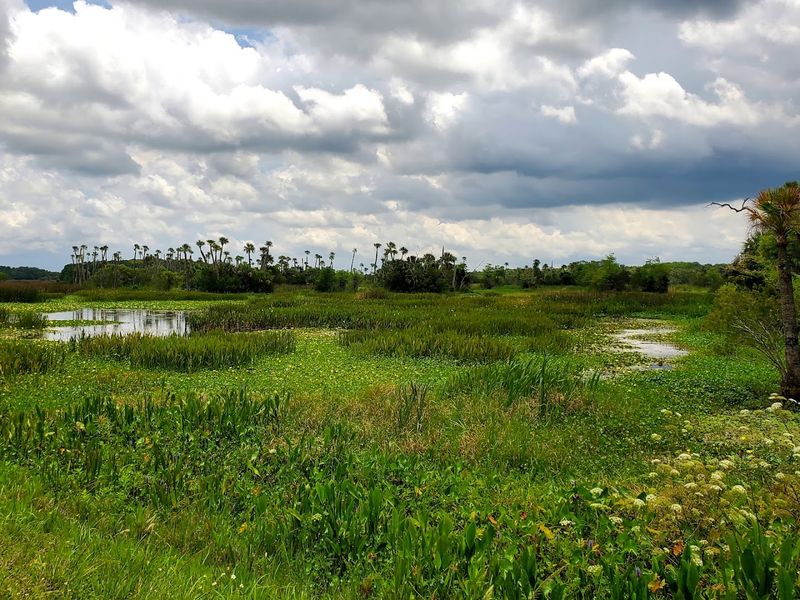
Returning across different seasons showed me how this wetland never really has an off-season for photography, just different opportunities. Winter brings migratory species and sun-seeking gators, spring delivers nesting drama, summer offers lush green backgrounds, and fall migration creates another wave of diverse subjects.
I’ve photographed here in every month and always found compelling subjects, though the specific species and behaviors shift constantly. Summer heat reduces midday activity but creates stunning dawn and dusk sessions when wildlife emerges to feed.
Winter’s cooler temperatures make all-day photography comfortable and keep animals active throughout daylight hours. I’ve shot some of my favorite images during January mornings when mist rises off the water and early light turns everything golden.
The wetland’s water levels fluctuate seasonally, concentrating fish and attracting more feeding birds during drier periods. I’ve watched dozens of wading birds cluster in shrinking pools, creating dense compositions impossible during high-water months.
Reviewers mentioned visiting during different seasons with varying wildlife sightings, confirming how the experience changes but never disappoints. Photographers who assume nesting season is the only worthwhile period miss incredible opportunities during supposedly quieter months when certain species actually become more approachable and photogenic.
Professional-Grade Lighting Conditions
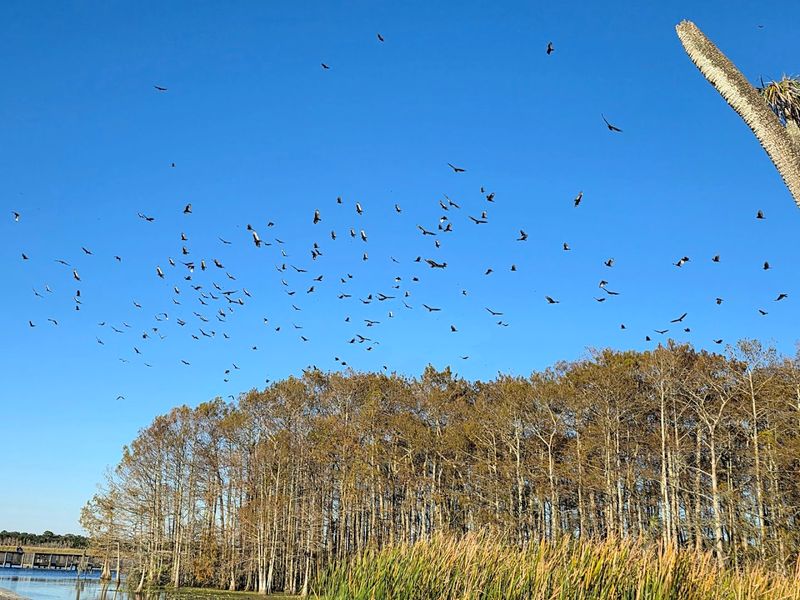
Experiencing my first Orlando Wetlands sunrise convinced me that some locations just possess inherently superior light quality. The open marsh landscape allows unobstructed eastern and western horizons, creating extended golden hours without hills or buildings blocking low-angle sun.
I’ve photographed sunrises here that painted the entire sky in graduated colors from deep purple through orange to pale yellow, all reflected in still water for double impact. The flat terrain means this light reaches subjects evenly without harsh shadows from nearby structures.
Morning mist frequently forms over water during cooler months, adding atmospheric depth to landscape shots and creating dramatic backlit opportunities when birds fly through fog banks. I’ve captured images here that look professionally staged but were simply fortunate timing in naturally perfect conditions.
The 7 AM opening time gets photographers on-site right at dawn during most of the year, maximizing those crucial first hours when wildlife is most active and light most beautiful. Late afternoon sessions before the 6 PM closing deliver equally stunning conditions.
Reviewers who mentioned arriving early understood what serious photographers know: the best wetland light happens in the first and last hours of each day, and Orlando Wetlands’ schedule perfectly accommodates this reality while its landscape naturally enhances already beautiful light.
International Photography Community
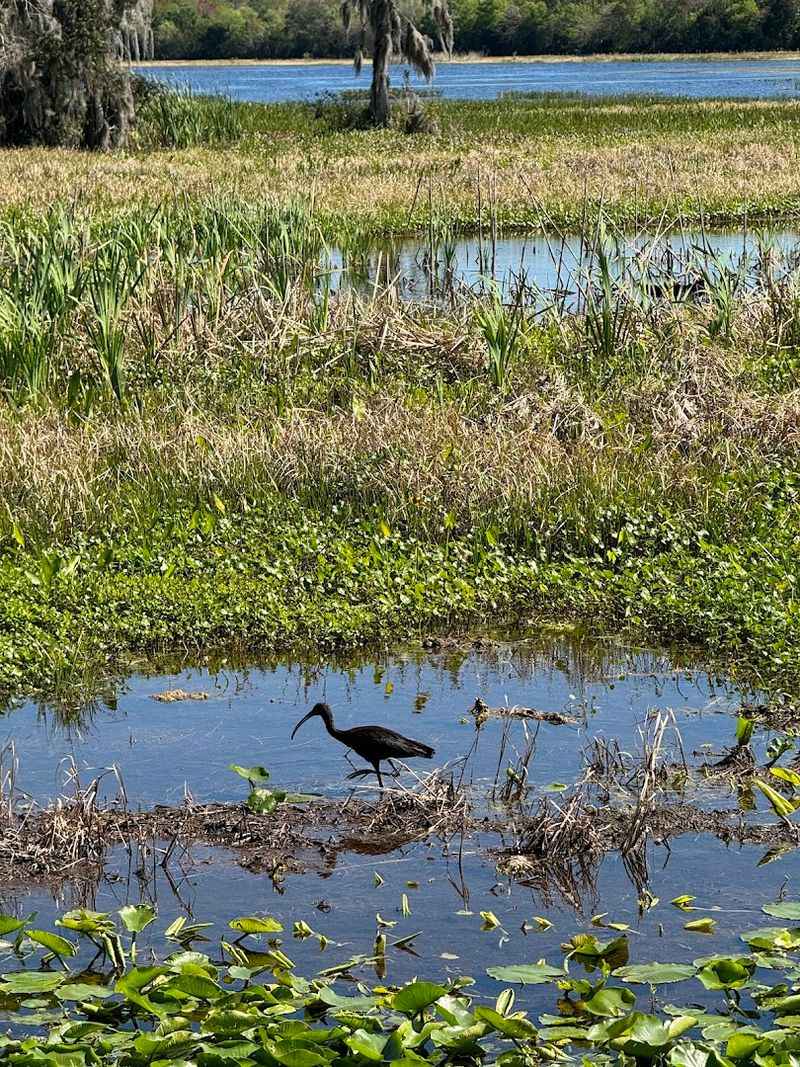
Meeting photographers from Japan, Germany, and Australia during a single morning visit demonstrated how Orlando Wetlands’ reputation extends far beyond Central Florida. I’ve exchanged techniques with visitors who specifically planned Florida trips around nesting season here, sometimes adding theme parks as afterthoughts rather than primary destinations.
This international community creates an inspiring atmosphere where photographers share knowledge freely, pointing out birds others might miss and celebrating each other’s successful shots. I’ve learned new approaches to bird photography from people who barely spoke English but communicated perfectly through our shared passion.
The parking lot often resembles a camera equipment convention, with license plates from across North America and rental cars driven by overseas visitors. I’ve seen gear ranging from basic setups to lenses costing more than my car, all focused on the same incredible subjects.
Online photography forums and social media groups dedicated to Orlando Wetlands connect shooters worldwide, sharing recent sightings and helping visitors plan trips. I’ve joined several groups where members post daily updates during nesting season, creating real-time information networks.
This global recognition validates what locals already know: Orlando Wetlands punches well above its weight class, offering photographic opportunities that rival famous international birding destinations while remaining completely free and remarkably accessible to anyone carrying a camera.