
This 1928 Michigan Theater Still Plays Films On 35mm With A Live Pipe Organ Rising From The Stage
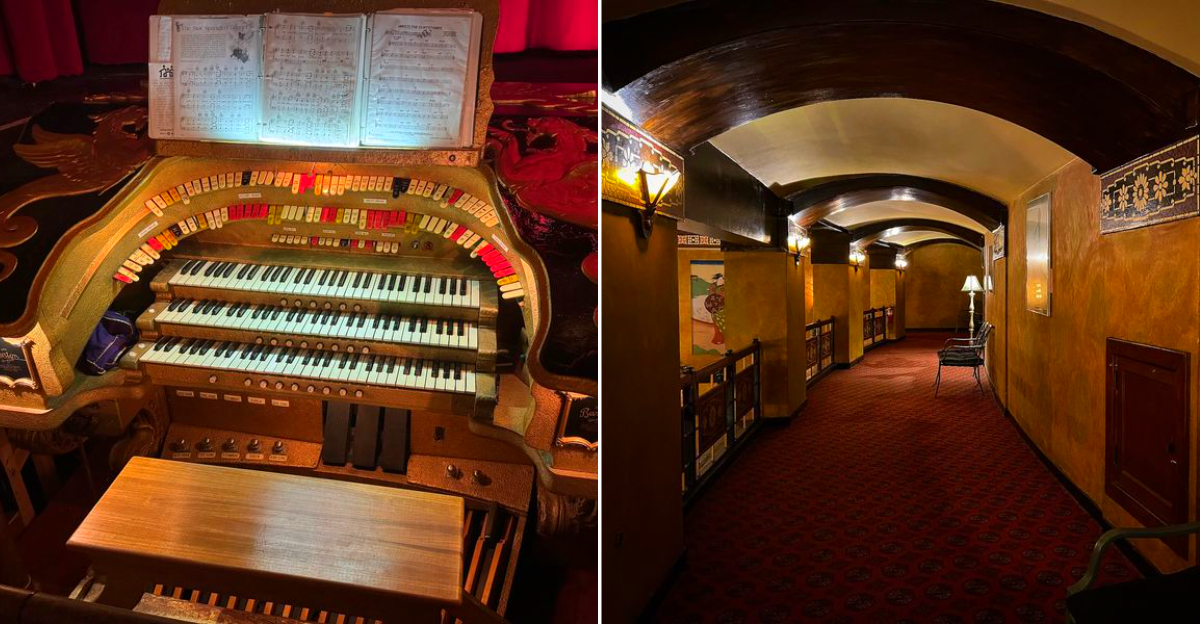
The organ rises from the floor like something out of a dream. I had never seen a theatre pipe organ before, and I was not prepared for how it sounds in a room built for it. The Barton fills every corner of this theater with a warm resonance that no speaker can replicate.
Then the lights dim, and a 35mm print flickers onto a screen that has been showing films since 1928. Tickets cost five dollars.
The volunteers who run this place have kept it alive through sheer stubbornness, and you feel that in every detail. The painted ceiling. The Japanese-inspired decor.
Original plasterwork. I saw a movie here that I have watched a dozen times on streaming, and it felt like seeing it for the first time.
A 1928 theater still plays films on 35mm with a live pipe organ rising from the stage before every show in Michigan.
Arrive Before The Organ Overture
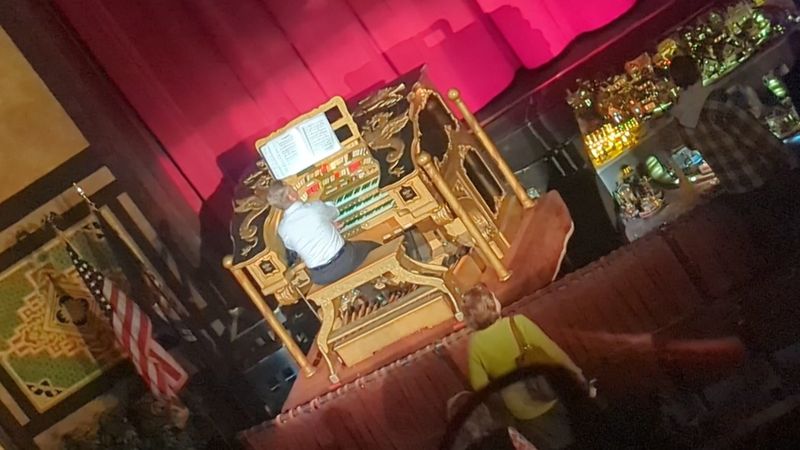
Music may begin before the screen tells a single story. Redford events often feature an organ overture, so arriving only at the posted showtime can mean missing one of the building’s finest traditions.
Give yourself enough time to park, enter, visit concessions, and settle comfortably.
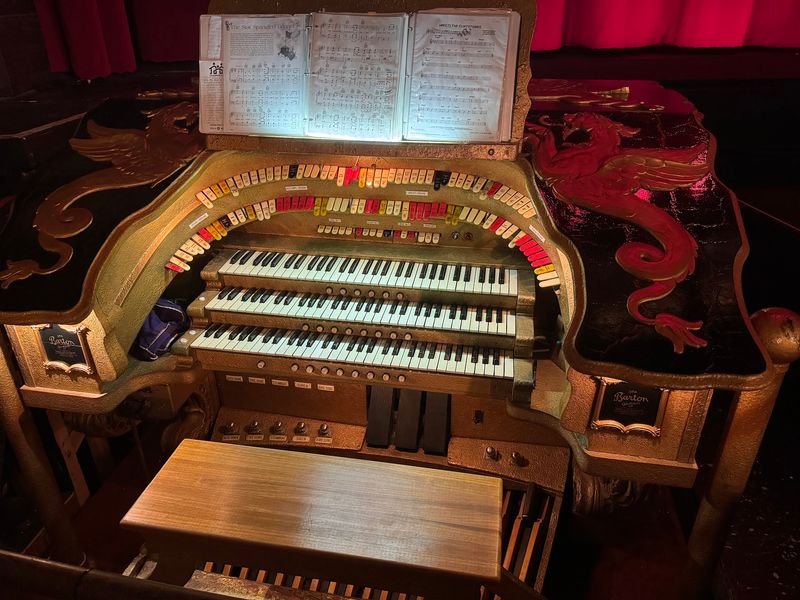
The original Barton organ has three manuals and ten ranks, and its console rises dramatically from the stage. Built into the theater in 1928, it comes from an era when silent pictures still needed live accompaniment.
Listen for sounds that imitate an orchestra or create playful effects, all controlled by the organist. Performances may also occur during intermission, depending on the program.
Keep conversations quiet once the musician starts, even if the house lights remain on. The overture is not background filler.
It is a live performance and an essential piece of the Redford experience that rewards punctual guests with an unforgettable entrance.
Grand River Brings The Marquee Into View
The Redford Theatre stands at 17360 Lahser Road in northwest Detroit, Michigan, just north of Grand River Avenue. Lahser Road handles the final stretch, with the theater sitting on its east side near the Grand River intersection.
Turn onto Lahser from Grand River and the theater arrives almost immediately, its marquee facing the street along the Old Redford commercial strip. For scheduled screenings and events, the box office and doors typically open about an hour before showtime, so arriving early can make the last few blocks easier.
The theater owns and leases several parking lots around the north end of the building. Follow Redford Theatre parking signs and, during events, directions from attendants to the available lot, then walk back toward the Lahser Road entrance.
Look Up Before The Lights Dim
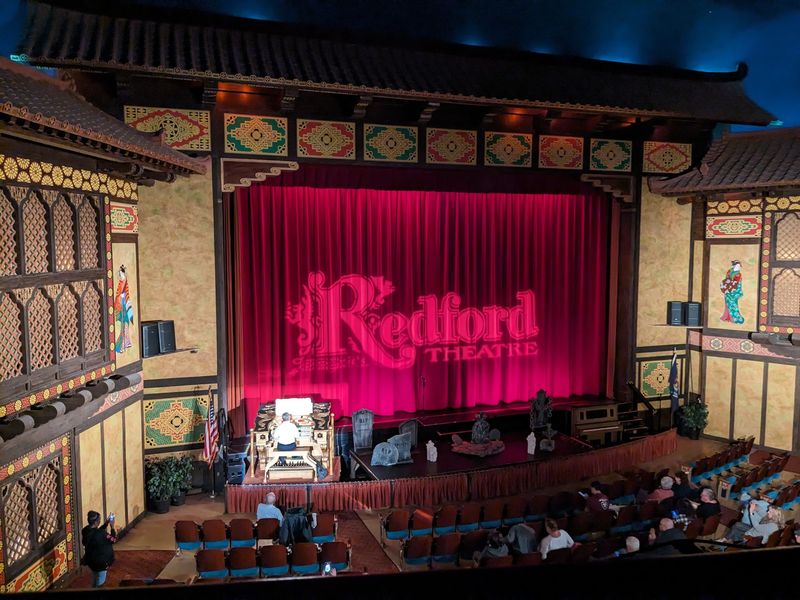
The best special effect is already overhead. Redford Theatre was designed as an atmospheric movie palace, with a blue plaster ceiling suggesting open sky, drifting clouds, and twinkling stars.
Spend a few quiet minutes studying it before darkness hides the smaller details.
The auditorium was created to suggest a Japanese outdoor garden rather than a plain indoor hall. Japanese and Chinese motifs appear around the room, giving the architecture a layered personality unlike modern cinemas.
Choose a moment before the film or during intermission to scan the walls, stage, ceiling, and decorative edges. Avoid using a bright phone screen while others are enjoying the setting.
Photographs may be restricted during certain performances, so follow posted rules and directions from ushers. Even without a camera, the room leaves a strong impression.
Looking upward also explains why visiting Redford is more than watching a title. The building creates its own complete scene.
Choose A Silent Film Screening
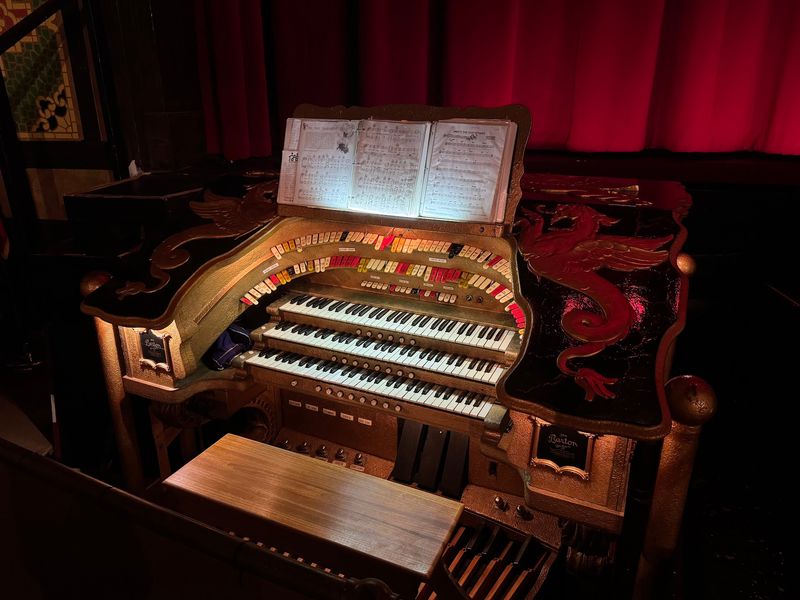
Silent cinema becomes wonderfully noisy when the Barton organ joins in. For the clearest picture of what theaters offered during Redford’s early years, select a silent film with live accompaniment.
The organist supplies mood, pace, tension, humor, and musical punctuation in real time.
No two accompanied performances feel completely identical because live choices shape each scene. Sit where you can see both the screen and the organ console without twisting around, then notice how music guides your attention.
A chase may gather speed, while a tender moment can shrink into one delicate phrase. Resist treating the performance like a novelty layered over an old movie.
Organ and image work together as one presentation. Review the official calendar because silent programs are special events rather than guaranteed parts of every screening.
When one appears, book promptly and arrive early. It is the closest Redford offers to experiencing its original purpose directly.
Study The Restored Decorations
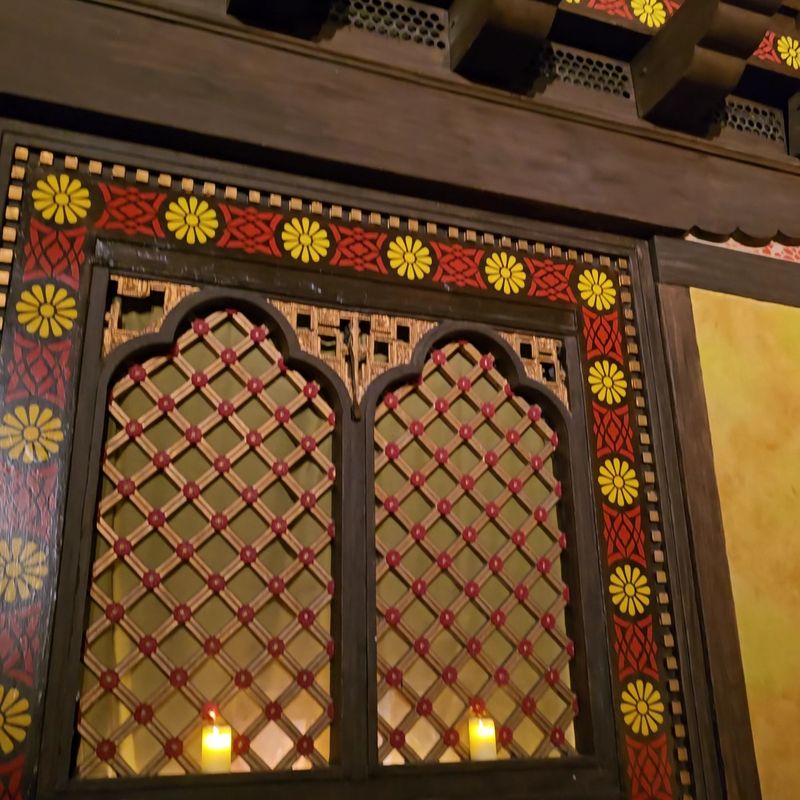
Some decorative details carry a harder history than their graceful appearance suggests. During World War II, many Japanese-style elements inside Redford Theatre were covered or removed amid anti-Japanese sentiment.
Volunteers later used historical photographs to help restore the interior toward its original 1928 design.
Walk slowly through public areas and notice painted surfaces, ornamental patterns, and the themed organ console. The mixture of Japanese and Chinese motifs reflects the fantasy architecture used by atmospheric theaters of that period, not an accurate model of a particular place.
Reading the building this way adds context without flattening its complicated past. Avoid touching artwork or leaning against decorated surfaces because restoration requires patience, money, and careful labor.
If a tour, display, or volunteer explanation is available, take time to listen. Those details reveal that preservation involves more than polishing old fixtures.
It also means confronting changes, finding evidence, and making thoughtful choices about what deserves recovery.
Thank The Volunteer Crew
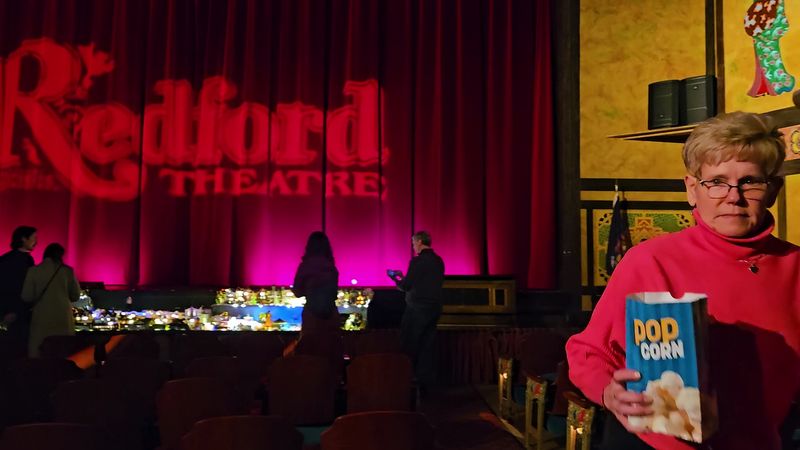
The people taking tickets are also helping protect nearly a century of Detroit history. Redford Theatre is operated by the Motor City Theatre Organ Society, an all-volunteer nonprofit that leased the building beginning in 1974 and purchased it in 1977.
Their work keeps movies, music, and restoration moving forward.
Patience and kindness matter in a venue where community members handle many jobs. Have your ticket ready, follow seating directions, and ask questions clearly when the lobby grows busy.
Volunteers may know surprising facts about the organ, projection system, decoration, or current repairs, although duties can limit conversation before a show. A sincere thank-you costs nothing and fits the spirit of the place.
Supporting concessions, merchandise, or official fundraising efforts can also help, when available. Unlike a chain cinema designed to look identical everywhere, Redford depends on local care.
Treating its crew respectfully is one practical way to protect the warm welcome that makes each visit memorable.
Plan Parking And Arrival Carefully
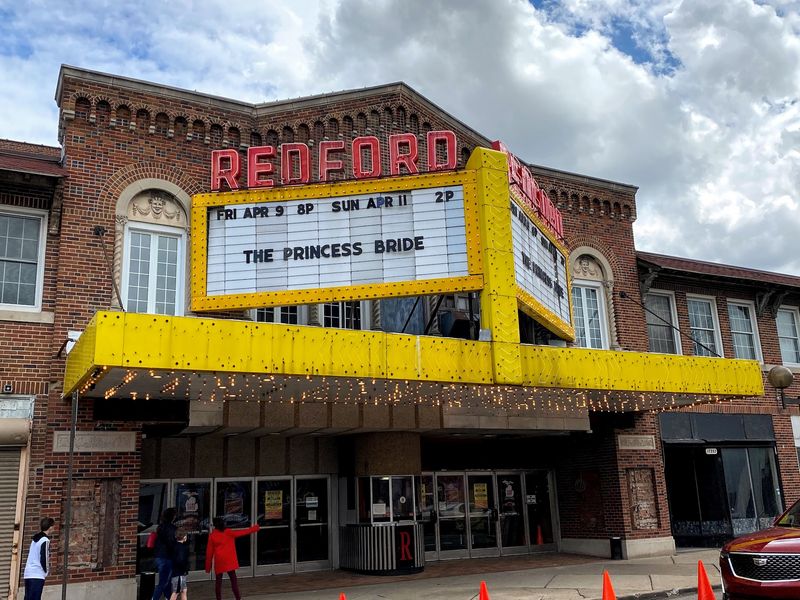
A relaxed movie night can unravel when the opening music starts while you are still outside. Redford Theatre stands at 17360 Lahser Road in Detroit, and visitors should confirm directions, parking information, door time, and road conditions before leaving home.
Special events can attract a lively crowd.
Use the official website for current instructions because access arrangements may change. Build in extra minutes for walking, ticket checks, concessions, restroom stops, and choosing a seat.
If traveling with children, older adults, or someone with mobility needs, contact the theater ahead of time about accessible entry and seating options. Do not rely only on an old social media post or a past visit.
Saving the address in your navigation app helps prevent confusion with similarly named places. Once inside, the pace becomes pleasantly old-fashioned, but getting there still requires modern planning.
Early arrival also leaves room to admire the lobby and auditorium without blocking guests who are settling in.
Bring Room For An Intermission
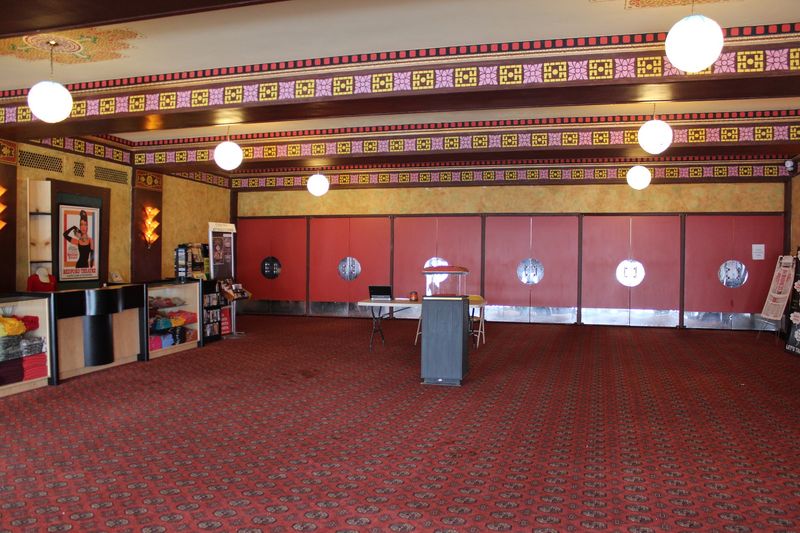
An intermission feels delightfully unusual if most of your moviegoing happens at multiplexes. Some Redford film programs include a break, sometimes with organ music, raffles, or other activities depending on the event.
Listen to the announcements rather than assuming every screening follows an identical plan.
Use the pause for a stretch, a restroom visit, or a concession refill, but keep an eye on the time. Historic seating may feel different from modern recliners, so standing briefly can make a long classic more comfortable.
Leave belongings neatly placed without blocking aisles, and let nearby guests pass safely. If a raffle is offered, participation is optional, and procedures may vary.
The break also gives the evening a social rhythm, allowing the audience to react together before the story resumes. Returning promptly shows courtesy to volunteers and fellow moviegoers.
Instead of rushing through it, treat intermission as part of the theater’s traditional presentation.
Enjoy Popcorn Without Missing Details
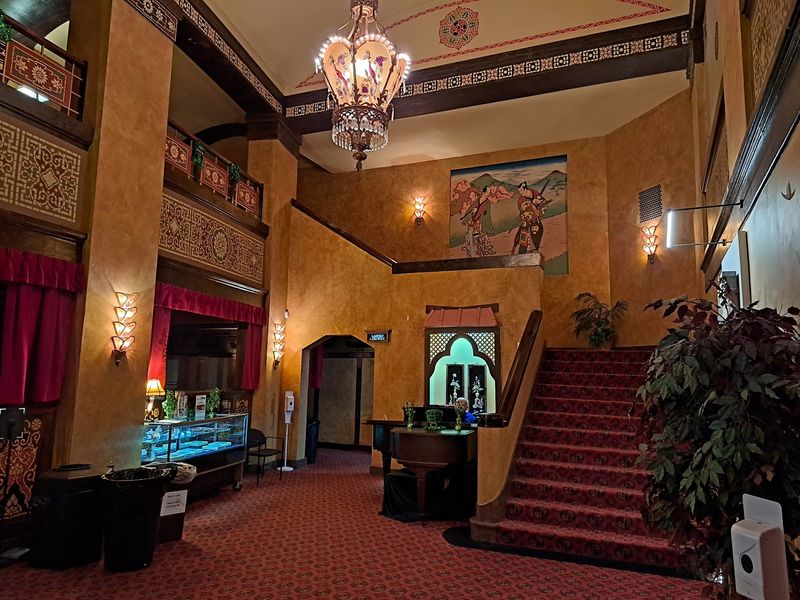
Warm popcorn belongs naturally in a room built for grand movie nights. Redford’s concession stand is known for approachable prices, and guests have specifically mentioned popcorn served with real melted butter.
Current offerings, payment methods, and prices should still be checked at the venue.
Visit the counter before the organ overture whenever possible, since standing in line can hide the very performance that makes the trip special. Carry snacks carefully through the historic auditorium and keep wrappers quiet during delicate scenes.
A napkin is useful because real butter has a cheerful habit of reaching fingers, sleeves, and ticket stubs. Buying concessions can support the volunteer-run theater while adding a familiar pleasure to an unusual setting.
Candy choices may also be available for anyone who prefers something less buttery. Finish responsibly, place trash in proper containers, and leave the seating area tidy.
Preservation works better when every guest handles small chores with care.
Confirm Tickets On The Official Calendar
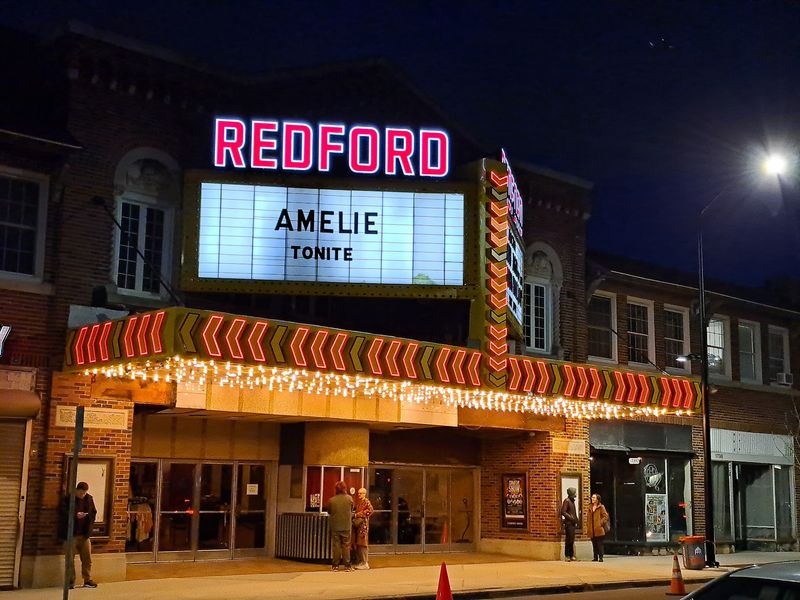
The calendar is the compass for any successful Redford visit. Classic movies commonly appear in the schedule, but the theater also hosts concerts, stage productions, and other special programs.
Check the official website so the date, starting time, ticket price, and event type match your expectations.
Older information may mention different admission prices, making the current listing more dependable than a saved article or casual post. Purchase through the theater’s approved method and review any confirmation message for entry instructions.
Popular titles and unusual presentations can draw strong interest, so waiting until the last moment may limit options. Also note whether seating is assigned or selected after arrival for that specific event.
A screenshot of the ticket can help if mobile service becomes slow near the entrance. Finally, check the calendar again on the day of the show for updates.
Five careful minutes online protect an entire evening from preventable surprises.
Leave Time To Appreciate The Building
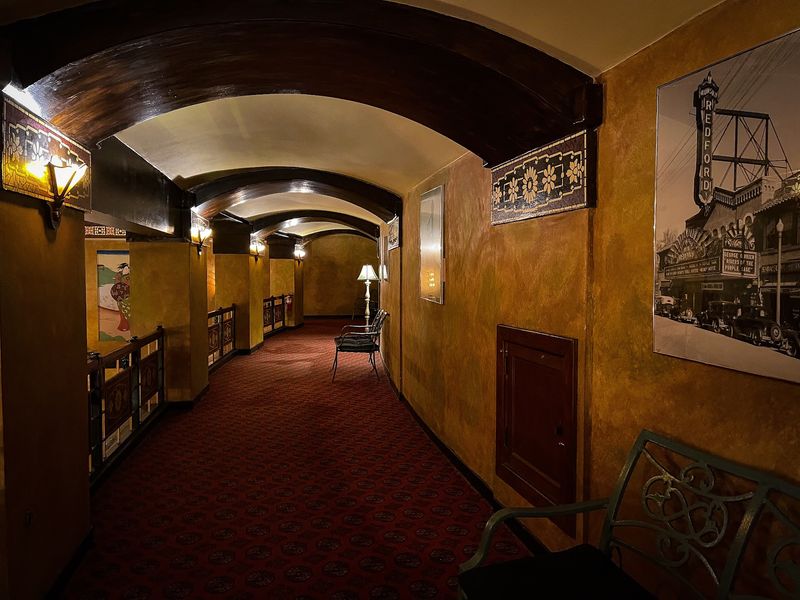
When the credits finish, the building still has one more scene to offer. Redford Theatre opened on January 27, 1928, after being promoted as a uniquely styled suburban playhouse.
Nearly a century later, its survival gives visitors a direct connection to Detroit’s neighborhood moviegoing history.
Pause respectfully as the audience departs and take one final look at the stage, ceiling, and restored ornament. Do not enter closed areas or delay volunteers who are cleaning, but avoid racing for the exit unless necessary.
The original Barton organ is one of only two Detroit theater organs that remain in their first installation, making its home as significant as its sound. Consider sharing the official schedule with a friend or returning for a different kind of program.
Repeat visits reveal details that a single evening can miss. Redford endures because people use it, value it, and support the careful work behind every glowing star overhead.