
This 20-Acre Maine Plant Nursery Is A Hidden Goldmine For Unusual, Hard-To-Find Perennials And Garden Finds
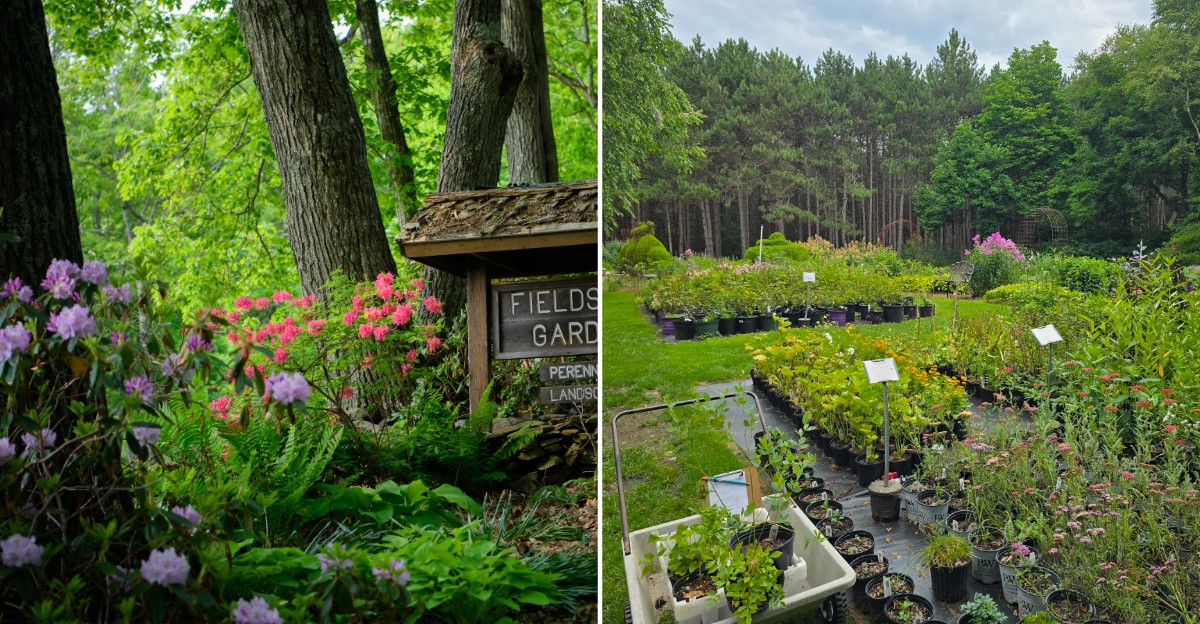
More than 200 kinds of hosta grow at one Maine nursery, and that’s before you count the peonies. Add over 150 peony varieties and more than 200 daylilies, and my plant budget starts sweating.
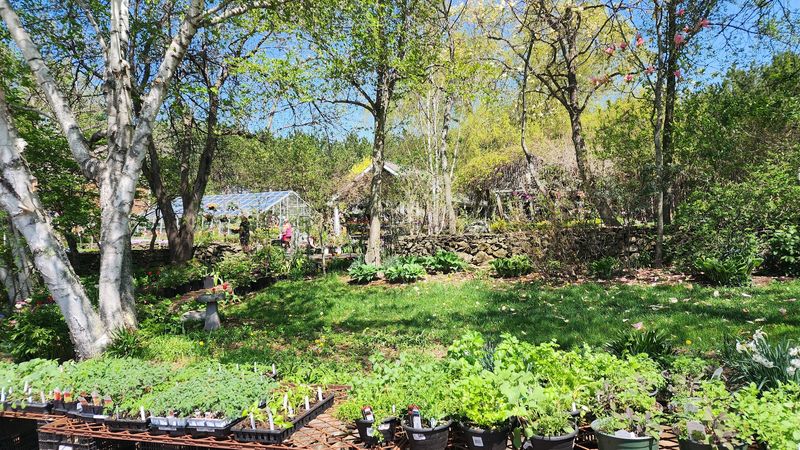
Twenty acres of display gardens and nursery beds stretch across the 280-acre family farm. Stone walls wind everywhere, and a family member rebuilt and added many of them by hand. I love that idea.
The nursery grows over 1,000 varieties of northern-grown plants. Many are unusual picks you’ll struggle to find at a big-box garden center. Everything is chosen to handle Zone 4 and 5 winters, which matters a lot up here.
So what happens when a farm family turns their land into a plant lover’s playground? I have so many questions, and the answers are worth the drive.
Over 1,000 Plant Varieties Will Test Your Willpower
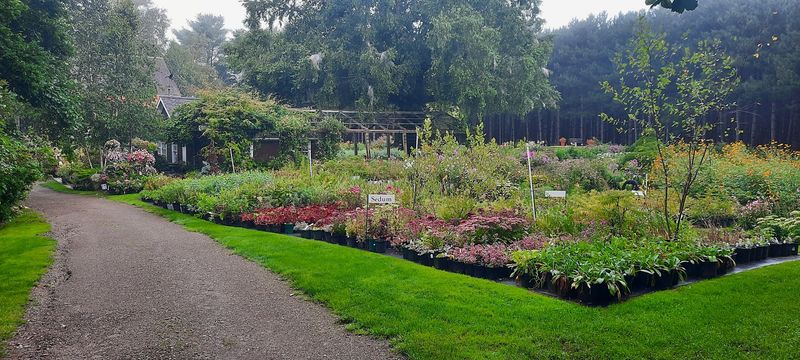
Fieldstone Gardens Inc. carries more than 1,000 varieties of well-developed, northern-grown plants. That number alone should come with a warning label for anyone holding a credit card.
The lineup covers perennials, annuals, vegetable seedlings, shrubs, and trees. You’ll find fruit trees and ornamental trees side by side, which makes planning a whole yard a lot easier.
What really sets this place apart is the rare stuff. Many selections here are unusual and hard to track down anywhere else in New England.
Every plant is picked to survive USDA Zone 4 and 5 winters. In Maine, that’s not a bonus feature.
It’s the whole ballgame.
Gardeners who chase a specific variety know the struggle of calling nursery after nursery. A place with this much depth can save you a lot of phone time and frustration.
My advice is simple. Bring a list, but leave room for surprises, because something you’ve never heard of will probably catch your eye.
Hellebores, astilbe, herbs, and hanging baskets all make appearances too. Good luck leaving with just one plant.
Hosta Fans, You Might Need A Bigger Shady Spot
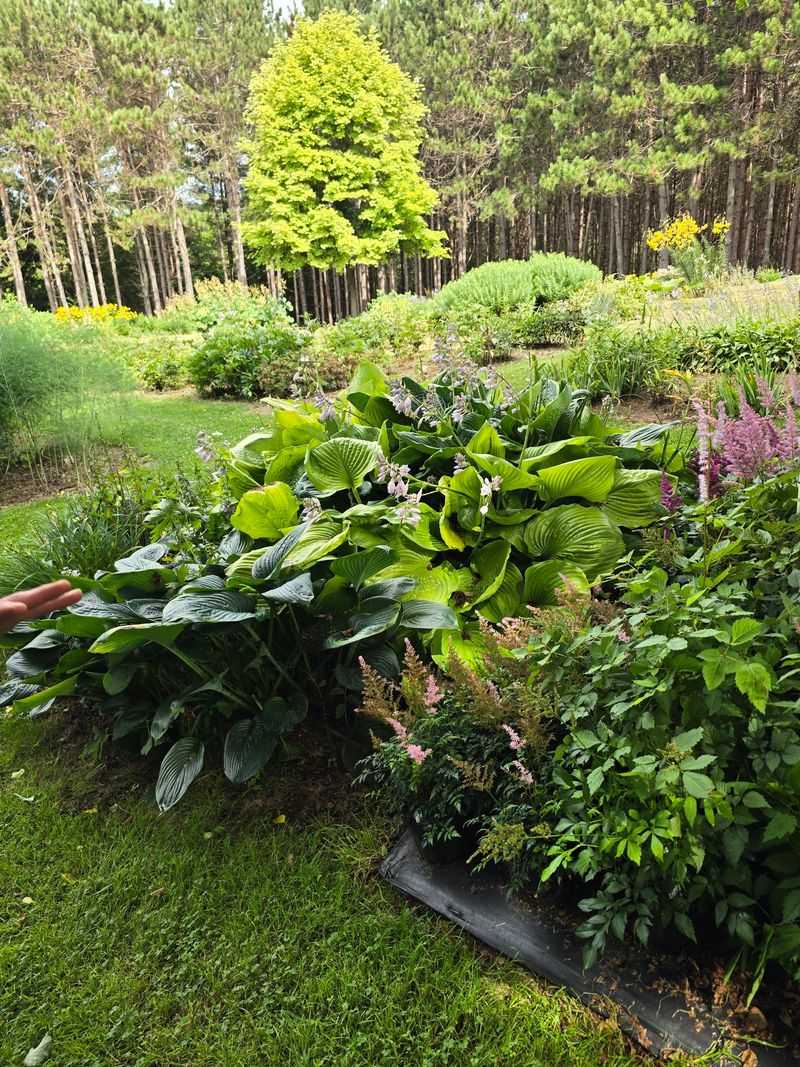
Two hundred hosta varieties. Let that sink in for a second, because most garden centers stock maybe a dozen.
Hostas are the shade garden’s best friend, and this nursery treats them like royalty. The collection runs from tiny miniatures to giant types with leaves big enough to make you stop and stare.
Miniatures like ‘Mini Skirt’ reach only about 5 inches tall when fully grown. Those little guys are perfect for rock gardens, containers, or tucking along a path.
On the other end, the big varieties can fill a whole corner under a tree. Mixing sizes gives a shady bed real depth and keeps it from looking flat.
Leaf color matters as much as size. Blue, gold, green, and striped varieties can turn a dark patch of yard into the most interesting spot on your property.
Here’s a practical tip for beginners. Plant hostas where they get morning sun and afternoon shade, and they’ll reward you for years.
They come back every spring with almost no fuss. For busy gardeners in Maine, that kind of loyalty is hard to beat.
June Peonies And Rare Irises Steal The Spotlight
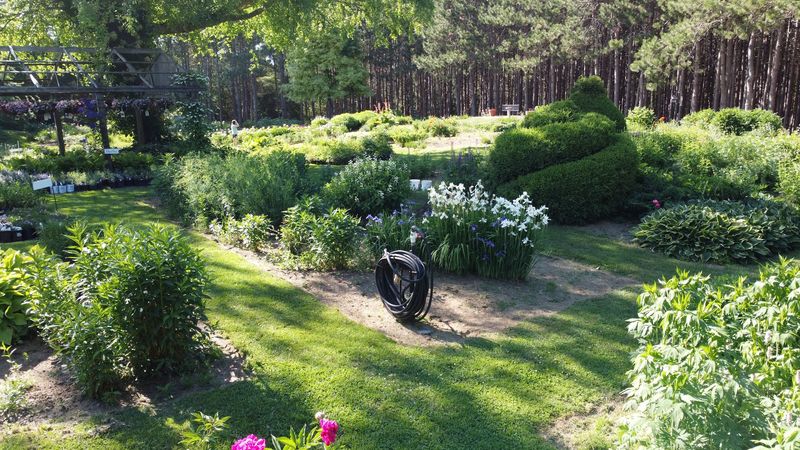
Peony season hits its peak in June here, and the nursery grows more than 150 varieties. That’s a lot of fluffy, ruffled blooms competing for your attention.
Peonies are famous for living a very long time in one spot. Plant one well, and it could outlast your mortgage.
Peony roots ship with multiple growing eyes, which are the buds that become stems. More eyes usually means a fuller plant sooner, so it’s a detail worth checking.
Now for the iris lovers. The nursery features a diverse collection of Siberian irises from Dr. Currier McEwen, a famous breeder who worked right here in Maine.
Siberian irises are tough, graceful, and great for damp spots in the yard. Their slender leaves also look tidy long after the flowers fade.
Pairing peonies with Siberian irises is a smart move. Both bloom around early summer and love a sunny location.
If you can only visit once, June is a strong choice. You’ll see these plants at their showiest and decide which colors you can’t live without.
Mark Your Calendar For Daylily Days And The Open House
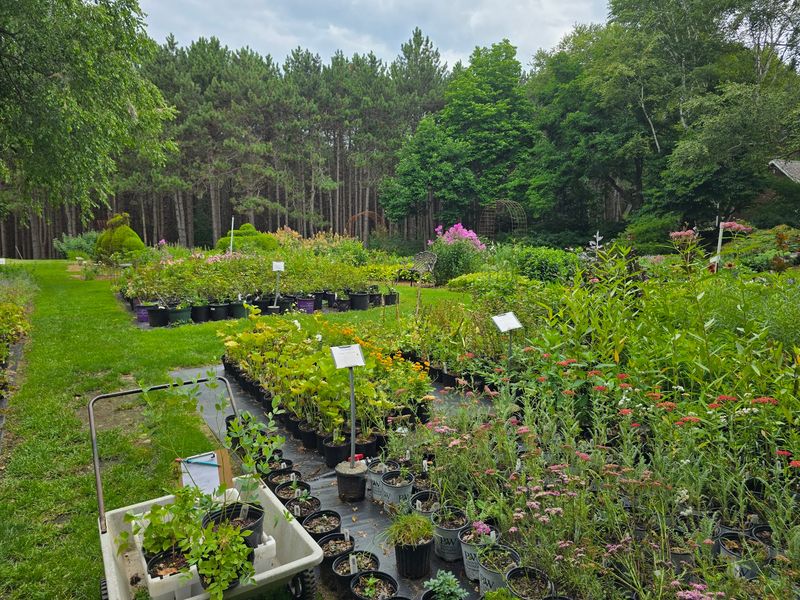
July brings Daylily Days, and with over 200 daylily varieties, the timing makes perfect sense. Orange, yellow, red, and pink blooms take over the gardens.
Each daylily flower lasts just one day, which explains the name. The good news is that each plant produces lots of buds, so the show keeps going for weeks.
Daylilies are almost impossible to mess up. They handle poor soil, dry spells, and cold winters with barely a complaint.
Before July arrives, there’s another date worth saving. The annual Open House takes place on the last Sunday in June.
That day features tours, talks, and specials. It’s a great chance to learn from people who grow these plants every single day.
Something new blooms nearly every week from spring into fall. Coming back several times a season lets you see how the gardens change.
A smart trick is to snap photos of plants you love while they’re blooming. Next time you shop, you’ll know exactly what to look for, even if the flowers are gone.
Every Stone Wall Here Tells A Family Story

Ezra and Nina Jones settled this land back in 1916. More than a century later, their great-grandson still tends it.
Steve Jones graduated from horticulture school at the University of Maine. In 1984, he opened Fieldstone Gardens Inc. on the family farm with his parents, Carleton and Maetta.
As the nursery grew, Carleton got to work on the stone walls. He rebuilt the old ones and constructed new ones to shape the landscape.
Those walls are now one of the most striking parts of the property. They give the gardens structure, and they show just how much effort went into this place.
Later, Steve met Bob Milano, who became his partner in business and in life. Together, they kept expanding the gardens year after year.
The family still lives on-site, so the drive in feels like heading to someone’s home. Technically, that’s exactly what you’re doing.
I love knowing the name is literal. Fieldstone isn’t a branding idea here, it’s the very rock that holds the landscape together.
Ten Acres Of Display Gardens Feel Like A Private Park
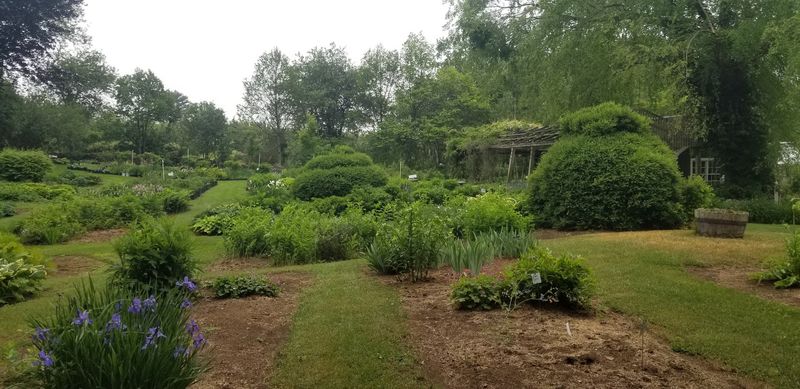
Shopping is only half the fun. Twenty acres of display gardens stretch across the 280-acre farm, and wandering them feels like a free garden tour.
You’ll find perennial borders, shade gardens, and specimen trees and shrubs. Seeing mature plants in real settings helps you picture how they’ll grow at home.
The landscape also includes an apple orchard and a lilac collection. Several ponds add reflections and a calm, quiet mood.
The setting is often called one of the most beautiful spots in central Maine. With all those walls, trees, and water features, it’s easy to see why.
Birdwatching is part of the agritourism lineup too. Ponds and orchards naturally attract feathered visitors, so a pair of binoculars isn’t a silly idea.
Wear comfortable shoes, because the grounds invite real walking. A stroll out to the back fields offers some lovely open views.
Treat the gardens like a living catalog. Spot something gorgeous, note its location, and ask the staff what it is before you head to checkout.
An Old Blacksmith Shop Now Sells Garden Treasures
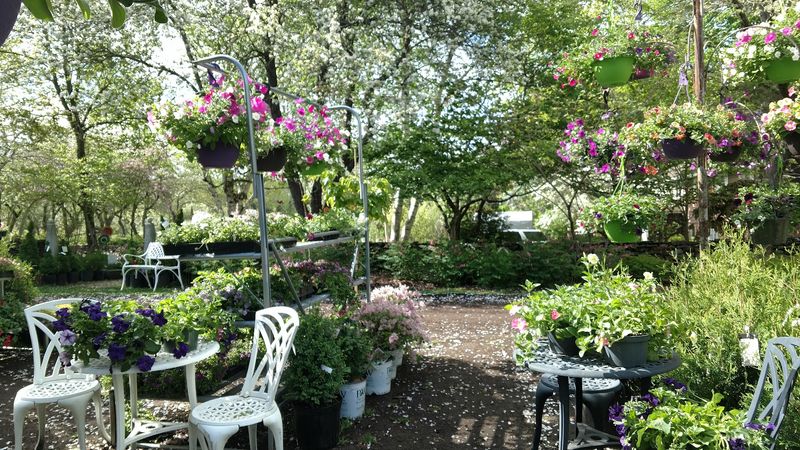
Blacksmiths once hammered metal inside the historic barn that now holds the retail store and gift shop. Talk about a career change for a building.
Inside, you’ll find a curated mix of home and garden decor. There are also thoughtful gifts made for the gardeners in your life.
Iron plant hangers have made their way home with shoppers here. Pieces like that fit nicely with the old barn’s working history.
Gift certificates are available as well. They’re a clever pick for a friend who already owns every trowel known to humankind.
Knowledgeable staff work throughout the nursery and shop. Ask them about tricky spots in your yard, and they can steer you toward plants that will actually thrive.
Paying is easy, since cash, checks, and credit cards are all accepted. No need to hunt for an ATM out in the country.
Save a few minutes for the shop at the end of your visit. After touring the gardens, you’ll have fresh ideas and a better sense of what fits your space.
Bare-Root Plants Arrive Looking Small But Grow Mighty
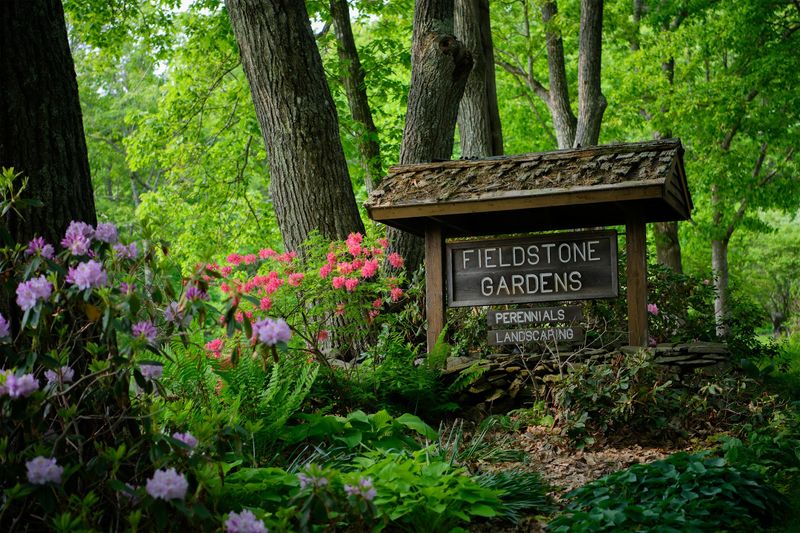
Live too far away to visit? Fieldstone Gardens Inc. ships perennials, and the method surprises some first-time buyers.
Plants travel bare root, freshly dug from nursery beds or taken out of containers. There’s no pot and very little soil in the box.
Each plant gets wrapped in damp sphagnum moss harvested on the property. A waxy paper layer helps hold in moisture during the trip.
Since the plants grow outdoors in Maine, spring orders are often still dormant. That means little top growth, even when the roots are strong and healthy.
Roots are the real prize. A plant with a solid root system settles in quickly and catches up fast once it’s in the ground.
Plant your order promptly and keep it watered while it adjusts. Check everything on arrival, since the nursery reviews shipping issues within a short window.
Trees and shrubs are a different story. They’re available for in-store pickup only, so that copper beech dream requires a road trip.
Plan Your Trip Around The Seasons For The Best Haul
Timing is everything at a seasonal nursery. The public season runs from April 1 to October 31, seven days a week, 9 am to 5 pm.
You’ll find the farm at 55 Quaker Lane in Vassalboro, Maine 04989. The driveway is narrow, so watch for cars heading out.
From November 1 to March 31, the office stays open Monday through Friday, 9 am to 5 pm. Calling ahead during those months is a smart move.
Winter doesn’t mean a total shutdown either. Fresh cut Christmas trees and wreaths are sold in November and December.
Beyond shopping, the farm hosts educational workshops and horticultural demonstrations. Private parties are also on the menu for anyone wanting a scenic gathering spot.
Spring is ideal for stocking up before plants leap into growth. June brings peonies, while July belongs to the daylilies.
My suggestion is to make it a habit rather than a one-time stop. With something blooming almost every week, each return trip shows you a new side of this remarkable farm.