
This 203-Mile Scenic Florida Drive Is The Most Underrated Adventure
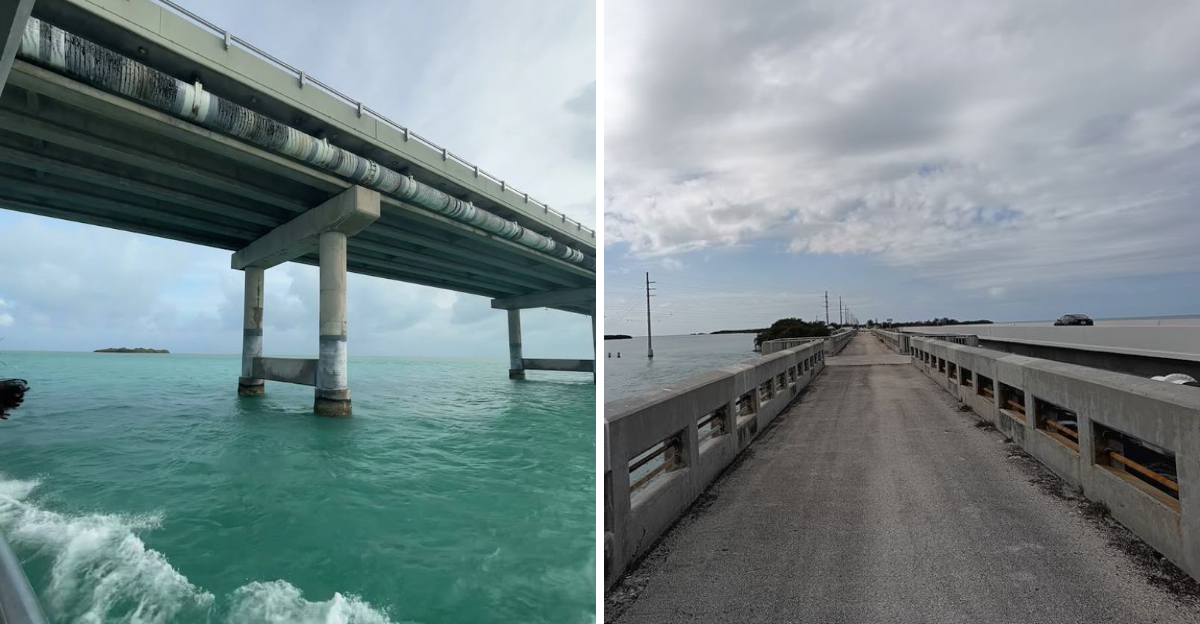
There are road trips you take to get somewhere… and then there are drives like this where the road is the entire experience.
The moment you leave the mainland behind, everything starts to feel different. Water stretches out on both sides, the horizon feels endless, and every mile pulls you deeper into that laid-back Florida Keys rhythm.
This is one of the most iconic drives in Florida, and somehow it still feels even better in person.
Bridges rise and fall over open ocean, small islands appear and disappear, and the scenery never really gives you a reason to look away.
One minute you are watching the sun reflect off turquoise water, the next you are spotting boats, pelicans, and maybe even dolphins moving alongside the road.
There is no rush out here.
Windows down, music low, salt air everywhere, and a drive that somehow turns into a memory before it even ends.
The Road That Floats Between Two Oceans
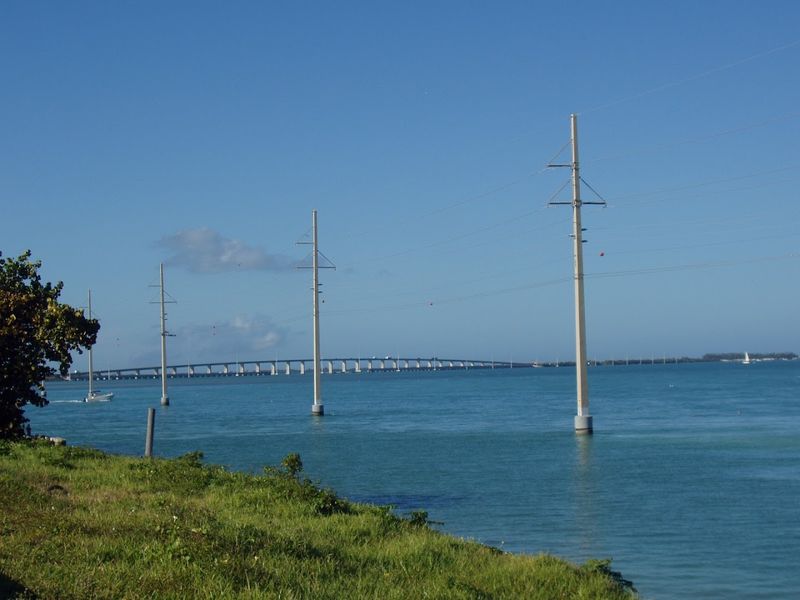
Driving the Overseas Highway feels less like a road trip and more like sailing, because the water is so close on both sides that you almost forget you are on asphalt at all.
The Atlantic Ocean lines the left, while the Gulf of Mexico stretches out to the right, creating a corridor of blue and green that shifts color depending on the time of day and the angle of the sun.
This stretch of US Route 1 is one of the few highways in the country where you are essentially surrounded by open water for miles at a time, with no buildings or trees blocking the view.
Locals say the water changes mood throughout the day, going from a calm mirror at dawn to a sparkling, choppy expanse by afternoon. Keeping your eyes on the road here takes genuine effort, and honestly, pulling over is always the smarter and more rewarding choice.
The Seven Mile Bridge: Engineering Meets Jaw-Dropping Scenery
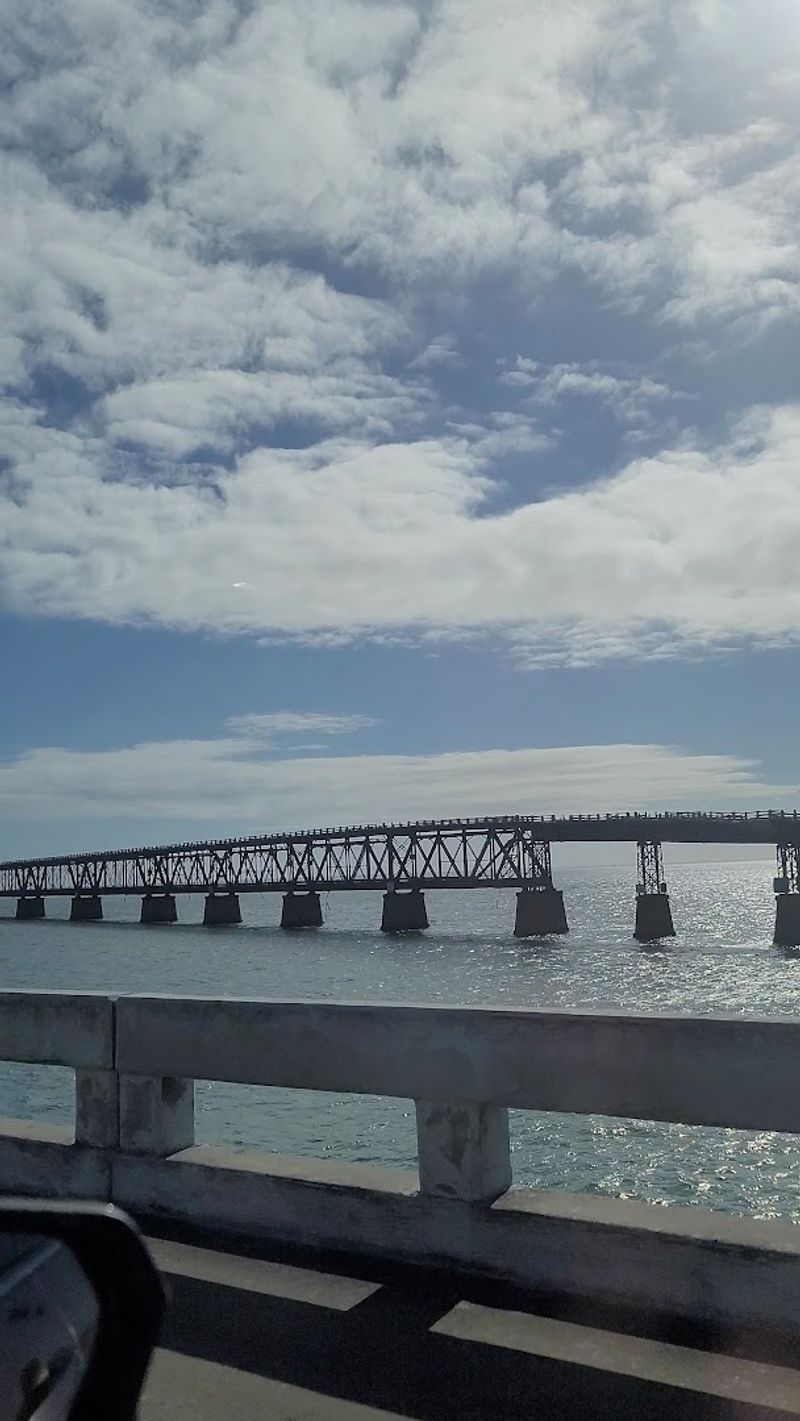
Few road experiences in the United States match the thrill of driving across the Seven Mile Bridge, a massive concrete span that carries you over open water with absolutely no land in sight.
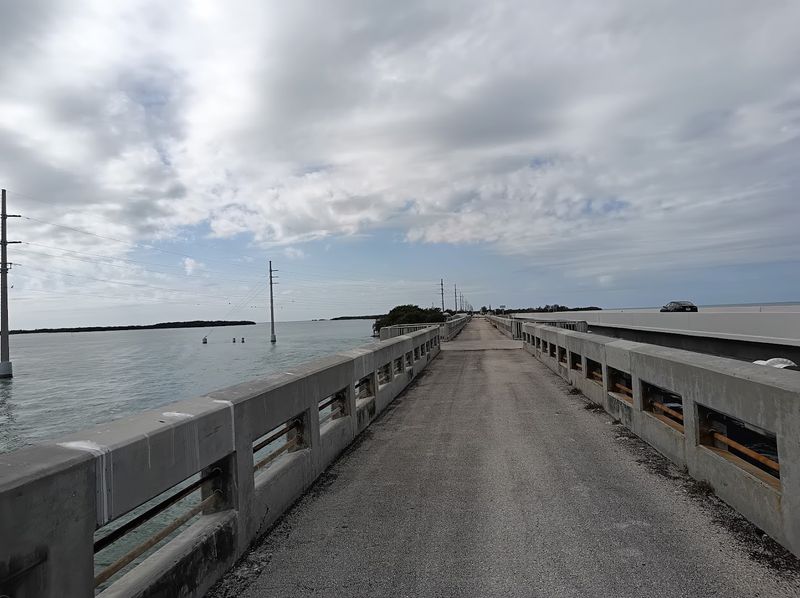
Built in 1982, the current bridge replaced the original 1912 railroad bridge, and the old structure still stands alongside it, now used as a fishing pier and pedestrian walkway that gives visitors a closer look at the surrounding water.
At roughly seven miles long, this crossing sits near Marathon, Florida, and on a clear day, the view from the middle feels almost unreal, like the road just disappears into the horizon.
Photographers love pulling over at the small parking area near the bridge entrance to capture the two bridges side by side with the glittering Gulf waters below. Crossing it the first time is memorable, but somehow crossing it a second time feels even better.
Key Largo: The Perfect First Stop
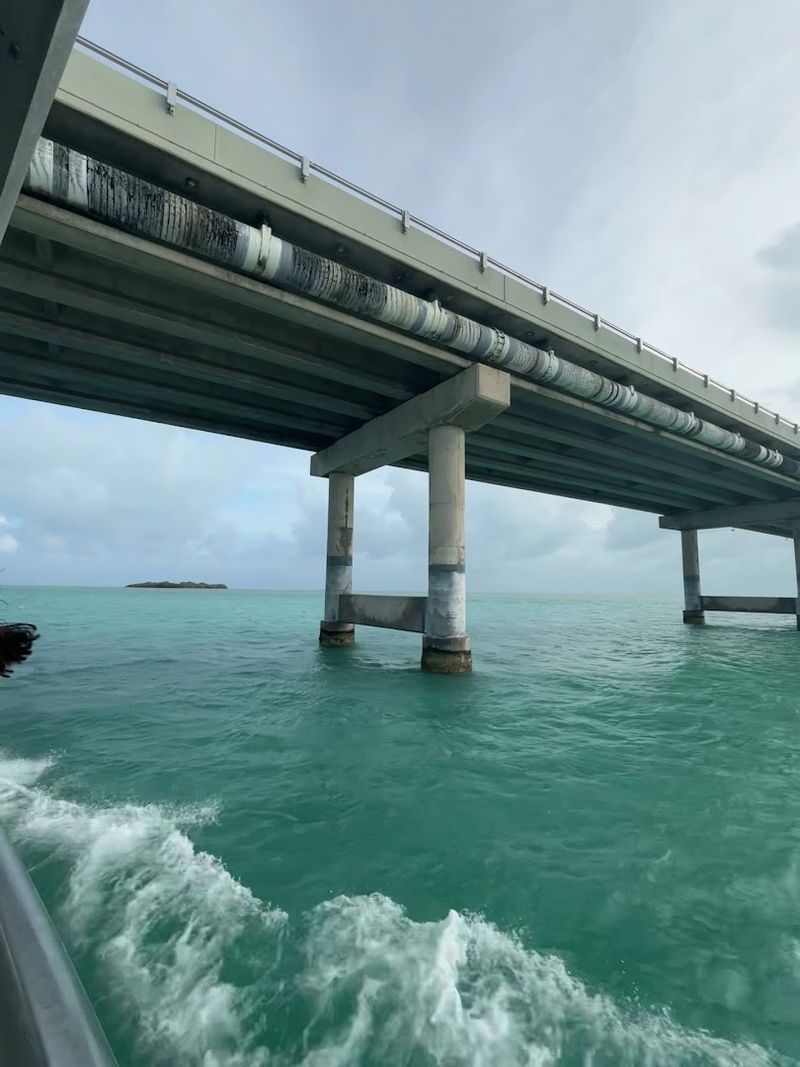
Rolling into Key Largo after leaving Miami, the energy shifts almost immediately, and the pace of life slows down in the best possible way.
Known as the Dive Capital of the World, Key Largo sits at the northern gateway of the Florida Keys and offers some of the most accessible coral reef diving and snorkeling spots in the continental United States, including the famous John Pennekamp Coral Reef State Park.
Even if you skip the water activities, the roadside stops here are worth your time, from fresh seafood shacks to quirky gift shops where you can buy an Overseas Highway sign without having to steal one from the roadside.
The Sundowner restaurant gets regular praise from drivers who stop for a meal before continuing south, and the Key Largo waterfront sunsets are the kind that make you reach for your phone camera involuntarily. Starting the drive here sets the tone for everything that follows.
Islamorada: The Sport Fishing Capital Of The World
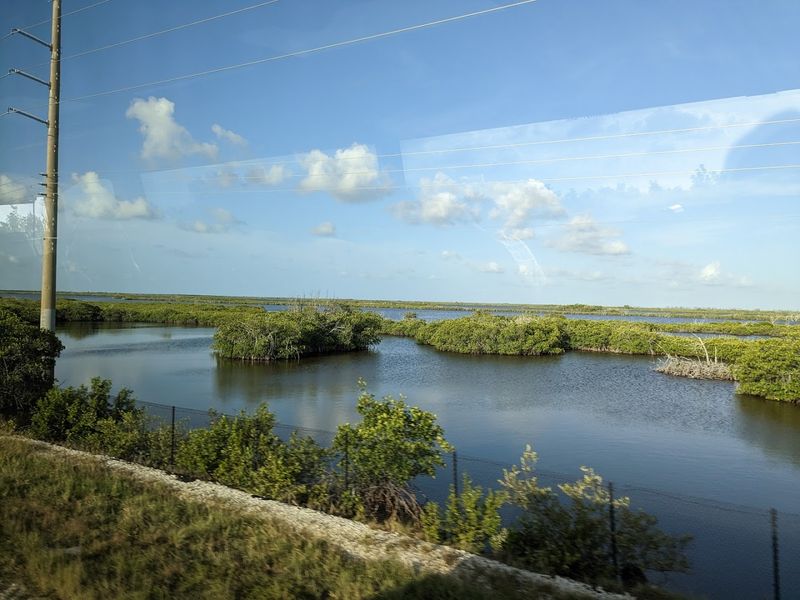
About 75 miles south of Miami, the small village of Islamorada earns its nickname as the Sport Fishing Capital of the World, and the concentration of charter fishing boats here is genuinely impressive.
Tarpon, bonefish, and sailfish are among the species that draw serious anglers from around the world, but even casual visitors find plenty to enjoy, including bayside parks, art galleries, and roadside fruit stands selling fresh mango and key lime products.
The history here runs deep, with the Florida Keys Memorial Hurricane Monument standing as a quiet reminder of the 1935 Labor Day hurricane that reshaped the Keys forever and ended the original railroad era.
Stopping in Islamorada mid-drive gives you a chance to stretch your legs, grab a fresh coconut water, and soak in the kind of laid-back Florida Keys atmosphere that travel magazines spend a lot of time trying to describe. It rewards the curious traveler who slows down.
The Old Bridges: History You Can Walk On
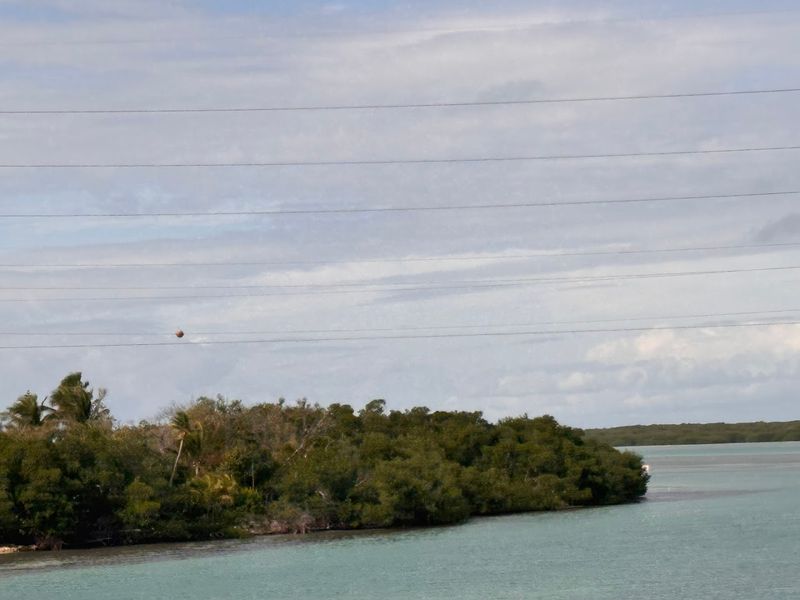
One of the most overlooked details of driving the Overseas Highway is that the old Flagler railroad bridges, built in the early 1900s, still run parallel to the modern road in several places, and many of them are now open to pedestrians and anglers.
Henry Flagler built his legendary Florida East Coast Railway extension through the Keys starting in 1905, completing what many called the Eighth Wonder of the World before a catastrophic hurricane destroyed much of it in 1935.
The railroad was eventually converted into the highway we drive today, and the surviving bridge sections serve as living monuments to that era of bold engineering and ambition.
Walking out onto one of these old bridges with a fishing rod or just a pair of sneakers puts you directly over open water in a way that the car window simply cannot replicate. The view from the old Bahia Honda Bridge alone is worth a dedicated stop.
Wildlife Encounters Along The Route
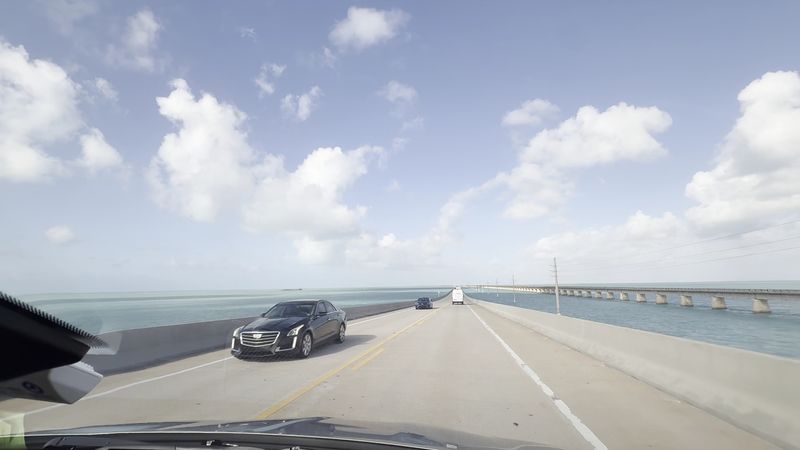
One of the genuine surprises of driving the Overseas Highway is how often the wildlife decides to make an appearance without any advance notice or entrance fee.
Dolphins are the crowd favorites, and spotting them from a bridge or a roadside pullout is a real possibility, especially in the calmer bays and channels where they hunt for fish near the surface.
Brown pelicans are practically highway regulars, perching on bridge railings and old pilings with the kind of confidence that suggests they know exactly who owns this stretch of coastline.
Further south near Big Pine Key, the tiny Key deer, an endangered subspecies found nowhere else on Earth, wander close to the road, and speed limit signs drop to 35 mph in that zone for good reason.
Ospreys, herons, manatees, and the occasional sea turtle round out the wildlife list, turning the drive into something that feels closer to a nature documentary than a typical road trip.
Bahia Honda State Park: The Best Beach Break On The Drive
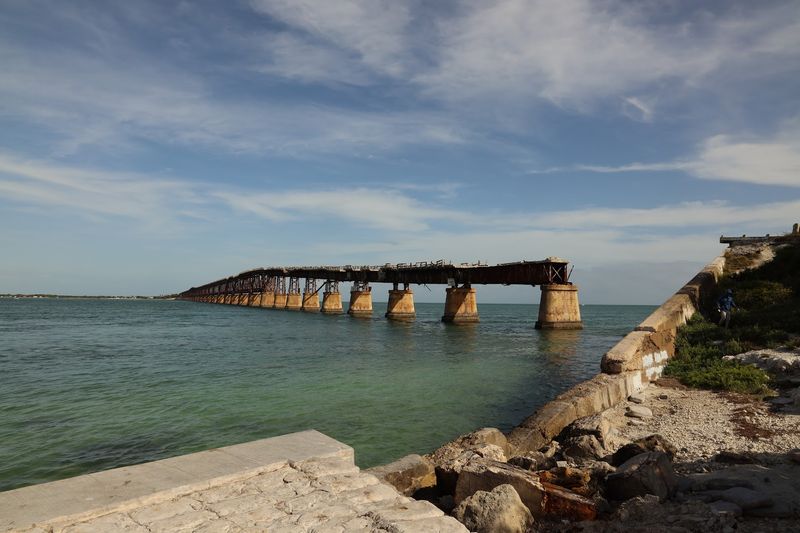
Tucked between the Seven Mile Bridge and Big Pine Key, Bahia Honda State Park is widely considered one of the most beautiful beaches in Florida, and stepping onto its sand for the first time makes that reputation easy to understand.
The water here is shallow, clear, and warm, with a color that shifts from pale aqua near the shore to deep cobalt further out, and the old Bahia Honda Bridge looms in the background like a rusted piece of living history.
Snorkeling, kayaking, camping, and simply sitting on the sand watching the tide move in are all legitimate activities here, and the park sees enough visitors that arriving early on weekends is a smart move.
I spent a full afternoon here once, convinced I would stay just an hour, and watched the sun drop toward the water while pelicans glided overhead in slow formation. Some places just refuse to let you leave on schedule.
Key West: The Legendary End Of The Road
After hours of open water, small island towns, and bridge crossings, arriving in Key West feels like reaching the edge of the country, because you essentially have.
The Southernmost Point buoy, located at the corner of South and Whitehead Streets in Key West, FL 33040, marks the southernmost point of the continental United States, and yes, the line to take a photo there is always longer than you expect.
Beyond the famous landmark, Key West offers the Ernest Hemingway Home and Museum, the vibrant Duval Street corridor, fresh seafood at every turn, and a sunset celebration at Mallory Square that draws street performers and spectators every single evening.
The city has a personality unlike anywhere else in Florida, loud and colorful and deeply proud of its independent spirit, and spending at least one night here before driving back makes the entire trip feel complete.
Stargazing And Night Driving On The Overseas Highway
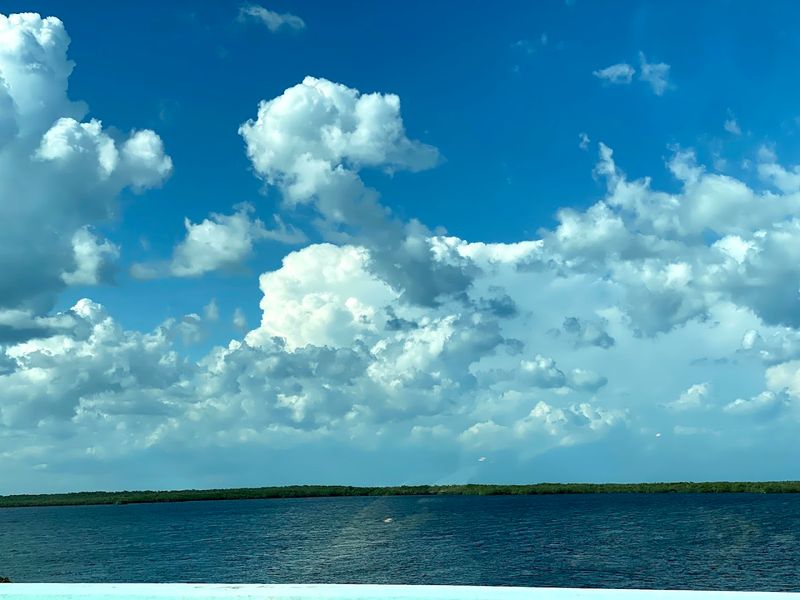
Something unexpected happens when the sun goes down on the Overseas Highway, and the experience of driving it at night is completely different from the daytime version in the best possible way.
The road is well lit in the more populated stretches, making night driving safe and manageable, but once you get away from the towns and into the quieter middle sections, the sky opens up in a way that is genuinely hard to describe.
Light pollution is low throughout much of the Keys, and stargazers who pull off at a quiet spot and look straight up are often rewarded with a sky full of stars that city dwellers rarely see.
One reviewer noted that the sky after sunset along this highway is amazing for astronomy fans, and that observation holds up completely from personal experience.
The warm breeze, the sound of water lapping nearby, and a sky packed with stars make a late-night stop on this highway feel like a private show.
Practical Tips For Driving The Overseas Highway
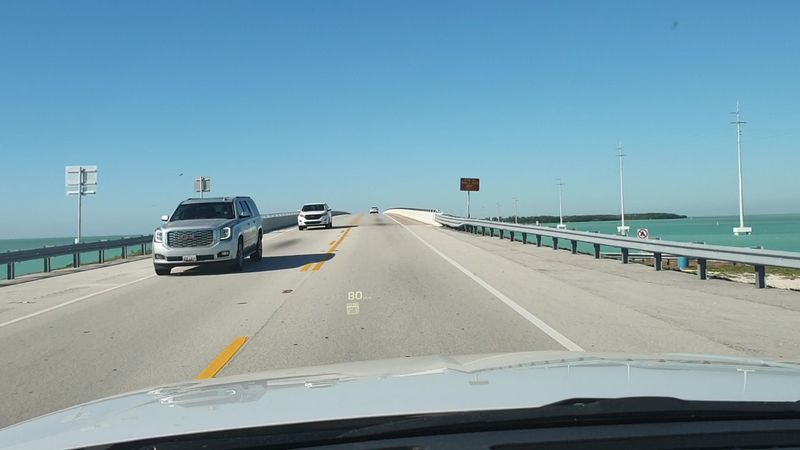
A few practical details can make the difference between a smooth, memorable drive and a frustrating one, and the Overseas Highway has its own set of quirks worth knowing before you go.
Speed limits along the route are strictly enforced, often sitting at 45 mph or lower through towns and wildlife zones, and local law enforcement is known for issuing tickets to drivers who ignore the posted signs even by a small margin.
Weekend mornings can bring significant traffic slowdowns, particularly near Key Largo, where beachgoers heading to the water by boat create rubbernecking delays on the road, so arriving before 10 a.m. on Saturdays is a widely shared local tip.
Parking pullouts are available at various scenic spots along the route, and using them is strongly encouraged rather than stopping on the shoulder of the road.
Filling up on fuel before leaving Miami or at Key Largo is smart, since gas stations become less frequent and more expensive the further south you travel.