
This 3.2-Mile Trail Has Become One Of Illinois’ Most Talked-About Hikes In 2026
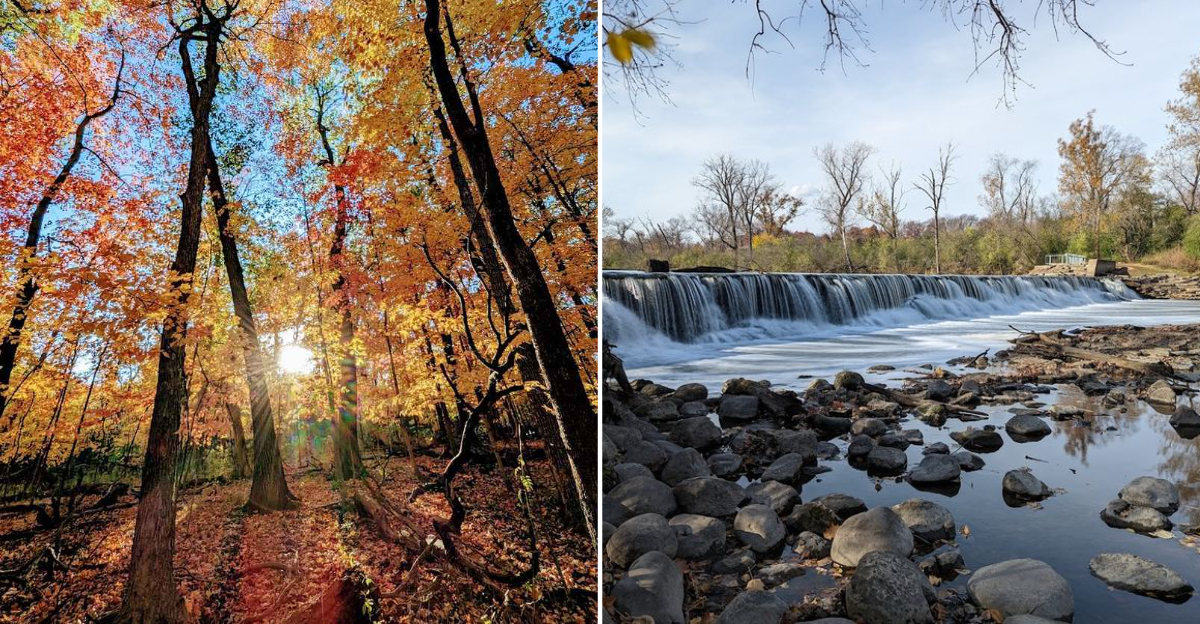
A trail does not need steep climbs or dramatic overlooks to become the walk everyone keeps recommending. This creekside route in Illinois has built a loyal following with shaded paths, easy terrain, and enough distance to feel rewarding without taking over the day.
Runners use it for quick workouts, while families appreciate the stroller-friendly sections and nearby facilities. Wildlife adds another reason to slow down, especially near the water, where birds and deer often appear beside the trail.
It has the kind of easygoing appeal that turns a casual walk into a place worth talking about afterward. The experience feels rewarding without demanding an entire day, which helps explain its growing popularity.
These details show why this Illinois trail continues to stand out in 2026.
The Trail Distance Hits The Sweet Spot
Not every hiker wants to conquer a mountain, and not every walk needs to be a quick lap around the block.
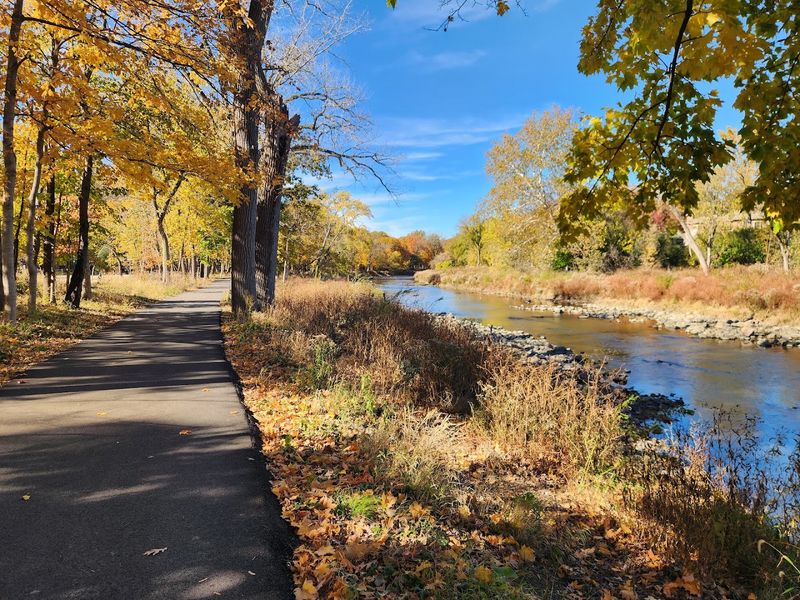
The 3.2-mile trail loop at Fullersburg Woods Forest Preserve, located at 3609 Spring Road in Oak Brook, Illinois, lands right in that satisfying middle ground where you feel genuinely accomplished without destroying your knees.
The distance is long enough to give you a solid cardio session but short enough that you can finish it comfortably during a lunch break or a weekend morning. Families with young kids find it manageable, while runners use it for interval training without needing to map out complex routes.
The trail surfaces include crushed limestone and asphalt sections, making portions of the preserve suitable for jogging strollers and wagons. The connected routes make it easy to adjust the length of a walk while exploring the preserve’s woodland and creekside scenery.
Every step feels purposeful, and the scenery keeps changing just enough to make the full 3.2 miles feel like a fresh experience from start to finish.
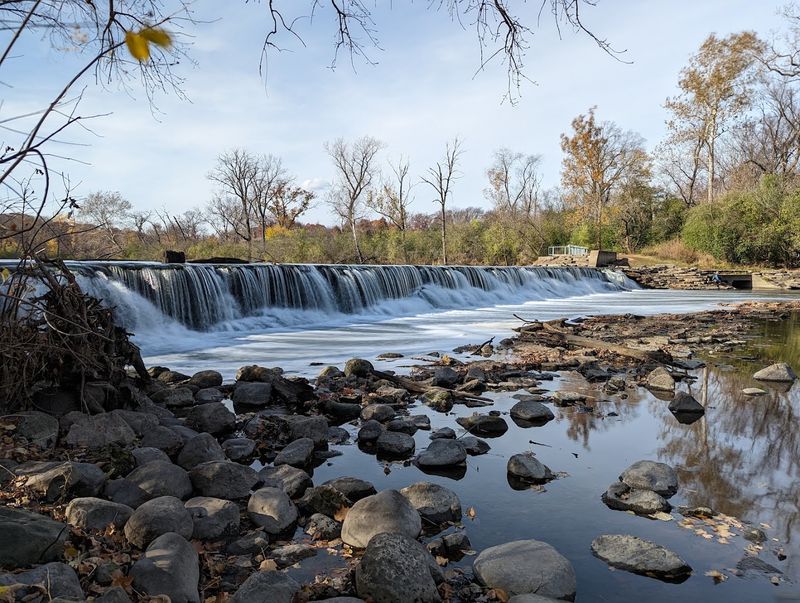
Salt Creek Runs Right Alongside You
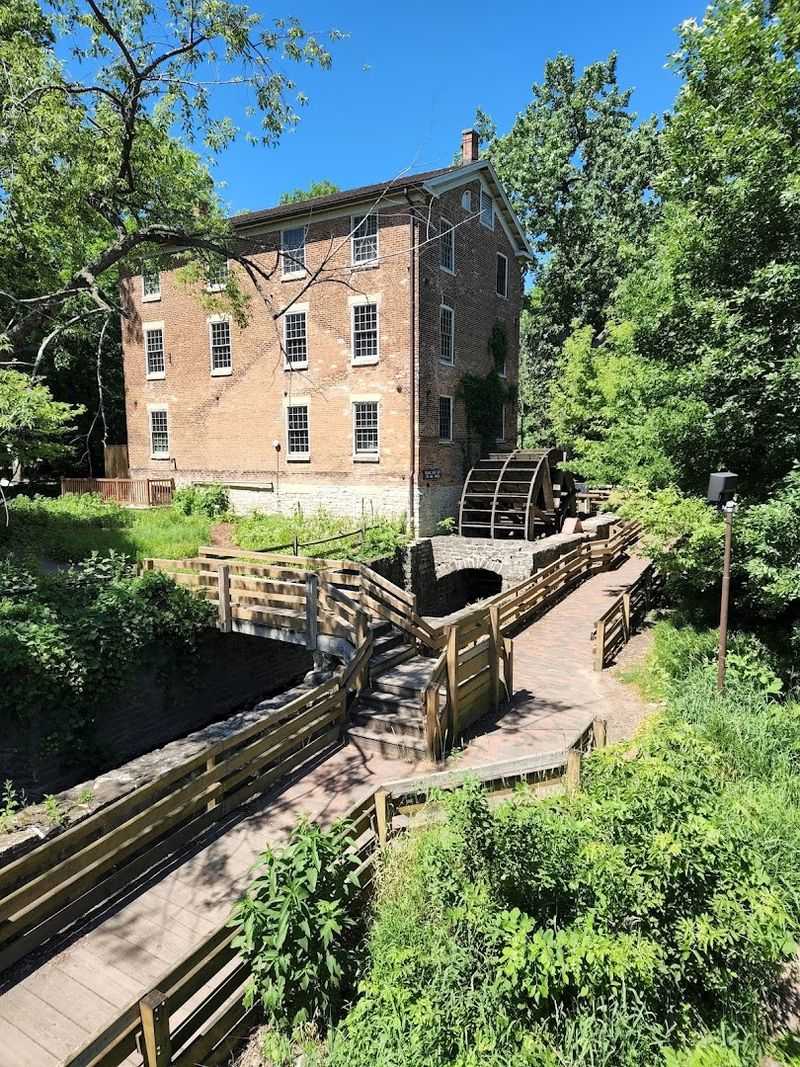
Water has a way of making any walk feel more alive, and Salt Creek delivers that effect throughout the Fullersburg Woods trail experience.
The creek runs alongside a significant portion of the route, giving hikers a constant companion of moving water, reflected light, and the kind of ambient sound that no playlist can truly replicate.
The creek corridor attracts a surprising variety of wildlife. Great blue herons stand motionless in the shallows, and red-headed woodpeckers tap away at the trees overhead.
On warmer mornings, you might spot deer grazing along the water’s edge, entirely unbothered by the steady stream of passing trail users.
Fishing is genuinely popular here too. On a typical weekend, you will find people lined up along the bank with their poles out, which tells you something real about the health of this waterway.
Picnic tables positioned to overlook the creek give visitors a reason to slow down and actually absorb the scenery rather than just power through the loop. Salt Creek is not just a backdrop at Fullersburg Woods; it is the heartbeat of the entire trail experience.
The Historic Graue Mill
Most hiking trails promise trees and maybe a nice view. Fullersburg Woods throws in an actual piece of 19th-century American history for good measure.
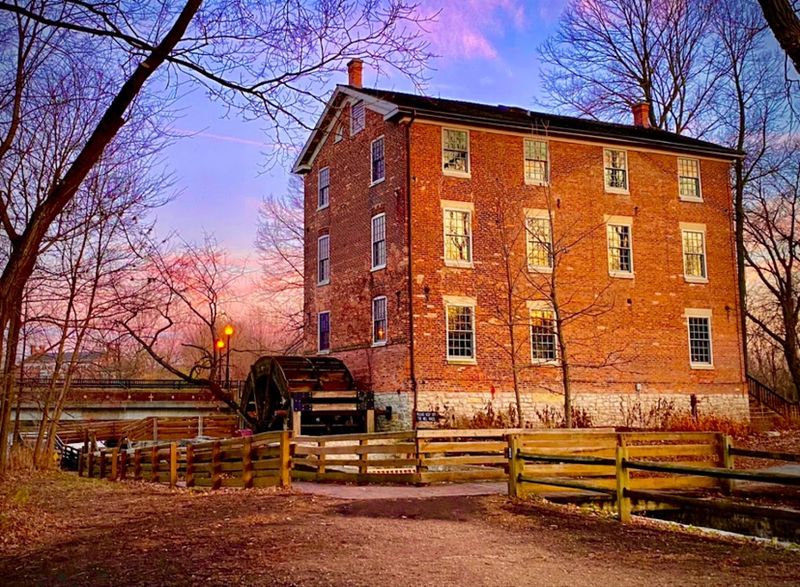
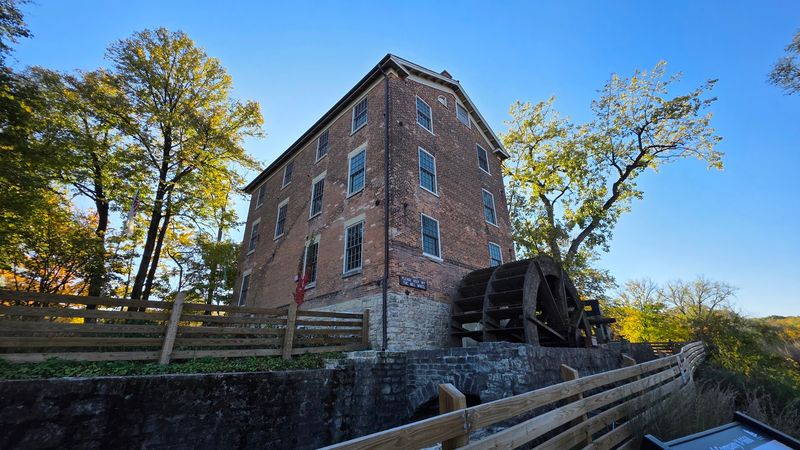
Graue Mill, a fully preserved grist mill with original grindstones on display, sits just a short distance from the main trail and is reachable on foot without ever needing to get back in your car.
Built in 1852, Graue Mill is Illinois’ only operating waterwheel gristmill and is associated with local Underground Railroad history. Walking through it connects the natural beauty of the preserve with a chapter of American history that deserves to be remembered and acknowledged.
The mill building itself is visually striking, with its stone walls and wooden structure sitting beside the water in a way that feels genuinely timeless. First-time visitors often stop mid-hike just to stare at it for a few minutes, which is a completely reasonable response.
Whether you spend five minutes or an hour exploring the mill, it adds a layer of meaning to your time at Fullersburg Woods that most forest preserves simply cannot offer.
The Nature Center Is A Surprisingly Big Deal
A 13,000-year-old woolly mammoth skeleton and hands-on nature exhibits immediately capture visitors’ attention. A table filled with a moldable material where kids can press animal footprint stamps into it for as long as their parents can stand nearby.
The nature center at Fullersburg Woods is not the kind of small, forgettable exhibit room you might walk past at other preserves. The facility genuinely earns its place as a destination within a destination.
Children gravitate toward the interactive stations with an enthusiasm that is hard to manufacture, and the coloring tables have a reputation for holding attention far longer than any screen-based activity could manage on a Saturday afternoon.
A bird nest structure built at a climbable height, accessible via a curving stairway, gives younger visitors a physical adventure that complements the outdoor trail experience. The center also houses live animal displays and rotating nature-focused activities that change with the seasons.
Clean, heated restrooms are available on-site, which matters more than most hiking guides will admit. For families, the nature center transforms a simple hike into a multi-hour outing that kids will actually ask to repeat on the drive home.
Wildlife Sightings Keep Hikers Coming Back

There is something quietly thrilling about rounding a bend on a trail and coming face to face with a deer that simply looks at you, decides you are not worth the effort, and goes back to grazing.
That kind of encounter happens regularly at Fullersburg Woods, and it never really gets old no matter how many times you visit.
The preserve sits along a natural corridor that supports an impressive range of species. Herons, egrets, warblers, and other birds can be spotted around the preserve and along Salt Creek.
Bird watchers with binoculars are a common sight at Fullersburg, and the variety of species makes it genuinely worthwhile to bring a field guide.
As the evening hours approach, the wildlife activity shifts into a different gear entirely. Coyotes have been spotted near the trail around dusk, along with raccoons working their way through the tree canopy.
The preserve operates daily from 7 AM to 7 PM, so timing your visit for early morning or late afternoon gives you the best chance of catching wildlife in motion. Nature here is not a passive backdrop; it actively shows up for the audience.
Trail Conditions That Actually Impress Regulars
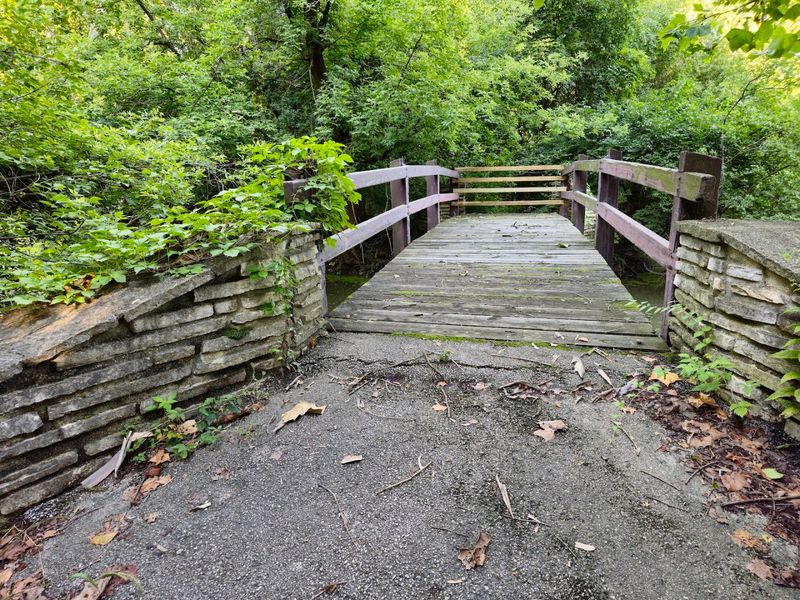
Trail maintenance is one of those things that hikers only really notice when it is done well or done poorly. At Fullersburg Woods, the upkeep falls firmly in the category that earns genuine appreciation from people who spend a lot of time on trails across the Chicago region.
The paths are well-groomed and clearly marked, which matters enormously when you are navigating a preserve for the first time. Crushed limestone surfaces cover a large portion of the route, providing solid footing in most weather conditions.
A recently completed paving project on one section of the trail has made that stretch noticeably smoother, and the improvement has been widely appreciated by joggers, cyclists, and visitors using strollers or mobility aids.
Signage throughout the preserve is informative without being overwhelming, and the trail markers are consistent enough that getting turned around feels nearly impossible.
Good trail maintenance is the kind of quiet gift that keeps every hike feeling like a reliable, worthwhile outing.
One Of Illinois’ Best Value Outdoor Spots
In a year when outdoor recreation costs seem to climb alongside everything else, Fullersburg Woods offers something refreshingly straightforward: free admission for everyone, every day of the week.
No parking fees, no trail passes, no reservation systems to navigate before you can enjoy a morning walk. You simply show up and go.
Parking is plentiful, which removes one of the most common frustrations associated with popular outdoor destinations, especially on weekends when trail traffic picks up considerably.
Free access combined with a well-maintained trail, a nature center, restroom facilities, and picnic tables overlooking Salt Creek creates a value proposition that is hard to argue with.
Families, solo visitors, dog walkers, and cycling enthusiasts all share the space without any of the friction that comes from paid-entry venues.
he fact that Fullersburg Woods is free does not make it feel like a budget option; it makes it feel like a community resource that takes its role seriously. That combination of quality and accessibility is a big part of why this trail keeps gaining momentum in 2026.
Four Seasons Bring Completely Different Experiences
A forest preserve that looks the same in January as it does in July is not really doing its job. Fullersburg Woods earns repeat visits by transforming itself so completely across the four seasons that returning hikers are essentially exploring a new place each time they come back.
Spring brings the first flush of green along the creek banks, with wildflowers pushing up through the leaf litter and migratory birds returning to the canopy above the trail.
Summer turns the preserve into a shaded corridor that offers genuine relief from the suburban heat surrounding it, with the tree cover overhead making a midday hike feel far more comfortable than it has any right to be.
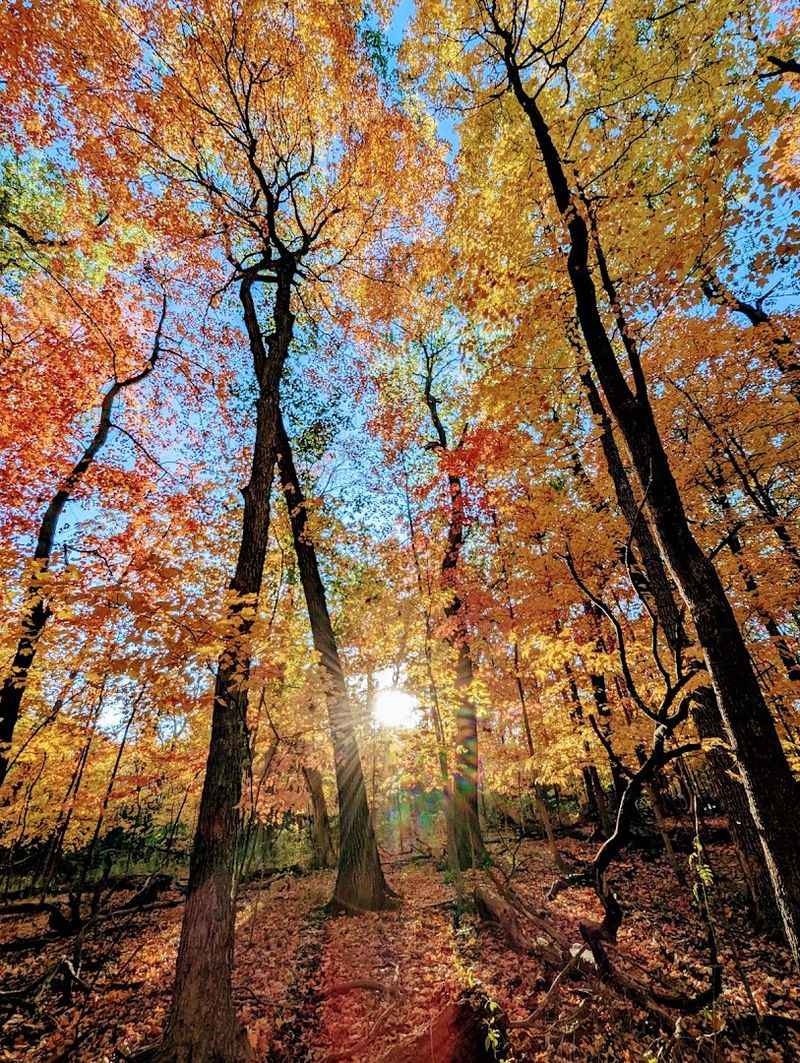
Autumn is the season that tends to stop hikers mid-stride. The combination of mature deciduous trees and the reflective surface of Salt Creek creates a color display that photographers specifically plan visits around.
Winter strips the foliage back and reveals the architecture of the forest in a way that is stark and genuinely beautiful in its own right. Each season at Fullersburg Woods is not a lesser version of another; it is its own complete and satisfying chapter in the ongoing story of this trail.