
This 300-Year-Old Maine Jail Opens After Dark For Lantern-Lit Tours This Fall
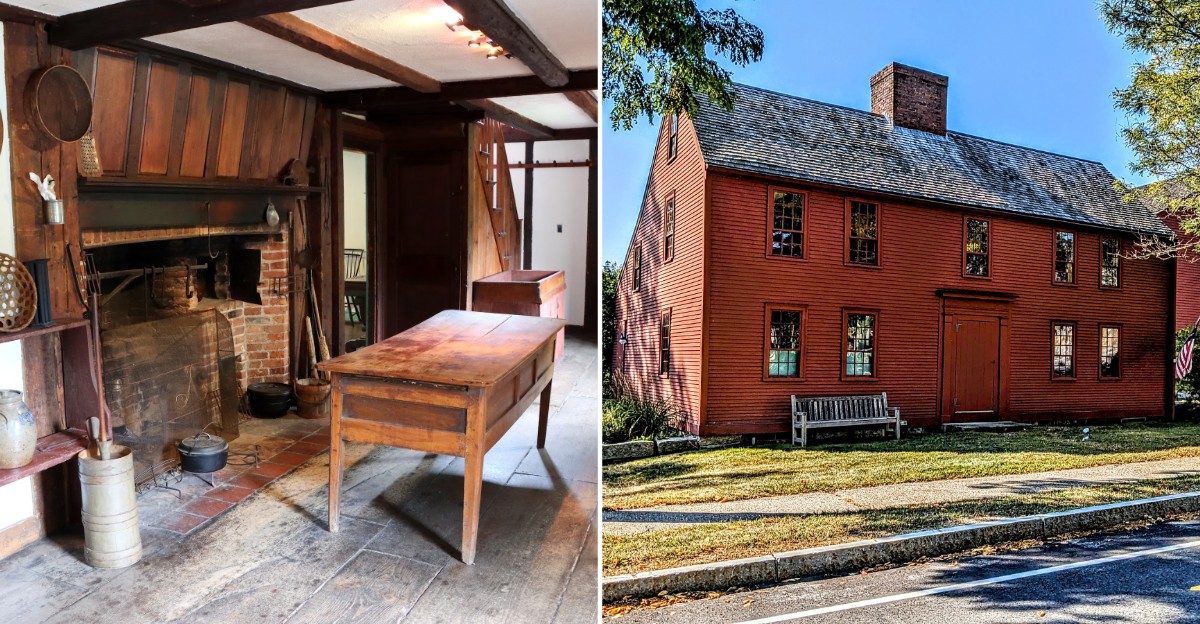
Imagine stepping inside a Maine jail so old that prisoners were being held on the site more than a century before the American Revolution. Stone walls, cramped cells, and heavy doors still hint at the building’s long history, while lantern light gives the rooms an entirely different feel after dark.
The oldest surviving section dates to about 1720, though the site itself was used for confinement decades earlier. Each fall, special evening tours bring visitors through the historic structure as guides share stories tied to colonial justice and life behind its thick walls.
The experience feels eerie without relying on cheap scares, which makes the history even more compelling. By the time the lanterns come out, this centuries-old jail feels less like a museum and more like a doorway into colonial Maine.
Older Than The Country Itself
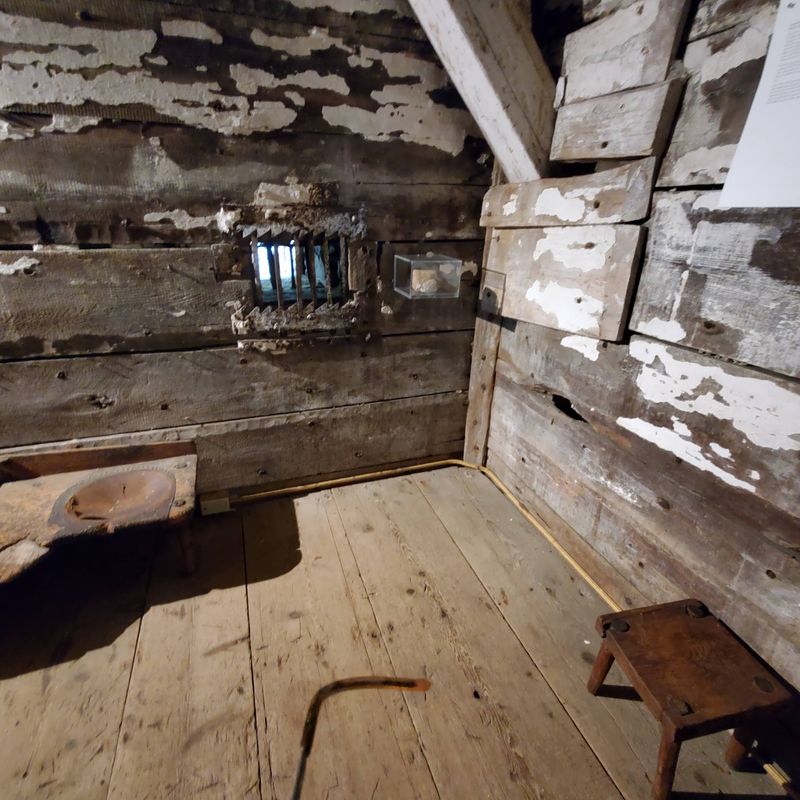
Back in 1719, George Washington was not even born yet, and the colony of Massachusetts still ruled this corner of the coast. That was the year builders finished a sturdy stone jail in York, and it has been standing guard ever since.
Today the Old York Gaol is often called one of the oldest surviving public buildings in the United States. It served as the jail for the entire Province of Maine for many years, holding people accused of everything from unpaid debts to theft.
Walls made of thick fieldstone kept prisoners in and harsh winter winds out, at least most of the time.
Here is a fun bit of math to share with your travel buddies. When you walk through its doorway, you are stepping into a space that was already more than fifty years old when the Declaration of Independence was signed.
That is a lot of history packed into one small building.
Plan to spend a few extra minutes in the oldest section, where the low ceilings and small windows tell the story better than any sign. Look closely at the worn floors and doors.
Every scratch has had three centuries to earn its place.
A Spelling That Trips Up Visitors
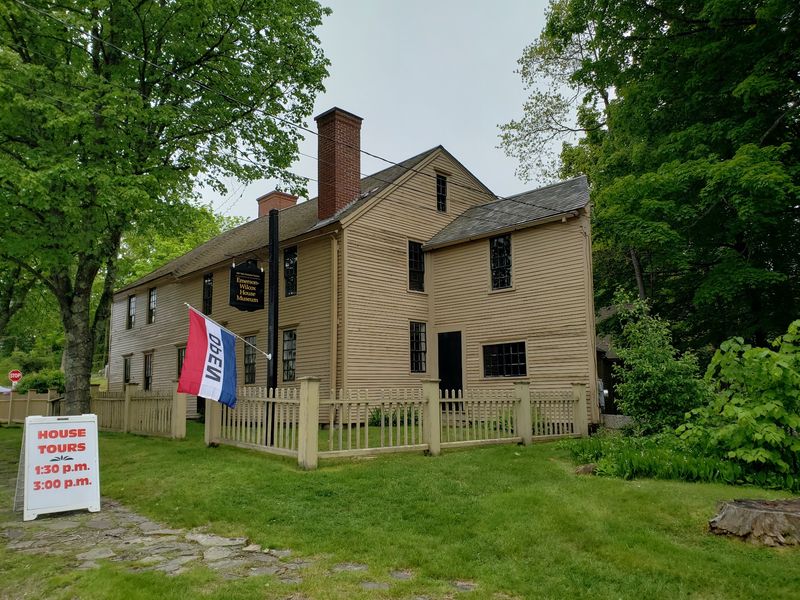
Say it out loud: gaol. If you pronounced it like goal, you are in good company, because plenty of visitors do the exact same thing.
The word is actually an old British spelling of jail, and it sounds exactly the same. English settlers brought the term with them across the Atlantic, and it stuck to this building long after most Americans switched to the simpler spelling.
In the United Kingdom and a few other countries, you can still spot gaol on signs today.
Why keep the old-fashioned version here? It is a handy reminder that York began as an English colonial town, where laws, courts, and even vocabulary came straight from across the sea.
The building was once known as the King’s Gaol, a title that shows who was really in charge back then.
Kids especially enjoy this little language puzzle, so try quizzing your group before you arrive. Ask them to guess how the word is said and what it means, then let the guides settle the debate.
It is a small detail, but it makes the whole visit feel more personal.
Bonus tip: snap a photo of the sign out front. Friends back home will definitely ask you what a goal is doing in Maine.
The Jailer’s Family Lived Right Upstairs
Imagine doing your homework while prisoners sat in cells just a few steps away. For the children of York’s jail keepers, that was simply everyday life.
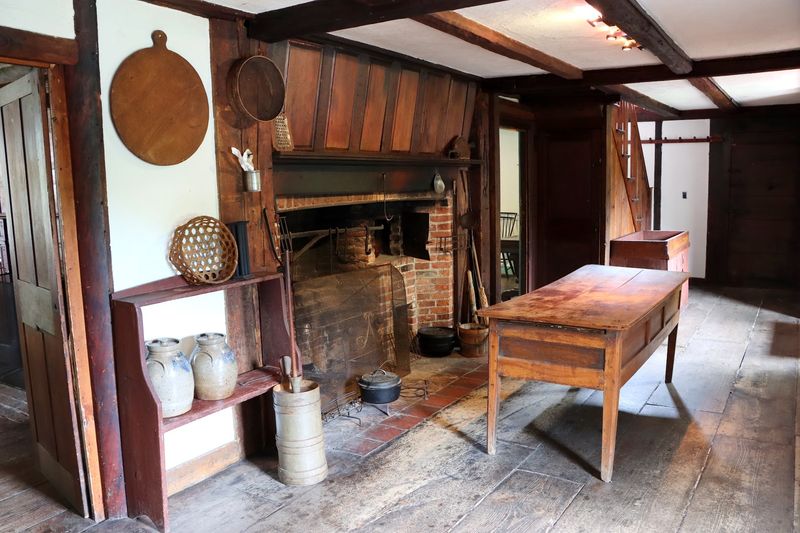
The jailer did not go home at the end of a shift, because the jail was home. A small residence was built beside the prison in 1729 so the jail keeper could live on-site near the people held there.
The family cooked meals, tended the fire, and kept an eye on the cells, often all at the same time.
Walking through these rooms is one of the most eye-opening parts of a visit. The living spaces feel warm and lived-in, with a hearth and simple furniture, while the cells nearby feel cold and cramped.
Seeing both side by side helps you understand how closely ordinary colonial life and the justice system were tied together.
Pay attention to the doors, locks, and small openings between spaces. They hint at how the family handled daily chores, like getting meals to prisoners, while keeping everyone secure.
Guides can share stories about particular jailers and the challenges they faced.
Keep this in mind on a lantern-lit evening, when the family quarters glow softly and the cells stay dark. Talk about a household with an unusual guest list.
Lanterns, Shadows, And Autumn Air
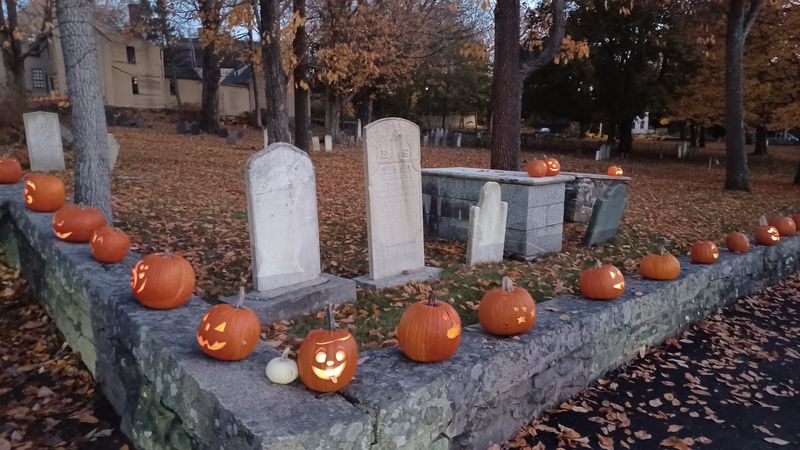
Autumn in southern Maine brings crisp air, crunchy leaves, and early sunsets, which is perfect timing for a jail tour with the lights turned low. During the fall season, the society has offered special evening programs where guides lead small groups through the old gaol by lantern light.
Darkness changes everything about the building. Flickering flames throw shadows across stone walls, and the cells suddenly feel much smaller than they did at noon.
You get a real sense of how the place looked to someone locked inside on a long October night, long before electric lights existed.
These tours focus on true stories rather than cheap scares, so the chills come from history itself. Expect tales of prisoners, crimes, and colonial courts, shared by guides who know their stuff.
The mood is eerie enough for teens and adults but still friendly and educational.
Because evening programs are seasonal and spaces can be limited, check the official website for dates, times, and ticket details before you go. Dress in layers and wear shoes with good grip, since the grounds can be dim and uneven after dark.
Bring your curiosity and leave the flashlight app off. The lanterns are the whole point, after all.
One Of America’s Earliest Historic Building Museums
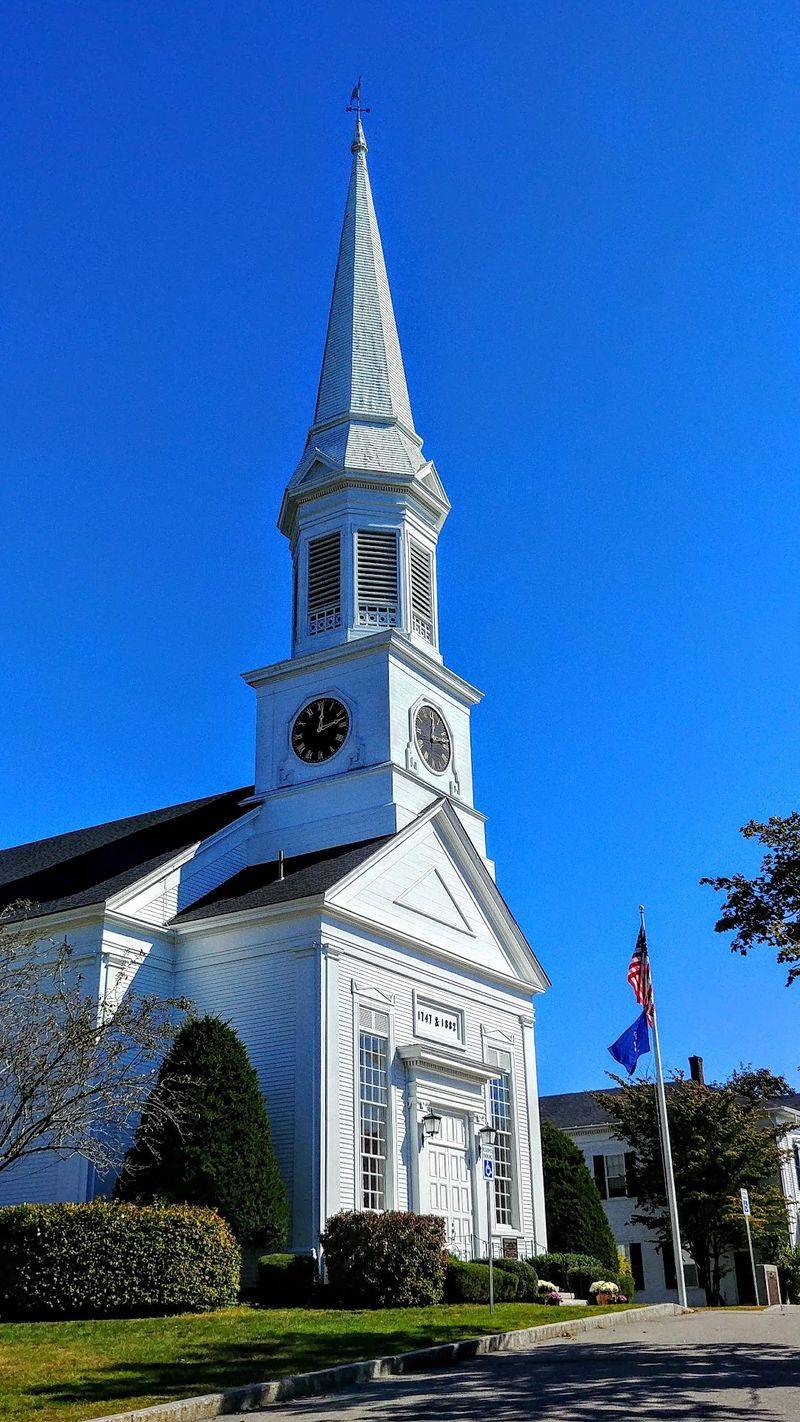
By the late 19th century, the Old Gaol’s days as a working jail were over, and the building eventually found a very different purpose. York had newer buildings, and many towns across America were busy replacing the old with the new.
Instead, local residents saw something worth saving. In 1900, the building opened as a museum, making it one of the earliest examples in the country of a colonial public building preserved for visitors to explore.
That was decades before historic preservation became a common idea in the United States.
The people behind that effort were part of a growing movement in York to celebrate the town’s colonial past. Their work eventually paved the way for the historical society that today cares for a whole collection of historic properties.
Without those early preservation fans, you might be looking at a parking lot instead of a jail.
Knowing this backstory adds another layer to your visit. You are not just seeing an old building, you are seeing one of the first places where Americans decided the past deserved a front-row seat.
So when you walk the grounds, give a quiet nod to those turn-of-the-century neighbors. Their good idea has aged remarkably well.
A Whole Village Of Old Buildings
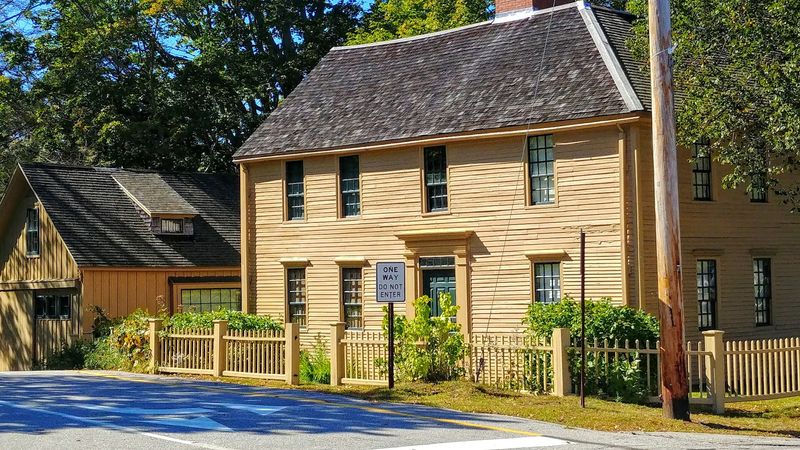
The jail may steal the spotlight, but its neighbors deserve attention too. Several restored buildings sit within easy walking distance of one another, each showing a different slice of life in colonial and early American York.
A tiny one-room schoolhouse gives you a peek at how kids learned their lessons centuries ago, with simple benches and very few supplies. Nearby, a colonial-era roadside inn once welcomed tired travelers with a warm fire and a hot meal.
Today it hosts hearth cooking demonstrations and special programs that bring old recipes back to life.
The Emerson-Wilcox House is another highlight, with rooms that show how the home and its uses changed over many generations. Moving between buildings makes the visit feel active, which is great for families with restless legs.
Admission is often offered as a package that covers multiple properties, so ask about combination options at the start of your visit. Give yourself at least two or three hours if you want to see everything without rushing.
Rainy afternoon in York? The indoor exhibits make this a smart backup plan when the beach is out of the question.
Consider it a colonial village with no time machine required.
Stitches That Survived Three Centuries
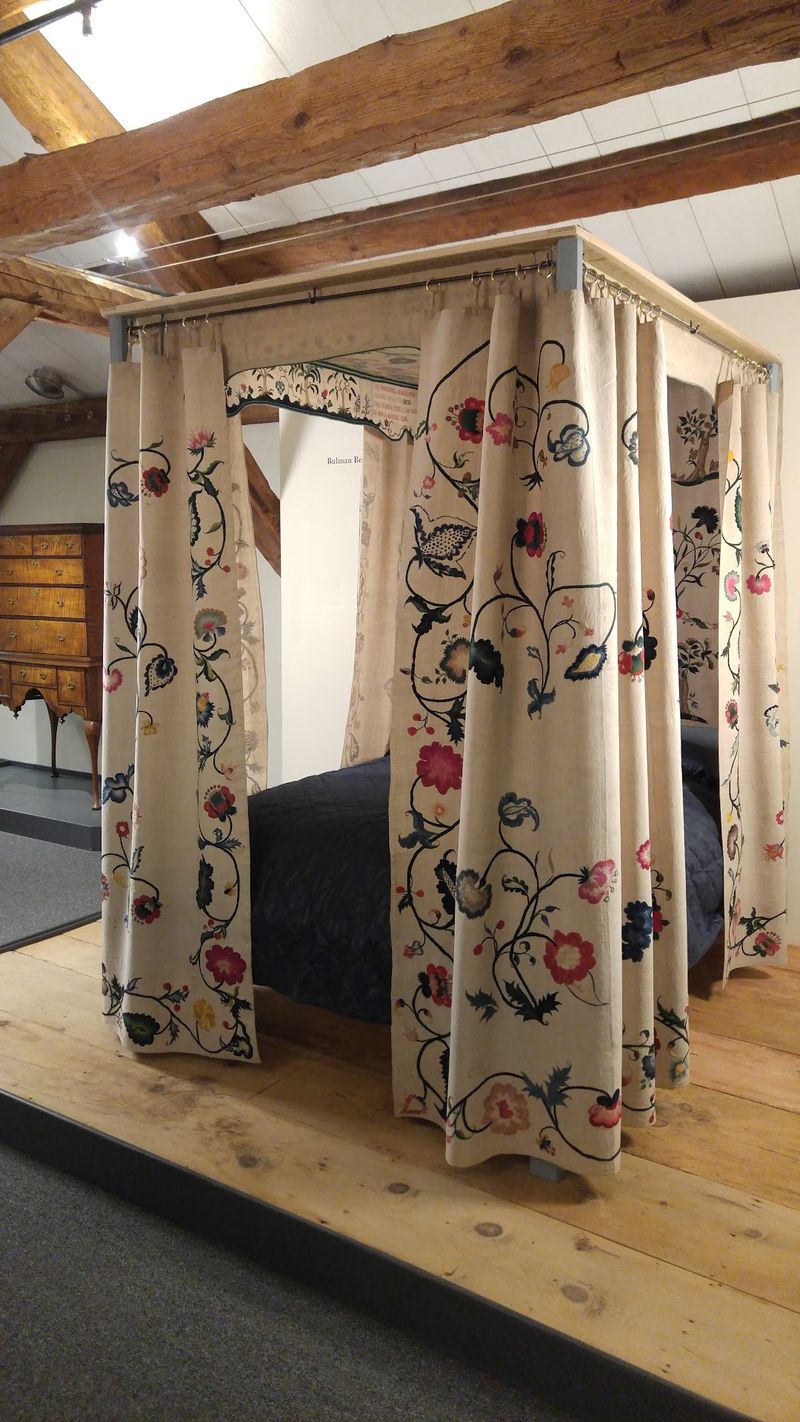
Not every treasure here comes with iron bars. One of the most remarkable objects in the collection is made of wool thread and linen, and it has kept its colors for nearly 300 years.
The Bulman bed hangings were stitched by York resident Mary Swett Bulman in the 1730s. They are considered one of the only complete sets of American crewel embroidered bed hangings to survive from that era.
Crewel is a style of embroidery using wool yarn, and Mary covered the fabric with flowing vines, blossoms, and leaves.
Up close, the colors still look surprisingly bright, which says a lot about both her skill and the careful work of the museum’s caretakers. Look for the verses stitched into the hangings, too.
They add a personal touch that makes the piece feel like a message sent across the centuries.
Textiles are delicate, so displays may change and certain pieces may rest in storage at times. If needlework is on your must-see list, call ahead to ask what is currently on view.
Crafty travelers, take note. You might leave with a sudden urge to pick up a needle and thread, and honestly, that is a pretty good souvenir.
Planning Your Visit, Day Or Night
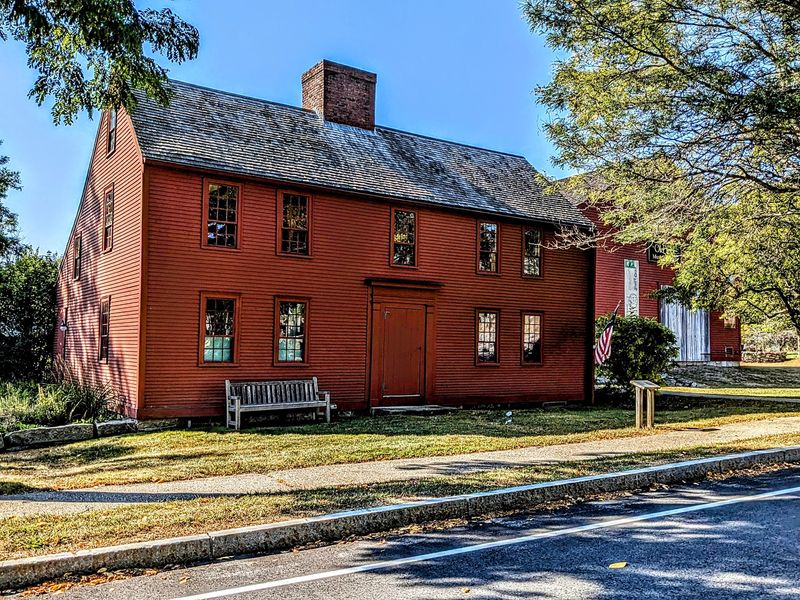
A little planning goes a long way, especially if you want to catch both the daytime exhibits and an evening lantern tour. The Old York Historical Society is based at 3 Lindsay Road, York, Maine 03909, in the United States, just a short drive from the beaches and shops of York’s coastline.
Regular hours run Tuesday through Saturday, 10 AM to 4 PM, and the museum is closed on Sundays and Mondays.
Arrive earlier in the day to give yourself time to explore every building at a relaxed pace. Friendly, knowledgeable guides are stationed around the grounds, so bring your questions and do not be shy about asking them.
Comfortable shoes are a must, since you will be walking between buildings on uneven colonial-era paths. Pack a light jacket in fall, when coastal evenings cool off quickly.
By the time the lanterns flicker out, York’s oldest jail will have handed you three centuries of stories to carry home. Not bad for a place that once specialized in keeping people in.