
This 385-Acre Illinois Garden Is A Breathtaking Oasis Bursting With Color, Sculpture, And Serenity
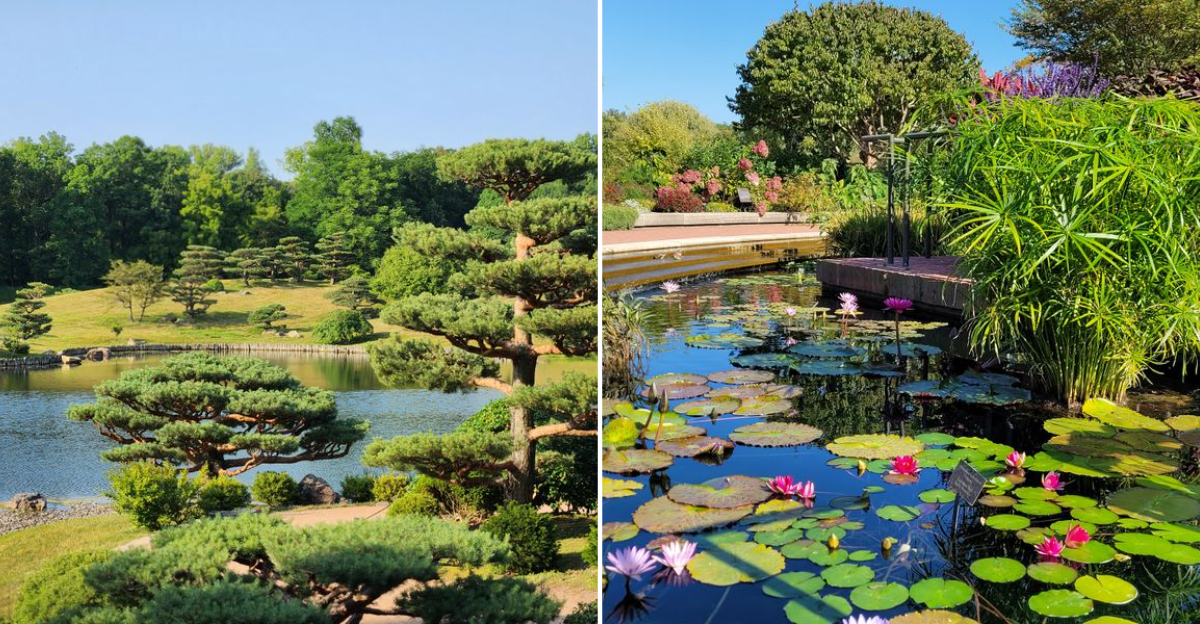
Morning light lands softly on the water, turning every bridge crossing into a quiet reveal. Chicago Botanic Garden stretches across 385 acres in Glencoe, Illinois, yet the scale never overwhelms.
Paths bend through lakeside views, prairie grasses, and carefully composed garden rooms that feel both artful and alive. Sculpture rises where the landscape seems to invite it, never forced, always in conversation with the plants.
Color leads the eye, but stillness does the deeper work. The longer the walk, the more the outside world loosens its grip.
Here, sound lowers to birdsong and water movement, and time begins to move at the garden’s pace, unhurried, observant, restorative.
Seven Lakes, Thirteen Islands, One Big Exhale
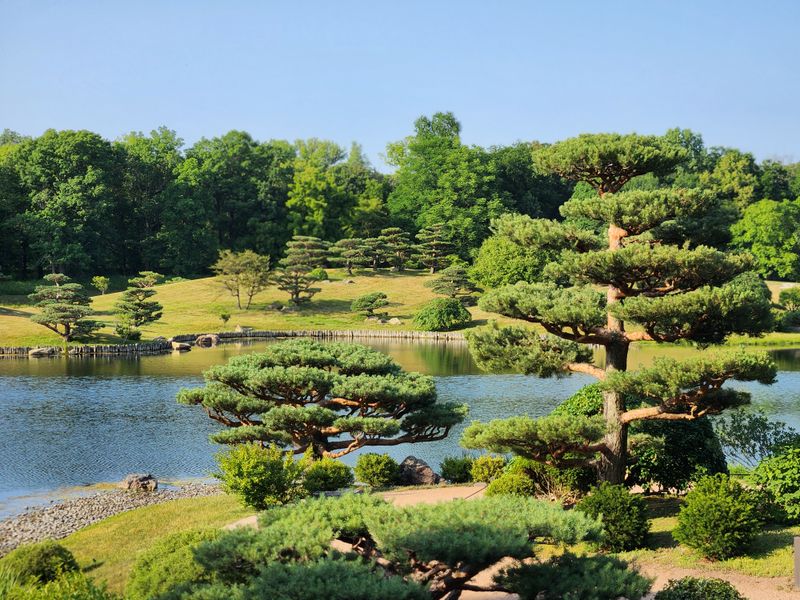
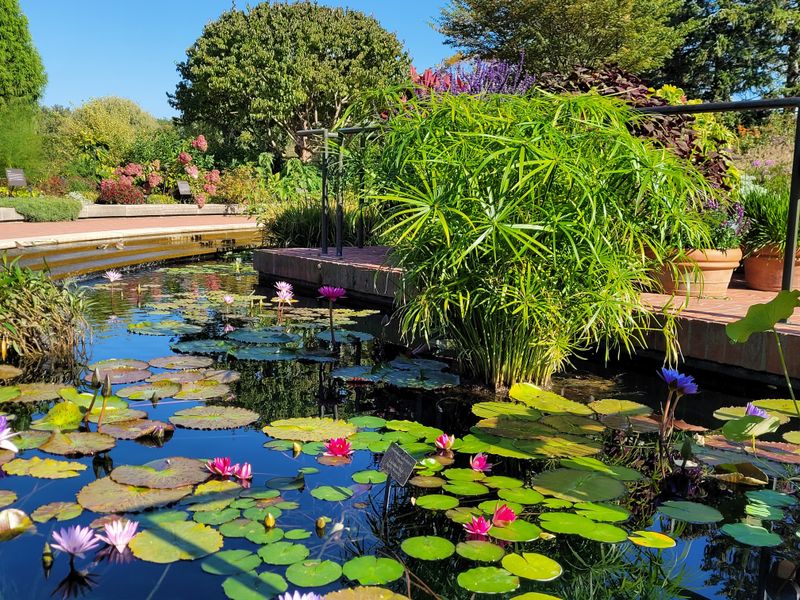
Water defines your first impression here, shaping acres of lakes, lagoons, and shoreline paths. Nearly one-quarter of the garden is water, with 81 acres of lakes and shorelines spread across nine lush islands, and the bridges pull you forward like gentle invitations.
Pause halfway across and watch ripples scatter the sky’s reflection. You can hear geese, a child’s laugh, and the low shush of reeds moving in the breeze.
Even on busy days, the water softens everything, turning footfall and chatter into background hush. Take a deep breath. It helps you arrive.
Keep walking and the views keep flipping, like turning a kaleidoscope. The landscape architects framed scenes so that every turn feels intentional, yet never stiff.
You might glance back and see the same bridge look completely new from the opposite side. Sunset is a stunner, with light pooling gold across the surface.
Early morning has the quiet magic, though, when mist floats over the lakes and fishermen of light appear as herons. Bring a camera, sure, but do not forget to simply look.
Japanese Garden
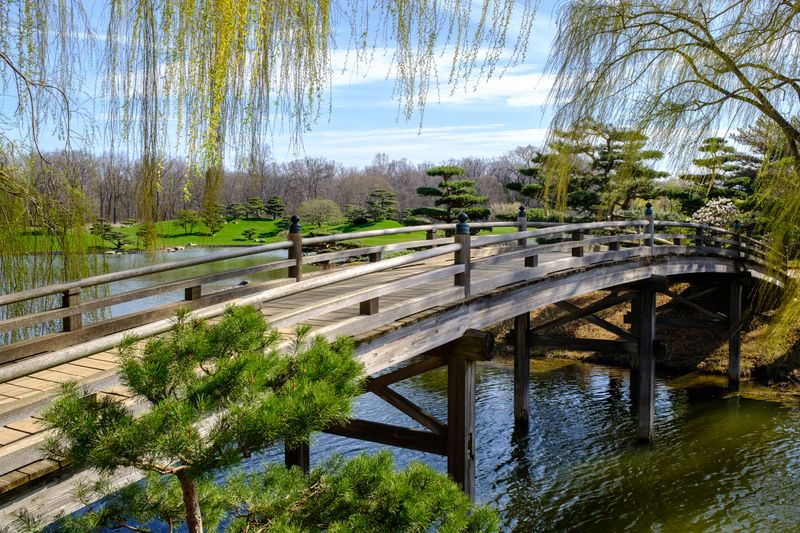
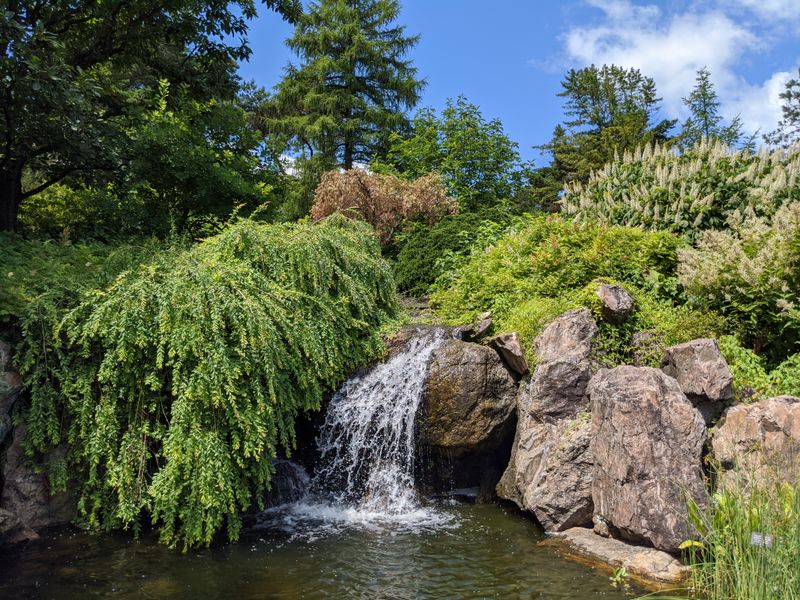
The Japanese Garden feels like a whisper. You step onto the bridge and time thins out. Willows sweep low, almost touching the water, and stones settle into place as if the earth exhaled around them. It is not flashy.
It is precise, balanced, intentional. You notice your shoulders drop without being told. People speak quietly here, which means you immediately hear birds stitching sound between the trees.
Look for stone lanterns, their faces weathered but steady, and the way paths rise and fall with such patience. The garden’s principles emphasize restraint and seasonal change, so it is never the same twice.
In spring, fresh greens sparkle. Summer is layered textures and shadow play. Autumn edges toward fire. Winter shows the bones, clean and honest.
If any water features are under maintenance, the silence reads like a thoughtful pause, not a missing note. Give yourself enough time to let the details bloom: a leaf’s reflection, a circular ripple, the exact moment wind frees a petal.
Bonsai Collection
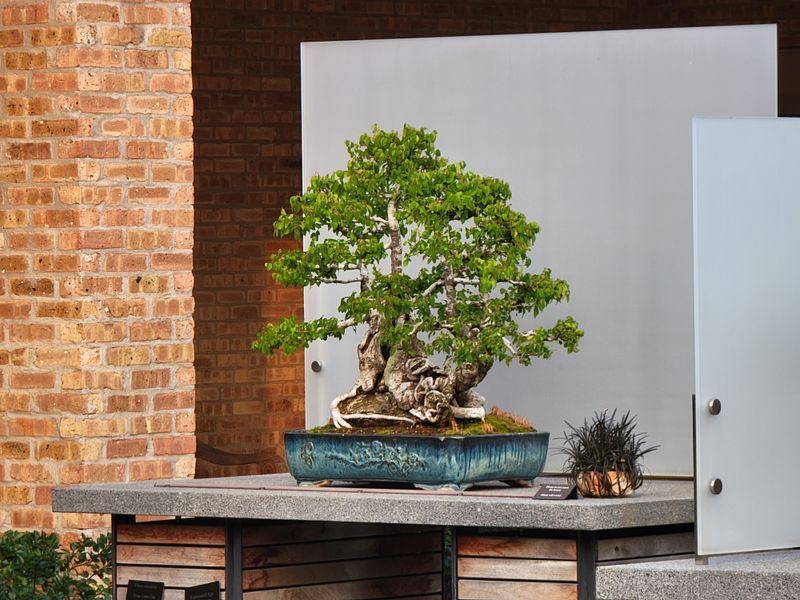
You could stand here for an hour and still miss something. The bonsai collection lines up in quiet ranks, each tiny tree holding decades of care in a few patient inches, with outdoor displays typically showcased from mid-April through October.
Look at the bark. It twists like a story told by a grandparent, weathered and warm. The roots curve with purpose. Leaves are pruned to the point where restraint becomes poetry. You do not rush bonsai. You hold still for it, and it rewards you.
Benches and labels make this feel like a classroom wrapped in fresh air. You can trace styles, ages, and techniques, and begin to feel the years stacked inside these living sculptures.
On warm days the scent is subtle, resin and sun. On cool days the textures sharpen. Humans try to shape nature here, yes, but the trees negotiate back. That tension is the magic.
If you only have a short visit, promise yourself a slow lap through this space. It resets your attention span for the rest of the garden.
English Walled Garden
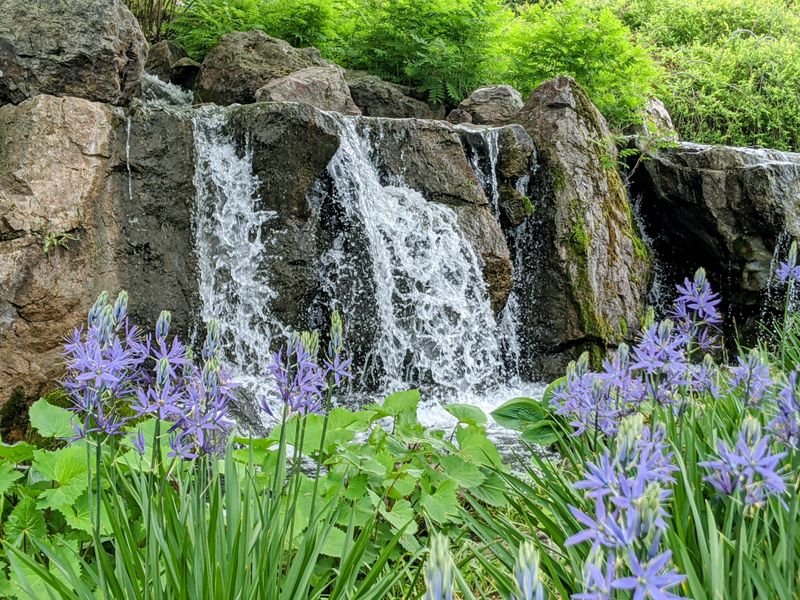
Step through the gate and you are inside a story. Brick walls hold the wind back and frame a series of outdoor rooms, each with its own mood.
Fountains and bubbling water features lift their voices as you move through the garden rooms. Roses lean in, peonies preen, and perennials fuss with color.
The paths turn corners just enough to make you curious. It is part theater, part secret garden, and entirely photogenic without trying too hard.
What I love most are the transitions. One room drifts into the next, and you feel the shift in tone before you see the plants change. Shade plants invite you to slow down. Sun lovers bring heat and swagger.
Look up to spot brickwork softened by ivy, look down for boxwood edges keeping order. If you arrive early, dew flashes on the borders like the garden dressed up for you.
Late afternoon casts buttery light that flatters everything. This is where you realize design can be generous and precise at the same time.
Model Railroad Garden
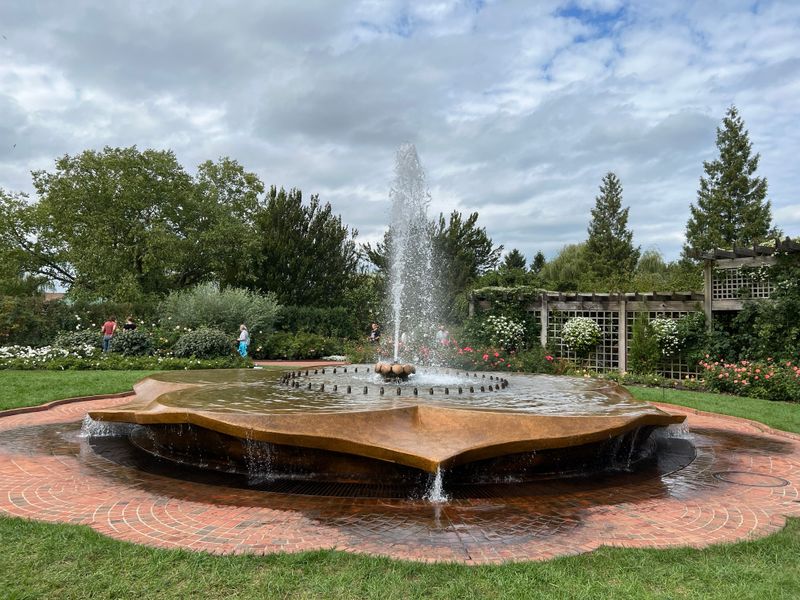
During its seasonal run, you hear the first whistle before you see it. Then the train curves into view, small but mighty, rolling across trestles and around miniature landmarks built from leaves, bark, and twigs.
Kids park themselves on benches and do not move for ages. Grownups pretend they are just “waiting,” but faces tell the truth.
This is pure delight. Tracks thread through flowers, around tiny towns, and past miniature landscapes, typically on display from late spring through early fall, weather permitting.
The craftsmanship is nuts, in the best way. Builders use natural materials to create skylines and bridges, and the detail invites you closer.
Seasonal displays change things up, so repeat visits still feel fresh. On busy weekends, give yourself time.
It can get popular, but the payoff is worth it. If you are here with little ones, make this a mid-visit stop when feet need a break and spirits need a boost. You might plan for ten minutes and end up staying forty. No regrets.
The Grand Tram Tour
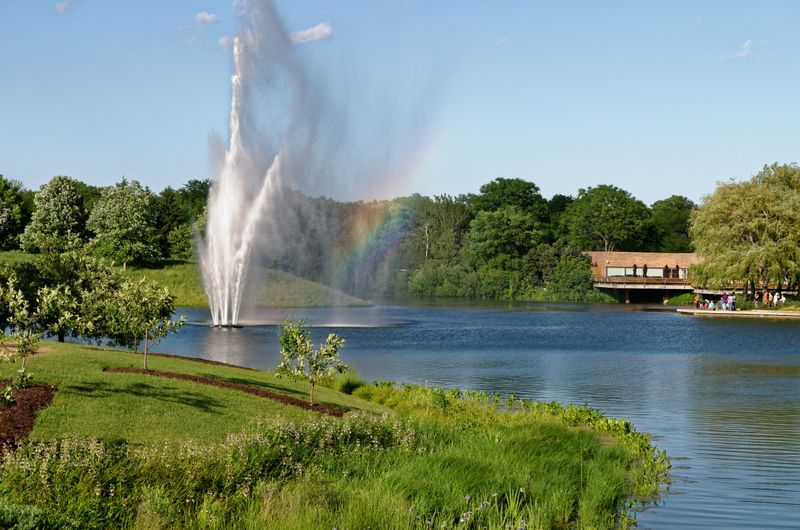
Hop on the open-air tram, running seasonally from late April through late October, if you want the garden to introduce itself. The loop glides past lakes, meadows, and signature gardens while a guide narrates the history and design.
It is a smart way to start, especially if walking the full 385 acres feels daunting. You can mark spots to revisit on foot and learn the backstory without digging through a brochure.
The rhythm is easy, the breeze is nice, and the commentary keeps your curiosity lit.
Rides are typically around thirty-five minutes, give or take. Lines ebb and flow with the day, so earlier or later rides can be calmer.
Accessibility is part of the plan, and staff are helpful about seating needs. If weather swings, throw on a layer since the tram is open. Families love it. Solo visitors do too.
When you hop off, pathways make more sense. You feel oriented and kind of proud, like you just cracked a map without unfolding it once.
Seasonal Spectacle

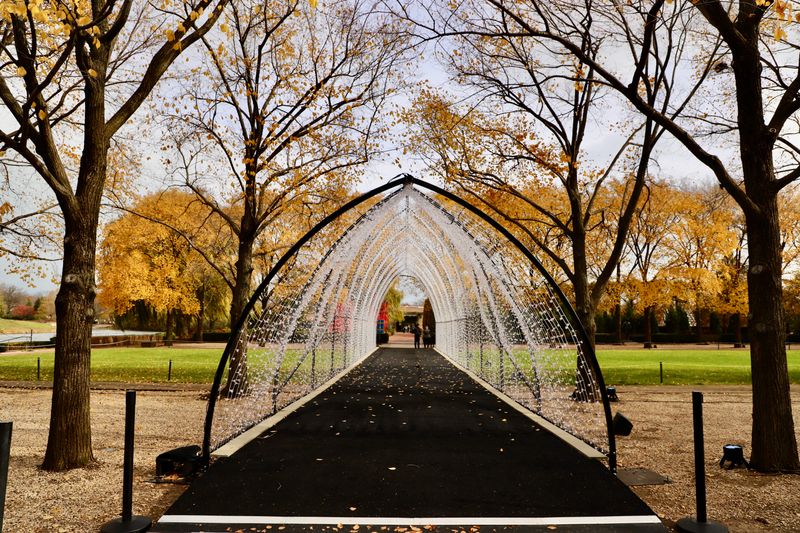
When the sun goes down, the garden flips into theater mode. Lightscape transforms paths with tunnels of light, glowing groves, and music that turns the trees into choreography.
On fall nights, carved pumpkins glow along a curated trail, each one etched with surprising detail. You sip hot cider, your breath fogs the air, and the garden feels like a friendly dream.
It is festive without noise, artful without snobbery, and different every year.
Buy tickets ahead to dodge sellouts and parking bottlenecks. Arrive early, dress for the weather, and plan a stop for seasonal treats like hot chocolate or warm snacks, often available along the route.
The illuminated route stretches about 1.3 miles, easy for most walkers, with plenty of places to pause for photos. Crowds bunch up at showpiece moments, then loosen again.
If you go with kids, set a meet-up spot in case excitement outruns feet. These nights turn memories into souvenirs you keep long after the lights go dark.
Fruit And Vegetable Garden
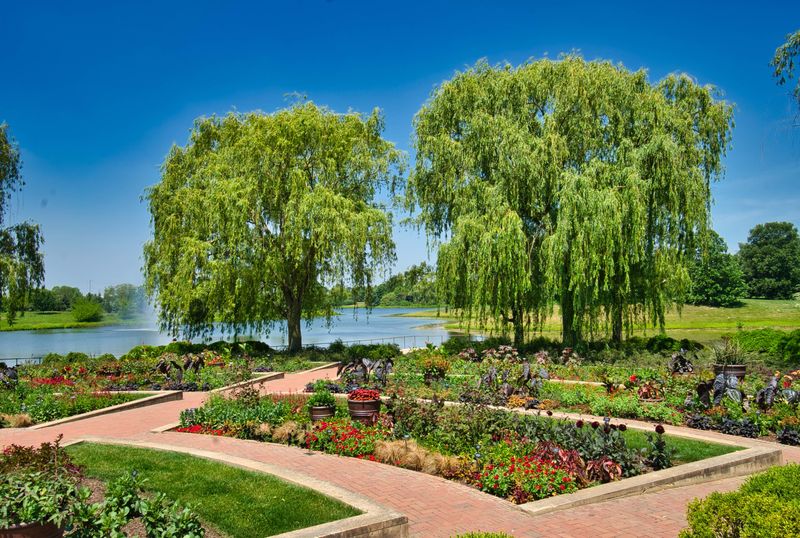
Here is where practicality gets gorgeous. Neat beds brim with tomatoes, beans, greens, and herbs, while trellises lift vines into tidy arcs.
Pollinator flowers thread color through the rows and keep the bees busy. You can smell sun-warmed thyme and hear the whisper of leaves rubbing together.
The layout is simple to read, which makes it perfect for swapping ideas you can steal for your own backyard. Food grown here connects beauty to purpose through the garden’s education and community programs.
Educational signs explain techniques without talking down to you. Look for compost systems, companion planting ideas, and heirloom varieties that taste like memories.
Kids light up at the sight of strawberries and squash the size of small footballs. Gardeners linger, comparing notes in low, friendly voices.
If you want to catch volunteers at work, late morning is a good bet. This is the stop that makes you hungry in the best way, and yes, it will send you home plotting raised beds.
Rose Garden And Color Shows
Turn a corner and you will hit a wall of scent. The Rose Garden plays with symmetry and abundance, packing in varieties that parade through early summer into fall.
A central fountain holds court while petals tumble in blush, coral, lemon, and wine. If you are a photographer, good luck moving quickly.
Every angle offers a textbook example of color harmony. If your timing misses peak bloom, do not worry. The garden rotates seasonal displays across the property, so there is always something stealing the spotlight.
Heat shimmers here in midday, so visit early or late if you can. Bees work the aisles like pros, and you will spot families posing for milestone photos under arches.
Labels help decode the who’s who of cultivars, which makes it easy to keep favorites in mind. On breezy days, fallen petals skitter across the paths like confetti. You will walk away convinced that fragrance counts as architecture.
Insider Logistics
Here is the practical scoop you wish someone told you. Hours shift with the seasons, and special events run late, so always check the website before you roll.
Tickets are reasonably priced, with membership paying off fast if you visit more than once. Parking can back up on prime weekends and event nights.
Buy parking ahead and keep the pass ready on your phone. Arrive early or late in the day for smoother entry and cooler temps in summer.
The garden is largely flat with paved paths, plus accessible routes throughout, and free wheelchairs available at the Visitor Center Information Desk. Strollers are common, and benches pop up right where you need them.
Food options range from quick snacks to seasonal pop-ups. Bring water, sunscreen, and curiosity.
Spring is fresh, summer is lush, fall glows, and winter events sparkle. No matter when you go, plan at least three hours. You will still leave saying, next time, one more island.
Art, Architecture, And The Quiet Genius Of Design
You start to notice how carefully everything lines up. Buildings step back to let the landscapes speak. Sculptures and rotating exhibitions appear where your eye would have rested anyway, as if the path itself requested company. Vistas are framed to catch a bridge, a tree with character, and a slice of sky.
Nothing shouts. Design whispers. You feel guided without being herded, and that is rare. It takes discipline to make it look this effortless.
Look for rotating art and photography exhibitions that shift the mood from season to season, often housed in indoor galleries as well as outdoor spaces. They spark conversation and reward slow looking.
Architecture plays wingman to the plants, with glass and wood reflecting water and sky. Educational exhibits live inside in cooler months, which turns a blustery day into a treasure hunt.
This is the reason the garden lands so high on best-of lists. The craft is invisible until you tune your eyes, and then you cannot unsee it. That quiet genius follows you all the way back to the parking lot.