
This 4-Mile Trail Is In Florida, But You’d Never Guess It Has Caves, Rock Walls, And A Sinkhole
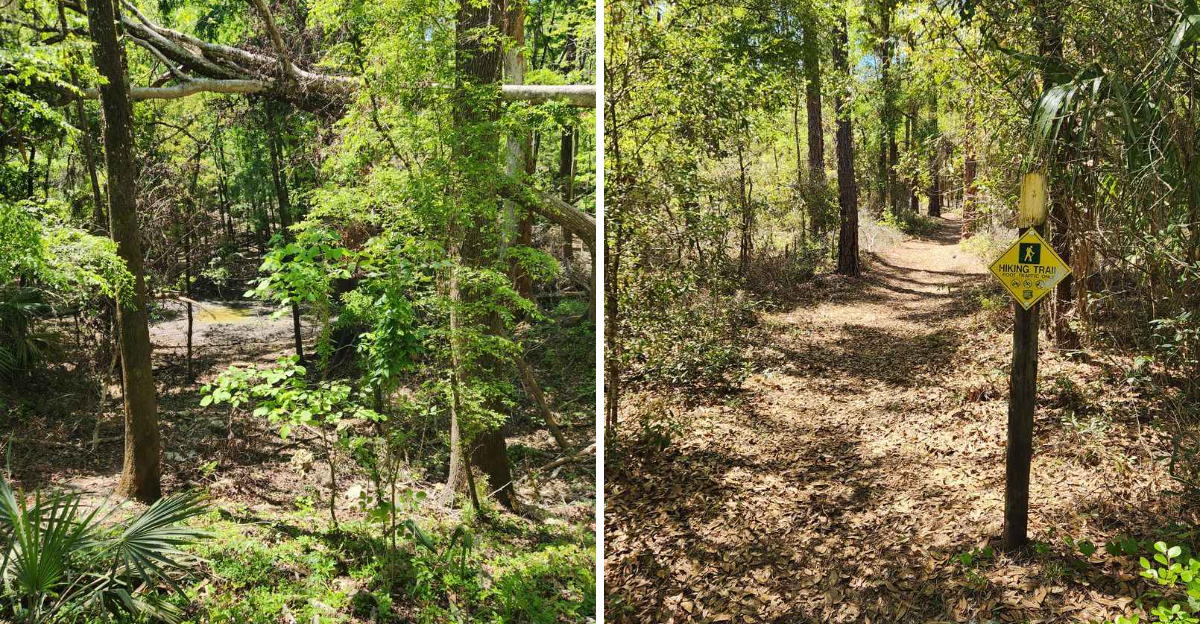
What if Florida suddenly stopped playing the role everyone expects? No beaches.
No flat scenery. No easy paths.
Just stone beneath your boots, uneven ground ahead, and the unsettling feeling that the Sunshine State is quietly testing your assumptions.
This trail does not ease you in. The terrain turns rocky.
Limestone appears where sand should be. The forest grows still, almost watchful.
Every step feels unfamiliar, as if Florida decided to reveal a side it usually keeps hidden. Have you ever walked somewhere that made you question whether you were still in the same state?
Then the landscape opens in a way that stops you cold. The ground drops.
The earth tells its story without warning. It is rugged, dramatic, and completely unexpected.
This is Florida stripped of postcards and clichés. Once you experience it, beaches feel predictable, and the idea of hiking here suddenly feels a lot more interesting than you ever imagined.
Finding The Hidden Trailhead
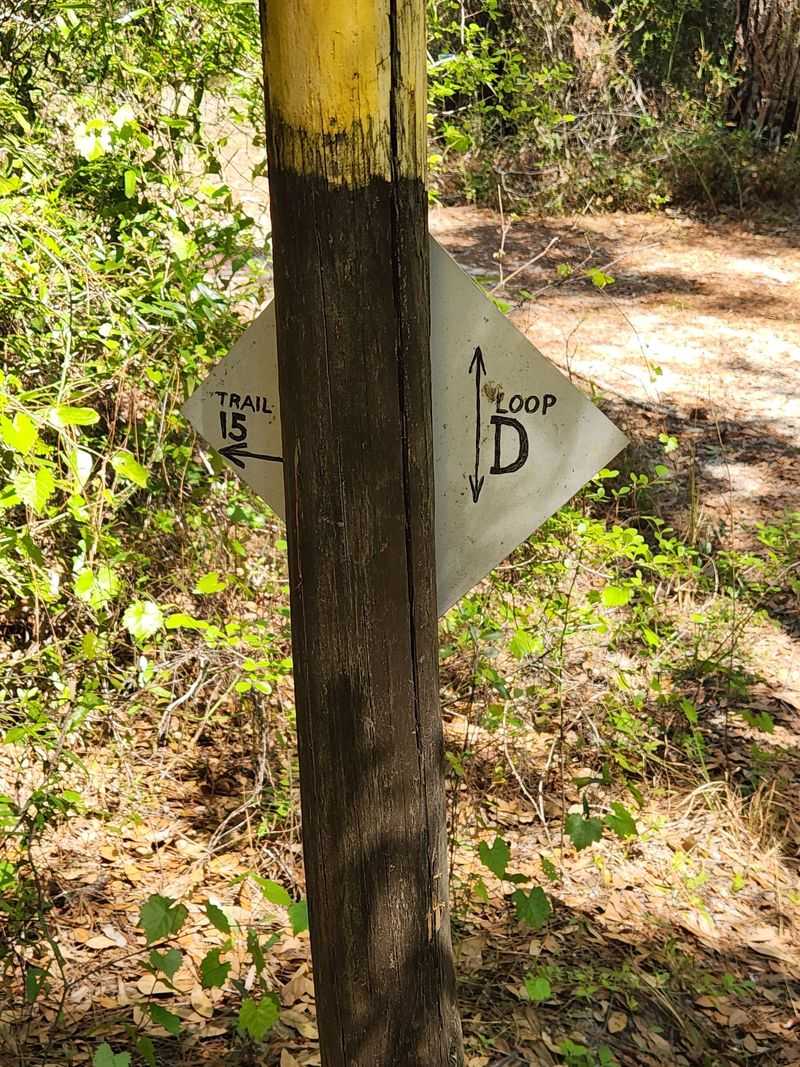
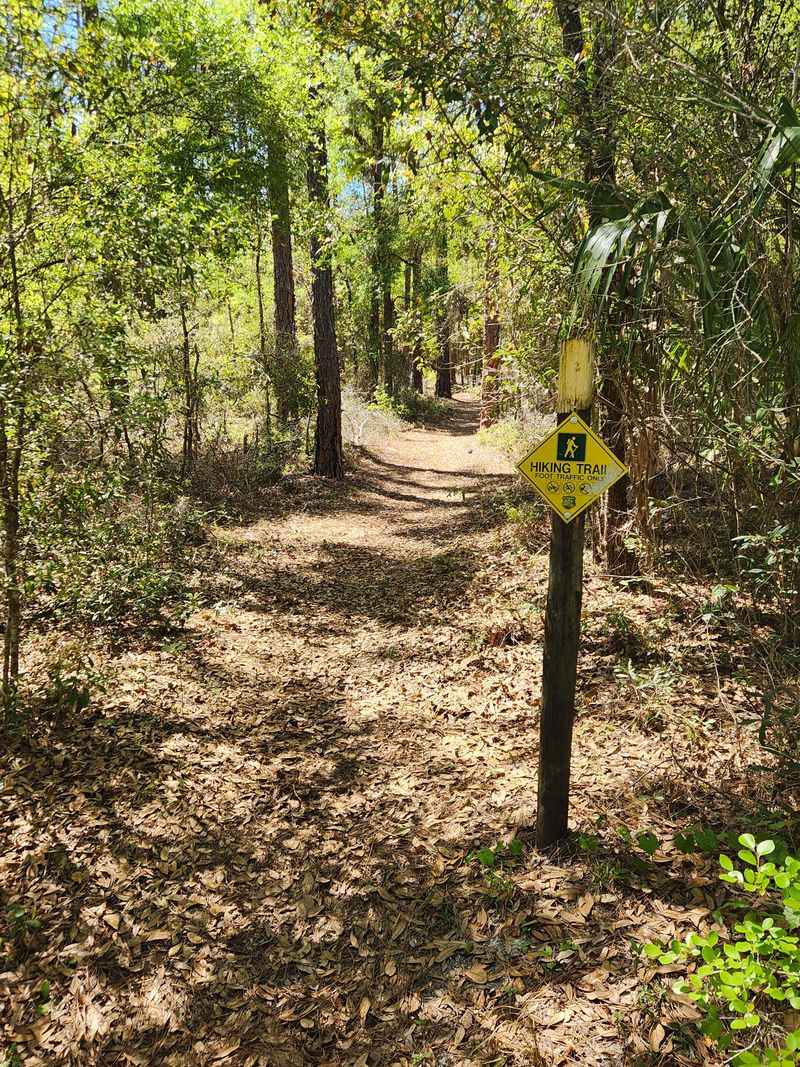
Locating this trail requires a bit of detective work that adds to the adventure before you even start walking. The trailhead at 129 W Stage Coach Trail can fool first-time visitors because brush and tree limbs sometimes obscure the entrance, making it look closed when it’s actually open.
I pushed past the natural camouflage blocking the path and discovered that Trail 15 extends clearly to the north once you navigate around the initial obstacles. This blocked appearance actually works in favor of hikers seeking solitude, since many people turn back before giving it a proper chance.
Local hikers know to look for the signs and ignore the misleading barrier of vegetation that Mother Nature throws across the entrance. The lack of foot traffic in this area creates an almost private hiking experience that feels rare in Florida’s popular outdoor spaces.
I noticed a private property line running parallel to the left side of the trail, so staying north keeps you on the correct public path. Yellow paint marks on trees serve as your guide once you’re committed to the route, reassuring you that you’re heading the right direction toward Lizzie Hart Sink.
The Forest Road Walk
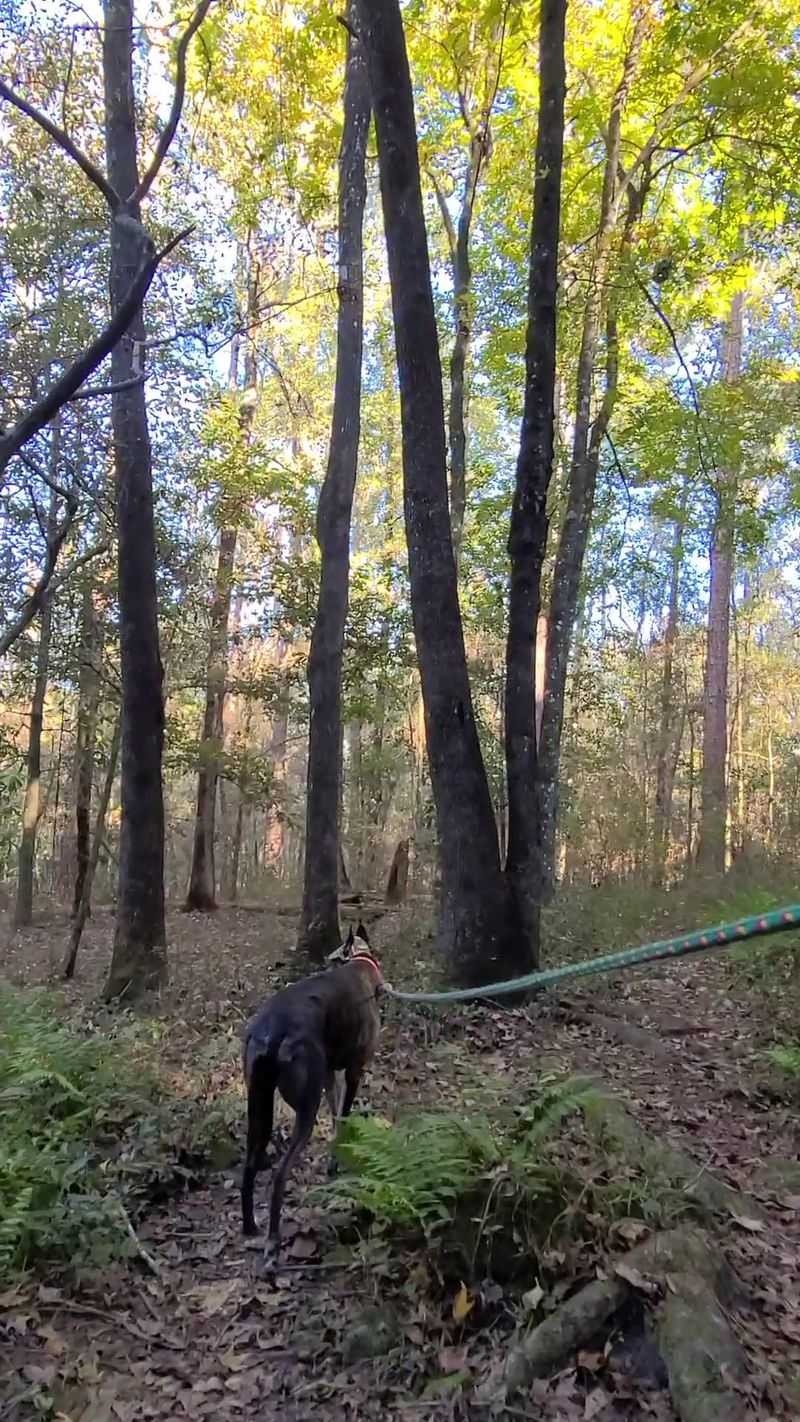
After navigating the initial confusion at the trailhead, the path opens into a peaceful forest road segment that runs alongside gorgeous farmland. I found this stretch surprisingly meditative, with the contrast between wild woodland on one side and cultivated fields on the other creating a visual rhythm that made the walk feel effortless.
This section serves as a gentle warm-up before the trail gets more technical near the sinkhole. The relatively flat terrain gives you time to settle into your hiking pace and appreciate the biodiversity of the Withlacoochee State Forest without worrying about tricky footing.
Wildlife sightings happen regularly along this corridor, and I’ve heard reports of bobcats and deer making appearances when hikers move quietly. The open sightlines toward the farmland increase your chances of spotting animals that might otherwise remain hidden in denser forest.
Eventually, this forest road intersects with the Florida Trail, where you’ll need to make a decision. Turning left takes you toward Lizzie Hart Sink, while heading right leads to Brush Sink and loops back to Stage Coach Trail, giving experienced hikers options for extending their adventure.
Rocky Technical Terrain
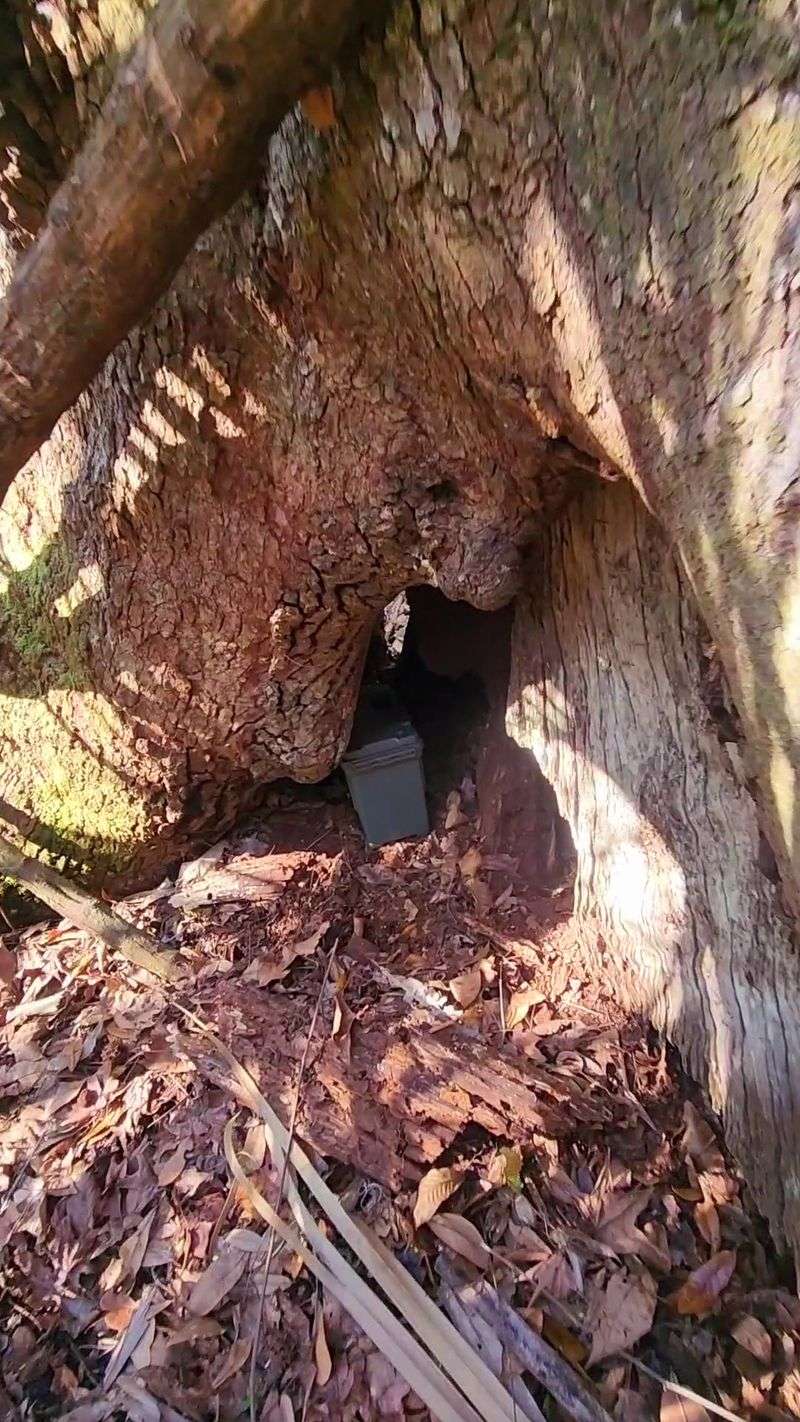
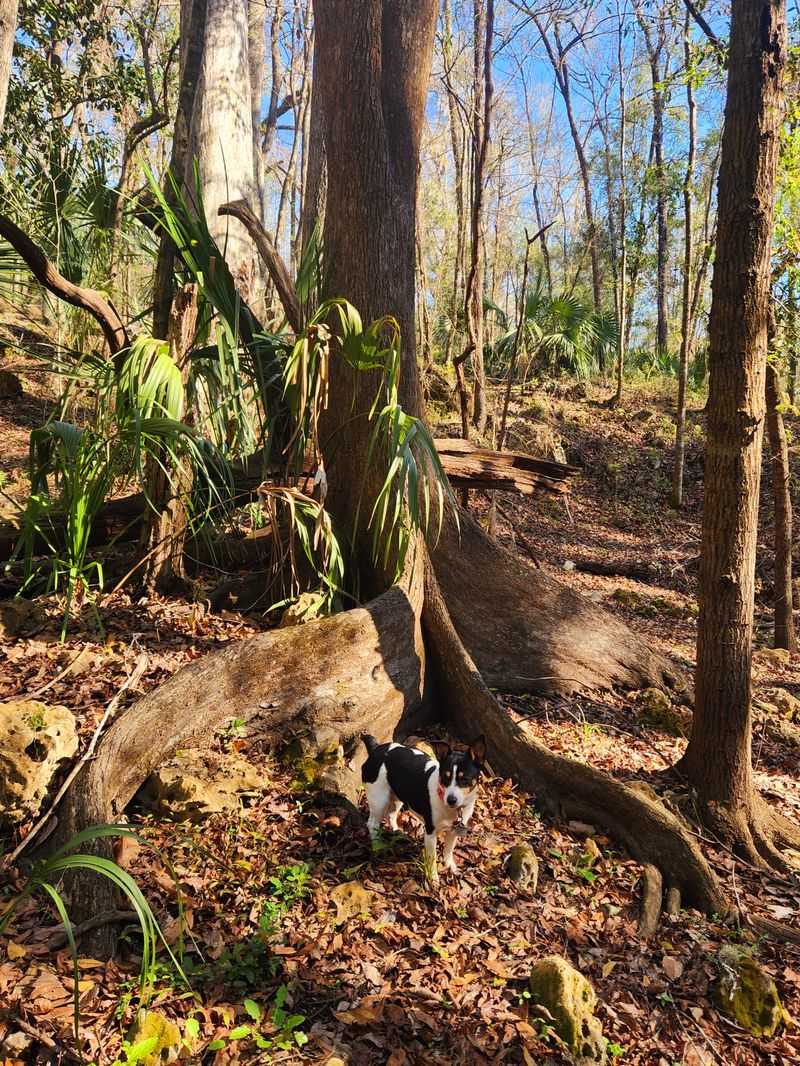
Once you commit to the left turn onto the Florida Trail section, the character of your hike transforms completely. Smooth forest road gives way to challenging terrain filled with limestone outcroppings, exposed tree roots, and rocky surfaces that demand your full attention with every step.
I learned quickly that this isn’t the kind of trail where you can zone out and let your feet find their own way. Trip hazards appear constantly, requiring you to balance careful foot placement with forward momentum, especially if the trail is damp from recent rain.
The rocky nature of this section reveals Florida’s karst topography, where limestone bedrock sits close to the surface and creates the geological conditions for sinkholes and caves. These aren’t obstacles that trail designers added for difficulty but rather the authentic landscape shaped by millions of years of water dissolving soluble rock.
Proper footwear becomes essential on this segment, and I recommend hiking boots with good ankle support and aggressive tread. The uneven surfaces can twist ankles or cause slips if you’re wearing casual sneakers, so come prepared for legitimate backcountry conditions despite being in Florida.
The Dramatic Sinkhole
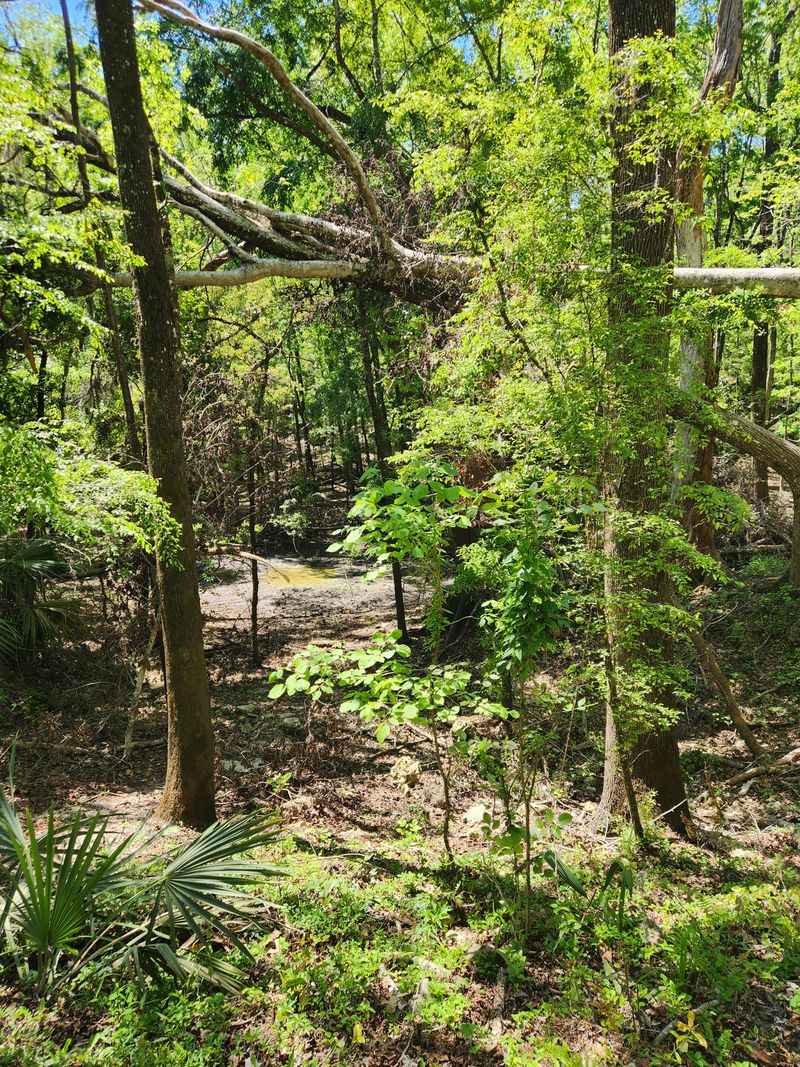
Lizzie Hart Sink announces itself suddenly as the trail leads you to the edge of a genuine geological wonder. Standing at the rim, I felt that familiar vertigo that comes from realizing solid ground can simply disappear into a deep depression carved by water over countless years.
The sinkhole’s appearance changes dramatically with the seasons, and during dry periods the water level drops significantly or disappears entirely. I visited during a drier spell and found myself looking down at exposed limestone walls and the basin floor, which revealed the sinkhole’s impressive depth and structure.
When the rainy season arrives, water fills the depression and transforms it into a small pond that attracts different wildlife and creates a completely different visual experience. This seasonal variation means that repeat visits offer fresh perspectives on the same natural feature.
The limestone walls surrounding the sinkhole display layers and textures that tell the story of how water slowly dissolved the rock from below until the surface collapsed. These aren’t smooth walls but rather irregular surfaces with pockets, ledges, and vegetation clinging to whatever purchase they can find, creating a miniature ecosystem within the larger forest.
The Peaceful Solitude
What struck me most about this hike wasn’t just the geological features, impressive as they are, but the remarkable quiet that settles over the entire experience almost immediately. From the moment you step past the obscured trailhead, it feels as though the outside world has been gently shut off.
The hidden entrance naturally filters out casual visitors, which means long stretches of the path often belong to you alone.
During my roughly 45-minute round trip, I encountered almost no other hikers, a rarity in Florida where even lesser-known trails can feel busy. The absence of people amplified every natural sound around me.
Birds called softly from the canopy above, leaves rustled as a breeze moved through the trees, and my own footsteps crunched rhythmically against limestone and gravel underfoot.
This kind of tranquility allows for genuine mental reset. Without the constant background noise of crowds, traffic, or conversation, your thoughts slow down and settle.
You become more aware of your surroundings and of yourself. Wildlife seems to notice the quiet too, behaving more naturally and less hurried, as if reassured by the lack of human disturbance.
The peaceful atmosphere makes this trail especially well-suited for solo hikers seeking contemplative time in nature or small groups who value meaningful conversation without interruption. I found myself walking more slowly than usual, not because the trail demanded it, but because the calm invited me to linger, observe, and fully absorb an experience that felt rare, grounding, and quietly restorative.
Planning Your Visit
Timing your visit to Lizzie Hart Sink makes a significant difference in what you’ll experience on the trail, both in terms of comfort and overall enjoyment. The best time to go is during the cooler months between October and April, when temperatures remain moderate and Florida’s humidity is far less oppressive.
These conditions make the physical effort of navigating rocky limestone terrain much more pleasant and reduce the risk of heat-related fatigue.
During warmer months, especially in summer, the trail can feel far more demanding. Heat, humidity, and insects all increase, and the exposed rocky sections offer little relief from the sun.
If you do choose to hike during hotter periods, aim for early morning hours when temperatures are lower and wildlife activity is higher.
Bringing more water than you think you’ll need is essential, as there are no reliable water sources along the route. Even though the loop is relatively short, the uneven footing and technical sections can be surprisingly energy-intensive.
I carried at least one liter of water and was grateful for it after carefully working through the rougher terrain near the sinkhole.
No permits or entrance fees are required to hike this trail, which makes it easily accessible, but preparation is still important. Cell service can be inconsistent, so it’s wise to let someone know your hiking plans before heading out.
Wearing sturdy footwear with good traction is highly recommended, and long pants can help protect against brush and insects.
Before setting out, check recent trail conditions, as seasonal flooding, fallen trees, or overgrown vegetation can temporarily alter the route. Yellow paint blazes on trees serve as your primary navigation guide, so keep an eye out for them if the trail becomes unclear.
With a bit of planning, this hike rewards visitors with a uniquely rugged and memorable Florida experience.