
This Stunning 550-Mile Illinois Drive Is Packed With Hidden Gems
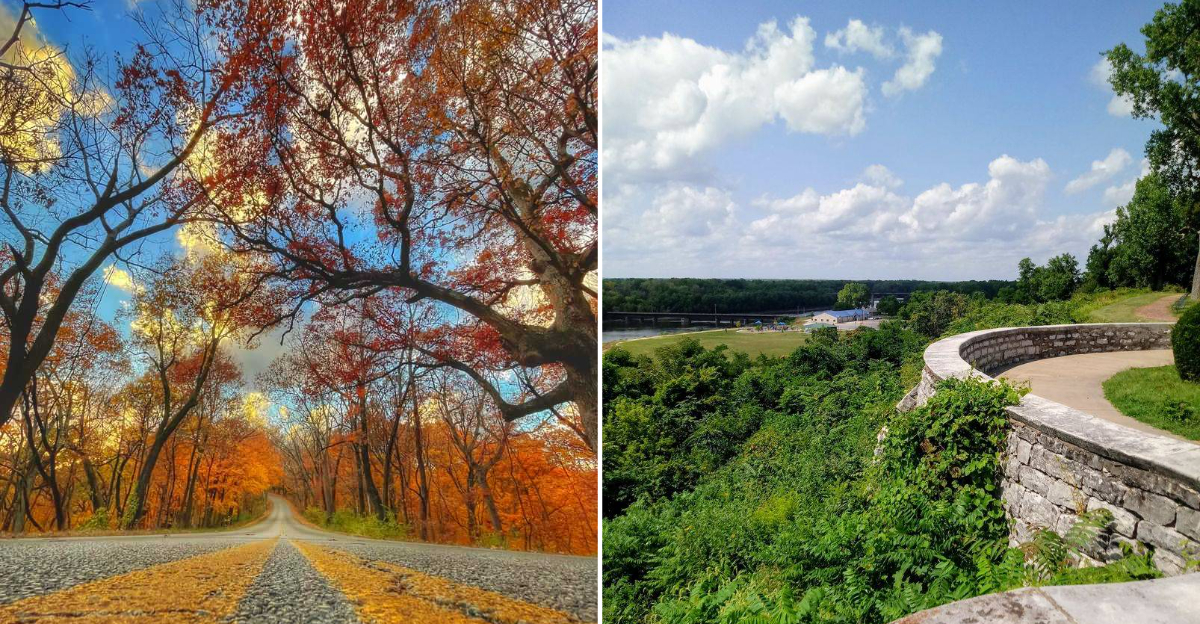
I still remember the first time someone told me about the Great River Road stretching along the Mississippi through Illinois, and I thought it sounded like one of those drives you save for someday.
Someday arrived when I finally pointed my car north from the confluence near Alton, ready to chase 550 miles of river bends, limestone bluffs, and small-town storefronts that still sell penny candy.
The Great River Road in Illinois follows the Mississippi’s eastern bank through a corridor where bald eagles hunt in winter, historic river towns cling to their 19th-century charm, and every scenic overlook seems to whisper a different chapter of American river life.
What I found along those 550 miles surprised me in the best way, because this route refuses to be just another highway, it’s a living museum, a nature preserve, and a time capsule rolled into one long, winding ribbon of asphalt.
Cairo: Where Two Rivers Meet And Stories Begin
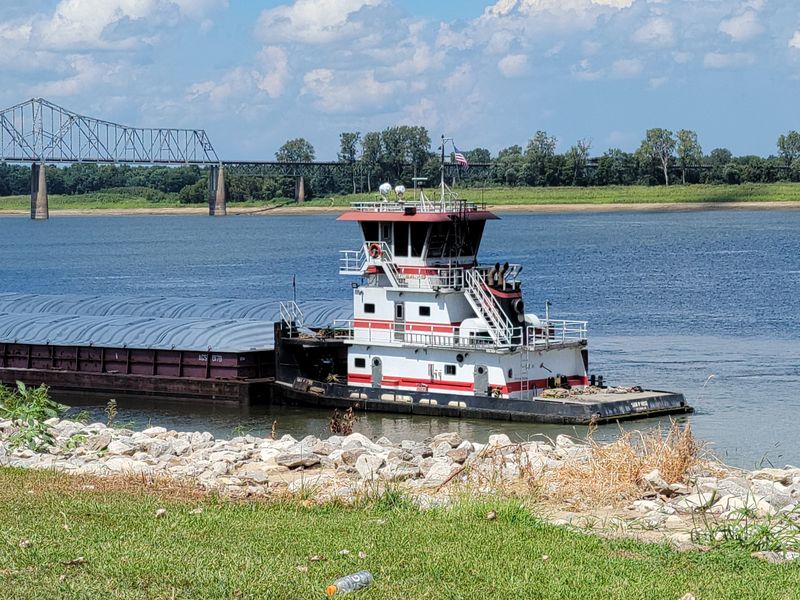
You start at Cairo, Illinois, where the Mississippi meets the Ohio like two stubborn giants shaking hands. The levee hums with wind, gulls skim the water, and the air smells faintly of silt and sweet river weeds.
Look around and you will feel the bones of a boomtown, brick facades with weathered arches and ghost signs whispering about cotton, lumber, and steamboats that once docked here.
The small Cairo Custom House Museum usually keeps modest hours and a suggested donation, so check ahead and bring a few dollars. Parking is easy near the levee park, and the ground is mostly flat if you need a gentle stroll.
Take a minute to climb the overlook and watch those two waters braid together, green shading into brown.
The meeting of rivers hits like a drumbeat. You might not find crowds, but you will find scale and silence, and that is the hook.
Grab coffee from a local spot, fuel up, and set your odometer to zero, because the Great River Road begins to unwind north, tugging you toward towns with porches, eagle nests, and a long ribbon of asphalt hugging the current.
Fort Kaskaskia And The Echo Of Early Illinois
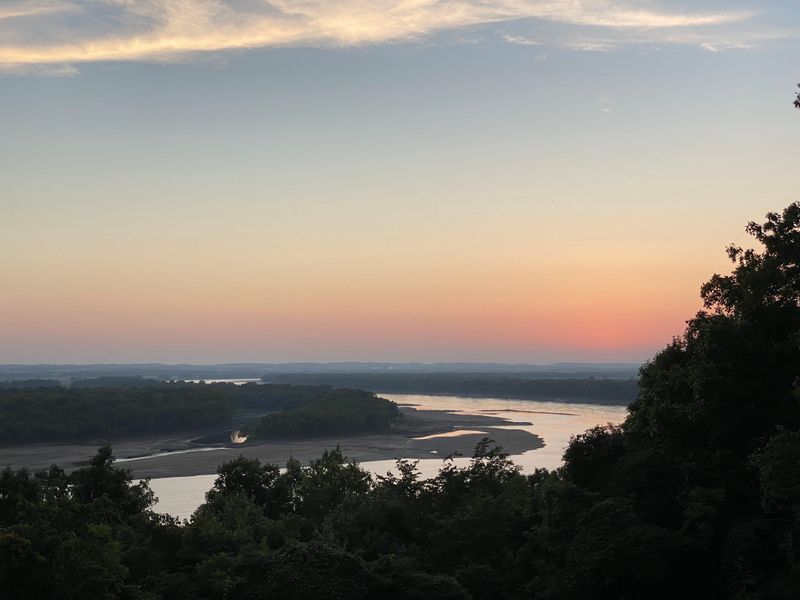
Climb the bluffs at Fort Kaskaskia and your breath catches before the history does. Grass rolls over low earthen walls where French settlers once kept watch, and the river spreads like hammered silver below.
You hear birds, distant barges, and the light tap of leaves, all while reading placards that keep the past right at your elbow.
The park is free, typically open dawn to dusk, with bathrooms near the parking lot and picnic tables that become perfect riverfront desks for maps and snacks. Trails are short and gentle, though roots and slopes can challenge wheels after rain.
Bring water and shoes that do not mind a little mud.
Across the way, the ghost of old Kaskaskia still lingers in stories about floods and shifting channels. It is a reminder that the Mississippi edits its shoreline freely, and the original town of Kaskaskia has long since been swallowed by the river.
Stand at the overlook, let the wind thread your hair, and imagine the lanterns, the accents, the wood smoke, and the bells. Then steer back to the highway, minding slow curves.
The road north feels timeless, with barns flashing by and the river offering glints like nods of encouragement.
Chester’s Bluffs And A Whiff Of Comics
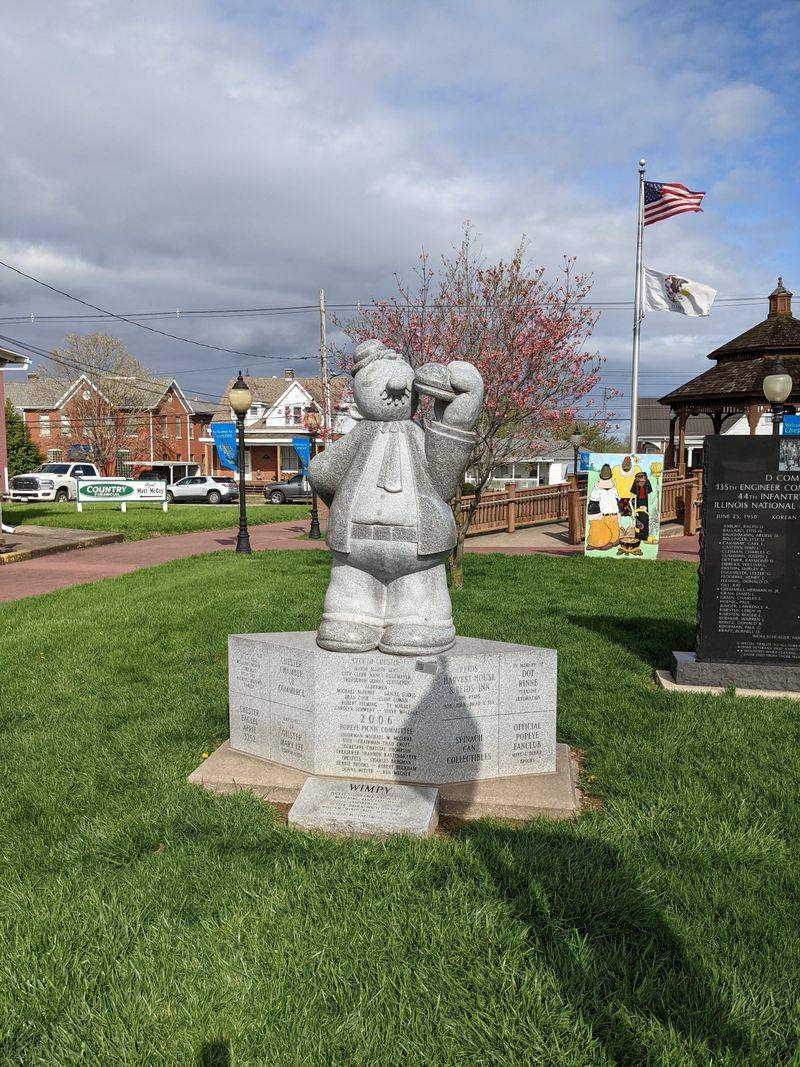
Chester sits on the bluffs with a grin, proud home of Popeye and a river view that goes on forever. A bronze sailor man flexes in a plaza downtown while barges shuffle past like patient elephants.
You can wander murals and character statues scattered through town, a scavenger hunt that turns sidewalks into panels.
Parking is free near the visitor center, and sidewalks are mostly accessible, though some slopes rise up toward the courthouse square. Shops keep typical small town hours, so weekdays are best if you want open doors and conversation.
Grab a diner breakfast, then walk to the bridge overlook where limestone bluffs strike a strong profile against the sky.
There is real charm in the mix of grit and cartoon whimsy. Kids spot Wimpy before adults do, and you might, too, once you look up from the river’s glare.
The Great River Road keeps your right shoulder pressed to blue water and your left to green hills, and it feels good. Keep moving with the windows down.
The air smells like corn dust and fuel, a reminder that work and play share the same view here.
Ste. Genevieve Ferry: A Slow Crossing To Another Time
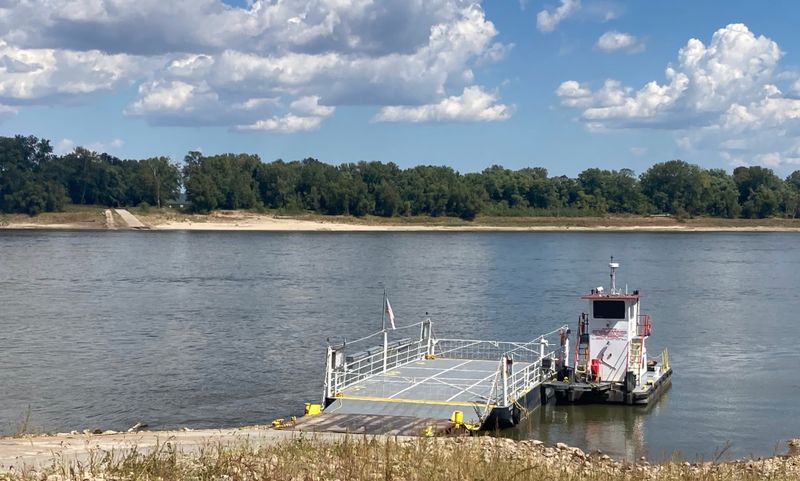
At Modoc, the Ste. Genevieve Ferry gives you a floating pause button.
You drive aboard, cut the engine, and feel the river lift you while Missouri slides closer. The wind smells mineral and cool, and the deck rattles just enough to remind you this crossing is a handshake between two old neighbors.
The ferry usually runs daily, but its operation is dependent on weather and river levels. Expect a per-vehicle fare, cash preferred, and it’s a good idea to check the current hours online before you point your hood toward the ramp.
The approach is straightforward, parking is tight but manageable, and staff wave you into place with practiced signals.
You could skip the ferry and stick to Illinois asphalt, but the crossing adds texture to the story. Back on the Illinois bank, you feel the pace of things again, slower, steadier, as fields open and bluffs rise.
It is a small detour that pays out in perspective. The river is not a line to cross quickly here, it is a place to be.
When you roll off the deck, the Great River Road picks you up, and the next curve shows up like a friendly nudge.
The Pere Marquette Cliffs And Eagle Airshows
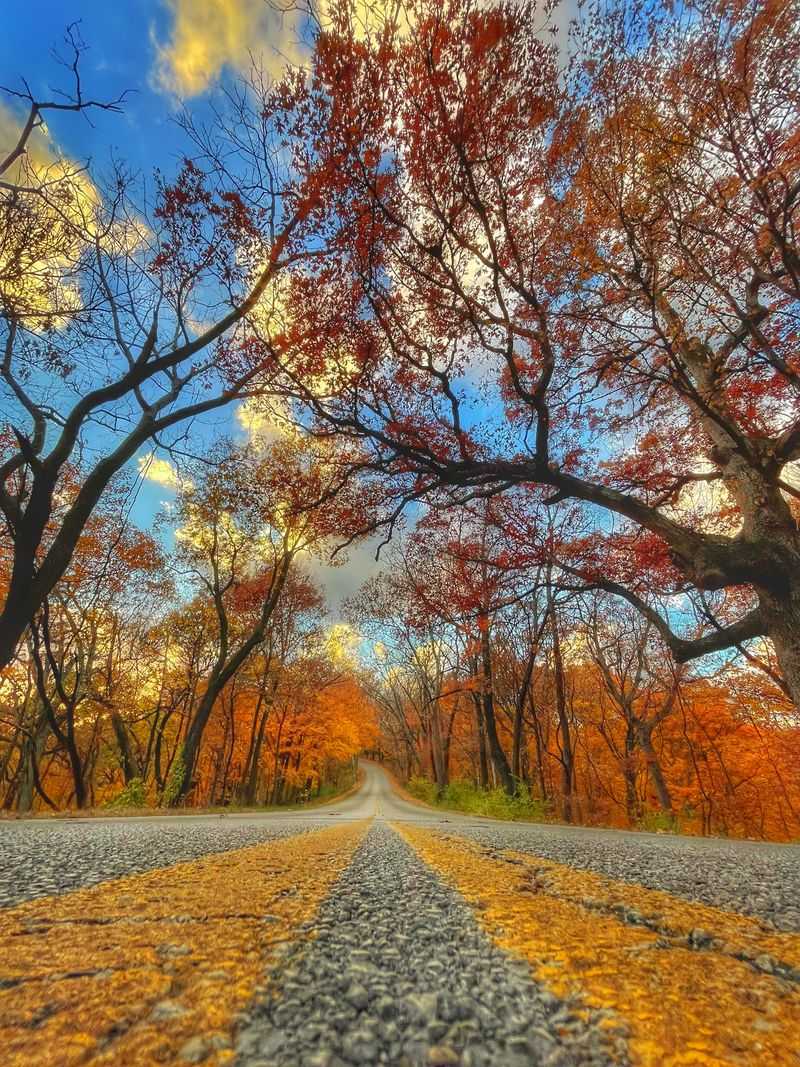
Pere Marquette State Park stands tall where the Illinois River meets the Mississippi, and the bluffs feel like a grandstand for eagles. In winter, you can watch them arc on cold thermals while ice freckles the water.
In summer, the trails smell like warm pine and dust, and the lodge serves comfort food that hits right after a hike.
Trails range from easy boardwalks to steep climbs with roots and rock steps. The park is free to enter, with the visitor center typically open daily for maps and displays.
Parking fills on sunny weekends, so arrive early or later in the afternoon, and expect seasonal hours at the lodge and restaurant.
Grafton sits next door with wineries, a zipline, and a main street that loves a good Saturday. It can get lively, so plan a quieter visit midweek if you prefer to hear the river breathe.
In winter, bundle up, bring binoculars, and keep your eyes on the bare treetops. You might spot a white crown hovering over the water like punctuation.
Then aim the car north, where the highway skims the foot of cliffs and the sky looks sufficiently large.
Alton’s Bridges, Brick, And A Riverfront With Stories
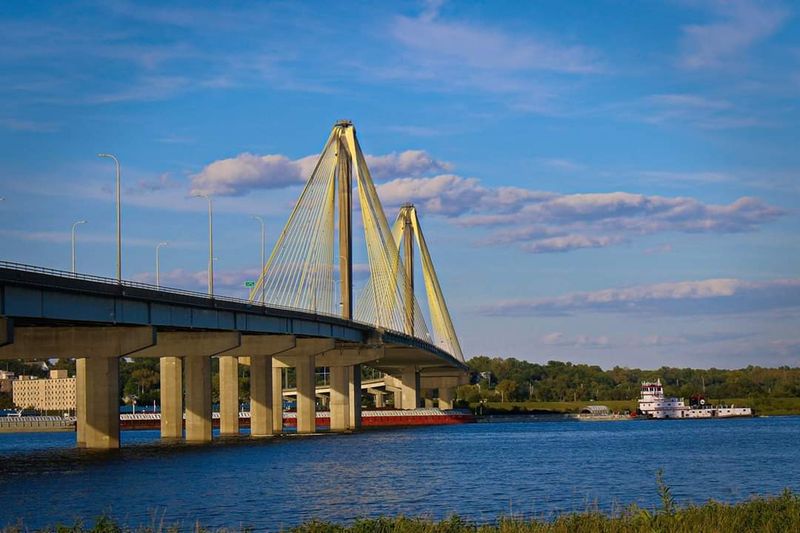
Alton’s skyline is a bridge in a golden cape at sunset, cables lit like strings on a harp. You can walk the riverfront path, sniffing the mix of water and fryer oil from nearby patios, while trains rumble behind brick warehouses.
History stacks high here, from Lincoln-Douglas debates to tales of a giant named Robert Wadlow whose gentle smile beams from a statue.
Street parking is easy near downtown shops and the amphitheater, with accessible ramps along the promenade. The Alton Museum of History and Art keeps modest hours and small-ticket prices, so check the schedule if you want exhibits.
Coffee shops keep early hours, and the farmer’s market colors Saturday mornings with flowers and tomatoes.
Cross the Clark Bridge for a scenic loop, then come back to watch barges nose under its arch. If you visit in winter, dress for river wind that sneaks through every seam.
In summer, shade matters, and evening brings a breeze that tastes like relief. Alton feels built for lingering.
Then the Great River Road hurries you along limestone walls that glow in the afternoon and towns that appear like postcards, all the way toward the next bend.
Elsah: A Village Paused In Time
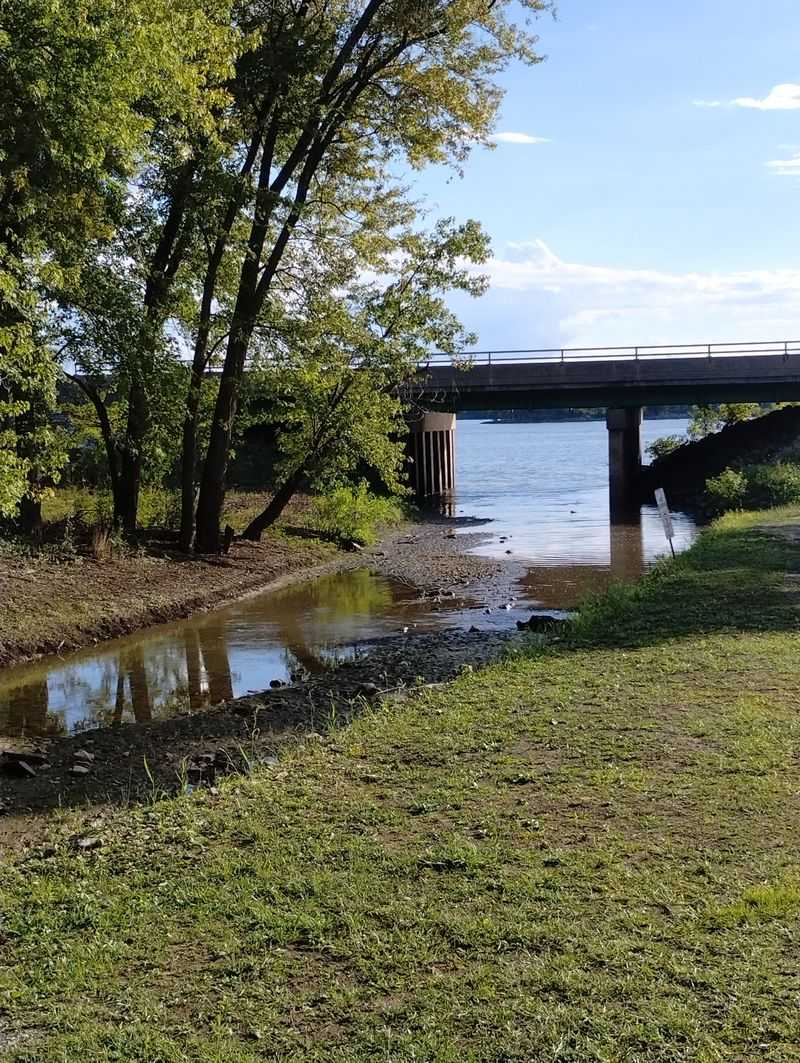
Elsah slips into view like a secret, stone cottages tucked under trees and narrow streets that make you slow down without being told. Porches wear ferns, and cats stretch in patches of sun, as if the clock stopped around 1850 and everyone agreed not to mention it.
The village is small, easily walked, and framed by bluffs that turn gold in evening light.
Parking lines the edge of town near the civic buildings, and the sidewalks are old but navigable with care. A few galleries and inns keep gentle hours, so peek at posted signs or call ahead.
This is a place for quiet voices and easy steps, not schedules. You will hear your own footsteps echo off limestone.
Walk toward the river and watch the road hug the base of the bluffs, a ribbon pressed between stone and water. The air smells green after rain, like moss and wet leaves.
Take your time, then return to the car, windows down. The Great River Road moves you toward tiny produce stands and overlook pullouts where barges inch along below.
It feels like reading a slow book you never want to finish.
Quincy: Towers, Music, And A Riverwide Stage
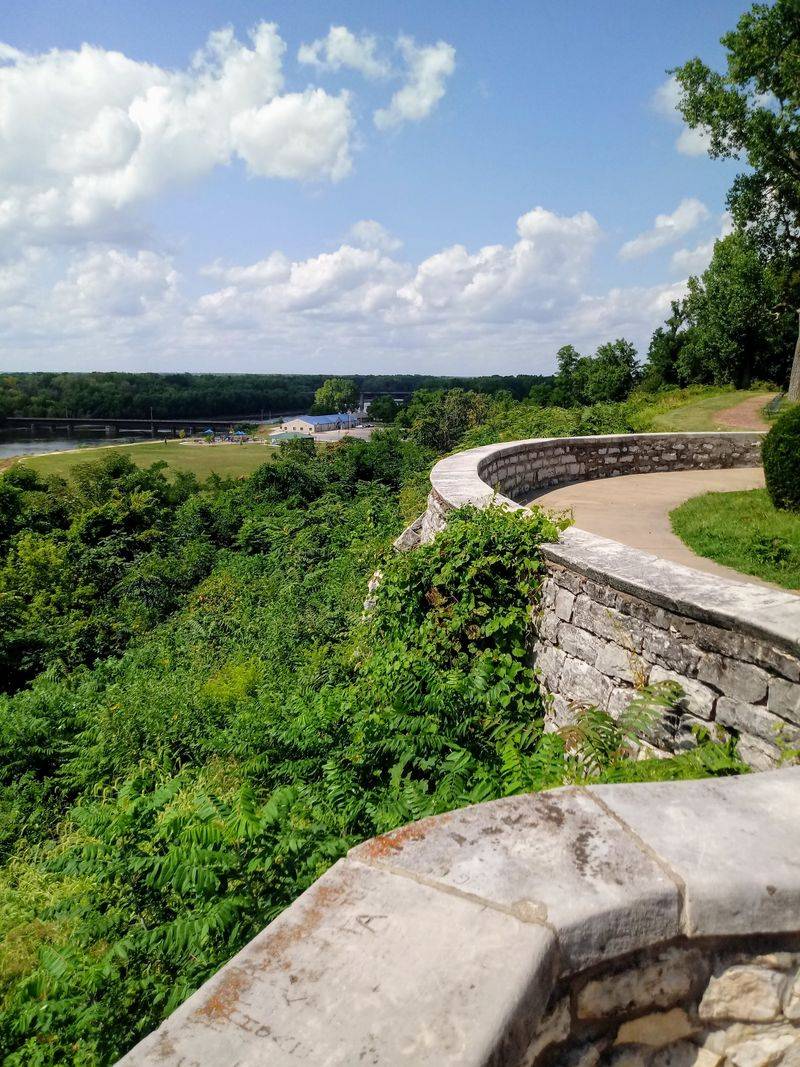
Quincy greets you with towers and turrets, a skyline stitched with steeples and a river that reflects it all like a mirror. Drive the East End Historic District and count porches, stained glass, and grand staircases that seem to wink from behind trees.
Downtown, live music floats from patios while the riverfront park sets up as a big open stage.
Museums and historic sites keep varied hours, usually afternoons with a modest admission. Parking is plentiful on side streets, and sidewalks are broad and mostly accessible.
If you want a quieter visit, try weekday mornings when the neighborhoods feel like galleries without velvet ropes. Coffee is strong and frequent.
Stand near the bridge at sunset and let the color soak the water, then turn back through brick alleys that carry the day’s heat. Quincy feels confident and neighborly, and the Great River Road likes that energy.
You will, too, especially after a long drive when you need a walk and a soundtrack. Fuel up, check your odometer, and aim north.
The road drops to river level and the sky opens, prairie wide, the kind that lets your thoughts stretch out and breathe.
Nauvoo’s Riverbend And Living History
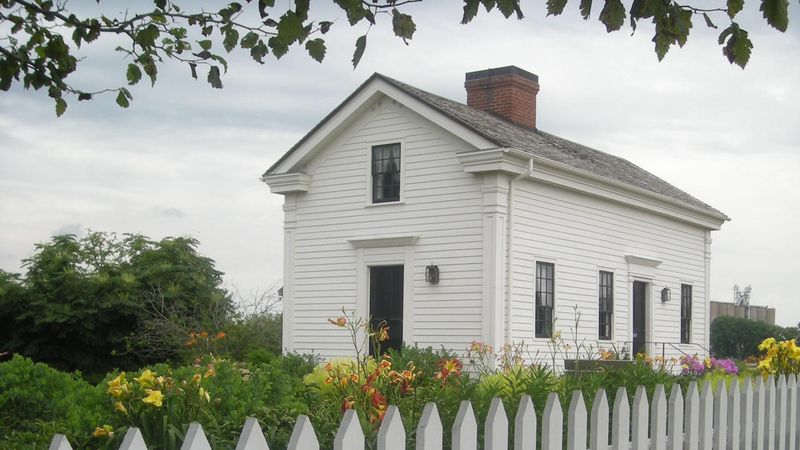
Nauvoo curves along the river like it was planned around sunsets. Brick workshops and tidy yards tell stories of a nineteenth century community that built, baked, and believed with fierce focus.
Interpreters in period dress spin wool, fire kilns, and toss friendly facts your way without sounding stiff.
Many historic homes are free to tour with limited hours, and some activities require a simple ticket, often at low or no cost. Parking is easy near the visitor center, with accessible paths to several buildings, though uneven bricks can trip wheels.
The Nauvoo Temple watches from the hill, white and serene, a landmark you can spot from the river road.
Keep an eye on event calendars for music on the lawn or evening pageants in peak season. The river breeze picks up late, so bring a layer if you plan to linger.
Nauvoo is gentle and surprisingly lively, a place that rewards curiosity. Then, as the light softens, slip back into the car.
The Great River Road threads past orchards and open water views, carrying you toward islands, eagles, and those silvery miles that look like a promise kept.
Savanna And The Mississippi Palisades Lookouts
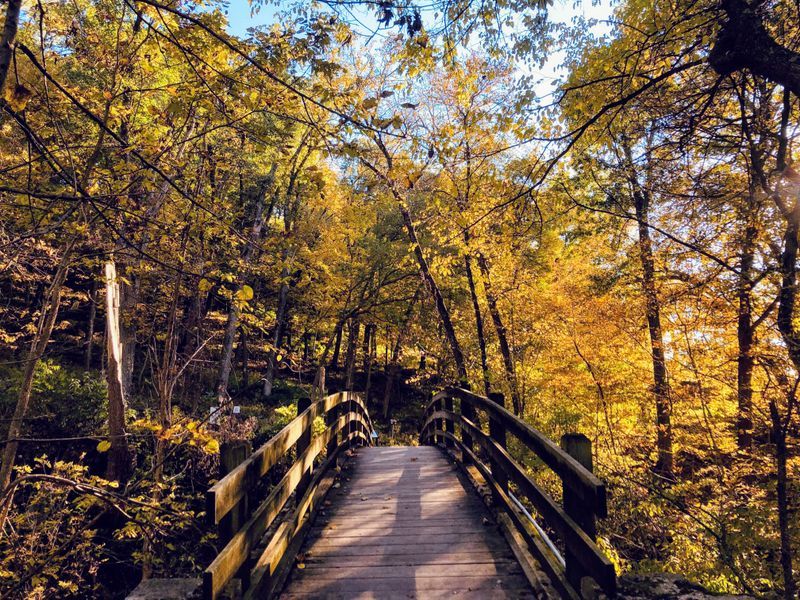
The bluffs at Mississippi Palisades State Park throw your sense of scale out the window. From high overlooks, the river becomes an armful of blue silk laid into green folds of forest.
Rock outcrops look like old fortresses, and turkey vultures tilt along the edges like kites testing the wind.
Trails range from flat overlooks with railings to scrambles over roots and stones, so pick your level and your shoes accordingly. The park is open dawn to dusk, free to enter, and parking lots sit near trailheads with basic bathrooms.
After heavy rain, the limestone sweats and gets slick, so take it slow and mind your footing.
Back in Savanna, motorcycles thrum along Main Street, and the riverfront fills with lawn chairs when the weather smiles. You can find ice cream, bait, and stories in the same block.
Wait for sunset on a high perch and the whole scene goes cinematic. Then you drop back to the Great River Road, headlights brushing the bluff wall, river glinting through trees, and the sound of gears from a barge working upriver like a steady heartbeat.
Galena: Hills, History, And A Storybook Finish
Galena feels like the grand finale of your journey. As you approach, the town rises steeply, with charming brick buildings stacked up the hills, each one adorned with iron balconies and intricate details that make you feel like you’ve stepped into a storybook.
Main Street, curving along the river, is lined with boutique shops that greet you with the smell of freshly brewed coffee, leather, and homemade caramel.
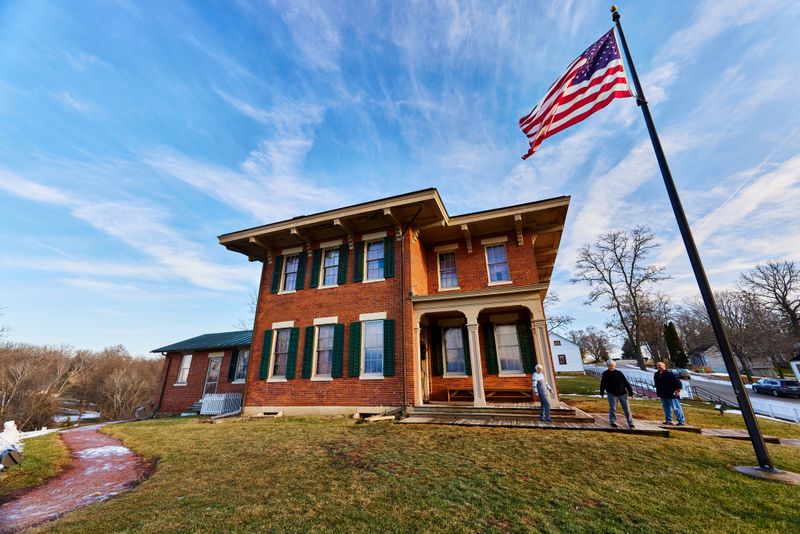
Take a walk up to the Ulysses S. Grant Home, perched on a hill.
It’s a quiet house with a peaceful vibe, offering a glimpse into the life of a president before he became famous, a simple reminder of Galena’s rich history.
The town is filled with museums and historic houses, many open for tours most days. They’re affordable, with tickets that won’t break the bank, making it easy to explore.
Galena’s streets may be steep, but they invite a slower pace. Early mornings or late afternoons are the best times to visit if you want to enjoy the town at a quieter moment, when the crowds thin out and you can really take in the views.
There’s something special about how Galena balances its historic charm with a lively energy. It’s the perfect place to wind down after a long road trip, find a cozy patio, grab a drink, and watch the world go by.