
This 60-Acre Florida Sanctuary Lets You Hand-Feed Flamingos And Feels Like A Hidden Paradise
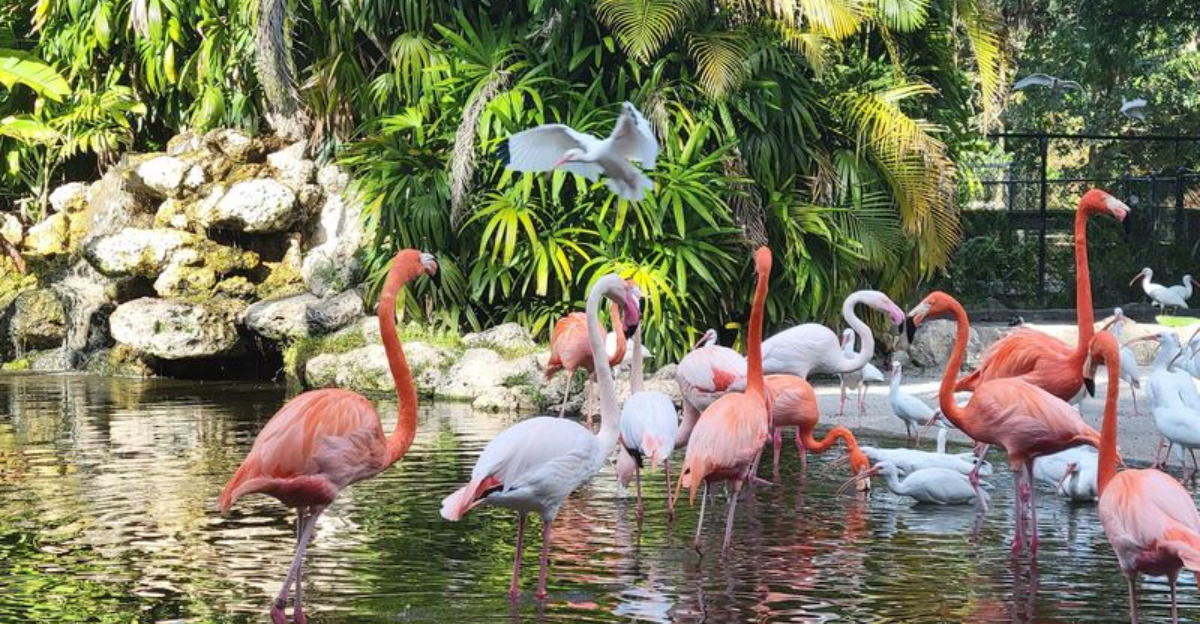
It is hard to believe a place this peaceful exists in the middle of South Florida. One minute, you are surrounded by busy roads and everyday traffic.
The next, you are wandering beneath towering tropical trees while flamingos wade through quiet ponds and peacocks stroll past as if they own the place.
That is the magic of Flamingo Gardens. It is far more than a botanical garden and far more than a wildlife sanctuary.
Here, rescued animals, exotic plants, and Old Florida charm come together to create an experience that feels wonderfully removed from the outside world.
Around every corner, there is something unexpected. A black bear lounging in the shade.
Bobcats watching from their habitat. A chance to hand-feed flamingos just a few feet away.
It is the kind of place that makes hours disappear without you even noticing.
If you are looking for one of Florida’s most memorable hidden escapes, this is a destination that deserves far more attention than it gets.
A 60-Acre Sanctuary That Feels Worlds Away From The City
Standing at the entrance of Flamingo Gardens, I was immediately struck by how quickly the outside world disappeared behind a curtain of towering tropical trees and dense vegetation.
The property stretches across a full 60 acres, and every inch of it feels intentional, from the carefully maintained walking paths to the naturally shaded corridors that keep the Florida heat just barely manageable.
Most people driving along Flamingo Road have no idea this sanctuary exists, and that sense of quiet discovery is part of what makes arriving here feel so rewarding.
The grounds hold a mix of botanical gardens, wildlife habitats, and open spaces that flow naturally into one another, so you never feel like you are moving between separate attractions.
You will find Flamingo Gardens at 3750 S Flamingo Rd, Davie, FL 33330. Visiting on a weekday, I counted more butterflies than fellow guests for a good stretch of my walk, and honestly, that ratio felt just about perfect.
Hand-Feeding Flamingos Is Exactly As Magical As It Sounds
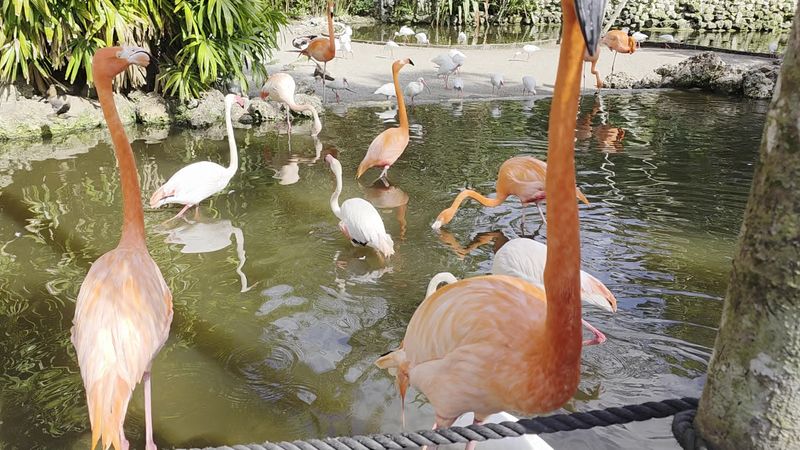
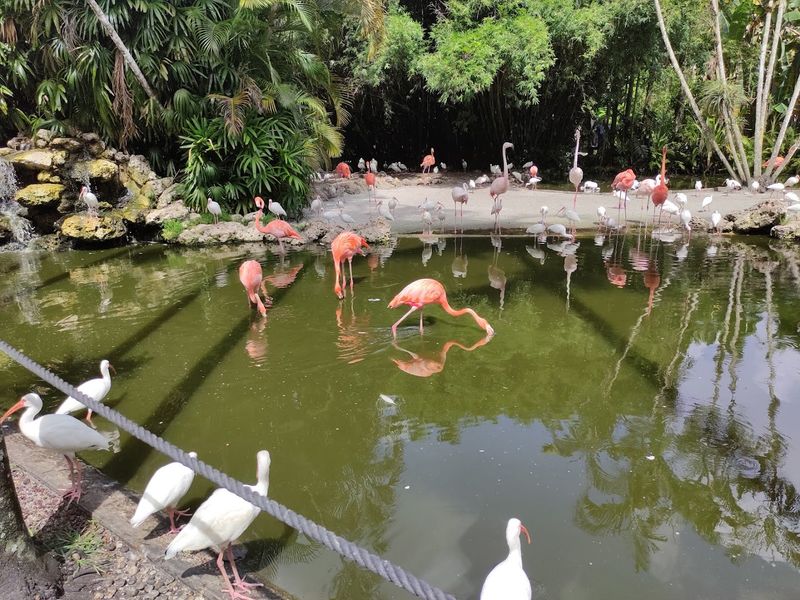
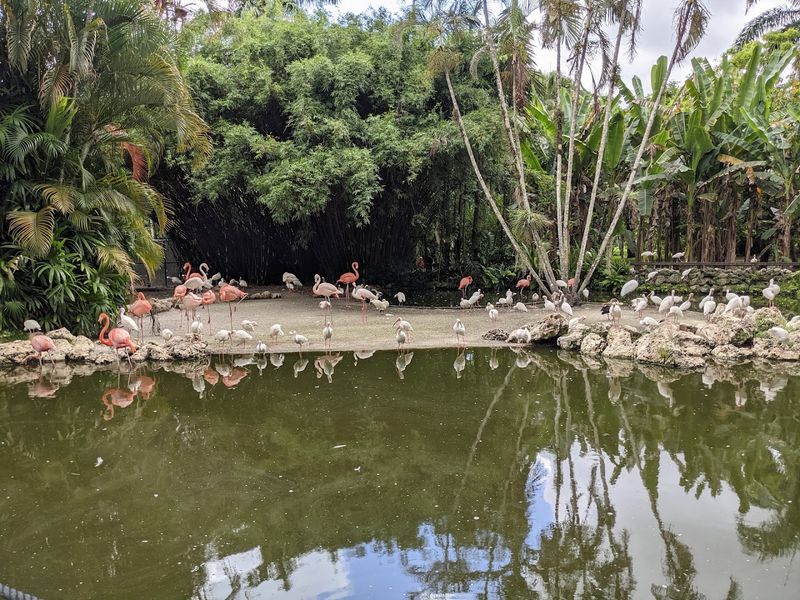
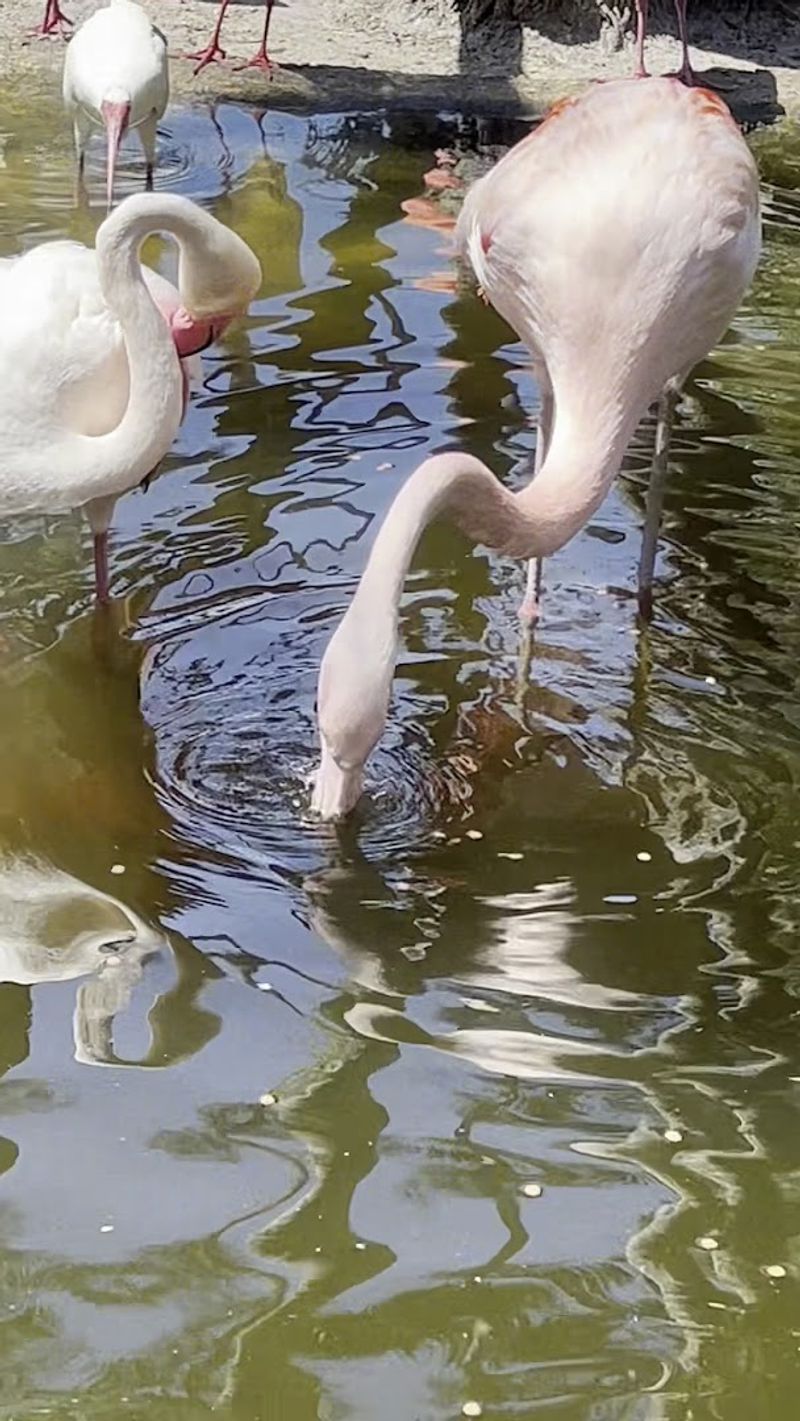
For about one dollar per bag, you can purchase feed at the entrance and walk straight up to the flamingo pond, where a crowd of brilliantly pink birds will crane their long necks toward your outstretched hand without a moment of hesitation.
The first time a flamingo dipped its curved beak into my palm, I genuinely forgot to take a photo because the moment was so unexpectedly personal.
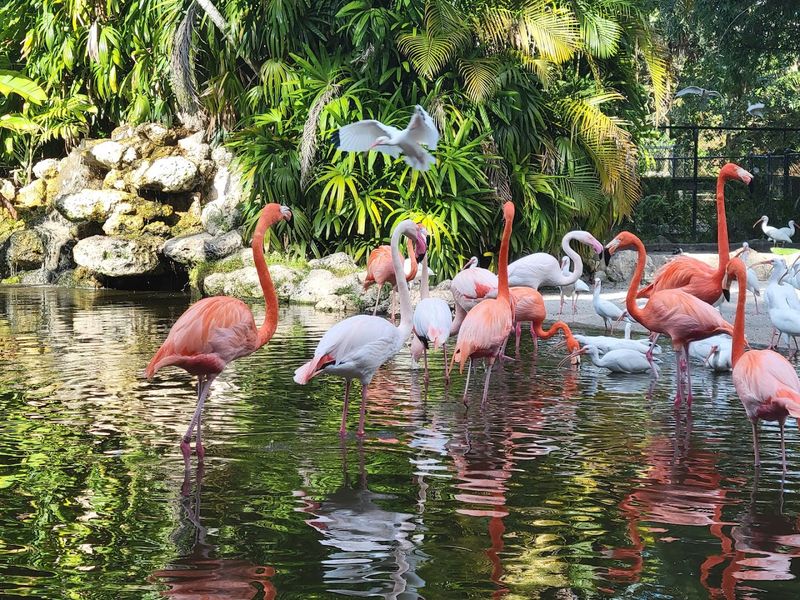
These are not birds performing behind glass or separated by a fence; they are standing right beside you in the open, their feathers catching the Florida sunlight in shades that range from pale blush to deep coral.
Ibis and Muscovy ducks often join the scene, making the feeding area feel like a lively, feathered social gathering that no one planned but everyone enjoys.
Staff members are nearby to guide first-timers, and their enthusiasm for the animals makes the whole experience feel less like a tourist activity and more like a genuine introduction to the birds they clearly adore.
The Rescue And Rehabilitation Story Behind Every Animal
Every animal at Flamingo Gardens carries a story, and learning those stories transforms a pleasant garden walk into something that feels genuinely meaningful.
The sanctuary operates as a nonprofit organization, and every creature living here arrived because it could not survive in the wild, whether due to injury, human interference, or being raised in captivity without the skills needed for release.
During one of the daily educational presentations, a staff member explained that all animal care workers are required to ensure every animal is fed and properly cared for before the end of each shift, no matter how long that takes.
That level of commitment is not just a policy; it is a culture that you can feel throughout the entire property.
Bears, bobcats, alligators, and birds of prey all receive specialized care in facilities that are not fully visible to guests, though the results of that dedication are absolutely on display every single day you visit.
Free-Roaming Peacocks That Steal The Show
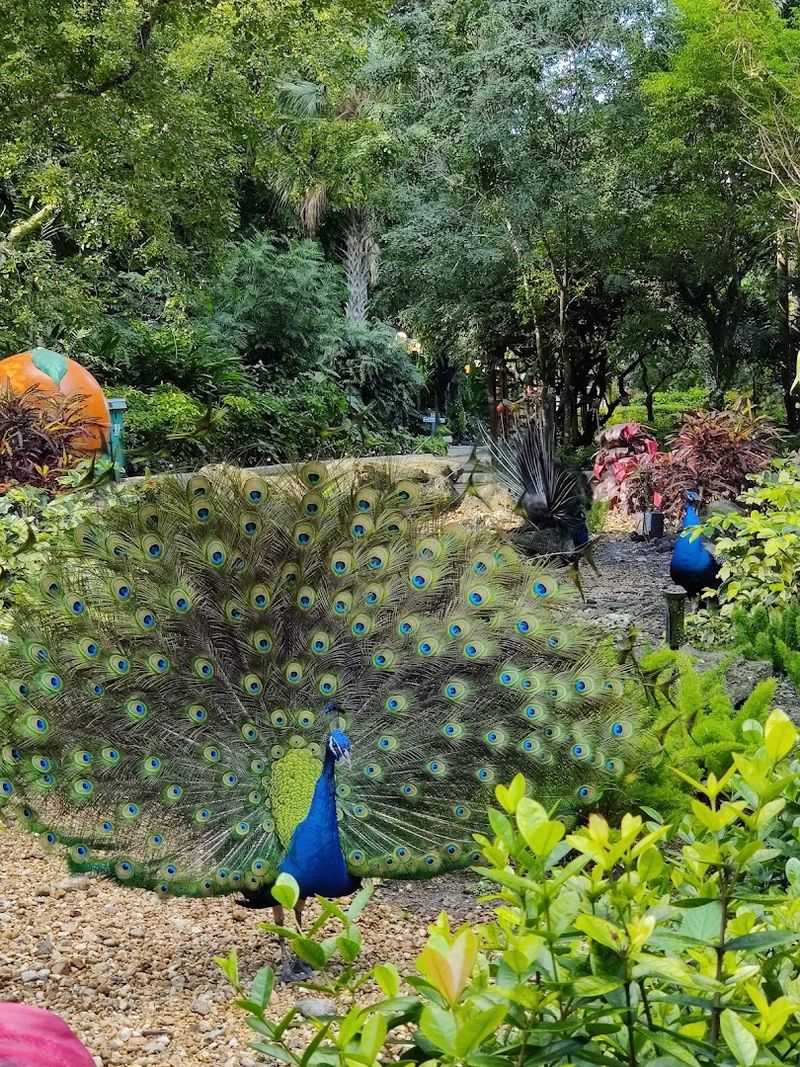
Nobody warned me about the peacocks, and I am genuinely grateful for that, because turning a corner on one of the shaded garden paths and coming face to face with a fully fanned peacock tail is the kind of surprise that makes you stop mid-step and just stare.
These birds wander the entire property without restriction, which means you might find one posing near the gift shop, strutting past the flamingo pond, or simply sitting in the middle of a walkway as if it owns the place, because in many ways, it does.
One reviewer noted that staff playfully warn guests not to feed the peacocks, because once you do, they will follow you around the entire park and announce your rule-breaking to everyone nearby.
The peacocks are not part of any scheduled show or feeding program; they are simply residents who happen to be extraordinarily photogenic and completely unbothered by human admirers.
Watching one slowly spread its feathers in full sunlight is the kind of unhurried, beautiful moment that Flamingo Gardens seems to specialize in delivering.
The Narrated Tram Tour Covers Ground You Would Otherwise Miss
Flamingo Gardens runs tram tours every thirty minutes throughout the day, and while some guests skip it in favor of walking, I would argue the tram is the single best decision you can make on a warm Florida afternoon.
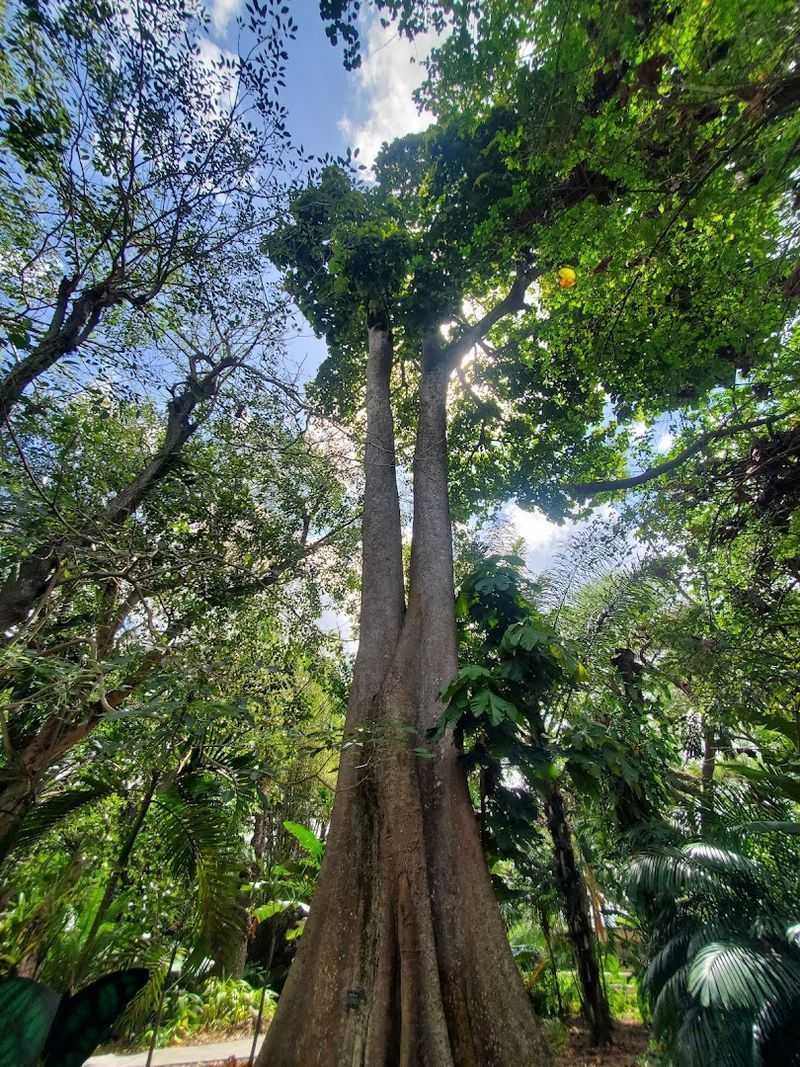
The narrated ride takes you through sections of the property that feel almost untouched, winding through heavy tree canopy and past habitats that are harder to reach on foot.
The guide I had was sharp, funny, and clearly passionate about the sanctuary’s mission, dropping facts about native plants and resident animals that I would never have picked up wandering on my own.
For guests with mobility challenges, the tram is not just convenient but genuinely important, since the full walking path covers considerable ground across varied terrain.
Even if you plan to walk the entire property, taking the tram first gives you a helpful overview of the layout, so you can prioritize which areas you want to spend the most time exploring on foot afterward.
Rare Plants and Botanical Wonders Around Every Corner
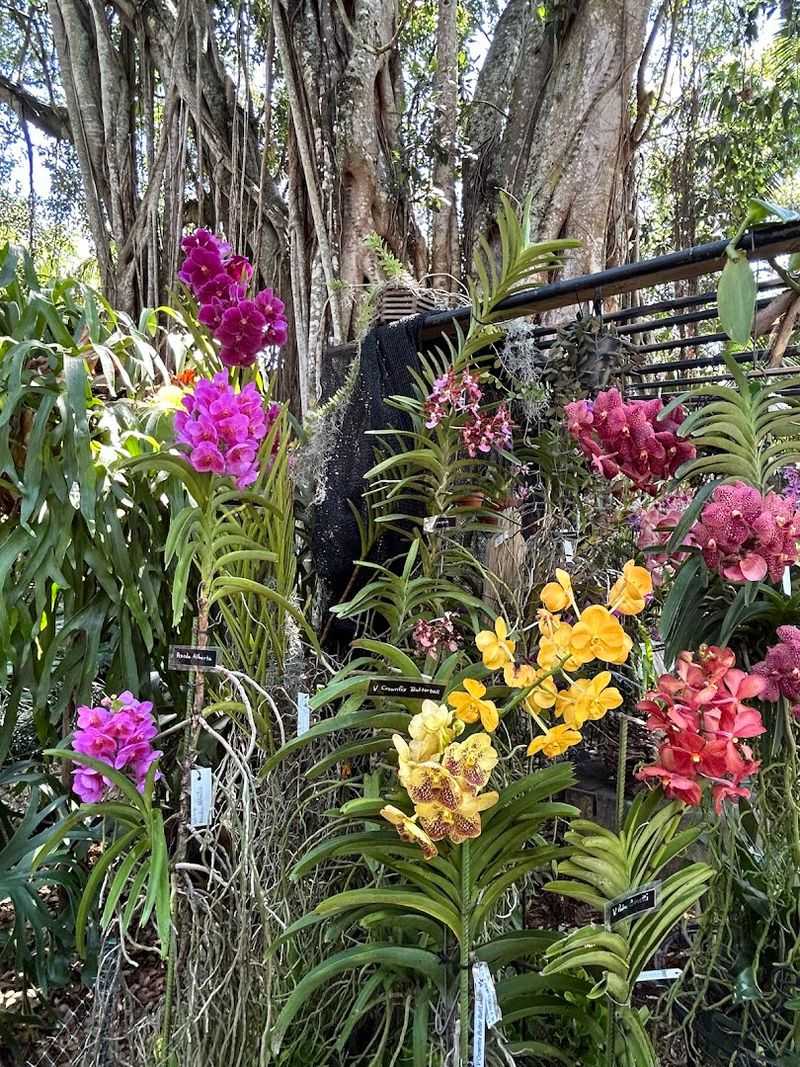
Plant lovers could spend an entire afternoon at Flamingo Gardens without ever looking up from the ground, because the botanical collection here is genuinely extraordinary and covers species from across the globe.
One reviewer specifically called out the rainbow eucalyptus as a must-see, and after spotting it myself, I completely understood why, since its peeling bark reveals layers of green, blue, purple, and orange that look less like a tree and more like a painting.
Tropical fruit trees, rare flowering plants, and towering specimens that take decades to reach their current size line the walking paths throughout the property.
The gardens are kept in immaculate condition, and the attention to detail in how plants are labeled and arranged makes it clear that the botanical side of this sanctuary receives just as much care as the wildlife habitats.
Staff members are also actively working to expand the butterfly population on the property, planting specific native species that support breeding and feeding cycles throughout the year.
Daily Wildlife Shows That Are Both Fun And Educational
Three times each day, Flamingo Gardens hosts live wildlife presentations in the aviary area, and if your visit overlaps with one, clearing your schedule for it is absolutely worth the adjustment.
The shows cover real facts about the animals, including how they were rescued, what injuries they sustained, and what their daily care routines look like, all delivered in a way that is engaging for adults and genuinely exciting for younger visitors.
One reviewer described the host of the show they attended as knowledgeable, funny, and completely at ease with the animals, which matched my own experience watching a staff member handle a large bird of prey with calm confidence and obvious affection.
The presentations run on a set schedule, so checking the daily timetable when you arrive helps you plan your walk so you do not miss one by accident.
What separates these shows from similar programs elsewhere is the obvious personal connection the staff have with each individual animal they introduce to the audience.
Alligators, Bears, And Bobcats Living Their Best Lives
Most visitors arrive expecting flamingos and peacocks, which are spectacular, but the wildlife section of Flamingo Gardens holds some genuinely surprising residents that catch even seasoned nature enthusiasts off guard.
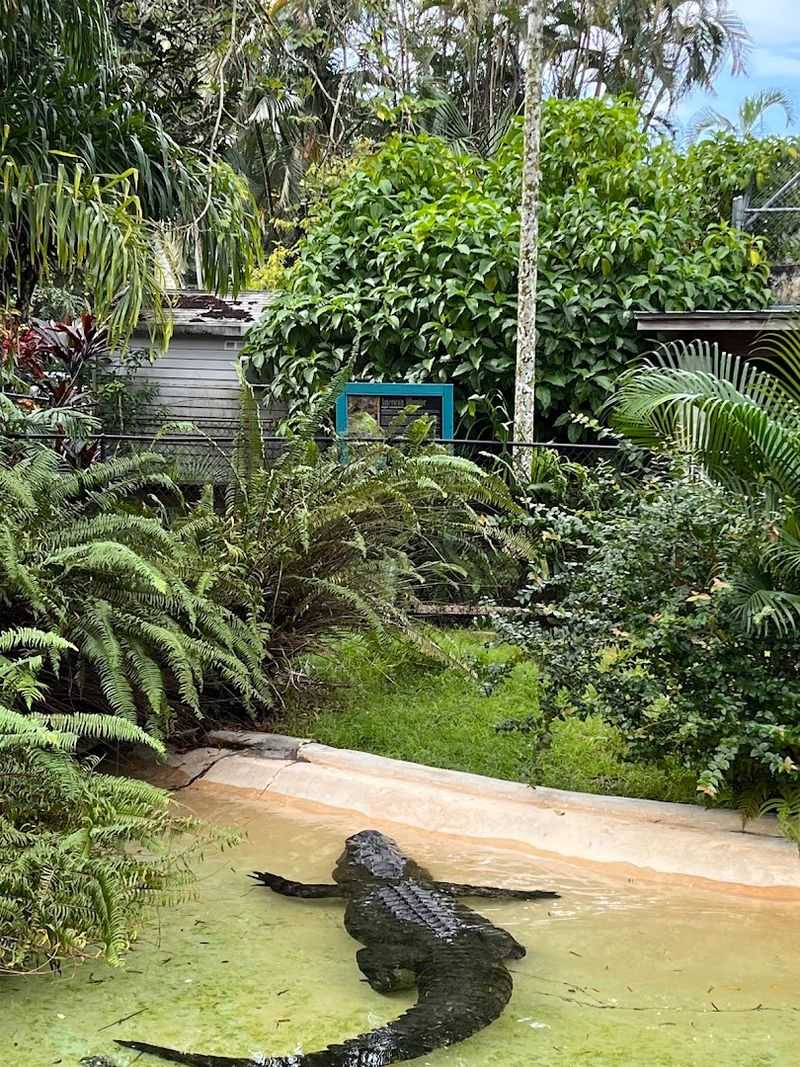
A massive alligator holds court in its habitat with the kind of prehistoric stillness that makes you glad there is a respectful barrier between you and it, while black bears and bobcats occupy naturalistic enclosures that give them room to move and rest on their own terms.
These animals are not here for performance; they are living out their lives in the safest environment available to them after circumstances made a return to the wild impossible.
Cranes, turtles, and various reptile species fill out the wildlife roster, creating a range of encounters that covers a wide cross-section of Florida’s native fauna in a single afternoon visit.
Learning the individual backstory of each animal, which staff members share readily and enthusiastically, turns every habitat viewing into something that feels far more personal than a standard wildlife exhibit.
Practical Tips That Make Your Visit So Much Smoother
Flamingo Gardens is open daily from 9:30 AM to 5:00 PM, and arriving closer to the opening time on a weekday gives you the best combination of comfortable temperatures and manageable crowd levels.
Comfortable walking shoes are essential since the paths, while mostly paved, cover a significant amount of ground, and the Florida heat can make a long walk feel much longer if you are not prepared for it.
Bringing your own water bottle and sunscreen is strongly recommended, since the snack stand near the flamingo area has limited hours and may not always be open when you need a break.
Feed bags for the flamingos, birds, and koi fish are available at the entrance for just one dollar each, and picking up a few on your way in saves you the trip back later when you realize you absolutely want to try the flamingo feeding.
The phone number for the garden is +1 954-473-2955, and the website at flamingogardens.org offers updated scheduling information for shows and tram departures before your visit.
Why Flamingo Gardens Feels Like A Cause Worth Supporting
Buying a ticket to Flamingo Gardens is not just an entry fee; it is a contribution to a nonprofit organization that funds the medical care, feeding, and long-term housing of animals that have nowhere else to go.
The sanctuary does not receive government funding for its day-to-day operations, which means every visitor, every food bag purchase, and every dollar dropped into the donation boxes placed throughout the property makes a direct difference to the animals living there.
Guests who take the time to talk with staff and volunteers consistently leave with a deeper understanding of what it actually costs to run a facility like this, including the specialized veterinary care, the habitat maintenance, and the round-the-clock feeding schedules that never pause.
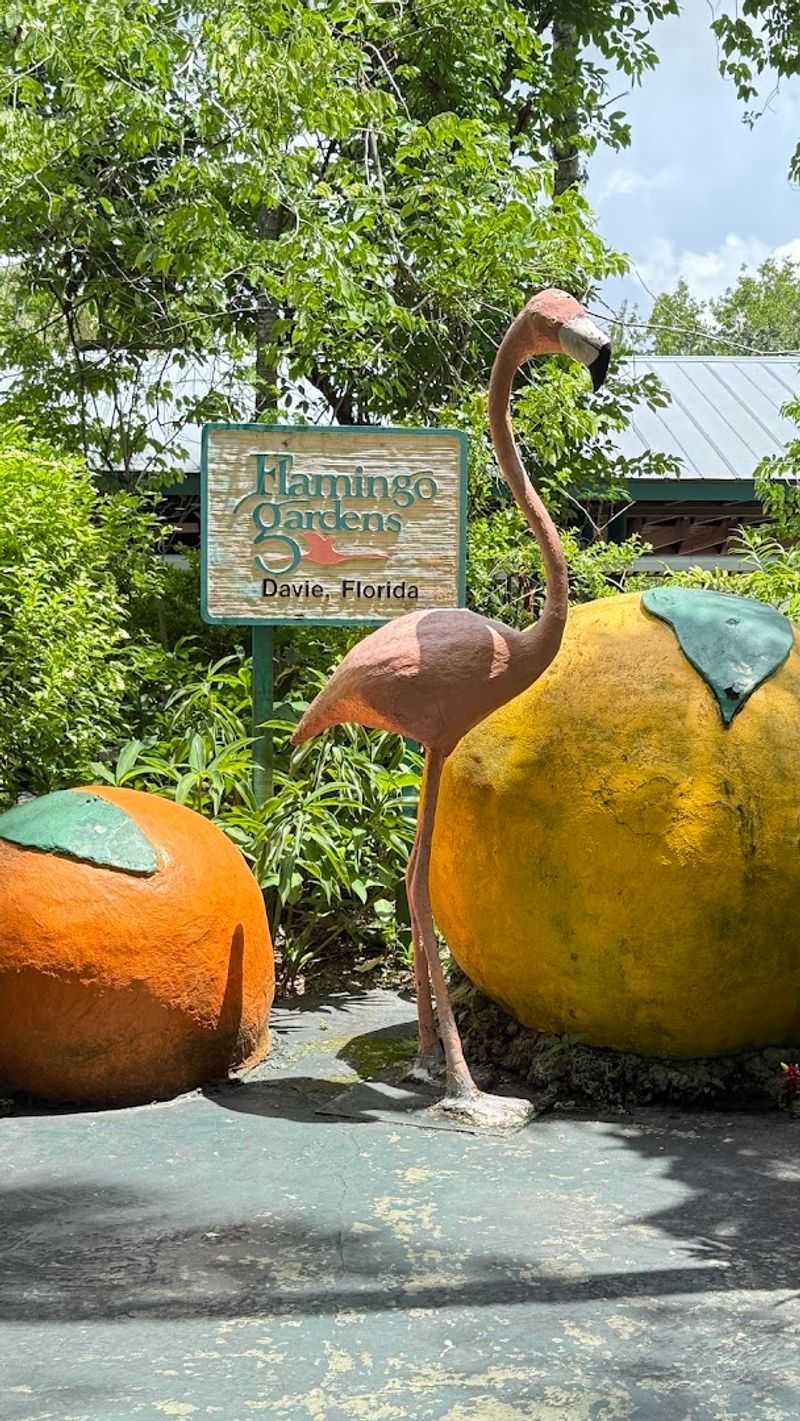
The sculptures placed throughout the gardens add a whimsical layer to the experience, and the overall atmosphere communicates something important: this is a place built on genuine love for the natural world.
Returning visitors report that the sanctuary is always evolving, with new exhibits and improvements appearing regularly, which gives every trip a reason to feel fresh.