
This 7-Mile Florida Trail Full Of Boardwalks And Black Bears Is An Adventure Worth Taking
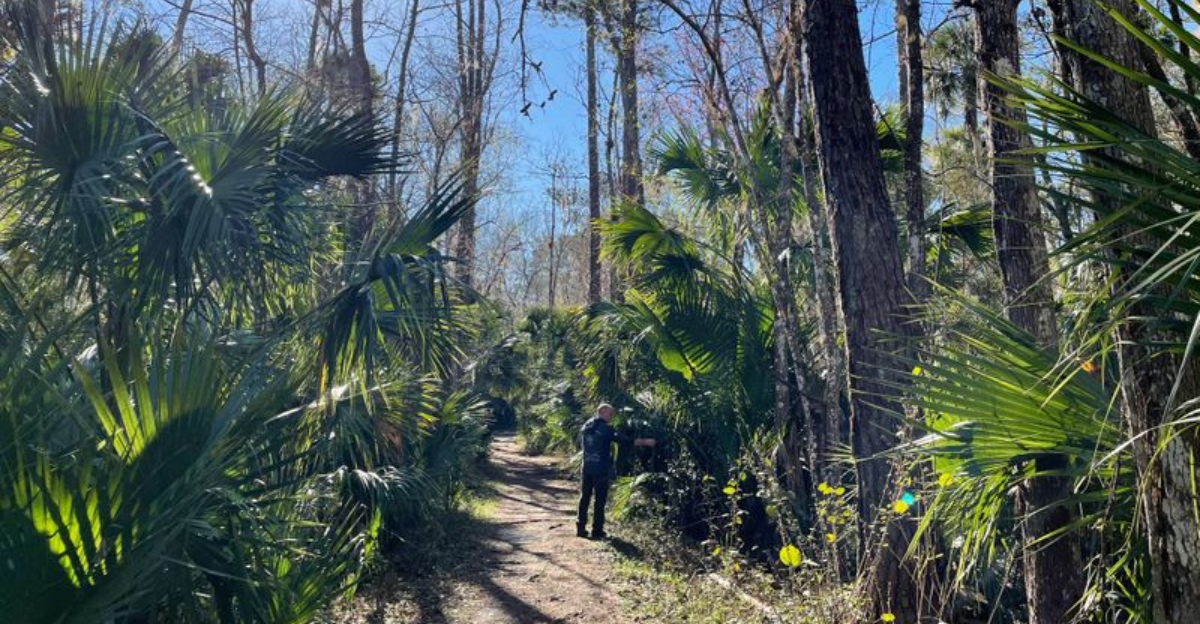
I never thought I’d find myself tiptoeing through a swamp forest, eyes peeled for black bears, just a short drive from downtown Orlando.
But that’s exactly what happened when I discovered this incredible 7-mile loop trail that weaves through some of Florida’s most untouched wilderness.
With elevated boardwalks carrying you over wetlands and wildlife around every corner, this adventure offers the perfect escape from city life without requiring a cross-country road trip.
Whether you’re a seasoned hiker or just looking for a memorable weekend outing, this trail delivers thrills, natural beauty, and maybe even a bear sighting or two.
A Hidden Florida Wilderness Just Minutes From the City
Most people picture Florida as beaches and theme parks, but I stumbled upon this gem tucked away in the Seminole State Forest, barely 30 minutes from the hustle of Orlando.
The contrast is mind-blowing—one minute you’re in traffic, the next you’re surrounded by towering cypress trees and the sounds of nature.
This accessibility makes it perfect for spontaneous weekend adventures.
You don’t need to plan an elaborate camping trip or drive for hours to experience genuine wilderness. Just pack some water, lace up your boots, and go.
The trailhead offers ample parking and clear signage, so even first-timers won’t feel lost before they begin.
I’ve brought friends who’d never hiked before, and they were amazed at how quickly we transitioned from civilization to wild Florida.
It’s proof that incredible nature experiences don’t always require epic journeys—sometimes the best adventures hide in plain sight.
Why Hikers Love This Scenic 7-Mile Loop
Seven miles might sound intimidating, but this loop has won over hikers of all skill levels, including my decidedly non-athletic cousin who now brags about completing it.
The distance hits that sweet spot—long enough to feel accomplished, short enough to finish in a half-day with plenty of snack breaks.
What really sets this trail apart is the variety.
You’re not trudging through monotonous scenery for hours. Instead, the landscape constantly shifts from dense hammocks to open prairies to swampy lowlands, keeping your brain engaged and your camera busy.
The loop format means you never backtrack, always discovering new views around each bend.
I’ve hiked it four times now, and each season reveals different wildflowers, bird migrations, or water levels that transform the experience.
Fellow hikers I’ve chatted with on the trail consistently mention this diversity as their favorite feature—it’s like getting five different hikes rolled into one adventure.
Boardwalks That Carry You Over Wild Wetlands
Remember those childhood dreams of being an explorer traversing dangerous terrain?
These boardwalks make you feel exactly like that, minus the actual danger.
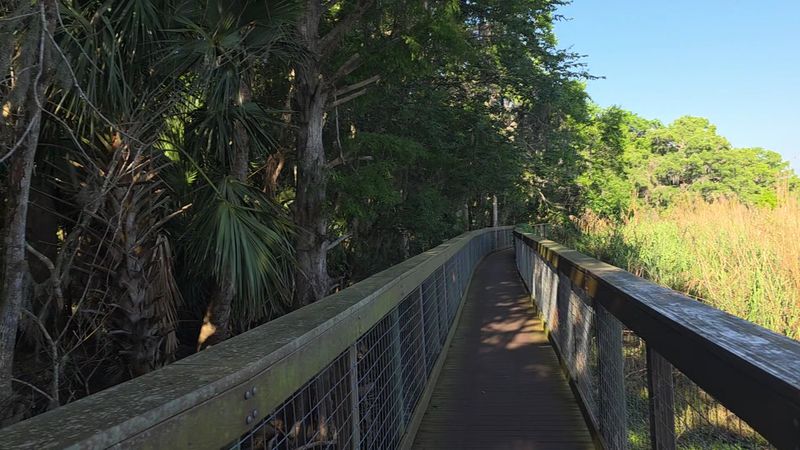
Elevated wooden pathways stretch for impressive distances, keeping your feet dry while giving you front-row seats to the wetland ecosystem below.
I’ll admit I was skeptical at first—would boardwalks feel too civilized, too sanitized?
Absolutely not. They actually enhance the experience by letting you venture deep into areas you’d never reach otherwise.
Standing above the water, you can peer down at turtles sunning themselves and watch wading birds hunt for breakfast without disturbing them.
The construction is solid too, though some sections show their age with weathered planks that creak underfoot. That just adds to the atmosphere, honestly.
During my last visit in summer, the boardwalks were a lifesaver when the trail’s lower sections were partially flooded—proof that good trail design matters.
The Black Bear Sightings That Make This Trail Famous
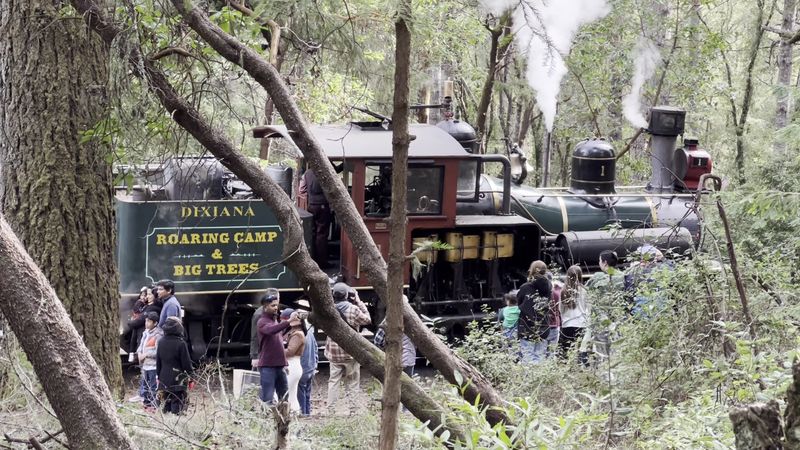
Here’s the truth: I’ve hiked this trail six times and only spotted a bear once, but that single sighting made every mile worthwhile.
Florida black bears are the celebrities of this trail, and while sightings aren’t guaranteed, the possibility adds an electric thrill to every rustling bush.
The bear I encountered was maybe 50 yards away, peacefully munching on saw palmetto berries and completely uninterested in me.
My heart hammered anyway.
These bears are generally shy and prefer avoiding humans, which is why most hikers only find tracks, scat, or claw marks on trees rather than the animals themselves.
That doesn’t diminish the excitement though.
Knowing you’re sharing space with apex predators makes you more alert, more present, more alive to your surroundings.
Rangers say early morning or late afternoon offers the best chances for sightings, especially during berry season.
Just remember: admire from afar, never approach, and definitely don’t try for a selfie.
A True Swamp Forest Filled With Unexpected Beauty
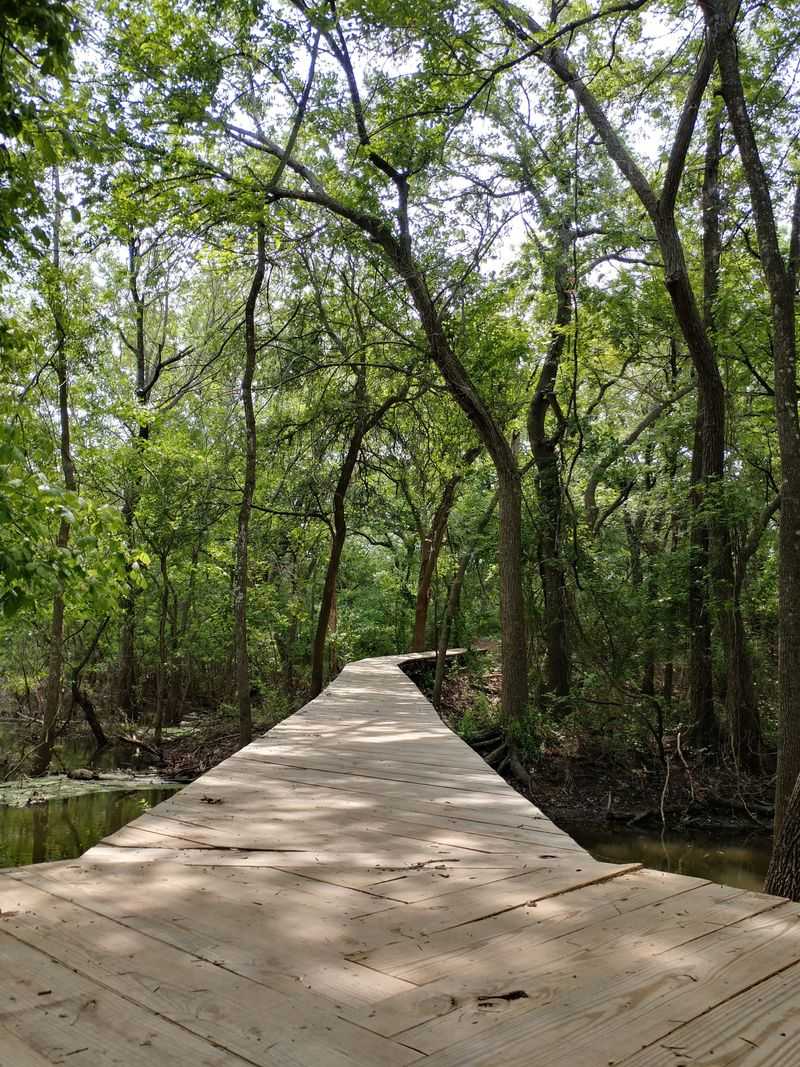
Swamps get a bad reputation—murky, mosquito-infested, smelly places to avoid.
This forest proved all my preconceptions wrong and then some.
The ecosystem here pulses with life and displays a haunting, almost mystical beauty that photographs can barely capture.
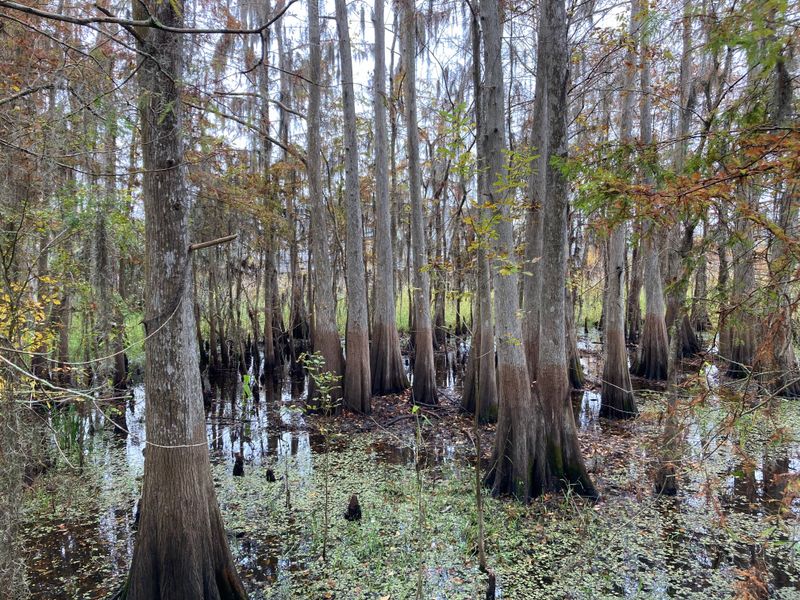
Massive bald cypress trees rise from dark water, their knobby knees breaking the surface like wooden sculptures.
Spanish moss drapes everything in silvery curtains that sway with the breeze. Ferns carpet the higher ground in impossible shades of green.
I once hiked through here just after sunrise when mist still clung to the water, and it felt like stepping into a fantasy novel.
The filtered light, the silence broken only by bird calls, the sense of ancient wildness—it all combines into something genuinely magical.
Even my teenage nephew, who’d complained the entire car ride, shut up and stared when we entered the deep forest sections.
Swamps, it turns out, are severely underrated.
Wildlife Encounters Beyond Bears: Birds, Gators, And More
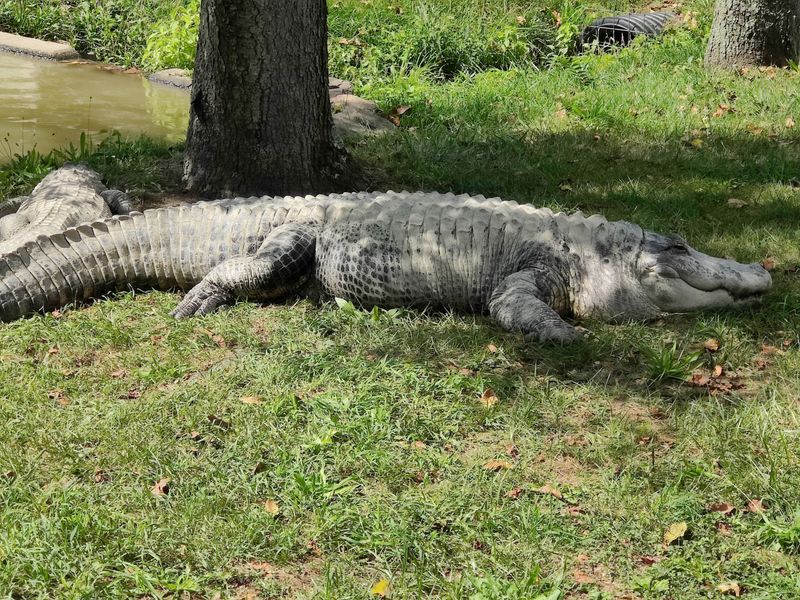
While bears grab the headlines, they’re just the opening act in this wildlife spectacular.
I’ve spotted more creatures on this single trail than in years of casual nature walks elsewhere.
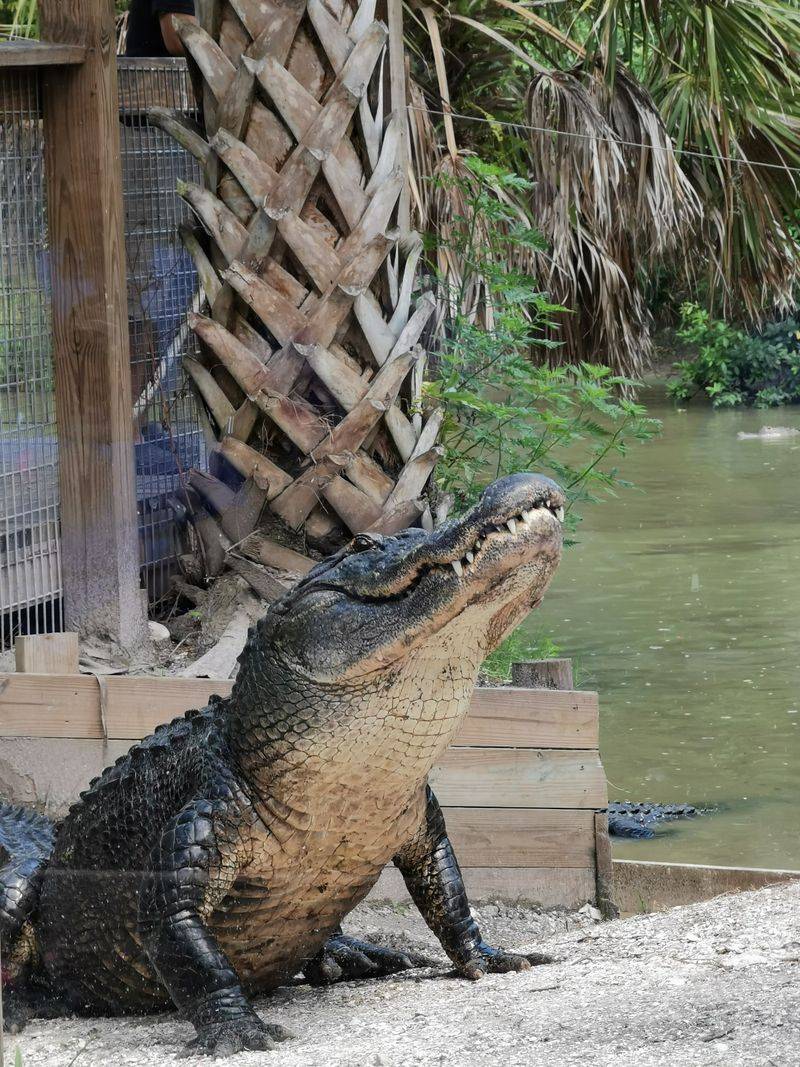
Alligators sun themselves along water edges—usually small ones, but still thrilling to see in the wild.
Bird enthusiasts will lose their minds here.
I’m no expert, but even I’ve identified herons, egrets, woodpeckers, and once, a spectacular painted bunting that looked like it escaped from a tropical resort.
During migration seasons, the variety multiplies.
White-tailed deer bound across the path with surprising frequency, often freezing to stare at you before vanishing into the undergrowth.
Turtles, snakes (mostly harmless), armadillos, and countless butterflies round out the cast.
My favorite encounter was watching a family of otters play in a creek—pure joy in animal form.
Bring binoculars and a field guide, and prepare to stop frequently because something fascinating appears around every corner.
Best Times Of Year To Hike The Loop
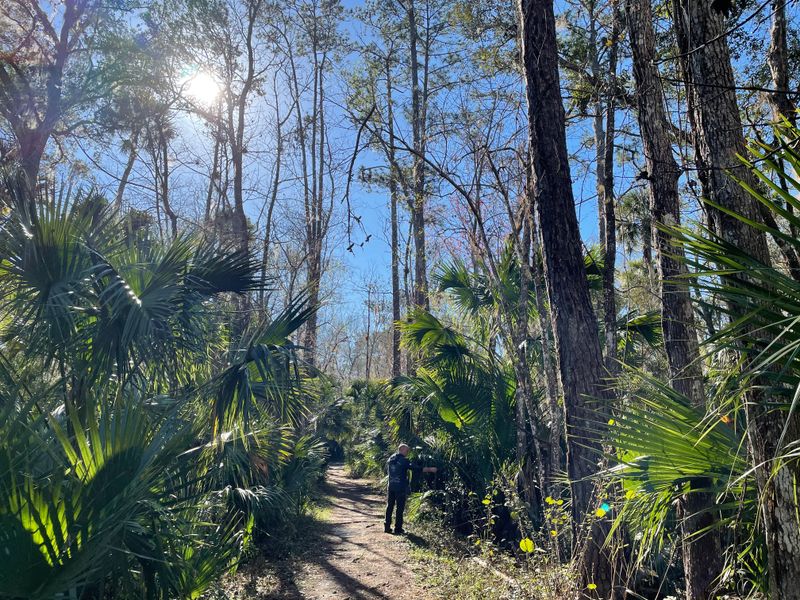
Timing can make or break your experience here, and Florida’s seasons don’t follow the script most people expect.
I once hiked in July, and it was genuinely miserable—oppressive heat, humidity you could practically drink, and mosquitoes treating me like an all-you-can-eat buffet.
Late fall through early spring (November to March) is absolutely prime time.
Temperatures hover in the comfortable 60s and 70s, humidity drops to reasonable levels, and bugs mostly take a vacation.
Wildlife activity peaks during these cooler months too, including increased bear sightings as they forage before winter.
Early mornings offer the best conditions regardless of season—cooler air, softer light for photography, and more active wildlife.
I’ve started most of my hikes around 7 AM and finished before the midday heat becomes oppressive.
Avoid summer afternoons unless you enjoy feeling like you’re hiking through soup while being simultaneously sunburned and soaked with sweat.
Trust me on this one.
Tips For A Safe and Unforgettable Adventure
Preparation separates great adventures from disasters, and I’ve learned these lessons through trial and error so you don’t have to.
First rule: bring way more water than seems reasonable.
I now carry three liters minimum, even in winter, because Florida’s humidity makes you sweat constantly.
Bug spray isn’t optional—it’s survival equipment.
Apply generously and reapply often, especially around ankles and neck.
Download offline trail maps since cell service is spotty to nonexistent in the deeper sections.
Tell someone your hiking plans and expected return time.
Wear layers you can shed as you warm up. Pack snacks with protein and salt to maintain energy.
If you encounter a bear, make yourself big, speak calmly, and back away slowly—never run.
Check yourself thoroughly for ticks afterward.
Finally, take your time and actually enjoy the experience rather than racing through.
This trail rewards those who pause, observe, and appreciate the wild Florida most tourists never see.