
This 8-Mile Florida Trail Leads You Straight To An Abandoned Ghost Town
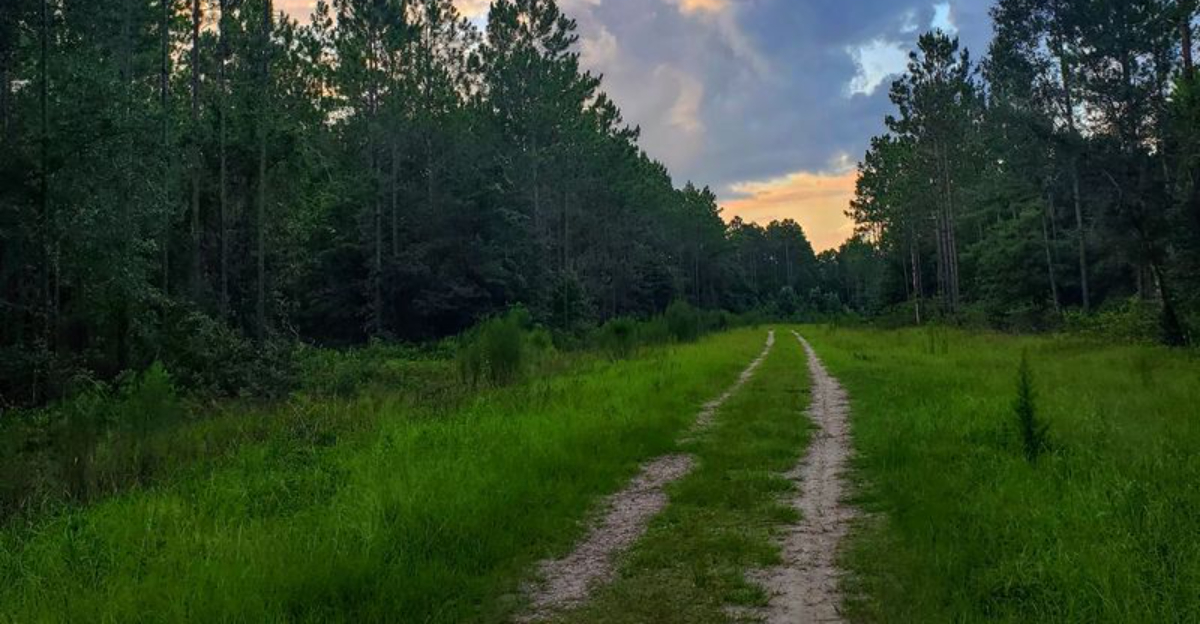
In Florida, some trails lead to overlooks. This one leads into a town that vanished.
The journey begins beside a river moving with the urgency of a lazy afternoon. Boots meet dirt.
Cypress trees crowd the shoreline. Water reflects the sky so that even the alligators appear to be admiring the view.
Then the landscape changes.
Brick fragments, forgotten foundations, and remains begin appearing beneath the trees. What started as a Florida walk feels like stepping through a doorway the forest forgot to close.
The distance gives the discovery weight. You cannot simply park beside the ruins, snap a photograph, and leave.
Every mile pulls modern life farther away and brings an older story closer.
Pack water, bug spray, and curiosity. This slice of Florida proves that the most memorable destinations are not always standing at the roadside.
Some wait eight quiet miles away, hidden beneath leaves, silence, and history.
A River That Flows North
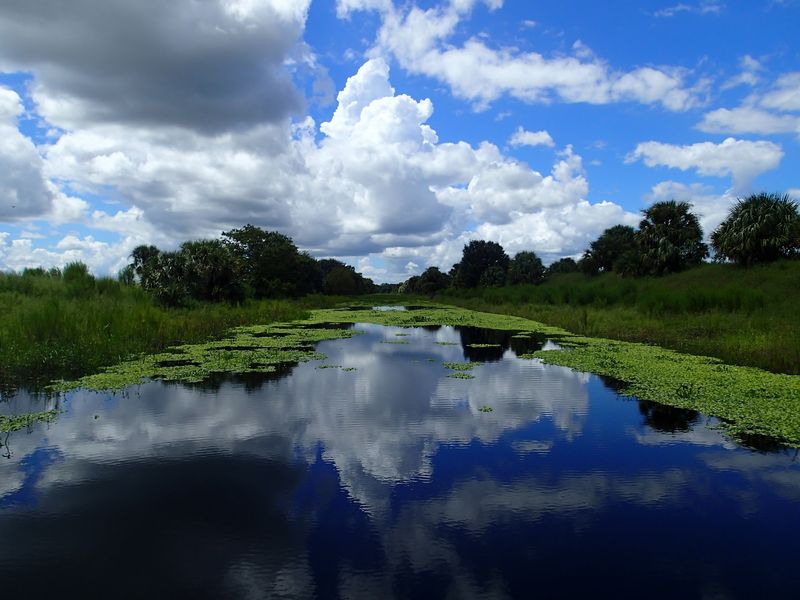
Most rivers I have visited head south or east, so it caught me off guard to learn the Saint Johns actually flows north. That backwards behavior is one of the reasons this waterway feels so special.
The trick comes from its incredibly gentle slope, dropping only about an inch every mile across its 310-mile length. Because of that lazy descent, the water barely seems to move, and walking beside it feels calming rather than rushed.
I paused several times just to watch the surface, which stayed so smooth it mirrored the sky. That mirror effect makes the northward journey feel almost dreamlike, especially early in the day when the light is soft.
Knowing this quirk before your walk adds a little wonder to every bend in the trail. You start noticing how slowly everything drifts, and you naturally slow your own pace to match it.
By the time I reached the halfway point, I had completely fallen into the river’s unhurried rhythm.
The Eight-Mile Trail Itself
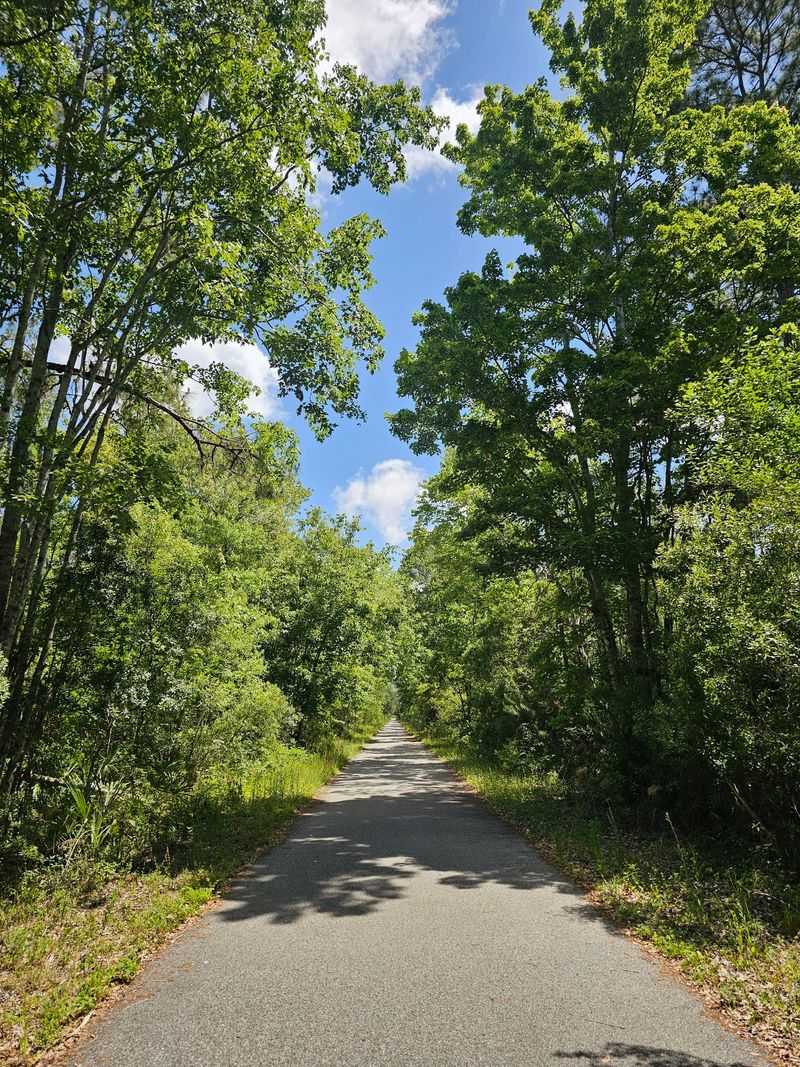
The trail measures roughly eight miles one way, which sounds long until you realize how much there is to see. I broke mine into easy chunks, stopping often to snap photos and catch my breath.
Much of the path stays flat and shaded, winding under oaks draped in Spanish moss. That shade turned out to be a lifesaver during the warmer afternoon hours, when Florida sun can feel pretty intense.
Footing changes as you go, shifting between sandy patches, packed dirt, and occasional boardwalk sections over marshy ground. Sturdy shoes made a big difference for me, so I would skip sandals if you plan the full distance.
Bring plenty of water and a small snack, because there are no shops once you leave the trailhead. I packed light but smart, and that kept me comfortable the entire way.
Give yourself the whole day rather than rushing, since the reward waiting at the end deserves a relaxed arrival.
The Abandoned Ghost Town at the End
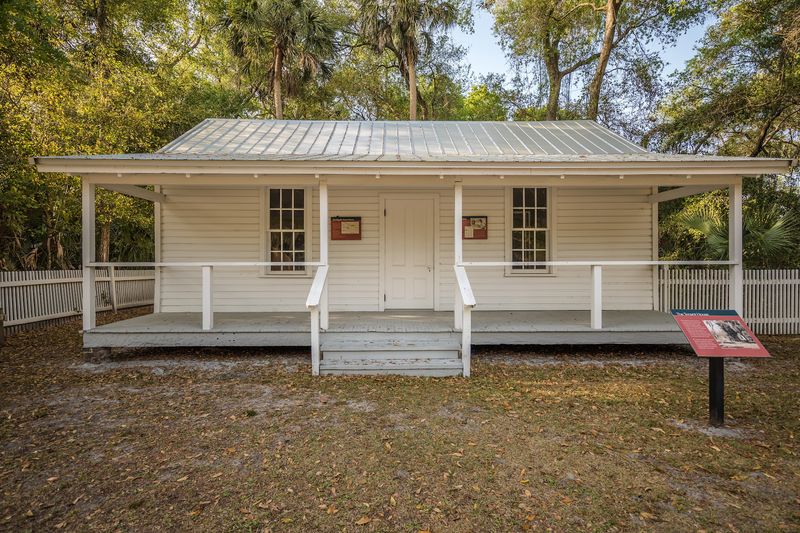
Reaching the old settlement felt like stepping into a story that history nearly erased. Weathered wood, tangled vines, and quiet clearings marked where people once built their lives beside the river.
Walking among the leftovers, I imagined the busy days this place must have known before it emptied out. Palmettos and young trees have crept back in, slowly reclaiming what folks left behind.
The stillness here surprised me the most, broken only by birdsong and the soft rustle of leaves. That hush gave the whole area a respectful, almost thoughtful feeling that stayed with me long after I left.
I spent a while just wandering, reading whatever markers I could find and picturing the community that faded away. It reminded me how quickly nature takes over once human hands stop tending a place.
Snap your photos gently, leave every artifact where it rests, and let the quiet teach you something about time.
Gators Sunning Along the Banks
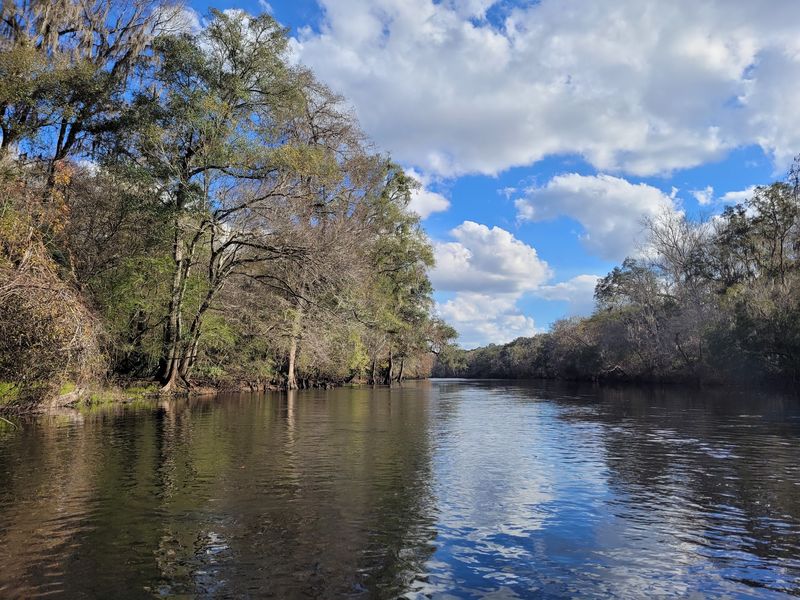
Nothing wakes you up faster than spotting your first gator resting near the trail. I saw several sprawled along the banks, soaking up warmth without a care in the world.
These reptiles love the slow, warm water of the Saint Johns, so sightings are common on sunny days. Watching them stay perfectly still, I understood why visitors mention them so often in their reviews.
I kept a healthy distance, which is exactly what rangers recommend for both your safety and theirs. Zoom lenses and phones handle close-ups fine, so there is never a reason to creep nearer.
Early morning and late afternoon gave me the best views, since gators come out to catch the milder sun. Move calmly, keep your voice low, and never feed them anything.
Respecting their space made the encounters feel thrilling instead of nerve-wracking. Every time one blinked or shifted, my heart raced a little, and that wild reminder became one of my favorite parts of the trip.
Birdwatching Paradise
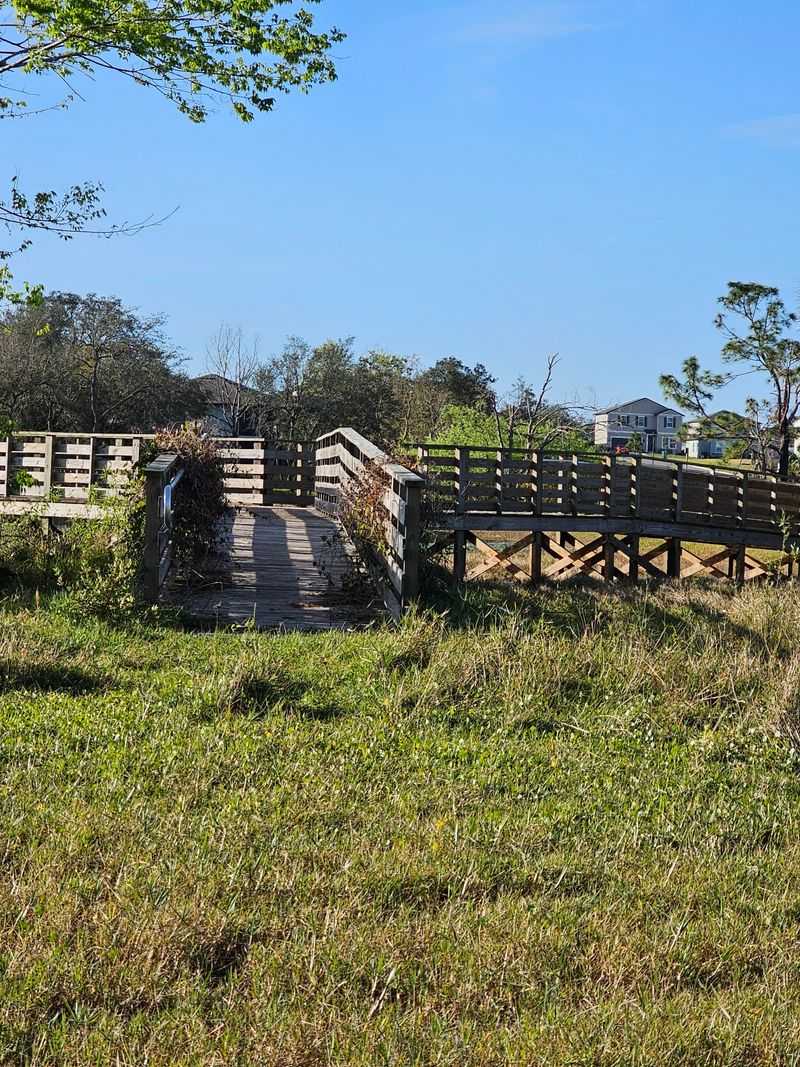
If feathers make you happy, this trail will keep your binoculars busy all day long. I counted herons, egrets, ospreys, and even a bald eagle circling high above the water.
The marshy edges create perfect hunting grounds for wading birds, so movement fills the air almost constantly. One quiet stretch gave me a front-row view of an anhinga drying its wings in the sun.
Bird activity peaks during cooler morning hours, so an early start pays off nicely. I brought a small notebook and jotted down every species I recognized, which made the walk feel like a friendly scavenger hunt.
Limpkins, cormorants, and night herons also show up in the tributaries, adding variety to your list. Patience rewards you here, since standing still often coaxes shy birds back into view.
Pack a lightweight pair of binoculars and a bird guide, and you will thank yourself later. By the end, my little tally had grown longer than I ever expected.
Ancient Timucua History
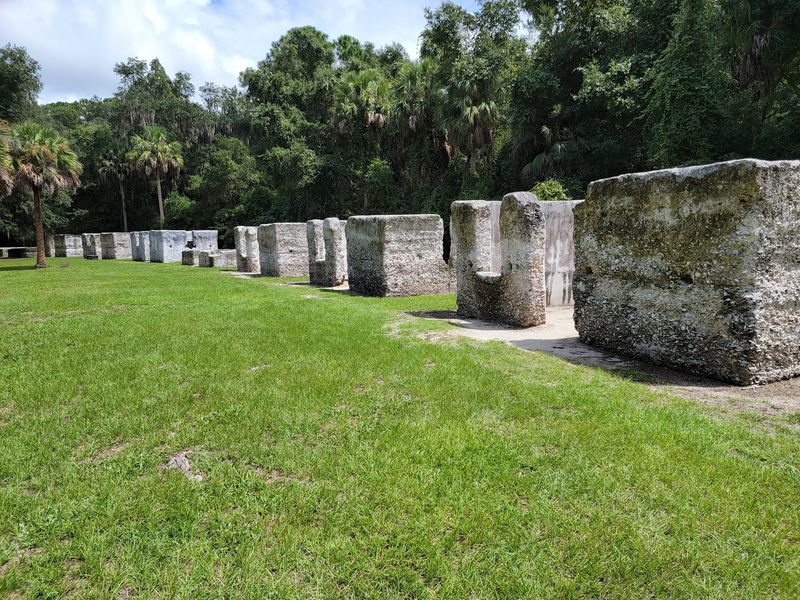
Long before any trail existed, the Timucua people lived along these banks and depended on the river daily. Learning their story added real depth to my walk, turning scenery into something layered with meaning.
They had their own name for this water centuries before Spanish explorers arrived and renamed it San Juan del Puerto. Over time that name softened into the Saint Johns we use today.
Reading about this history made me look at the shoreline differently, imagining the generations who fished and paddled here. The river was a lifeline then, just as it remains for many Florida towns now.
A few markers along the way share bits of this past, and I recommend pausing to read each one. They connect the quiet trail to thousands of years of human presence.
Carry that awareness with you, and the whole route feels less like a hike and more like a walk through living history. It gave every step a little extra weight.
Kayaking the Quiet Backwaters
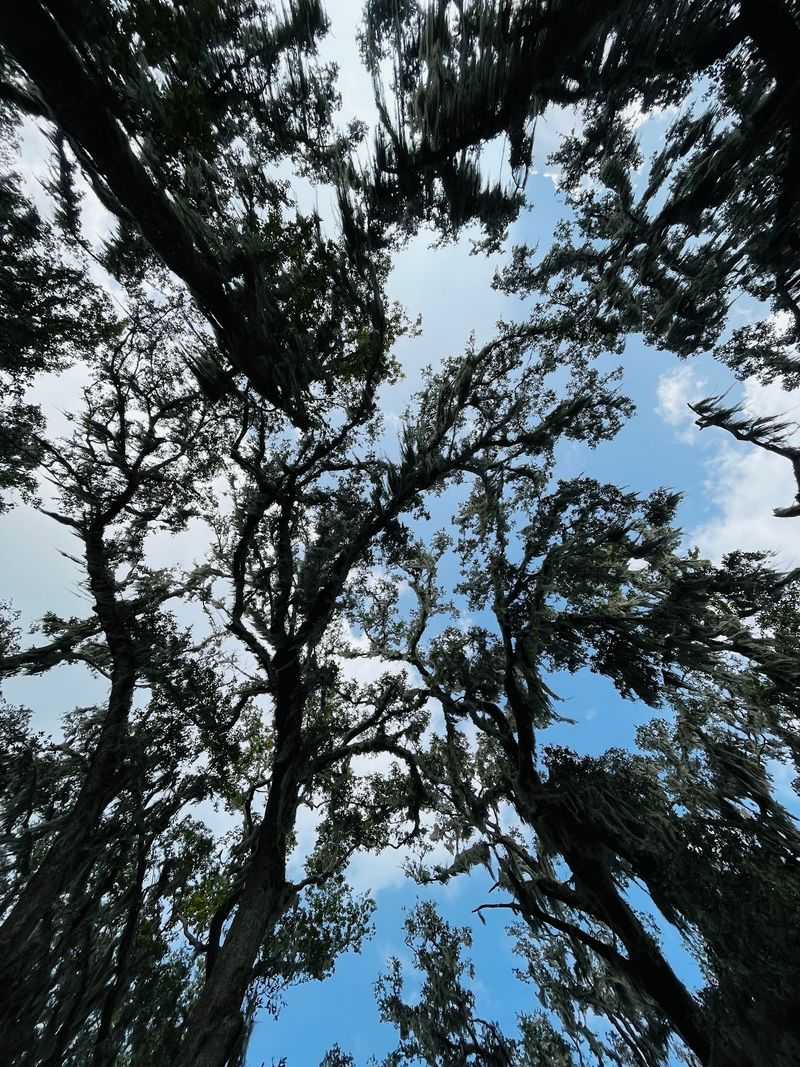
Some days the water tempted me more than the trail, and paddling turned out to be pure joy. The Saint Johns stays calm and shallow in many spots, which makes it beginner friendly.
I slid a kayak into a quiet backwater and immediately felt the world grow hushed around me. Cypress knees poked up from the surface while dragonflies buzzed lazily overhead.
Because the current barely moves, you can float without fighting the water, saving your arms for the return trip. That easy pace let me focus on the wildlife instead of my paddling technique.
Renting gear nearby is simple, and guides can point you toward the gentlest, most scenic routes. I always wore a life vest and kept sunscreen close, since shade thins out on the open water.
Gliding past sunning turtles and curious birds felt like a private tour of old Florida. If you only try one activity here, let it be a slow paddle through these mirror-still channels.
World-Class Fishing Spots
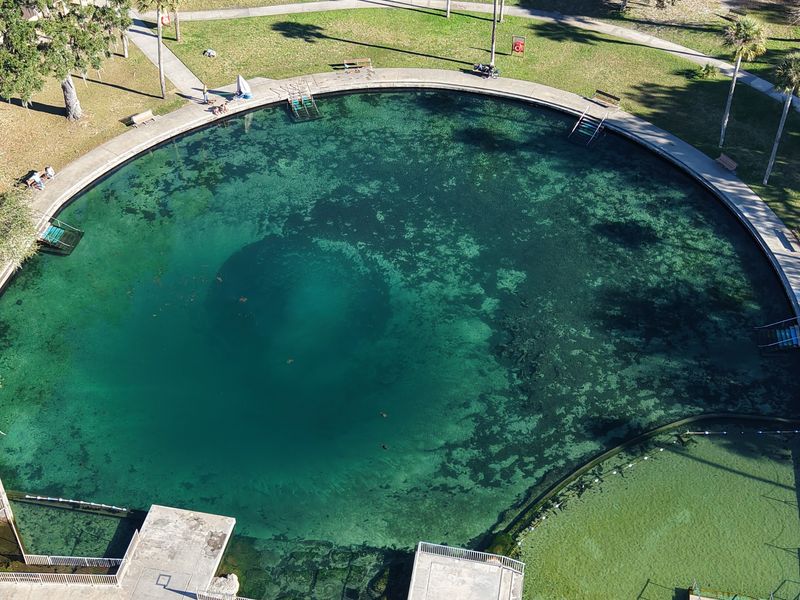
Anglers rave about this river, and after watching folks reel in catch after catch, I understand why. Bass, crappie, and panfish thrive in these slow, nutrient-rich waters year-round.
Locals told me the shad run from late December through February draws serious enthusiasts. Even casual visitors seem to walk away with a story about the one that got away.
Both fresh and saltwater species swim here since the river eventually meets the Atlantic. That mix keeps every cast interesting, because you never quite know what will bite.
I tried my luck from a quiet bank near the trail and enjoyed the peaceful waiting almost as much as the nibbles. A simple rod, a license, and a little patience are really all you need.
Early morning gave me the calmest water and the friendliest fish. Whether you keep your catch or release it, respecting size limits keeps this fishery healthy for future visitors.
It quickly became one of my most relaxing afternoons on the whole trip.
Breathtaking Sunset Views
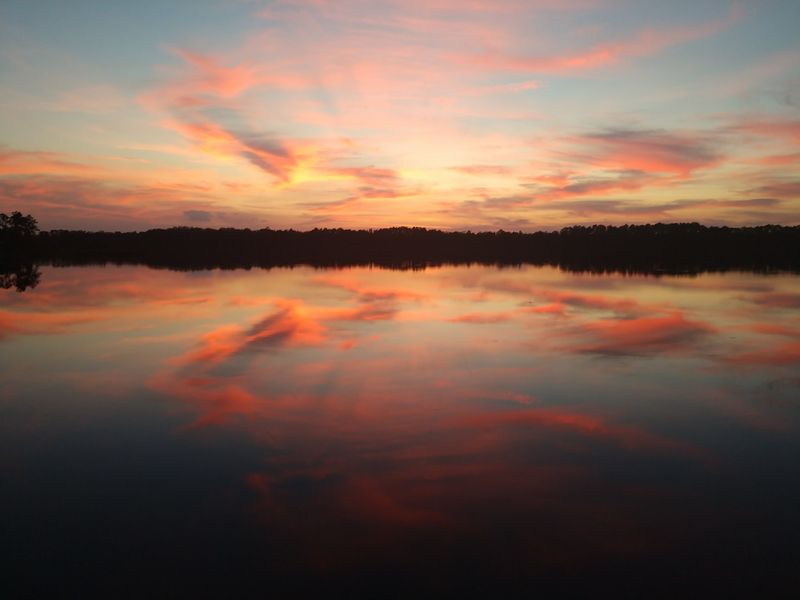
Timing my return for sunset turned out to be the smartest choice of the entire day. As the sky shifted to orange and pink, the still water caught every color like a painting.
The reflections doubled the beauty, so it felt like watching two sunsets at once. I stood quietly on the bank, phone forgotten in my pocket, just soaking it in.
Because the river runs so calm, the surface stayed almost perfectly smooth during those golden minutes. That stillness gave the light a glowing, unforgettable quality that photos barely capture.
If you plan a sunset finish, bring a flashlight for the walk back, since darkness settles fast out here. I also packed a light jacket, because the air cooled quickly once the sun dipped low.
Find an open spot with a clear western view, and give yourself a few extra minutes to linger. That peaceful ending tied my whole adventure together and left me already planning a return visit.
Tips For Planning Your Visit
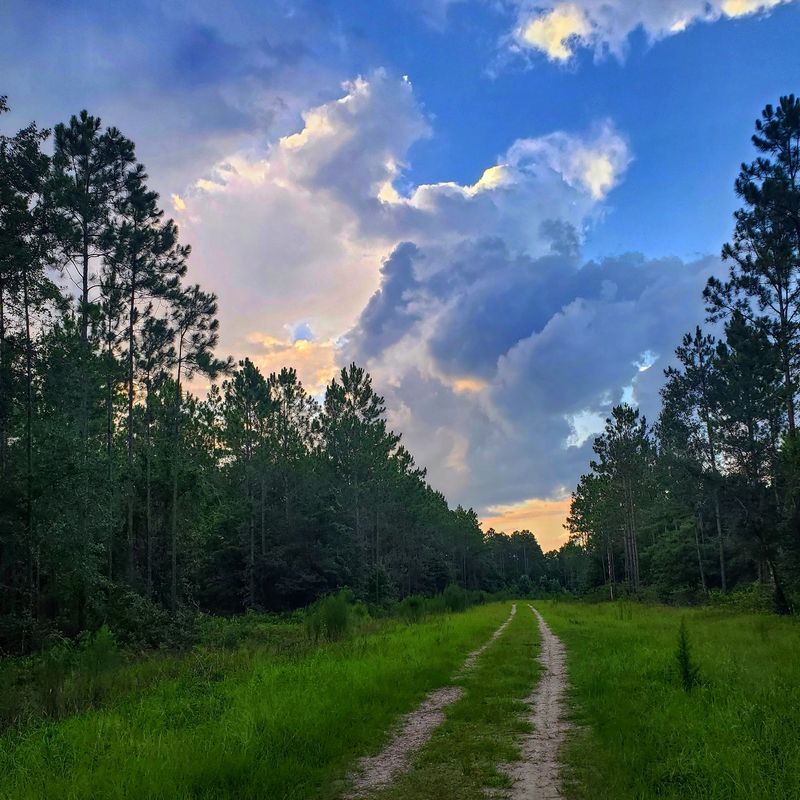
A little planning made my trip far smoother, so I want to pass along what worked. Start early to beat the heat and to give yourself enough daylight for the full eight miles.
Pack more water than you think you need, plus snacks, sunscreen, and bug spray. The mosquitoes near the marshes can get bold, especially at dusk.
Wear sturdy, closed shoes since the trail switches between sand, dirt, and boardwalk. I also kept a small first-aid kit tucked in my bag just in case.
Check the weather before you go, because summer storms roll in quickly across central Florida. Cooler months from late fall through early spring offer the most comfortable walking conditions.
Tell someone your plans, since parts of the trail feel wonderfully remote. Leave no trash behind and take only photos, keeping the ghost town and river pristine for the next visitor.
With those simple steps handled, all that remains is enjoying one of Florida’s most peaceful adventures from start to finish.