
This 95,000-Acre Michigan Wilderness Has No Lines, No Crowds, And Barely Any Cell Service
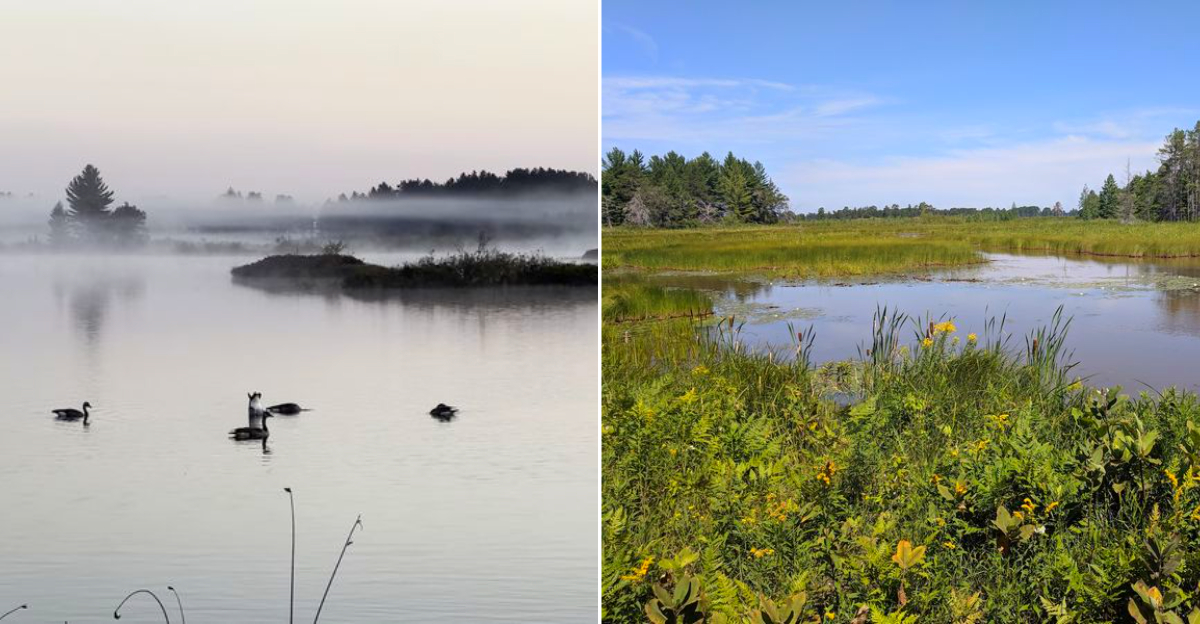
Cell service disappeared about ten miles before the entrance. Normally that would stress me out. Here it felt like the whole point. The refuge stretches across nearly 100,000 acres of wetlands, forests, and open water in the middle of Michigan’s Upper Peninsula.
Driving the seven-mile Marshland Wildlife Drive with my windows down, I heard almost nothing except wind through the cattails and the occasional call of a sandhill crane. Trumpeter swans glided past in formations I had never seen outside of documentaries.
A black bear crossed the road ahead of me like it owned the place. Which, honestly, it kind of does. This is not a curated experience with signs every twenty feet.
It is wilderness doing what wilderness does, and you are just lucky enough to be watching. Some places ask you to leave the noise behind. This one just takes it from you at the door.
Start At The Visitor Center
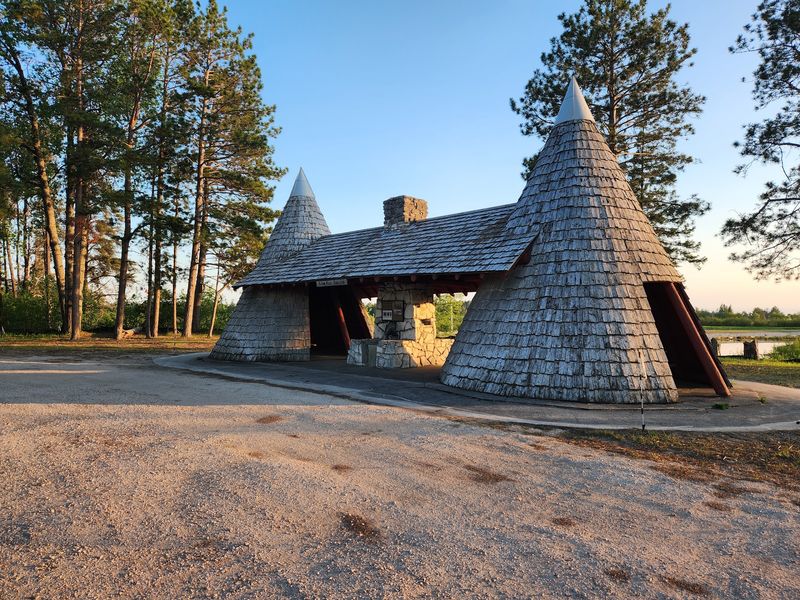
First stop should be the Visitor Center at 1986 River Road, especially if it is your first visit. The main center is generally open from mid-May to mid-October, though hours can shift, and staff can explain trail conditions, road closures, wildlife activity, and which parts of the refuge are best on a given day.
Interactive exhibits, an orientation film, a bookstore, and kid-friendly displays make it more useful than a restroom break.
Walking in helps the landscape make sense. Seney is not a random stretch of swamp but a managed refuge with pools, dikes, and water control structures shaped over decades after logging and failed drainage changed the land.
A map from the desk saves guesswork later. Check hours before you go, ask what birds are active, and pick up trail information before your wheels leave the parking lot.
River Road Leads To Seney’s Quieter Door
Seney National Wildlife Refuge’s temporary visitor center sits at 1986 River Road near Germfask in Michigan’s Upper Peninsula. The easiest approach is from M-77, which connects Germfask with US-2 farther south.
Turn west from M-77 onto River Road, also marked County Road 436, and follow it for roughly 2 miles. The road quickly leaves town behind and carries you toward the refuge’s wetlands and forested interior.
The visitor center entrance and parking area are on the north side of River Road. For the Marshland Wildlife Drive, use Refuge Entrance Road off M-77 north of Germfask.
Treat Wildlife Watching Like A Waiting Game
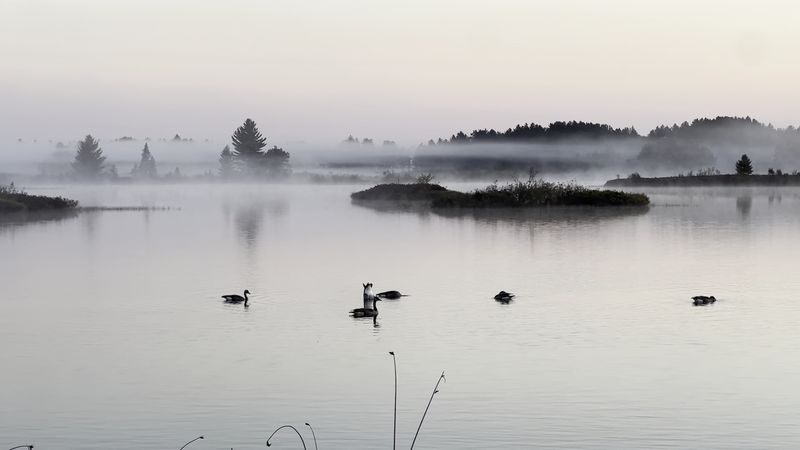
Patience beats mileage at Seney. People sometimes arrive hoping for a moose at every turn, but the refuge rewards quiet attention more than dramatic checking off of animals, and the best sightings often come after a long still minute near water, brush, or an open pool.
More than 200 bird species have been documented here, including loons, osprey, bald eagles, geese, swans, and cranes, so there is plenty to notice even on a day without a headline mammal.
A muskrat rippling a channel can be just as memorable as something bigger. I have found that turning off the car, lowering the windows, and listening first makes my eyes work better afterward.
Watch shorelines, dead snags, and cattail edges. If you do see deer, bear, otter, or a wolf track, enjoy the surprise and keep a respectful distance from them always.
Respect The Refuge’s Odd Engineering
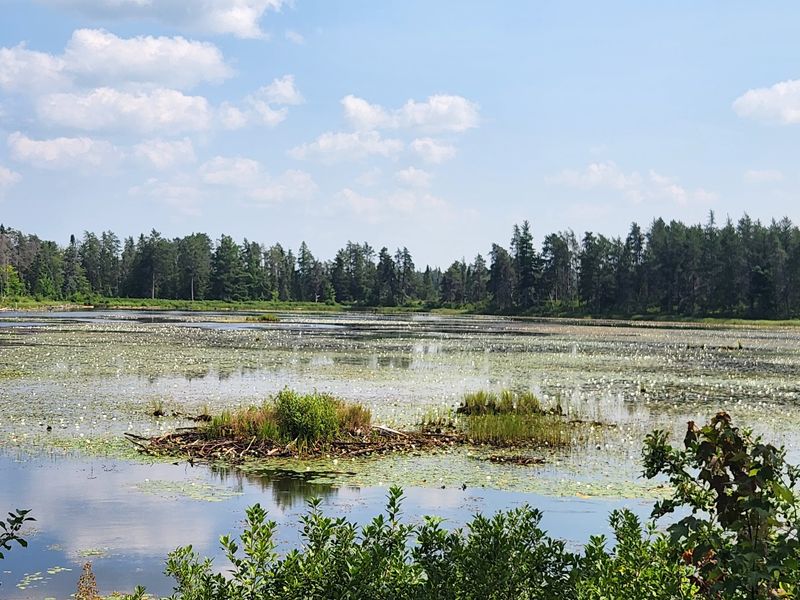
At first glance, Seney looks wild in the loose, sprawling way only the Upper Peninsula can manage. Then you notice the dikes, pools, and control structures, signs that this wetland is also a working conservation landscape shaped by decades of restoration and care.
The Civilian Conservation Corps helped rebuild drainage features here in the 1930s, and today managers use water levels, prescribed fire, forest work, and invasive species control to keep habitats healthy.
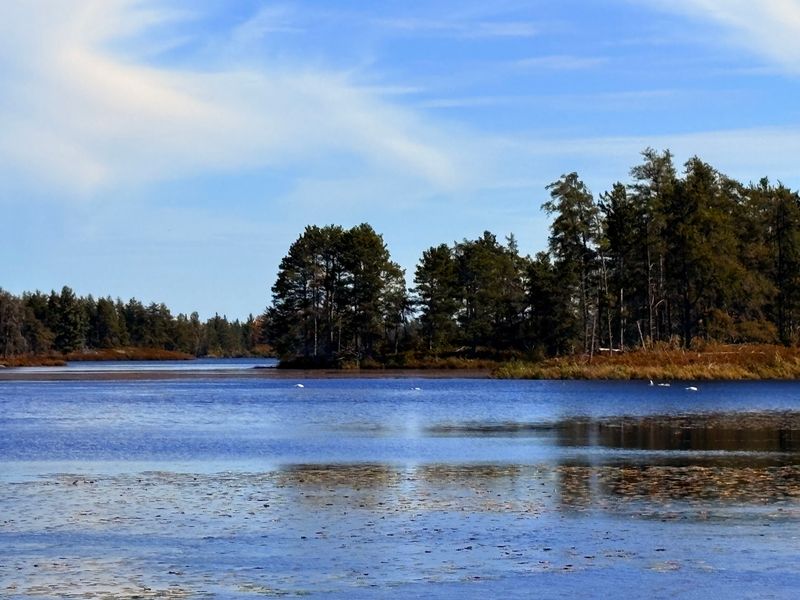
Knowing that history changes how you see the view. Those sheets of open water are part of a system that supports birds, fish, and nesting areas across more than 7,000 acres and 26 major pools.
Read signs instead of racing past them. When a road or area is closed, treat it as part of the refuge doing its job, not as an inconvenience to your plans.
Pick The Right Season For Your Mood
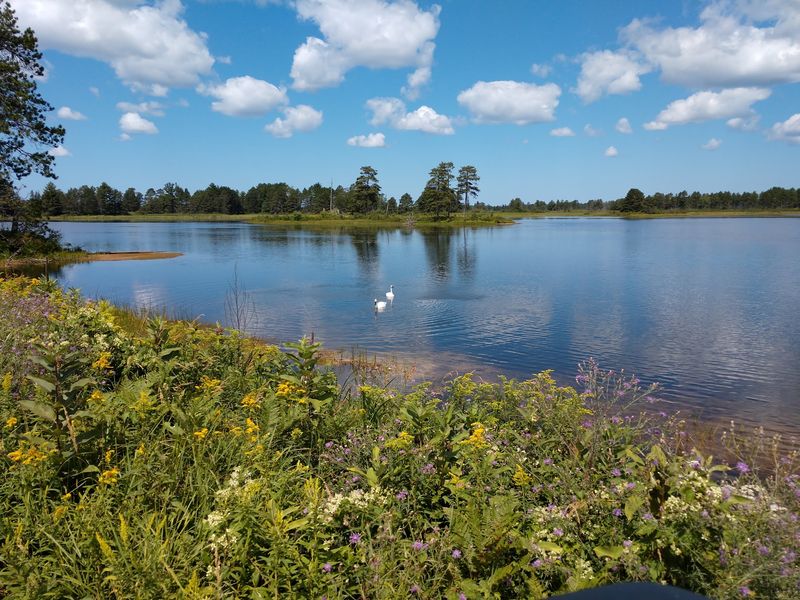
Season changes the refuge more than many first-time visitors expect. Spring brings frog calls, fresh movement, nesting activity, and chances to catch sandhill cranes in their courtship dances, while fall is famous for waterfowl migration from late September into October.
Summer can be lush and full of life, but it also brings mosquitoes, black flies, deer flies, and ticks, so your dreamy marsh stroll may need bug spray and a sense of humor.
Winter has its own quiet logic. Groomed trails support cross-country skiing, snowshoeing works well in open areas, and tracks from coyote, otter, and other animals become part of the story when many birds have moved on.
I like spring for sound and fall for color, but there is no wrong answer if you pack for the season instead of wishing it were another month entirely that day.
Use The Trails To Change Your Scale
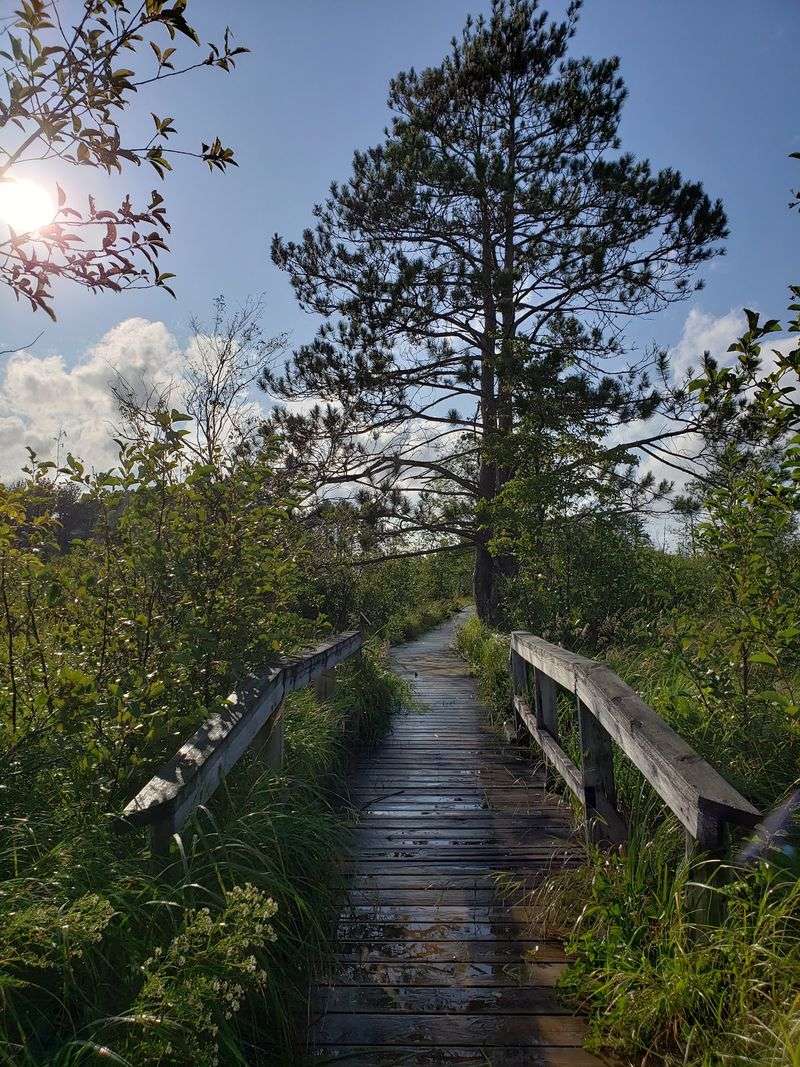
Driving shows you Seney’s sweep, but walking reminds you how detailed it is. More than 12 miles of trails let you trade windshield views for pine scent, bird calls, textured ground, and the kind of quiet that makes even a squirrel sound official.
The Pine Ridge Nature Trail, about 1.4 miles from the Visitor Center, is an easy way to start, while other routes and roads can work for biking as well as hiking.
The trick is choosing one trail instead of trying to sample everything. A short walk can reveal orchids, mushrooms, berries, tracks, dragonflies, and tiny changes in habitat that disappear from the car.
Stay on marked routes, wear solid shoes, and check yourself for ticks afterward. If the bugs are fierce, even twenty minutes on a trail can be better than an hour spent swatting the air.
Know Where Paddling And Fishing Actually Happen
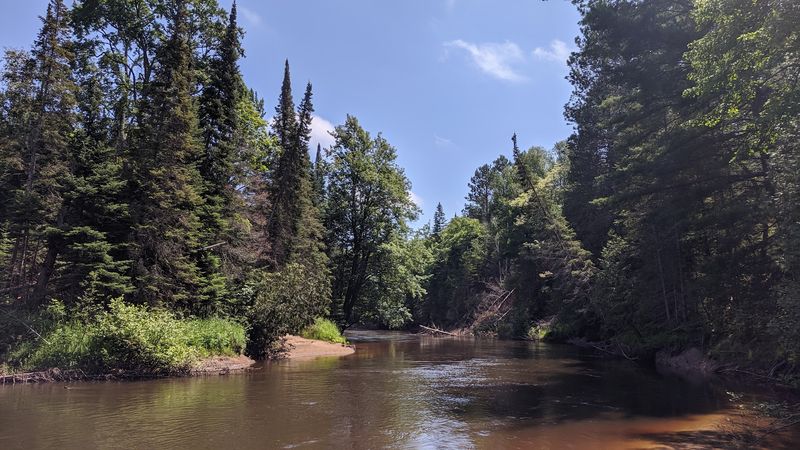
Water is everywhere, but not every piece of water is open for every activity. Paddling is allowed on the Manistique River as it passes through the refuge, while the managed pools and marshes are not open for canoeing or kayaking, a rule that protects habitat and keeps wildlife disturbance down.
Fishing has its own season too, generally from May 15 to September 30, with ice fishing allowed from January 1 to February 28.
That sounds fussy until you are standing there with gear and no plan. Northern pike and yellow perch draw many anglers, and the separate 8.5-mile Fishing Loop helps you reach legal access points without guessing.
Lead sinkers are prohibited, so check your tackle box before you leave home. When the map shows a boundary or closed section, believe it.
Seney is better when you work with the rules.
Do Not Plan On Camping Inside
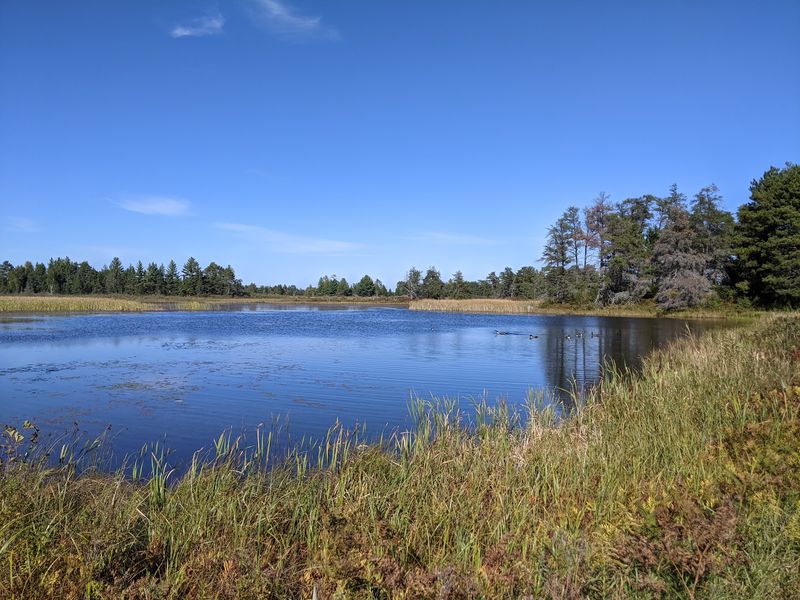
One of Seney’s quiet surprises is that it is a day-use kind of place for most visitors. Camping and overnight parking are generally not allowed, which means even a huge refuge does not turn into a late-night campground scene with generators, lights, and doors slamming after dark.
The result is a cleaner rhythm: arrive prepared, spend the day well, and leave with enough energy to notice the ride back through the pines.
That rule affects planning more than people realize. Pack food, water, layers, bug protection, and anything you need for a long day because there is no simple backup once you are deep into the refuge.
Dogs are allowed on a leash, which is helpful, but open fires and off-road vehicles are prohibited. Think of Seney as a place for hours outdoors, not a place to improvise an stay.
Look For The Wilderness Beyond The Roads
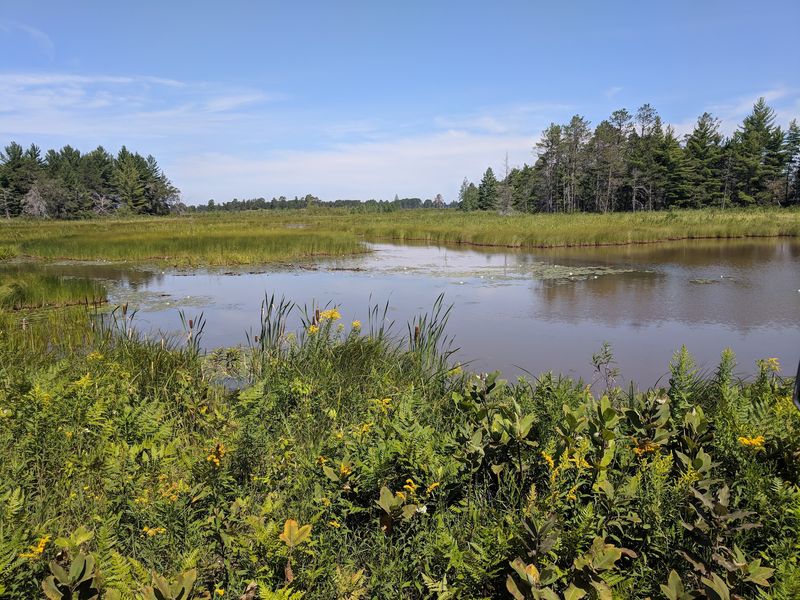
The refuge is enormous, but the road loops show only part of its character. Within Seney lies the 25,150-acre Seney Wilderness Area, the second largest wilderness in Michigan, along with the Strangmoor Bog National Natural Landmark, a place known for unusual wetland habitats and carnivorous plants such as purple pitcher plant and sundew.
You do not need to march deep into it to appreciate what that means.
Even from accessible areas, the idea of that protected interior changes the mood. The place feels wider, older, and less arranged for us than scenic drives, and I like that it keeps some of its secrets.
If wilderness is your goal, read trail and area information carefully at the Visitor Center before setting out. Sensitive habitats deserve footsteps, and some parts are better admired through knowledge, patience, and restraint than through motion.
Let Silence Be Part Of The Plan
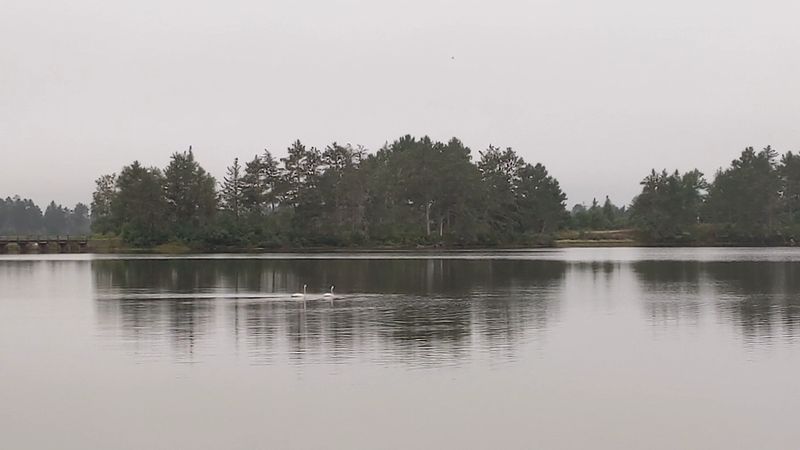
Quiet is not background music here. Once the car is off, you start hearing wingbeats, frog choruses, wind brushing sedges, and the odd clatter or splash that makes you turn your head much faster than any phone alert.
Seney is large enough that solitude feels believable, even though plenty of people visit over a year, because the acreage spreads everyone out and the landscape absorbs noise.
That is why one of the smartest tips is also the simplest: stop more often and do less. Turn off the radio, step out at a pull-off, and wait a minute before reaching for your camera.
Some of my favorite moments here were not rare sightings at all but stretches of listening that made the next loon call or crane rattle seem almost theatrical. A place like this rewards attention more than productivity does.
Check The Small Rules Before You Go
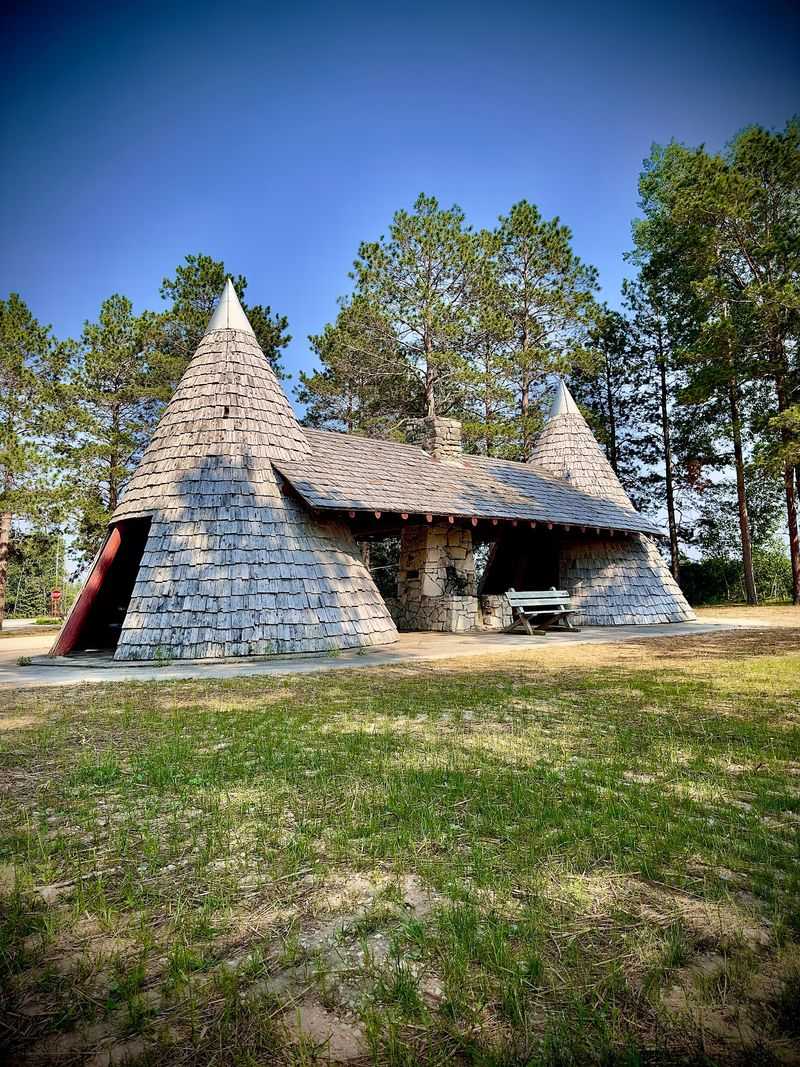
Seney feels easygoing, but a few specific rules can save you trouble. Vehicles over 28 feet are restricted on the auto routes, some roads or areas may close during migration or management work, lead sinkers are not allowed for fishing, and dogs need to stay leashed.
Hours at the Visitor Center can vary by season and ongoing building arrangements, so checking the official refuge information before you drive out is simply smart.
Practical details matter more here because the refuge is so spread out. I would also keep water in the car, wear shoes that can handle mud, and bring binoculars before snacks somehow become your main personality.
One last reality check: reports show good cell reception for major carriers in at least some refuge areas, so bring a map for convenience, not because the place is off the grid.