
This Abandoned Colorado Train Tunnel Hides A Stunning Secret Just Steps Beyond The Entrance
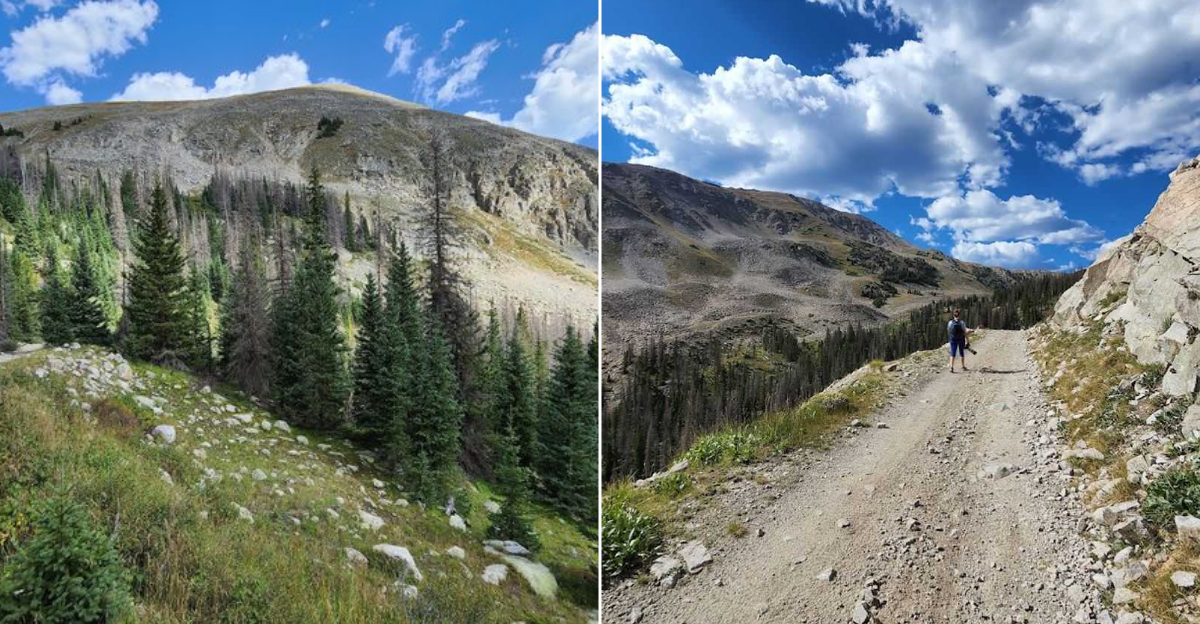
Somewhere in the San Isabel National Forest, tucked along Forest Road 839 near Pitkin, Colorado, sits one of the most quietly dramatic spots in the entire Rocky Mountain region.
The Alpine Tunnel Historic District is the kind of place that makes you feel like you accidentally wandered into a history book, except the views are real, the air is thin, and the silence is absolute.
Carved in 1882 as the first railroad tunnel through the Continental Divide, this sealed stone passage carries enough backstory to fill a whole season of a history podcast.
If your idea of a perfect weekend involves rugged mountain roads, ghost-town energy, and a destination that rewards the curious, this one belongs at the top of your list.
The Road That Earns You The Destination
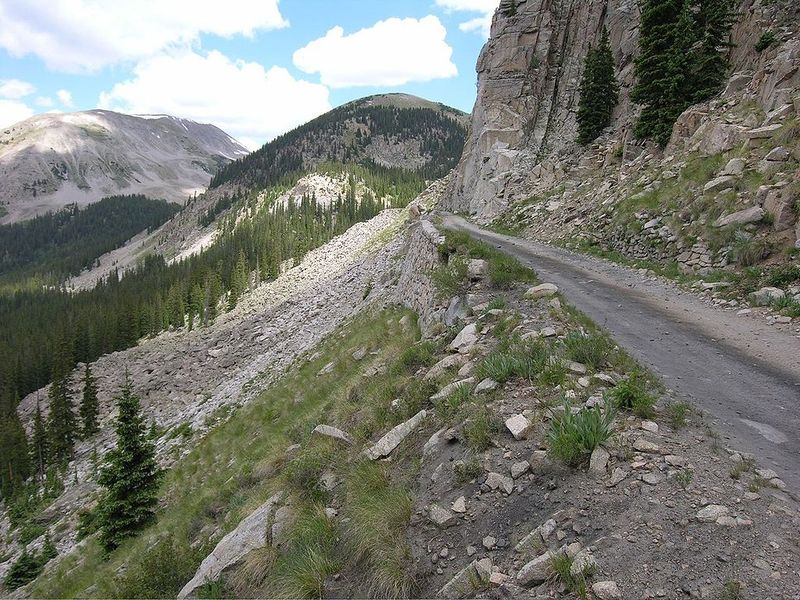
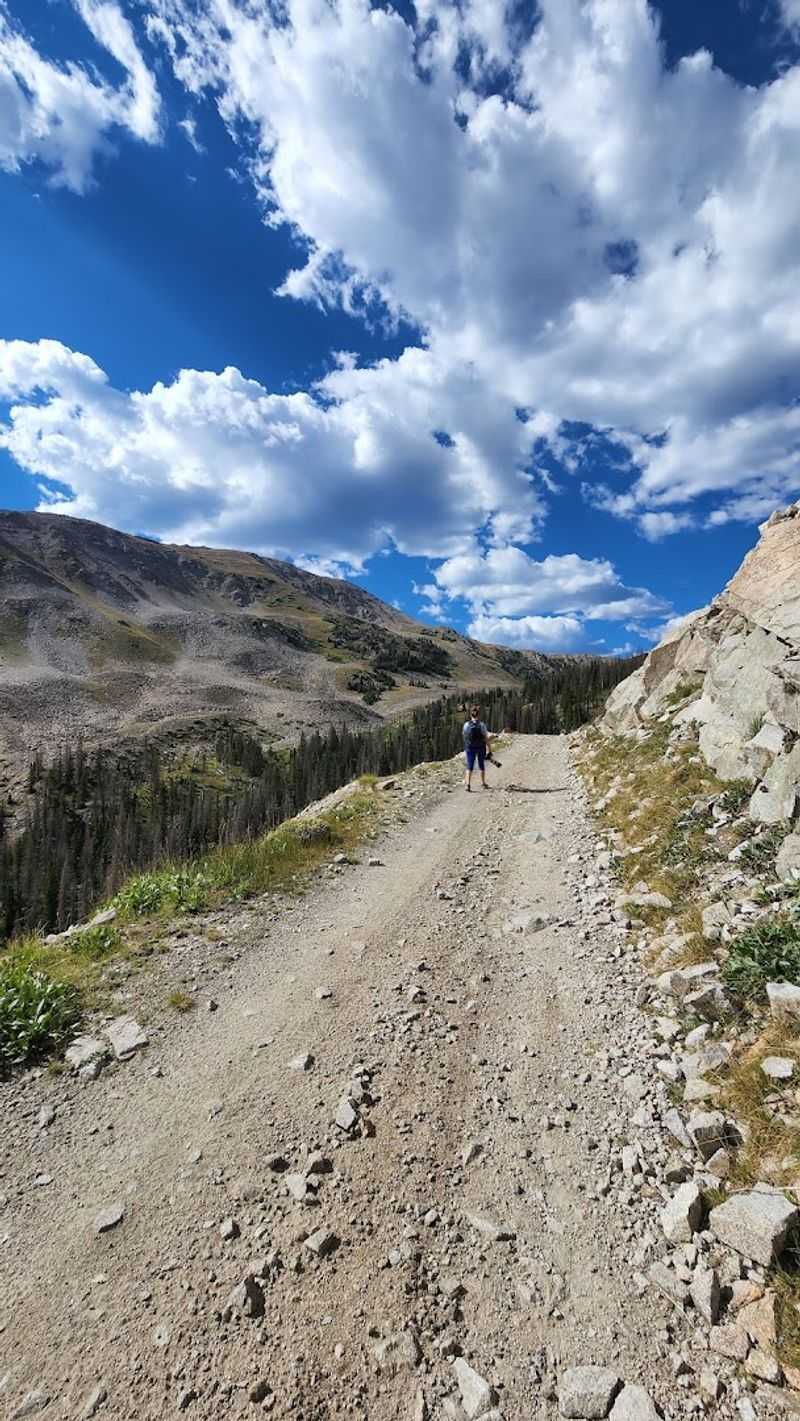
Before you even glimpse the tunnel, Alpine Tunnel Road itself issues a formal challenge. Forest Road 839 is not the kind of route where you drift along half-awake with a coffee in one hand.
It is narrow, it twists, and it takes passing lanes as more of a suggestion than a guarantee.
Visitors who have made the drive describe white-knuckle moments that somehow make the destination feel even more earned. That feeling of arriving somewhere you genuinely worked for is hard to manufacture, and this road delivers it with no effort at all on its part.
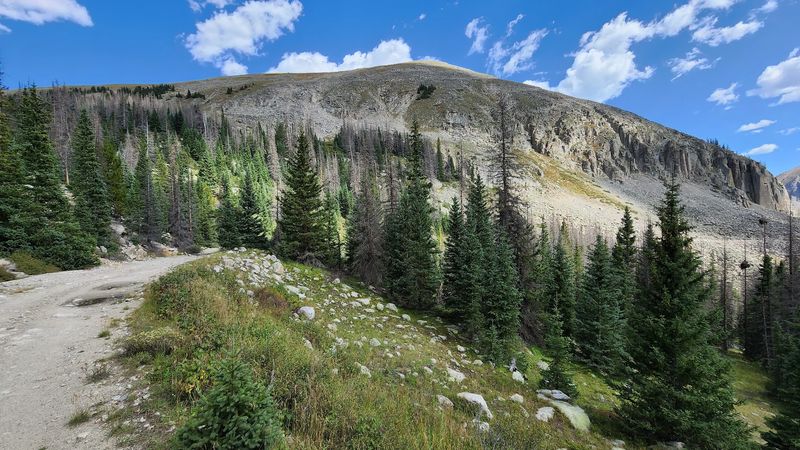
The terrain shifts as you climb, moving through dense pine forest before opening into sweeping high-altitude views that make the whole adventure feel cinematic. Plan your approach carefully, especially if you are towing anything or driving a low-clearance vehicle.
Four-wheel drive is strongly recommended, and checking road conditions before you head out is not optional, it is common sense dressed as a good idea.
Pro Tip: Go early in the day. The road gets busier as the morning progresses, and passing another vehicle on a narrow stretch is an experience best avoided during peak hours.
What The Tunnel Actually Was, And Why It Mattered
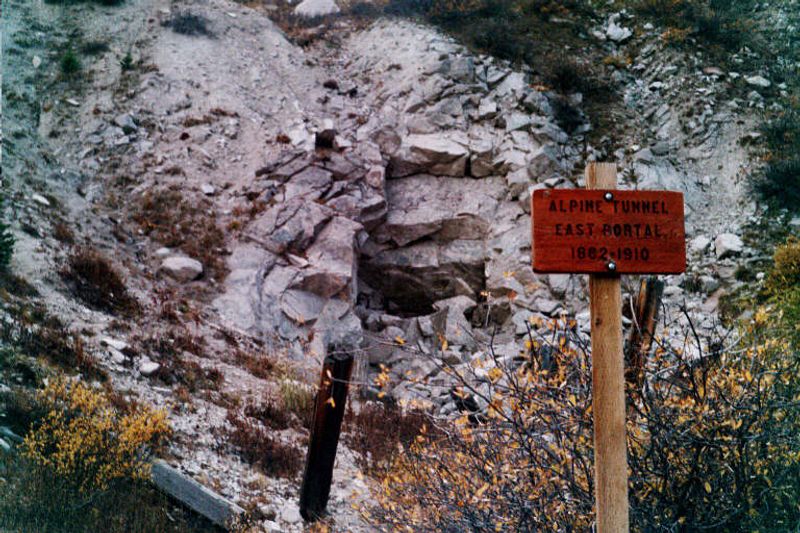
The Alpine Tunnel was not just an engineering project. When construction finished in 1882, it became the first railroad tunnel ever bored through the Continental Divide, a milestone that put Colorado on the map in ways that even the gold rush had not fully managed.
The Denver, South Park, and Pacific Railroad commissioned the work through Cummings and Co. Construction.
The mountain, however, had other ideas. What engineers expected to be solid rock turned out to be loose clay and unstable material, making the build longer, harder, and more expensive than anyone had planned.
The tunnel served narrow gauge trains through some of the most punishing terrain in North America. By 1910, damage had accumulated to the point where the Colorado and Southern Railway, which owned it by then, decided the low traffic volume simply could not justify repairs.
The tunnel was sealed and the railway abandoned.
Why It Matters: This is not just a sealed hole in a mountain. It represents the outer edge of what nineteenth-century American ambition attempted, and sometimes pulled off, in the Rockies.
Understanding that context transforms the visit from a curiosity stop into something genuinely moving.
Stepping Up To The Sealed Entrance
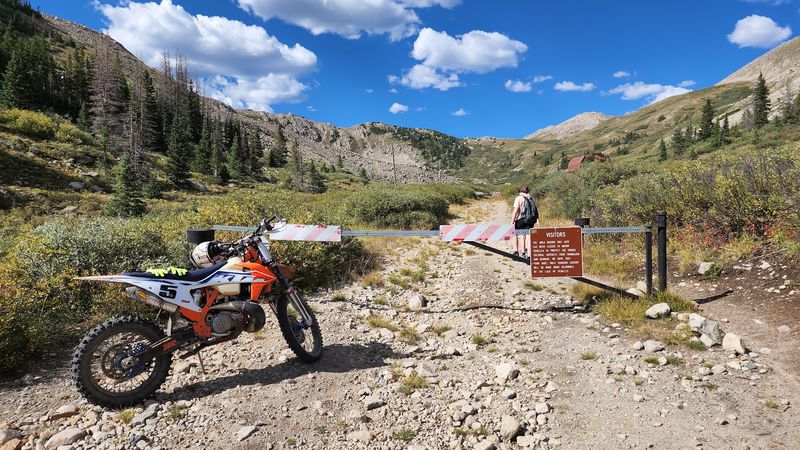
Standing at the tunnel entrance is one of those moments where the gap between expectation and reality actually works in the place’s favor. You might arrive thinking a sealed tunnel sounds anticlimactic, and then you get there and realize the setting alone is worth every mile of that road.
The stone portal is still standing, a physical remnant of the 1882 construction that has outlasted the railway, the company that built it, and several generations of visitors who came expecting less. The surrounding alpine landscape frames it in a way that no photograph fully captures, though you will absolutely try.
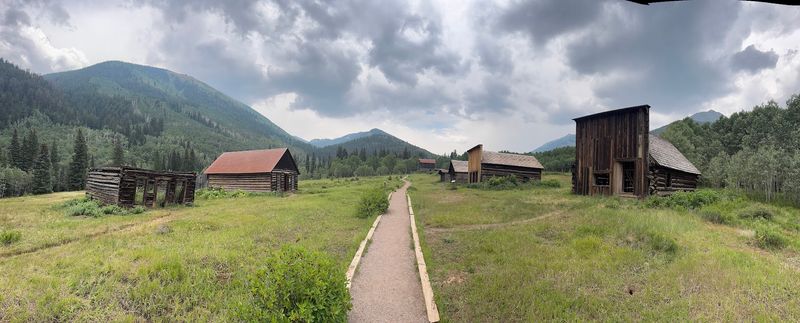
Old structural remnants near the site hint at the infrastructure that once supported an active mountain railway. Wooden timbers and stone foundations tell a quieter version of the same story the tunnel tells, one of ambition, hard labor, and eventual silence.
The air at this elevation carries a chill even in summer, so a jacket is not optional gear.
Best For: History enthusiasts, photographers, and anyone who appreciates a destination that rewards attention. The details here are small but layered, and the more you look, the more the place gives back.
The Stunning Secret The Title Promised You
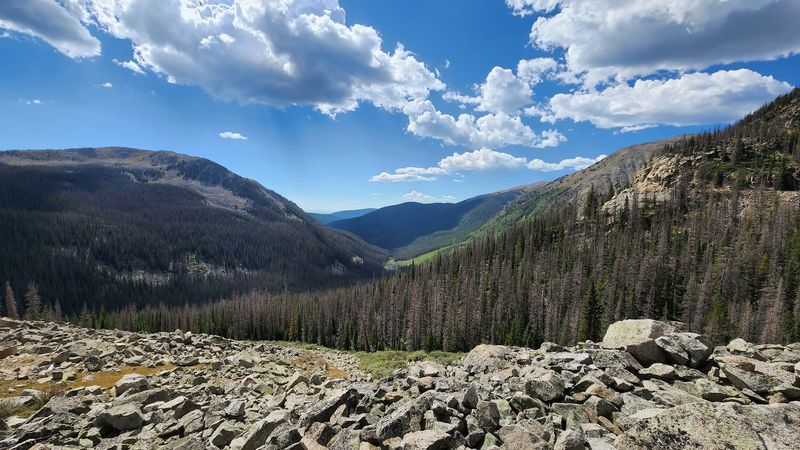
Here is the part that catches people off guard. The tunnel is sealed, yes, but just steps beyond the entrance, the landscape opens into something that stops most visitors mid-sentence.
High-altitude meadows, ridgeline views, and the kind of panoramic stillness that feels almost too big for the human eye to process stretch out in every direction.
The Continental Divide looms in a way that feels personal at this elevation. You are not looking at it from a distance or through a car window.
You are standing in it, surrounded by it, breathing the same thin air that railroad workers breathed when they first punched through this mountain more than a century ago.
Wildflowers appear in season, adding color to what is already a visually overwhelming scene. The combination of industrial history and raw natural beauty creates a contrast that is genuinely rare.
Most historic sites offer one or the other; this one layers both without trying.
Insider Tip: Bring a wide-angle lens or use your phone’s panoramic mode. Standard photos rarely capture the full scope of what the ridgeline looks like from this vantage point, and you will want proof that it was actually this good.
How Locals And Repeat Visitors Treat This Spot
Places like this develop a loyal following not through advertising but through word of mouth passed between people who feel like they discovered something personal. The Alpine Tunnel Historic District has exactly that reputation among Colorado outdoor enthusiasts and history-minded travelers.
Visitors who make the drive once tend to come back, often bringing someone new who has never seen it. That pattern of return visits and personal introductions is the most honest form of endorsement a place can earn.
No marketing budget produces that kind of loyalty.
The site is managed through the Grand Mesa, Uncompahgre, and Gunnison National Forests, which means it operates within a framework of preservation rather than development. That restraint is part of the appeal.
There is no gift shop competing for your attention, no food truck parked at the trailhead. Just the site, the history, and the mountain.
Common Mistake to Avoid: Underestimating the elevation and its effect on your energy level. Many visitors arrive from lower altitudes and push harder than they should in the first hour.
Take it steady, drink water consistently, and give your body time to adjust before you decide you feel fine.
Making It Work For Your Crew, Whatever That Looks Like
The Alpine Tunnel site works across a surprisingly wide range of visitor types, which is not something you can say about every remote Colorado destination. Families with older kids who can handle a mountain road and some elevation will find the combination of accessible history and dramatic scenery genuinely engaging.
Couples looking for a day trip with actual substance rather than just a scenic drive will leave with something to talk about. The layered story of the tunnel, from its construction through its abandonment, gives the visit a narrative arc that makes the drive back feel like the end of a good documentary rather than just the return trip.
Solo visitors and history-focused travelers tend to linger longest, moving slowly between the structural remnants and taking time to absorb the context. The site does not rush anyone.
There are no timed entry windows or crowds pressing you forward.
Who This Is For: Curious adults, older kids, and anyone who considers a sealed railroad tunnel from 1882 a reasonable anchor for a Saturday. Who This Is Not For: Very young children, anyone with serious mobility limitations, or travelers who prefer destinations with full amenities on-site.
Building A Simple Plan Around The Visit
Pitkin, Colorado is the kind of small town that exists on a first-name basis with its own geography. A quick stop through town before heading up Forest Road 839 gives you a grounding moment and a chance to fuel up before the road demands your full attention.
The drive to the tunnel site is the main event, so treat the town as your launch point rather than an afterthought. A short walk along Pitkin’s main stretch before or after the mountain excursion adds a low-effort small-town layer to the day without requiring any additional planning.
Pair the tunnel visit with a packed lunch eaten at the trailhead with a mountain view, and you have a genuinely complete outing that costs almost nothing and delivers well above its asking price. The whole loop, town stop included, can fit comfortably into a single day from most western Colorado bases.
Planning Advice: Check the National Forest website at fs.usda.gov or call ahead at the number listed for the Gunnison area office before your trip. Road conditions and seasonal closures can shift quickly at this elevation, and a two-minute phone call saves a long drive to a closed gate.