
This Abandoned Michigan Town Is As Fascinating As It Is Creepy
Nothing about the approach suggests what waits at the end of the road. Trees close in on both sides, the pavement narrows, plus then the forest opens onto a row of empty buildings standing exactly where their builders left them over a century ago.
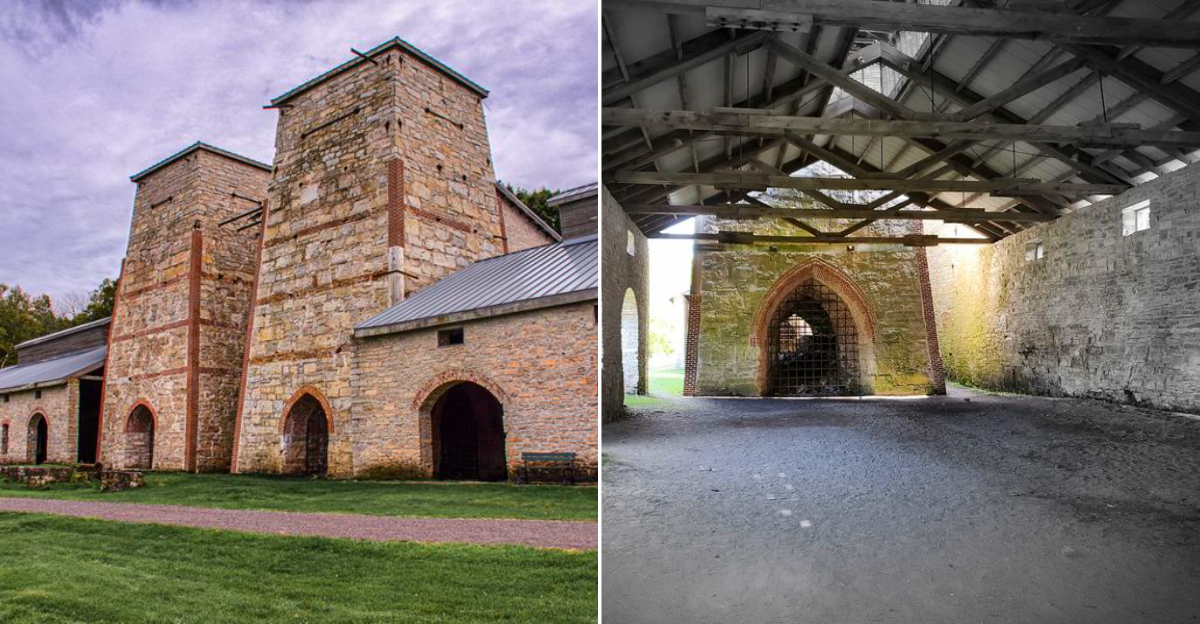
The iron furnace still rises against the skyline, its brick walls blackened by decades of heat that stopped producing long before anyone living today was born. Down the hill, a harbor that once loaded iron ore onto waiting ships now sits still, the docks weathered but recognizable.
Walking the grid of former streets feels like reading a blueprint for a life that evaporated: the hotel foundation, the company office, the homes arranged in neat rows facing a bay that must have looked exactly the same to the people who lived here.
An abandoned iron town on Lake Michigan’s shore preserves furnace ruins among empty streets in Michigan.
Start At The Furnace Ruins
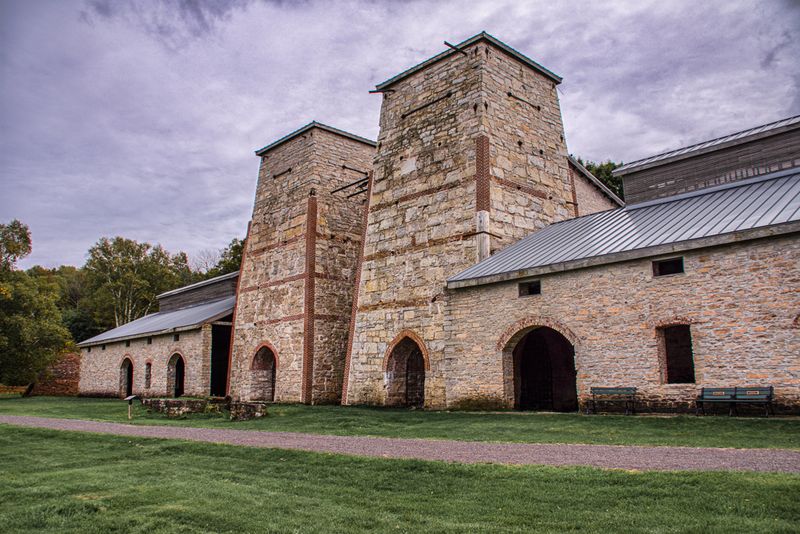
The blast furnace complex is the emotional center of Fayette, and it is where I would begin every first visit. Those massive stone stacks dominate Snail Shell Harbor with a severity that still feels practical, not decorative.
Standing there, you can read the town backwards, from industry to homes to shoreline, which makes the whole site easier to understand.
Fayette produced pig iron here from 1867 to 1891, using local limestone, charcoal, and ore shipped in by water. The scale is startling because the town around it is otherwise so human-sized.
Start here early in your walk, before details blur together, and the rest of the preserved buildings will make much more sense.
Seventeen Miles Down The Peninsula, The Past Runs Out Of Road
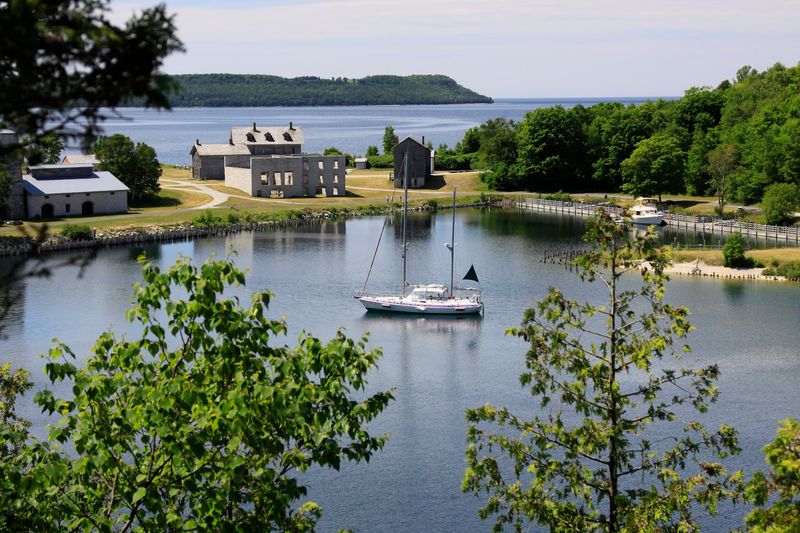
Fayette Historic State Park & Townsite sits at 4785 II Road in Garden, Michigan, on the Garden Peninsula along Big Bay de Noc. From US-2, turn south onto M-183 and follow it away from the main Upper Peninsula highway.
The drive runs for about 17 miles through quiet peninsula country before reaching the park. Forest, farmland, and glimpses of Lake Michigan slowly replace the usual roadside stops, making the approach feel more remote with every mile.
Turn into the state park entrance and follow signs toward the visitor area and historic townsite. A Michigan Recreation Passport is required for vehicle entry, so have your pass ready before you park and walk toward the old harbor buildings.
Walk The Town Like A Real Neighborhood
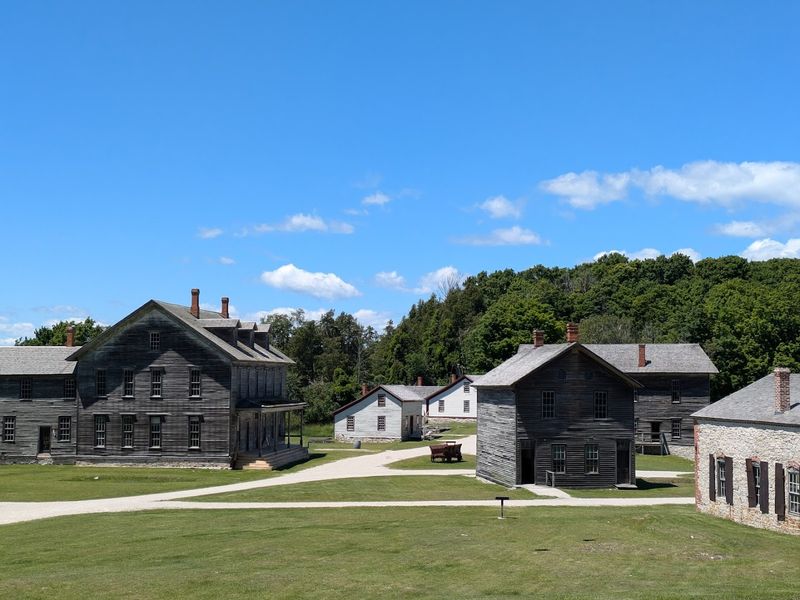
What impressed me most was not a single building but the way Fayette still reads as a lived-in community. The superintendent’s house, workers’ homes, hotel, machine shop, and other structures sit close enough together that daily routines become imaginable.
You do not need much imagination, really, because the layout does half the work for you.
About 500 people lived here during the town’s operating years, many of them immigrants tied to the furnace economy. That company-town structure becomes visible as you move from larger houses to simpler ones.
Instead of rushing building to building, walk it as if you are learning the temperament of an old neighborhood, because Fayette reveals itself through relationships, not isolated landmarks.
Go Inside As Many Buildings As You Can
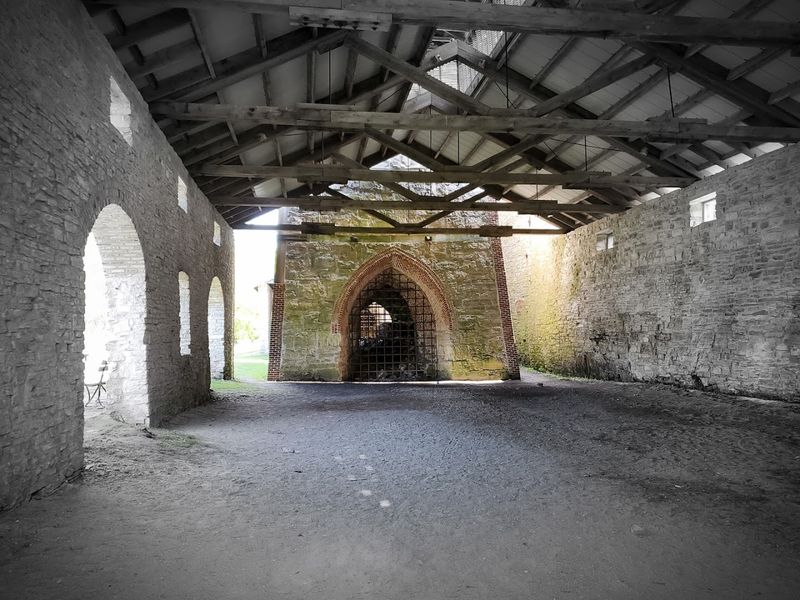
Fayette would be memorable even as an outdoor ruin, but the open buildings are what give it real depth. Many structures contain period furnishings, artifacts, and interpretive displays that pull the site away from abstraction.
A schoolroom, homes, and service buildings let you compare public life, family life, and labor in quick succession. Those small domestic details make the town feel less like a preserved shell and more like a place where ordinary routines once unfolded.
The effect is intimate rather than theatrical, which I appreciated. You are not being nudged toward a fake ghost story, just invited to look closely at how a remote industrial town functioned.
If a door is open, step inside, linger a minute, and read the panels, because the interiors quietly supply the human scale the furnace ruins cannot. They help connect the big industrial story to individual lives, habits, rooms, and daily work.
Climb For The Limestone Cliff Views
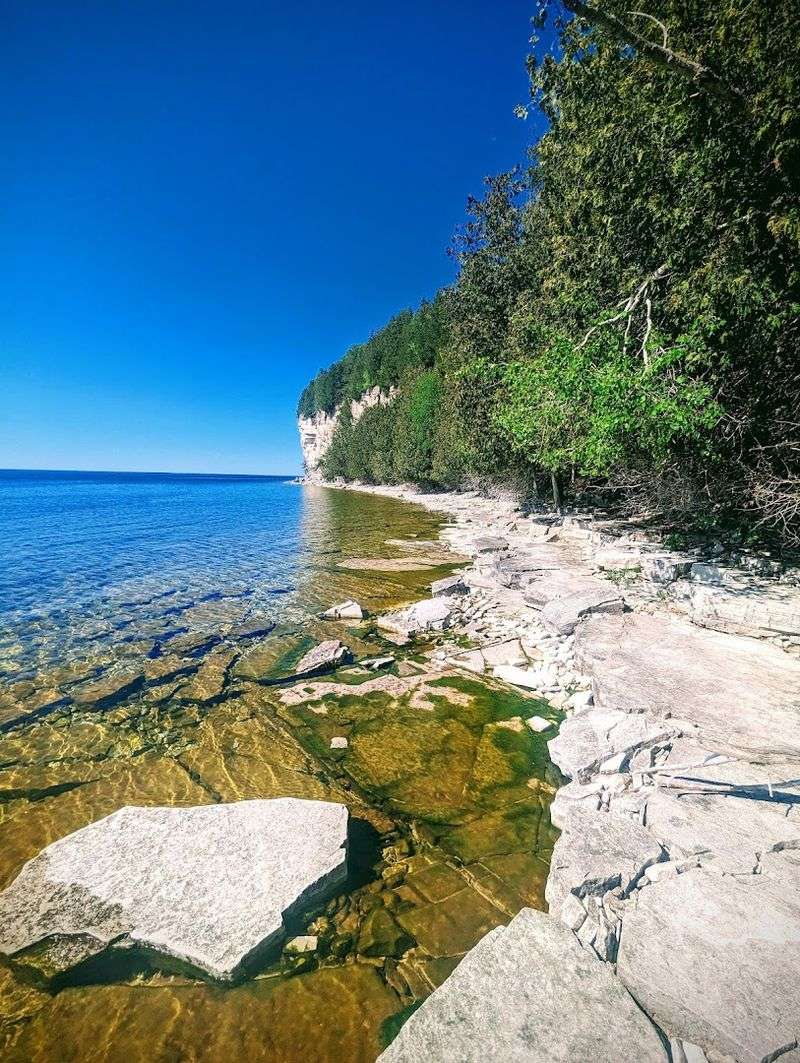
The cliffs around Fayette are not a scenic extra. They are part of the reason the town existed at all, since limestone was essential to the smelting process.
Today those same formations give the park its visual drama, lifting the whole site out of straightforward industrial history and into something far more cinematic.
From higher vantage points, you can see how tightly the town, harbor, and furnaces fit together. Big Bay de Noc opens beyond the settlement, and the old industrial footprint suddenly looks both strategic and vulnerable.
Bring solid walking shoes and allow time for the bluff views, because the geology explains Fayette almost as clearly as the interpretive signs do.
Give Yourself More Time Than You Think
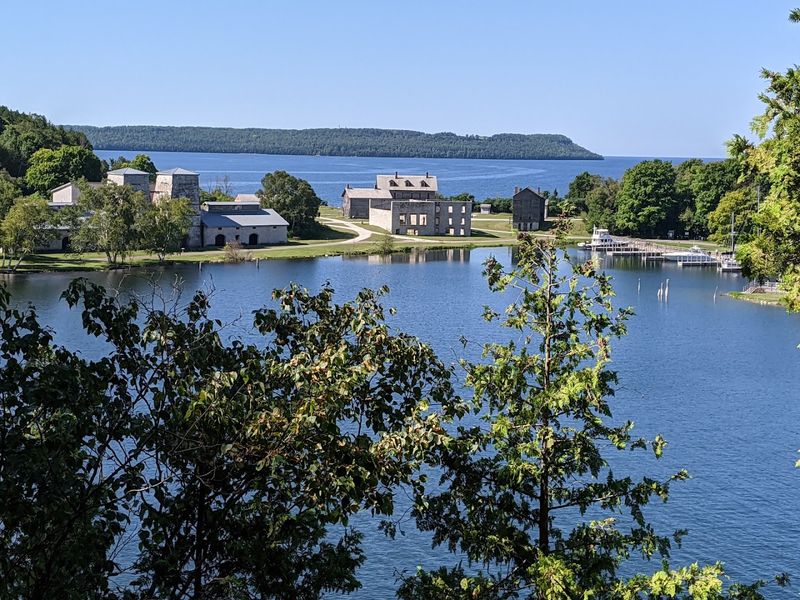
Fayette is easy to underestimate on a map. Once you arrive, the combination of preserved buildings, harbor views, museum-style interpretation, and hiking trails stretches the visit in the best possible way.
A quick stop can turn into several hours without any sense of dragging, especially if you read signs and explore interiors.
The park includes more than five miles of trails, and the historic core alone rewards a slow circuit. Paths are generally manageable, though some areas involve inclines and uneven walking.
I would plan for at least two to three hours for the townsite, and longer if you want overlooks, photos, or a quieter pace that lets the atmosphere settle in.
Use The Visitor Center To Decode The Place
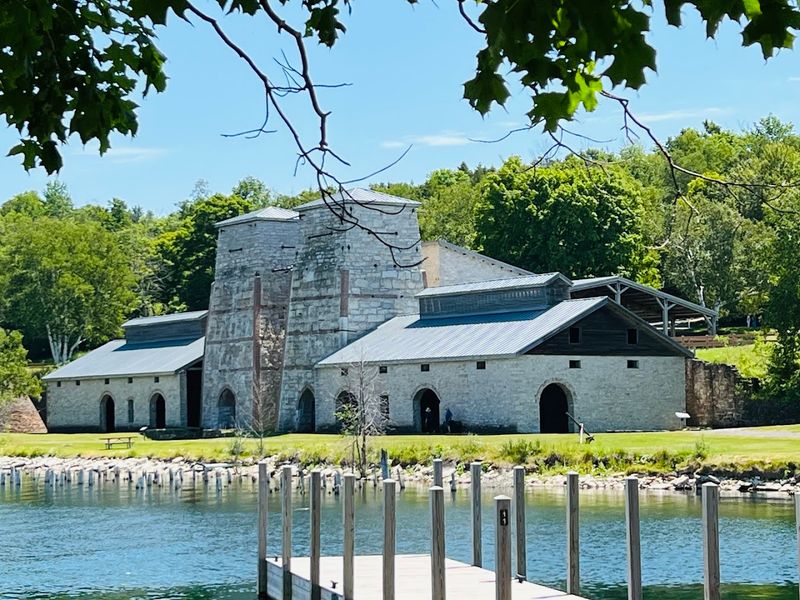
A place this layered is easier to appreciate once you have the basic story straight. The visitor center helps with that by grounding you in the timeline, the industrial process, and the arrangement of the town before you start wandering.
It is the difference between merely seeing old buildings and understanding why they sit where they do.
The park’s hours are generally 9 AM to 9 PM, and practical stops like restrooms and information are useful before heading downhill into the site. Interpretive exhibits and models sharpen your eye for details you might otherwise miss.
Start there, get oriented, and then let the outdoor experience become less random and much more rewarding.
Pay Attention To The Preservation Work
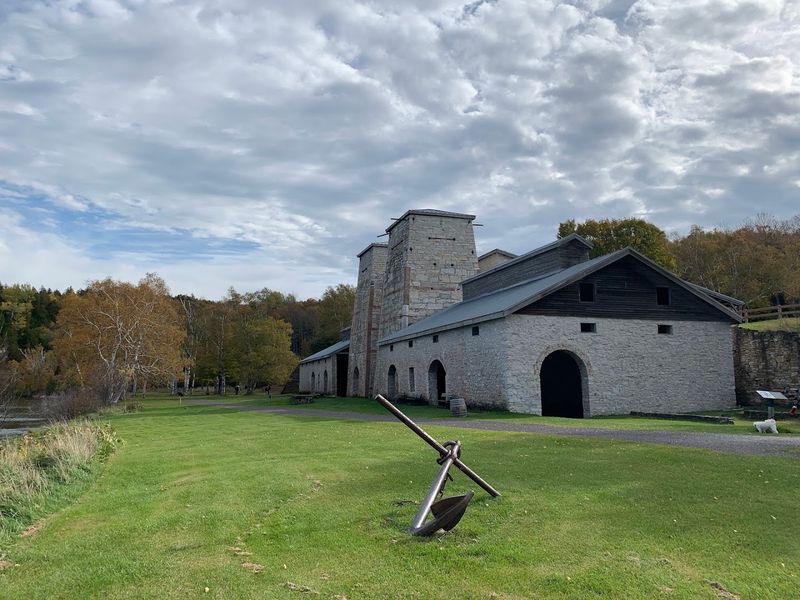
One reason Fayette feels so powerful is that it has been preserved carefully rather than polished into something too neat. Michigan acquired the site in 1959, and decades of stabilization and restoration have kept the town legible without stripping away its age.
The result is a rare balance between access, safety, and honesty.
You can see that care in the furnace complex, in the maintained streetscape, and in the buildings that remain open to visitors. Ongoing structural work has continued in recent years to protect the site for the future.
Look closely at stone, wood, and layout choices, because preservation here is not background maintenance. It is part of the story you came to see.
Visit In A Shoulder Season For Extra Mood
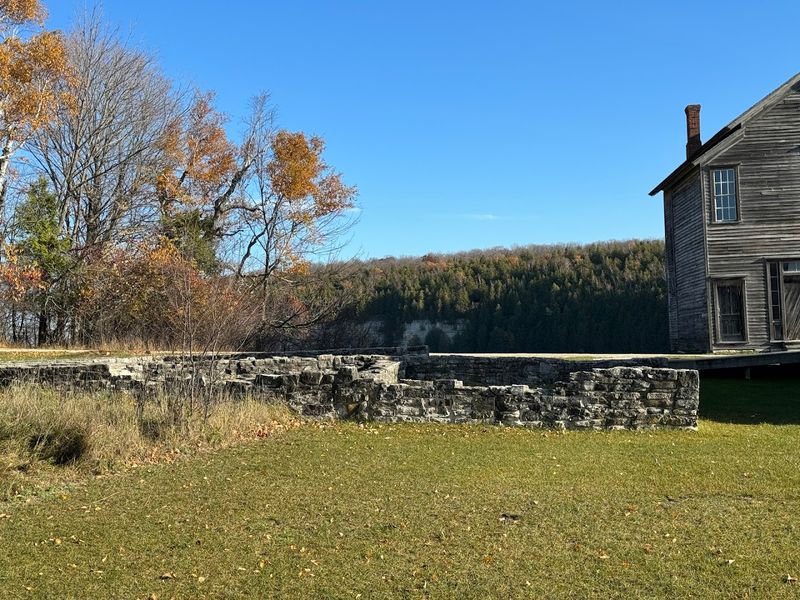
Fayette is interesting in any season, but it becomes especially evocative when the air cools and the crowds thin. Autumn sharpens the contrasts between gray stone, dark water, and surrounding forest, while winter strips the place down to quiet essentials.
Even on a bright day, the town’s short life feels more apparent when the landscape turns spare.
That seasonal shift matters because Fayette’s mood is part of its appeal, not just its architecture. Snowy trails and still buildings can make the town feel almost suspended outside time.
If you prefer contemplation over bustle, consider a shoulder-season visit and bring layers, because the Upper Peninsula can make a fascinating site feel even more atmospheric.
Treat The Trails As Part Of The Story
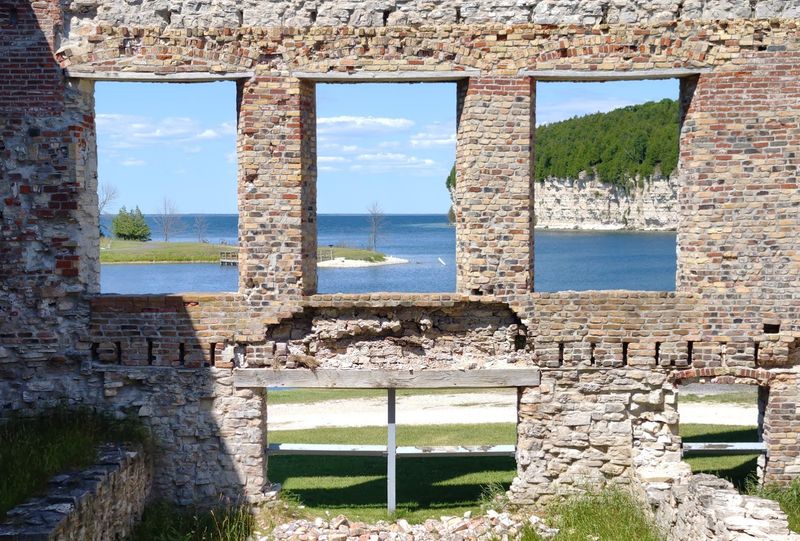
The hiking trails at Fayette are not a separate attraction tacked onto a history stop. They expand the story by showing the surrounding hardwood forest, bluff edges, and changing perspectives that shaped daily life here.
Once you leave the tight cluster of buildings, the town starts to look smaller, harsher, and more dependent on its landscape.
That wider view helps explain both Fayette’s industrial ambition and its vulnerability after the iron business declined. Trails range from easy wandering near the townsite to more scenic outlook routes above it.
If you have the energy, pair the historical walk with at least one bluff or forest trail, because context is what turns this site from interesting into unforgettable.
Respect The Silence Instead Of Chasing Ghost Stories
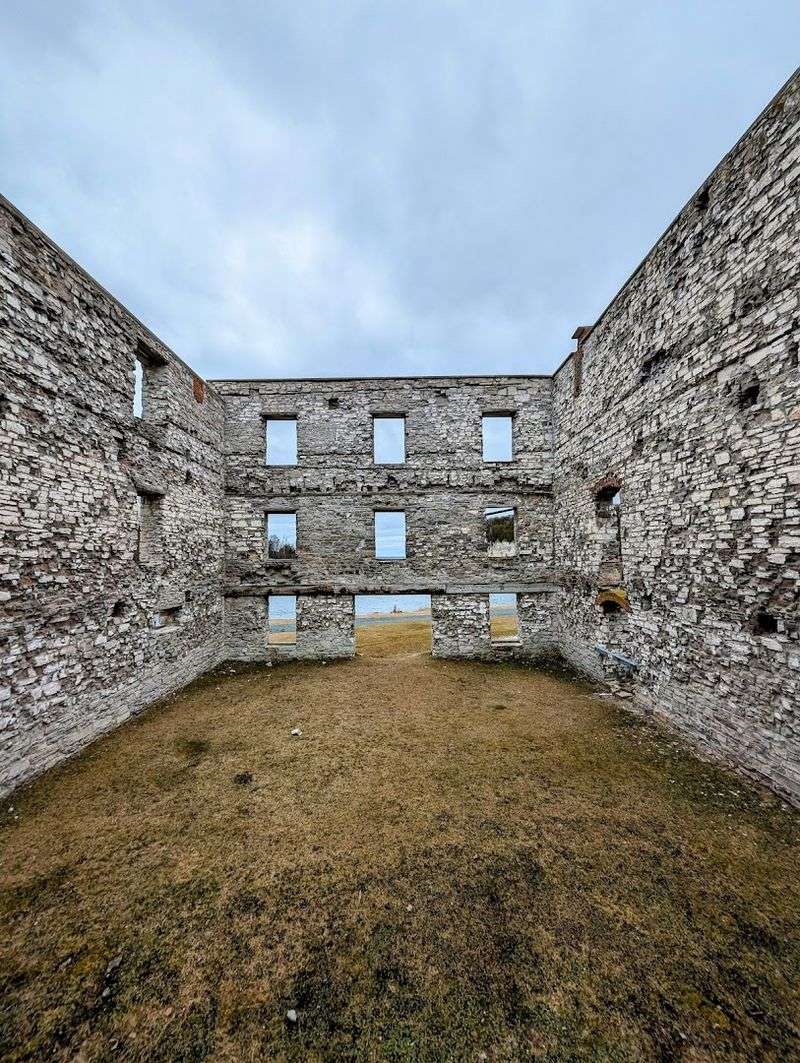
It is tempting to call Fayette creepy and leave it at that, but the place deserves more precision. What lingers is not a theatrical haunted-house feeling.
It is the quiet after purpose, the way a once-busy industrial community can remain so physically present while its labor, noise, and urgency have vanished.
That is why the site stays with you. The town operated for only a few decades, from 1867 to 1891, yet its footprint still feels unexpectedly complete.
Let the silence do the work, read the histories carefully, and resist turning the place into a novelty. Fayette is more compelling than a ghost story because the real story is already strange enough.