
This Abandoned Seaside Fort In South Carolina Feels Like A Hidden Gem
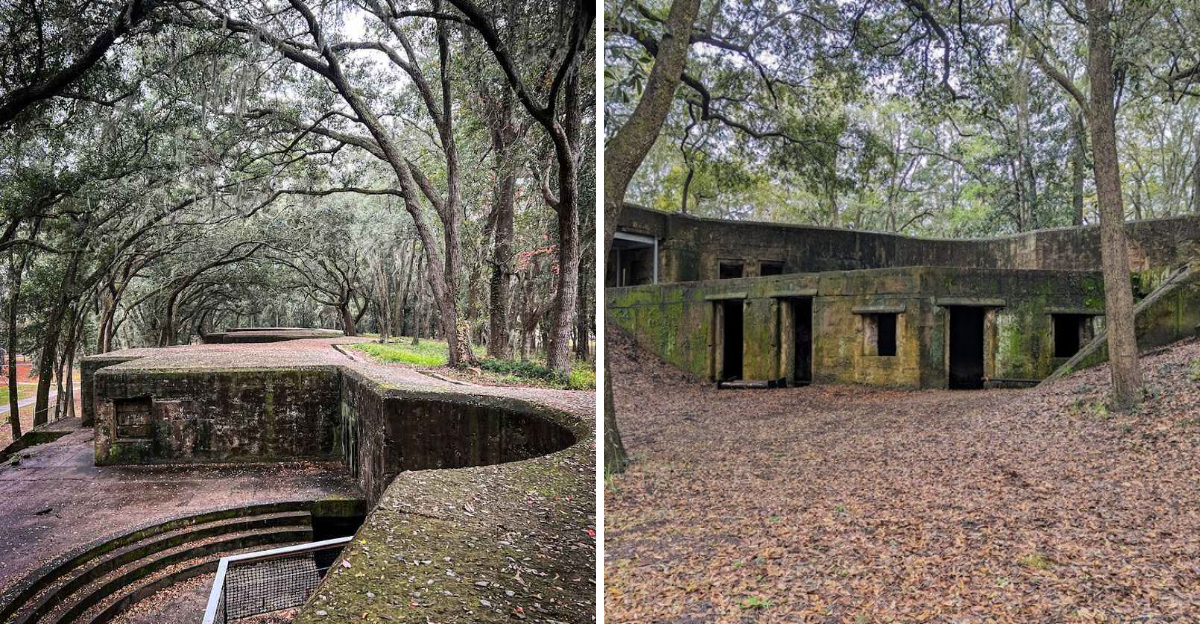
Fort Fremont does not look like a typical South Carolina attraction. It looks like the kind of place people accidentally discover and then spend years talking about.
Weathered concrete walls rise above the shoreline. Sea breezes drift in from Port Royal Sound.
Old military batteries sit quietly beneath the South Carolina sun.
Hidden on St. Helena Island, this historic fort feels both mysterious and beautiful. Every path reveals another piece of the past.
Crumbling structures stand where soldiers once watched the coast. Today, the only sounds are wind, waves, and seabirds overhead.
The contrast is what makes the place so memorable. One moment you are exploring a former coastal defense site.
The next you are staring out at peaceful water that looks straight out of a postcard.
The crowds stay small. The views are spectacular.
And the atmosphere feels unlike anywhere else on the South Carolina coast.
For history lovers, photographers, and curious explorers, Fort Fremont feels like a hidden gem waiting to be discovered.
A Fort Born From War: The Spanish-American War Origins
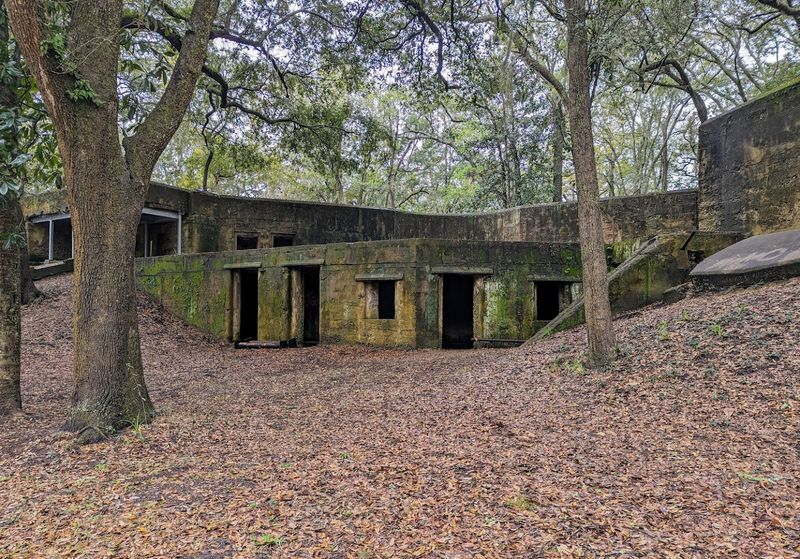
Back in 1898, the United States government was not taking any chances with its coastline. When the Spanish-American War broke out, military planners identified Port Royal Sound as a strategically important waterway that needed defending, and Fort Fremont was the answer.
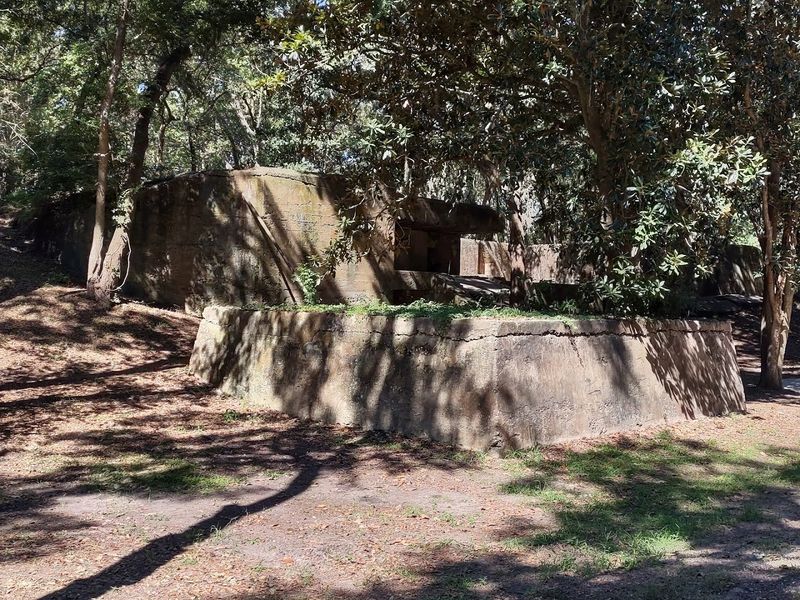
Constructed as part of the Endicott System of coastal defenses, the fort was designed to house massive guns capable of stopping enemy ships before they could reach inland waters. The batteries were built from thick concrete and engineered to be nearly invisible from the water, blending into the natural landscape of St. Helena Island.
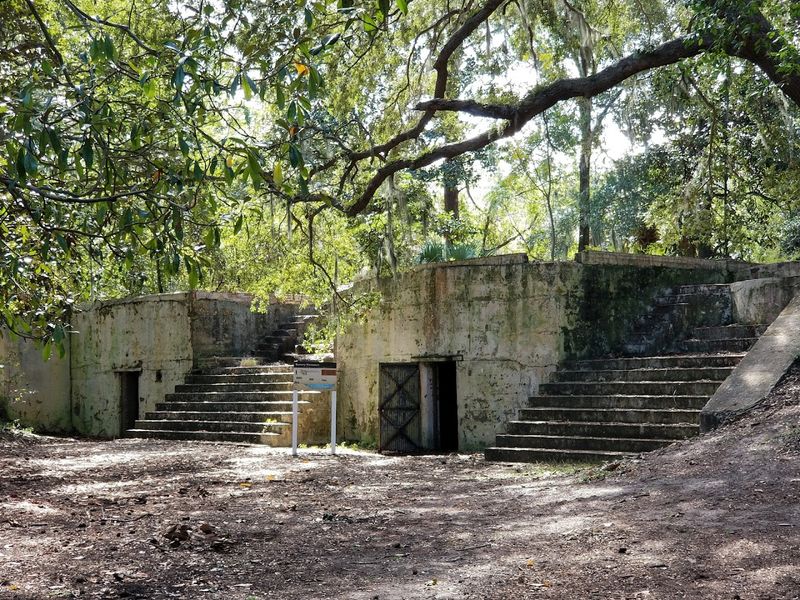
Informative display signs throughout Fort Fremont Preserve at 1124 Lands End Rd, St Helena Island, SC 29920 walk visitors through the fort’s conception, construction, and armament in clear detail. The war ended before the guns ever fired a single shot in combat, which makes the whole site feel like a monument to preparation rather than conflict.
That quiet irony gives the place a surprisingly thoughtful energy.
The Endicott System And What Made This Fort Unique
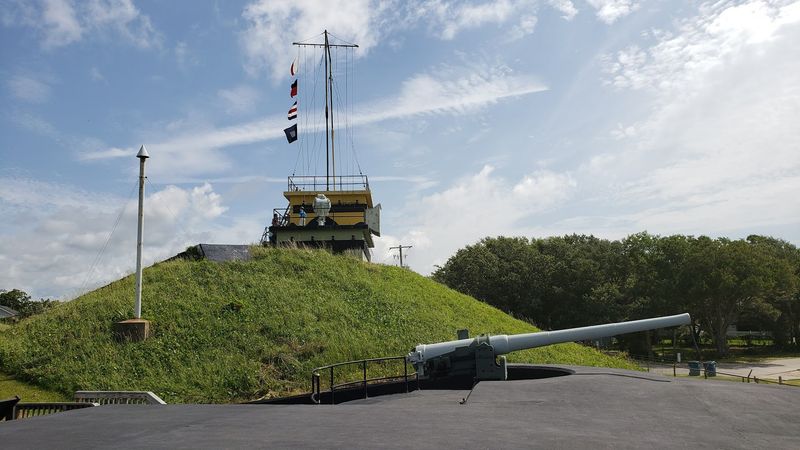
Not every fort from the 1800s was built the same way, and Fort Fremont stands out because of the engineering philosophy behind it. The Endicott System, named after Secretary of War William Endicott, called for low-profile concrete batteries that used disappearing guns, weapons that could rise to fire and then sink back below the parapet to reload safely.
This design was considered revolutionary at the time because it made the guns nearly impossible for enemy ships to target. Fort Fremont was built with two batteries designed to hold these massive weapons, and the concrete structures that remain today still reflect that clever tactical thinking.
Walking through the battery rooms, I kept thinking about how much planning went into a fort that never actually saw battle. The engineering feels both impressive and a little melancholy, like a carefully rehearsed performance that never had an audience.
Visitors who appreciate military architecture will find plenty to study and admire here without needing a background in history.
What The Ruins Look Like Up Close
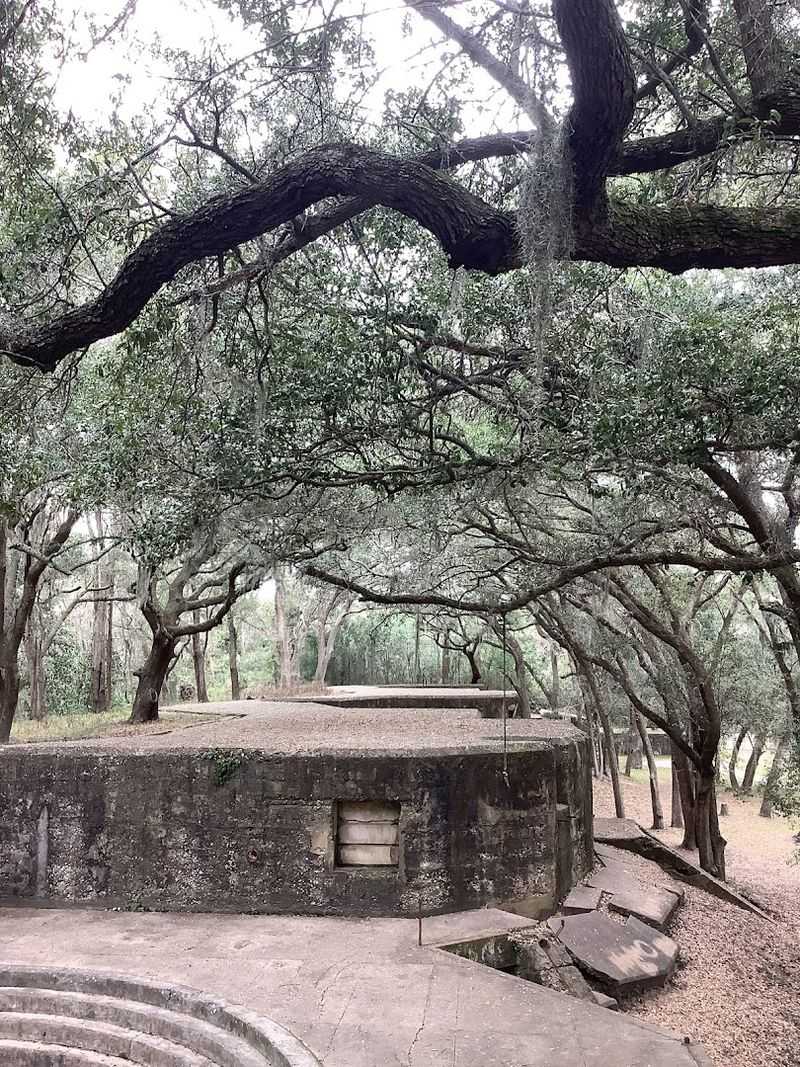
The first thing that struck me when I stepped onto the grounds was how substantial the ruins actually are. These are not crumbling piles of brick you squint at from behind a fence.
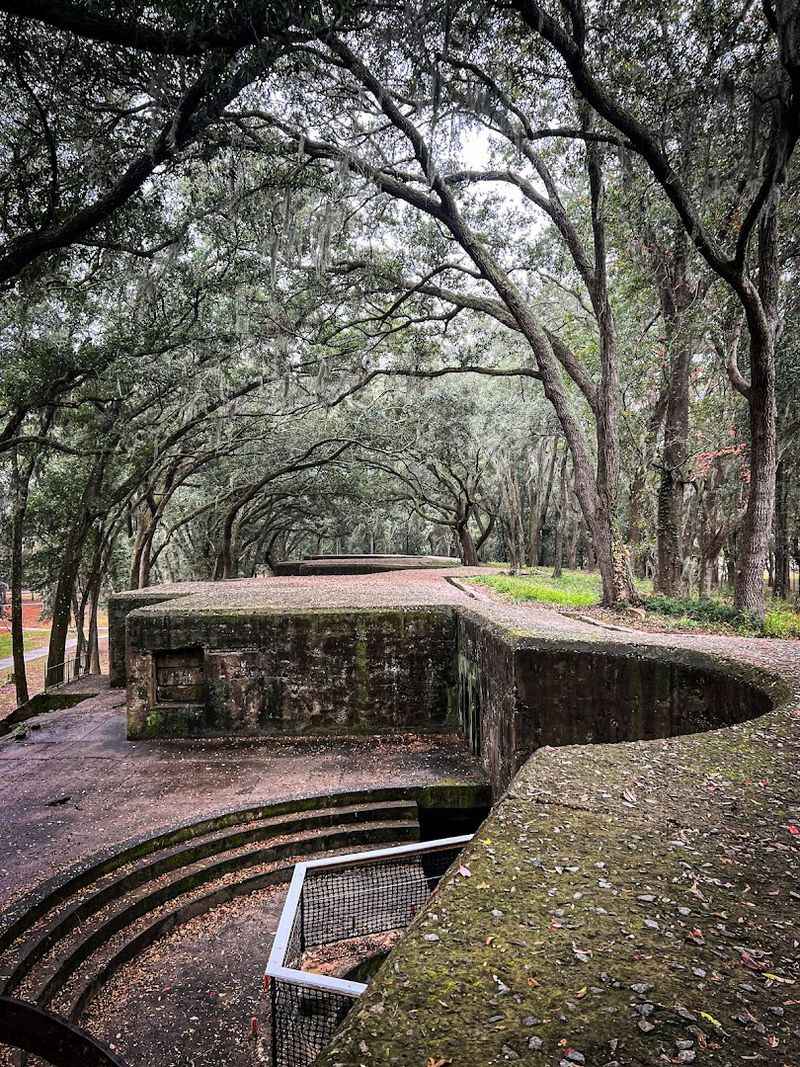
The concrete batteries are large, solid, and walkable, with rooms, corridors, and open-air platforms that invite real exploration.
Visitors can climb the steps up to the ramparts and look out over Port Royal Sound, which offers a sweeping view that makes the fort’s strategic purpose immediately obvious. The walls are thick enough to muffle sound, and standing inside the battery rooms feels like stepping into a different era entirely.
Some sections do show graffiti on interior walls, which a few reviewers have noted with disappointment, but it does not significantly take away from the overall experience. The concrete has aged in a way that feels dramatic rather than neglected, with textures and shadows that make every angle a potential photograph.
Sturdy shoes are strongly recommended since some surfaces can get slippery.
The Beach That Steals The Show
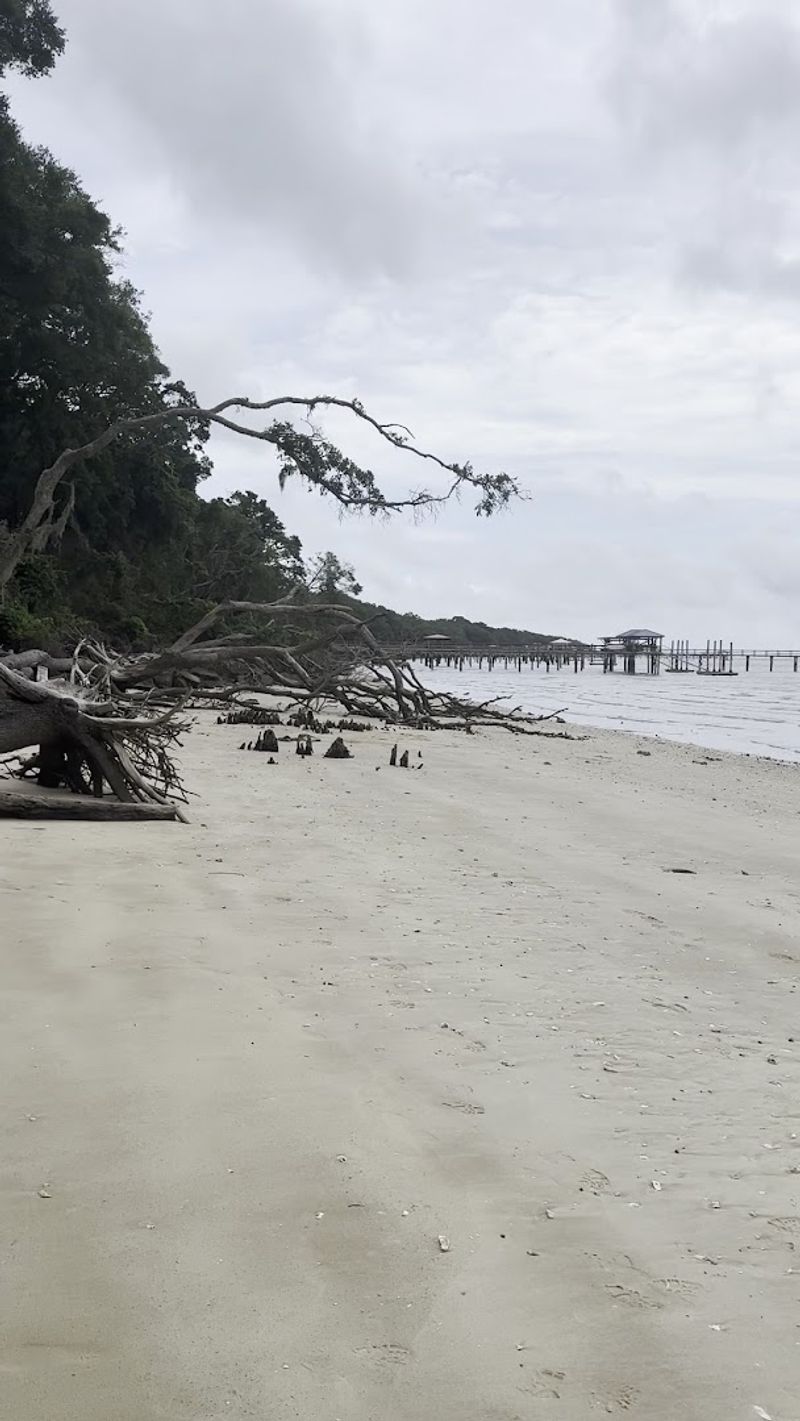
One of the most talked-about features of Fort Fremont Preserve is the small beach tucked right behind the fort structures. It sits along Port Royal Sound and has a wild, undeveloped character that feels completely different from the crowded resort beaches you find elsewhere along the South Carolina coast.
Pieces of driftwood dot the shoreline, and the water has that calm, slightly murky quality of a sheltered sound rather than the open Atlantic. Shell hunters and rock collectors will enjoy poking around, and the overall atmosphere is peaceful enough that you could easily spend an hour just sitting and watching the water move.
One reviewer compared it to a scene from Pirates of the Caribbean, and honestly, that description is not far off. The combination of the old fort looming nearby, the twisted driftwood, and the quiet water creates a backdrop that feels cinematic without trying.
Sunset visits here are particularly rewarding, with the light turning the water and ruins a warm amber color.
The Interpretive Center And What You Will Learn Inside
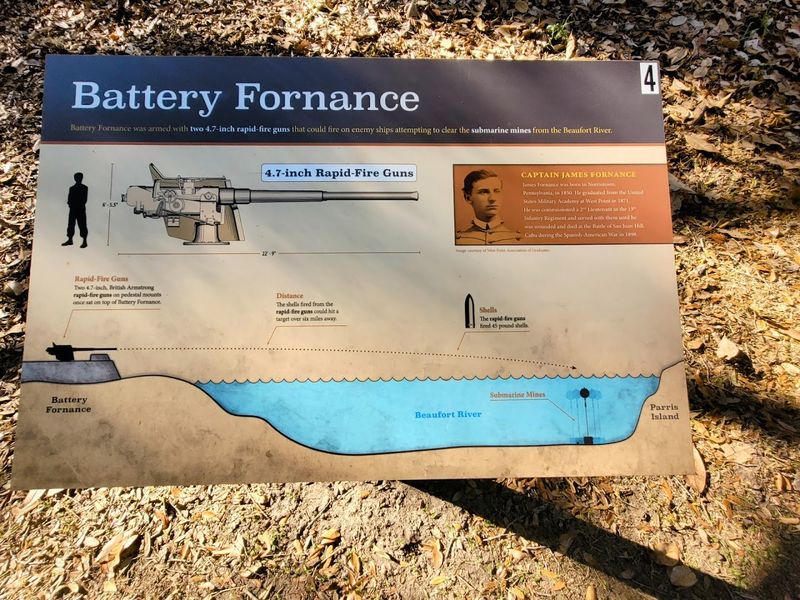
The interpretive center at Fort Fremont is a modest but genuinely informative space that adds real context to everything you see outside. Inside, visitors find scale models showing how the original fort was armed, diagrams of the surrounding buildings that no longer exist, and a short film that explains the fort’s historical importance in an easy-to-follow way.
The staff members who run the center are consistently praised in visitor reviews for being knowledgeable and friendly, and they clearly care about keeping this piece of South Carolina history alive. The center is currently open Thursday through Saturday from 1 to 4 PM, so planning your visit around those hours is worth the extra effort.
Admission to the preserve itself is completely free every day of the week, which makes the interpretive center feel like a bonus rather than an obligation. Clean restrooms and a water fountain are available at the center building seven days a week regardless of whether the museum is open, which is a small but genuinely appreciated detail for visitors spending time on the grounds.
Picnic Areas And Outdoor Spaces Worth Knowing About
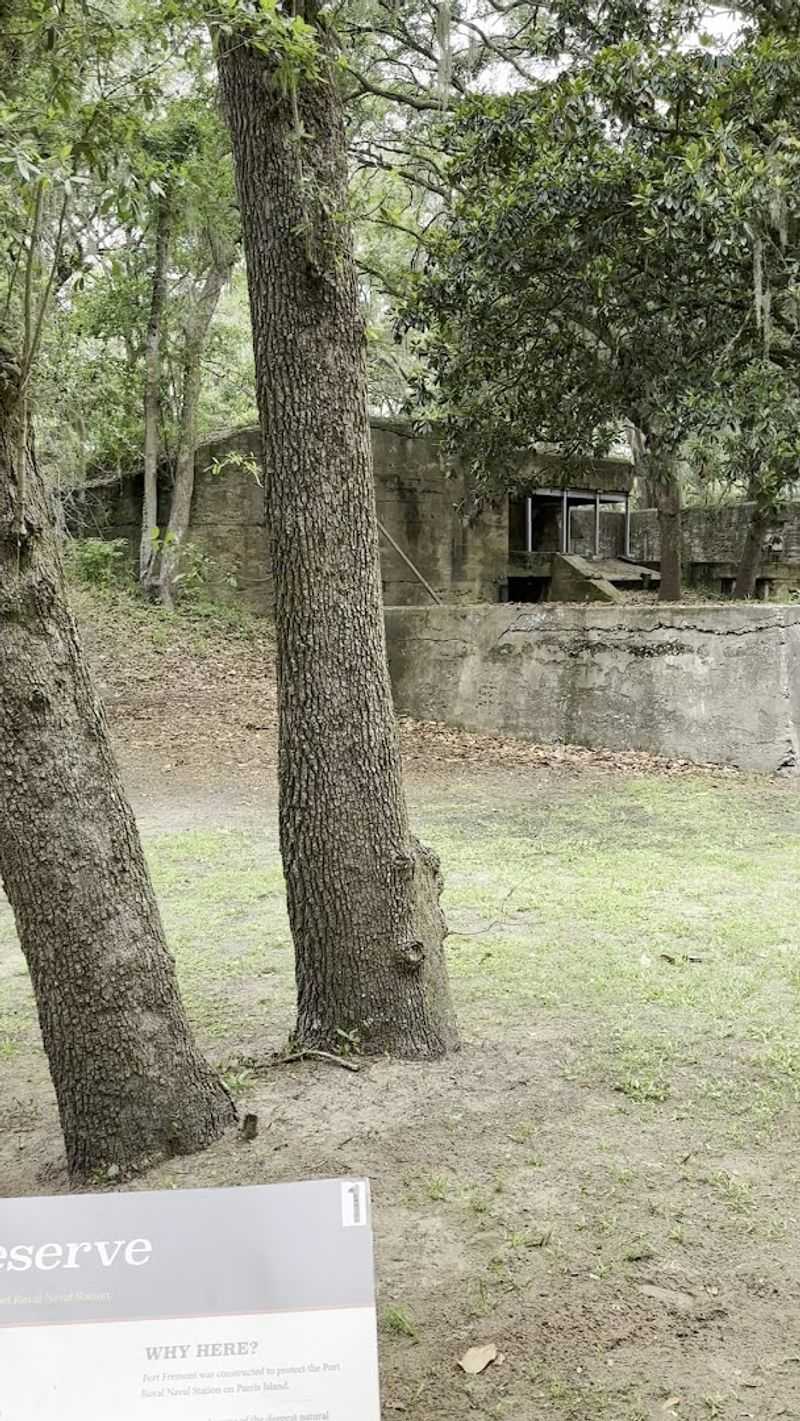
Fort Fremont Preserve is not just a history stop. It is also one of the more pleasant outdoor spaces you will find anywhere near Beaufort, South Carolina, and the picnic area in particular gets high marks from nearly every visitor who mentions it.
Shaded tables are spread across a clean, well-maintained lawn area that feels genuinely relaxing. A gazebo was added in recent years along with new paved pathways that improve accessibility for visitors of all mobility levels, showing that the preserve continues to invest in the visitor experience even on a tight budget.
One reviewer called it one of the best picnic areas they had ever visited, which is a bold claim but not hard to believe once you are sitting there with the trees overhead and the sound of the water nearby. Families with young children will appreciate having a safe open space where kids can run around between exploring the fort ruins.
Packing lunch and making a half-day of it is absolutely the right move here.
Safety Tips For Exploring The Ramparts
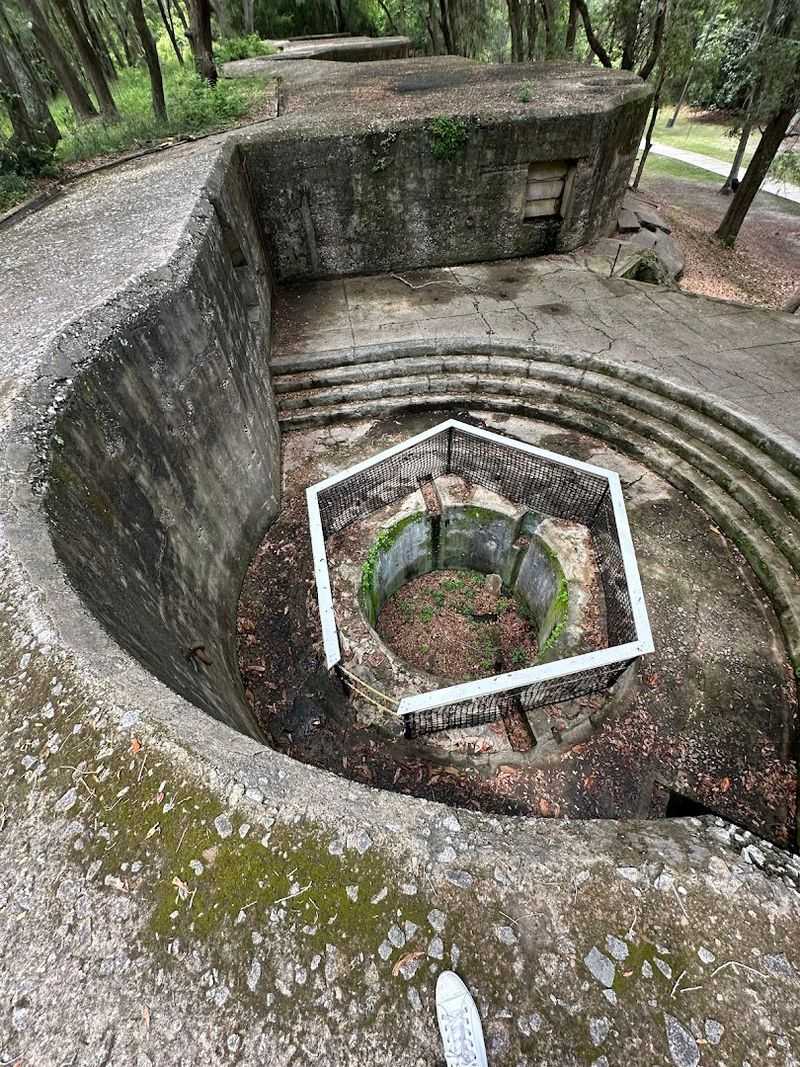
Fort Fremont is the kind of place where freedom to explore is part of the appeal, but that freedom comes with a few things worth knowing before you start climbing. Visitors are allowed to walk along the top of the ramparts, which offers incredible views, but there are no railings or barriers in many sections.
Some drops from the rampart edges are over eight feet onto hard concrete below, so keeping a close eye on young children is genuinely important rather than just a cautionary suggestion. The surfaces can also become slippery when covered with fallen leaves or after rain, so wearing shoes with solid grip is a practical must rather than optional advice.
I will be honest, the openness of the fort is one of the things I loved most about visiting because it treats adults like capable people who can assess their own surroundings. Just bring the right footwear, hold small hands near the edges, and take your time moving through the space.
The views from the top are absolutely worth the careful approach.
The Best Times To Visit And Hours To Know
Getting the timing right at Fort Fremont can genuinely shape how much you enjoy the visit. The preserve grounds are open every day from 7 AM to 7 PM, which gives plenty of flexibility for morning explorers and sunset chasers alike.
The interpretive center is only open Thursday through Saturday from 1 to 4 PM, so if you want to see the exhibits and models inside, those are the days to plan around.
Guided tours are available on weekends, and several visitors strongly recommend taking one if you want more depth than the self-guided signs provide. The phone number for the preserve is plus one 843-255-2152, and more information is available at fortfremont.org if you want to check current schedules before making the trip.
Sunset visits are particularly popular, and it is easy to see why once you watch the light change over Port Royal Sound from the top of the ramparts. Weekday mornings tend to be quieter and are a good option if you prefer having the ruins largely to yourself.
Crowds are generally light regardless of when you go.
How Fort Fremont Fits Into The Broader Beaufort Area
St. Helena Island sits within the broader Beaufort County area, and Fort Fremont is close enough to downtown Beaufort to make an easy day trip combination. The drive out to 1124 Lands End Rd takes you through classic South Carolina Lowcountry scenery, with live oaks draped in Spanish moss lining the roads and wide marsh views opening up on both sides.
Several visitors mention that the drive itself is part of the experience, with one reviewer noting that the golden hour light along the route was stunning enough to photograph from their car. The island has a rich Gullah Geechee cultural heritage, and spending a little time learning about that history alongside the fort’s military story gives the whole trip a much fuller texture.
Parris Island, the famous Marine Corps Recruit Depot, is also nearby, and some visitors combine a stop at Fort Fremont with a visit to that landmark as well. The region rewards slow travel and curiosity, and Fort Fremont fits naturally into a relaxed exploration of one of South Carolina’s most historically layered corners.
Why This Place Deserves More Attention Than It Gets
Fort Fremont consistently earns a 4.6-star rating across hundreds of visitor reviews, yet it remains surprisingly uncrowded and undervisited compared to other historic sites in South Carolina. That combination of quality and low foot traffic is genuinely rare, and it is a big part of what makes the place feel special rather than touristy.
Admission is free, the grounds are well maintained, restrooms are available, and the setting along Port Royal Sound is legitimately beautiful. The preserve has also been actively improved in recent years with new paved paths and a gazebo, showing that the people behind it are invested in making it better over time.
For families, solo history enthusiasts, photographers, and anyone who enjoys wandering through places with real stories attached to them, Fort Fremont delivers in a way that punches well above its profile. The fact that it is not on every travel itinerary in the state is its own quiet reward for the visitors who do make the effort to find it.
Go before everyone else figures it out.