
This Active South Carolina Fossil Dig Keeps Unearthing Megalodon Teeth, Whale Bones, And Ancient Sea Turtles
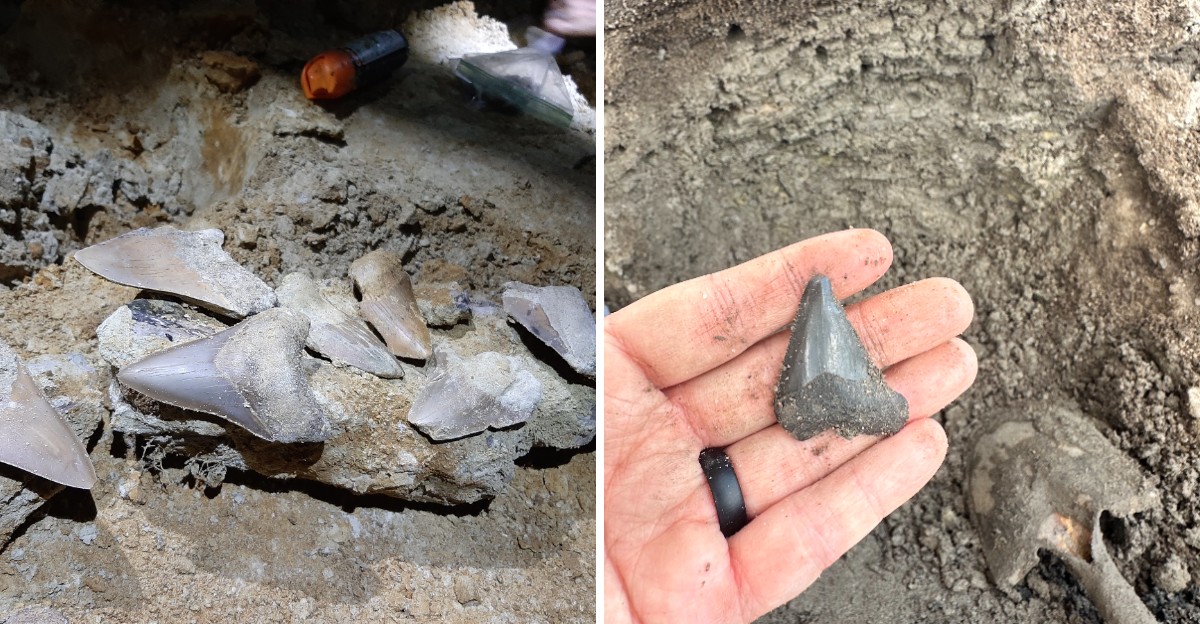
A mini excavator peels back the top 12 to 18 inches of clay here, just so you can kneel in the mud and hunt Megalodon teeth. That alone made me sit up straight.
The crew behind this dig has helped clients uncover world-record shark teeth. Team members have also donated specimens to museum collections.
So this is real paleontology, with knee pads.
The finds go beyond giant shark teeth. Whale bones, dolphin bones, great white teeth, and hammerhead teeth all turn up in the ancient layers below this patch of South Carolina.
I love that the ground keeps giving up pieces of a long-gone sea.
I can’t imagine a better way to get gloriously dirty for a good reason. So how muddy are you willing to get for a tooth older than you can picture?
A Real Prehistoric Seafloor Waits Under Your Shovel
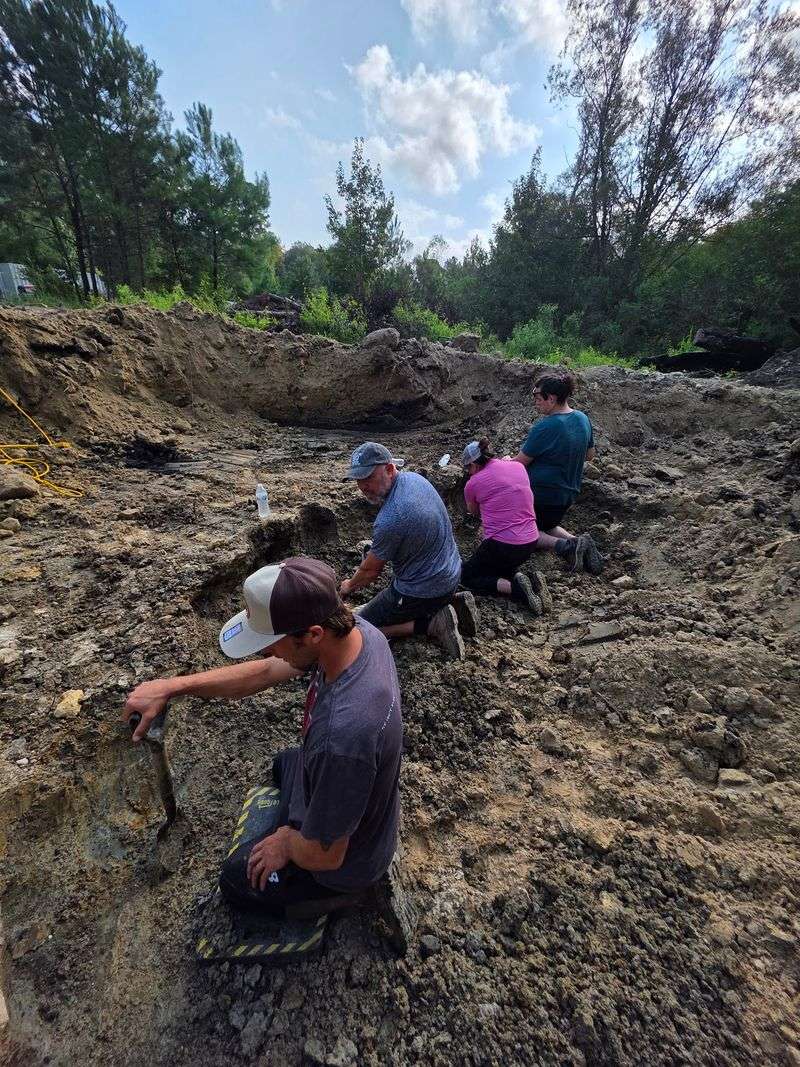
Palmetto Fossil Excursions runs guided digs at the 100 Acre Pit, and the ground there tells a salty story. Millions of years ago, this part of coastal South Carolina sat under a warm, busy sea.
The company works with local museums to help researchers understand that ancient ocean. Its focus covers the Eocene, Oligocene, and Miocene epochs, which stretch across tens of millions of years of marine life.
That’s a fancy way of saying sharks, whales, and dolphins once cruised right where you’ll be kneeling. Their teeth and bones settled into the seafloor and stayed put for a very long time.
Every scoop of gravel is basically a page from that history book. You just get to read it with your hands instead of your eyes.
I like how the experience mixes adventure with actual science. You’re not digging in a fake sandbox loaded with store-bought teeth.
These are genuine layers exposed for you to explore. Guides help explain what you’re seeing as you work through the clay.
So when you spot something dark and shiny, slow down. It could be a creature that swam here long before anyone named this place South Carolina.
Megalodon Teeth Are The Prize Everyone Secretly Wants
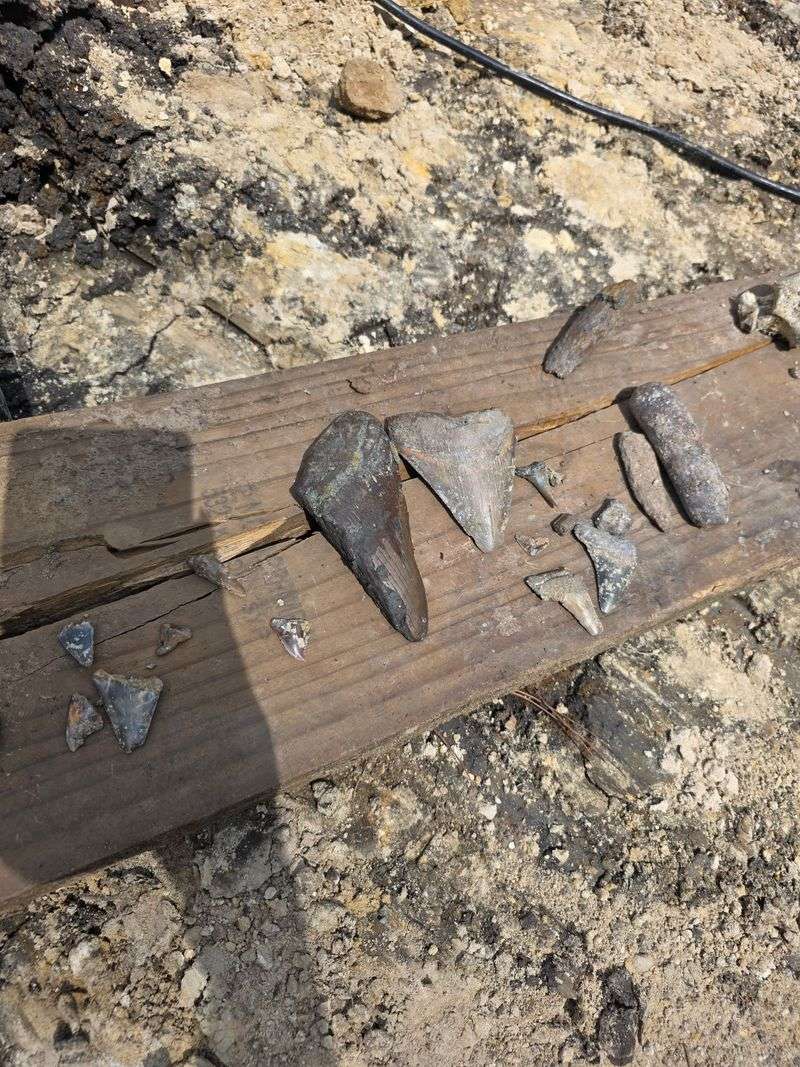
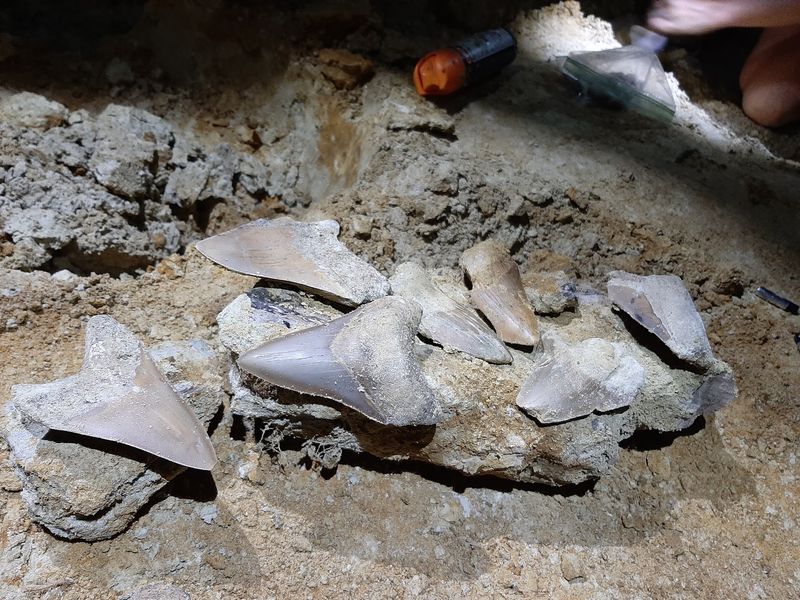
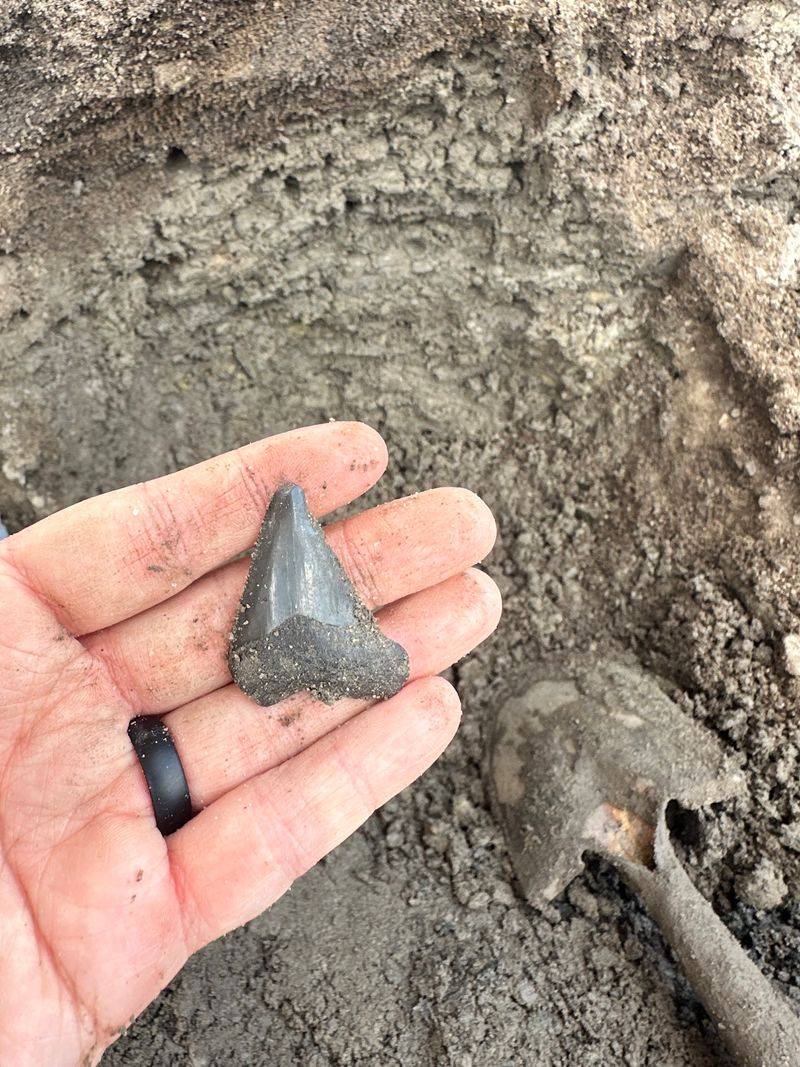
Few things beat holding a tooth from a shark that grew bigger than a school bus. Megalodon teeth are among the common finds at this dig, which still sounds wild to type.
These triangle-shaped giants have serrated edges and can be surprisingly heavy. Some show off rich colors from the minerals in the surrounding ground.
Palmetto’s crew has helped clients find world-record shark teeth over the years. That’s a strong reason to pay close attention to every lump in the clay.
Of course, nobody can promise a Meg will land in your bag. Fossil hunting depends on patience, effort, and a little luck.
The good news is that the work pays off in other ways too. Hunters often pull out plenty of smaller shark teeth while chasing the big one.
My advice? Work slowly and let your guide show you what to look for.
A tooth edge can hide in plain sight, looking like just another dark rock.
And if you do find one, expect a very loud reaction. Megalodon teeth tend to turn grown adults into excited kids instantly.
Great Whites, Hammerheads, And A Whole Shark Family Reunion
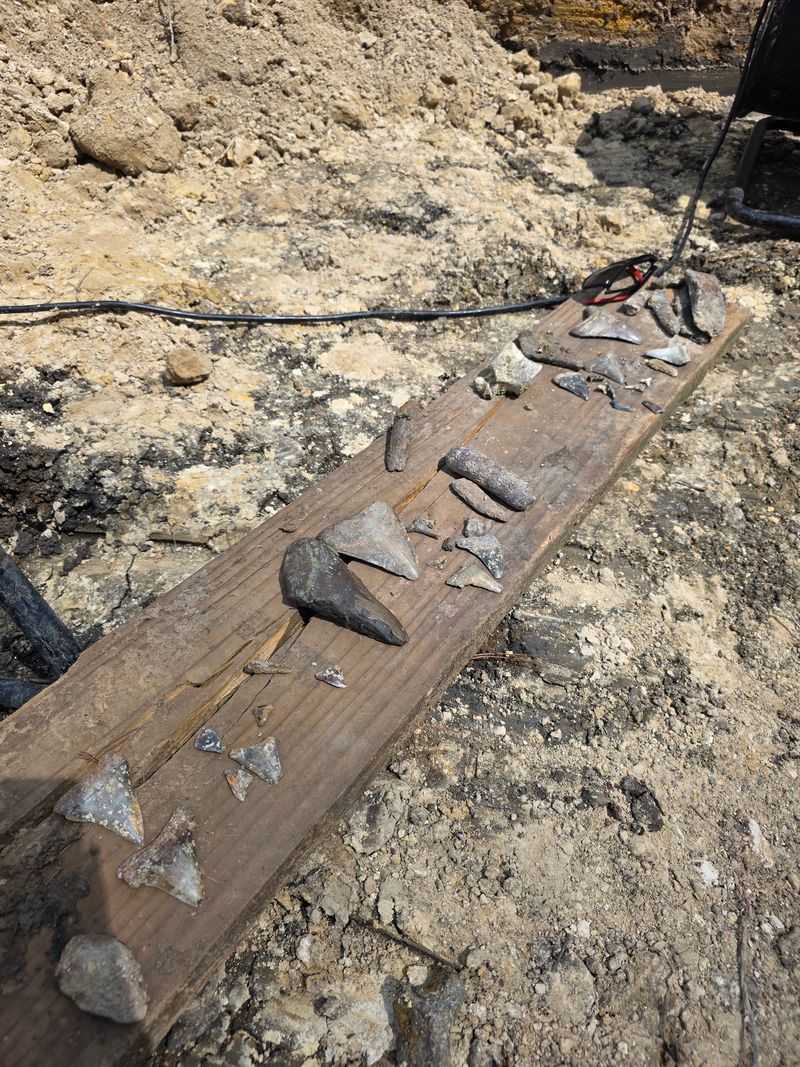
Megalodon gets the headlines, but its relatives deserve some attention too. The 100 Acre Pit also gives up teeth from great whites, hammerheads, hastalis, and angustidens.
Each species has its own tooth shape. Some are broad and saw-edged, while others are slim and pointy like tiny daggers.
Learning the differences becomes half the fun. By the end of a dig, you may feel like a shark detective with dirty fingernails.
Angustidens is a great one to know. It belonged to a big extinct shark that lived before Megalodon took over the oceans.
Hastalis teeth, meanwhile, came from an ancient mako-type shark. Their smooth edges make them look sleek and fast, even millions of years later.
Bring a bag or container to keep your finds sorted. Small teeth are easy to lose in a pocket full of mud.
Guides at Palmetto Fossil Excursions help identify what you uncover. That means you leave with names attached, not just a mystery pile of pointy things.
Honestly, a jar of mixed shark teeth makes a pretty great souvenir. It beats another T-shirt by a mile.
Whale And Dolphin Bones Bring The Ancient Ocean Closer
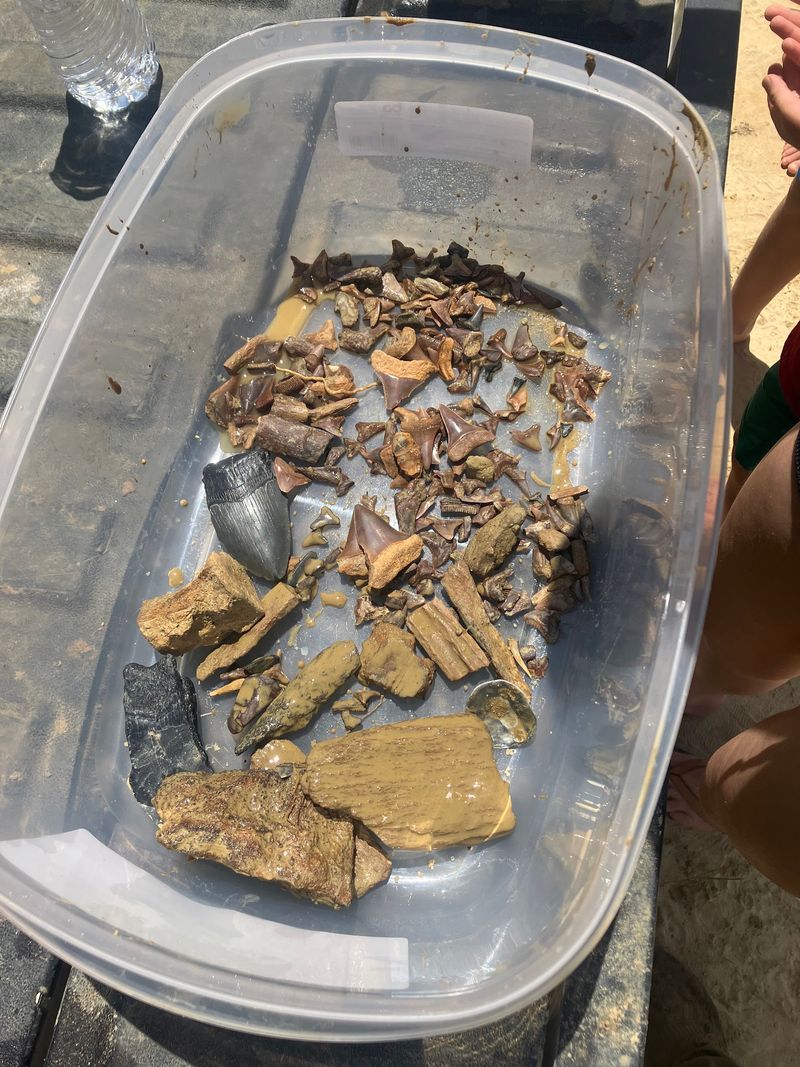
Shark teeth are small, but whale bones remind you how huge that old sea really was. Hunters at this site often discover whale and dolphin bones, plus general bone fragments.
Bones feel different from teeth when you find them. They can be chunky, textured, and sometimes oddly shaped, so they’re easy to mistake for rocks at first.
That’s where a sharp-eyed guide becomes your best friend. They can help tell a fossil bone from an ordinary clump of dirt.
Picking up a piece of a creature that once swam through South Carolina waters feels pretty humbling. It also makes the whole landscape seem completely different.
Every bone fragment adds to a bigger picture. Palmetto’s team has donated many specimens to museums, helping scientists study ancient marine life in the Coastal Plain.
Occasionally, even rarer finds turn up, like horse teeth. Yes, land animals sometimes join the party too.
Handle bones gently, since some can be fragile. Wrapping them in a towel or soft cloth for the ride home is a smart move.
A piece of ancient whale on your shelf? That’s a conversation starter nobody can top.
Pick Your Style: Muddy Dry Dig Or Splashy Sifting
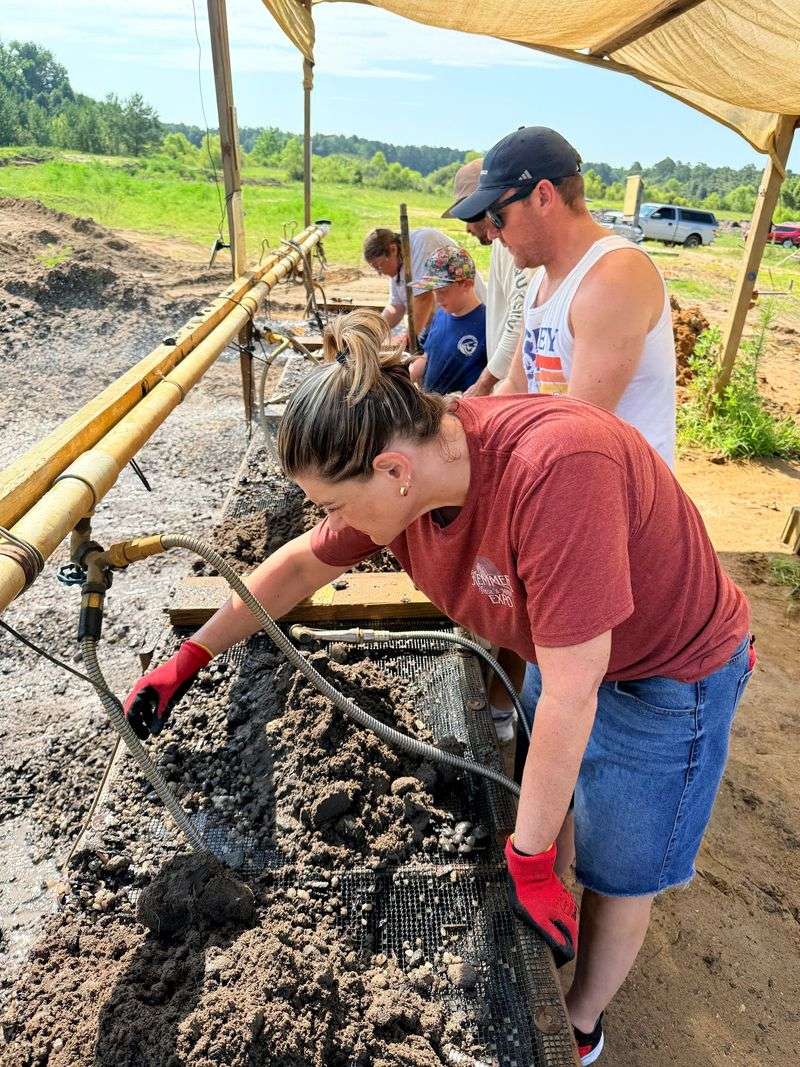
Two main adventures await at the 100 Acre Pit, and they suit different moods. Dry Digs put you in the clay, while Sifting Adventures bring water into the hunt.
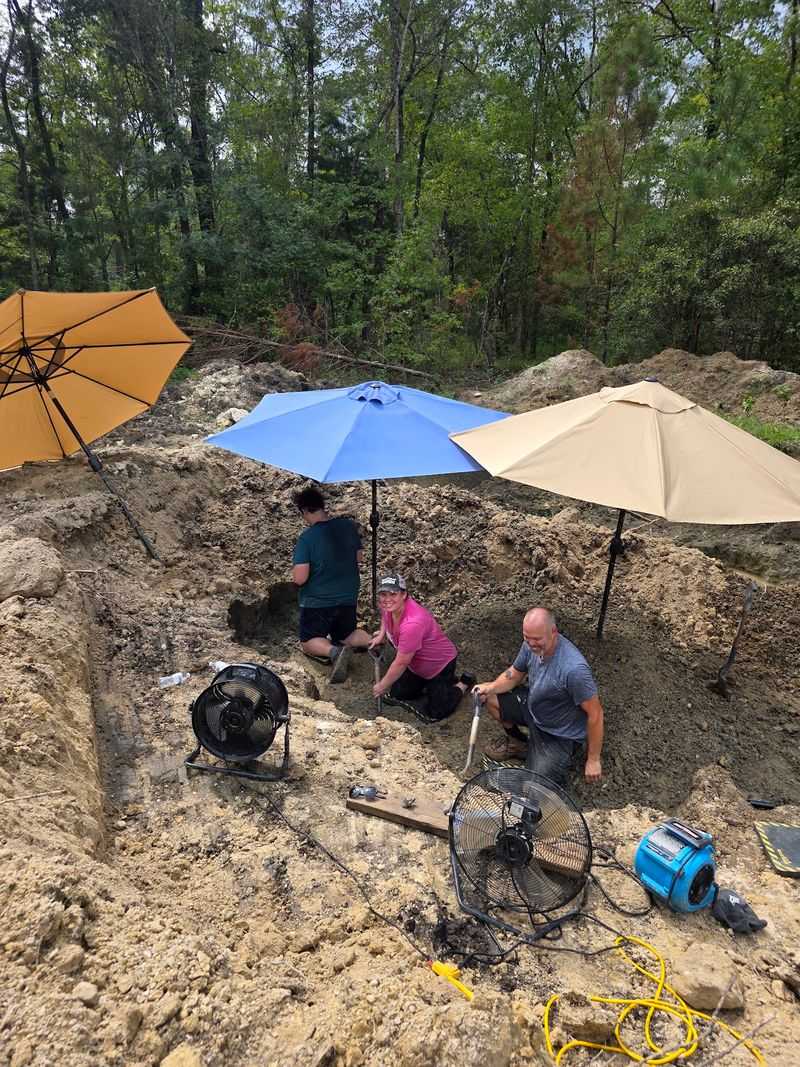
On a Dry Dig, a mini excavator first clears the top 12 to 18 inches of overburden. After that, you move clay by hand to reach the fossil-rich layers below.
It’s hard work, with lots of kneeling in mud. But there’s something deeply satisfying about earning every find with your own shovel.
Sifting feels more like panning for treasure. You wash gravel on tables using pressurized water, then sort through what’s left behind.
Teeth and bone pieces start popping out once the mud rinses away. It’s a great choice if you’d rather stand than kneel all day.
Can’t decide? Combination Packages let you try both, sometimes across multiple sites over several days.
Guides help with either style, from technique to identification. So even total beginners can jump right in.
My vote goes to doing both. Dig hard in the morning, then cool off at the sifter while your finds sparkle in the water.
Your Guide Turns Mystery Rocks Into Real Stories
Private guiding is not included with every excursion. For Sifting Adventures, a private guide must be requested and costs an additional $150 per group for four hours.
This matters more than you might expect. A beginner can stare right at a fossil and never notice it.
Guides show you where to dig and how to work without damaging delicate pieces. They also explain what you’ve found, which turns a pile of dark bits into something meaningful.
The team’s roots in fossil hunting go back over 40 years. Co-owner Schuyler Andrulat grew up with a passion for fossils and started the business in 2019.
That kind of background shows up in the details. You get the geology, the species names, and the history of the area, all mixed into the digging.
Don’t be shy with questions. Ask why a tooth is a certain color or which shark it came from.
Kids especially soak this stuff up. Honestly, so do grown-ups who still secretly love dinosaurs.
By the end, you may walk away with more knowledge than you expected. And maybe a new favorite hobby that involves a lot of mud.
Pack Smart Because The Clay Always Wins
Good news first: the heavy gear is covered. Palmetto Fossil Excursions provides shovels, screening tables, pressurized water lines, wagons, screwdrivers, and chisels.
For comfort, tents, fans, and knee pads have been provided too. Your knees will thank everyone involved.
Now for your own packing list. Bring a towel, a change of clothes, and a bag for your fossil finds.
Sunscreen and mosquito repellent are must-haves in the Lowcountry. Gloves help protect your hands while moving clay all day.
Pack lunch, snacks, and plenty of water. Digging burns energy fast, and South Carolina heat doesn’t take days off.
Footwear matters as well. Choose sturdy shoes you don’t mind getting very, very muddy.
Leave the fancy sneakers at home, unless you want them to change color permanently. Old boots are perfect for this job.
A spare plastic bag for dirty clothes is a smart extra. Your car’s back seat will appreciate it on the drive home.
Think of it as dressing for a day at the beach, minus the beach. Plus a lot more clay, and hopefully a Megalodon tooth.
Birthdays, Field Trips, And Bachelorette Digs All Fit Here
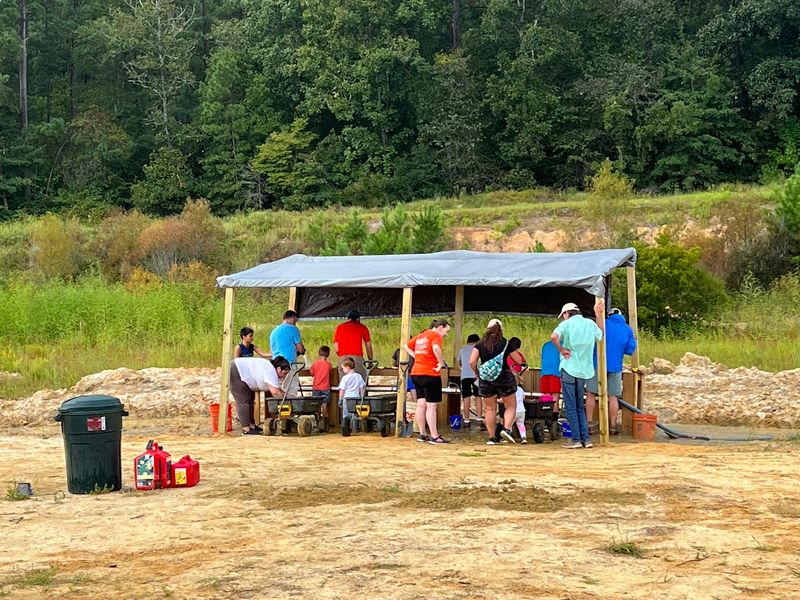
Party planning just got a lot muddier. Palmetto offers Party Packages for birthdays and bachelor or bachelorette celebrations, and some can include bonfires and music.
It’s a refreshing change from the usual dinner out. Everyone goes home with a story and a few ancient teeth.
Teachers have options too. The Academic Groups and Paleo Basics programs are designed for educational institutions.
Hands-on fossil hunting makes science feel real in a way textbooks can’t. Students get to see geology and ancient life up close.
Live nearby? Locals within a 40-mile radius of the 29485 Summerville zip code can access discounted Locals Only excursions.
That’s a sweet perk for Lowcountry residents. It makes repeat trips a lot easier to justify.
Booking usually requires a deposit at reservation. The remaining balance comes due the week before your scheduled dig.
Feeling spontaneous? Calling directly is the recommended route for same-day or next-day availability.
However you come, the dig works for many kinds of groups. Friends, families, classmates, and couples can all trade high fives over a fresh find.
MegFest Turns The Pit Into A Fossil Hunter’s Campout
One weekend of digging not enough? The 100 Acre Pit hosts MegFest 2026, an adults-only fossil festival built for serious fans.
It features multi-day fossil hunting, food trucks, live music, and guest speakers. Camping is available, with primitive shower stations on site.
That’s a lot of shark teeth and a lot of fun packed together. It sounds like summer camp for grown-ups who love the Miocene.
You’ll find the action at 128 Sandhill Road, Dorchester, SC 29437. The site sits in Dorchester County, on the outskirts of Summerville in the South Carolina Lowcountry.
That location makes it an easy add-on to a Charleston-area trip. Head out early to make the most of your day.
Beyond the festival, there’s a bigger mission at work. The Mace Brown Museum at the College of Charleston has received many donated specimens from the Palmetto team.
It even features an Amateurs Exhibit showing off those contributions. I love that regular hunters can help science this way.
Palmetto Fossil Excursions proves the past is still right under our feet. All you need is a shovel and some curiosity.