
This Affordable Hocking Hills Town Makes A Surprisingly Good Retirement Destination
I came to this corner of Ohio thinking about waterfalls. I left wondering what retirement would look like here.
The shift happened faster than I expected. Hocking Hills sits close by, Columbus is still within reach, and daily life moves at a pace that feels easier to imagine once the work calendar finally disappears.
Then I started looking at home prices.
That was the moment the idea stopped feeling theoretical. A quieter town, manageable costs, nearby trails, and enough practical services to make everyday life work suddenly sounded less like a weekend escape and more like a serious retirement option.
By the time I drove home, the brochures on the passenger seat had company. I had real estate listings open on my phone too.
A County Seat Along The Hocking River
The courthouse clock caught my eye before anything else did.
Logan serves as the county seat of Hocking County, and it carries the title without much fuss. Government offices, the public library, and the main shopping blocks all sit within a few minutes of each other.
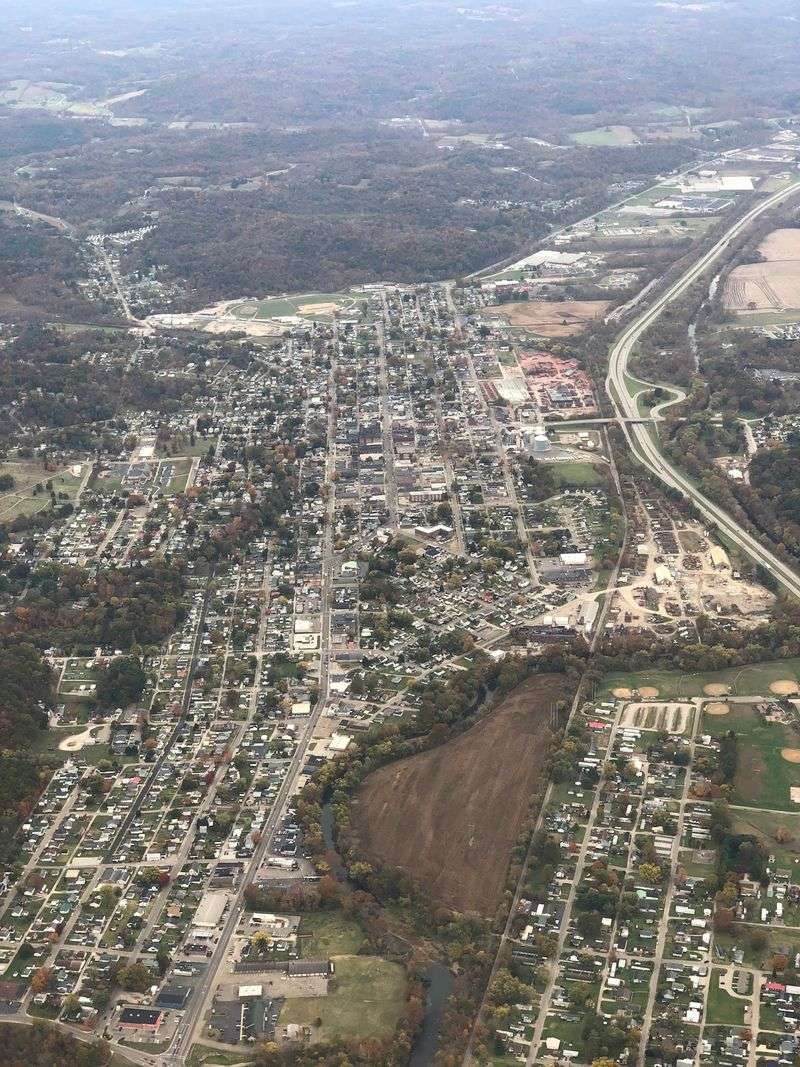
The Hocking River bends along the edge of town, and the valley keeps the view green and low.
Ohio Governor Thomas Worthington laid out the village in 1816, and the town was named for the Mingo leader known as Chief Logan, so local history runs deeper than many visitors realize.
The 2020 census counted 7,296 residents, which gives Logan the scale of a genuine small city without losing its small-town feel.
Columbus is roughly 50 miles away by road, usually around an hour by car depending on traffic, so larger medical centers, the airport, and other big-city services remain within practical reach.
I spent my first afternoon walking around the business district, and most of what I needed felt surprisingly close together.
Errands take minutes here rather than half a day, and that alone changes how a week feels.
For navigation, simply aim for Logan, OH 43138, the county seat of Hocking County.
Housing Costs That Leave Room To Breathe
Sticker shock works in reverse here.
Current housing data still puts Logan noticeably below the national market. Zillow’s typical home value for Logan was about $269,000 in August 2026, while Redfin recently reported a median sale price around $224,000.
That does not mean every property is cheap. Homes around the wider Hocking Hills area can vary dramatically, especially cabins and properties tied to the tourism market.
Ohio gives retirees one useful tax break right away: Social Security benefits are not taxed by the state.
Some older homeowners may also qualify for Ohio’s Homestead Exemption, but there are eligibility rules. For the current 2026 application period, most new senior applicants must be at least 65 and meet an income limit of $41,000, with different rules for certain grandfathered or specially qualified homeowners.
Property taxes vary by exact taxing district, so I would check the county auditor’s figures for any specific house rather than assuming every Logan address carries the same burden.
My advice is simple: budget for heating, since winters in the hills are genuinely cold, and check the well and septic if the property sits outside city limits.
Renting before buying can also be a useful way to test the winter, the tourist traffic, and the drive to appointments before committing.
Main Street Mornings And Small Shops
Coffee first, shopping second.
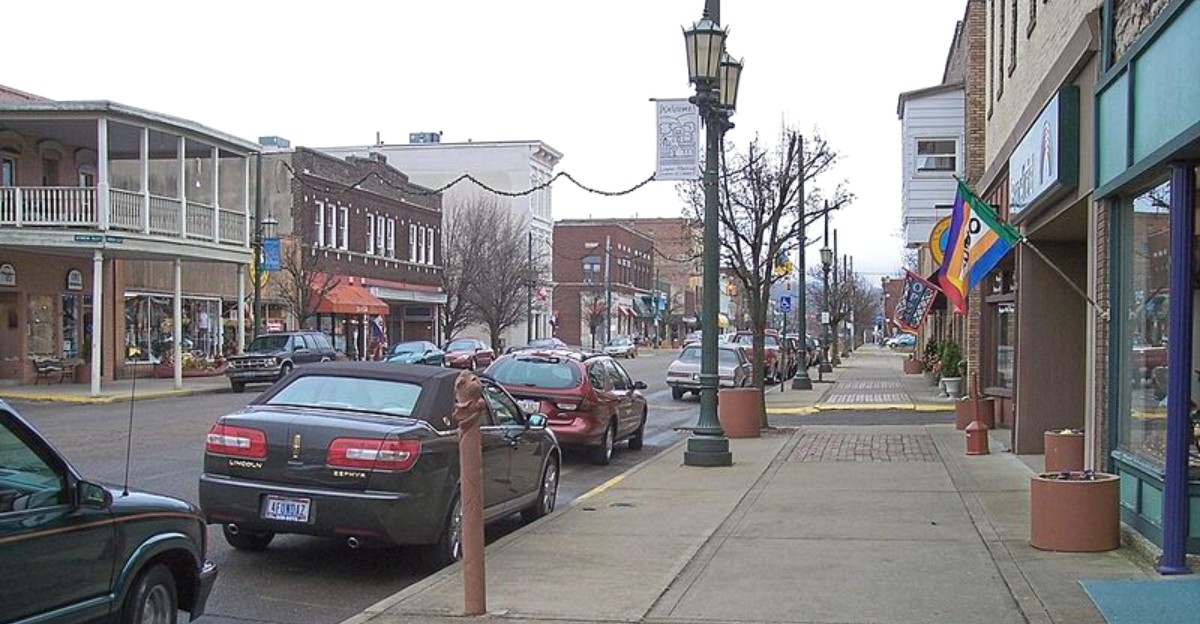
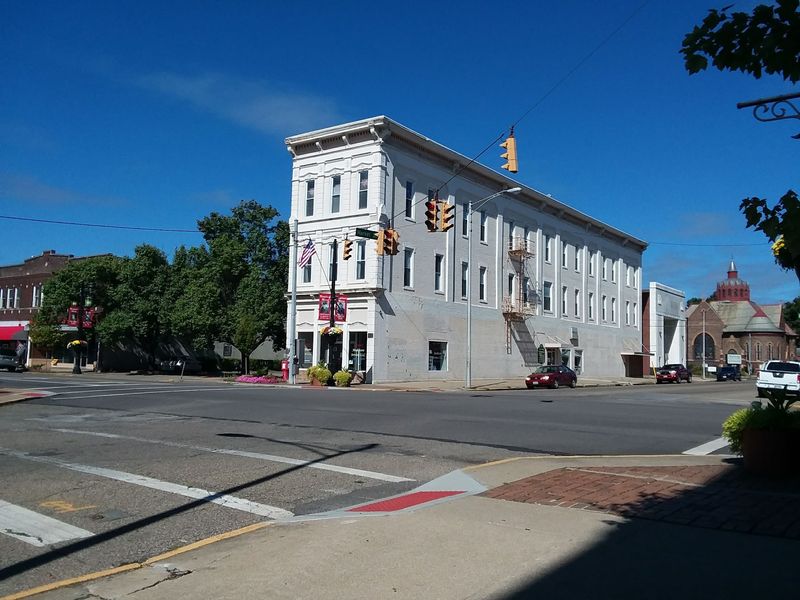
Downtown Logan runs a handful of blocks lined with brick storefronts, hanging flower baskets in summer, and shops selling antiques, candles, crafts, and outdoor gear.
I browsed a secondhand store where the woman behind the counter gave me directions to three trailheads without being asked.
Local bakeries and small cafes handle the morning crowd, and by nine the sidewalk conversation is mostly weather and grandchildren.
The Bowen House, a Greek Revival home built in the 1850s, anchors one corner with columns that give the whole block a formal air.
Parking is free and plentiful, which sounds boring until you have fought a parking garage.
Seasonal events fill the streets, including holiday walks, car shows, and summer festivals that close a block or two.
A walkable center matters more than people expect in retirement, because a short errand loop keeps you moving every single day.
I ended my stroll on a bench near the courthouse lawn, watching a delivery truck take three tries to back into a narrow alley.
Small-town entertainment, free of charge, and better than most television. Shops keep sensible hours, so plan errands before late afternoon on Sundays.
Trails And Waterfalls Just Down The Road
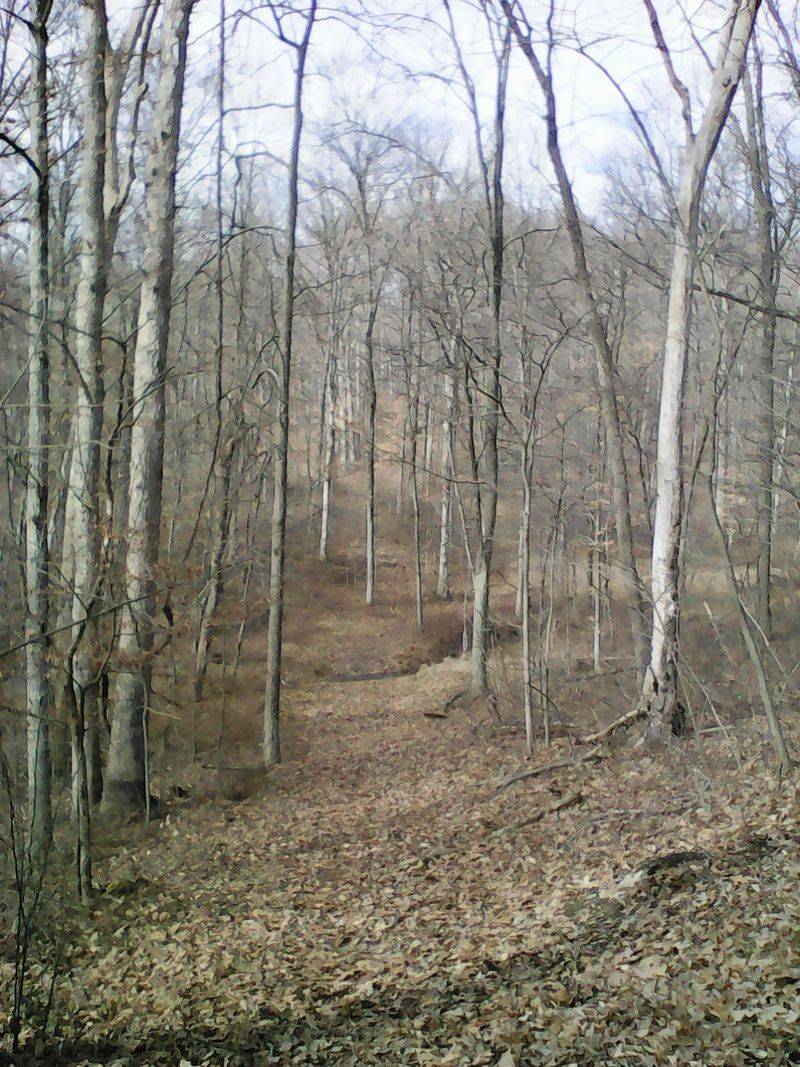
Waterfalls are basically neighbors here.
Hocking Hills State Park spreads out south and west of town, and most of its famous spots sit within a twenty to thirty minute drive.
Old Man’s Cave draws the biggest crowds, with stone stairs, a narrow gorge, and bridges over cold running water.
Ash Cave suits easier days, since the main trail is paved and level all the way to an enormous sandstone recess.
Cedar Falls, Rock House, Cantwell Cliffs, and Conkle’s Hollow each offer something different, from towering cliffs to a flat gorge path hemmed in by hemlocks.
I hiked on a Tuesday in October and had a quarter mile of trail to myself, which never happens on weekends.
Residents learn the rhythm quickly: go early, go midweek, and save summer Saturdays for the porch.
The visitor center near Old Man’s Cave keeps maps, restrooms, and rangers who answer questions patiently.
Good shoes matter because the sandstone stays slick in shade, and the railings are there for a reason.
Living twenty minutes from all this turns hiking from a vacation activity into a plain old habit.
My knees grumbled a little; my lungs thanked me all week.
Lake Logan For Slow Afternoons
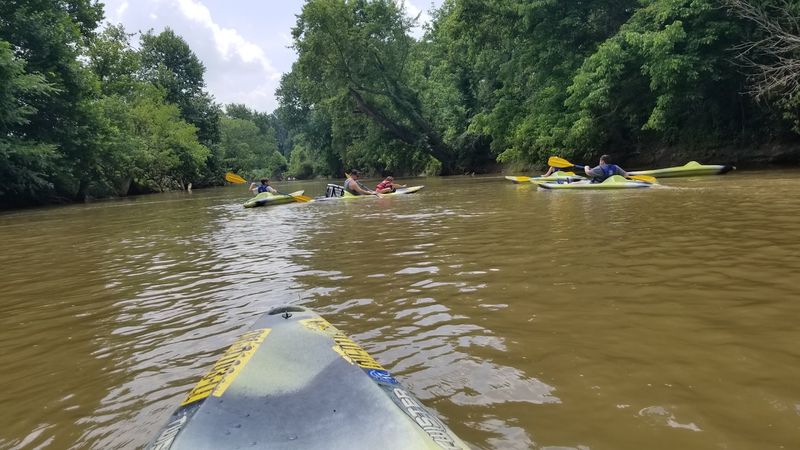
Some days call for a fishing rod instead of a trailhead.
Lake Logan State Park sits just southwest of town, with roughly 400 acres of water, boat ramps, picnic areas, and a public swimming beach.
Powerboats are limited to motors of 10 horsepower or less, which helps keep the lake friendlier to anglers, paddlers, and smaller boats.
Anglers go after bass, bluegill, crappie, catfish, and saugeye, among other species.
I watched a man in a folding chair land three bluegill in ten minutes while telling me he had been retired nine years and fishing for sixty.
For walking, the park’s Pine Vista Trail is about a mile long and sits across Lake Logan Road from the beach, circling a wooded hilltop rather than following a flat shoreline loop.
Picnic areas make slow afternoons easy, and Ohio state parks do not charge a general entrance fee.
Sunset turns the whole lake orange, and the mosquitoes arrive right on schedule, so pack spray.
Kayaks and small boats fit the pace here nicely, and boating access stays busy during the warmer months.
A good afternoon here is measured by how little happened, and the lake delivers every time.
I left with wet sneakers and zero complaints. Winter brings ice fishing and a much quieter version of the same view.
Washboards, Music, And A Factory That Still Hums
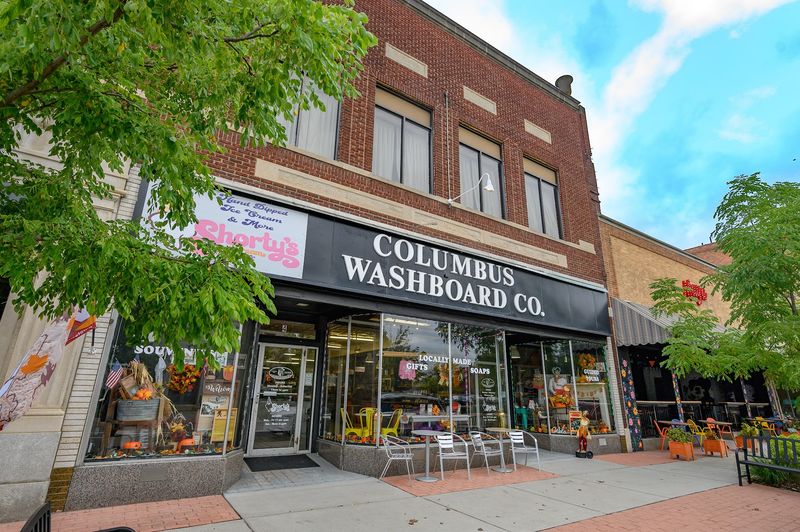
Yes, washboards. Actual washboards, still made by hand.
The Columbus Washboard Company operates out of Logan and stands as the last washboard manufacturer in the country.
Despite the name, the company moved here in 1999, and the factory floor still turns out boards used by musicians, crafters, and campers.
Tours let you watch the wood and metal come together, and the gift shop sells boards in sizes I did not know existed.
Every June the town throws the Washboard Music Festival, three days of live music, food vendors, and contests spread across downtown.
I stood in a crowd listening to a band use a washboard as a rhythm instrument, and the whole street was tapping along.
Festivals like this one are the fastest way newcomers meet people, especially if you sign up to help.
Hocking County also holds its fair each fall, with livestock barns, pie judging, and a grandstand that fills quickly.
Quirky traditions give a small town its personality, and this one leans into its own with obvious pride.
I bought a small board as a souvenir and have used it exactly once, for laundry, out of curiosity. It worked better than expected.
Doctors, Groceries, And The Hour To Columbus
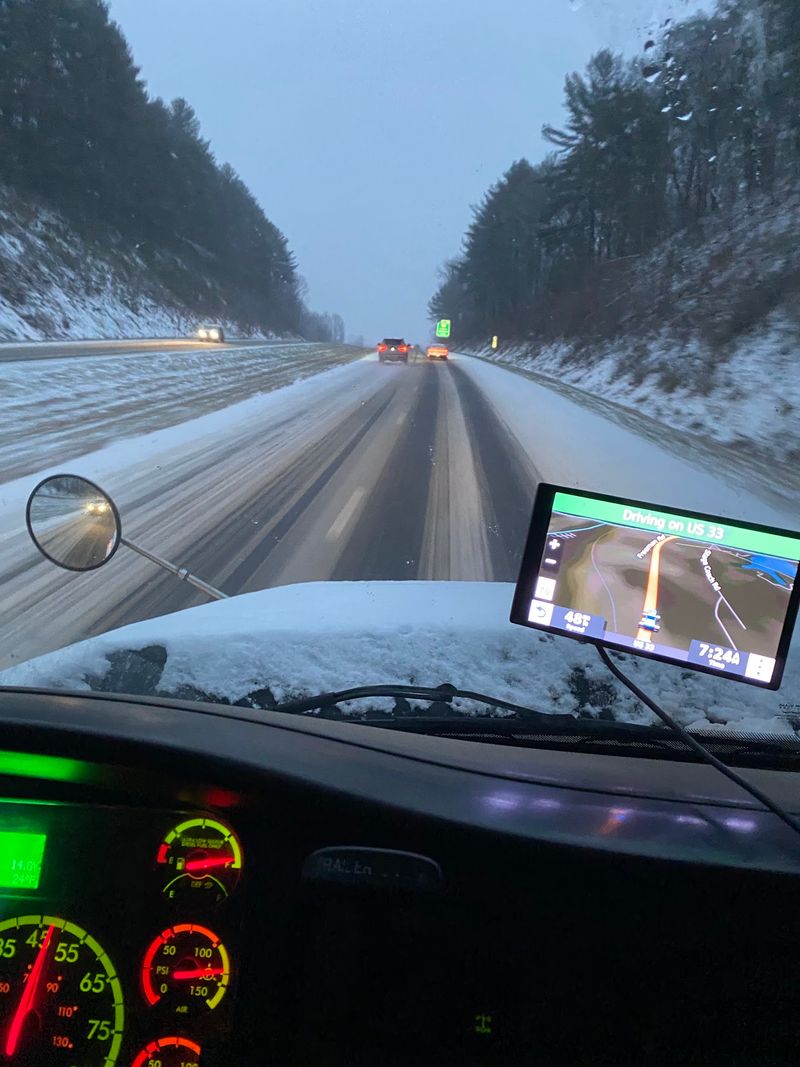
Practical questions deserve practical answers.
Hocking Valley Community Hospital sits in Logan and handles emergencies, imaging, lab work, and a range of outpatient services.
Primary care offices, dentists, and pharmacies are scattered around town, so routine care never requires a road trip.
Larger medical centers in Columbus are about an hour away, which matters when specialists or procedures enter the picture.
Grocery shopping stays simple, with a chain supermarket and a big-box store covering nearly everything on a list.
US Route 33 runs past town as a four-lane highway, making the Columbus drive quick and mostly stress free.
John Glenn Columbus International Airport sits roughly an hour out, which keeps visits from far-flung family realistic.
Snow does fall, and hill roads turn slick, so a vehicle with decent tires earns its keep every January.
Public transit is limited, as in most rural counties, though local services help seniors get to appointments.
I filled my tank, found a pharmacy, and grabbed lunch inside a fifteen-minute loop.
Convenience like that is easy to overlook until you no longer have it.
Plan on one longer drive a month and the rest of life stays close to home.
Four Seasons Worth Watching
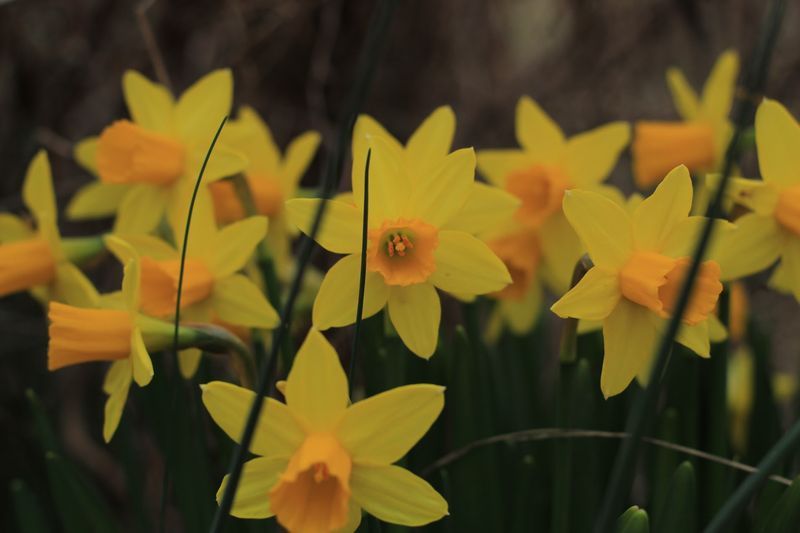
Weather here is more entertainment than inconvenience.
Autumn plays headliner, with hillsides turning gold and red around the middle and end of October.
Traffic thickens on those weekends, and residents quietly rely on the back roads.
Spring brings rushing water, trillium along the slopes, and trails that stay muddy longer than you expect.
Summer keeps the gorges cool and shady, a genuine relief once the humidity settles in.
Winter might be my favorite season, since ice forms on the cliff faces and the crowds shrink to almost nothing.
The annual Hocking Hills Winter Hike each January draws thousands who walk the gorge and line up for hot soup at the end.
I went one January and counted more icicles than people.
Heating bills climb in the cold months, so ask about insulation and furnace age before you sign anything.
Gardeners do well here, growing tomatoes and peppers, with enough deer around to keep fencing companies busy.
Porch season stretches from April into November if you can tolerate a few chilly evenings.
Every season hands you a different reason to go outside, which keeps retirement from turning into reruns. A pair of trekking poles and a warm hat cover most of the year.
Neighbors, Clubs, And Ways To Fit In
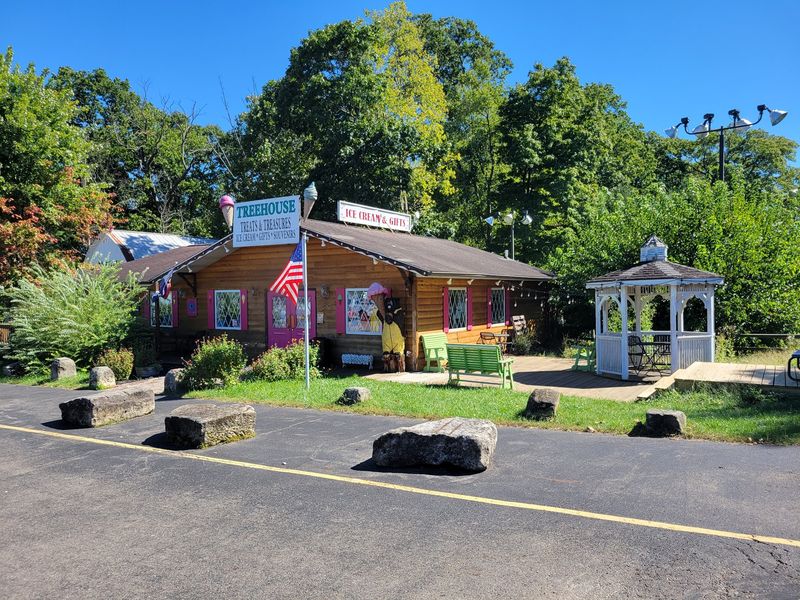
Small towns reward the people who show up.
The public library in Logan runs programs, book clubs, and computer help, and the staff know the regulars by name.
A senior center offers meals, card games, and group outings that fill a calendar without much effort.
Churches, service clubs, and volunteer fire departments form the backbone of local life, and each one welcomes new hands.
Seasonal farmers markets bring produce, baked goods, and the chance to learn twenty names in a single morning.
I chatted with a retired teacher who volunteers at the regional welcome center and calls it the best part of her week.
Newcomers who join something during their first month settle in faster than those who wait a year.
Tourism keeps the town busy, so part-time work is available if you want structure and a little extra income.
Prices stay reasonable, trails stay close, and neighbors stay friendly, a rare combination anywhere in Ohio.
Logan will not dazzle anyone hunting for nightlife or shopping malls.
What it offers instead is quieter arithmetic: lower costs, short errands, waterfalls before breakfast, and a community that notices when you are gone.
I drove home with brochures on the passenger seat and a suspicion I will return with a moving truck.