
This Alabama Town Played A Huge Role In America’s Civil Rights Story
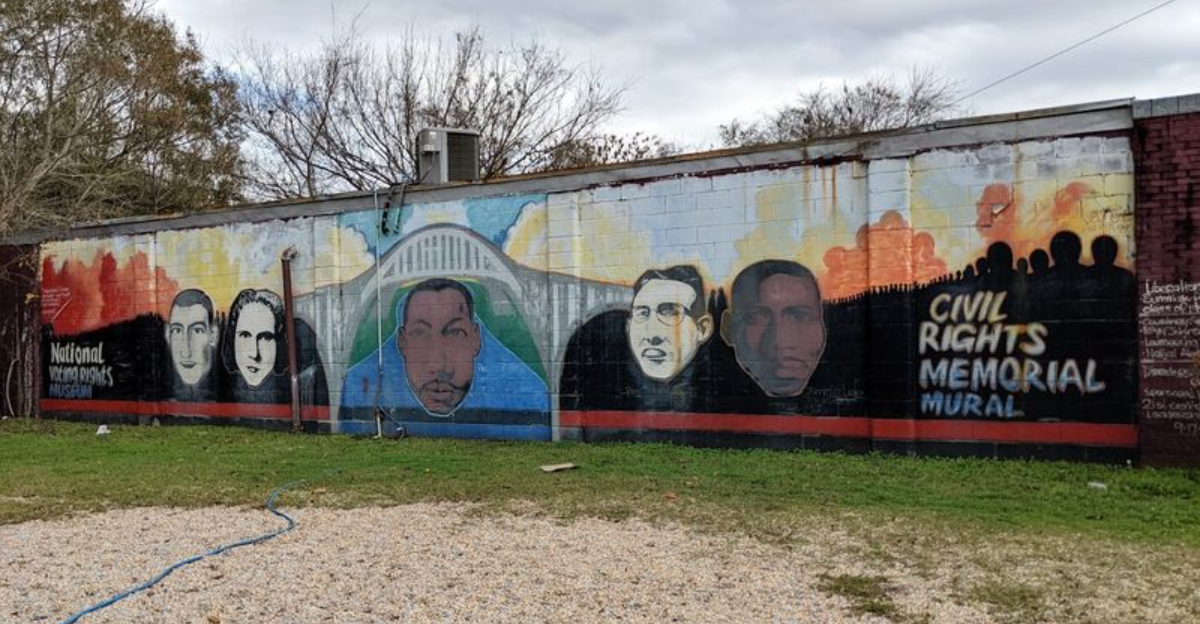
Some places are remembered because of what they built. Others are remembered because of what happened there.
Selma belongs to the second group. At first glance, it looks like a quiet Southern town.
But walk its streets, and you’re standing in a place where ordinary people made extraordinary choices. Here, a bridge became a symbol, a march became a turning point, and the voices of thousands helped push America closer to change.
The events that unfolded in Selma in 1965 became a defining chapter in the fight for voting rights and equality.
The town’s story is not just about the past. It’s about courage, persistence, and the power of people coming together.
Today, visitors come not only to see historic landmarks but to understand the moments that shaped the nation. Some destinations show you history.
This Alabama town makes you feel it.
A Monument To Courage
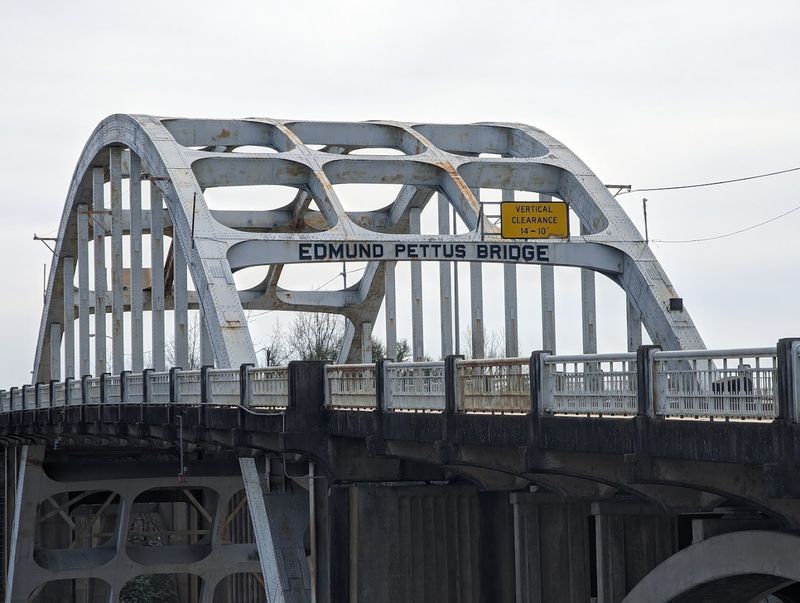
There are bridges that connect two riverbanks, and then there are bridges that connect two eras of history. The Edmund Pettus Bridge in Selma is firmly in that second category.
Stretching about 1,248 feet across the Alabama River, this steel arch structure looks almost ordinary at first glance.
Completed in 1940, the bridge became the site of one of the most defining moments in American history on March 7, 1965. That day peaceful marchers heading toward Montgomery were met with force.
Television cameras captured everything, and millions of Americans watched in disbelief.
That national broadcast moment changed everything.
Public outrage grew so fast and so loud that it accelerated the passage of the Voting Rights Act later that year. The bridge was declared a National Historic Landmark in 2013, cementing its place in the American story forever.
What makes this bridge extraordinary is not just its steel and concrete. It is the fact that ordinary people walked across it knowing what waited on the other side, and they kept walking anyway.
That kind of courage does not age.
The Movement’s Spiritual Home
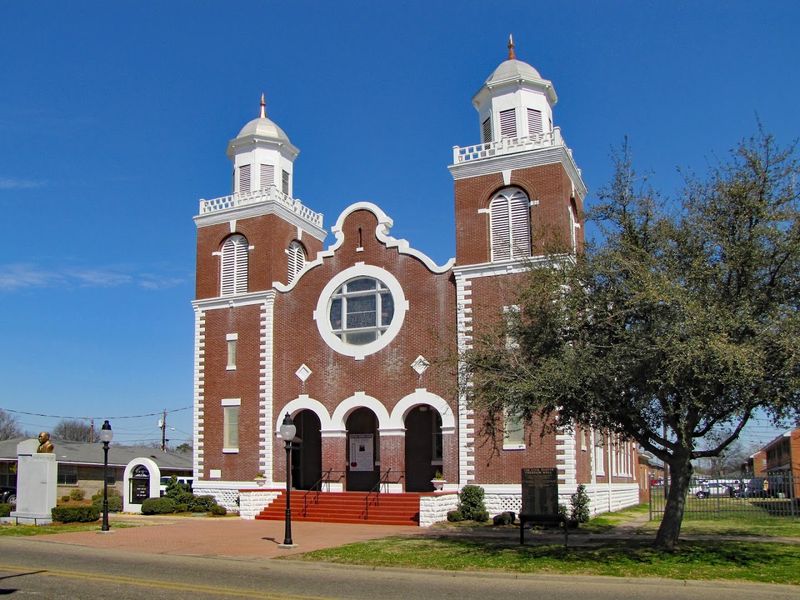
If the Edmund Pettus Bridge was the stage, Brown Chapel A.M.E. Church was the backstage where everything came together.
Sitting at 410 Martin Luther King Jr. Boulevard, this red brick church served as the beating heart of the Selma Movement throughout 1965.
The Southern Christian Leadership Conference used it as headquarters. Mass meetings held inside these walls brought together community members who were scared, determined, and ready to act all at once.
The church became a place where strategy met spirituality in the most powerful way imaginable.
It served as the starting point for the historic Selma to Montgomery marches, launching thousands of feet onto a road toward justice.
Even when court orders tried to shut things down, the church kept its doors open. That bold defiance spoke volumes.
Brown Chapel is also historically notable as the only surviving work of early Black builder A.J. Farley.
Restoration efforts are ongoing to preserve this architectural and cultural gem.
Walking through those doors today still carries a quiet electricity. You can almost hear the echo of voices that refused to be silenced, and that feeling alone makes the visit unforgettable.
A Path To Freedom
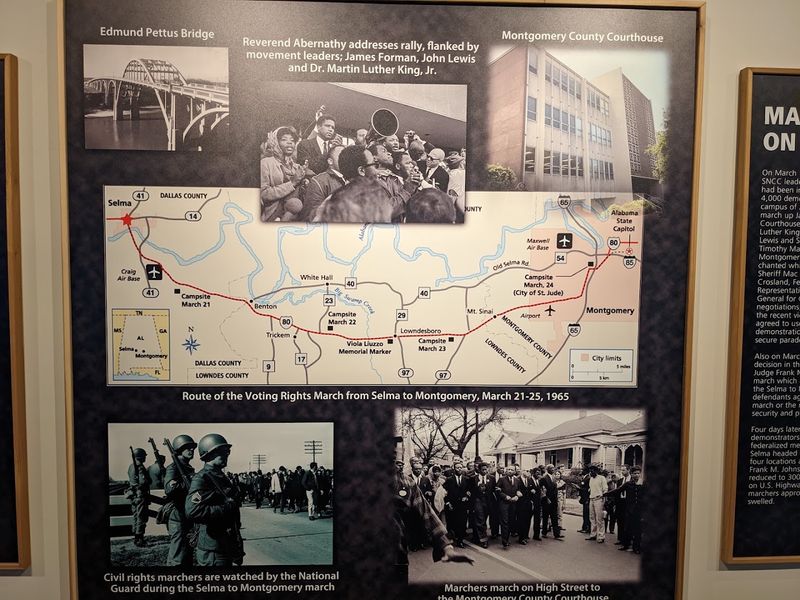
Fifty-four miles does not sound like much until you understand what those miles meant. The Selma to Montgomery National Historic Trail follows the exact route that marchers took in 1965, stretching from Brown Chapel A.M.E.
Church all the way to the Alabama State Capitol in Montgomery.
Congress officially established the trail in 1996, recognizing it as one of the most significant journeys in American history.
It runs along US Highway 80 and is also designated as a National Scenic Byway, which means the drive itself is genuinely beautiful. Rolling Alabama countryside lines the route, giving travelers quiet moments to reflect between historic markers.
Tracing this path today is a completely different experience than reading about it in a textbook. There is something about physically moving through that landscape that makes the history feel real and close.
Each mile marker carries the weight of what was sacrificed to make voting rights a reality for millions of Americans.
The trail is open year-round and welcomes walkers, cyclists, and drivers alike. If you ever want to understand how determination looks stretched across a landscape, this trail shows you exactly that.
Chronicling The Struggle
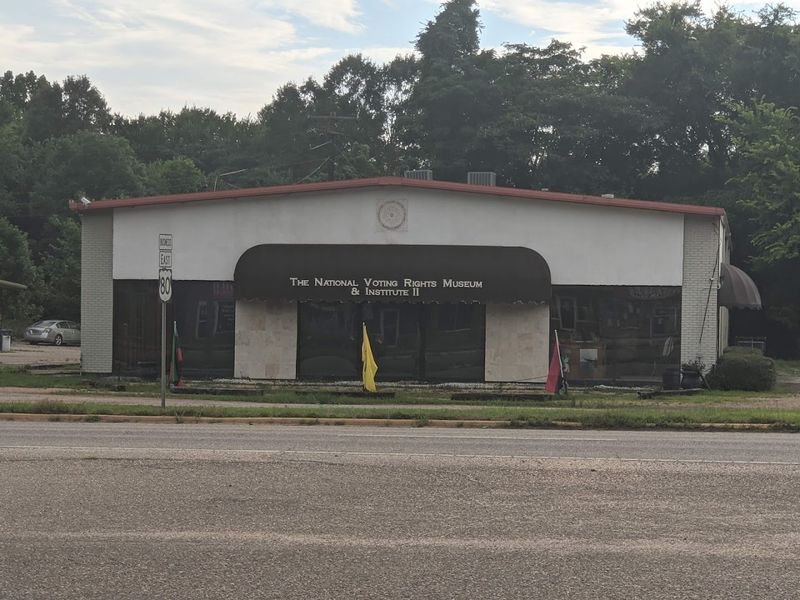
Some museums ask you to look at history from a safe distance. The National Voting Rights Museum and Institute in Selma does the opposite.
It pulls you right into the middle of the story and does not let go until you understand every layer of what happened here.
Established in 1991 and opened in 1993, the museum sits near the Edmund Pettus Bridge, which is exactly where it belongs. Its exhibits honor the activists who participated in the Selma marches and document the long road to the Voting Rights Act of 1965.
One of the most memorable features is the Footprints to Freedom room, which displays actual molded footprints of march participants.
There is also a Women’s Suffrage Room that highlights the crucial contributions of African American women to the broader fight for voting rights. This is the kind of detail that rewrites the narrative in the best possible way.
The museum reminds visitors that history was not made by just a handful of famous names. It was built by thousands of everyday people who showed up and kept showing up.
Their stories deserve to be heard, and this museum makes sure they are.
The Battlefield For The Ballot
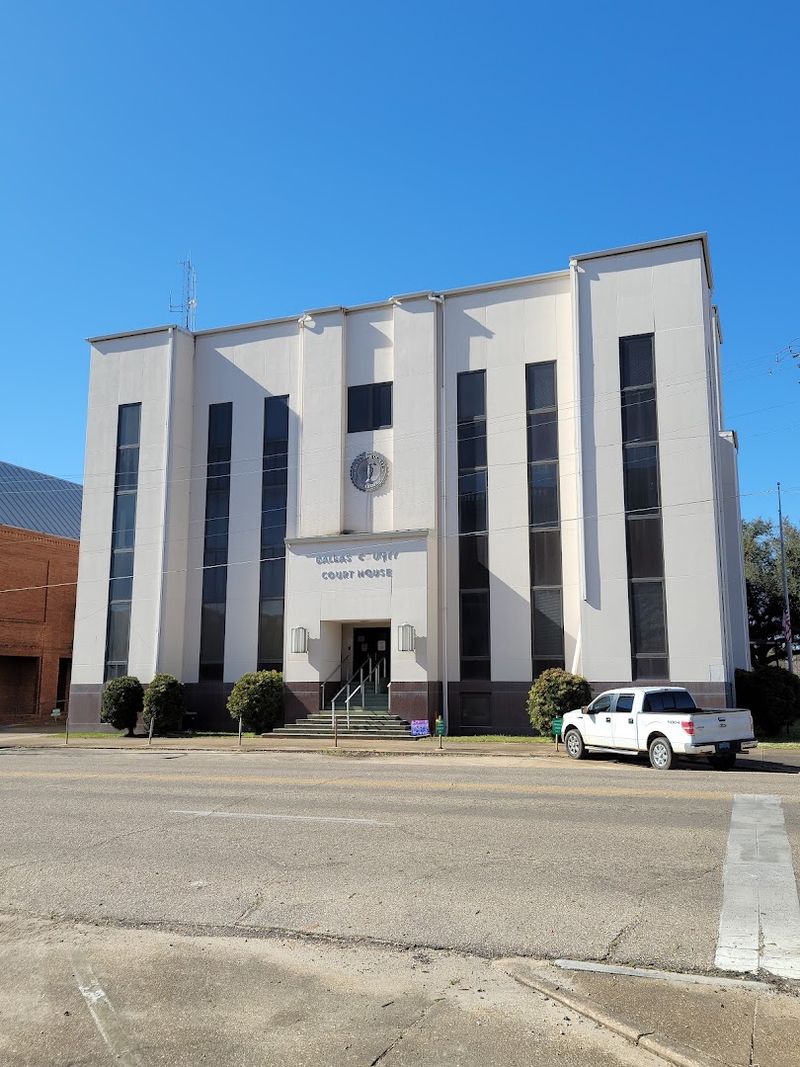
Not every battlefield looks like one. The Dallas County Courthouse in Selma looks like a fairly standard government building, but its steps and hallways were the site of one of the most persistent and courageous fights in American history.
Black residents of Dallas County faced enormous resistance when they tried to register to vote here in the early 1960s.
In October 1963, a day known as Freedom Day, hundreds of people lined up outside determined to apply for voter registration
. Federal lawyers were present to observe, but people were still turned away, harassed, and arrested.
The courthouse became a symbol of how far the system would go to deny basic rights.
In February 1965, over 250 activists were arrested while protesting voting barriers right outside these walls. The courthouse scenes helped illustrate to the entire country why federal intervention was not just helpful but absolutely necessary.
Every act of resistance that happened here added pressure to a system that could not hold forever. The Dallas County Courthouse stands today as a reminder that sometimes the most important fights happen not on dramatic fields but in the ordinary corridors of civic life.
That lesson still resonates.
Your Gateway To History
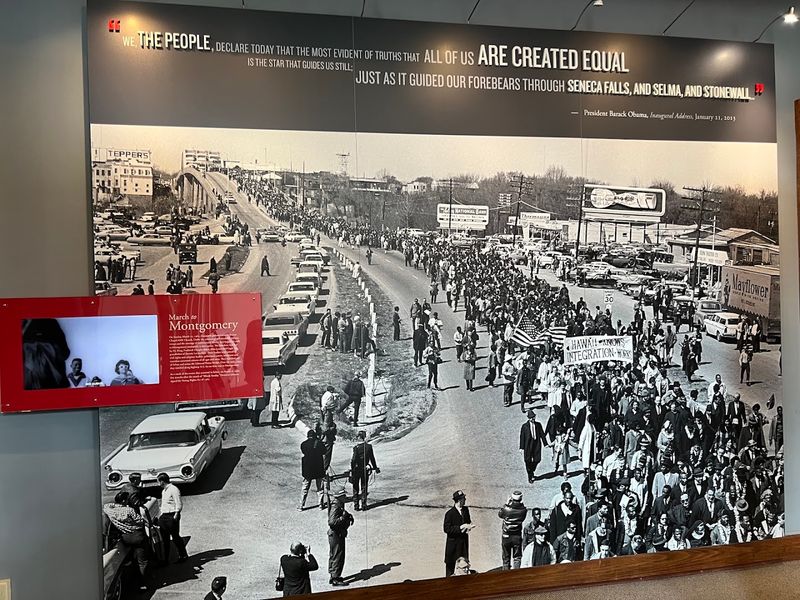
Every great story needs a starting point, and the Selma Interpretive Center is exactly that for anyone visiting this historic city.
Located right at the foot of the Edmund Pettus Bridge, the center serves as the official welcome stop for the Selma to Montgomery National Historic Trail.
Inside, visitors can explore videos, exhibits, and a well-stocked bookstore that digs deep into the events of 1965. It is the kind of place where you walk in knowing a little and walk out knowing a whole lot more.
The context it provides makes everything else you see in Selma land that much harder and more meaningfully.
As of early 2025, the main center is undergoing renovations expected to continue through 2028. A temporary location at the Selma Welcome Center is open Monday through Saturday to keep visitors connected to the history while improvements are made.
That temporary setup is still absolutely worth a stop.
The rangers and exhibits there do a remarkable job of orienting visitors before they step out onto the bridge or head down the trail. Think of it as the warm-up before the main event, and trust that the main event will move you.
Honoring The Unsung Heroes
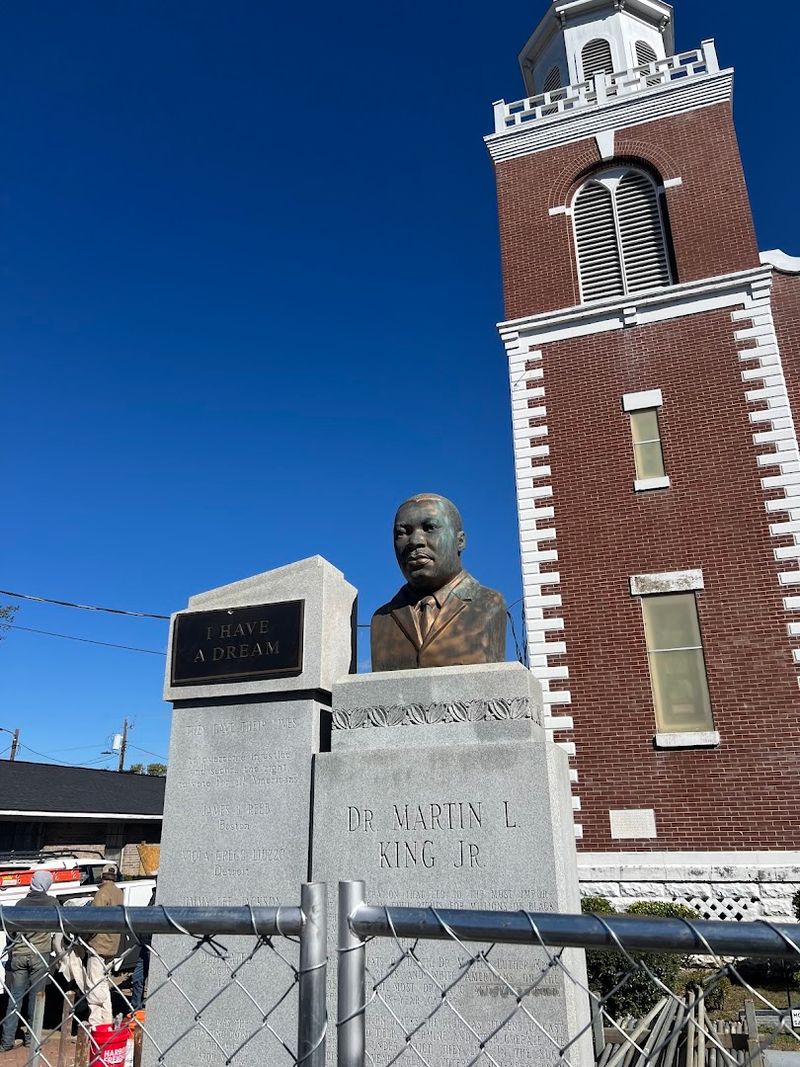
History books love the famous names. Foot Soldiers Park in Selma exists to celebrate everyone else.
Founded in 2021 by Selma natives, this park was created specifically to honor the everyday people who showed up, marched, and made the Civil Rights Movement possible through sheer collective will.
The park envisions Selma as a bridge connecting legacy and liberation, which is honestly one of the most poetic mission statements you will ever read for a public space.
It memorializes the individuals who did not make the front pages but who created the conditions that made the historic marches possible in the first place.
Beyond remembrance, the park also works to create real economic opportunities for Selma residents and to empower the next generation of young people to carry the movement forward.
It is part memorial, part community hub, and part call to action all wrapped into one outdoor space. Visiting Foot Soldiers Park feels different from visiting a traditional monument.
It feels personal. It reminds you that revolutions are not built by a few extraordinary figures alone.
They are built by ordinary people who choose to be extraordinary when the moment demands it. That message never gets old.
Selma’s Layered Past
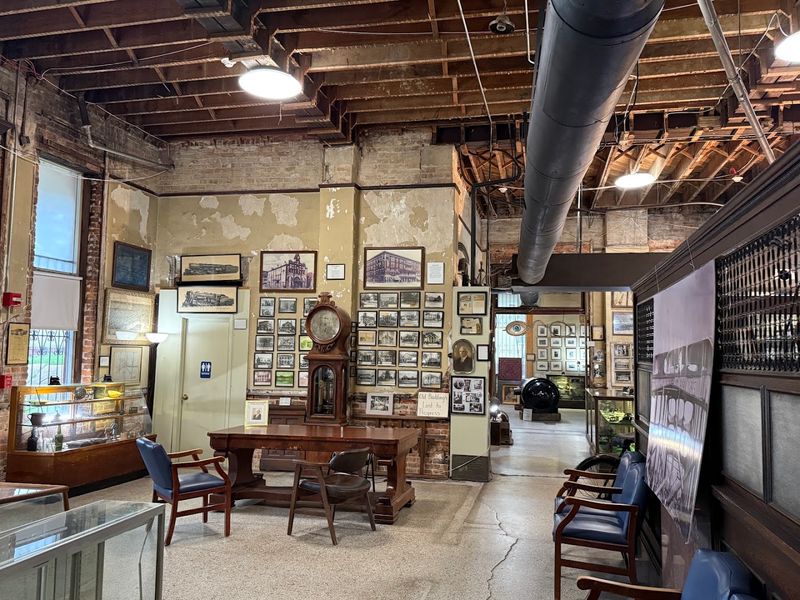
Walking into the Old Depot Museum feels like flipping through a very thick scrapbook of Alabama history. Housed inside an 1890 Romanesque Revival railroad depot, the museum covers an impressive stretch of time, from prehistoric artifacts all the way through the Civil Rights Movement.
That is a lot of ground for one building to hold.
What makes this museum especially striking is the Civil Rights room, which was once the designated Colored Waiting Room during the era of segregation.
That space now interprets the very movement that dismantled the system that created it. The symbolism is not subtle, and it should not be.
The museum’s collection includes a hospital log from the events of March 7, 1965, along with personal possessions connected to Dr. Martin Luther King Jr.
These are not just artifacts. They are tangible proof that history happened here in the most real and human way possible.
The Old Depot Museum gives visitors the kind of layered context that transforms a trip to Selma from sightseeing into something far more significant.
It is the kind of place where you leave thinking differently than when you arrived, and that is exactly what a great museum should do.
Sowing Seeds Of Change
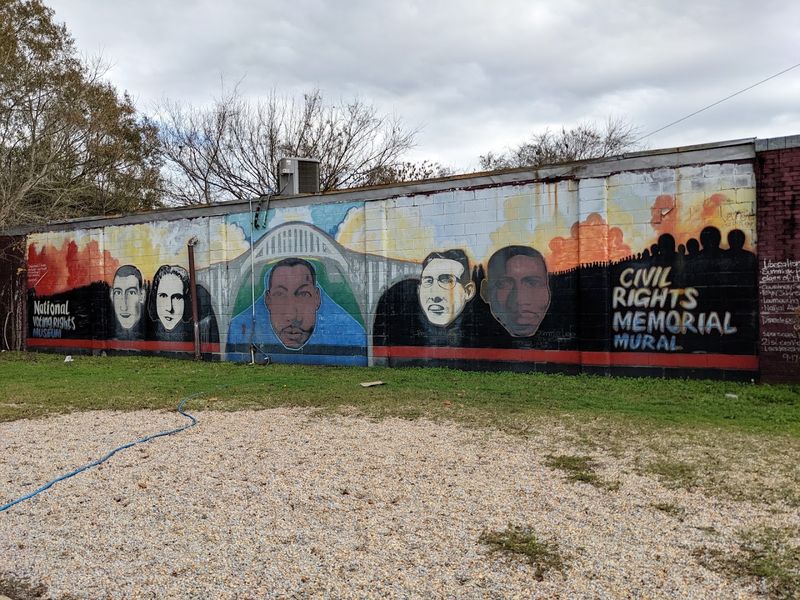
Before the marches, before the national cameras, before the Voting Rights Act, there was the Dallas County Voters League quietly doing the work that made everything else possible. Formed in the 1920s, this local organization spent decades trying to register Black voters in a county that did everything it could to stop them.
In the late 1950s and early 1960s, the league was revived by a group known as the Courageous Eight. These community leaders defied serious intimidation to reorganize, educate residents on voter registration, and rebuild momentum for change from the ground up.
Their grassroots persistence is genuinely remarkable when you consider the obstacles they faced daily.
The league also extended an invitation to Dr. Martin Luther King Jr. to bring his organization to Selma, a decision that helped launch one of the most consequential campaigns in American history.
The Selma movement did not appear out of nowhere.
It grew from decades of local effort, strategic planning, and stubborn hope that justice would eventually arrive. The Dallas County Voters League proves that real change starts at the community level long before it ever makes the news.
What local effort in your own community might be laying the groundwork for something bigger than anyone can yet imagine?