
This Alpine Village In Michigan Looks Like It Was Plucked Straight From Switzerland
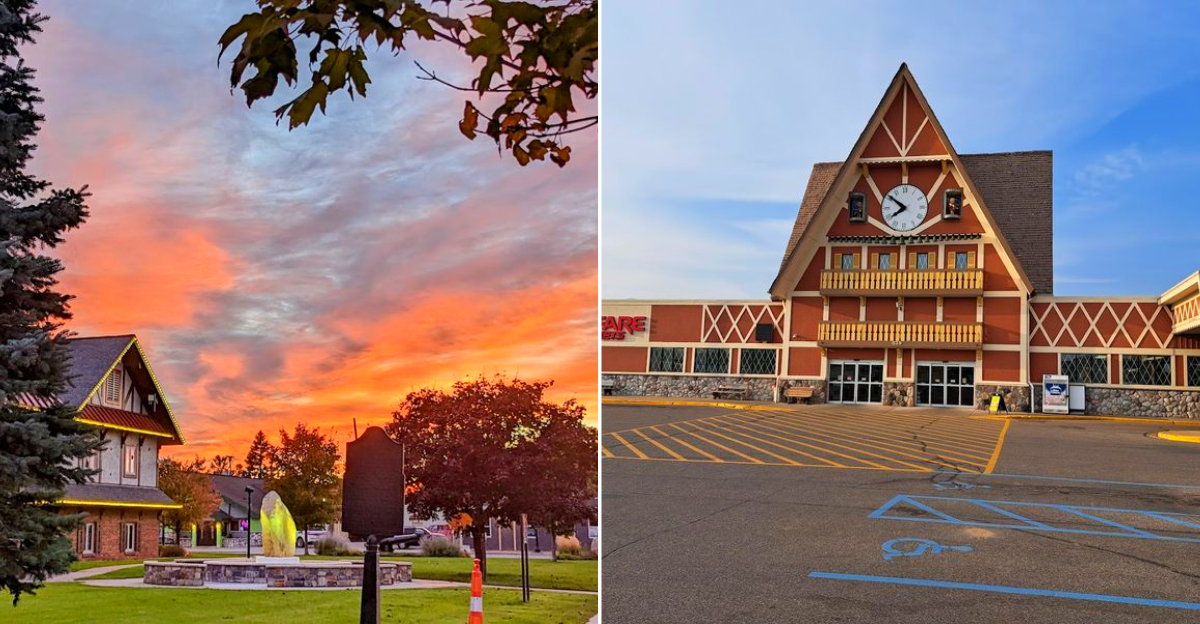
Walk a few blocks through downtown Gaylord, where the Midwest landscape gives way to something unexpected: chalet-style buildings with flower boxes hanging from Juliet balconies, storefronts capped with steeply pitched roofs, clock towers that would look right at home in the Alps.
Gaylord adopted its Alpine Village identity decades ago, committing fully, even forming a sister-city partnership with Pontresina, Switzerland.
The result is a walkable downtown district where the architecture itself sets the tone: timbered facades, decorative murals, pedestrian-friendly streets that turn a simple shopping trip into something closer to a European wander.
Winter brings cross-country ski trails starting practically at the curb; summer fills the streets with festivals plus outdoor concerts. The surrounding lakes provide the outdoor recreation, but the town itself delivers the atmosphere.
Small towns across Michigan have charm to spare, but Gaylord is the one that genuinely transports you to another country.
Start By Walking Main Street Slowly
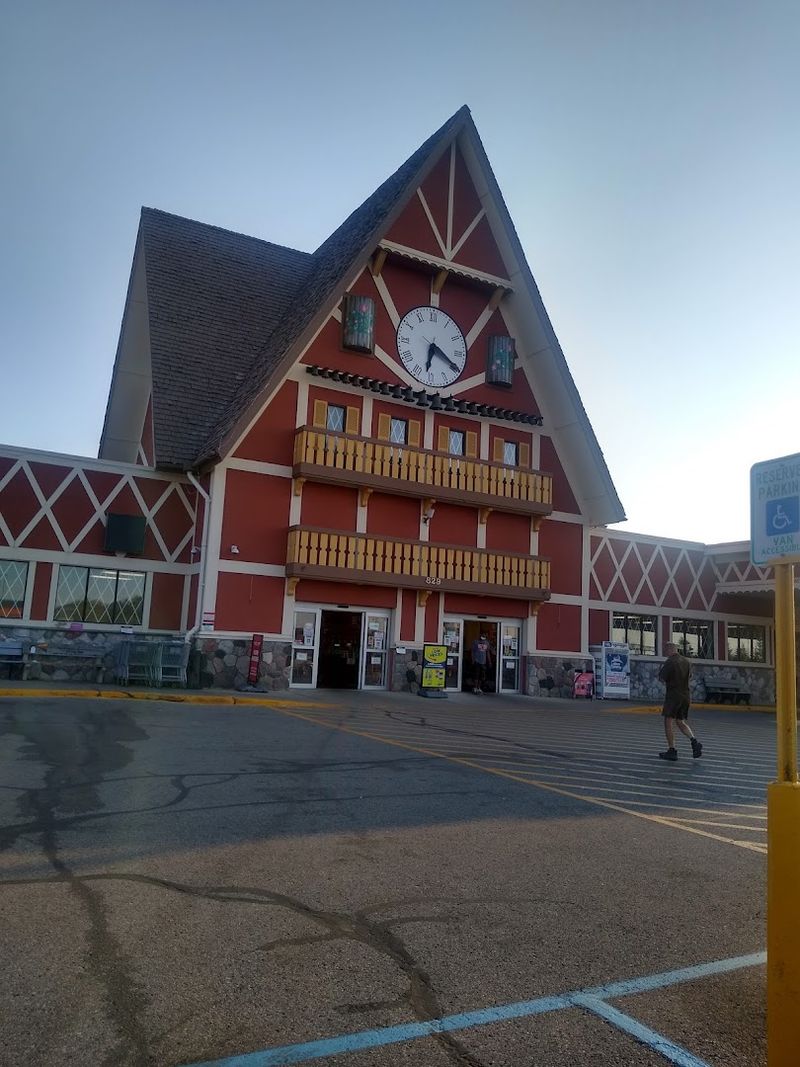
The first thing to understand is scale. Gaylord’s Alpine Village is best appreciated at walking speed, where the gabled roofs, decorative brackets, painted trim, and window boxes start talking to each other across downtown.
From the sidewalk, the district feels less like a single novelty facade and more like a coordinated visual language.
That coherence comes from a real planning effort that took hold in the 1960s, after I-75 diverted traffic and the city leaned into chalet styling to revive downtown. I found that a slow loop along Main Street made the theme feel convincing, not kitschy.
Give yourself time to look up, cross the street for different angles, and notice how even practical buildings participate in the Alpine script.
Look Up At The Architecture, Not Just In Shop Windows
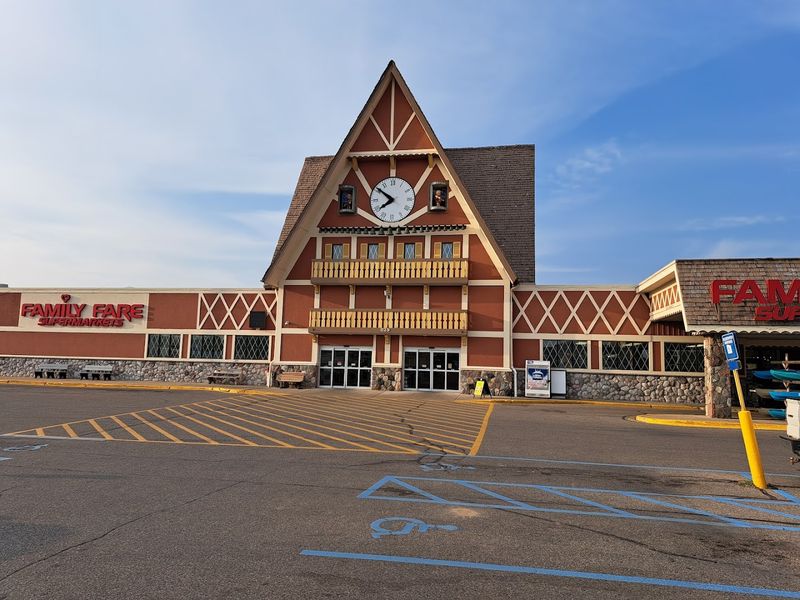
Your eyes naturally go to storefront displays, but the real story sits above them. Wide eaves, exposed beams, decorative woodwork, and sharply pitched gables create the Swiss-Tyrolean impression Gaylord is known for.
Even on an ordinary afternoon, those details make the street feel theatrically tidy in the best possible way.
The style did not appear by accident. Local inspiration came partly from the Otsego Ski Club, where Swiss chalet design had already been favored for buildings since the 1930s, and city leaders later built that idea into downtown identity.
If you enjoy visual details, stand across the street and compare rooflines, brackets, and trim. The repetition is what makes the village illusion hold together so well.
Know The History So The Theme Feels Real

It helps to arrive knowing this place was not simply branded overnight. Gaylord adopted its Alpine identity as a practical response to changing travel patterns, especially after the interstate pulled pass-through visitors away from downtown.
The village look was a deliberate reinvention, which gives it more substance than many roadside themes. That backstory changes the mood of a visit.
Instead of seeing a collection of decorative facades, you start seeing a town that used design as economic strategy and then kept refining it for decades.
The result feels more intentional than cute, especially when signs, rooflines, storefront details, and public spaces begin echoing one another block by block.
Current planning still favors the Alpine motif when new construction is reviewed, so the look stays surprisingly consistent.
For you as a visitor, that means the district reads as a whole, not as scattered nostalgia pinned to a few buildings. Even a short walk feels connected, as if the town has agreed to keep telling the same visual story.
Find The Swiss Connection Downtown
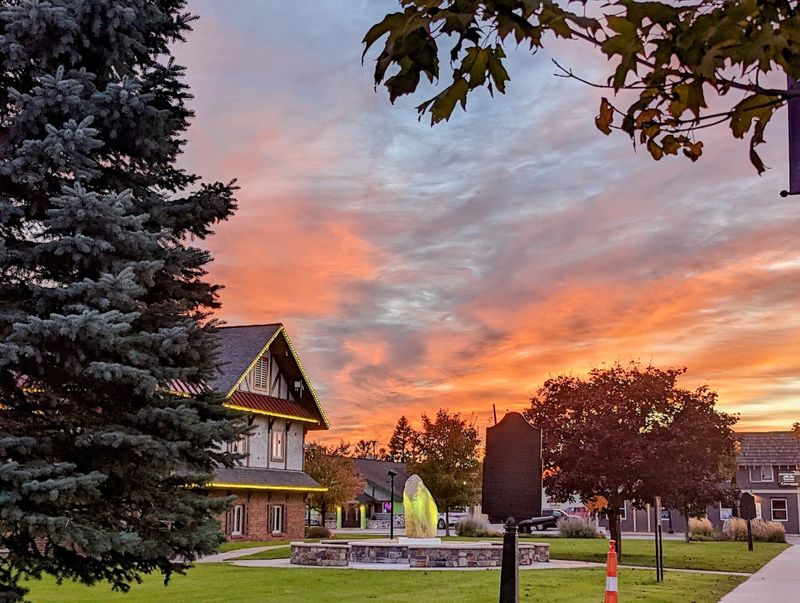
One of the quieter details downtown is also one of the most meaningful. Gaylord is a sister city to Pontresina, Switzerland, and that relationship gives the Alpine theme a genuine cultural thread instead of a purely decorative one.
I like that the connection is modestly presented, as if the town trusts you to care enough to notice.
In 1965, Pontresina gifted Gaylord a boulder from the Swiss Alps, and seeing it in person adds an unexpectedly grounded note to the whole village story. It is not flashy, but it gives the theme physical weight.
If you are the type who enjoys civic oddities with real provenance, this is worth seeking out. It turns a charming downtown walk into a small lesson in how towns invent, borrow, and affirm identity.
Time Your Visit Around Alpenfest If You Want Traditions

Summer gives the village its most public expression. Alpenfest, held annually in July, brings Gaylord’s Swiss-inspired identity out from the architecture and into live traditions, with events that make the downtown streets feel purposefully ceremonial rather than merely pretty.
The atmosphere is festive, but the customs are specific enough to stay memorable.
The alphorn is the moment many people hope to catch, and the Burning of the Böögg is the one that lingers. During that tradition, people write down worries or problems and place them in a snowman-like figure that is later burned, a ritual borrowed from Swiss celebration culture.
If you visit during festival week, expect fuller sidewalks and plan ahead for parking. It is the best time to see the theme lived, not just displayed.
Come In Winter If You Want The Illusion Intensified
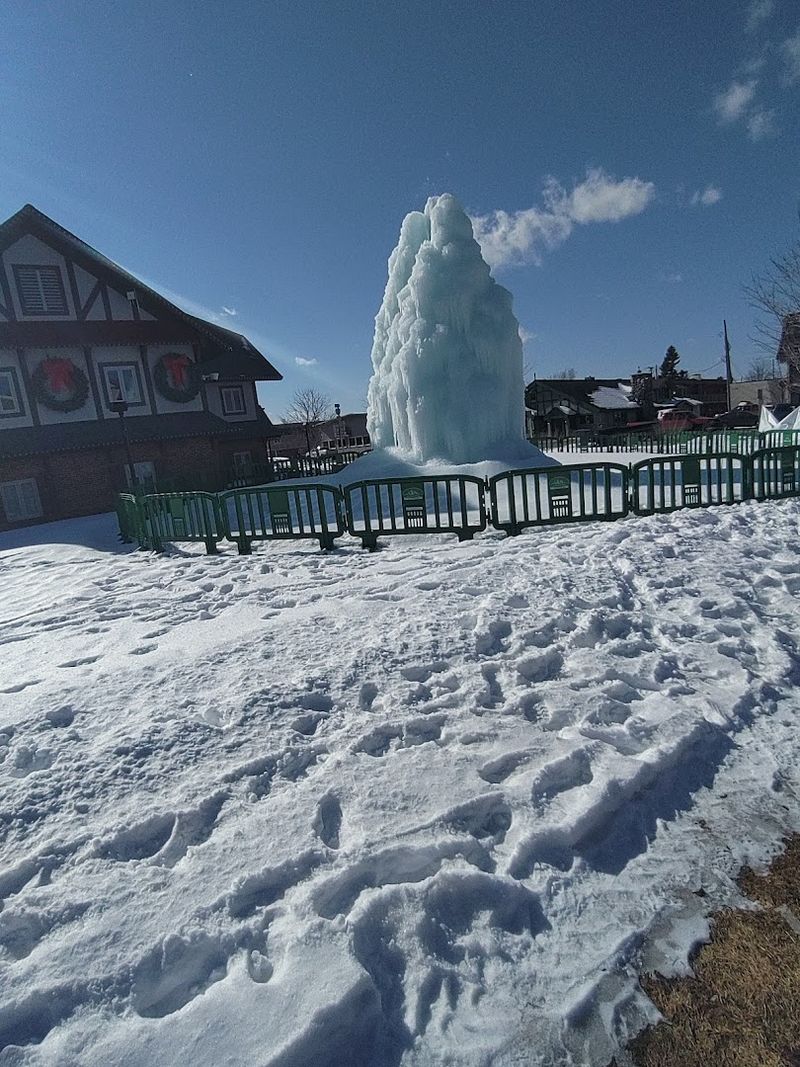
Snow sharpens everything here. When roofs collect white edges and the decorative trim stands out against gray sky, Gaylord stops resembling an Alpine village and starts behaving like one visually.
The setting suddenly makes complete geographic sense, not just thematic sense.
That is partly because Gaylord sits in Michigan’s Snowbelt and averages more than 200 inches of snowfall annually. Add its elevation of about 1,348 feet, the highest city in Michigan’s Lower Peninsula, and you get a landscape with more lift and winter presence than many visitors expect.
If you are drawn to the village idea itself, winter is the season that seals the argument. Dress seriously, wear footwear with grip, and leave extra time to enjoy the town between snowy errands and outdoor plans.
Use Downtown As A Base, Not The Whole Itinerary
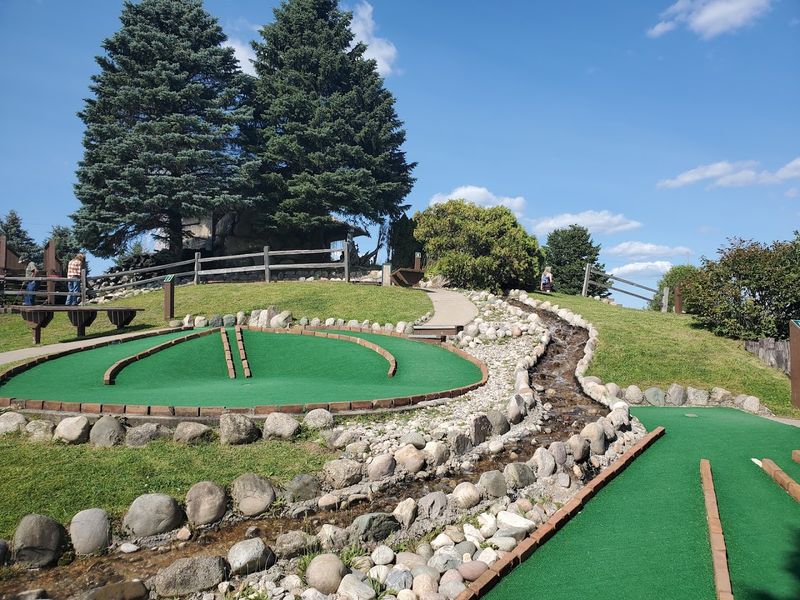
The smart way to visit is to treat the village as a center of gravity. Downtown gives you the visual identity, but the broader Gaylord area explains why Alpine styling took hold so naturally in the first place.
I found the contrast useful: polished facades in town, then woods, hills, trails, and open recreation just beyond.
This region is known for year-round outdoor options, including golf, hiking, biking, inland lakes, and winter sports. The North Central State Trail is one practical example if you want movement built into the day, while Otsego Lake and surrounding countryside expand the sense of place beyond the storefronts.
Spend part of your time on foot downtown, then go outward. The village reads more authentically when you understand the landscape supporting it.
Notice How Pedestrian-Friendly The Core Feels
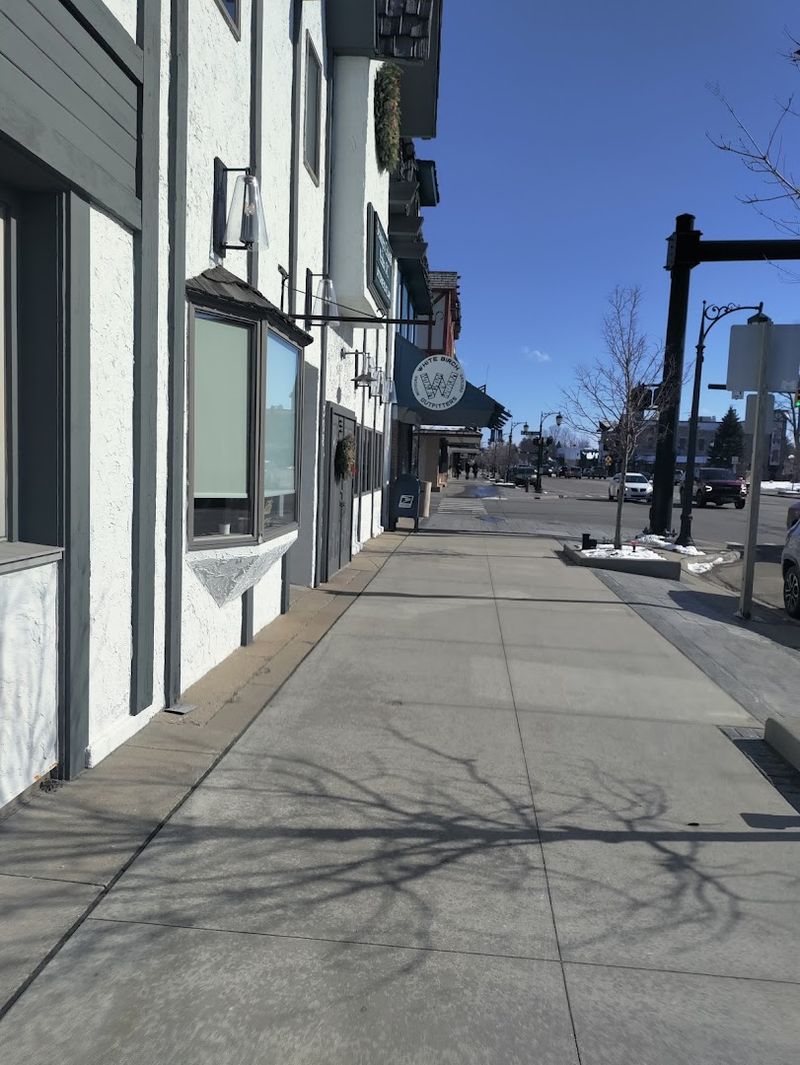
Some themed districts look better from a windshield than from a sidewalk. Gaylord is the opposite.
The downtown core is pedestrian-friendly enough that you can move from one block to the next without losing the thread, which matters because this place depends on accumulated visual detail rather than one grand landmark.
Shops, cafes, boutiques, galleries, and restaurants sit close enough together to create a village rhythm that feels sociable without becoming hectic. That compactness lets the architecture do its work, since you are always within view of another chalet-style facade or decorative roofline.
My advice is simple: park once and wander. A short distance on foot reveals more than a longer drive ever will, especially if you like small town urbanism where the design invites lingering instead of rushing.
Pay Attention To Consistency, Not Spectacle
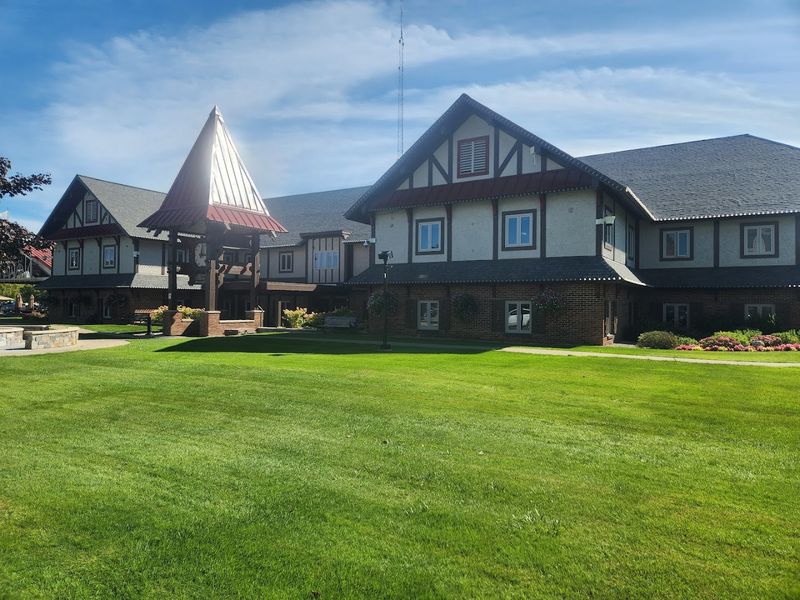
What impressed me was not a single dramatic building but the discipline of repetition. Gaylord’s Alpine character works because the elements recur across downtown: brackets, trim, flower boxes, pitched roofs, exposed structure, and the occasional playful flourish.
Nothing needs to shout when the whole street is in on the idea.
That consistency is partly why the village avoids feeling like a temporary set. City planners still reference the original vision and favor the Alpine motif when considering new development, which helps newer construction stay in conversation with older themed buildings.
For visitors, the reward is subtle. You start noticing how carefully maintained identities shape mood over time.
Instead of hunting for one famous photo spot, let the cumulative design build its case block by block.
Treat It As A Civic Story, Not A Gimmick
The best mindset for visiting Gaylord is curiosity rather than irony. Yes, it is a themed place, but it is also a functioning northern Michigan city that used design, climate, and local tradition to shape a durable identity.
That combination gives the village more integrity than the word theme usually suggests.
If you come expecting a copy of Switzerland, you will miss the more interesting truth. Gaylord is distinctly Michigander in scale, weather, and pace, yet it has built a convincing Alpine language that still organizes downtown life today.
See the facades, learn the 1960s reinvention story, look for the Swiss sister-city connection, and if possible catch a seasonal tradition. You leave with more than cute photos.
You leave understanding how a town made itself memorable on purpose.