
This Ancient Arizona Cliff Dwelling Belongs On Your Bucket List
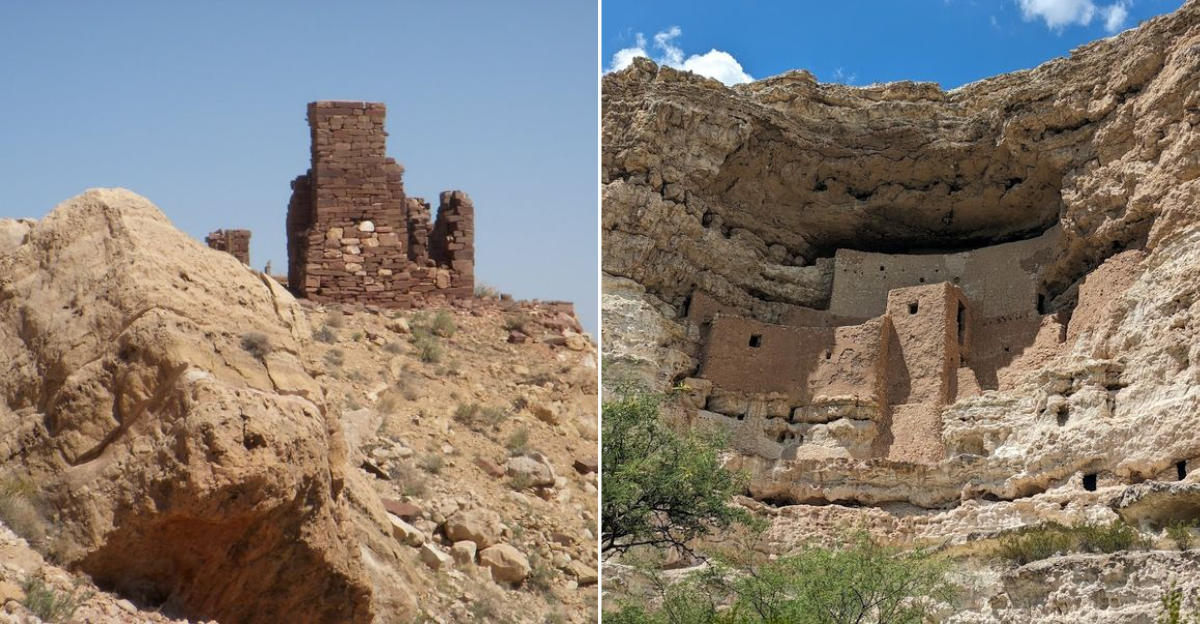
If these walls could talk, they’d probably tell me to watch my step, but they’d also tell the most incredible story in the Southwest. On a recent road trip through the dusty landscapes of Arizona, I stumbled upon what looks like a castle straight out of a storybook, except it’s carved into the side of a giant rock face.
Looking up at those tiny windows, I couldn’t help but wonder about the people who hauled every piece of timber and mud up those dizzying heights just to call it home.
It feels less like a tourist stop and more like a portal to a forgotten world. Seriously, if you haven’t seen this vertical wonder in person yet, you’re missing out on a piece of history that feels almost magical.
Built by the Sinagua people between roughly 1100 and 1425 CE, this extraordinary structure has survived centuries of weather, time, and change.
The Sinagua People And Their Remarkable Story
Long before modern cities dotted the Arizona landscape, a resourceful and inventive group of people called the Sinagua were already engineering solutions to the challenges of desert life.
Their name, given by later Spanish explorers, roughly translates to “without water,” which is a bit ironic considering how cleverly they managed water resources in an arid environment.
The Sinagua settled throughout central Arizona and developed a culture that blended agricultural skill with remarkable architectural ability. They farmed the land near Beaver Creek, traded with neighboring peoples, and built communities that reflected both practicality and creativity.
Their pottery, tools, and jewelry, many of which are displayed at the visitor center today, reveal a society with a rich artistic tradition.
Understanding who the Sinagua were transforms a visit from a simple sightseeing stop into something far more meaningful. You are not just looking at old rocks and walls here at Montezuma Castle National Monument.
You are standing in the presence of a civilization that thrived here for centuries and left behind an architectural legacy that still impresses engineers and historians today.
The Castle Itself: A Five-Story Marvel In The Cliffside
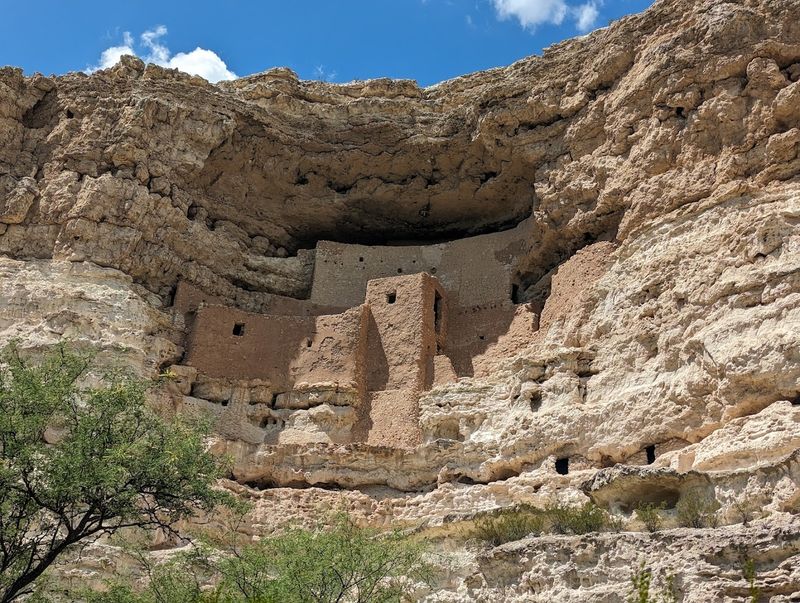
Perched roughly 90 feet above the ground in a natural alcove of a limestone cliff, the main structure at Montezuma Castle is the kind of sight that makes your jaw drop on first glance.
The building rises five stories and contains about 20 rooms, all constructed without modern tools, machinery, or scaffolding as we know it today.
The Sinagua used locally sourced limestone blocks and mud mortar to build walls that have endured for nearly a millennium. Wooden beams, some of which are still visible, were carefully fitted into the structure to support upper floors.
The craftsmanship is so precise that many rooms remain intact, making this one of the best-preserved prehistoric cliff dwellings in all of North America. What strikes me most when standing below it is the deliberate choice of location. Building 90 feet up a sheer cliff face was not accidental.
It offered natural protection from both weather and potential threats, while keeping residents close to the water and farmland below. Every design choice tells a story of smart, intentional living.
Montezuma Well: The Hidden Gem Eleven Miles Away
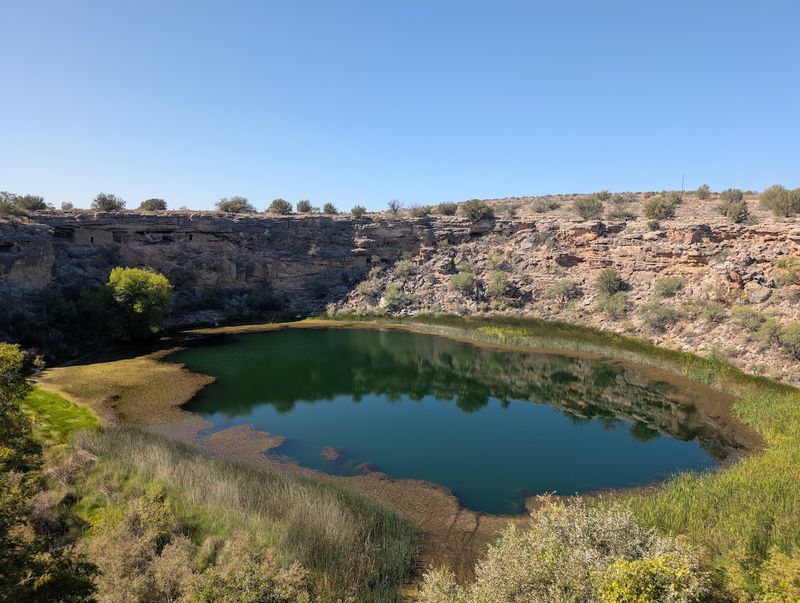
About 11 miles northeast of the main castle site, tucked into the desert landscape, lies one of Arizona’s most quietly spectacular natural features.
Montezuma Well is a natural limestone sinkhole that measures about 470 feet across and holds water year-round, fed by underground springs that pump roughly 1.5 million gallons per day.
For thousands of years, this reliable water source made the area a magnet for human settlement. The Sinagua and their predecessors built dwellings along the rim and inner walls of the well, and they engineered irrigation canals that carried water to farmland below.
Remarkably, some of those ancient canal routes are still traceable today, a testament to the engineering skill of the people who built them. The well also supports a unique ecosystem found nowhere else on Earth, including several species of invertebrates that evolved in isolation within its waters.
I found the walk around the rim trail to be peaceful, shaded in parts, and full of small surprises. Combining both sites in a single day makes for a deeply satisfying visit that covers history, nature, and geology all at once.
Walking The Trail: What To Expect On Your Visit
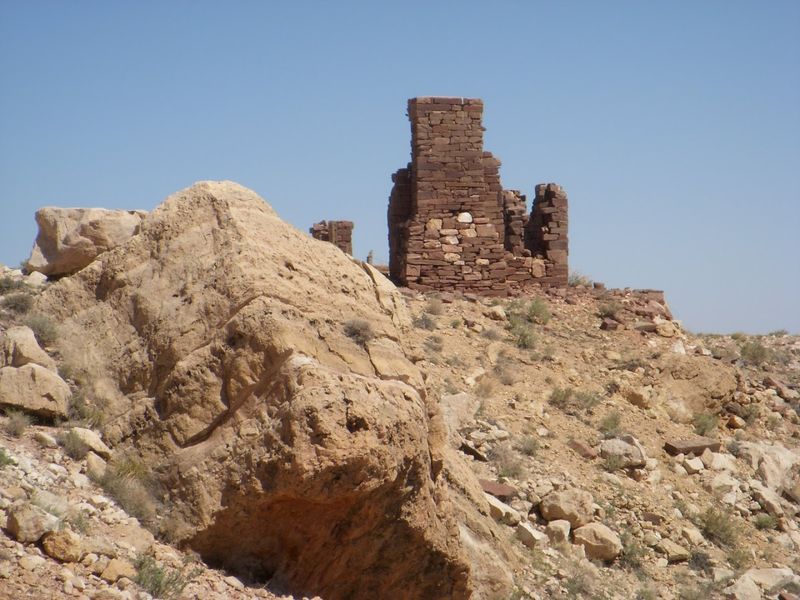
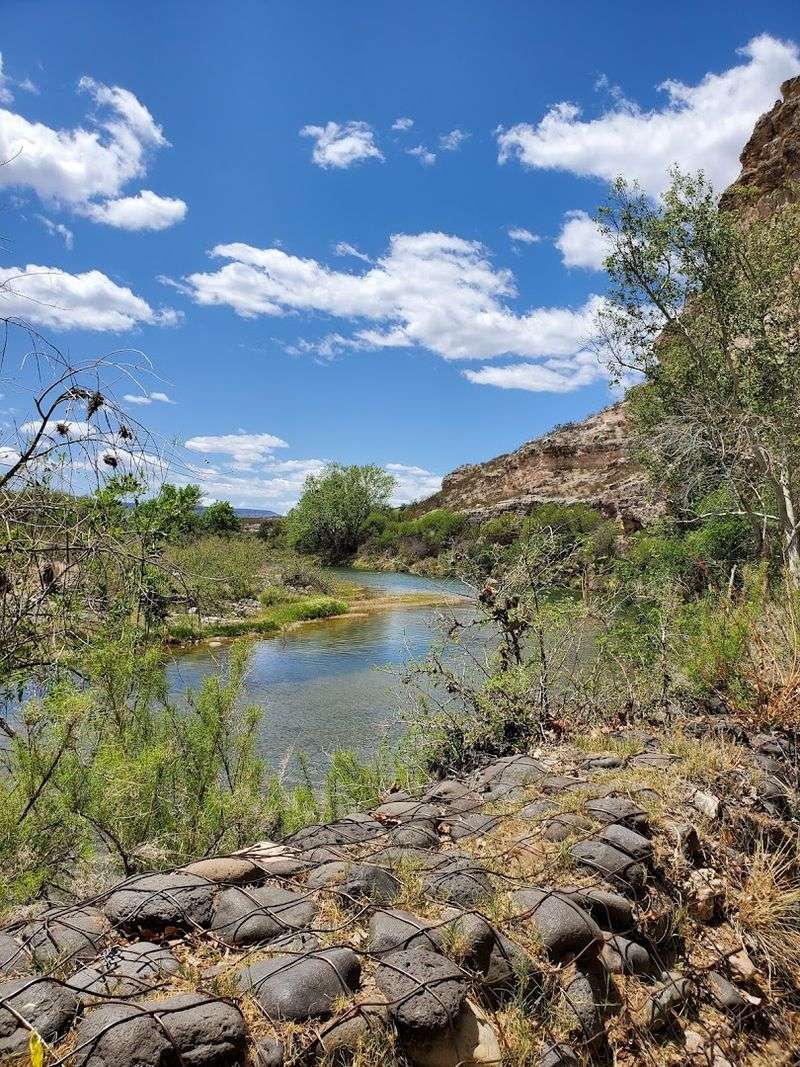
The main trail at Montezuma Castle is a 0.3-mile paved loop that winds through sycamore trees along Beaver Creek and delivers several excellent viewing angles of the cliff dwelling above. It is fully wheelchair accessible, stroller-friendly, and suitable for visitors of all fitness levels, which makes it one of the more inclusive national monument experiences you will find anywhere.
The walk itself takes about 20 to 30 minutes at a comfortable pace, though most people linger longer because the views keep changing as you move around the loop. Interpretive signs along the path explain the history of the Sinagua, the construction techniques used in the dwelling, and the ecological importance of Beaver Creek.
The shaded sections near the creek feel noticeably cooler, a welcome relief on warm Arizona afternoons.
One practical note: visitors can no longer climb up into the castle itself, as public access was closed in 1951 to protect the fragile structure. But the ground-level views are genuinely impressive, and the trail layout is designed to make the most of every vantage point available from below.
The Visitor Center: History You Can See Up Close
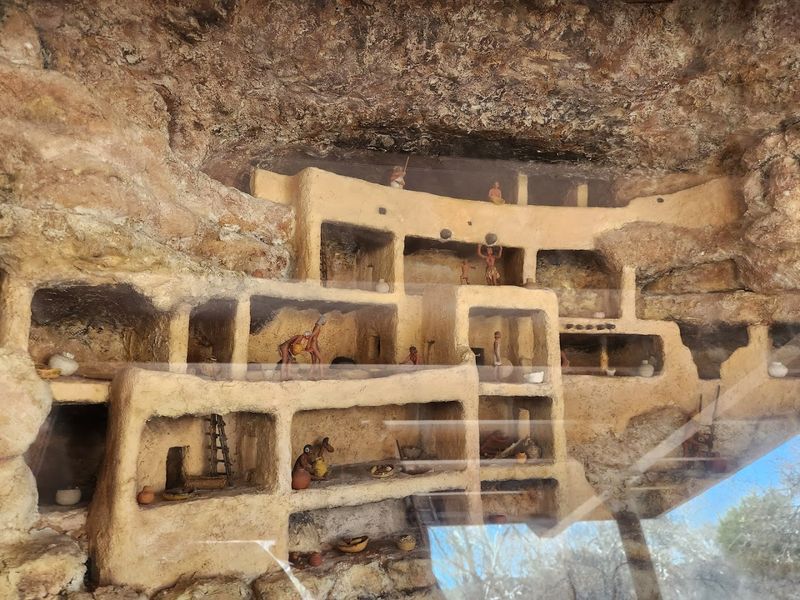
Before or after walking the trail, the visitor center is absolutely worth your time. It houses a thoughtful collection of Sinagua artifacts, including pottery, stone tools, woven textiles, and jewelry, that bring the daily life of the ancient residents into clearer focus.
Seeing these objects in person, rather than in a textbook, makes the history feel immediate and real. Park rangers are usually on hand to answer questions and share stories about the site that you would not find on any sign along the trail.
I had a brief conversation with one ranger about the debate over why the Sinagua eventually abandoned the castle around 1425 CE, and the nuance in her answer was fascinating. No one knows for certain, and that mystery is part of what keeps researchers and visitors coming back.
The center also offers a small bookshop where you can pick up field guides, history books, and educational materials about both the Sinagua and the broader Verde Valley region. Parking is free, the entrance fee for adults is $10 as of 2024, and children under 16 enter at no charge.
The monument opens daily at 8:00 a.m. and closes at 5:00 p.m., except on Christmas Day.
Best Time To Visit And Planning Tips
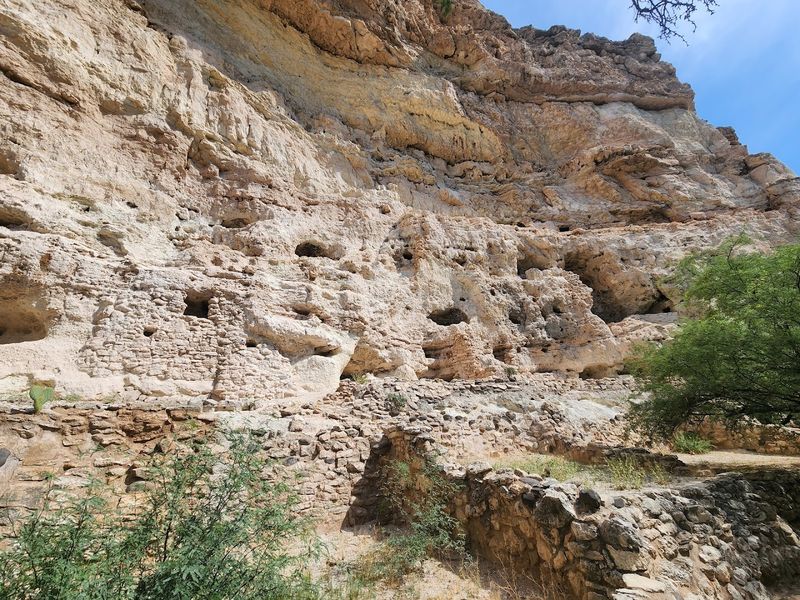
Arizona’s climate plays a big role in how comfortable your visit will be, so timing matters. Spring, from March through May, is widely considered the best season to visit Montezuma Castle.
Temperatures are mild, the vegetation along Beaver Creek is lush and green, and the morning light hits the cliff face in a way that is genuinely beautiful for photography.
Fall, from September through November, is a close second, offering similarly comfortable temperatures and fewer crowds than the spring peak. Summer visits are possible but require preparation, as temperatures in the Verde Valley regularly climb above 100 degrees Fahrenheit.
If you do go in summer, arriving right at the 8:00 a.m. opening time gives you the coolest part of the day and the softest light on the dwelling. Plan to spend at least two to three hours if you want to explore both the main castle site and Montezuma Well.
Bring water, wear sun protection, and pack a small snack since there are no food vendors on site. The monument address is 2800 Montezuma Castle Road, Camp Verde, Arizona 86322, and it is well-signed from Interstate 17.
Nearby Attractions And How To Make A Full Day Of It
One of the best things about visiting Montezuma Castle is how naturally it fits into a broader Verde Valley itinerary. The region is packed with history, scenery, and outdoor adventure, so extending your trip by even one day opens up a whole new set of experiences worth having.
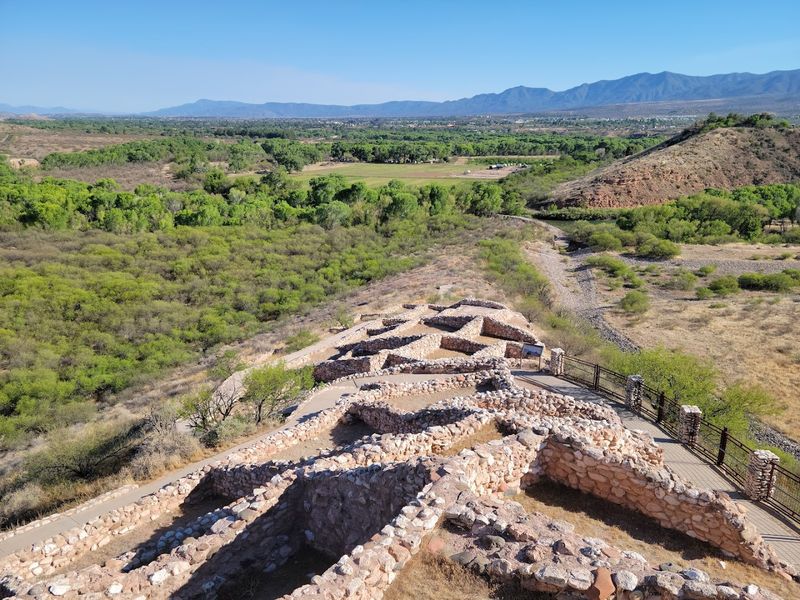
Tuzigoot National Monument, located near Clarkdale about 25 miles from Montezuma Castle, features a hilltop pueblo that the Sinagua also built, this one offering sweeping views across the Verde Valley. The contrast between the two sites is striking.
Where Montezuma Castle hugs a cliff face in a river canyon, Tuzigoot crowns a ridgeline and commands a wide open panorama.
Together, they paint a fuller picture of Sinagua life across different landscapes. Sedona is only about 30 miles to the north and makes an excellent base for exploring the region, with its famous red rock scenery and extensive trail network.
Jerome, a historic former mining town perched on a hillside nearby, adds yet another layer of Arizona history to a Verde Valley road trip. This corner of Arizona rewards curious travelers who take the time to look around.