
This Ann Arbor, Michigan Sanctuary Began With A Tiny Alligator And Now Has 70 Species
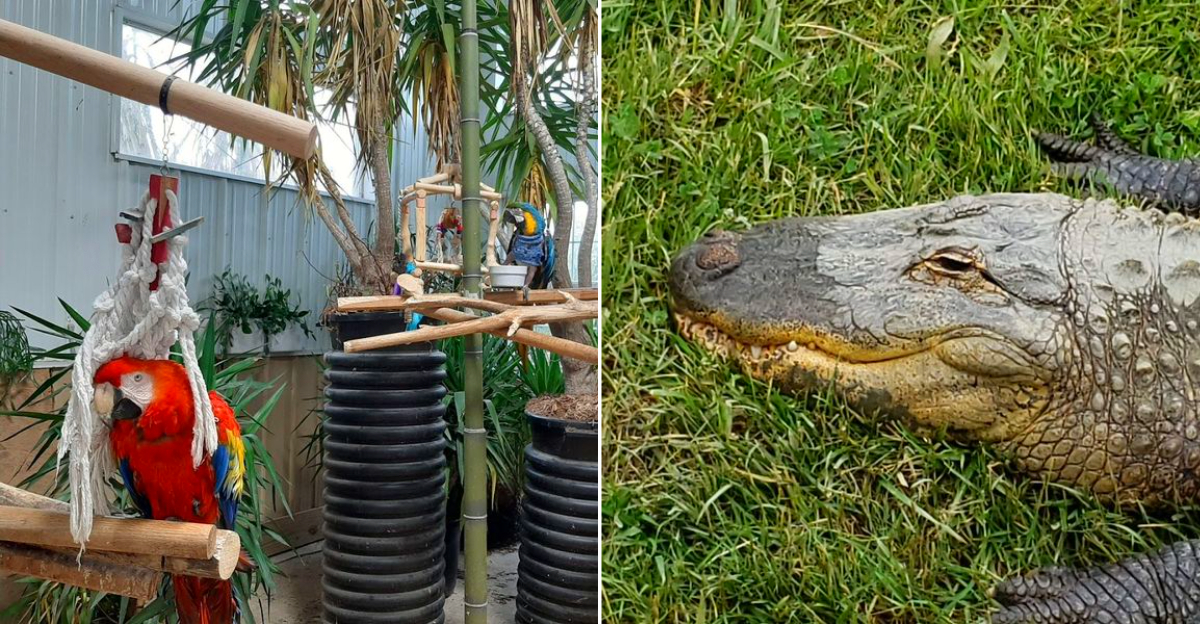
Just off Ann Arbor-Saline Road, tucked behind the usual suburban blur of grocery runs and errands, lies a four-acre sanctuary that feels like a quiet glitch in the matrix of daily life.
This place doesn’t do “flashy”; it does “meaningful,” beginning famously in 2005 when a 42-inch alligator named Al was left on a doorstep in a wooden box.
Since that scaly surprise, it has evolved into a nonprofit refuge for over 400 animals, ranging from sloths and clouded leopards to porcupines with massive personalities. I’m an absolute sucker for the way the staff here talks to you, not at you, about conservation, making every encounter feel like an intimate, behind-the-scenes secret.
Experience the best exotic animal encounters in Ann Arbor, Michigan, at this amazing nonprofit wildlife rescue, featuring sloths, clouded leopards, and the famous Al the alligator. Ready to meet the resilient, quirky residents who are currently teaching Ann Arbor how to really look at the natural world?
Start With Al, The Alligator Who Changed Everything
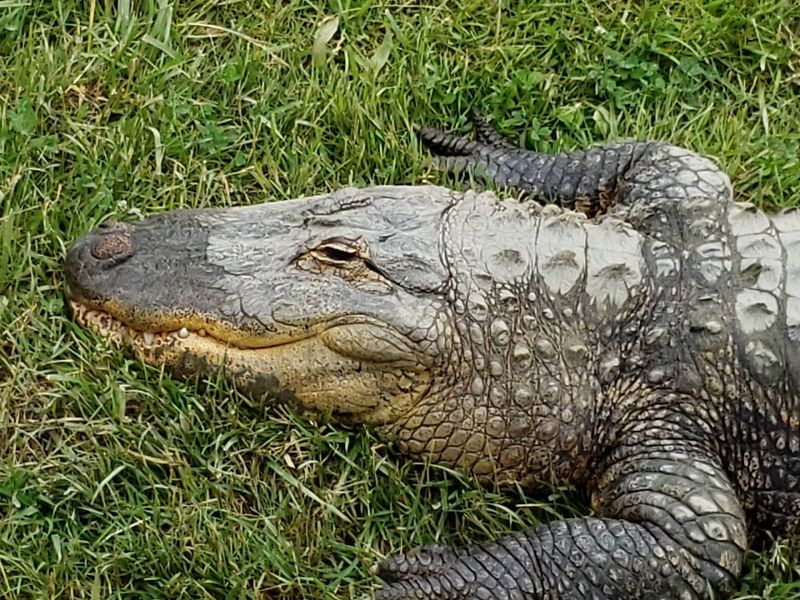
The origin story here has teeth, literally. In August 2005, a 42-inch American alligator was abandoned in a wooden box at a local veterinary clinic, and that small, baffling crisis became the seed of The Creature Conservancy.
Founder and head curator Steve Marsh named him Al, then built a place around the problem Al represented. Exotic animals often outgrow private homes, budgets, patience, and legal comfort zones, and this sanctuary gives some of them a steadier second chapter.
Knowing that history changes the visit. You are not just looking at unusual animals behind glass, you are tracing how one rescued reptile revealed a whole hidden need in southeast Michigan.
A Sanctuary Of Fur, Scales, And Feathers
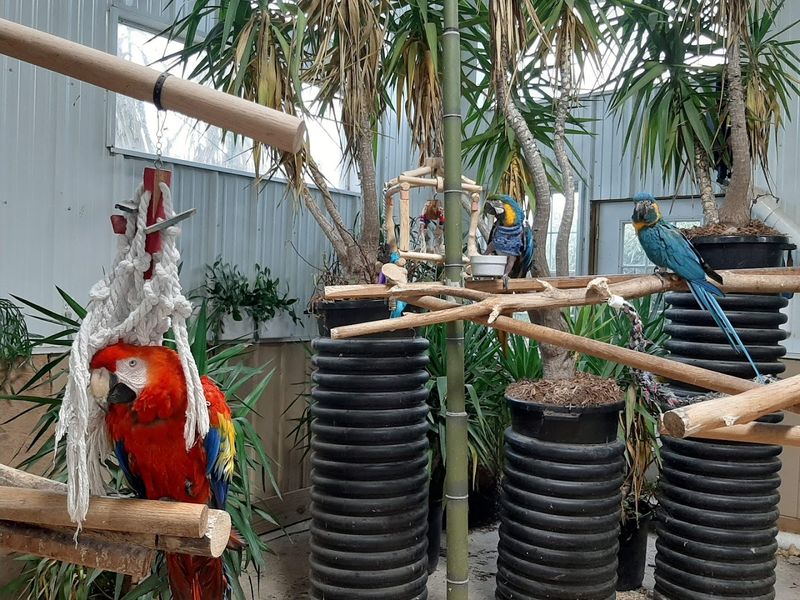
The air at The Creature Conservancy is a lively mix of fresh hay, the earthy scent of wood mulch, and the occasional, unexpected tropical humidity from the indoor habitats. Stepping onto the grounds, you are met with an atmosphere of quiet curiosity, where the typical zoo barriers feel replaced by a sense of intimate, respectful observation.
The space is a thoughtfully designed rescue and education center that prioritizes the well-being of its residents, many of whom are former exotic pets, offering a rare chance to see majestic animals up close while learning the complex stories of how they arrived there.
You’ll find this wildlife haven at 4940 Ann Arbor-Saline Rd, Ann Arbor, MI 48103, nestled on a sprawling campus just south of the city. The transition from the busy Saline road to the peaceful, animal-filled enclosures of the conservancy marks your arrival at a destination dedicated to the conservation and deep appreciation of the natural world.
Treat The Presentations As The Main Event
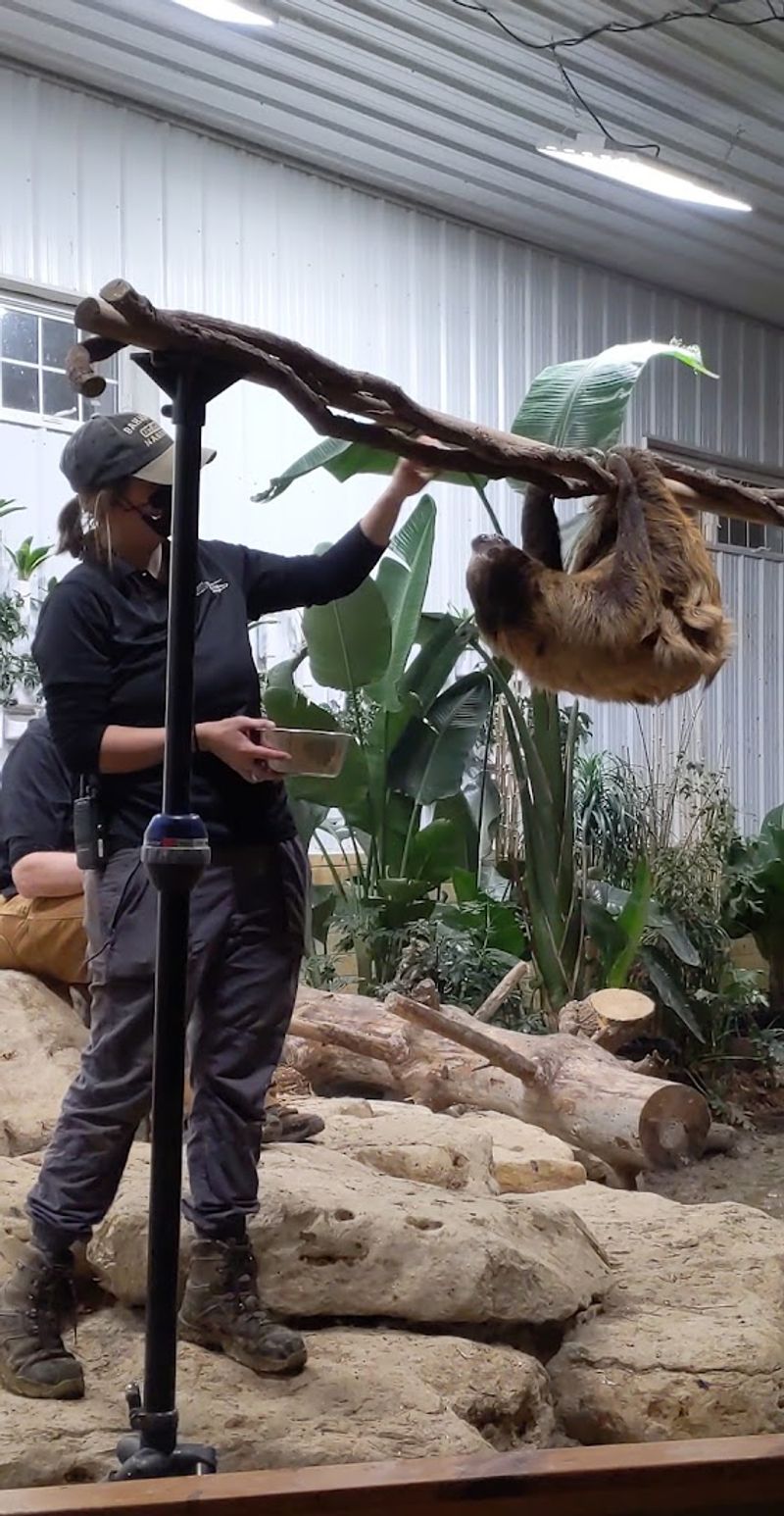
A quiet sign can teach you plenty, but the keeper talks are where the place really opens up. During public hours, scheduled programs and Zookeeper’s Talks bring animals into focus through behavior, diet, individual history, and conservation context.
They also give the visit a stronger sense of sequence, turning casual looking into something more attentive and memorable. The format is compact enough for kids, yet detailed enough for adults who like facts with their fur and scales.
You may hear about a clouded leopard’s adaptations, a python’s muscle logic, or why a sloth moves like a philosophical question. Those details tend to stay with you longer than species names alone, because they connect each animal to a distinct way of living.
Plan your arrival around the day’s program list rather than treating it as a bonus. The sanctuary is small enough to explore, but the talks provide the memory hooks. Without them, you still see animals, but with them, the whole place starts to feel more legible, layered, and worth revisiting in your mind later.
Look For The Individual Stories, Not Just Species Names
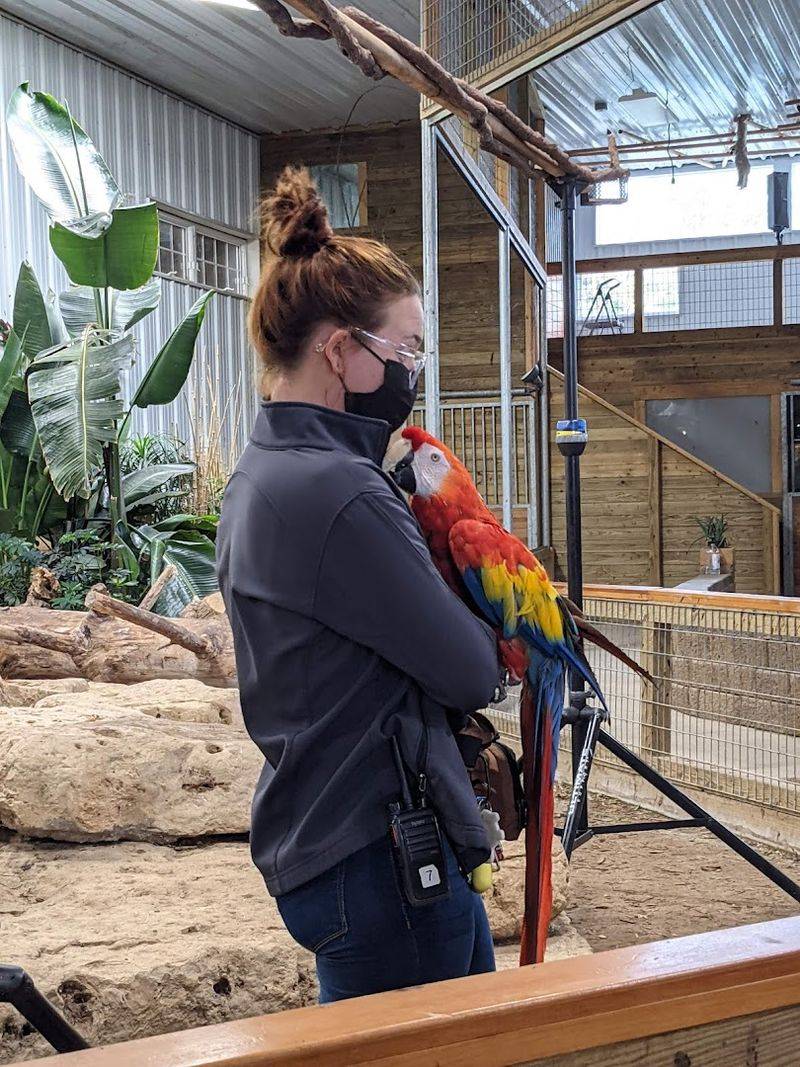
One of the loveliest details is how often the signs point past taxonomy and toward biography. You learn not only what an animal is, but who the resident is, what foods are favorites, and sometimes how that creature came to live here.
That approach suits a sanctuary built around animals that cannot simply be released or casually rehomed. Many residents are former exotic pets, while others are injured, non-releasable Michigan wildlife requiring long-term care.
Slow down for those labels, even when a habitat seems quiet. A sleeping animal paired with a good story can be more revealing than a flashy moment, and the little biographies reward patient visitors.
Notice How Close The Encounters Feel
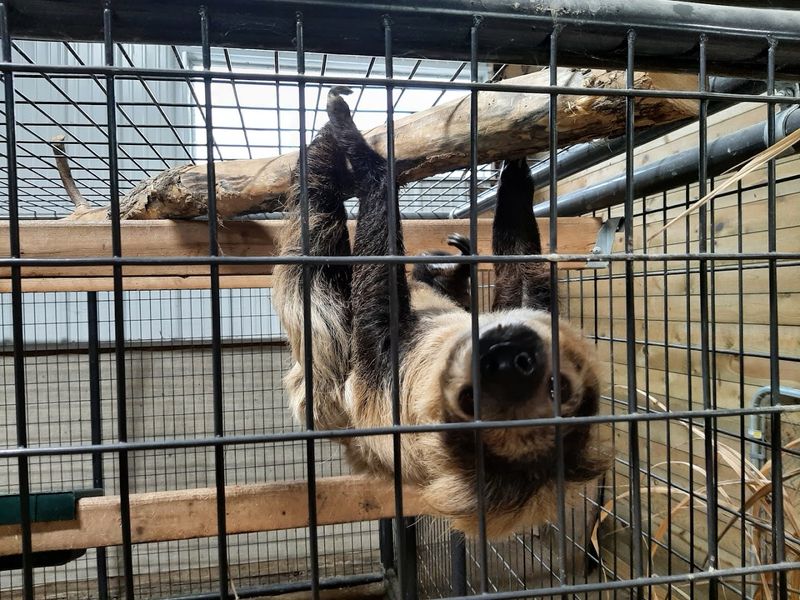
The scale is part of the charm. Instead of long marches between distant habitats, The Creature Conservancy offers a closer, denser experience where a sloth overhead, a watchful bird, or a reptile behind glass can suddenly become the whole room.
That closeness comes with responsibility, of course. Staff and volunteers guide interactions, and animal welfare sets the boundaries, not visitor wish lists or camera hunger.
For you, the best habit is simple: listen first, photograph second, touch only when invited. The reward is a visit that feels personal without pretending the animals are props, which is a surprisingly rare balance in animal attractions.
Give The Indoor Spaces Their Due
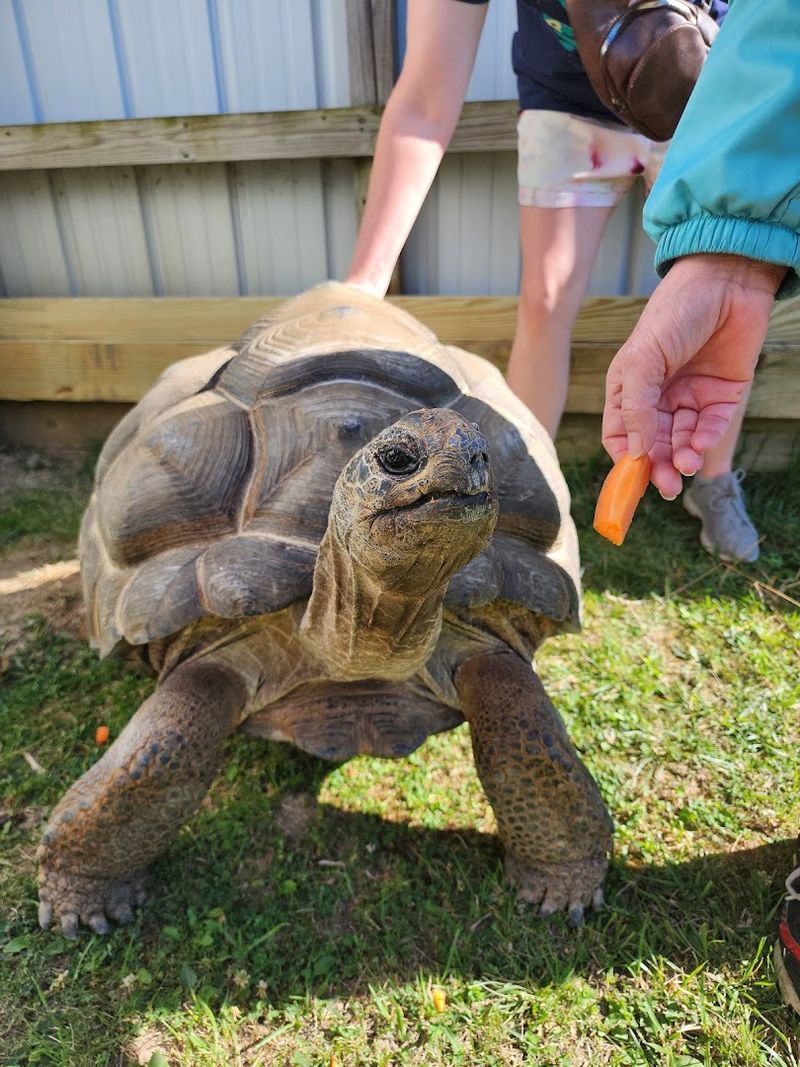
Michigan weather has a mischievous personality, so the indoor exhibits are more than a convenience. Many displays are under cover, which makes the sanctuary a workable outing during summer heat, winter chill, or that gray Ann Arbor drizzle that seems professionally scheduled.
The indoor areas also support animals needing controlled environments, steady temperatures, and thoughtful enrichment. Look for planted habitats, climbing structures, perches, pools, and other details that keep residents active and comfortable.
If you are visiting with children or mobility concerns, this layout helps. The facility is handicap and stroller accessible, and the compact footprint means you can absorb a lot without turning the day into a hike.
Step Outside For The Local Wildlife Thread
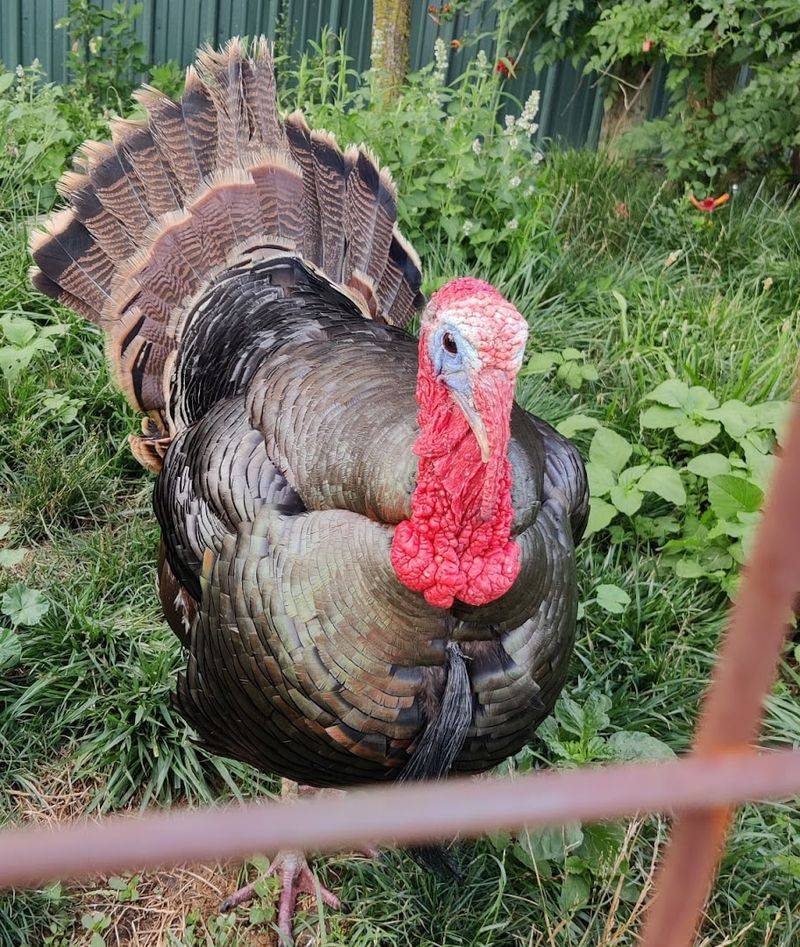
Outside, the place feels more connected to its Michigan setting. The Creature Conservancy is known for housing both exotic species and injured, non-releasable native wildlife, which gives the visit a wider lens than novelty alone.
That mixture is useful. A bald eagle or owl can make conservation feel local and immediate, while animals from farther away show how private ownership, habitat pressure, and public education are tangled together.
Outdoor visibility can shift with season, temperature, and the animals’ moods. Do not treat a hidden resident as a disappointment. At a good sanctuary, the animal gets to choose shade, privacy, warmth, or distance, which is part of the lesson.
Bring Questions For Staff And Volunteers
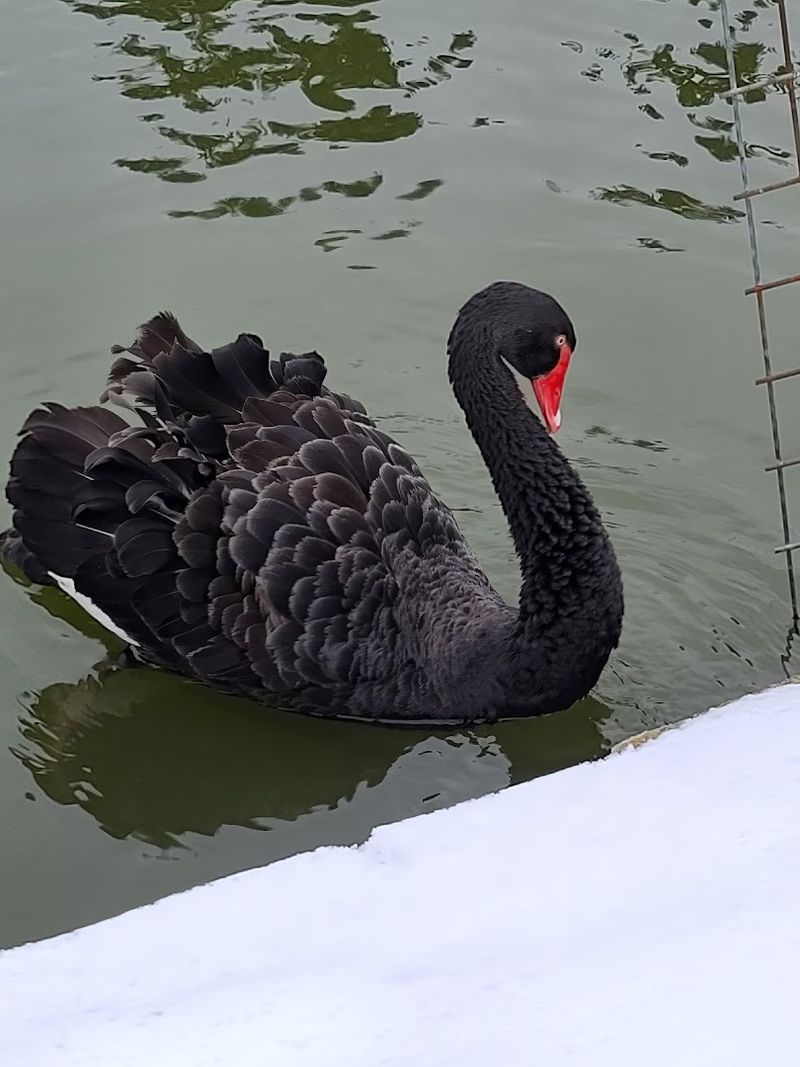
The human layer here is unusually important. More than 150 volunteers help support the nonprofit’s work, and the staff’s animal knowledge turns casual looking into actual learning if you give them an opening.
Ask specific questions: What does this animal eat? Why is that enrichment object there? How did this resident arrive? Those questions tend to unlock the kind of detail you cannot get from a quick lap around the room.
The Creature Conservancy’s mission is Conservation Through Education, and conversation is part of the infrastructure. You are not bothering people by being curious, as long as you are respectful of barriers, timing, and animals resting.
Understand The Welfare Philosophy Beneath The Cute Moments
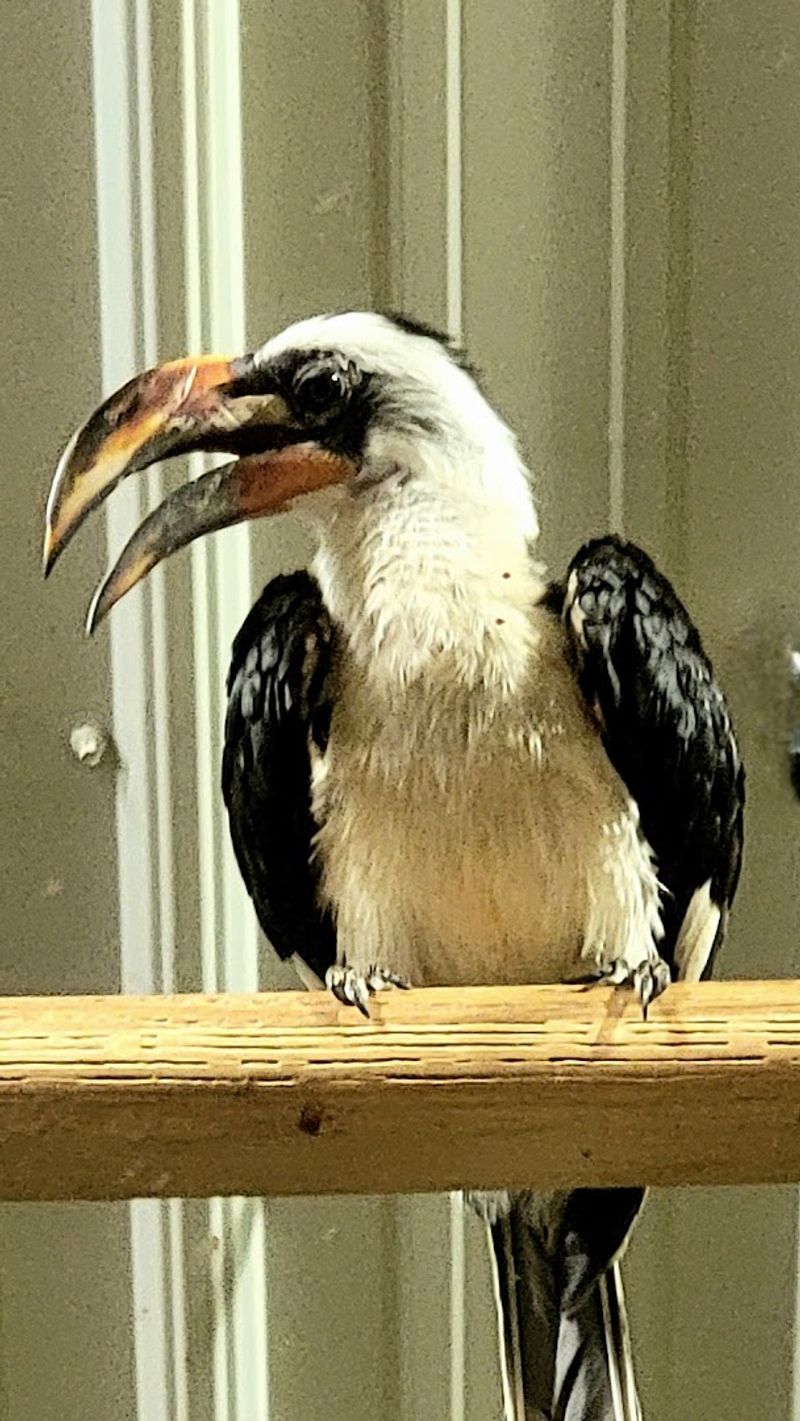
It is easy to be distracted by the expressive faces, odd toes, glossy feathers, and slow-motion sloth drama. Still, the deeper story is care, and The Creature Conservancy states that it follows the five freedoms of animal welfare in shaping resident lives.
That means attention to nutrition, health, comfort, mental stimulation, and freedom from unnecessary distress. Veterinary care is connected with Animal Kingdom Veterinary Hospital, reinforcing the site’s unusual bond between medical care and sanctuary work.
As a visitor, you can read the space through that lens. Notice enrichment objects, resting options, habitat structure, and staff choices that prioritize animals over spectacle. The cutest moment is often the one with boundaries.
Make It A Family Visit Without Surrendering Your Adult Brain
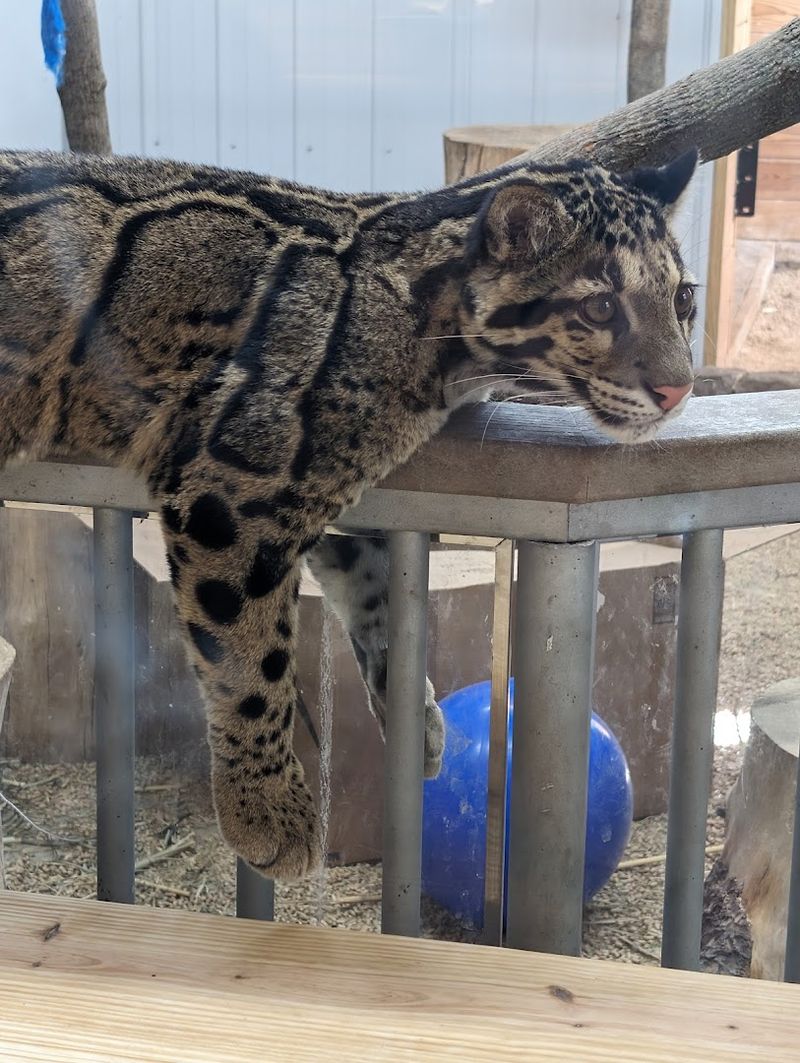
Children have plenty to do here, including animal viewing, educational programs, and craft activities when available, but the place does not talk down to adults. That is a small miracle in the family outing category.
The admission structure is straightforward: self-guided tours are listed at $15 for ages 13 and up, $13 for children ages 2 to 12, and free for children under two. Because programming can change, confirm prices and schedules online before loading everyone into the car.
Give yourself at least two hours if you want exhibits plus a presentation. Shorter visits work, but the sanctuary rewards lingering, especially when a quiet animal suddenly decides to become fascinating.
Leave Room For The Nonprofit Mission To Sink In
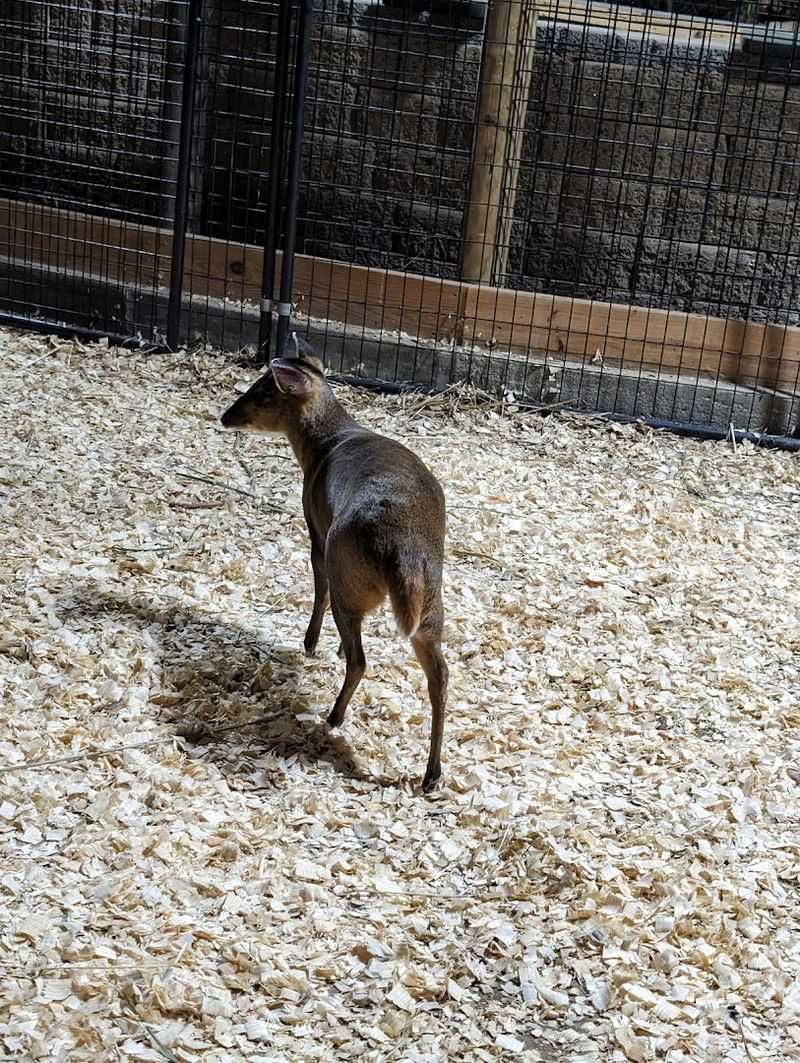
The exit can sneak up on you, especially after a visit full of bright eyes, odd paws, and surprisingly specific animal facts. Before you leave, take a moment to remember that The Creature Conservancy is a nonprofit, not a conventional zoo.
Public admission, memberships, donations, programs, private tours, field trips, camps, and volunteer support all help sustain its work. The animals here require specialized food, enclosures, veterinary attention, heating, cooling, enrichment, and trained human patience.
If the visit stays with you, consider a membership, donation, or return trip for a different monthly program. The best souvenirs are not always plush, though the gift shop may try to argue otherwise.